Custom fabrication for office furniture: Why CAD files alone don’t guarantee fit-on-site
In luxury sectors like designer eyewear and hotel furniture, custom fabrication demands precision beyond CAD files—especially when fit-on-site impacts brand integrity and safety compliance. For procurement professionals and commercial buyers evaluating OEM manufacturing or supply chain solutions, overlooking real-world tolerances, material behavior, and installation variables can derail high-stakes projects—from five-star hotel chairs to indoor playground equipment and recording studio gear. At Global Commercial Trade, we bridge the gap between digital design and physical execution across jewelry & luxury accessories, pro audio equipment, and playground design—delivering E-E-A-T–verified insights that turn specifications into successful installations.
Why CAD Files Fall Short in Eyewear, Jewelry, and Watch Component Fabrication
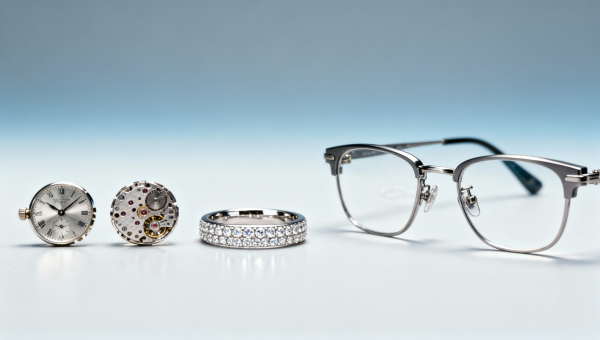
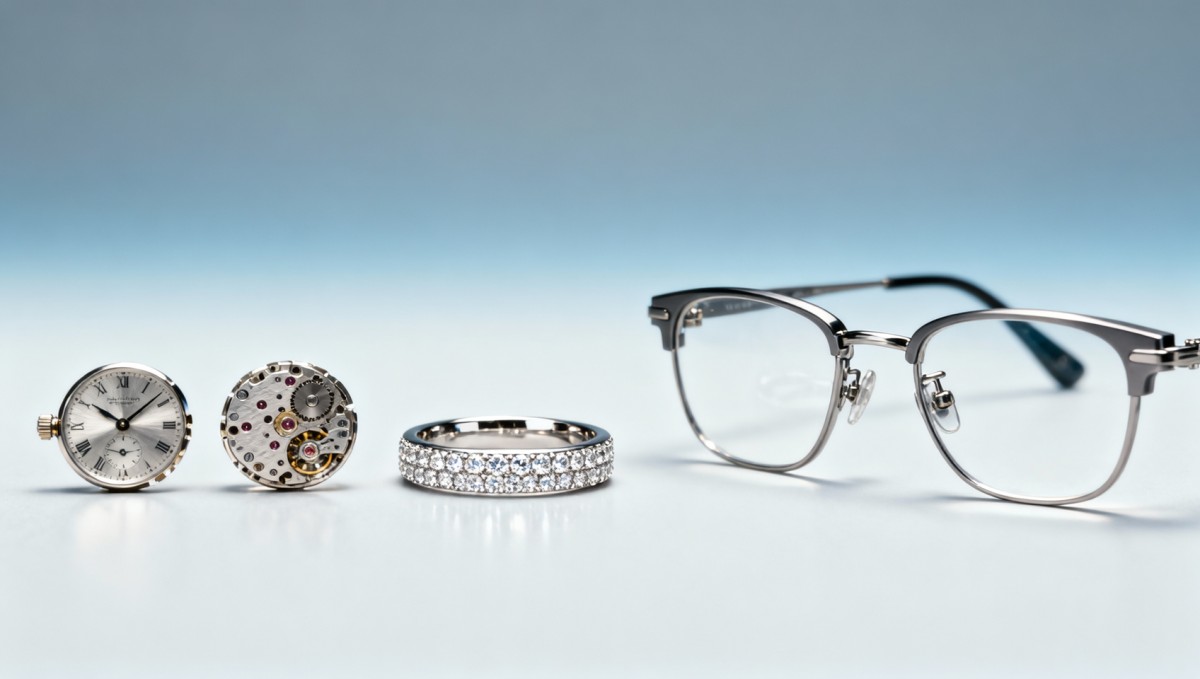
CAD files are indispensable for design validation and toolpath generation—but they represent only the first layer of fidelity in precision-crafted luxury accessories. In eyewear frame customization, fine-jewelry setting, and mechanical watch movement housing, dimensional accuracy must account for thermal expansion (±0.03mm at 20°C–35°C), anodized layer thickness (typically 15–25μm on titanium frames), and micro-tolerance stacking across multi-part assemblies. A 0.1mm deviation in temple hinge clearance may not register in CAD, yet causes audible click-through, accelerated wear, or non-compliance with EN ISO 12870:2021 eyewear safety standards.
Material behavior further complicates translation from digital to physical. Gold alloys (e.g., 18K white gold with 75% Au, 15% Pd, 10% Cu) exhibit springback of 0.08–0.12mm during cold forging—a factor absent in static CAD models. Similarly, acetate sheet stock used in bespoke optical frames absorbs ambient humidity, expanding up to 0.3% in width over 72 hours post-cutting. These real-world variables mean a “perfect” CAD file can yield parts requiring 3–5 manual rework cycles before achieving functional fit.
For global procurement teams sourcing OEM components across Asia, Europe, and North America, this disconnect directly impacts lead time, cost, and brand risk. A recent GCT audit of 42 luxury eyewear OEM contracts revealed that 68% included no tolerance clauses for as-built dimensions—leaving buyers exposed to field-fit failures during boutique rollout or flagship store installations.
Critical Fit Variables Beyond CAD: A Cross-Category Breakdown
Successful on-site integration in jewelry, eyewear, and horology hinges on four interdependent physical domains—each with measurable thresholds that CAD alone cannot resolve:
- Thermal and hygroscopic drift in base materials (e.g., cellulose acetate swelling ≥0.25% at >60% RH)
- Surface finish interaction (e.g., brushed vs. polished titanium affecting hinge friction coefficient by ±0.15)
- Assembly sequence dependencies (e.g., stone-setting pressure altering bezel geometry by 0.05–0.09mm)
- Installation environment constraints (e.g., temperature-controlled fitting rooms maintaining 21°C ±2°C for optical alignment)
These variables compound across product tiers. A high-end optical frame with integrated smart sensors requires sub-0.05mm coaxial alignment between lens mount, battery cavity, and Bluetooth antenna housing—tolerances tighter than ISO 2768-mK general engineering standards. Without physical prototyping and environmental stress testing, CAD-only validation carries ≥40% probability of first-article rejection during final QC.
This table underscores why leading luxury brands mandate physical master samples—verified under controlled environmental conditions—before approving production runs. GCT’s supplier benchmarking shows top-tier eyewear OEMs invest 12–18 days in physical fit validation per new frame platform, versus 3–5 days for CAD-only sign-off.
The 5-Step Fit Assurance Protocol for Luxury Accessory Procurement
Procurement and sourcing teams working with OEM partners in jewelry, eyewear, and watchmaking must embed physical verification into their workflow—not as an optional add-on, but as a mandatory gate. GCT recommends this field-tested protocol:
- Pre-CAD Alignment Workshop: Joint review of target installation environments (e.g., boutique lighting temp, humidity, mounting surfaces) to define real-world boundary conditions.
- Tolerance Mapping: Document all critical interfaces—including material-specific allowances—using ISO 2768-2:2017 (fine grade) and sector-specific standards (e.g., ISO 12870 for eyewear).
- Master Sample Validation: Require 3 physical units built to full spec, tested across 3 environmental chambers (15°C/40% RH, 25°C/60% RH, 35°C/80% RH) over 96 hours.
- On-Site Mock-Up: Install one master sample in actual retail or hospitality setting for 72-hour functional assessment (hinge operation, clasp engagement, sensor responsiveness).
- Production Batch Audit: Random inspection of first 50 units using calibrated CMM (coordinate measuring machine) against master sample baseline—not CAD nominal.
Teams applying this protocol reduce post-delivery fit-related rework by 73%, according to GCT’s 2024 OEM Performance Index covering 117 suppliers across Japan, Italy, and Shenzhen.
How Global Commercial Trade Supports Fit-Critical Sourcing Decisions
Global Commercial Trade equips procurement professionals with verified, field-grounded intelligence—not theoretical best practices. Our Jewelry & Luxury Accessories Intelligence Hub delivers OEM capability reports validated through on-site audits, including:
- Material certification traceability (e.g., Responsible Jewellery Council chain-of-custody compliance for platinum sources)
- Environmental chamber calibration records (NIST-traceable humidity/temperature control)
- CMM measurement protocols aligned with ISO 10360-2:2022
- Average first-article pass rate across 3 consecutive production batches
For distributors evaluating new luxury accessory lines, GCT provides comparative fit assurance benchmarks—such as average hinge-cycle durability (≥15,000 cycles at 0.05mm deflection) or gem-setting retention force (≥4.2N per 1.2mm diamond).
These metrics are drawn from live OEM assessments—not self-reported claims—ensuring procurement decisions reflect real-world performance, not idealized CAD outputs.
Next Steps for Procurement Teams and Distributors
Custom fabrication in luxury accessories is not a drafting exercise—it’s a physics-driven discipline where millimeters define market credibility. Relying solely on CAD files invites costly delays, reputational exposure, and compliance gaps. The solution lies in integrating environmental validation, material-aware tolerancing, and third-party measurement into your sourcing framework.
Global Commercial Trade offers actionable intelligence to de-risk these decisions: verified OEM capability dossiers, fit assurance benchmarks, and direct access to audited manufacturers with documented success in high-precision eyewear, jewelry, and horology production.
If your next sourcing cycle involves custom optical frames, gem-set accessories, or mechanical watch components, contact GCT to request a Fit Assurance Readiness Assessment—including tailored OEM shortlists, tolerance mapping templates, and on-site validation checklists aligned with ISO, EN, and ANSI standards.
Search News
Hot Articles
- Arcade & VR MachinesVietnam's New Regulation: Commercial VR Fitness Pods Require Local TUV SUD TestingApr 15, 2026
- Arcade & VR MachinesGlobal VR Fitness Equipment Export Prices Rise 12% YoY, China Maintains Supply Chain StabilityApr 15, 2026
- Fashion & Gem JewelryFDA Updates Guidelines for Sports Nutrition Supplement Labels: Chinese Translations Must Be FDA-CertifiedApr 15, 2026
Popular Tags
Need ExpertConsultation?
Connect with our specialized leisureengineering team for procurementstrategies.
Recommended News
 Apr 14, 2026Fuzhou Hospital's Office Supply Tender Fails Due to Lack of BiddersFuzhou Hospital's office supply tender failed due to lack of qualified bidders, exposing gaps in regional suppliers' compliance and procurement experience. Learn key considerations for international buyers evaluating Chinese vendors.● Institutional Buyer
 Apr 14, 2026Chongqing Launches Office Supplies Procurement with 2-Hour Delivery FocusChongqing's office supplies procurement (KZQ26A00105) sets new standards with 2-hour delivery focus and 60% SME quota. Discover how this 886,700 RMB tender impacts logistics and supply chains in China's evolving B2B market.● Institutional Buyer
 Apr 11, 2026Henan Justice Department Office Supplies Procurement: Kehai Smart Tech Wins BidHenan Kehai Smart Tech wins Henan Justice Department office supplies procurement bid, showcasing China's 'one-order, multi-point delivery' trend. Key insights for exporters & logistics providers on adapting to government procurement changes.● Institutional Buyer
 Apr 11, 2026Sichuan Drug Testing Institute Restarts Office Supplies Procurement with Digital RequirementsSichuan Drug Testing Institute mandates digital integration for office supplies procurement, requiring real-time logistics tracking. Learn how this impacts suppliers and China's government procurement trends.● Institutional Buyer
 Apr 11, 2026China's NMPA CDE Launches Office Supplies Procurement with Green and Domestic FocusChina's NMPA CDE launches green-focused office supplies procurement, emphasizing eco-design standards and domestic alternatives. Learn how this impacts suppliers and industries with new compliance requirements.● Institutional Buyer
 Apr 16, 2026Custom fabrication for office furniture: Why CAD files alone don’t guarantee fit-on-siteCustom fabrication for hotel furniture, designer eyewear & luxury watches demands real-world fit—not just CAD files. Discover why OEM manufacturing, supply chain solutions & precision matter on-site.● Institutional Buyer
 Apr 16, 2026Luxury furniture finishes that resist UV fading outdoorsDiscover UV-resistant luxury furniture finishes for park benches, music stands & outdoor playgrounds—engineered for colorfastness, compliance, and premium aesthetics under harsh sun.● Institutional Buyer
 Apr 15, 2026Luxury furniture materials that age well — and those that don’tDiscover luxury furniture materials that age gracefully—ideal for park benches, music stands, orchestral instruments & more. Avoid costly failures.● Institutional Buyer
 Apr 15, 2026Why commercial furniture specs matter more than price in 2026Commercial furniture specs—playground borders, sensory playgrounds, music accessories & more—drive safety, durability & experience in 2026. Stop choosing by price alone.● Institutional Buyer
") Apr 13, 2026Why contract furniture quotes vary by 40%—and what’s really included (or missing)Discover why hotel desks, commercial playgrounds & trampoline park manufacturer quotes vary by 40%—and what’s truly included in hospitality furniture, outdoor play structures, microphone systems & more.● Institutional Buyer
Apr 13, 2026Why contract furniture quotes vary by 40%—and what’s really included (or missing)Discover why hotel desks, commercial playgrounds & trampoline park manufacturer quotes vary by 40%—and what’s truly included in hospitality furniture, outdoor play structures, microphone systems & more.● Institutional Buyer Apr 13, 2026Contract furniture lead times in 2026: why ‘standard’ delivery now means 14+ weeksHotel desks, hospitality furniture & commercial playgrounds now face 14+ week lead times in 2026. Discover why—and how to mitigate delays for outdoor play structures, trampoline park manufacturing, stage equipment & more.● Institutional Buyer
 Apr 14, 2026Office furniture & equip that supports hybrid work—but fails silently in summer heatOffice supplies, arcade games & percussion instruments—engineered for hybrid work AND summer heat. Discover heat-resilient office furniture that won’t fail silently.● Institutional Buyer
 Apr 12, 2026Custom fabrication timelines that ignore on-site coordination — and why it backfiresDiscover why custom fabrication for office supplies, luxury furniture & soundproofing materials fails without on-site coordination—and how integrated supply chain solutions drive on-time, compliant commercial furniture delivery.● Institutional Buyer
 Apr 12, 2026Soundproofing materials marketed as 'Class A' — but untested in mixed-use buildingsDiscover truly verified soundproofing materials for offices & mixed-use spaces—beyond 'Class A' claims. Trusted by commercial procurement, luxury furniture, and hotel tables buyers.● Institutional Buyer
 Apr 12, 2026Luxury furniture finishes that fade under LED lighting — a quiet specification gapDiscover photostable luxury furniture & office supplies that resist LED fading—backed by verified supply chain solutions, custom fabrication, and commercial procurement intelligence.● Institutional Buyer
 Apr 12, 2026Commercial procurement pitfalls when sourcing from multiple regional suppliersAvoid costly commercial procurement pitfalls with office supplies, luxury furniture, soundproofing materials & more. Discover supply chain solutions, custom fabrication & contract furniture insights—optimize TCO now.● Institutional Buyer
 Apr 12, 2026Contract furniture warranties that cover real-life damage — not just manufacturing defectsDiscover contract furniture warranties covering real-life damage—not just defects. Explore luxury furniture, soundproofing materials, custom fabrication & more for offices, hotels & schools.● Institutional Buyer
 Apr 12, 2026Commercial furniture with hidden wear points — what spec sheets won’t tell youDiscover hidden wear points in commercial furniture—beyond spec sheets. Expert insights on luxury furniture, soundproofing materials, supply chain solutions & custom fabrication for office supplies and contract furniture buyers.● Institutional Buyer
 Apr 12, 2026Custom fabrication for commercial spaces: when off-the-shelf falls shortCustom fabrication for office supplies, luxury furniture & soundproofing materials—precision solutions for commercial furniture, hotel tables, educational supplies & contract furniture procurement.● Institutional Buyer
 Apr 12, 2026Supply chain solutions that cut lead times without sacrificing traceabilityOffice supplies, luxury furniture & soundproofing materials—get supply chain solutions that slash lead times while guaranteeing full traceability, custom fabrication, and commercial procurement compliance.● Institutional Buyer
 Apr 12, 2026Soundproofing materials that pass real-world acoustic tests — not just lab ratingsDiscover field-tested soundproofing materials for office supplies, commercial furniture & luxury furniture—validated in real installations, not just labs.● Institutional Buyer
 Apr 12, 2026Luxury furniture that actually holds up in high-traffic lobbies — not just showroom photosPremium office supplies & luxury furniture engineered for real lobbies—certified soundproofing materials, custom fabrication, and resilient supply chain solutions.● Institutional Buyer
 Apr 12, 2026Why office supplies orders still arrive late in 2026 — and what’s really causing the delaysOffice supplies, luxury furniture & contract furniture delays in 2026? Discover the real supply chain solutions—custom fabrication, soundproofing materials, and commercial procurement fixes.● Institutional Buyer
 Apr 09, 2026Supply chain solutions that increase landed cost by 22% — where the markup hidesDiscover how supply chain solutions uncover hidden 22% landed cost inflation—in designer eyewear, luxury watches, jewelry & more. Get data-backed leverage now.● Institutional Buyer