Custom Furniture Delays Often Start at the Drawing Stage
Many custom furniture delays begin long before production—at the drawing and specification stage. For buyers sourcing hotel furniture, luxury furniture, hotel beds, hotel chairs, hotel tables, or even park benches for mixed-use commercial projects, unclear designs can trigger costly revisions, compliance issues, and lead-time overruns. Understanding these early bottlenecks helps procurement teams, distributors, and project evaluators reduce risk and make smarter sourcing decisions.
Why the Drawing Stage Creates So Many Custom Furniture Delays
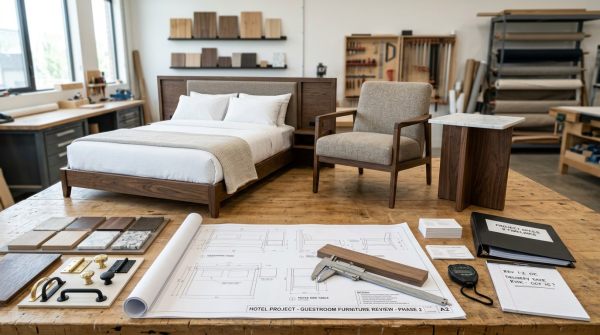
In commercial furniture sourcing, the drawing stage is not a cosmetic step. It is the technical bridge between concept and manufacturable reality. When hotel furniture or luxury furniture projects enter sampling with incomplete dimensions, vague finishes, or inconsistent bill-of-material notes, the supplier must pause for clarification. A delay of 3–7 days at this stage can easily expand into 2–4 weeks once engineering revisions, sample updates, and internal approvals are added.
This issue is common across hotel beds, hotel chairs, hotel tables, banquette seating, casegoods, and outdoor park benches. The more customized the furniture, the more drawing accuracy matters. A decorative panel profile that looks minor in a rendering may affect tooling, edge treatment, packing dimensions, and freight loading. In B2B projects, one unresolved detail rarely stays isolated; it often impacts adjacent products across an entire room package or public-area installation.
For procurement teams, the risk is not just a later ship date. Drawing-stage problems often influence unit cost, compliance review, installation scheduling, and payment milestones. A hospitality group opening a 120-room property or a mixed-use developer coordinating lobby, guestroom, and outdoor seating cannot afford repeated design loops. The earlier the specification is stabilized, the more predictable the sourcing plan becomes.
Global Commercial Trade supports buyers in this evaluation process by focusing on sourcing intelligence, supplier capability signals, and project-level decision criteria. In practice, this helps commercial buyers compare not just product appearance, but also manufacturability, communication quality, and the supplier’s ability to move from drawing approval to production release without hidden friction.
The most frequent drawing-stage bottlenecks
- Missing dimensions for critical interfaces, such as mattress recess depth, tabletop thickness, chair seat height, or wall-fix spacing.
- Finish descriptions that are visual only, without substrate, sheen, grain direction, edge detail, or hardware references.
- Conflicts between renderings, shop drawings, BOQ sheets, and procurement schedules, especially in multi-vendor hospitality projects.
- Late decisions on fire performance, moisture resistance, outdoor durability, or project-specific compliance needs.
What Commercial Buyers Should Check Before Approving Furniture Drawings
A drawing should do more than show form. It must confirm how the product will be produced, packed, shipped, assembled, and used in the target environment. For hotel furniture procurement, a practical review usually covers 5 key checkpoints: dimensions, materials, finish construction, hardware, and installation interface. If one of these is unclear, the design may still look complete while remaining unready for production.
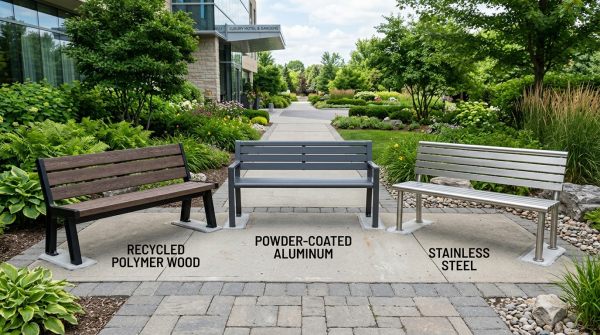
Buyers evaluating hotel beds should verify base construction, mattress support, headboard mounting, upholstery thickness, and housekeeping clearance. For hotel chairs and hotel tables, load expectations, joint method, edge wear, and stackability or mobility may matter more than purely visual approval. For park benches or semi-outdoor furniture, the drawing must specify whether components are intended for covered outdoor use, exposed weather, or high-traffic public installation.
Procurement officers and commercial evaluators also need to confirm tolerance logic. A stone-top table paired with a metal base may require tighter connection alignment than a fully wooden table. A wardrobe integrated into a guestroom millwork package may need site dimension coordination within ±2 mm to avoid installation conflicts. These are not abstract engineering details; they directly affect delay probability.
The table below summarizes a practical pre-approval checklist for custom furniture drawings used in hospitality, educational, office, and mixed-use commercial sourcing. It is especially useful when comparing multiple OEM or ODM suppliers during technical review.
A checklist like this reduces ambiguity before sample release. It also makes supplier comparison more objective. Instead of judging only by rendering quality or quoted price, buyers can assess whether a factory understands hospitality-grade custom furniture execution across design, production, and site delivery.
A 4-step approval routine that saves time
- Lock the room or area concept first, including use intensity, cleaning method, and target life cycle.
- Review technical drawings against the BOQ and finish schedule, not in isolation.
- Approve a control sample only after confirming dimensions, materials, and interface details.
- Release production with a signed revision record to prevent version confusion.
How Drawing Quality Affects Lead Time, Cost, and Supplier Selection
In furniture and decor sourcing, poor drawings rarely fail in obvious ways at the start. They often pass the visual stage and then create friction in engineering, sample room review, procurement control, or installation. This is why experienced buyers treat drawing quality as a supplier qualification signal. A factory that asks precise technical questions early may actually be lower risk than one that approves everything too quickly.
Custom furniture delays also differ by product type. Upholstered hotel beds may absorb moderate design updates during sample development. Metal-framed hotel chairs with complex joins may become expensive to revise once jigs are prepared. Hotel tables with stone, sintered stone, or glass tops often require edge, insert, and packing decisions before fabrication starts. Outdoor park benches add weathering, anchoring, and coating concerns that should be resolved before the first prototype.
From a commercial standpoint, every unresolved detail can shift cost. A change from standard laminate to real wood veneer may affect not only material price but also labor hours, finishing yield, and defect risk. Likewise, revising a knock-down structure after carton design can alter packing count per container, increasing freight cost by a measurable margin across medium or large-volume orders.
The following comparison table helps buyers and distributors distinguish between a low-risk and high-risk drawing process when sourcing custom furniture for hotels, offices, campuses, or leisure venues.
For business evaluators, this kind of comparison is useful during supplier shortlisting. It shifts the discussion from “Who gave the lowest quote?” to “Who can reliably turn a commercial concept into approved, compliant, and shippable furniture?” That question is often more valuable in hospitality and mixed-use projects where delay costs can exceed unit savings.
When lower price creates higher delay risk
An aggressive quotation can look attractive during the bidding phase, especially for distributors or project buyers managing dozens of SKUs. Yet if the quoted scope excludes drawing development, mock-up refinement, finish testing, or special packing, the real timeline may stretch after award. In many cases, a 5%–8% lower initial quote can be offset by redesign cost, expedited freight, or site correction work later.
This does not mean buyers should pay more by default. It means they should compare like-for-like scope. Ask whether the supplier’s quotation includes shop drawing revision rounds, sample support, hardware confirmation, and carton testing where needed. Those process details matter just as much as the base unit price.
GCT’s sourcing perspective is particularly relevant here because commercial buyers need both market visibility and technical review logic. A furniture supplier may be strong in visual craftsmanship yet weak in document control, export packaging, or compliance communication. The procurement decision should reflect the full operating reality, not just the product image.
Which Standards and Compliance Points Should Be Confirmed Early?
Compliance should be discussed during drawings, not after production begins. Different commercial furniture categories may involve fire performance, surface safety, structural suitability, chemical restrictions, or project-specific tender requirements. If these points are left open until the sample is finished, buyers may discover that a selected material, foam, adhesive, or coating is unsuitable for the intended market or commercial environment.
For hotel furniture, high-contact pieces such as hotel beds, bedside units, hotel chairs, and hotel tables should be reviewed for durability, cleanability, and safe edge design. Public-area furniture may face stricter wear expectations than guestroom items. Educational or office-adjacent furniture may introduce ergonomic or stability concerns. Outdoor benches and leisure-area seating need coating, corrosion resistance, drainage design, and substrate selection appropriate to the expected exposure level.
In global sourcing, buyers should ask suppliers what can be supported, documented, or coordinated rather than assuming all standards apply automatically. A practical review usually includes 3 layers: material suitability, construction suitability, and market-entry documentation. This helps prevent a common procurement mistake—treating certification language as a generic sales line instead of a product- and market-specific requirement.
The table below outlines common compliance topics that are often relevant in commercial furniture and decor sourcing. Exact requirements vary by country, project brief, and furniture category, so buyers should verify the project scope before locking specifications.
The procurement value of early compliance review is simple: it protects project timing. A buyer who resolves these points in the first 1–2 drawing rounds is far less likely to face late-stage material changes, rejected samples, or border documentation issues before shipment.
Common compliance questions buyers should ask
- Is the specified upholstery, board, coating, or adhesive suitable for the project market and intended commercial use?
- Does the supplier have a documented process for managing material substitutions if the original specification is unavailable?
- Are structural assumptions for hotel chairs, hotel tables, or park benches reflected in the approved drawings?
- What documentation, test references, or supporting declarations may be needed before shipment or installation?
FAQ: Practical Questions About Custom Furniture Delays and Sourcing Control
How long should the drawing and approval stage usually take?
For straightforward custom furniture, the first technical drawing round may be completed in 3–7 working days. Complex hospitality items, coordinated room packages, or mixed-material pieces can require 2–4 weeks including revisions and sample alignment. The key variable is not only product complexity but also decision speed on finishes, hardware, and compliance requirements.
If a project includes multiple categories such as hotel beds, bedside units, desks, lounge chairs, restaurant tables, and outdoor benches, buyers should avoid approving them one by one without version control. A grouped review process often reduces duplicated comments and keeps the package aligned.
What are the biggest mistakes procurement teams make at the drawing stage?
Three mistakes appear repeatedly. First, approving appearance before construction logic is clear. Second, assuming the quotation already includes all engineering and packing details. Third, delaying compliance questions until after sample completion. These habits can create hidden redesign cycles and make a supplier look slow when the real issue is incomplete technical release.
A better approach is to treat drawings as a procurement control tool. Ask for cross-checking between rendering, specification sheet, and final shop drawing. For commercial furniture, that discipline often matters more than reviewing visuals alone.
Are custom hotel furniture projects always slower than standard furniture orders?
Usually yes, but the degree varies. Standard items move faster because dimensions, materials, and packing logic are already proven. Custom hotel furniture requires project-specific decisions, and each decision can add review time. However, a well-managed custom program with clear drawings may outperform a poorly coordinated standard-plus-modification order that keeps changing after production planning.
For buyers, the priority should be predictability rather than speed alone. A reliable 6–8 week path is often better than an optimistic 4-week promise that later turns into 10 weeks due to drawing revisions.
How can distributors and agents reduce delay risk when representing custom furniture lines?
Distributors and agents should build a structured intake sheet before requesting quotations. That sheet should capture 5 core areas: application scenario, dimensions, material expectations, compliance needs, and target delivery window. This shortens the clarification cycle and improves quote accuracy from the beginning.
They should also ask suppliers for revision workflow, sample lead time, and approval responsibility. If these steps remain informal, channel partners may face client pressure later when schedules slip. In commercial furniture, document clarity is a sales protection tool as much as a technical tool.
Why Buyers Use GCT for Better Furniture Sourcing Decisions
Commercial buyers do not need more generic product descriptions. They need sourcing intelligence that helps them judge supplier readiness, project risk, and specification quality. That is where GCT adds value. Its industry focus across hospitality, institutional, leisure, and premium commercial sectors supports decision-making that goes beyond catalog browsing and price comparison.
For teams sourcing hotel furniture, luxury furniture, hotel beds, hotel chairs, hotel tables, or park benches, the practical questions are clear: Is the specification complete? Is the factory suitable for this type of customization? What compliance points must be addressed early? How can the buyer avoid costly redesign after approval? GCT’s editorial and sourcing framework is built around these commercial realities.
This is especially relevant for procurement managers, project evaluators, and distributors handling international supply chains. They often need support in 6 critical areas: supplier screening, product positioning, drawing-stage risk review, compliance alignment, lead-time judgment, and quotation comparison. Reliable insight in these areas can reduce uncertainty long before a purchase order is issued.
If you are reviewing a custom furniture program, GCT can help you move from vague concept files to actionable sourcing decisions. You can start discussions around parameter confirmation, product selection, revision control, delivery scheduling, compliance expectations, sample planning, and quotation structure. That creates a stronger basis for supplier comparison and a more stable path from drawing approval to final delivery.
What you can discuss with us
- Whether your hotel furniture or luxury furniture specification is complete enough for supplier quotation and sample release.
- How to compare custom hotel beds, hotel chairs, hotel tables, and public-area furniture across price, scope, and manufacturability.
- Which delivery windows are realistic for simple, moderate, and highly customized furniture packages.
- What compliance or documentation questions should be clarified before final drawing approval.
- How to plan sample support, quote communication, and supplier engagement for international commercial projects.
Contact us for project-specific evaluation
If your current project is facing uncertainty at the drawing stage, it is better to review the specification now than absorb delays later. Reach out to discuss dimension checks, material build-up, finish schedules, custom furniture lead times, certification expectations, sample support, or quotation comparison. For hospitality, office, campus, leisure, and mixed-use procurement, an early technical review often saves far more time than a late corrective action.
Search News
Hot Articles
- Stage Lighting & Truss2026 FIBA Women's World Cup Draw Sparks LED Timing Screen Upgrade DemandApr 28, 2026
- Pro Stage AudioKenyan Marathon WR Break Drives Demand for Timing Chips & Track SensorsApr 28, 2026
- Smart Campus Tech2026 Shanghai Smart Campus Expo: VR Teaching Devices Gain ITU & ISO/IEC 23053 CertificationApr 28, 2026
Popular Tags
Need ExpertConsultation?
Connect with our specialized leisureengineering team for procurementstrategies.
Recommended News
 Apr 28, 2026How to Tell if Custom Furniture Is Worth the Extra Lead TimeCustom furniture, hotel furniture, hotel beds, hotel chairs, hotel tables, park benches and luxury furniture—learn when longer lead times deliver better value, durability and ROI.● Institutional Buyer
 Apr 28, 2026Custom Furniture Delays Often Start at the Drawing StageCustom furniture delays often begin in drawings. Learn how hotel furniture, luxury furniture, hotel beds, hotel chairs, hotel tables, and park benches avoid costly sourcing delays.● Institutional Buyer
 Apr 28, 2026When Does Luxury Furniture Feel Premium and When Is It Overpriced?Luxury furniture, hotel furniture, custom furniture, hotel beds, hotel chairs, hotel tables, and park benches: learn when premium quality delivers value vs overpriced design, with smart sourcing tips.● Institutional Buyer
 Apr 28, 2026Luxury Furniture Trends Shaping Premium Interiors in 2026Explore 2026 luxury furniture trends, from custom furniture and hotel furniture to hotel beds, hotel chairs, hotel tables, and park benches—smart sourcing for premium interiors.● Institutional Buyer
 Apr 28, 2026Park Benches: Which Materials Need Less Maintenance Outdoors?Park benches made of aluminum, recycled plastic, and stainless steel need less upkeep outdoors. Ideal for luxury furniture, custom furniture, hotel furniture, and resort projects.● Institutional Buyer
 Apr 28, 2026What Makes Park Benches Hold Up Better in High-Traffic Areas?Park benches built for heavy use need smart materials, strong design, and low upkeep. Discover how they compare with luxury furniture, custom furniture, hotel furniture, and hotel equipment.● Institutional Buyer
 Apr 21, 2026What size hotel desks work in compact guest roomsHotel desks for compact guest rooms: discover the right hotel furniture sizes, layouts, and hospitality procurement tips to maximize space, comfort, and luxury furniture appeal.● Institutional Buyer
 Apr 21, 2026Hotel desks with built in power are now expectedHotel desks with built in power are redefining hotel furniture and hotel room furniture. Explore smarter commercial furniture choices for hospitality procurement and better guest satisfaction.● Institutional Buyer
 Apr 23, 2026Commercial Furniture Buying Mistakes to AvoidCommercial furniture buying mistakes can impact hotel tables, amusement equipment, playground borders, sensory playground safety, and more. Learn how to source smarter and avoid costly errors.● Institutional Buyer
 Apr 23, 2026Commercial Furniture Materials That Hold Up Better OutdoorsCommercial furniture that lasts outdoors: compare hotel tables, amusement equipment, playground borders, sensory playground seating, and playground safety-focused materials.● Institutional Buyer
 Apr 23, 2026Custom Furniture or Stock Which WinsCompare custom furniture vs stock for hotels and leisure park projects. From hotel beds, catering equipment, and soundproofing materials to playground swings and theme park rides, find the best-fit solution.● Institutional Buyer
 Apr 20, 2026Commercial furniture upholstery stains that won’t lift—even with pro cleanersCommercial furniture stains won’t lift? Discover stain-resistant solutions for hotel beds, park benches, luxury furniture & more—backed by lab data & real-world performance.● Institutional Buyer
 Apr 19, 2026Commercial furniture fire ratings that change mid-projectCommercial furniture fire ratings—especially for hotel beds, park benches, hotel chairs, and luxury custom furniture—can shift mid-project. Avoid delays, cost overruns, and non-compliance with real-time, E-E-A-T–validated fire safety intelligence.● Institutional Buyer
 Apr 17, 2026Why commercial furniture specs matter more than price in 2026Commercial furniture, playground borders, sensory playgrounds & more—why specs trump price in 2026 for safety, ROI & brand trust. Discover how.● Institutional Buyer
 Apr 17, 2026Office furniture & equip: How ‘modular’ claims fall apart after three reconfigurationscommercial furniture, playground safety & sensory playground systems—why 'modular' fails after 3 reconfigurations. Get data-backed validation for amusement equipment, hotel tables & educational supplies.● Institutional Buyer
 Apr 14, 2026Fuzhou Hospital's Office Supply Tender Fails Due to Lack of BiddersFuzhou Hospital's office supply tender failed due to lack of qualified bidders, exposing gaps in regional suppliers' compliance and procurement experience. Learn key considerations for international buyers evaluating Chinese vendors.● Institutional Buyer
 Apr 14, 2026Chongqing Launches Office Supplies Procurement with 2-Hour Delivery FocusChongqing's office supplies procurement (KZQ26A00105) sets new standards with 2-hour delivery focus and 60% SME quota. Discover how this 886,700 RMB tender impacts logistics and supply chains in China's evolving B2B market.● Institutional Buyer
 Apr 16, 2026Custom fabrication for office furniture: Why CAD files alone don’t guarantee fit-on-siteCustom fabrication for hotel furniture, designer eyewear & luxury watches demands real-world fit—not just CAD files. Discover why OEM manufacturing, supply chain solutions & precision matter on-site.● Institutional Buyer
 Apr 16, 2026Luxury furniture finishes that resist UV fading outdoorsDiscover UV-resistant luxury furniture finishes for park benches, music stands & outdoor playgrounds—engineered for colorfastness, compliance, and premium aesthetics under harsh sun.● Institutional Buyer
 Apr 15, 2026Luxury furniture materials that age well — and those that don’tDiscover luxury furniture materials that age gracefully—ideal for park benches, music stands, orchestral instruments & more. Avoid costly failures.● Institutional Buyer
 Apr 15, 2026Why commercial furniture specs matter more than price in 2026Commercial furniture specs—playground borders, sensory playgrounds, music accessories & more—drive safety, durability & experience in 2026. Stop choosing by price alone.● Institutional Buyer
") Apr 13, 2026Why contract furniture quotes vary by 40%—and what’s really included (or missing)Discover why hotel desks, commercial playgrounds & trampoline park manufacturer quotes vary by 40%—and what’s truly included in hospitality furniture, outdoor play structures, microphone systems & more.● Institutional Buyer
Apr 13, 2026Why contract furniture quotes vary by 40%—and what’s really included (or missing)Discover why hotel desks, commercial playgrounds & trampoline park manufacturer quotes vary by 40%—and what’s truly included in hospitality furniture, outdoor play structures, microphone systems & more.● Institutional Buyer Apr 13, 2026Contract furniture lead times in 2026: why ‘standard’ delivery now means 14+ weeksHotel desks, hospitality furniture & commercial playgrounds now face 14+ week lead times in 2026. Discover why—and how to mitigate delays for outdoor play structures, trampoline park manufacturing, stage equipment & more.● Institutional Buyer
 Apr 14, 2026Office furniture & equip that supports hybrid work—but fails silently in summer heatOffice supplies, arcade games & percussion instruments—engineered for hybrid work AND summer heat. Discover heat-resilient office furniture that won’t fail silently.● Institutional Buyer