Why Do Some Hotel Beds Get Complaints Faster Than Others?
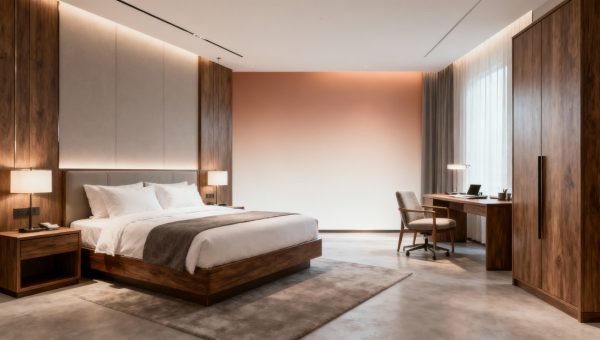
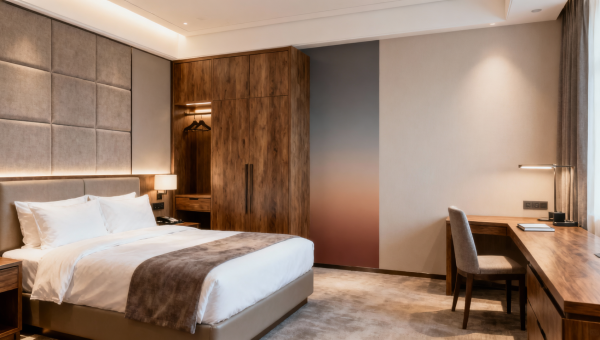
Why do some hotel beds trigger complaints sooner than others, even in properties investing in luxury furniture and custom furniture programs? For buyers evaluating hotel furniture, hotel chairs, hotel tables, and broader hotel equipment, early guest dissatisfaction often points to hidden issues in design, materials, support, and sourcing standards. This guide explores what procurement teams, distributors, and commercial decision-makers should examine before problems damage reputation and long-term value.
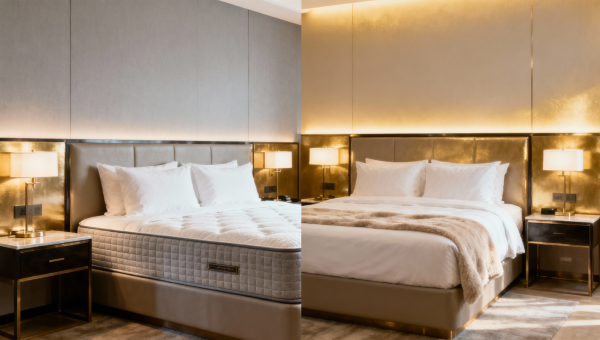
Some hotel beds attract complaints faster not because they look cheaper, but because they fail sooner where guests feel quality most directly: comfort consistency, edge support, motion control, noise, hygiene, and durability under high turnover use. In commercial hospitality settings, even an attractive bed can become a liability if mattress construction, base engineering, fabric performance, or supplier quality control are not aligned with real operating conditions. For procurement teams and sourcing partners, the key issue is not simply “Is this bed comfortable on day one?” but “Will this bed still perform after months of repeated occupancy, cleaning cycles, and mixed guest expectations?”
What is the real reason some hotel beds generate complaints earlier?
The fastest source of complaints is usually a mismatch between product specification and actual hotel use. A bed that performs well in a showroom, sample room, or short-term trial may deteriorate rapidly in a live property. Guests notice problems quickly when there is visible sagging, uneven firmness, heat retention, squeaking, weak edge support, or a mattress surface that no longer feels clean and stable.
In many cases, the root cause is not one major defect but several procurement compromises layered together:
- Mattress comfort layers that compress too quickly
- Insufficient support core density for frequent use
- Poorly reinforced bed bases or slat systems
- Fabric and ticking materials that trap heat or wear out under cleaning demands
- Inconsistent production quality across batches
- Wrong firmness profile for the property’s guest mix
- Weak installation or room-level setup practices
For business buyers, this means complaint speed is often a sourcing and specification issue, not just a brand issue. A hotel bed may come from a reputable supplier, yet still underperform if the commercial-grade requirements were not clearly defined.
Which bed performance issues do guests complain about first?
Guests rarely complain using technical furniture language. They describe symptoms. Procurement teams should translate these complaints into specification signals.
The most common early complaint categories include:
- Too soft or too hard: usually linked to poor comfort calibration or inconsistent mattress build.
- Sagging in the middle: often caused by low-density foam, weak spring support, or an unstable base.
- Noisy movement: commonly associated with loose joints, low-quality hardware, or base frame stress.
- Rolling toward the center or edge: a warning sign of structural imbalance or weak perimeter support.
- Sleeping hot: often related to fabric selection, foam composition, and poor breathability.
- Bed feels old too quickly: usually a durability issue, not simply a comfort issue.
- Unclean feeling or odor retention: can point to poor fabric finish, moisture handling, or maintenance incompatibility.
For hotel operators and distributors, these complaint patterns matter because they affect review scores, repeat bookings, room recovery costs, and replacement timing. One underperforming bed specification can influence an entire property’s reputation.
Why do materials and construction matter more than appearance?
In hotel furniture procurement, visual presentation often gets too much attention compared with structural performance. A bed can look premium and still fail commercially. Decorative headboards, elegant upholstery, and branded positioning do not offset weak internal construction.
The material and engineering factors that most influence complaint rates include:
- Foam density and resilience: low-quality foam loses shape faster and creates body impressions sooner.
- Spring or support core design: inadequate coil systems or poor load distribution reduce long-term comfort.
- Edge reinforcement: weak edges create instability, especially for older guests or business travelers working from the bed edge.
- Base frame material: poor wood quality, thin metal sections, or weak fasteners lead to noise and movement.
- Fabric durability: commercial hospitality use requires abrasion resistance, cleanability, and appearance retention.
- Moisture and hygiene performance: breathable, easy-maintenance surfaces support better long-term guest experience.
This is especially important in broader hotel equipment planning. Buyers assessing hotel chairs, hotel tables, and guestroom beds should use the same lens: appearance may help sell the room, but performance protects the asset.
How does hotel operating context affect bed complaint rates?
Not every hotel should buy the same bed specification. Complaint frequency rises when the bed is not matched to the property’s operating profile.
Key variables include:
- Occupancy rate: high-turnover properties place much heavier stress on mattresses and bed frames.
- Guest segment: luxury leisure, business travel, family stays, and long-stay guests all have different comfort expectations.
- Room rate positioning: the higher the guest expectation, the lower the tolerance for minor comfort flaws.
- Housekeeping methods: frequent lifting, moving, and cleaning can weaken beds not designed for operational handling.
- Climate conditions: heat and humidity can worsen material fatigue, odor retention, and hygiene issues.
- Replacement cycle strategy: if ownership expects longer service life, the original specification must support it.
A bed that performs adequately in a limited-service property may generate faster complaints in an upscale hotel. Likewise, a bed designed for lighter residential use may fail quickly in commercial use even if it initially appears cost-effective.
What sourcing mistakes cause premature dissatisfaction?
Many early complaint problems begin before the product reaches the property. In commercial procurement, the biggest sourcing errors are usually hidden in specification gaps, testing shortcuts, and supplier assumptions.
Common mistakes include:
- Buying based mainly on sample-room feel rather than lifecycle performance
- Accepting vague “hotel standard” claims without test data
- Choosing the lowest landed cost without modeling replacement risk
- Failing to define firmness tolerance and consistency requirements
- Not auditing manufacturing quality control across production batches
- Ignoring local installation conditions and bed frame compatibility
- Overlooking fabric cleaning performance and housekeeping realities
- Using residential components in commercial projects
For procurement officers, business evaluators, and distributors, this is where supplier qualification becomes critical. Strong hospitality sourcing is not only about price negotiation. It is about repeatability, complaint prevention, and commercial suitability.
How should buyers evaluate hotel beds before placing large orders?
Buyers should evaluate hotel beds as operating assets, not decorative room items. A stronger assessment process reduces complaint risk and improves total value.
A practical evaluation framework includes the following:
- Clarify use case: define hotel segment, target guest profile, occupancy assumptions, and expected replacement cycle.
- Review technical specifications: confirm mattress construction, foam density, spring system, edge support, fabric performance, base frame materials, and hardware details.
- Request commercial test evidence: ask for durability, load, fire compliance, fabric abrasion, and hygiene-related data where relevant.
- Inspect batch consistency controls: understand how the supplier maintains firmness, dimensions, and construction quality across orders.
- Run real-use trials: install pilot units in active rooms rather than relying only on showroom review.
- Evaluate maintenance fit: check whether housekeeping can clean, rotate, and manage the bed efficiently.
- Model lifecycle cost: compare complaint risk, warranty exposure, replacement timing, and brand impact against purchase price.
This process is also useful when evaluating related hotel furniture categories such as hotel chairs and hotel tables. The most reliable vendors are those who can support technical decision-making, not only product presentation.
What should distributors and commercial partners look for in manufacturers?
Distributors, sourcing agents, and procurement partners need more than a factory that can produce attractive beds. They need a manufacturer that understands hospitality performance and can support scalable, low-risk delivery.
Important indicators include:
- Commercial hospitality experience: proven track record in hotel projects, not only residential supply
- OEM/ODM capability: ability to adjust comfort, dimensions, materials, and appearance for brand requirements
- Quality assurance systems: documented inspections, material traceability, and production consistency controls
- Compliance awareness: understanding of fire safety, market entry standards, and regional requirements
- Packaging and logistics reliability: protection against transit damage and installation disruption
- After-sales responsiveness: willingness to address performance issues with evidence and corrective action
In global sourcing, the strongest manufacturing partners are those who can explain why a bed will hold up in real hospitality use, not just why it looks luxurious in a catalog.
How do complaint-prone beds affect hotel business performance?
Bed complaints are not isolated guestroom issues. They influence broader commercial outcomes. When beds underperform, hotels face a chain reaction of visible and hidden costs:
- Lower guest satisfaction and review ratings
- Higher compensation and room recovery costs
- Earlier-than-planned replacement spending
- Operational disruption for maintenance and housekeeping teams
- Brand damage, especially in premium or luxury positioning
- Reduced trust in broader hotel furniture sourcing decisions
For procurement leaders and evaluators, this is why bed quality should be reviewed as part of revenue protection and asset management, not only FF&E purchasing. A poorly specified bed can erase the value created by well-selected hotel tables, hotel chairs, lighting, and decor because sleep quality dominates guest memory.
What is the best overall buying approach to reduce future complaints?
The most effective approach is to buy for performance consistency, not first impression alone. Hotel beds that stay complaint-free longer are usually backed by a clear specification brief, commercial-grade materials, realistic testing, reliable manufacturing, and a supplier capable of supporting lifecycle performance.
For most commercial buyers, the right question is not “Which bed is the most luxurious?” but “Which bed delivers the most stable guest experience across time, occupancy, and maintenance conditions?” When that standard guides sourcing, complaint rates usually fall.
In practical terms, buyers should prioritize:
- Commercial durability over showroom softness
- Consistent support over exaggerated plushness
- Verified materials over generic premium claims
- Supplier accountability over low initial price
- Lifecycle value over short-term procurement savings
Some hotel beds get complaints faster because they are selected for appearance, assumptions, or cost shortcuts rather than real hospitality performance. For procurement teams, distributors, and business evaluators, the safest path is to assess beds as long-term commercial assets shaped by engineering, materials, operational fit, and supplier discipline. When hotel furniture decisions are made with that level of scrutiny, properties are better positioned to protect guest satisfaction, reduce replacement risk, and build more reliable long-term value.
Search News
Hot Articles
- Stage Lighting & Truss2026 FIBA Women's World Cup Draw Sparks LED Timing Screen Upgrade DemandApr 28, 2026
- Pro Stage AudioKenyan Marathon WR Break Drives Demand for Timing Chips & Track SensorsApr 28, 2026
- Smart Campus Tech2026 Shanghai Smart Campus Expo: VR Teaching Devices Gain ITU & ISO/IEC 23053 CertificationApr 28, 2026
Popular Tags
Need ExpertConsultation?
Connect with our specialized leisureengineering team for procurementstrategies.
Recommended News
 Apr 28, 2026Iranian Delegation at Sanya Asian Beach Games Spurs Halal-Certified Hardware DemandHalal-certified hardware demand surges after Iranian delegation’s cultural showcase at Sanya Asian Beach Games—key for GCC event tech exporters.● Hospitality Sourcing Dir
 Apr 27, 2026Iranian Delegation’s Ritual Gesture at Sanya ASG Sparks Mideast Hospitality Procurement ShiftIranian delegation's ritual gesture at Sanya ASG sparks Middle East hospitality procurement shift—key for hotel amenities, travel services & cultural compliance.● Hospitality Sourcing Dir
 Apr 28, 2026Cheap Hotel Furniture Can Raise Costs Later in Unexpected WaysHotel furniture buying guide: compare hotel beds, hotel chairs, hotel tables, custom furniture and luxury furniture to avoid hidden costs and choose durable hotel equipment.● Hospitality Sourcing Dir
 Apr 28, 2026Hotel Furniture Replacement Cycles Are Changing in 2026Hotel furniture trends for 2026: discover smarter replacement cycles for hotel beds, hotel chairs, hotel tables, luxury furniture, and custom furniture to boost ROI and guest appeal.● Hospitality Sourcing Dir
 Apr 28, 2026Why Do Some Hotel Beds Get Complaints Faster Than Others?Hotel beds complaints often start with poor specs, not looks. Learn how hotel furniture, custom furniture, luxury furniture, hotel chairs, hotel tables, and hotel equipment affect guest satisfaction.● Hospitality Sourcing Dir
 Apr 28, 2026Hotel Beds: Which Frame and Mattress Setup Lasts Longer?Hotel beds guide: compare frame and mattress setups that last longer, with insights on hotel furniture, custom furniture, luxury furniture, hotel chairs and hotel tables.● Hospitality Sourcing Dir
 Apr 27, 2026Is Luxury Jewelry for Hotels a Smart Investment?Luxury jewelry for hotels: see how a custom jewelry manufacturer helps hotels turn custom luxury jewelry into brand value, guest appeal, and profitable luxury jewelry B2B growth.● Hospitality Sourcing Dir
 Apr 21, 2026Open or closed hotel wardrobes for easier housekeeping?Hotel wardrobes affect housekeeping speed, guest appeal, and hospitality procurement. Compare open vs closed designs for hotel furniture, luxury furniture, and hotel room furniture planning.● Hospitality Sourcing Dir
 Apr 21, 2026Hotel wardrobes that fit luggage without wasting spaceHotel wardrobes that fit luggage smartly without wasting space—explore hotel furniture solutions that elevate hotel room furniture, support hospitality procurement, and enhance guest comfort.● Hospitality Sourcing Dir
 Apr 21, 2026Why hotel room furniture wears unevenly after openingHotel furniture wear starts unevenly from day one. Learn how hotel beds, hotel chairs, hotel desks and hotel room furniture perform in real use, with smart hospitality procurement tips.● Hospitality Sourcing Dir
 Apr 21, 2026Hotel room furniture packages that cut design mismatchHotel room furniture packages align hotel furniture, hotel beds, hotel chairs, hotel tables, and hotel desks with luxury furniture standards—reducing design mismatch and speeding hospitality procurement.● Hospitality Sourcing Dir
 Apr 21, 2026Low seat or deep seat hotel sofas for modern lobbies?Hotel furniture buyers compare low seat and deep seat hotel sofas for modern lobbies. Explore luxury furniture choices that improve comfort, traffic flow, brand image, and hospitality procurement value.● Hospitality Sourcing Dir
 Apr 21, 2026Hotel sofas that keep their shape in high traffic areasHotel sofas, hotel furniture, and hospitality furniture that keep shape in high-traffic areas—discover luxury furniture sourcing tips, durable commercial furniture specs, and smarter hospitality procurement.● Hospitality Sourcing Dir
 Apr 21, 2026Why hospitality furniture needs different specs by zoneHospitality furniture specs vary by zone. Learn how hotel furniture, hotel beds, hotel chairs, hotel tables, and hotel desks improve durability, ROI, and luxury guest experience.● Hospitality Sourcing Dir
 Apr 21, 2026Hospitality furniture that supports faster room turnoverHospitality furniture that speeds room turnover: compare hotel beds, hotel chairs, hotel tables, hotel desks and hotel sofas for easier cleaning, durability, and smarter hospitality procurement.● Hospitality Sourcing Dir
 Apr 21, 2026Where hotel equipment budgets usually go off trackHotel furniture and hotel equipment budgets often fail from hidden scope, logistics, and lifecycle costs. Learn smarter hospitality procurement for hotel beds, chairs, tables, and luxury furniture.● Hospitality Sourcing Dir
 Apr 21, 2026Hotel equipment upgrades that improve guest flow firstHotel equipment upgrades improve guest flow fast with hotel furniture, hotel beds, hotel chairs, catering equipment, and soundproofing materials—boost comfort, efficiency, and procurement ROI.● Hospitality Sourcing Dir
 Apr 21, 2026What shortens the life of commercial furniture in hotelsHotel furniture and commercial furniture wear out fast when hotel beds, hotel chairs, hotel tables, hotel desks, and hotel sofas face heavy use, poor maintenance, and weak materials. Learn smart hospitality procurement tips.● Hospitality Sourcing Dir
 Apr 21, 2026Commercial furniture trends hotels are actually adoptingCommercial furniture trends hotels are adopting: luxury furniture, hotel beds, hotel chairs, hotel tables and hotel sofas that improve hotel furniture sourcing, durability, and hospitality procurement value.● Hospitality Sourcing Dir
 Apr 21, 2026How to spot hotel furniture built for daily wearHotel furniture buying guide: learn how to assess hotel beds, hotel chairs, hotel tables, and hospitality furniture for daily wear, lower maintenance, and smarter hospitality procurement.● Hospitality Sourcing Dir
 Apr 21, 2026Hotel furniture mistakes that age a room too quicklyHotel furniture buying guide: avoid costly hotel beds, hotel chairs, and hotel room furniture mistakes. Discover luxury furniture tips for durable, brand-right hospitality procurement.● Hospitality Sourcing Dir
 Apr 21, 2026Why some soundproofing materials fail after installationLearn why soundproofing materials fail after installation in hotel furniture projects. Explore hotel beds, hotel sofas, hotel wardrobes and hospitality procurement tips for lasting acoustic performance.● Hospitality Sourcing Dir
 Apr 21, 2026Soundproofing materials that work best between guest roomsSoundproofing materials for hotel furniture projects: discover the best systems between guest rooms, from mineral wool to acoustic doors, to improve comfort, protect reviews, and support hospitality procurement.● Hospitality Sourcing Dir
 Apr 21, 2026How firm should hotel beds be for mixed guest profiles?Hotel beds for mixed guest profiles: learn how hotel furniture and hospitality procurement teams balance comfort, durability, and luxury furniture standards to improve guest satisfaction.● Hospitality Sourcing Dir