Hotel Beds in 2026 Are Being Chosen for Sleep Quality, Not Just Style
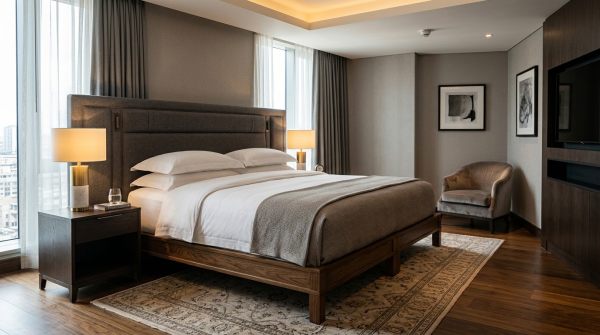
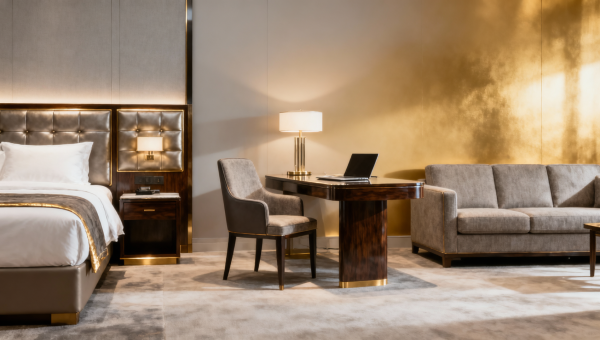
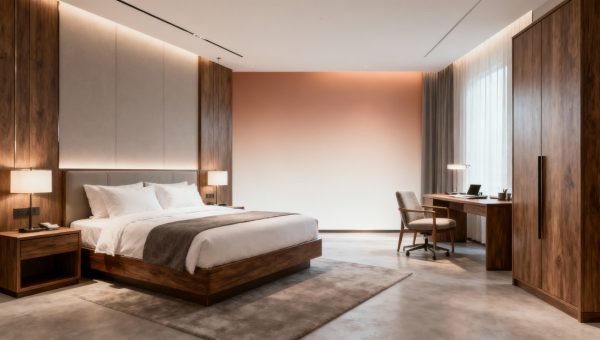
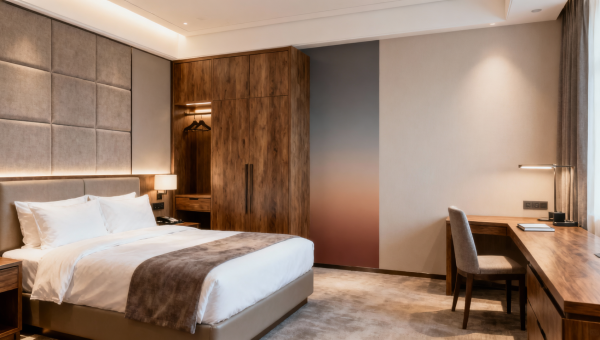
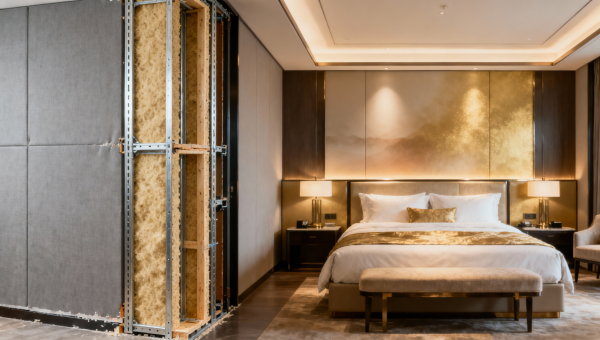
In 2026, hotel beds are no longer selected for appearance alone. Across hospitality and luxury furniture sourcing, buyers are prioritizing sleep quality, durability, and guest satisfaction alongside design. For procurement teams evaluating hotel furniture, custom furniture, hotel chairs, hotel tables, and broader hotel equipment, this shift is reshaping commercial decisions and supplier standards worldwide.
The core takeaway is clear: for hotels, the bed has become a performance asset, not just a design element. Procurement teams, distributors, and commercial evaluators are asking tougher questions about mattress construction, support systems, pressure relief, hygiene, maintenance cycles, warranty terms, and long-term guest experience. Style still matters, especially in premium hospitality environments, but it is no longer enough on its own. A visually appealing bed that fails to improve sleep quality can now undermine reviews, brand positioning, and replacement costs.
Why hotel buyers are shifting from “looks good” to “sleeps better”
Hotel operators have always cared about presentation, but guest expectations have changed. Travelers now compare hotel sleep quality as seriously as they compare location, food, and amenities. Reviews increasingly mention mattress firmness, pillow comfort, noise, motion isolation, and sleep disruption. In practical terms, that means the bed directly affects occupancy, repeat bookings, and perceived value.
For B2B buyers in furniture and decoration, this has created a measurable sourcing shift. Beds are being evaluated as part of the full guest experience and the broader hotel equipment strategy. Instead of asking only whether a bed frame fits the interior concept, buyers now ask whether the complete sleep system supports deeper rest, easier maintenance, and consistent performance across hundreds of rooms.
This is especially relevant in upper-midscale, upscale, and luxury hospitality, where guest tolerance for poor sleep is low. However, the trend also matters in business hotels, serviced apartments, resorts, and boutique properties. In every segment, the bed is one of the few furniture investments that nearly every guest will judge personally.
What procurement teams care about most when sourcing hotel beds in 2026
For procurement professionals and commercial evaluators, the decision is rarely about one mattress model alone. It is about risk, lifecycle value, supplier reliability, and guest satisfaction at scale. The most common questions in 2026 include the following:
- Will this bed improve guest sleep quality in a noticeable way? Buyers want evidence of pressure relief, spinal support, motion control, and comfort consistency.
- How durable is it under high-frequency hospitality use? A bed that performs well in a showroom but degrades quickly in hotel operations is a bad commercial decision.
- How easy is it to maintain and clean? Hygiene, stain resistance, removable layers, and housekeeping compatibility matter more than many design-led suppliers realize.
- Can the supplier deliver consistent quality across multiple properties or markets? Standardization is critical for chains, developers, and international procurement teams.
- Does the product meet required fire, safety, and material compliance standards? Commercial hospitality sourcing cannot ignore regional regulations.
- What is the total cost of ownership? Buyers assess replacement frequency, warranty support, operational disruptions, and guest complaint reduction, not just unit price.
These questions show why hotel beds now sit at the intersection of furniture design, wellness expectations, and commercial operations. For many buyers, the best option is no longer the bed that photographs best, but the one that performs best over time.
Sleep quality is now a business metric, not a soft luxury feature
One of the biggest sourcing changes in hospitality is that sleep quality is increasingly linked to revenue outcomes. Better sleep can support stronger guest reviews, higher perceived room value, and better brand differentiation. Poor sleep, by contrast, can create disproportionate dissatisfaction, even if the rest of the property performs well.
From a business standpoint, hotel beds influence several commercial metrics:
- Guest review scores and online reputation
- Repeat stays and brand loyalty
- Premium room category positioning
- Complaint frequency and service recovery costs
- Furniture replacement timing and capital planning
This is why procurement teams are increasingly working with operations managers, designers, and brand leadership when selecting beds. The decision affects not only room aesthetics but also guest recovery, sleep perception, and the consistency of the hotel promise.
For distributors and agents, this also changes the sales conversation. Product presentations that focus only on visual style, upholstery, or room-set appearance are no longer enough. Buyers respond more strongly to data-backed comfort performance, material quality, hospitality durability, and post-installation support.
How to evaluate a hotel bed beyond surface design
For buyers comparing hotel furniture suppliers, a better evaluation framework helps avoid expensive mistakes. A well-designed bed should combine visual integration with operational performance. The most useful criteria include:
1. Mattress construction and support performance
Ask about core materials, spring systems, foam density, edge support, zoned support, and how the mattress performs under repeated use. Hospitality mattresses need to balance comfort with structural resilience. A bed that feels plush on day one but loses support after a short cycle will generate guest dissatisfaction and early replacement costs.
2. Motion isolation and noise reduction
For double occupancy rooms, motion transfer matters. Guests notice when they are disturbed by a partner’s movement. Likewise, bed bases, frames, and slat systems should be engineered to minimize squeaking and structural noise over time.
3. Breathability and thermal comfort
Temperature regulation has become a larger part of sleep quality discussions. Materials that trap heat may reduce guest comfort, especially in warm climates or premium properties where expectations are higher. Buyers should evaluate cover fabrics, padding layers, ventilation design, and climate suitability.
4. Hygiene and housekeeping practicality
Commercial hospitality environments require fast turnover and reliable cleaning. Protective layers, antimicrobial treatments where appropriate, stain management, and easy-access bed structures can reduce housekeeping friction. The bed should support operations, not complicate them.
5. Bed frame stability and design integration
The bed frame still matters in furniture and decoration decisions. It should align with the room concept, but more importantly, it must support repeated use, easy assembly, and structural stability. Loose joints, weak materials, or poor finishing can undermine both appearance and long-term performance.
6. Warranty, replacement policy, and OEM/ODM capability
For large projects, custom furniture requirements often extend to bed dimensions, headboards, upholstery, branding details, and fire-rated specifications. A capable supplier should clearly define warranty scope, replacement handling, production consistency, and OEM/ODM flexibility.
What makes a supplier credible in hotel bed sourcing
In 2026, supplier credibility matters as much as product specifications. A polished catalog is not enough for serious hospitality buyers. Procurement teams need suppliers that can demonstrate manufacturing discipline, commercial experience, and documentation quality.
Strong indicators of a reliable hotel furniture supplier include:
- Documented experience with hospitality projects
- Stable quality control systems and production traceability
- Ability to meet international fire and safety requirements
- Clear material disclosure and test reporting
- Consistent lead times and export coordination capability
- After-sales support for defects, replacements, and project follow-up
This is particularly important when beds are sourced as part of a larger package that includes hotel chairs, hotel tables, casegoods, and other hotel equipment. Integrated sourcing may improve coordination, but it also increases supplier responsibility. If one vendor handles multiple product categories, buyers need confidence that the supplier can maintain quality across all of them, not just the visually prominent items.
Where custom furniture fits into the 2026 hotel bed trend
Custom furniture remains highly relevant, but its role is evolving. In the past, customization was often driven mainly by style and branding. Today, more hotel projects want custom bed solutions that combine design identity with measurable comfort and operational logic.
Examples include:
- Custom headboards integrated with acoustic or lighting features
- Bed heights adapted for guest accessibility and housekeeping efficiency
- Mattress specifications adjusted for regional guest preferences
- Frame and base structures designed for easier maintenance or modular replacement
- Luxury finishes paired with hospitality-grade durability standards
For developers and procurement teams, this means customization should not be treated as a cosmetic upgrade alone. The best custom furniture programs improve brand consistency while also solving operational or guest-experience problems.
Common mistakes buyers should avoid
Even experienced commercial buyers can make avoidable errors when sourcing hotel beds. The most frequent issues include overvaluing appearance, underestimating maintenance realities, or failing to test products in realistic hospitality conditions.
Key mistakes include:
- Choosing based mainly on showroom impression: Short tests do not reflect long-term hospitality use.
- Ignoring housekeeping input: Beds that look elegant but are difficult to clean or move create operational inefficiency.
- Focusing only on unit price: Lower upfront cost can lead to higher replacement and complaint costs later.
- Neglecting guest profile differences: Business travelers, resort guests, luxury customers, and long-stay occupants may respond differently to firmness and design.
- Failing to verify compliance: Missing certifications or unclear fire standards can delay projects and create legal risk.
- Over-customizing without standardization: Excessive variation can complicate maintenance, replacement, and supply continuity.
A disciplined evaluation process reduces these risks and helps align bed sourcing with actual hotel performance goals.
How distributors, agents, and sourcing partners can add value
For distributors, agents, and sourcing intermediaries, the market shift toward sleep quality creates a chance to move beyond basic product brokerage. Buyers increasingly need interpretation, comparison, and risk screening. Partners who can explain the commercial meaning of materials, construction methods, and supplier capabilities become more valuable.
That value can come from:
- Pre-screening suppliers for hospitality readiness
- Comparing warranties and technical specifications clearly
- Helping buyers align bed selection with target hotel segment
- Coordinating bundled sourcing across hotel furniture and equipment categories
- Supporting sample review and pilot-room testing
- Reducing sourcing uncertainty in international procurement
In this environment, the strongest commercial partners are not those offering the largest catalogs, but those helping buyers make defensible decisions.
What hotel bed sourcing will likely look like next
Looking ahead, hotel bed sourcing will likely become more evidence-led, more guest-centric, and more integrated with overall room performance. Buyers will continue to expect strong design, but the winning suppliers will be those who can prove comfort, durability, hygiene practicality, and manufacturing reliability together.
We are also likely to see stronger alignment between bed selection and broader wellness positioning. Hotels that market rest, recovery, premium sleep, or elevated business travel experiences will need their furniture specifications to support those promises. In other words, the bed will increasingly function as both a procurement decision and a brand decision.
For companies active in furniture and decoration, this means product development and sourcing communication should evolve. Beds should be presented not as isolated room items, but as core contributors to guest experience, operational efficiency, and hotel competitiveness.
Conclusion
In 2026, hotel beds are being chosen for sleep quality, durability, and business impact, not just style. For procurement teams, business evaluators, distributors, and sourcing professionals, the practical question is no longer whether a bed matches the room design. It is whether the bed can consistently support better guest rest, easier operations, stronger reviews, and long-term value.
The most effective sourcing decisions come from balancing aesthetics with measurable performance. Buyers who assess mattress construction, maintenance practicality, supplier credibility, compliance readiness, and lifecycle cost will be in a stronger position to select hotel beds that truly serve both the guest and the business. In a hospitality market shaped by experience and premiumization, sleep quality is no longer a secondary feature. It is a strategic purchasing criterion.
Search News
Hot Articles
- Stage Lighting & Truss2026 FIBA Women's World Cup Draw Sparks LED Timing Screen Upgrade DemandApr 28, 2026
- Pro Stage AudioKenyan Marathon WR Break Drives Demand for Timing Chips & Track SensorsApr 28, 2026
- Smart Campus Tech2026 Shanghai Smart Campus Expo: VR Teaching Devices Gain ITU & ISO/IEC 23053 CertificationApr 28, 2026
Popular Tags
Need ExpertConsultation?
Connect with our specialized leisureengineering team for procurementstrategies.
Recommended News
 Apr 28, 2026Iranian Delegation at Sanya Asian Beach Games Spurs Halal-Certified Hardware DemandHalal-certified hardware demand surges after Iranian delegation’s cultural showcase at Sanya Asian Beach Games—key for GCC event tech exporters.● Hospitality Sourcing Dir
 Apr 27, 2026Iranian Delegation’s Ritual Gesture at Sanya ASG Sparks Mideast Hospitality Procurement ShiftIranian delegation's ritual gesture at Sanya ASG sparks Middle East hospitality procurement shift—key for hotel amenities, travel services & cultural compliance.● Hospitality Sourcing Dir
 Apr 28, 2026Hotel Beds in 2026 Are Being Chosen for Sleep Quality, Not Just StyleHotel beds, hotel furniture, and custom furniture in 2026 are defined by sleep quality, durability, and guest value—see how luxury furniture buyers source smarter.● Hospitality Sourcing Dir
 Apr 28, 2026Cheap Hotel Furniture Can Raise Costs Later in Unexpected WaysHotel furniture buying guide: compare hotel beds, hotel chairs, hotel tables, custom furniture and luxury furniture to avoid hidden costs and choose durable hotel equipment.● Hospitality Sourcing Dir
 Apr 28, 2026Hotel Furniture Replacement Cycles Are Changing in 2026Hotel furniture trends for 2026: discover smarter replacement cycles for hotel beds, hotel chairs, hotel tables, luxury furniture, and custom furniture to boost ROI and guest appeal.● Hospitality Sourcing Dir
 Apr 28, 2026Why Do Some Hotel Beds Get Complaints Faster Than Others?Hotel beds complaints often start with poor specs, not looks. Learn how hotel furniture, custom furniture, luxury furniture, hotel chairs, hotel tables, and hotel equipment affect guest satisfaction.● Hospitality Sourcing Dir
 Apr 28, 2026Hotel Beds: Which Frame and Mattress Setup Lasts Longer?Hotel beds guide: compare frame and mattress setups that last longer, with insights on hotel furniture, custom furniture, luxury furniture, hotel chairs and hotel tables.● Hospitality Sourcing Dir
 Apr 27, 2026Is Luxury Jewelry for Hotels a Smart Investment?Luxury jewelry for hotels: see how a custom jewelry manufacturer helps hotels turn custom luxury jewelry into brand value, guest appeal, and profitable luxury jewelry B2B growth.● Hospitality Sourcing Dir
 Apr 21, 2026Open or closed hotel wardrobes for easier housekeeping?Hotel wardrobes affect housekeeping speed, guest appeal, and hospitality procurement. Compare open vs closed designs for hotel furniture, luxury furniture, and hotel room furniture planning.● Hospitality Sourcing Dir
 Apr 21, 2026Hotel wardrobes that fit luggage without wasting spaceHotel wardrobes that fit luggage smartly without wasting space—explore hotel furniture solutions that elevate hotel room furniture, support hospitality procurement, and enhance guest comfort.● Hospitality Sourcing Dir
 Apr 21, 2026Why hotel room furniture wears unevenly after openingHotel furniture wear starts unevenly from day one. Learn how hotel beds, hotel chairs, hotel desks and hotel room furniture perform in real use, with smart hospitality procurement tips.● Hospitality Sourcing Dir
 Apr 21, 2026Hotel room furniture packages that cut design mismatchHotel room furniture packages align hotel furniture, hotel beds, hotel chairs, hotel tables, and hotel desks with luxury furniture standards—reducing design mismatch and speeding hospitality procurement.● Hospitality Sourcing Dir
 Apr 21, 2026Low seat or deep seat hotel sofas for modern lobbies?Hotel furniture buyers compare low seat and deep seat hotel sofas for modern lobbies. Explore luxury furniture choices that improve comfort, traffic flow, brand image, and hospitality procurement value.● Hospitality Sourcing Dir
 Apr 21, 2026Hotel sofas that keep their shape in high traffic areasHotel sofas, hotel furniture, and hospitality furniture that keep shape in high-traffic areas—discover luxury furniture sourcing tips, durable commercial furniture specs, and smarter hospitality procurement.● Hospitality Sourcing Dir
 Apr 21, 2026Why hospitality furniture needs different specs by zoneHospitality furniture specs vary by zone. Learn how hotel furniture, hotel beds, hotel chairs, hotel tables, and hotel desks improve durability, ROI, and luxury guest experience.● Hospitality Sourcing Dir
 Apr 21, 2026Hospitality furniture that supports faster room turnoverHospitality furniture that speeds room turnover: compare hotel beds, hotel chairs, hotel tables, hotel desks and hotel sofas for easier cleaning, durability, and smarter hospitality procurement.● Hospitality Sourcing Dir
 Apr 21, 2026Where hotel equipment budgets usually go off trackHotel furniture and hotel equipment budgets often fail from hidden scope, logistics, and lifecycle costs. Learn smarter hospitality procurement for hotel beds, chairs, tables, and luxury furniture.● Hospitality Sourcing Dir
 Apr 21, 2026Hotel equipment upgrades that improve guest flow firstHotel equipment upgrades improve guest flow fast with hotel furniture, hotel beds, hotel chairs, catering equipment, and soundproofing materials—boost comfort, efficiency, and procurement ROI.● Hospitality Sourcing Dir
 Apr 21, 2026What shortens the life of commercial furniture in hotelsHotel furniture and commercial furniture wear out fast when hotel beds, hotel chairs, hotel tables, hotel desks, and hotel sofas face heavy use, poor maintenance, and weak materials. Learn smart hospitality procurement tips.● Hospitality Sourcing Dir
 Apr 21, 2026Commercial furniture trends hotels are actually adoptingCommercial furniture trends hotels are adopting: luxury furniture, hotel beds, hotel chairs, hotel tables and hotel sofas that improve hotel furniture sourcing, durability, and hospitality procurement value.● Hospitality Sourcing Dir
 Apr 21, 2026How to spot hotel furniture built for daily wearHotel furniture buying guide: learn how to assess hotel beds, hotel chairs, hotel tables, and hospitality furniture for daily wear, lower maintenance, and smarter hospitality procurement.● Hospitality Sourcing Dir
 Apr 21, 2026Hotel furniture mistakes that age a room too quicklyHotel furniture buying guide: avoid costly hotel beds, hotel chairs, and hotel room furniture mistakes. Discover luxury furniture tips for durable, brand-right hospitality procurement.● Hospitality Sourcing Dir
 Apr 21, 2026Why some soundproofing materials fail after installationLearn why soundproofing materials fail after installation in hotel furniture projects. Explore hotel beds, hotel sofas, hotel wardrobes and hospitality procurement tips for lasting acoustic performance.● Hospitality Sourcing Dir
 Apr 21, 2026Soundproofing materials that work best between guest roomsSoundproofing materials for hotel furniture projects: discover the best systems between guest rooms, from mineral wool to acoustic doors, to improve comfort, protect reviews, and support hospitality procurement.● Hospitality Sourcing Dir