Are Park Benches With Backrests Always the Better Choice?
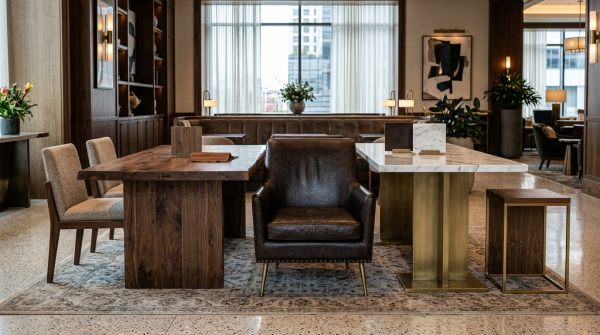
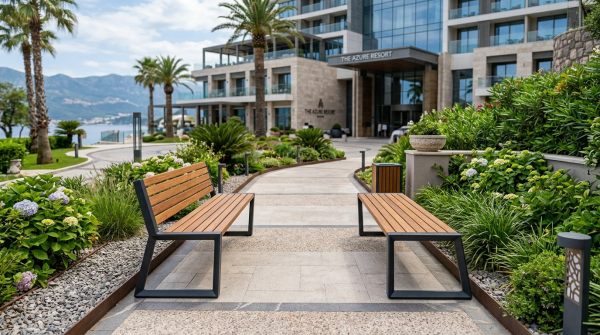
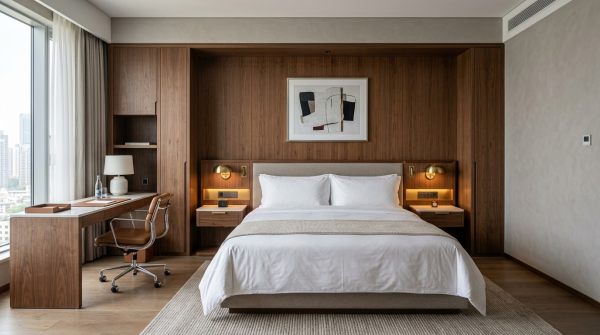
When evaluating park benches for commercial spaces, backrests are not always the better choice. Buyers comparing park benches for hotels, resorts, and leisure venues must balance comfort, durability, traffic flow, and design consistency with luxury furniture and custom furniture plans. For procurement teams sourcing hotel furniture, hotel chairs, hotel tables, and even amusement equipment or hotel equipment, the right bench depends on the project’s function, audience, and brand experience.
In most commercial projects, benches with backrests are better only in specific use cases: longer seating duration, older user groups, scenic rest points, and premium hospitality settings where comfort is part of the brand promise. In many other environments, backless benches can perform better because they improve circulation, lower maintenance complexity, support flexible seating from both sides, and often fit more cleanly into contemporary outdoor layouts. For buyers, the real question is not which type is universally better, but which option best matches the site’s traffic pattern, user behavior, maintenance capacity, and design objectives.
What is the right commercial answer: backrest or backless?
The short answer is no, park benches with backrests are not always the better choice. They are often the better choice when user comfort, perceived hospitality, and longer dwell time matter most. But for many outdoor commercial applications, a backless bench may deliver better operational value.
For procurement teams, this decision should be treated as a use-case evaluation rather than a style preference. A bench installed along a waterfront promenade at a resort serves a different purpose from one placed in a theme park queue zone, educational campus walkway, hotel drop-off area, or public retail plaza. The more precisely the seating purpose is defined, the easier it becomes to choose the right form.
As a rule of thumb:
- Choose benches with backrests when guests are expected to sit longer, relax, or wait in comfort.
- Choose backless benches when movement, flexibility, easier access, and lower visual bulk are more important.
- Use a mixed seating strategy when a site serves multiple user types and activity patterns.
What do buyers and project evaluators care about most?
For information researchers, purchasing managers, business evaluators, and distributors, the priority is rarely the bench alone. They are judging whether a seating solution supports the full commercial environment. In practice, the most important concerns usually include:
- User comfort and accessibility: Will people actually want to sit there, and for how long?
- Traffic flow: Does the bench obstruct movement or support smooth circulation?
- Durability and maintenance: How will the structure perform in high-traffic outdoor conditions?
- Design alignment: Does it fit the overall furniture language of the project, especially in premium hospitality settings?
- Installation economics: Does the bench justify its cost through function, lifespan, and user experience?
- Operational risk: Will the seating create cleaning, vandalism, repair, or replacement issues?
This is why backrest selection should not be separated from wider sourcing decisions involving hotel furniture, custom furniture, exterior fixtures, and public-use site planning.
When are park benches with backrests the better choice?
Benches with backrests are often the stronger option when the project depends on comfort, pause, and visual hospitality. They communicate that the space is meant for staying, not just passing through.
They are especially suitable for:
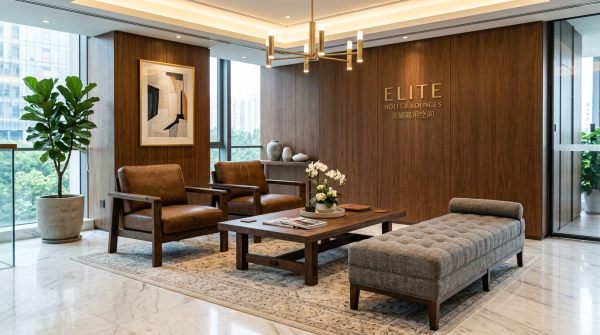
- Hotels and resorts where guest comfort directly affects brand perception
- Scenic areas where people stop to rest, socialize, or enjoy a view
- Senior-friendly environments where ergonomic support matters
- Longer waiting zones such as gardens, courtyards, and open-air lounge areas
- Luxury commercial projects where furniture should feel intentional and complete
In these cases, a backrest can improve perceived quality and practical usability at the same time. It gives users postural support, makes longer seating more comfortable, and often strengthens the visual identity of premium outdoor furniture collections. For hospitality buyers, this matters because seating is part of the guest journey, just like hotel chairs in a lobby or hotel tables in an outdoor dining space.
Backrests can also help segment space. In landscaped commercial environments, they create a stronger sense of designated seating zones and can contribute to a more refined, orderly layout.
When is a backless bench actually the smarter choice?
Backless benches are often underestimated in commercial planning. In many environments, they are the more efficient and functional option.
They are typically better suited for:
- High-circulation zones where people sit briefly and continue moving
- Amusement and leisure parks where flexibility and quick turnover are important
- Walkways, plazas, and transitions where two-sided access is useful
- Minimalist architectural projects where reduced visual mass is preferred
- Maintenance-sensitive sites where simpler forms reduce cleaning and repair complexity
A backless bench can seat users from either side, which is an advantage in busy public spaces. It can also reduce congestion because it does not create a strong directional barrier. In compact layouts, this often improves site fluidity and makes the bench feel less intrusive.
From an operations perspective, fewer structural elements can mean fewer failure points. Depending on materials and fabrication quality, backless models may be easier to clean, easier to integrate with modular site furniture, and more cost-efficient to transport and install.
For procurement teams comparing total project costs, these practical differences can be more important than the assumption that “more support” automatically means “better product.”
How should hospitality and leisure buyers make the decision?
The most reliable way to choose is to evaluate the bench as part of a real use scenario. Buyers should avoid selecting based on catalog appearance alone.
Use the following decision factors:
- Expected seating duration
If users will sit for more than a few minutes, backrests usually add meaningful value. If seating is mainly short-term, backless designs may be sufficient. - User profile
Families, elderly visitors, resort guests, and premium customers generally benefit more from back support. Fast-moving mixed crowds may not require it. - Location purpose
Is the bench meant for rest, waiting, viewing, social interaction, or temporary pause? The answer changes the ideal form. - Traffic density
In crowded spaces, backless seating can preserve openness and reduce obstruction. - Design language
A bench should align with the project’s broader furniture program, especially when paired with luxury furniture, custom furniture, or brand-specific outdoor collections. - Maintenance capability
Buyers should consider cleaning access, exposure to weather, replacement parts, finish durability, and likely wear patterns. - Budget versus lifecycle value
Upfront price matters, but lifecycle performance matters more. A better seating choice lowers complaints, improves user satisfaction, and reduces replacement frequency.
What mistakes do commercial buyers commonly make?
One of the most common mistakes is choosing benches with backrests by default because they seem more comfortable in theory. In reality, this can lead to mismatched installations where the furniture takes up more space, disrupts flow, or adds unnecessary cost without delivering meaningful value.
Other frequent mistakes include:
- Selecting based only on appearance rather than real site use
- Ignoring the relationship between bench design and surrounding furniture categories
- Overlooking accessibility and user diversity
- Underestimating outdoor maintenance demands
- Using one bench type across all zones of a multi-use property
For example, a resort may need backrest benches in garden overlook areas, but backless benches near pathways, activity zones, or event lawns. A one-size-fits-all decision usually weakens both user experience and procurement efficiency.
How does this choice affect brand perception and commercial value?
In hospitality, leisure, and premium public environments, seating is never just functional. It communicates how the operator expects people to use the space and how much comfort or flexibility the brand intends to offer.
Backrest benches tend to signal hospitality, care, and comfort. They are often a better match for upscale guest environments where every furniture element contributes to a polished experience. Backless benches, on the other hand, can signal openness, efficiency, contemporary design, and movement. In the right context, that is not a compromise but a strategic advantage.
For distributors and sourcing professionals, this means bench selection should be positioned not simply as a product comparison, but as a project-fit recommendation. Buyers are increasingly looking for solutions that connect furniture performance, visual consistency, and operational practicality. That applies whether they are sourcing park benches, hotel equipment, amusement equipment, or broader site furnishing packages.
Practical procurement guidance for bench sourcing
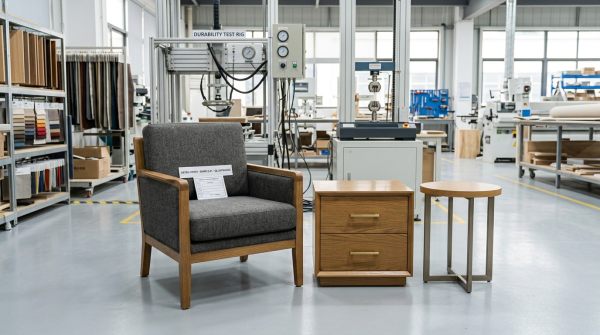
When comparing suppliers or preparing a sourcing recommendation, buyers should request more than a standard specification sheet. To make a reliable decision, it is useful to assess:
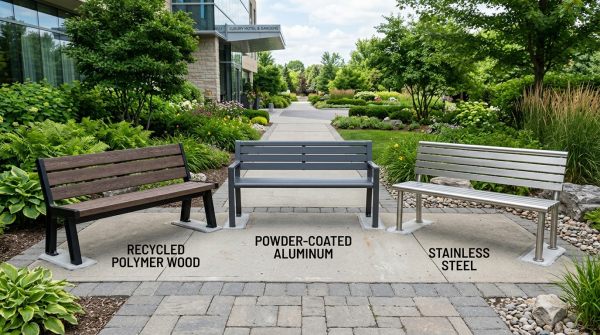
- Material suitability for climate and exposure conditions
- Frame strength and load-bearing design
- Surface finish performance and anti-corrosion treatment
- Seat depth, height, and ergonomic proportions
- Mounting method and site installation requirements
- Customization options for dimensions, color, and brand alignment
- Maintenance needs over the expected usage lifecycle
- Lead time, packaging, and replacement support
For commercial buyers, the best sourcing outcome often comes from standardizing evaluation criteria across all outdoor and public-use furniture. That makes it easier to compare park benches with the same discipline used for hotel chairs, hotel tables, or custom furniture packages.
Conclusion: the better choice depends on what the bench must do
Park benches with backrests are not always the better choice. They are the better choice when the project requires longer seating comfort, a more welcoming hospitality feel, and stronger ergonomic support. But in many commercial settings, backless benches deliver better flexibility, better flow, simpler maintenance, and stronger space efficiency.
For procurement teams, business evaluators, and distributors, the smartest decision is to define the bench’s function first, then match the design to user behavior, operating conditions, and brand goals. A good bench is not the one with the most features. It is the one that performs best in the environment it is meant to serve.
If the project includes mixed-use zones, the most commercially effective strategy may not be choosing one over the other, but specifying both where each delivers the most value.
Search News
Hot Articles
- Stage Lighting & Truss2026 FIBA Women's World Cup Draw Sparks LED Timing Screen Upgrade DemandApr 28, 2026
- Pro Stage AudioKenyan Marathon WR Break Drives Demand for Timing Chips & Track SensorsApr 28, 2026
- Smart Campus Tech2026 Shanghai Smart Campus Expo: VR Teaching Devices Gain ITU & ISO/IEC 23053 CertificationApr 28, 2026
Popular Tags
Need ExpertConsultation?
Connect with our specialized leisureengineering team for procurementstrategies.
Recommended News
 Apr 28, 2026Luxury Furniture Materials That Age Well and Those That Do NotLuxury furniture guide for hotel furniture, custom furniture, hotel beds, hotel chairs, hotel tables, and park benches—learn which materials age well, cut lifecycle costs, and protect premium spaces.● Institutional Buyer
 Apr 28, 2026Custom Furniture Orders Go Wrong When Samples Skip Real TestingCustom furniture mistakes start when samples skip real testing. Learn how hotel furniture, hotel beds, hotel chairs, hotel tables, luxury furniture and park benches avoid costly failures.● Institutional Buyer
 Apr 28, 2026Are Park Benches With Backrests Always the Better Choice?Park benches with backrests are not always best. Explore how custom furniture choices align with luxury furniture, hotel furniture, hotel chairs, hotel tables, and hotel equipment needs.● Institutional Buyer
 Apr 28, 2026How to Tell if Custom Furniture Is Worth the Extra Lead TimeCustom furniture, hotel furniture, hotel beds, hotel chairs, hotel tables, park benches and luxury furniture—learn when longer lead times deliver better value, durability and ROI.● Institutional Buyer
 Apr 28, 2026Custom Furniture Delays Often Start at the Drawing StageCustom furniture delays often begin in drawings. Learn how hotel furniture, luxury furniture, hotel beds, hotel chairs, hotel tables, and park benches avoid costly sourcing delays.● Institutional Buyer
 Apr 28, 2026When Does Luxury Furniture Feel Premium and When Is It Overpriced?Luxury furniture, hotel furniture, custom furniture, hotel beds, hotel chairs, hotel tables, and park benches: learn when premium quality delivers value vs overpriced design, with smart sourcing tips.● Institutional Buyer
 Apr 28, 2026Luxury Furniture Trends Shaping Premium Interiors in 2026Explore 2026 luxury furniture trends, from custom furniture and hotel furniture to hotel beds, hotel chairs, hotel tables, and park benches—smart sourcing for premium interiors.● Institutional Buyer
 Apr 28, 2026Park Benches: Which Materials Need Less Maintenance Outdoors?Park benches made of aluminum, recycled plastic, and stainless steel need less upkeep outdoors. Ideal for luxury furniture, custom furniture, hotel furniture, and resort projects.● Institutional Buyer
 Apr 28, 2026What Makes Park Benches Hold Up Better in High-Traffic Areas?Park benches built for heavy use need smart materials, strong design, and low upkeep. Discover how they compare with luxury furniture, custom furniture, hotel furniture, and hotel equipment.● Institutional Buyer
 Apr 21, 2026What size hotel desks work in compact guest roomsHotel desks for compact guest rooms: discover the right hotel furniture sizes, layouts, and hospitality procurement tips to maximize space, comfort, and luxury furniture appeal.● Institutional Buyer
 Apr 21, 2026Hotel desks with built in power are now expectedHotel desks with built in power are redefining hotel furniture and hotel room furniture. Explore smarter commercial furniture choices for hospitality procurement and better guest satisfaction.● Institutional Buyer
 Apr 23, 2026Commercial Furniture Buying Mistakes to AvoidCommercial furniture buying mistakes can impact hotel tables, amusement equipment, playground borders, sensory playground safety, and more. Learn how to source smarter and avoid costly errors.● Institutional Buyer
 Apr 23, 2026Commercial Furniture Materials That Hold Up Better OutdoorsCommercial furniture that lasts outdoors: compare hotel tables, amusement equipment, playground borders, sensory playground seating, and playground safety-focused materials.● Institutional Buyer
 Apr 23, 2026Custom Furniture or Stock Which WinsCompare custom furniture vs stock for hotels and leisure park projects. From hotel beds, catering equipment, and soundproofing materials to playground swings and theme park rides, find the best-fit solution.● Institutional Buyer
 Apr 20, 2026Commercial furniture upholstery stains that won’t lift—even with pro cleanersCommercial furniture stains won’t lift? Discover stain-resistant solutions for hotel beds, park benches, luxury furniture & more—backed by lab data & real-world performance.● Institutional Buyer
 Apr 19, 2026Commercial furniture fire ratings that change mid-projectCommercial furniture fire ratings—especially for hotel beds, park benches, hotel chairs, and luxury custom furniture—can shift mid-project. Avoid delays, cost overruns, and non-compliance with real-time, E-E-A-T–validated fire safety intelligence.● Institutional Buyer
 Apr 17, 2026Why commercial furniture specs matter more than price in 2026Commercial furniture, playground borders, sensory playgrounds & more—why specs trump price in 2026 for safety, ROI & brand trust. Discover how.● Institutional Buyer
 Apr 17, 2026Office furniture & equip: How ‘modular’ claims fall apart after three reconfigurationscommercial furniture, playground safety & sensory playground systems—why 'modular' fails after 3 reconfigurations. Get data-backed validation for amusement equipment, hotel tables & educational supplies.● Institutional Buyer
 Apr 14, 2026Fuzhou Hospital's Office Supply Tender Fails Due to Lack of BiddersFuzhou Hospital's office supply tender failed due to lack of qualified bidders, exposing gaps in regional suppliers' compliance and procurement experience. Learn key considerations for international buyers evaluating Chinese vendors.● Institutional Buyer
 Apr 14, 2026Chongqing Launches Office Supplies Procurement with 2-Hour Delivery FocusChongqing's office supplies procurement (KZQ26A00105) sets new standards with 2-hour delivery focus and 60% SME quota. Discover how this 886,700 RMB tender impacts logistics and supply chains in China's evolving B2B market.● Institutional Buyer
 Apr 16, 2026Custom fabrication for office furniture: Why CAD files alone don’t guarantee fit-on-siteCustom fabrication for hotel furniture, designer eyewear & luxury watches demands real-world fit—not just CAD files. Discover why OEM manufacturing, supply chain solutions & precision matter on-site.● Institutional Buyer
 Apr 16, 2026Luxury furniture finishes that resist UV fading outdoorsDiscover UV-resistant luxury furniture finishes for park benches, music stands & outdoor playgrounds—engineered for colorfastness, compliance, and premium aesthetics under harsh sun.● Institutional Buyer
 Apr 15, 2026Luxury furniture materials that age well — and those that don’tDiscover luxury furniture materials that age gracefully—ideal for park benches, music stands, orchestral instruments & more. Avoid costly failures.● Institutional Buyer
 Apr 15, 2026Why commercial furniture specs matter more than price in 2026Commercial furniture specs—playground borders, sensory playgrounds, music accessories & more—drive safety, durability & experience in 2026. Stop choosing by price alone.● Institutional Buyer