Contract furniture specs that reduce replacement cycles
For procurement teams, choosing contract furniture is not just about upfront cost—it is about lowering total replacement cycles, protecting brand standards, and reducing operational disruption. The right specifications can improve durability, compliance, cleanability, and lifecycle value across hospitality, office, education, and retail projects. This guide outlines the contract furniture specs that help buyers source smarter and keep commercial spaces performing longer.
Understanding What Contract Furniture Specs Really Mean
In commercial projects, contract furniture refers to seating, tables, casegoods, soft furnishings, and related components designed for repeated use in public or semi-public environments. Unlike residential-grade products, contract furniture is expected to perform across higher traffic loads, more frequent cleaning cycles, and stricter safety expectations. For procurement teams, the specification phase is where long-term replacement risk is either reduced or built into the project from day one.
A useful way to define furniture specifications is to separate visible design decisions from performance decisions. Finish color, silhouette, and styling support brand identity, but frame material, joinery method, edge protection, abrasion resistance, and fire behavior often determine whether a chair lasts 3 years or 8 years in active service. In high-turnover spaces such as hotels, campuses, clinics, and foodservice venues, that lifecycle difference has direct budget impact.
This is why contract furniture should be evaluated as an operational asset, not a decorative purchase. A procurement team may manage 50 guestroom chairs, 300 training seats, or 1,200 cafeteria positions across multiple sites. At that scale, even small specification errors—such as weak edge banding, unstable bases, or hard-to-maintain upholstery—can multiply into recurring replacement orders, storage issues, warranty claims, and labor downtime within 12 to 24 months.
Core performance areas buyers should define early
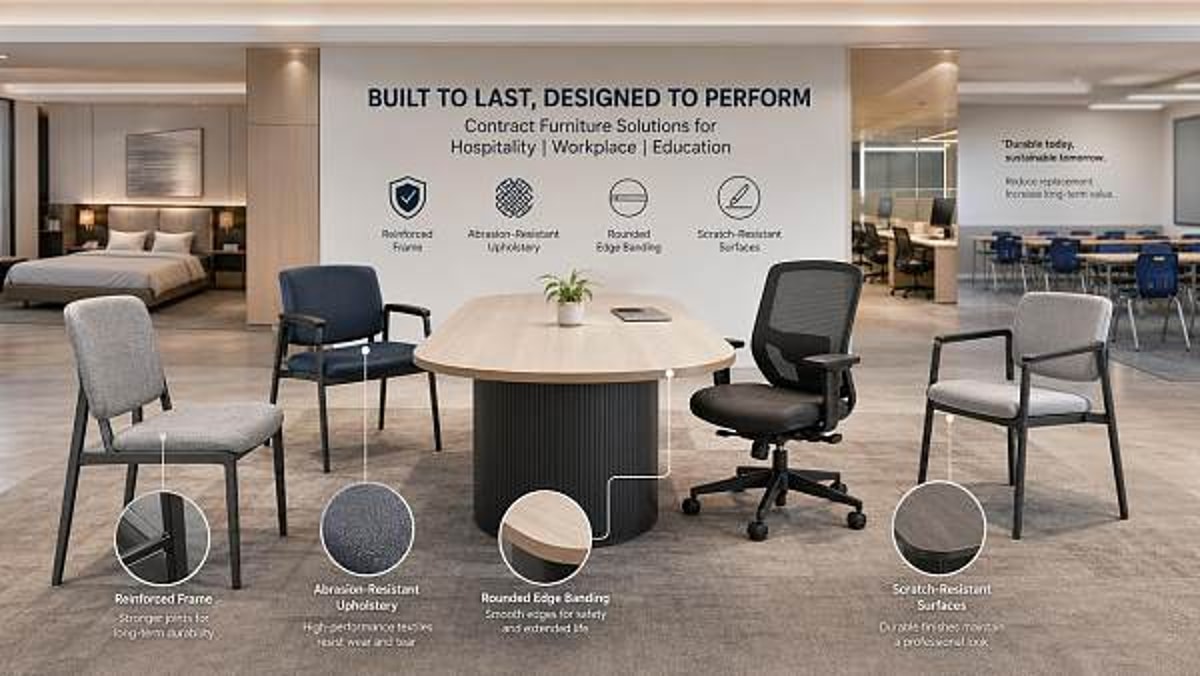
- Structural durability: frame strength, load-bearing stability, fastening method, and resistance to wobble after repeated use.
- Surface endurance: scratch resistance, impact tolerance, stain behavior, and edge protection for high-contact zones.
- Textile and cushion performance: abrasion range, seam integrity, cleanability, and foam density retention over multi-year use.
- Compliance factors: fire performance, chemical restrictions, indoor air quality considerations, and accessible design requirements.
- Serviceability: spare parts availability, replaceable glides, reupholstery feasibility, and standardization across locations.
When buyers align these categories before bidding, contract furniture decisions become easier to compare. Instead of selecting the cheapest acceptable item, teams can evaluate which specification package best controls replacement frequency over a typical commercial planning horizon of 5 to 10 years.
Why Replacement Cycles Matter More Than Unit Price
Replacement cycles are a hidden cost center in many commercial environments. A low-cost chair replaced twice in 6 years may consume more budget than a higher-spec chair that remains serviceable for 7 to 9 years. The difference is not limited to invoice value. It also includes freight, receiving labor, assembly time, downtime in occupied spaces, disposal cost, and the operational burden of matching discontinued finishes.
This issue is especially relevant in sectors covered by GCT’s sourcing focus, where visual consistency and continuous service are critical. In hospitality, worn banquet seating can weaken guest perception. In educational settings, loose desks create maintenance tickets and safety concerns. In office environments, unstable task seating affects user comfort and can trigger premature fleet replacement. In premium retail, finish damage quickly becomes a brand presentation problem.
Procurement professionals therefore need to compare products through total lifecycle logic. A practical review often considers a 3-year, 5-year, and 8-year horizon. If a product is likely to require touch-up, reupholstery, or replacement before the mid-point of the intended service life, the original specification may need adjustment. This does not always mean choosing the most expensive option; it means paying for the right durability where wear is highest.
Where replacement pressure usually starts
Failure often begins at stress points rather than across the entire item. Chair stretchers loosen, laminate edges chip, tabletop substrates swell after repeated moisture exposure, and caster systems fail under inappropriate floor conditions. Identifying these early failure zones helps buyers write better contract furniture specifications and avoid generic supplier proposals that look acceptable on paper but underperform in service.
The table below shows common drivers of early replacement and the specification categories that usually influence them most. It is useful as a planning reference during RFQ preparation, design review, or supplier clarification.
A key takeaway is that early replacement rarely comes from one dramatic defect. More often, it results from repeated minor failures across heavy-use touchpoints. Stronger contract furniture specifications help procurement teams control those touchpoints before they become a recurring expense line.
The Specifications That Most Often Extend Service Life
Not every commercial project needs the same performance level, but several specification areas consistently influence replacement cycles. Buyers should document them in writing and ask suppliers to confirm construction details, not just product appearance. A chair described as “commercial use” may still vary significantly depending on frame gauge, weld quality, plywood thickness, foam density, or fabric performance range.
The most effective approach is to build a layered specification. Start with structural integrity, then review finish durability, then confirm maintenance suitability, and finally verify code-related requirements. This order helps prevent a common problem in contract furniture sourcing: a product that looks right in a showroom sample but fails in active use because the hidden construction did not match the site conditions.
For mixed portfolios such as hotels, offices, education, leisure venues, and premium retail, the exact thresholds will vary. However, buyers can still define minimum acceptable ranges and test expectations by category. Doing so improves supplier comparability and reduces ambiguity during production approval.
Structural, material, and maintenance checkpoints
Frames and joinery
Frame performance is one of the clearest predictors of lifespan. Buyers should ask whether seating frames use solid hardwood, engineered wood, steel, or aluminum, and how components are joined. Reinforced corner blocks, tested welds, and mechanical fasteners with long-term stability are generally more dependable than lightly bonded assemblies. In public seating zones with daily use, even a 1 to 2 millimeter difference in metal thickness can affect long-term rigidity.
Surfaces and edges
High-contact furniture benefits from surfaces that resist abrasion, moisture, and cleaning chemicals. Tabletops, training desks, and bedside casegoods often fail first at corners and edges, not at the center plane. Rounded profiles, durable edge banding, sealed joints, and impact-resistant laminates can add meaningful service life, especially in projects where furniture is moved frequently or cleaned multiple times per day.
Upholstery, foam, and cleanability
Textile selection should reflect both traffic and maintenance reality. In banquet, lounge, and waiting areas, buyers often review abrasion ranges, stain resistance, and the ability to withstand repeated spot cleaning. Foam performance matters as well. Cushions that lose recovery too quickly can make an otherwise intact chair feel worn within 18 to 30 months. Replaceable seat pads or removable upholstery panels may be worth specifying where visual refresh cycles are shorter than structural replacement cycles.
Specification categories and typical commercial use
The following overview helps procurement teams connect specification depth with likely application intensity. It is not a universal rulebook, but it provides a useful framework for discussing contract furniture across multiple sectors.
For most procurement teams, the strongest lifecycle gains come from combining structural resilience with easier maintenance. A moderately higher specification cost can be justified when it prevents replacement across dozens or hundreds of units over a 5-year operating window.
How Specification Priorities Change by Commercial Setting
Contract furniture is not used the same way in every environment, so replacement-cycle planning should reflect actual use patterns. Procurement teams often improve outcomes by separating “high-frequency touch,” “heavy movement,” and “brand-sensitive display” areas. This avoids over-specifying low-risk zones while under-specifying the spaces that generate the most wear.
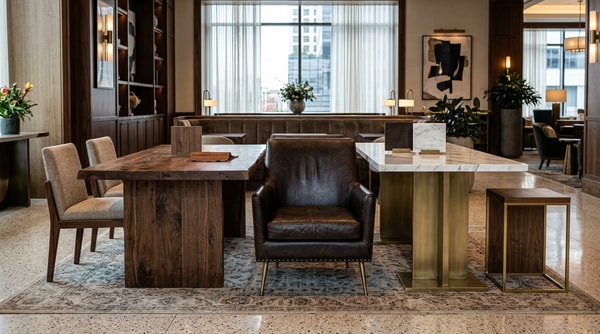
In hotels and foodservice projects, dining chairs, banquet furniture, guestroom casegoods, and lobby seating face a combination of visual scrutiny and intensive housekeeping. Here, cleanable upholstery, durable corners, and finish consistency matter as much as frame strength. In office and campus projects, mobile tables, task seating, and training furniture may be reconfigured weekly, so casters, stacking interfaces, and edge durability deserve closer attention.
Retail and leisure projects add another layer: brand presentation under high visitor turnover. In those spaces, a product that remains structurally usable but looks visibly aged after 18 months can still trigger replacement. That is why procurement teams should define both functional service life and appearance retention targets when evaluating contract furniture.
Typical setting-based priorities
- Hospitality: stain resistance, finish uniformity, guest-facing appearance retention, easy in-room or public-area maintenance.
- Office: ergonomic consistency, caster and glide suitability, modular replacement parts, stable daily-use performance.
- Education: impact resistance, anti-loosening construction, simple cleaning, tolerance for frequent movement and stacking.
- Retail and luxury display: premium finish quality, scratch control, color batch consistency, discreet repairability.
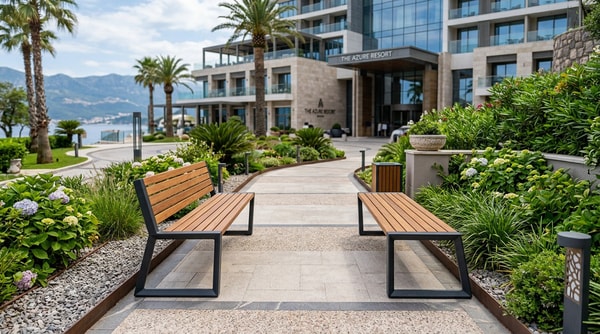
- Leisure and public venues: high-use resilience, moisture consideration, durable surfaces, rapid maintenance turnaround.
A practical rule is to map specification levels to expected contact frequency. For example, furniture used 8 to 14 hours per day in public access areas usually warrants stronger durability assumptions than furniture used only in executive meeting rooms or low-occupancy suites. Matching the specification to the traffic profile helps reduce both overspending and underperformance.
Practical Evaluation Methods Before You Approve a Supplier
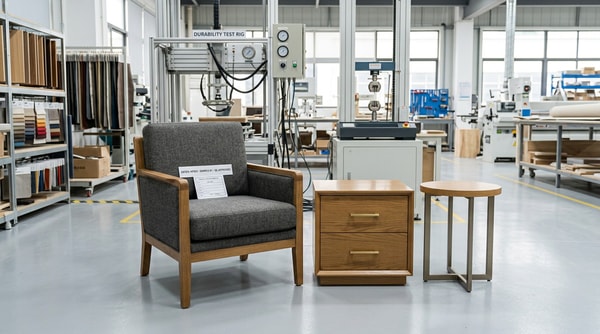
Procurement teams can reduce replacement risk significantly by making specification review more evidence-based before placing volume orders. This does not require a complex lab program for every project. It often begins with clearer document control, better sample review, and more targeted technical questions during sourcing. The goal is to confirm that the delivered contract furniture will match the intended service conditions, not just the approved image or finish swatch.
One effective method is to review products in three layers: document verification, physical sample assessment, and service support confirmation. Document verification may include construction drawings, material descriptions, finish details, and care instructions. Physical assessment can include mock-up review, edge inspection, stability checks, cushion feel after repeated compression, and observation of exposed fasteners. Service support includes spare parts policy, lead times for replacements, and alignment of finish codes across future batches.
Commercial buyers should also clarify expected tolerances and post-installation responsibilities. If a project spans 3 sites, 5 floors, or several delivery phases over 8 to 16 weeks, small inconsistencies can become costly. Early agreement on acceptance criteria helps reduce disputes and protects the replacement-cycle strategy built into the original specification.
A concise pre-approval checklist
- Confirm use case by zone: lobby, classroom, dining, guestroom, workstation, or display area.
- Ask for construction details beyond catalog language, including frame, substrate, edge, and upholstery build-up.
- Review maintenance instructions against real cleaning frequency, which may range from weekly wiping to multiple cleanings per day.
- Check whether high-wear parts can be replaced without discarding the full unit.
- Align finish reference samples and future replenishment expectations for at least one subsequent buying cycle.
- Document lead times for production, replacement parts, and after-sales issue handling before final approval.
These steps are especially useful when sourcing internationally or coordinating custom and standard items from different factories. Consistent review discipline improves the odds that contract furniture will achieve the intended lifespan and remain supportable after installation.
Making Contract Furniture a Longer-Term Asset
The best contract furniture specifications do not chase durability in isolation. They balance lifespan, compliance, appearance, maintenance, and sourcing reliability. For procurement teams, the objective is to create a furniture standard that stays functional and visually credible through daily use, cleaning routines, and phased refresh planning. In many commercial environments, a better specification is the most direct way to reduce unnecessary replacements without compromising design intent.
This is where a sourcing partner with cross-sector understanding adds value. Hospitality, office, educational, leisure, and specialty retail projects each place different demands on materials and construction, yet they all benefit from clearer specification logic, supplier communication, and lifecycle planning. Reviewing contract furniture through this broader lens helps buyers make decisions that remain effective beyond the first installation.
If you are comparing options for a new fit-out, renovation, or multi-site procurement program, it is worth discussing the details that influence replacement cycles before committing to volume. Early decisions around frames, finishes, upholstery, compliance expectations, and spare-part strategy can shape performance for the next 3, 5, or even 10 years.
Why work with us
Global Commercial Trade supports commercial buyers who need more than a product list. We help procurement teams review contract furniture specifications in the context of project use, sourcing feasibility, consistency across markets, and long-term replacement planning. Our focus spans hospitality, office and education, leisure environments, and premium commercial spaces where performance and presentation must work together.
Contact us if you need support with parameter confirmation, product selection, delivery lead times, custom solutions, certification-related questions, sample coordination, or quotation discussions. Whether you are standardizing a seating program, refining a guestroom package, or evaluating alternatives for a multi-location rollout, we can help you compare options with clearer commercial logic and stronger lifecycle value.
Search News
Hot Articles
Popular Tags
Need ExpertConsultation?
Connect with our specialized leisureengineering team for procurementstrategies.
Recommended News
 Apr 30, 2026Contract furniture specs that reduce replacement cyclesContract furniture specs that cut replacement cycles: learn how durability, cleanability, compliance, and serviceable design help buyers lower lifecycle costs and protect brand standards.● Institutional Buyer
 Apr 28, 2026Luxury Furniture Materials That Age Well and Those That Do NotLuxury furniture guide for hotel furniture, custom furniture, hotel beds, hotel chairs, hotel tables, and park benches—learn which materials age well, cut lifecycle costs, and protect premium spaces.● Institutional Buyer
 Apr 28, 2026Custom Furniture Orders Go Wrong When Samples Skip Real TestingCustom furniture mistakes start when samples skip real testing. Learn how hotel furniture, hotel beds, hotel chairs, hotel tables, luxury furniture and park benches avoid costly failures.● Institutional Buyer
 Apr 28, 2026Are Park Benches With Backrests Always the Better Choice?Park benches with backrests are not always best. Explore how custom furniture choices align with luxury furniture, hotel furniture, hotel chairs, hotel tables, and hotel equipment needs.● Institutional Buyer
 Apr 28, 2026How to Tell if Custom Furniture Is Worth the Extra Lead TimeCustom furniture, hotel furniture, hotel beds, hotel chairs, hotel tables, park benches and luxury furniture—learn when longer lead times deliver better value, durability and ROI.● Institutional Buyer
 Apr 28, 2026Custom Furniture Delays Often Start at the Drawing StageCustom furniture delays often begin in drawings. Learn how hotel furniture, luxury furniture, hotel beds, hotel chairs, hotel tables, and park benches avoid costly sourcing delays.● Institutional Buyer
 Apr 28, 2026When Does Luxury Furniture Feel Premium and When Is It Overpriced?Luxury furniture, hotel furniture, custom furniture, hotel beds, hotel chairs, hotel tables, and park benches: learn when premium quality delivers value vs overpriced design, with smart sourcing tips.● Institutional Buyer
 Apr 28, 2026Luxury Furniture Trends Shaping Premium Interiors in 2026Explore 2026 luxury furniture trends, from custom furniture and hotel furniture to hotel beds, hotel chairs, hotel tables, and park benches—smart sourcing for premium interiors.● Institutional Buyer
 Apr 28, 2026Park Benches: Which Materials Need Less Maintenance Outdoors?Park benches made of aluminum, recycled plastic, and stainless steel need less upkeep outdoors. Ideal for luxury furniture, custom furniture, hotel furniture, and resort projects.● Institutional Buyer
 Apr 28, 2026What Makes Park Benches Hold Up Better in High-Traffic Areas?Park benches built for heavy use need smart materials, strong design, and low upkeep. Discover how they compare with luxury furniture, custom furniture, hotel furniture, and hotel equipment.● Institutional Buyer
 Apr 21, 2026What size hotel desks work in compact guest roomsHotel desks for compact guest rooms: discover the right hotel furniture sizes, layouts, and hospitality procurement tips to maximize space, comfort, and luxury furniture appeal.● Institutional Buyer
 Apr 21, 2026Hotel desks with built in power are now expectedHotel desks with built in power are redefining hotel furniture and hotel room furniture. Explore smarter commercial furniture choices for hospitality procurement and better guest satisfaction.● Institutional Buyer
 Apr 23, 2026Commercial Furniture Buying Mistakes to AvoidCommercial furniture buying mistakes can impact hotel tables, amusement equipment, playground borders, sensory playground safety, and more. Learn how to source smarter and avoid costly errors.● Institutional Buyer
 Apr 23, 2026Commercial Furniture Materials That Hold Up Better OutdoorsCommercial furniture that lasts outdoors: compare hotel tables, amusement equipment, playground borders, sensory playground seating, and playground safety-focused materials.● Institutional Buyer
 Apr 23, 2026Custom Furniture or Stock Which WinsCompare custom furniture vs stock for hotels and leisure park projects. From hotel beds, catering equipment, and soundproofing materials to playground swings and theme park rides, find the best-fit solution.● Institutional Buyer
 Apr 20, 2026Commercial furniture upholstery stains that won’t lift—even with pro cleanersCommercial furniture stains won’t lift? Discover stain-resistant solutions for hotel beds, park benches, luxury furniture & more—backed by lab data & real-world performance.● Institutional Buyer
 Apr 19, 2026Commercial furniture fire ratings that change mid-projectCommercial furniture fire ratings—especially for hotel beds, park benches, hotel chairs, and luxury custom furniture—can shift mid-project. Avoid delays, cost overruns, and non-compliance with real-time, E-E-A-T–validated fire safety intelligence.● Institutional Buyer
 Apr 17, 2026Why commercial furniture specs matter more than price in 2026Commercial furniture, playground borders, sensory playgrounds & more—why specs trump price in 2026 for safety, ROI & brand trust. Discover how.● Institutional Buyer
 Apr 17, 2026Office furniture & equip: How ‘modular’ claims fall apart after three reconfigurationscommercial furniture, playground safety & sensory playground systems—why 'modular' fails after 3 reconfigurations. Get data-backed validation for amusement equipment, hotel tables & educational supplies.● Institutional Buyer
 Apr 14, 2026Fuzhou Hospital's Office Supply Tender Fails Due to Lack of BiddersFuzhou Hospital's office supply tender failed due to lack of qualified bidders, exposing gaps in regional suppliers' compliance and procurement experience. Learn key considerations for international buyers evaluating Chinese vendors.● Institutional Buyer
 Apr 14, 2026Chongqing Launches Office Supplies Procurement with 2-Hour Delivery FocusChongqing's office supplies procurement (KZQ26A00105) sets new standards with 2-hour delivery focus and 60% SME quota. Discover how this 886,700 RMB tender impacts logistics and supply chains in China's evolving B2B market.● Institutional Buyer
 Apr 16, 2026Custom fabrication for office furniture: Why CAD files alone don’t guarantee fit-on-siteCustom fabrication for hotel furniture, designer eyewear & luxury watches demands real-world fit—not just CAD files. Discover why OEM manufacturing, supply chain solutions & precision matter on-site.● Institutional Buyer
 Apr 16, 2026Luxury furniture finishes that resist UV fading outdoorsDiscover UV-resistant luxury furniture finishes for park benches, music stands & outdoor playgrounds—engineered for colorfastness, compliance, and premium aesthetics under harsh sun.● Institutional Buyer
 Apr 15, 2026Luxury furniture materials that age well — and those that don’tDiscover luxury furniture materials that age gracefully—ideal for park benches, music stands, orchestral instruments & more. Avoid costly failures.● Institutional Buyer