Steel Filing Cabinets: Why Some Drawers Jam Too Early
Steel filing cabinets are built for durability, yet many start to jam long before their expected service life. For buyers and facility planners researching performance issues, understanding why drawers fail early can reveal critical differences in slide quality, load design, installation accuracy, and daily use. This guide explains the most common causes and what to evaluate before choosing your next storage solution.
Why a checklist approach works better than assumptions
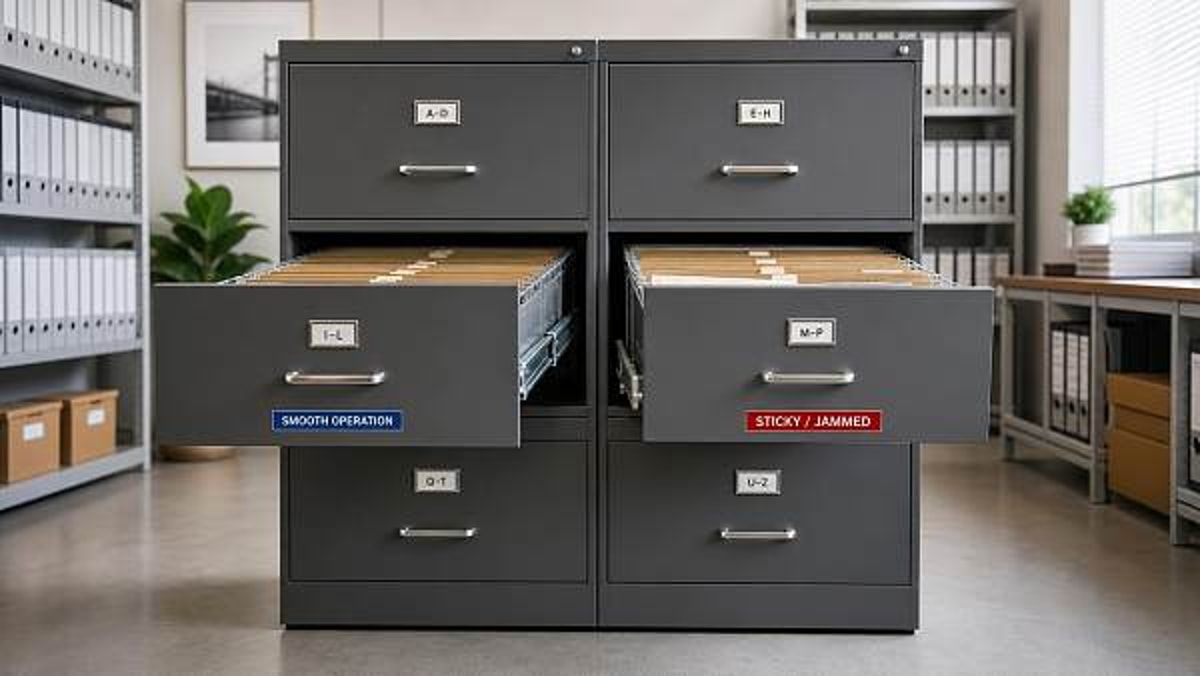
When steel filing cabinets begin to stick, drag, tilt, or refuse to close properly, the failure is rarely caused by one simple issue. A jammed drawer may result from weak slide construction, poor cabinet squareness, overloaded files, uneven flooring, or a mismatch between the cabinet’s rated use and the real working environment. For information researchers comparing products or troubleshooting installed units, a checklist method is more useful than relying on marketing claims such as “heavy-duty” or “commercial grade.”
A practical review should answer five questions first: what is actually jamming, when does it happen, under what load, in what environment, and after how much use? These answers help separate design limitations from installation errors and maintenance neglect. They also make it easier to compare steel filing cabinets from different suppliers on objective terms instead of appearance alone.
First-check list: the most common reasons drawers jam early
Start with the highest-probability causes. In many facilities, early drawer jamming appears within the first year not because the cabinet body fails, but because key moving parts or installation tolerances were not suited to real workloads.
- Slide quality is too low for the duty cycle. Light-gauge runners or low-grade ball-bearing slides often perform acceptably in showrooms but degrade quickly in daily commercial use.
- Load distribution is uneven. A drawer packed heavily at the front, one side, or only in the bottom area can twist the slide path and create friction.
- Cabinet installation is not level. Even a small floor slope or an uncorrected wobble can shift drawer alignment and cause repeated rubbing.
- The cabinet carcass is slightly out of square. This may come from manufacturing tolerance problems, shipping damage, or poor assembly in knock-down units.
- Suspension files or folders exceed intended dimensions. Oversized tabs, bent rails, and misfitting file bars can block smooth travel.
- The drawer extension design is mismatched to use. Full-extension drawers under frequent access loads may need stronger support than simple partial-extension systems.
- Locking mechanisms interfere with drawer movement. Central locking bars, anti-tilt devices, or poorly fitted cams can catch before full opening or closing.
- Maintenance is ignored. Dust, paper debris, corrosion, and dried lubricant can turn a minor resistance issue into repeated jamming.
How to judge slide quality before buying steel filing cabinets
If you are evaluating new steel filing cabinets, the slide system deserves more attention than color, handle style, or even stated steel thickness. Drawers fail in motion, so moving hardware is often the true performance predictor.
Key slide inspection points
- Ask for the rated load per drawer, not just total cabinet load. A cabinet may look robust while individual drawers are under-specified.
- Confirm whether the rating applies to static load or repeated operational load. Dynamic performance matters more in offices, schools, archives, and shared workspaces.
- Check cycle test data. Reputable suppliers often provide opening and closing test figures under defined loads.
- Review slide material and bearing construction. Ball-bearing slides usually outperform simple friction slides for heavy file access.
- Inspect extension stability. A fully opened drawer should remain aligned without excessive side play or front-end sag.
- Ask whether replacement slides are available. In commercial procurement, serviceability can matter more than the initial purchase price.
A useful buying question is not “Does it open smoothly when empty?” but “How does it behave after thousands of cycles with realistic file weight?” That distinction helps identify steel filing cabinets intended for real institutional use rather than occasional domestic storage.
Structural checks that reveal hidden cabinet weakness
Many jamming complaints are symptoms of structure rather than hardware. A drawer may be blamed for sticking when the frame itself is flexing under load. This is especially important in tall vertical cabinets and wide lateral units, where body geometry affects long-term alignment.
For facility buyers, this means supplier assessment should include construction details, tolerance control, and quality consistency, not only external finish. In commercial trade, long-term performance depends heavily on repeatable manufacturing accuracy.
Use-condition differences: not all file storage environments stress cabinets in the same way
The same steel filing cabinets can perform very differently depending on where and how they are used. Early jamming often appears when the selected model does not match the site’s access intensity, file density, or floor conditions.
Office and administrative spaces
General offices usually create frequent but moderate loads. Here, slide durability, central lock reliability, and smooth extension matter most. Users often open drawers quickly and partially, which increases wear if the cabinet is lightly built.
Schools and institutional archives
Educational and archive settings may involve denser file weight, less gentle handling, and long periods without maintenance. Steel filing cabinets in these environments should prioritize reinforced drawers, stable anti-tilt systems, and easy replacement parts.
Hospitality back offices and mixed-use facilities
Hotels, serviced apartments, and multi-use commercial spaces often face uneven floors, mobile repositioning, and varied users. In these cases, level adjustment, transport protection, and resistance to minor impact can reduce premature jamming.
Commonly overlooked issues that cause steel filing cabinets to jam
Some of the most expensive performance problems come from details that buyers do not ask about and users do not notice until failure begins.
- Shipping distortion. Cabinets can leave the factory correctly aligned but become slightly twisted during transport or handling.
- Relocation after installation. Dragging a loaded cabinet across a floor can deform the frame or disturb leveling.
- Mixed file formats. Combining legal, letter, A4, and custom folders without proper rails can obstruct internal movement.
- Overreliance on stated steel thickness. Thick steel does not automatically mean better slide geometry or lower wear.
- Humidity and corrosion exposure. In some back-of-house or coastal environments, corrosion affects slides and locking parts before the cabinet body shows visible damage.
- Poor user habits. Slamming drawers, leaning on open fronts, or opening multiple drawers against the design intent shortens service life.
A practical troubleshooting checklist for existing cabinets
If drawers are already jamming, use a simple inspection sequence before replacing the entire unit. This approach can help determine whether repair, adjustment, or full replacement is the better decision.
- Empty the affected drawer and test movement. If it improves significantly, overload or load imbalance is likely involved.
- Check the floor and cabinet level in both directions. Correct shimming may solve repeated sticking.
- Inspect side gaps and front alignment. Uneven spacing suggests frame distortion or slide misalignment.
- Look for paper scraps, bent file rails, loose screws, or damaged bearings.
- Test the lock and anti-tilt system separately. A drawer that jams only near the end of travel may be catching on those parts.
- Review maintenance history. Lack of cleaning and lubrication often accelerates wear in busy environments.
If the cabinet still binds after re-leveling and cleaning, the problem is more likely structural or hardware-related. At that stage, buyers should compare the repair cost with the value of replacing steel filing cabinets with better-rated commercial models.
What to request from suppliers before selecting your next model
For sourcing teams, procurement quality improves when product comparison is based on documented evidence. Ask suppliers for information that directly relates to drawer life and operational stability.
- Drawer load rating and test method
- Cycle test data under full or representative load
- Slide type, material, and replacement availability
- Steel thickness at body, drawer, and mounting points
- Anti-tilt and central lock design details
- Assembly format: welded or knock-down
- Tolerance control and quality inspection process
- Warranty terms for moving parts, not only cabinet body defects
This is particularly relevant in global sourcing, where cabinets may look similar in specification sheets but differ substantially in manufacturing discipline and long-term reliability.
FAQ: quick answers for information researchers
Do steel filing cabinets jam mainly because of poor steel quality?
Not usually. Early jamming is more often linked to slide quality, alignment, loading pattern, and cabinet squareness than to steel grade alone.
Are full-extension drawers more likely to fail?
They can be if under-engineered, because they place greater demands on the slide system. A well-designed full-extension drawer should still perform reliably within its rated load and cycle conditions.
Can installation mistakes really cause repeated jamming?
Yes. An unlevel floor or slight frame twist can produce constant side friction, especially in tall or heavily loaded steel filing cabinets.
Final decision guide: what to confirm before moving forward
If you are comparing steel filing cabinets for a new project or replacement program, prioritize evidence over appearance. Confirm drawer load ratings, cycle performance, slide construction, cabinet squareness, serviceability, and the fit between product design and your actual usage pattern. Also document the intended environment, file format, user volume, floor condition, and maintenance plan before final selection.
If further evaluation is needed, the most useful next-step discussion with a supplier should cover operating load per drawer, expected access frequency, required extension type, installation conditions, warranty scope, spare parts availability, lead time, and budget range. Those points will do far more to prevent early jamming than a basic review of finish, color, or brochure claims.
Search News
Hot Articles
Popular Tags
Need ExpertConsultation?
Connect with our specialized leisureengineering team for procurementstrategies.
Recommended News
 May 04, 2026Ergonomic Office Chairs Wholesale: Comfort Claims vs Real SupportErgonomic office chairs wholesale: learn how to verify real support beyond comfort claims with fit, adjustability, durability, and compliance insights for smarter commercial buying.● Institutional Buyer
 May 04, 2026Modular Office Workstations: Flexibility Can Add Setup CostsModular office workstations can improve flexibility, but setup costs often rise through installation, power, data, and rework. Learn when the added investment truly pays off.● Institutional Buyer
 May 04, 2026Steel Filing Cabinets: Why Some Drawers Jam Too EarlySteel filing cabinets often jam early due to weak slides, poor leveling, overload, or lock issues. Discover what to check before buying and how to avoid costly drawer failures.● Institutional Buyer
 May 04, 2026Office Network Racks: Airflow Problems Start With Bad PlanningOffice network racks can fail early when airflow is ignored. Learn the key planning checklist to prevent overheating, reduce maintenance risks, and build a more reliable office network.● Institutional Buyer
 May 04, 2026Office Partitions Wholesale: Open Plan Savings, Closed Office NeedsOffice partitions wholesale helps project managers cut fit-out costs, speed delivery, and balance open-plan efficiency with private office performance. Explore smarter commercial workspace solutions.● Institutional Buyer
 May 04, 2026Conference Room Tables: Common Layout Mistakes to AvoidConference room tables can make or break meeting flow. Discover common layout mistakes to avoid and plan smarter spaces for collaboration, AV integration, and professional results.● Institutional Buyer
 May 04, 2026Mobile Pedestals Wholesale: Why Drawer Slides Matter MoreMobile pedestals wholesale buyers should look beyond price—drawer slides shape durability, load capacity, and maintenance costs. Learn what to compare before ordering.● Institutional Buyer
 May 04, 2026Height Adjustable Standing Desks: Stability Matters More Than SpeedHeight adjustable standing desks should be judged by stability, not just speed. Learn how stronger frames improve safety, user confidence, and long-term value in commercial spaces.● Institutional Buyer
 May 04, 2026Executive Office Desks: When Looks Start to Hurt FunctionExecutive office desks should do more than look impressive. Discover how to balance prestige, ergonomics, storage, and tech support for smarter office buying decisions.● Institutional Buyer
 May 04, 2026Server Cabinets Wholesale: How to Avoid Ordering the Wrong DepthServer cabinets wholesale guide: avoid costly depth mistakes by checking usable internal space, rail fit, cable clearance, and expansion needs before placing bulk orders.● Institutional Buyer
 May 04, 2026Commercial Paper Shredders and the Hidden Cost of DowntimeCommercial paper shredders do more than destroy documents—they protect uptime, compliance, and budgets. Discover how to avoid hidden downtime costs and choose smarter for busy workplaces.● Institutional Buyer
 May 04, 2026Mesh Office Chairs OEM Orders: Specs That Cause ReworkMesh office chairs OEM projects often face rework from vague specs, certification gaps, and component mismatches. Learn what to verify before production to avoid delays and protect budgets.● Institutional Buyer
 May 04, 2026Stackable Visitor Chairs That Save Space Without Looking CheapStackable visitor chairs that save space without looking cheap—discover how to choose stylish, durable seating for offices, schools, and hospitality spaces.● Institutional Buyer
 May 04, 2026What Makes Commercial Acoustic Panels Worth the Cost?Commercial acoustic panels help buyers balance cost with performance, compliance, durability, and design. Learn what makes them worth the investment across offices, schools, hotels, and more.● Institutional Buyer
 May 04, 2026Biometric Time Attendance Systems: Where Accuracy Gains FadeBiometric time attendance systems deliver stronger tracking, but where do accuracy gains fade? Explore real-world limits, privacy risks, and smarter deployment choices.● Institutional Buyer
 May 03, 2026Commercial trash cans: capacity, liners, and lid design all matterCommercial trash cans impact cleanliness, labor, and guest experience. Learn how capacity, liner fit, and lid design help buyers choose smarter, cleaner, cost-effective solutions.● Institutional Buyer
 May 03, 2026Wet and dry vacuum cleaners: when tank size slows teams downWet and dry vacuum cleaners can boost flexibility, but the wrong tank size cuts productivity. Learn how to choose capacity that reduces downtime, labor costs, and workflow friction.● Institutional Buyer
 May 03, 2026Commercial floor scrubbers: ride-on or walk-behind for large sitesCommercial floor scrubbers for large sites: compare ride-on and walk-behind models by productivity, maneuverability, labor efficiency, and cost to choose the best fit.● Institutional Buyer
 May 03, 2026Decorative room dividers that improve layout without blocking lightDecorative room dividers improve layout, define zones, and preserve natural light in modern interiors. Explore stylish, flexible solutions for commercial and hospitality spaces.● Institutional Buyer
 May 03, 2026Why wholesale ironing boards vary so much in frame qualityWholesale ironing boards vary in frame quality due to steel grade, weld strength, stability, coating, and QC. Learn what smart buyers should check before placing bulk orders.● Institutional Buyer
 Apr 30, 2026Contract furniture specs that reduce replacement cyclesContract furniture specs that cut replacement cycles: learn how durability, cleanability, compliance, and serviceable design help buyers lower lifecycle costs and protect brand standards.● Institutional Buyer
 Apr 28, 2026Luxury Furniture Materials That Age Well and Those That Do NotLuxury furniture guide for hotel furniture, custom furniture, hotel beds, hotel chairs, hotel tables, and park benches—learn which materials age well, cut lifecycle costs, and protect premium spaces.● Institutional Buyer
 Apr 28, 2026Custom Furniture Orders Go Wrong When Samples Skip Real TestingCustom furniture mistakes start when samples skip real testing. Learn how hotel furniture, hotel beds, hotel chairs, hotel tables, luxury furniture and park benches avoid costly failures.● Institutional Buyer
 Apr 28, 2026Are Park Benches With Backrests Always the Better Choice?Park benches with backrests are not always best. Explore how custom furniture choices align with luxury furniture, hotel furniture, hotel chairs, hotel tables, and hotel equipment needs.● Institutional Buyer