Wholesale LED Menu Boards: Brightness Is Not the Only Metric
When evaluating wholesale LED menu boards, technical teams know that brightness alone does not determine real-world performance. Factors like color consistency, viewing angle, power efficiency, thermal management, and long-term reliability often have a greater impact on usability and total cost of ownership. This article explores the key specifications and sourcing considerations that help buyers choose display solutions built for demanding commercial environments.
What wholesale LED menu boards really include
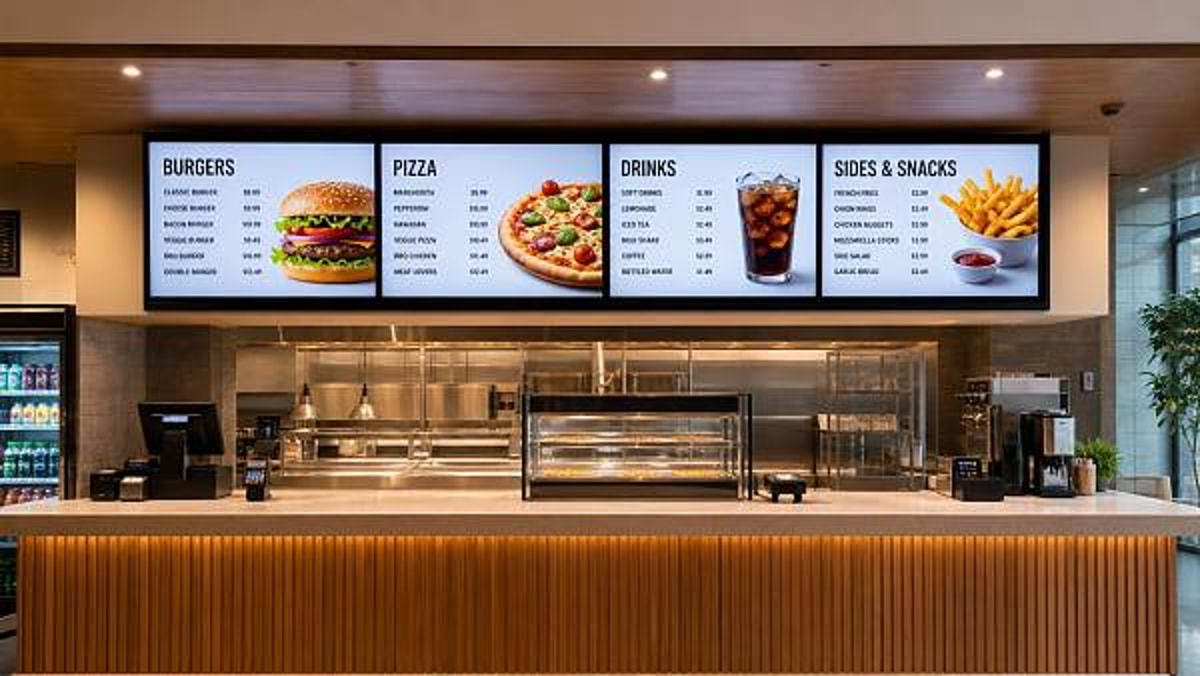
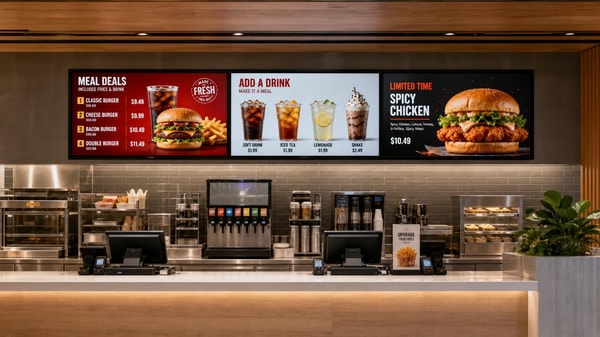
In commercial sourcing, the term wholesale LED menu boards usually refers to digital display systems used to present menus, promotions, pricing, queue information, and brand visuals in food service, hospitality, education, entertainment, and specialty retail settings. These systems may be indoor direct-view LED panels, integrated LED signage, or hybrid menu display assemblies that combine cabinets, controllers, content software, and mounting structures.
For technical evaluators, the product category is broader than a simple screen purchase. A useful assessment must cover optical performance, pixel pitch, cabinet design, maintenance method, signal compatibility, operating environment, and expected service life. In many projects, especially multi-site rollouts, a display that looks impressive in a showroom can become inefficient or unreliable once exposed to long operating hours, kitchen heat, cleaning routines, and variable ambient lighting.
That is why experienced buyers treat wholesale LED menu boards as part of a commercial display ecosystem rather than a single specification sheet. The goal is not to maximize one metric, but to balance readability, durability, energy use, and serviceability over time.
Why the market pays attention to more than brightness
Brightness is easy to market because it is measurable and visible in demonstrations. However, in real operating conditions, excessive brightness can even create problems, including eye fatigue, washed-out colors, unnecessary power draw, and accelerated thermal stress. A menu board needs to remain readable and visually consistent throughout breakfast, lunch, dinner, and late-night service, not simply perform well at peak luminance.
The commercial environment has also become more demanding. Restaurants are redesigning spaces around customer experience, chain operators require standardized branding across locations, and facility managers want predictable maintenance intervals. In this context, wholesale LED menu boards are increasingly evaluated through a lifecycle lens. Technical teams are asking whether the display will keep uniform color after thousands of operating hours, whether modules can be replaced quickly, and whether the system will remain stable under frequent content updates.
For organizations supported by data-driven sourcing models such as those emphasized by Global Commercial Trade, this broader evaluation is especially important. Hospitality groups, institutional buyers, and specialty retail operators do not benefit from selecting displays based on a headline figure alone. They need systems aligned with compliance expectations, installation realities, and long-term operational goals.
Core technical factors that matter in daily operation
A strong technical review of wholesale LED menu boards should begin with visual quality, but it should not end there. Several factors determine whether the display performs well after deployment.
Color consistency and calibration
Menu items rely on attractive food imagery and brand colors. If white balance shifts across panels or red tones vary from module to module, the result looks unprofessional and weakens brand trust. Buyers should ask about factory calibration, binning control for LEDs, grayscale performance, and post-installation correction capability. Uniformity is often more valuable than maximum brightness because customers view the whole menu wall at once.
Viewing angle and readability
In quick-service restaurants, food courts, hotel cafés, and leisure venues, guests rarely stand directly in front of the screen. Wide horizontal and vertical viewing angles help maintain legibility from queue lines and side approaches. Technical teams should verify how color, contrast, and text clarity behave off-axis, especially for small pricing information or combo descriptions.
Pixel pitch and content distance
Pixel pitch affects image sharpness at the intended viewing distance. A very fine pitch may raise project cost without delivering meaningful value if customers read the menu from several meters away. On the other hand, too coarse a pitch can reduce text clarity and hurt premium brand presentation. Evaluators should match pitch to layout size, font size, content density, and typical customer position.
Power efficiency and thermal management
Energy use matters more than many buyers initially expect. Menu boards often operate for extended daily cycles, and chains may deploy them in dozens or hundreds of locations. Efficient power supplies, sensible brightness control, and good heat dissipation lower operating cost and protect component life. If a display runs hot above serving equipment or near enclosed soffits, long-term stability may suffer.
Serviceability and maintenance architecture
Front service or rear service access can significantly change maintenance planning. Technical teams should confirm module replacement time, spare part commonality, cable layout, and whether routine servicing can be performed without shutting down adjacent units. Reliable wholesale LED menu boards should support practical field maintenance, not just laboratory specifications.
A practical industry overview for technical evaluation
The following table summarizes the metrics that usually deserve more attention than brightness alone when reviewing wholesale LED menu boards for commercial use.
Business value across commercial environments
The value of wholesale LED menu boards extends beyond food display. In broader commercial experience design, these systems help unify messaging, adapt content instantly, and support premium visual environments. Their value differs by setting, which is why technical evaluation should be linked to use case rather than treated as a generic screen decision.
This cross-industry relevance explains why sourcing platforms and intelligence hubs increasingly evaluate digital signage from both technical and commercial perspectives. For procurement leaders, the right display can strengthen customer experience, accelerate menu changes, and reduce print waste. For technical teams, the wrong display can create hidden service calls, inconsistent presentation, and site-level dissatisfaction.
Sourcing considerations beyond the datasheet
Even high-quality wholesale LED menu boards can underperform if supplier capability is weak. Technical assessment should therefore extend to manufacturing and support readiness. This is particularly important in B2B environments where projects involve multiple branches, local installers, and strict launch timelines.
First, confirm the supplier’s consistency in OEM or ODM execution. Custom cabinet dimensions, front fascia treatments, mounting adaptation, and software interface requirements are common in commercial projects. A supplier may offer an attractive standard display yet struggle with repeatable customization.
Second, review compliance and quality assurance documentation. Depending on region and application, buyers may need evidence related to electrical safety, electromagnetic compatibility, material quality, and environmental testing. For global projects, verified documentation reduces deployment risk and simplifies stakeholder approval.
Third, examine after-sales structure. Ask how warranty claims are handled, whether spare modules are stocked, how firmware updates are distributed, and what training is available for local technicians. The best wholesale LED menu boards are supported by a service model that keeps commercial operations running smoothly.
Practical recommendations for technical evaluators
For technical evaluation teams, a structured test process is more useful than relying on sales demonstrations. Start with the intended operating conditions: viewing distance, ambient light range, daily runtime, installation height, and nearby heat sources. Then assess the display at normal brightness levels rather than peak showroom settings.
It is also wise to test actual content types. Menus include small prices, large hero images, promotional blocks, and sometimes multiple language layers or allergen notices. A display may look strong with full-screen video but perform poorly with fine text. Real content testing reveals whether the system is suitable for operational use.
Where possible, request sample aging data or reference installations with similar duty cycles. Long-term reliability is rarely visible on day one. Evidence from deployed projects often provides better insight than a specification list. This is one reason curated B2B intelligence and verified sourcing information remain valuable in the commercial display market.
Finally, compare total cost of ownership, not just purchase price. Energy demand, expected maintenance frequency, module replacement cost, and software support all influence the real financial outcome. In many cases, wholesale LED menu boards with balanced engineering deliver better lifecycle value than brighter but less efficient alternatives.
Conclusion and next-step perspective
The most effective approach to wholesale LED menu boards is to treat brightness as one parameter within a broader performance framework. Commercial buyers and technical evaluators should prioritize readability, color integrity, thermal stability, power efficiency, serviceability, and supplier credibility. These factors shape whether a display will support a premium, reliable customer experience over years of use.
As commercial environments become more design-led and operationally data-driven, display selection should reflect both engineering discipline and business reality. Organizations that evaluate wholesale LED menu boards with this wider perspective are better positioned to source systems that meet brand goals, operational demands, and long-term cost expectations. For teams planning upgrades or multi-site deployments, a specification-led review supported by credible market intelligence is the safest path to a durable decision.
Search News
Hot Articles
Popular Tags
Need ExpertConsultation?
Connect with our specialized leisureengineering team for procurementstrategies.
Recommended News
 May 04, 2026Wholesale LED Menu Boards: Brightness Is Not the Only MetricWholesale LED menu boards are about more than brightness. Discover how color consistency, viewing angle, power efficiency, and reliability impact long-term performance and smarter sourcing.● Hospitality Sourcing Dir
 May 04, 2026Digital Signage for Restaurants: What Drives Real Menu Sales?Digital signage for restaurants drives real menu sales through smarter content, screen placement, timing, and optimization. Learn what truly boosts upsells, AOV, and menu performance.● Hospitality Sourcing Dir
 May 03, 2026Hotel pool lounge chairs: materials that survive sun and chlorineHotel pool lounge chairs buying guide: compare aluminum, resin, sling, and hardware materials that resist sun, chlorine, and heavy use for longer life and lower maintenance.● Hospitality Sourcing Dir
 May 03, 2026Outdoor rattan dining sets: which weave lasts in commercial useOutdoor rattan dining sets: discover which commercial weave lasts longest. Compare flat vs half-round options for durability, cleaning efficiency, and lower lifecycle cost.● Hospitality Sourcing Dir
 May 03, 2026Commercial patio umbrellas need more than UV fabric outdoorsCommercial patio umbrellas need more than UV fabric. Discover how wind stability, corrosion resistance, frame strength, and maintenance impact safer, longer-lasting outdoor projects.● Hospitality Sourcing Dir
 May 02, 2026Folding event tables that stay stable on uneven banquet floorsFolding event tables that stay stable on uneven banquet floors help reduce wobble, speed setup, and improve guest experience. Discover key features buyers should compare.● Hospitality Sourcing Dir
 May 02, 2026Banquet chairs wholesale: stacking height can change storage costsBanquet chairs wholesale decisions should consider stacking height, because smarter storage, faster handling, and lower transport costs can significantly improve long-term venue profitability.● Hospitality Sourcing Dir
 May 02, 2026When wholesale melamine plates look premium and when they do notWholesale melamine plates can look refined or cheap. Learn how finish, weight, design, and supplier quality affect premium appeal before you source for hospitality or retail.● Hospitality Sourcing Dir
 May 01, 2026Restaurant Booth Seating That Saves Space Without Feeling TightRestaurant booth seating that saves space without feeling cramped—discover smart dimensions, durable specs, and layout tips to boost comfort, traffic flow, and revenue.● Hospitality Sourcing Dir
 May 01, 2026How to Choose Commercial Bar Stools for High-Traffic VenuesCommercial bar stools for high-traffic venues: learn how to compare durability, safety, comfort, maintenance, and supplier reliability to choose seating that lasts and performs.● Hospitality Sourcing Dir
 Apr 28, 2026Why Hotel Tables Often Fail at Edges, Bases, and Surface FinishHotel tables often fail at edges, bases, and surface finish. Compare hotel furniture, custom furniture, luxury furniture, hotel chairs, hotel beds, and hotel equipment before you buy.● Hospitality Sourcing Dir
 Apr 28, 2026Hotel Tables With Stone Tops or Wood Tops: Which Performs Better?Hotel tables with stone tops or wood tops? Compare ROI, durability, and style across hotel furniture, custom furniture, hotel chairs, and hotel beds to choose smarter.● Hospitality Sourcing Dir
 Apr 28, 2026The Best Hotel Chairs Balance Comfort, Stackability, and DurabilityHotel chairs that balance comfort, stackability, and durability. Explore hotel furniture, custom furniture, hotel tables, hotel beds, and luxury furniture solutions for hospitality buyers.● Hospitality Sourcing Dir
 Apr 28, 2026Hotel Chairs: What Causes Wobbling, Cracks, and Early Wear?Hotel chairs buying guide: learn what causes wobbling, cracks, and early wear, and how to compare hotel furniture, custom furniture, hotel tables, hotel beds, and luxury furniture for lasting value.● Hospitality Sourcing Dir
 Apr 21, 2026Hotel tables that stay stable on uneven flooringHotel tables that stay stable on uneven flooring: a practical guide for hospitality procurement covering hotel furniture, commercial furniture, luxury furniture, and specs that reduce wobble, risk, and maintenance.● Hospitality Sourcing Dir
 Apr 21, 2026Round or rectangular hotel tables for tighter layouts?Hotel tables for tight layouts: compare round vs rectangular hotel furniture for better flow, seating, and hospitality procurement decisions. Find the best fit for compact hotel room furniture.● Hospitality Sourcing Dir
 Apr 21, 2026Why hotel chairs fail early in banquet spacesHotel chairs in banquet spaces fail early due to stacking, impact, and weak specs. Learn how hotel furniture and commercial furniture choices cut costs and improve hospitality procurement.● Hospitality Sourcing Dir
 Apr 21, 2026Hotel chairs that look elegant and still hold upHotel chairs that blend luxury furniture appeal with commercial furniture durability. Discover how hotel furniture works with hotel tables, hotel desks, and hotel room furniture for smarter hospitality procurement.● Hospitality Sourcing Dir
 Apr 23, 2026How to Choose Commercial Furniture That LastsCommercial furniture buying guide for hotels, schools, and leisure venues—covering hotel tables, playground safety, sensory playgrounds, and durable amusement equipment.● Hospitality Sourcing Dir
 Apr 23, 2026When Commercial Furniture Fails in High-Traffic VenuesLearn why commercial furniture fails in busy venues and how to choose safer hotel tables, playground borders, sensory playground solutions, amusement equipment, and hotel equipment that last.● Hospitality Sourcing Dir
 Apr 20, 2026Hotel tables with edge seams that trap moisture and moldHotel tables, park benches & commercial furniture with mold-trapping edge seams? Discover seamless, moisture-resistant hotel furniture solutions—luxury, custom, and compliant.● Hospitality Sourcing Dir
 Apr 20, 2026Hotel chairs rated for 100,000 cycles—but tested how?Discover how top hotel chairs, park benches & commercial furniture are truly tested for 100,000 cycles—backed by BIFMA, EN & GB/T standards. Get verified luxury furniture insights.● Hospitality Sourcing Dir
 Apr 19, 2026Hotel tables that warp under daily cleaning chemicalsHotel tables, hotel chairs, hotel beds & park benches—discover why chemical warping fails luxury furniture & commercial furniture specs. Get expert OEM insights on durable hotel furniture & equipment.● Hospitality Sourcing Dir
 Apr 19, 2026Hotel chairs with hidden wear patterns no one tests forHotel chairs, luxury furniture & commercial furniture buyers: uncover hidden wear patterns in hotel chairs, hotel beds, and custom furniture—before failure hits ROI.● Hospitality Sourcing Dir