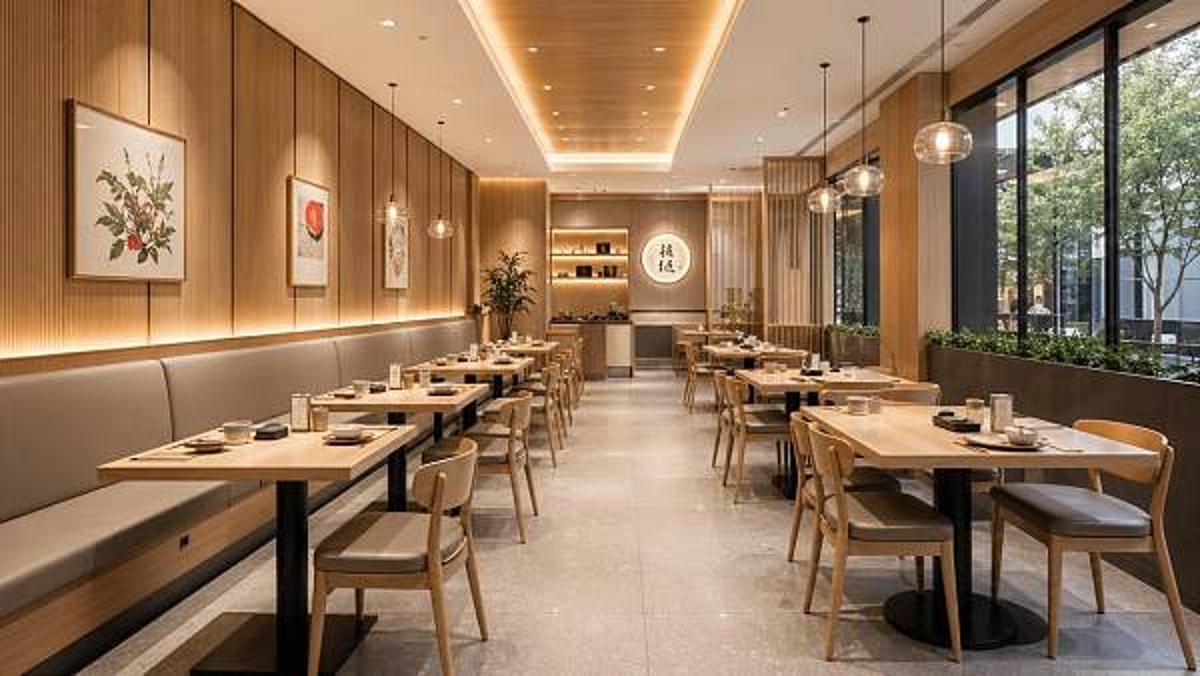
Restaurant Booth Seating That Saves Space Without Feeling Tight
Choosing the right restaurant booth seating is a balancing act between space efficiency, guest comfort, and long-term operational performance. For project managers and commercial fit-out teams, the best solutions do more than maximize floor plans—they support traffic flow, reinforce brand atmosphere, and meet durability demands. This guide explores how to save space without making dining areas feel cramped or uninviting.
In dense dining environments, every 100 to 150 mm of clearance can affect circulation, service speed, and perceived comfort. A booth that looks efficient on a plan may create pinch points during peak hours if aisle widths, table depths, and seat back thickness are not coordinated early in the project. For commercial buyers, restaurant booth seating should therefore be evaluated as a space-planning system rather than a standalone furniture item.
This matters even more in multi-site rollouts, hotel F&B upgrades, food hall concepts, and compact urban restaurants where lease costs are high and seating density directly impacts revenue potential. The right specification can increase seat count by 8% to 15% in some layouts while still preserving a relaxed guest experience. The wrong one can create complaints, maintenance issues, and costly rework after handover.
Why Space-Saving Booth Design Matters in Commercial Dining Projects
For project managers, restaurant booth seating is rarely just a styling decision. It influences capacity modeling, MEP coordination along walls, cleaning access, and front-of-house labor efficiency. In practical terms, a well-designed booth can help operators fit more covers into a room without making guests feel boxed in, but only if dimensions are matched to the service concept and average dwell time.
The link between seat density and guest perception
Guests do not judge comfort by square meters alone. They respond to legroom, shoulder space, visual openness, and ease of entry. A booth with a slim back profile, a 450 to 500 mm seat depth, and an appropriate table overhang often feels more generous than a bulkier design occupying the same footprint. Perception is shaped by proportion, not only by floor area.
This is especially relevant in all-day dining, casual chains, and mixed-use hospitality venues where customer groups vary from solo diners to families of 4 or 6. If booth access is awkward or knee clearance falls below practical expectations, turnover may slow and customer satisfaction may decline, even when the layout appears efficient on paper.
Common project pain points
- Aisles narrowed below operational comfort, often under 900 mm in busy service zones
- Seat backs built too thick, reducing usable table-to-wall depth by 50 to 80 mm
- Tables oversized for the menu format, leaving insufficient ingress space
- Fixed booths installed without considering cleaning equipment access or base damage
- Finishes selected for appearance rather than abrasion resistance and cleanability
These issues usually emerge when furniture selection happens after the floor plan is already locked. Bringing booth dimensions into concept design 2 to 4 weeks earlier can reduce downstream conflicts with columns, sockets, skirtings, and banquette lighting details.
Key Dimensions That Save Space Without Feeling Tight
The most effective restaurant booth seating layouts rely on disciplined dimensional planning. There is no single universal standard, but several commercial ranges are widely used because they balance human ergonomics with operational efficiency. The goal is not minimum size at all costs; it is the minimum size that still performs well in daily service.
Recommended planning ranges
The table below outlines practical specification ranges commonly used in restaurant and hospitality projects. Exact sizing should still be validated against target customer profile, menu style, and service model.
The key takeaway is that saving space usually comes from trimming non-performing bulk rather than shrinking every dimension. Thin backs, efficient table bases, and disciplined aisle planning often achieve better results than reducing seat width to the point of discomfort.
How to avoid the “tight but empty” look
Some dining rooms feel cramped even when booth dimensions are technically acceptable. This often happens when high backs, dark upholstery, and full plinth bases create visual mass. To avoid that effect, specifiers often use 3 strategies: lighter-toned upholstery, segmented backrest detailing, and modest toe-kick recesses that visually reduce base volume.
Design choices that improve openness
- Use back heights that match zoning needs rather than defaulting to maximum privacy everywhere.
- Limit excessive quilting or deep channel stitching where cleaning speed is important.
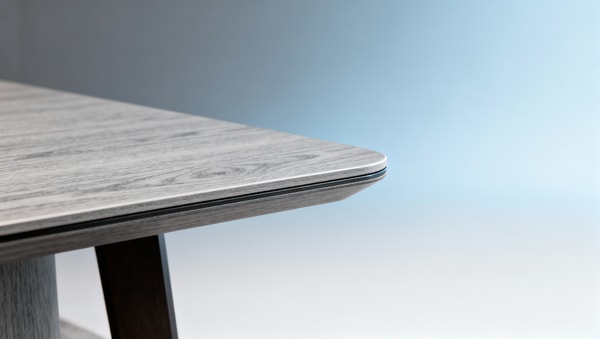
- Coordinate tabletop edge profile and pedestal placement to improve entry comfort.
- Repeat booth modules in consistent lengths such as 1200 mm, 1800 mm, or 2400 mm to simplify fabrication and planning.
For project teams handling rollout programs, module consistency can also reduce shop drawing complexity, speed approvals, and support replacement planning later in the asset life cycle.
Choosing the Right Booth Type for Different Restaurant Layouts
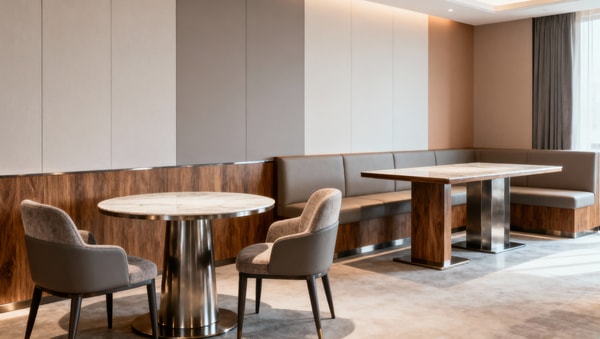
Not every restaurant booth seating configuration performs the same way. Wall banquettes, double booths, L-shaped corner units, and freestanding pods each serve different planning goals. Selection should be driven by room geometry, target cover count, and service circulation rather than by style preference alone.
Configuration comparison for commercial projects
The following comparison helps project managers align booth type with space constraints, operational priorities, and fit-out complexity.
In many projects, the most space-efficient result comes from mixing 2 or 3 booth types rather than standardizing the whole floor with one format. For example, wall banquettes can increase perimeter efficiency, while a limited number of higher-back booths create premium zones without visually closing the room.
Best-fit scenarios by venue type
Quick-service and fast casual
Projects with average dwell times under 45 minutes usually benefit from simpler, easy-clean booth profiles, moderate back heights, and durable laminates or coated upholstery. The objective is to maintain turnover, reduce maintenance labor, and preserve a clean visual line in compact footprints.
Hotel dining and all-day service
These settings often need greater versatility because breakfast, lunch, and evening service have different guest expectations. A dual-purpose restaurant booth seating specification may require better cushioning, more refined upholstery, and improved power integration near certain sections for remote workers or business travelers.
Premium casual and specialty concepts
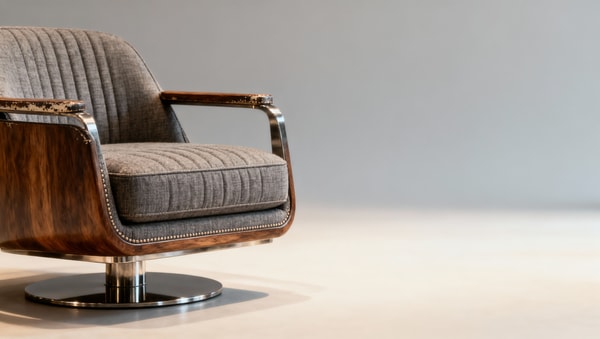
Where atmosphere influences ticket value, material layering matters as much as dimensions. Slim yet upholstered forms, timber accents, and carefully scaled partitions can save space while supporting a more elevated brand experience. The challenge is ensuring that decorative detailing does not compromise cleaning cycles or lead times.
Materials, Durability, and Lifecycle Planning
A booth that saves space but fails after 12 to 18 months is not cost-efficient. For commercial procurement, restaurant booth seating should be reviewed against abrasion exposure, cleaning chemistry, substrate stability, and serviceability. Material selection should reflect actual operating conditions, not just showroom appearance.
Core specification priorities
- High-use upholstery that tolerates repeated wipe-down cycles and foodservice cleaning agents
- Foam density selected for shape retention, especially in units used 10 to 14 hours per day
- Plywood or engineered substrate suited to local humidity and seasonal movement
- Base protection against kicks, mops, and vacuum contact in tight aisles
- Replaceable components where possible for lower lifecycle disruption
Project managers should also confirm whether the booth is fully site-built, factory-produced, or hybrid. Factory-built modules can improve dimensional consistency and installation speed, while site-built solutions may adapt better to uneven walls and last-minute field conditions. The right choice depends on program scale, site access, and tolerance control.
Maintenance and replacement planning
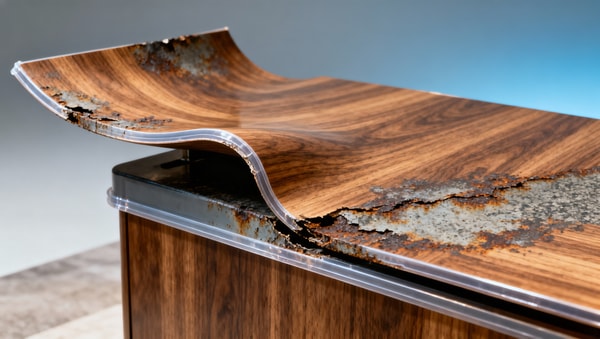
A practical maintenance plan should include quarterly inspection of seams, bases, and anchoring points, plus a more detailed review every 6 to 12 months in high-volume venues. Early intervention on stitching failure, laminate chipping, or cushion compression can extend service life and avoid sudden visible deterioration across a dining floor.
Where brand consistency is important across multiple outlets, keeping 3% to 5% spare upholstery or replacement panels in reserve can reduce downtime. This is particularly useful for custom colors or made-to-order finishes with longer replenishment cycles.
Procurement, Lead Times, and Installation Control
Even the most efficient restaurant booth seating concept can fail at delivery stage if procurement and installation are poorly coordinated. Lead times typically vary from 4 to 10 weeks depending on customization level, material availability, fire-safety requirements, and export packing needs. Custom corners, integrated lighting, and premium upholstery usually extend the schedule.
A practical 5-step procurement workflow
- Validate concept dimensions against floor plan, service aisles, and intended table mix.
- Review materials, substrate build-up, and cleaning performance before approval.
- Request shop drawings and, for larger projects, a mock-up or sample section.
- Coordinate delivery sequence with flooring, wall finishes, and MEP final fix.
- Inspect anchoring, alignment, finish quality, and snagging points at handover.
Risk checkpoints before sign-off
Before issuing the final purchase order, confirm 4 critical items: actual finished wall dimensions, floor level tolerances, fabric or vinyl approval, and access route constraints for delivery. Seemingly minor deviations such as a 15 mm wall bow or an unplanned skirting detail can affect fit and force onsite modification.
For international sourcing programs, packaging and carton labeling should also be reviewed. Knock-down components may reduce freight volume, but they can increase onsite assembly time and the risk of missing hardware. A clear packing list and installation sequence document can save several hours per site during rollout.
Common Mistakes That Make Booth Seating Feel Smaller Than It Is
Many cramped dining rooms are not caused by small footprints alone. More often, they result from specification mismatches between concept design and operating reality. Understanding the most common errors can help commercial teams avoid costly redesign later.
Frequent specification mistakes
- Using deep lounge-style seats in high-turnover dining zones
- Overbuilding backrests for visual impact while sacrificing legroom
- Ignoring edge comfort where guests slide in and out repeatedly
- Selecting heavy dark finishes in compact rooms with limited daylight
- Failing to test cleaning access around fixed bases and table pedestals
How to correct them early
A taped-out floor mock-up, even at simple 1:1 scale on site, can reveal circulation issues in less than 1 hour. For larger projects, a prototype bay with one complete booth, one table, and representative aisle clearances is often worth the extra time. It helps stakeholders evaluate feel, entry movement, and service practicality before full fabrication begins.
If a room still feels compressed, project teams usually get better results by reducing bulk and improving visual rhythm than by removing large numbers of seats. Small adjustments across 6 to 10 booths can meaningfully improve perception without compromising revenue capacity.
Planning Restaurant Booth Seating for Better Commercial Outcomes
For project managers and fit-out leaders, the best restaurant booth seating solutions combine 3 outcomes: efficient layout, reliable durability, and a guest experience that supports repeat business. The most successful projects treat booth seating as part of the wider operational ecosystem, linking furniture dimensions with circulation, maintenance routines, and brand positioning from the start.
When specified with the right dimensional discipline, material strategy, and procurement control, booths can raise capacity without creating a crowded atmosphere. They can also simplify zoning across casual, premium, and multi-purpose dining areas while supporting faster cleaning and more predictable lifecycle costs.
If you are evaluating restaurant booth seating for a new hospitality build, renovation, or multi-site rollout, a sourcing-led approach will help you compare configurations, materials, and lead times more confidently. Contact GCT to discuss project requirements, request tailored sourcing support, or explore more commercial seating solutions aligned with your operational and design goals.
Search News
Hot Articles
- Musical InstrumentsChina Table Tennis Team Departs for London; BS EN 14904:2021 Takes EffectMay 01, 2026
- Outdoor RidesSanya Asian Beach Games Closure Triggers Halal Certification Demand for Sand Sports EquipmentMay 01, 2026
- Outdoor RidesAI Football Training Robots Export Surge After Man Utd MatchMay 01, 2026
Popular Tags
Need ExpertConsultation?
Connect with our specialized leisureengineering team for procurementstrategies.
Recommended News
 May 01, 2026Restaurant Booth Seating That Saves Space Without Feeling TightRestaurant booth seating that saves space without feeling cramped—discover smart dimensions, durable specs, and layout tips to boost comfort, traffic flow, and revenue.● Hospitality Sourcing Dir
 May 01, 2026How to Choose Commercial Bar Stools for High-Traffic VenuesCommercial bar stools for high-traffic venues: learn how to compare durability, safety, comfort, maintenance, and supplier reliability to choose seating that lasts and performs.● Hospitality Sourcing Dir
 Apr 28, 2026Why Hotel Tables Often Fail at Edges, Bases, and Surface FinishHotel tables often fail at edges, bases, and surface finish. Compare hotel furniture, custom furniture, luxury furniture, hotel chairs, hotel beds, and hotel equipment before you buy.● Hospitality Sourcing Dir
 Apr 28, 2026Hotel Tables With Stone Tops or Wood Tops: Which Performs Better?Hotel tables with stone tops or wood tops? Compare ROI, durability, and style across hotel furniture, custom furniture, hotel chairs, and hotel beds to choose smarter.● Hospitality Sourcing Dir
 Apr 28, 2026The Best Hotel Chairs Balance Comfort, Stackability, and DurabilityHotel chairs that balance comfort, stackability, and durability. Explore hotel furniture, custom furniture, hotel tables, hotel beds, and luxury furniture solutions for hospitality buyers.● Hospitality Sourcing Dir
 Apr 28, 2026Hotel Chairs: What Causes Wobbling, Cracks, and Early Wear?Hotel chairs buying guide: learn what causes wobbling, cracks, and early wear, and how to compare hotel furniture, custom furniture, hotel tables, hotel beds, and luxury furniture for lasting value.● Hospitality Sourcing Dir
 Apr 21, 2026Hotel tables that stay stable on uneven flooringHotel tables that stay stable on uneven flooring: a practical guide for hospitality procurement covering hotel furniture, commercial furniture, luxury furniture, and specs that reduce wobble, risk, and maintenance.● Hospitality Sourcing Dir
 Apr 21, 2026Round or rectangular hotel tables for tighter layouts?Hotel tables for tight layouts: compare round vs rectangular hotel furniture for better flow, seating, and hospitality procurement decisions. Find the best fit for compact hotel room furniture.● Hospitality Sourcing Dir
 Apr 21, 2026Why hotel chairs fail early in banquet spacesHotel chairs in banquet spaces fail early due to stacking, impact, and weak specs. Learn how hotel furniture and commercial furniture choices cut costs and improve hospitality procurement.● Hospitality Sourcing Dir
 Apr 21, 2026Hotel chairs that look elegant and still hold upHotel chairs that blend luxury furniture appeal with commercial furniture durability. Discover how hotel furniture works with hotel tables, hotel desks, and hotel room furniture for smarter hospitality procurement.● Hospitality Sourcing Dir
 Apr 23, 2026How to Choose Commercial Furniture That LastsCommercial furniture buying guide for hotels, schools, and leisure venues—covering hotel tables, playground safety, sensory playgrounds, and durable amusement equipment.● Hospitality Sourcing Dir
 Apr 23, 2026When Commercial Furniture Fails in High-Traffic VenuesLearn why commercial furniture fails in busy venues and how to choose safer hotel tables, playground borders, sensory playground solutions, amusement equipment, and hotel equipment that last.● Hospitality Sourcing Dir
 Apr 20, 2026Hotel tables with edge seams that trap moisture and moldHotel tables, park benches & commercial furniture with mold-trapping edge seams? Discover seamless, moisture-resistant hotel furniture solutions—luxury, custom, and compliant.● Hospitality Sourcing Dir
 Apr 20, 2026Hotel chairs rated for 100,000 cycles—but tested how?Discover how top hotel chairs, park benches & commercial furniture are truly tested for 100,000 cycles—backed by BIFMA, EN & GB/T standards. Get verified luxury furniture insights.● Hospitality Sourcing Dir
 Apr 19, 2026Hotel tables that warp under daily cleaning chemicalsHotel tables, hotel chairs, hotel beds & park benches—discover why chemical warping fails luxury furniture & commercial furniture specs. Get expert OEM insights on durable hotel furniture & equipment.● Hospitality Sourcing Dir
 Apr 19, 2026Hotel chairs with hidden wear patterns no one tests forHotel chairs, luxury furniture & commercial furniture buyers: uncover hidden wear patterns in hotel chairs, hotel beds, and custom furniture—before failure hits ROI.● Hospitality Sourcing Dir
 Apr 18, 2026Custom furniture quoting errors—how small measurement gaps become big cost overrunsAvoid costly overruns: Fix custom furniture quoting errors before they derail hotel beds, theme park rides, playground structures & soundproofing materials.● Hospitality Sourcing Dir
 Apr 17, 2026Restaurant furniture that handles spills, scratches, and constant turnoverCommercial furniture built for spills, scratches & turnover—ideal for playground borders, sensory playgrounds, hotel tables, amusement equipment & more.● Hospitality Sourcing Dir
 Apr 16, 2026Custom fabrication for restaurant furniture: When ‘made-to-order’ becomes ‘wait-for-3-months’Custom fabrication for hotel furniture, designer eyewear & jewelry—solve supply chain delays with OEM manufacturing expertise. Get on-time, cross-sector solutions.● Hospitality Sourcing Dir
 Apr 15, 2026Restaurant furniture durability tests don’t match real dining room stressCommercial furniture, playground safety & amusement equipment tested for real-world stress—not just labs. Discover field-validated durability for hotel tables, sensory playgrounds, climbers & more.● Hospitality Sourcing Dir
 Apr 12, 2026Custom furniture for play spaces: When 'bespoke' means higher liability, not better fitOutdoor playground & inclusive playground design demands caution: custom furniture, playground swings, and theme park rides raise liability—discover safer, certified alternatives.● Hospitality Sourcing Dir
 Apr 12, 2026Custom furniture lead times ballooning in 2026—what’s really causing the 14-week delaysOutdoor playground, inclusive playground, and theme park rides face 14-week custom furniture delays in 2026—discover root causes & proven mitigation strategies now.● Hospitality Sourcing Dir
 Apr 07, 2026Custom furniture lead times in 2026: Why ‘standard’ finishes now take longer than premiumCustom furniture, outdoor playground & hotel furniture lead times surged in 2026—discover why standard finishes now lag premium. Get data-backed sourcing strategies for inclusive playground, soundproofing materials & instrument cables.● Hospitality Sourcing Dir
 Apr 04, 2026Restaurant Furniture Buyers Are Asking Office Supplies Factories for Modular Desk Systems — And Getting YesTop office supplies manufacturer & OEM supplier delivers NSF/BIFMA-certified modular desk systems for restaurants—fast, compliant, factory-direct.● Hospitality Sourcing Dir