Hotel Tables With Stone Tops or Wood Tops: Which Performs Better?
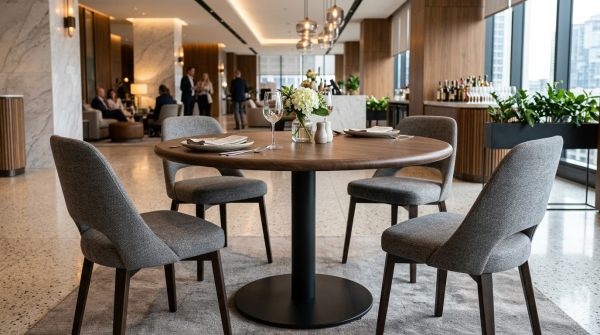
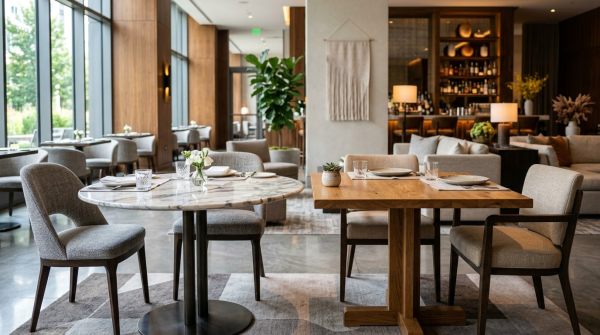
In hotel projects, stone-top tables do not automatically “perform better” than wood-top tables. The better choice depends on where the table will be used, how often it will be cleaned and moved, the brand positioning of the property, and the total cost of ownership over several years. For most procurement teams, the practical answer is this: stone tops usually win in stain resistance, visual luxury, and perceived premium value, while wood tops often perform better in flexibility, warmth, repairability, easier handling, and budget control. If you are sourcing hotel furniture for guestrooms, restaurants, lobbies, or serviced apartments, the smartest decision is not choosing one material for everything, but matching each tabletop to the operational scenario.
For buyers comparing hotel tables alongside hotel chairs, hotel beds, and custom furniture, the tabletop material affects more than appearance. It influences housekeeping workload, replacement cycles, guest perception, logistics costs, and distributor margins. This guide is designed to help procurement managers, business evaluators, and commercial distributors assess stone-top versus wood-top hotel tables with a more practical and ROI-focused lens.
Which tabletop performs better overall for hotels?
If performance is measured by luxury image, resistance to moisture, and ease of wiping off food or drink spills, stone tops often have the advantage. If performance is measured by weight, installation convenience, flexibility in style matching, easier repair, and lower sourcing cost, wood tops are usually the stronger option.
That means there is no universal winner. In commercial hospitality, “better” depends on the table’s role:
- Lobby and premium public areas: stone tops often create a stronger upscale impression.
- Guestrooms: wood tops are frequently more practical, warmer in appearance, and easier to coordinate with broader hotel bedroom furniture packages.
- Dining spaces and cafés: either option can work, but the right choice depends on traffic, cleaning chemicals, and design concept.
- Outdoor or semi-outdoor areas: engineered stone or specially treated materials may outperform standard wood, but construction quality matters more than material label alone.
For procurement teams, the most useful question is not “Which is better?” but “Which material performs better in this exact hospitality use case?”
What do hotel buyers care about most when choosing stone or wood tops?
Commercial buyers usually evaluate much more than surface aesthetics. The main concerns are operational, financial, and reputational:
- Durability under high usage in guestrooms, all-day dining, lounges, and meeting areas
- Maintenance burden for housekeeping and facility teams
- Lifecycle cost, not just initial purchase price
- Consistency across bulk orders for chains, developers, and distributors
- Weight and logistics, especially for export, installation, and replacement
- Brand fit with luxury, boutique, business, resort, or lifestyle hotel concepts
- Customization capability for OEM/ODM projects
- Safety and compliance, including edge treatment, finish quality, and fire-related considerations depending on region and application
This is why many professional sourcing decisions are made through a matrix of appearance, durability, maintenance, and operational cost rather than through design preference alone.
How do stone-top hotel tables perform in real hospitality environments?
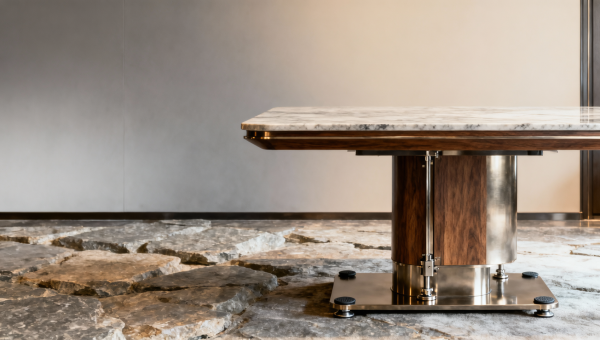
Stone-top hotel tables are commonly selected for projects that want a premium, architectural, or high-end luxury furniture look. Depending on the specification, the “stone” category may include natural marble, granite, sintered stone, quartz-based surfaces, or other engineered materials. Their performance can vary widely, so buyers should assess the exact material instead of assuming all stone tops behave the same way.
Main advantages of stone-top tables:
- Strong luxury perception: stone surfaces instantly communicate refinement and permanence, which is useful for luxury hotels, executive lounges, and statement lobbies.
- Good stain and moisture resistance: many sealed or engineered stone surfaces handle beverages, cosmetics, and food exposure better than untreated wood.
- Easy day-to-day wiping: housekeeping teams often find smooth stone-like surfaces convenient for routine cleaning.
- Surface stability: quality engineered stone is less likely to warp compared with lower-grade wood products in humid settings.
- Design appeal: stone tops pair well with metal frames and contemporary commercial interior concepts.
Main limitations of stone-top tables:
- Higher weight: this affects shipping cost, handling, installation, and replacement labor.
- Breakage risk: while surfaces may be hard, edges and corners can chip during transport or impact.
- Higher upfront cost: premium stone or engineered surfaces usually increase unit price.
- Cold tactile impression: in guestrooms or boutique hospitality settings, stone can feel less inviting than wood.
- Repair complexity: if damaged, stone tops are often harder and more expensive to restore on site.
Stone-top hotel tables are especially effective when visual impact and surface resistance matter more than mobility and repair simplicity.
How do wood-top hotel tables compare in daily use?
Wood-top tables remain a core category in hotel furniture because they offer a balance of comfort, flexibility, and commercial practicality. This category may include solid wood, veneer over engineered board, laminate with wood appearance, or other wood-based constructions. As with stone, performance depends heavily on build quality and finish system.
Main advantages of wood-top tables:
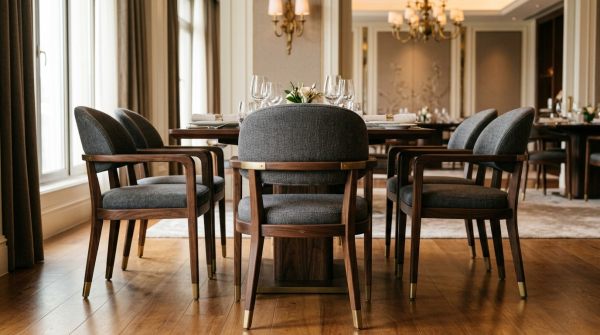
- Warm and guest-friendly appearance: wood is often better suited to guestrooms, suites, café settings, and lifestyle hotel concepts.
- More design versatility: wood can adapt to classic, Scandinavian, modern, resort, and mixed-material interiors.
- Lighter weight: easier to move, install, and replace, which matters in large-scale hotel projects.
- Usually lower sourcing cost: especially in standard hospitality specifications.
- Better repairability: scratches, edge wear, or finish issues can sometimes be refinished or touched up more easily than stone damage.
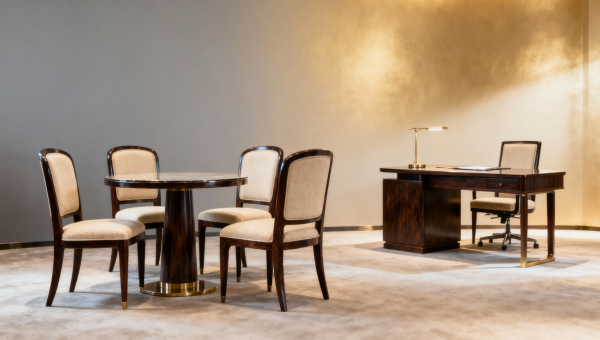
- Easier package integration: wood tops often coordinate naturally with hotel beds, bedside tables, desks, wardrobes, and custom furniture packages.
Main limitations of wood-top tables:
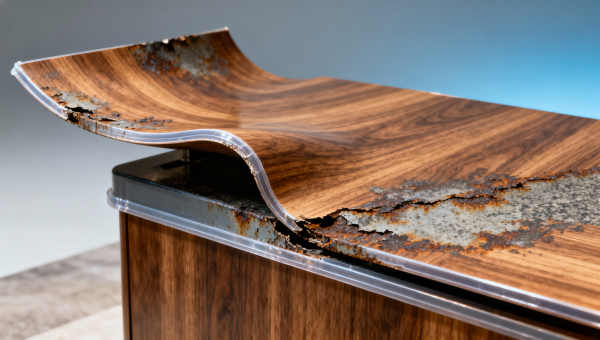
- More vulnerable to moisture and heat: if the finish or substrate quality is poor, rings, swelling, or delamination may occur.
- Surface wear over time: heavy use can produce scratches, dents, and finish degradation.
- Cleaning sensitivity: some wood finishes react poorly to harsh commercial cleaning agents.
- Quality variation: lower-grade wood-based tables may look acceptable initially but perform poorly over time.
For many buyers, wood tops deliver the best overall balance in guestrooms and mid- to upper-upscale projects where warmth, easier handling, and cost control are priorities.
Which option is more durable: stone or wood?
Durability depends on what type of damage is most likely in your hotel environment.
Stone tops generally perform better against:
- liquid stains
- moisture exposure
- frequent wipe-down cleaning
- certain forms of surface abrasion
Wood tops generally perform better against:
- minor impact without edge chipping
- simpler refinishing or aesthetic repair
- handling-related stress during movement or reconfiguration
In practical terms, a hotel restaurant table exposed to coffee, wine, sauces, and aggressive cleaning may benefit from a high-performance stone or engineered surface. A guestroom writing desk or side table may perform very well with a durable wood veneer or quality laminate-over-board construction because the usage is lighter and the visual warmth adds value.
So if “durable” means resisting spills and frequent sanitation, stone often leads. If it means easier recovery from wear, easier replacement logistics, and dependable performance in lower-intensity settings, wood may be the smarter commercial choice.
How do maintenance and housekeeping costs differ?
This is one of the most important but overlooked factors in hospitality sourcing. Buyers often focus on purchase price, but maintenance can quietly reshape ROI over the table’s usable life.
Stone tops may reduce routine cleaning effort because spills are often easier to remove quickly, especially on properly sealed or engineered surfaces. However, if a top chips or cracks, repair can be costly and replacement may involve more operational disruption.
Wood tops may require more careful daily care, especially if the finish is sensitive to standing moisture, hot objects, or strong chemicals. But when wear appears gradually, operators may have more options for touch-up, refinishing, or lower-cost replacement.
Procurement teams should ask suppliers these practical questions:
- What cleaning chemicals are safe for the surface?
- Will the finish degrade with hotel-standard sanitizing routines?
- Can damaged tops be repaired locally?
- Are replacement tops available in matching batches after 2 to 5 years?
- How visible will scratches, chips, or stains be in real use?
For chains and management groups, maintenance standardization matters. A surface that looks excellent in a showroom but creates housekeeping complaints is rarely the best procurement decision.
Which tabletop material offers better ROI for procurement teams?
The answer depends on whether your project is optimizing for brand impression, lifecycle cost, or operational flexibility.
Stone tops may offer better ROI when:
- the property targets premium or luxury positioning
- public-area furniture must create strong visual impact
- surfaces face frequent food, beverage, or cosmetic exposure
- the brand is willing to invest more upfront for perceived quality
Wood tops may offer better ROI when:
- the project needs balanced performance across many room units
- freight and installation cost must be controlled
- future replacement and maintenance flexibility matter
- the interior concept emphasizes comfort, warmth, or residential hospitality
For distributors, wood-top hotel tables may also support broader market coverage because they can fit more price tiers and style programs. Stone-top products, meanwhile, may help increase average order value in premium channels, but they require clearer customer education around specifications, weight, and handling.
From a commercial evaluation perspective, ROI should include:
- unit price
- shipping cost
- installation labor
- maintenance frequency
- expected replacement rate
- effect on guest perception and design consistency
Where should hotels use stone tops, and where should they use wood tops?
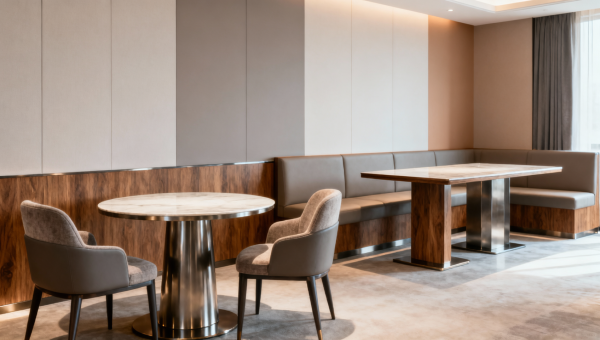
A mixed-material strategy is often the most effective sourcing solution.
Best-fit scenarios for stone-top tables:
- lobby coffee tables in upscale hotels
- executive lounge tables
- restaurant tables in premium dining environments
- vanity or side surfaces where moisture resistance is important
- high-visibility public areas where luxury furniture presentation matters
Best-fit scenarios for wood-top tables:
- guestroom writing desks
- bedside tables and side tables
- suite living furniture
- breakfast areas with softer residential styling
- midscale and upper-midscale hotel programs that need cost-efficient design consistency
Many successful hotel furniture programs use stone selectively for focal points and wood for high-volume room packages. This helps control budget while preserving premium touchpoints.
What should distributors and sourcing teams ask suppliers before placing orders?
Whether you buy stone-top or wood-top hotel tables, supplier qualification strongly affects real-world performance. Buyers should not evaluate material choice in isolation from manufacturing quality.
Ask for:
- Material specifications: natural stone, sintered stone, quartz, solid wood, veneer, MDF core, plywood core, laminate, and finish details
- Edge construction details: weak edges often fail first in commercial use
- Scratch, stain, heat, and moisture performance data
- Packaging methods: especially important for stone-like surfaces and export shipments
- Project references: hotels, serviced apartments, restaurants, or chains with similar usage profiles
- OEM/ODM capability: sizes, finishes, base matching, branding, and custom furniture integration
- Replacement policy and batch consistency: critical for future replenishment
- Quality control process: inspection standards, finish consistency, and hardware integration
For procurement professionals, a well-built wood-top table can outperform a poorly made stone-top table, and vice versa. The supplier’s engineering discipline is often as important as the raw material itself.
Final decision: stone tops or wood tops?
If your priority is premium image, easy wipe-clean performance, and strong public-area presentation, stone-top hotel tables often perform better. If your priority is flexibility, warmth, easier logistics, lower total deployment cost, and practical use across guestrooms and larger rollouts, wood-top hotel tables usually deliver stronger all-around value.
For most commercial hospitality projects, the best answer is not choosing one material exclusively. It is creating a smart specification strategy: use stone where guests see and judge luxury most clearly, and use wood where operational efficiency, comfort, and long-term value matter more.
When evaluating hotel furniture, hotel chairs, hotel beds, and custom furniture as part of one sourcing program, tabletop selection should align with the property’s positioning, usage intensity, maintenance model, and lifecycle budget. Buyers who assess these factors early are more likely to avoid costly mismatches and build hotel spaces that perform as well as they look.
Search News
Hot Articles
- Stage Lighting & Truss2026 FIBA Women's World Cup Draw Sparks LED Timing Screen Upgrade DemandApr 28, 2026
- Pro Stage AudioKenyan Marathon WR Break Drives Demand for Timing Chips & Track SensorsApr 28, 2026
- Smart Campus Tech2026 Shanghai Smart Campus Expo: VR Teaching Devices Gain ITU & ISO/IEC 23053 CertificationApr 28, 2026
Popular Tags
Need ExpertConsultation?
Connect with our specialized leisureengineering team for procurementstrategies.
Recommended News
 Apr 28, 2026Why Hotel Tables Often Fail at Edges, Bases, and Surface FinishHotel tables often fail at edges, bases, and surface finish. Compare hotel furniture, custom furniture, luxury furniture, hotel chairs, hotel beds, and hotel equipment before you buy.● Hospitality Sourcing Dir
 Apr 28, 2026Hotel Tables With Stone Tops or Wood Tops: Which Performs Better?Hotel tables with stone tops or wood tops? Compare ROI, durability, and style across hotel furniture, custom furniture, hotel chairs, and hotel beds to choose smarter.● Hospitality Sourcing Dir
 Apr 28, 2026The Best Hotel Chairs Balance Comfort, Stackability, and DurabilityHotel chairs that balance comfort, stackability, and durability. Explore hotel furniture, custom furniture, hotel tables, hotel beds, and luxury furniture solutions for hospitality buyers.● Hospitality Sourcing Dir
 Apr 28, 2026Hotel Chairs: What Causes Wobbling, Cracks, and Early Wear?Hotel chairs buying guide: learn what causes wobbling, cracks, and early wear, and how to compare hotel furniture, custom furniture, hotel tables, hotel beds, and luxury furniture for lasting value.● Hospitality Sourcing Dir
 Apr 21, 2026Hotel tables that stay stable on uneven flooringHotel tables that stay stable on uneven flooring: a practical guide for hospitality procurement covering hotel furniture, commercial furniture, luxury furniture, and specs that reduce wobble, risk, and maintenance.● Hospitality Sourcing Dir
 Apr 21, 2026Round or rectangular hotel tables for tighter layouts?Hotel tables for tight layouts: compare round vs rectangular hotel furniture for better flow, seating, and hospitality procurement decisions. Find the best fit for compact hotel room furniture.● Hospitality Sourcing Dir
 Apr 21, 2026Why hotel chairs fail early in banquet spacesHotel chairs in banquet spaces fail early due to stacking, impact, and weak specs. Learn how hotel furniture and commercial furniture choices cut costs and improve hospitality procurement.● Hospitality Sourcing Dir
 Apr 21, 2026Hotel chairs that look elegant and still hold upHotel chairs that blend luxury furniture appeal with commercial furniture durability. Discover how hotel furniture works with hotel tables, hotel desks, and hotel room furniture for smarter hospitality procurement.● Hospitality Sourcing Dir
 Apr 23, 2026How to Choose Commercial Furniture That LastsCommercial furniture buying guide for hotels, schools, and leisure venues—covering hotel tables, playground safety, sensory playgrounds, and durable amusement equipment.● Hospitality Sourcing Dir
 Apr 23, 2026When Commercial Furniture Fails in High-Traffic VenuesLearn why commercial furniture fails in busy venues and how to choose safer hotel tables, playground borders, sensory playground solutions, amusement equipment, and hotel equipment that last.● Hospitality Sourcing Dir
 Apr 20, 2026Hotel tables with edge seams that trap moisture and moldHotel tables, park benches & commercial furniture with mold-trapping edge seams? Discover seamless, moisture-resistant hotel furniture solutions—luxury, custom, and compliant.● Hospitality Sourcing Dir
 Apr 20, 2026Hotel chairs rated for 100,000 cycles—but tested how?Discover how top hotel chairs, park benches & commercial furniture are truly tested for 100,000 cycles—backed by BIFMA, EN & GB/T standards. Get verified luxury furniture insights.● Hospitality Sourcing Dir
 Apr 19, 2026Hotel tables that warp under daily cleaning chemicalsHotel tables, hotel chairs, hotel beds & park benches—discover why chemical warping fails luxury furniture & commercial furniture specs. Get expert OEM insights on durable hotel furniture & equipment.● Hospitality Sourcing Dir
 Apr 19, 2026Hotel chairs with hidden wear patterns no one tests forHotel chairs, luxury furniture & commercial furniture buyers: uncover hidden wear patterns in hotel chairs, hotel beds, and custom furniture—before failure hits ROI.● Hospitality Sourcing Dir
 Apr 18, 2026Custom furniture quoting errors—how small measurement gaps become big cost overrunsAvoid costly overruns: Fix custom furniture quoting errors before they derail hotel beds, theme park rides, playground structures & soundproofing materials.● Hospitality Sourcing Dir
 Apr 17, 2026Restaurant furniture that handles spills, scratches, and constant turnoverCommercial furniture built for spills, scratches & turnover—ideal for playground borders, sensory playgrounds, hotel tables, amusement equipment & more.● Hospitality Sourcing Dir
 Apr 16, 2026Custom fabrication for restaurant furniture: When ‘made-to-order’ becomes ‘wait-for-3-months’Custom fabrication for hotel furniture, designer eyewear & jewelry—solve supply chain delays with OEM manufacturing expertise. Get on-time, cross-sector solutions.● Hospitality Sourcing Dir
 Apr 15, 2026Restaurant furniture durability tests don’t match real dining room stressCommercial furniture, playground safety & amusement equipment tested for real-world stress—not just labs. Discover field-validated durability for hotel tables, sensory playgrounds, climbers & more.● Hospitality Sourcing Dir
 Apr 12, 2026Custom furniture for play spaces: When 'bespoke' means higher liability, not better fitOutdoor playground & inclusive playground design demands caution: custom furniture, playground swings, and theme park rides raise liability—discover safer, certified alternatives.● Hospitality Sourcing Dir
 Apr 12, 2026Custom furniture lead times ballooning in 2026—what’s really causing the 14-week delaysOutdoor playground, inclusive playground, and theme park rides face 14-week custom furniture delays in 2026—discover root causes & proven mitigation strategies now.● Hospitality Sourcing Dir
 Apr 07, 2026Custom furniture lead times in 2026: Why ‘standard’ finishes now take longer than premiumCustom furniture, outdoor playground & hotel furniture lead times surged in 2026—discover why standard finishes now lag premium. Get data-backed sourcing strategies for inclusive playground, soundproofing materials & instrument cables.● Hospitality Sourcing Dir
 Apr 04, 2026Restaurant Furniture Buyers Are Asking Office Supplies Factories for Modular Desk Systems — And Getting YesTop office supplies manufacturer & OEM supplier delivers NSF/BIFMA-certified modular desk systems for restaurants—fast, compliant, factory-direct.● Hospitality Sourcing Dir
 Apr 01, 2026What happens to hotel tables when placed on floating floors—real case data from 2026Discover how hotel tables, chairs, desks & sofas interact with soundproofing materials on floating floors—real 2026 data reveals critical acoustic & stability insights for hospitality furniture buyers.● Hospitality Sourcing Dir
 Mar 31, 2026Hotel tables that don’t rattle—what makes the difference in real roomsDiscover hotel tables engineered with soundproofing materials & precision construction—eliminate rattling, elevate guest experience. Premium hotel furniture, desks, chairs, sofas & more.● Hospitality Sourcing Dir