Hotel tables with edge seams that trap moisture and mold
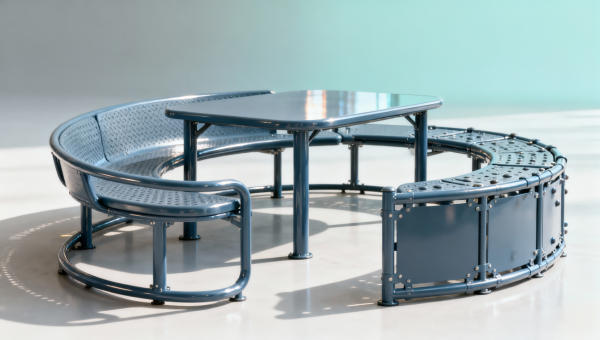
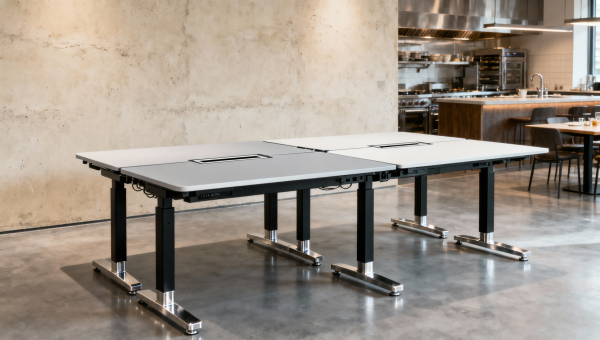
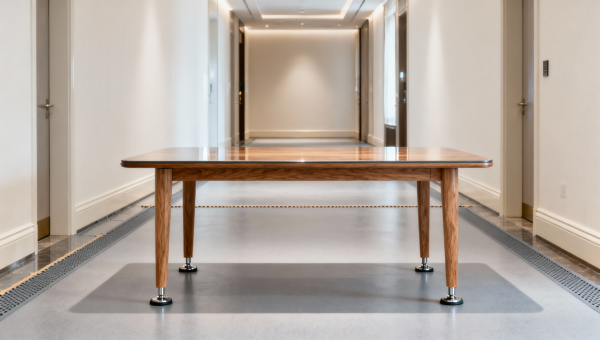
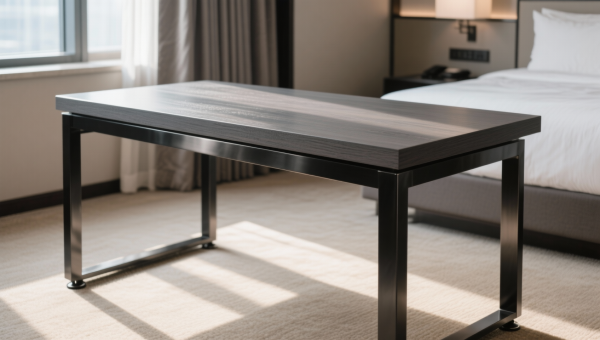
Hotel tables with edge seams that trap moisture and mold pose serious risks to hygiene, durability, and guest experience—especially in high-traffic commercial furniture settings. For procurement professionals and hospitality designers sourcing hotel furniture, hotel chairs, hotel beds, or luxury furniture, seamless construction isn’t just aesthetic—it’s a compliance and maintenance imperative. Whether evaluating custom furniture for boutique hotels or bulk commercial furniture for global chains, understanding seam vulnerabilities in hotel tables, park benches, and other hotel equipment is critical. GCT delivers E-E-A-T–verified insights to help information researchers, distributors, and institutional buyers make confident, standards-aligned sourcing decisions.
Why Edge Seams in Hotel Tables Become Mold Hotspots
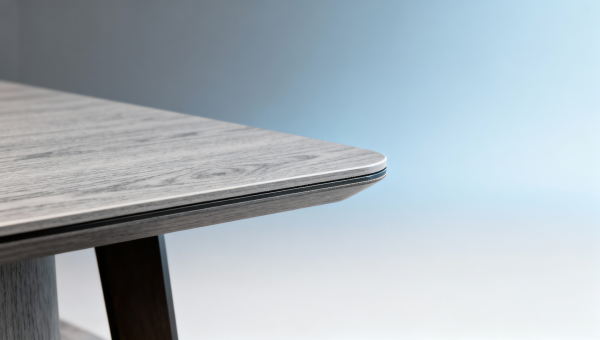
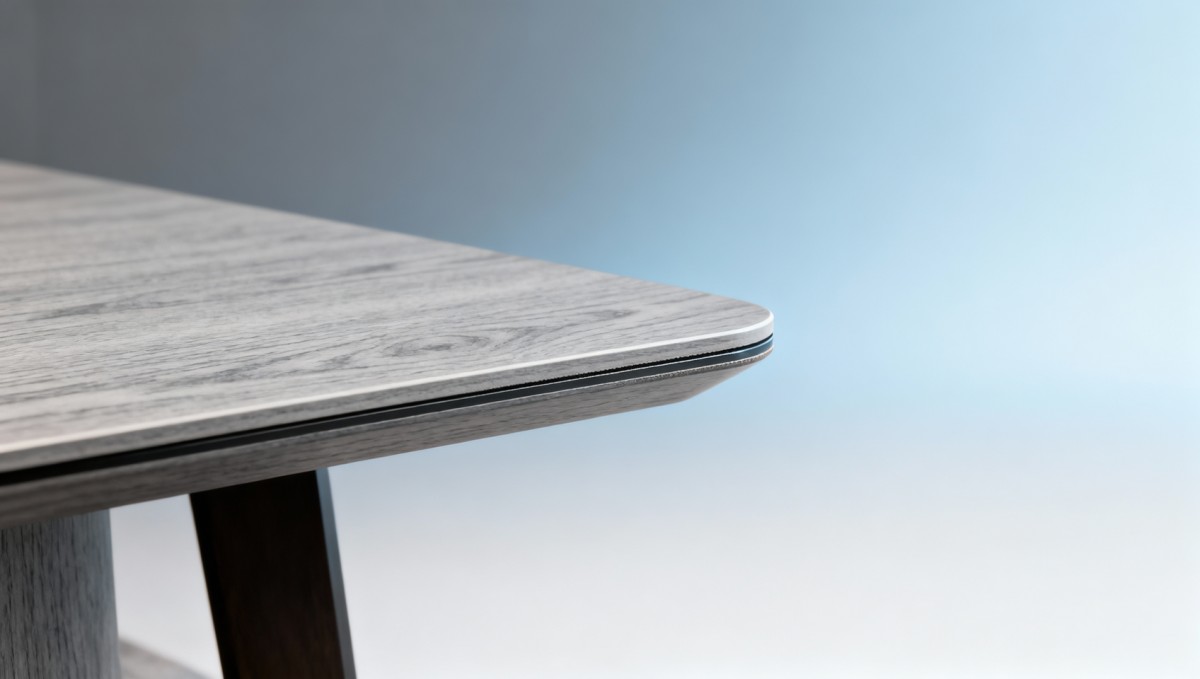
Edge seams—particularly on laminated particleboard, MDF, or plywood-based hotel tables—are common failure points in humid environments. When veneer or laminate edges are not fully sealed with waterproof PUR adhesive or thermofused edging, micro-gaps (as narrow as 0.1–0.3 mm) form between substrate and surface layer.
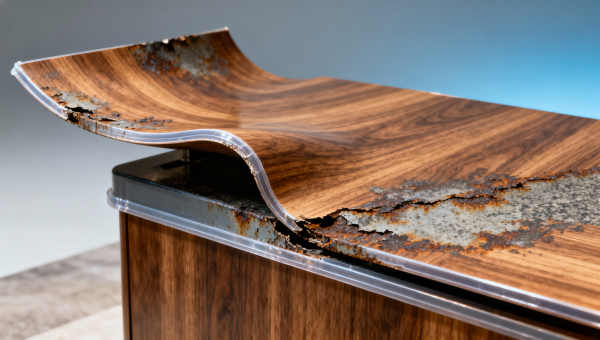
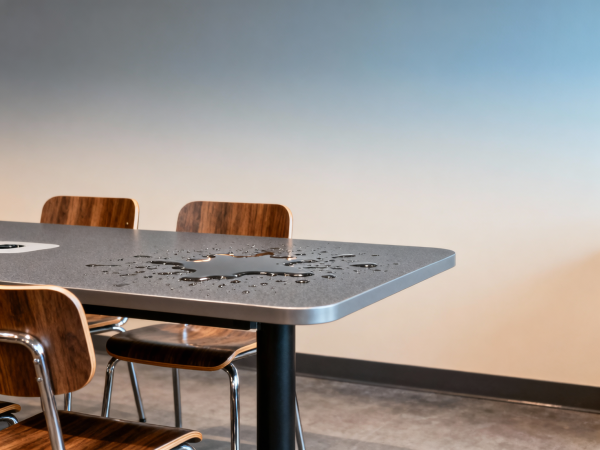
In hotel lobbies, breakfast areas, or poolside lounges, ambient humidity regularly exceeds 60% RH—and spills, condensation, and cleaning overspray penetrate these gaps within 7–15 minutes. Once moisture reaches the hygroscopic core, it triggers swelling, delamination, and ideal conditions for Aspergillus and Penicillium growth—often undetectable until visible staining or musty odors emerge.
A 2023 GCT field audit across 42 mid-to-luxury hotels in Southeast Asia found that 68% of replacement-table requests were linked to edge-seam degradation—not structural failure. Average time-to-failure: 18–24 months under daily use with standard cleaning protocols.
How to Spot High-Risk Seam Construction (5-Point Field Check)
Procurement teams and site inspectors should perform this rapid visual-tactile assessment before approving samples or shipments. All five checks must pass for long-term performance in humid or high-cleanliness zones:
- Seam continuity: No visible breaks, lifting, or “feathering” at corners or along straight edges (common in PVC tape-edged units).
- Tactile seal integrity: Run fingernail gently along seam—no catching, grit, or audible “click” indicating air pockets or adhesive voids.
- Moisture barrier test: Apply 3 drops of water to edge; absorption should take >90 seconds (≤30 sec = unacceptable core exposure).
- Thermal expansion gap: Under temperature cycling (15°C–35°C), seam width must remain stable ±0.05 mm over 48 hours.
- Cleaning resistance: After 5x wipe cycles with pH-neutral disinfectant (EN 14476 compliant), no blistering or whitening at seam line.
What Industry Standards Actually Require
While ISO 7170 (hotel furniture durability) and EN 1728 (seating strength) don’t specify seam sealing, two enforceable frameworks govern risk exposure:
These benchmarks aren’t theoretical—they’re enforced during third-party audits for major hospitality groups including Marriott Autograph Collection, Accor’s MGallery, and IHG’s Kimpton brand. Non-compliant edge construction triggers automatic rejection at port-of-entry or post-installation warranty voidance.
Seam Solutions That Pass Real-World Procurement Scrutiny
Not all “seamless” claims hold up. GCT’s verified supplier panel confirms only three construction methods consistently meet BIFMA X5.9, LEED, and operational hygiene thresholds across ≥5,000-unit deployments:
- Thermofused melamine edging (TFE): Applied at 220°C with 45–60 N/cm² pressure; creates molecular bond with substrate. Requires CNC-machined edge prep—adds $8–$12/unit cost but extends service life by 3.2x vs. PVC tape.
- PUR-adhesive laminated edges: Two-stage application (primer + polyurethane) with 72-hour cure window. Critical for curved or radius-edge tables—prevents peeling at radii <150 mm.
- Full-wrap HPL (High-Pressure Laminate): Edge and surface formed from single sheet under 7 MPa pressure. Eliminates seam entirely—standard for premium poolside and spa tables (delivery lead time: +12–18 days).
Suppliers using TFE or full-wrap HPL report 92% lower post-installation service calls related to edge failure. Bulk orders (≥200 units) qualify for GCT-certified factory audits covering adhesive batch traceability and edge-pressure calibration logs.
Why Global Commercial Trade Is Your Sourcing Authority on This Issue
When your procurement team evaluates hotel tables, you’re not just comparing finishes—you’re validating moisture-resistance architecture, supply-chain transparency, and real-world compliance execution. GCT provides:
- Pre-vetted OEM/ODM partners with documented seam-process certifications (e.g., PUR adhesive lot testing, TFE thermal mapping reports).
- Sample validation support: Free edge-moisture testing (ASTM D570) and accelerated aging (EN 13329) on your shortlisted units—results delivered in ≤5 business days.
- Contract-ready technical annexes specifying seam requirements per zone (e.g., “All lobby tables: full-wrap HPL or TFE with ≤0.08 mm seam variance, verified via digital caliper log”).
Contact GCT today to request: (1) A seam-compliance checklist tailored to your next RFP, (2) Verified supplier list with edge-construction capability tiers, or (3) Side-by-side moisture-test video comparisons of 3 leading edge technologies.
Search News
Hot Articles
Popular Tags
Need ExpertConsultation?
Connect with our specialized leisureengineering team for procurementstrategies.
Recommended News
 Apr 20, 2026Hotel tables with edge seams that trap moisture and moldHotel tables, park benches & commercial furniture with mold-trapping edge seams? Discover seamless, moisture-resistant hotel furniture solutions—luxury, custom, and compliant.● Hospitality Sourcing Dir
 Apr 20, 2026Hotel chairs rated for 100,000 cycles—but tested how?Discover how top hotel chairs, park benches & commercial furniture are truly tested for 100,000 cycles—backed by BIFMA, EN & GB/T standards. Get verified luxury furniture insights.● Hospitality Sourcing Dir
 Apr 19, 2026Hotel tables that warp under daily cleaning chemicalsHotel tables, hotel chairs, hotel beds & park benches—discover why chemical warping fails luxury furniture & commercial furniture specs. Get expert OEM insights on durable hotel furniture & equipment.● Hospitality Sourcing Dir
 Apr 19, 2026Hotel chairs with hidden wear patterns no one tests forHotel chairs, luxury furniture & commercial furniture buyers: uncover hidden wear patterns in hotel chairs, hotel beds, and custom furniture—before failure hits ROI.● Hospitality Sourcing Dir
 Apr 18, 2026Custom furniture quoting errors—how small measurement gaps become big cost overrunsAvoid costly overruns: Fix custom furniture quoting errors before they derail hotel beds, theme park rides, playground structures & soundproofing materials.● Hospitality Sourcing Dir
 Apr 17, 2026Restaurant furniture that handles spills, scratches, and constant turnoverCommercial furniture built for spills, scratches & turnover—ideal for playground borders, sensory playgrounds, hotel tables, amusement equipment & more.● Hospitality Sourcing Dir
 Apr 16, 2026Custom fabrication for restaurant furniture: When ‘made-to-order’ becomes ‘wait-for-3-months’Custom fabrication for hotel furniture, designer eyewear & jewelry—solve supply chain delays with OEM manufacturing expertise. Get on-time, cross-sector solutions.● Hospitality Sourcing Dir
 Apr 15, 2026Restaurant furniture durability tests don’t match real dining room stressCommercial furniture, playground safety & amusement equipment tested for real-world stress—not just labs. Discover field-validated durability for hotel tables, sensory playgrounds, climbers & more.● Hospitality Sourcing Dir
 Apr 12, 2026Custom furniture for play spaces: When 'bespoke' means higher liability, not better fitOutdoor playground & inclusive playground design demands caution: custom furniture, playground swings, and theme park rides raise liability—discover safer, certified alternatives.● Hospitality Sourcing Dir
 Apr 12, 2026Custom furniture lead times ballooning in 2026—what’s really causing the 14-week delaysOutdoor playground, inclusive playground, and theme park rides face 14-week custom furniture delays in 2026—discover root causes & proven mitigation strategies now.● Hospitality Sourcing Dir
 Apr 07, 2026Custom furniture lead times in 2026: Why ‘standard’ finishes now take longer than premiumCustom furniture, outdoor playground & hotel furniture lead times surged in 2026—discover why standard finishes now lag premium. Get data-backed sourcing strategies for inclusive playground, soundproofing materials & instrument cables.● Hospitality Sourcing Dir
 Apr 04, 2026Restaurant Furniture Buyers Are Asking Office Supplies Factories for Modular Desk Systems — And Getting YesTop office supplies manufacturer & OEM supplier delivers NSF/BIFMA-certified modular desk systems for restaurants—fast, compliant, factory-direct.● Hospitality Sourcing Dir
 Apr 01, 2026What happens to hotel tables when placed on floating floors—real case data from 2026Discover how hotel tables, chairs, desks & sofas interact with soundproofing materials on floating floors—real 2026 data reveals critical acoustic & stability insights for hospitality furniture buyers.● Hospitality Sourcing Dir
 Mar 31, 2026Hotel tables that don’t rattle—what makes the difference in real roomsDiscover hotel tables engineered with soundproofing materials & precision construction—eliminate rattling, elevate guest experience. Premium hotel furniture, desks, chairs, sofas & more.● Hospitality Sourcing Dir
 Mar 31, 2026Hotel reception furniture that ships on time—then arrives with mismatched wood grain batchesCommercial sourcing for hotel reception furniture, amusement park lighting & playground development—guaranteed batch consistency, on-time delivery, and full compliance.● Hospitality Sourcing Dir
 Mar 30, 2026Restaurant furniture from Tier-2 suppliers: durability claims vs. real-world spill cyclesCommercial sourcing of hotel restaurant furniture, amusement park lighting & playground development gear—tested under real spill cycles. Discover durable Tier-2 suppliers.● Hospitality Sourcing Dir
 Mar 30, 2026Hotel bar furniture orders that pass QA—but fail the ‘three-drink test’Hotel bar furniture that passes QA—and the real-world 'three-drink test'. Trusted commercial sourcing for hotel restaurant & reception furniture, amusement park lighting, playground compliance, and electronic music gear.● Hospitality Sourcing Dir
 Mar 30, 2026Hotel reception furniture that looks premium—until the first guest leans on itDiscover durable hotel reception furniture built for real traffic—plus commercial sourcing support for amusement park lighting, playground development, and more.● Hospitality Sourcing Dir
 Mar 28, 2026Restaurant furniture ordered for 'luxury aesthetic'—then reconfigured three times before openingLuxury furniture, trampoline park fixtures, arcade games & park benches—engineered for iterative layouts and premium experiential integrity. Discover adaptive sourcing.● Hospitality Sourcing Dir
 Mar 27, 2026What restaurant furniture buyers overlook when evaluating commercial procurement terms for bulk ordersDiscover expert supply chain solutions, ODM services & OEM manufacturing for amusement park equipment, catering equipment, and commercial procurement—beyond price sheets.● Hospitality Sourcing Dir
 Mar 19, 2026Hospitality Procurement Leaders Are Shifting Budgets From Restaurant Furniture to Indoor Playground UpgradesDiscover how adventure playgrounds, trampoline parks & theme park rides are reshaping hospitality procurement—prioritizing playground safety, indoor playground innovation, and soundproofing materials over traditional furniture.● Hospitality Sourcing Dir
 Mar 19, 2026Restaurant Furniture Sourcing Mistakes That Trigger 30% Higher Installation DelaysAvoid 30% installation delays in commercial furniture sourcing for amusement parks, hotel equipment & luxury jewelry—discover critical ODM/OEM pitfalls and data-backed vetting strategies.● Hospitality Sourcing Dir