How to Choose Commercial Furniture That Lasts
Choosing commercial furniture that lasts is a strategic decision for hotels, schools, and leisure venues balancing design, durability, and compliance. From hotel tables and educational supplies to amusement equipment such as playground borders, playground climbers, and sensory playground solutions, buyers must assess materials, maintenance, and playground safety standards. This guide helps procurement teams and distributors identify long-term value while aligning with modern commercial needs.
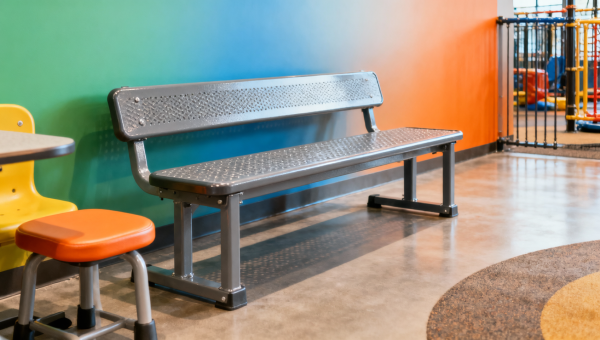
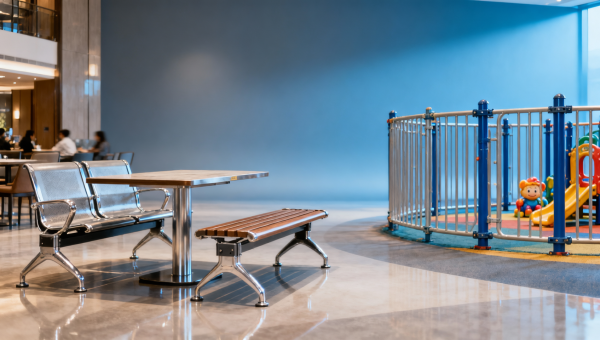
In the sports and entertainment sector, furniture is rarely static décor. It is used by hundreds or even thousands of people per week, exposed to impact, moisture, frequent cleaning, and changing traffic patterns. A chair in a family entertainment center, a bench in a sports club, or a table in a resort recreation zone must perform under pressure without compromising appearance or user safety.
For procurement teams, business evaluators, and distributors, the challenge is not simply choosing attractive products. The real task is comparing lifecycle cost, maintenance burden, compliance needs, replacement cycles, and supplier reliability. A lower upfront price can become a poor investment if the product needs repair within 12–18 months or causes operational downtime during peak season.
For buyers working across hospitality leisure spaces, schools, recreation centers, and amusement environments, a durable commercial furniture strategy should combine material performance, traffic suitability, safety planning, and sourcing discipline. The sections below outline how to make informed choices that support long-term commercial use.
Understand the Demands of Each Sports and Leisure Environment
Commercial furniture lasts longer when it is matched to actual use conditions rather than generic product descriptions. A lounge chair in a boutique hotel games area faces different stress than seating beside a public indoor playground. Before reviewing catalogs, buyers should map user type, daily traffic, cleaning frequency, and exposure to weather, food service, or active play.
In sports and entertainment settings, there are usually 4 core stress factors: load, movement, moisture, and maintenance chemicals. For example, recreation seating in a high-turnover venue may be used 200–500 times per day, while poolside or outdoor park furniture may face UV exposure for 6–8 hours daily in warm seasons. These details directly affect frame material, finish selection, and fastening systems.
A common mistake is specifying the same furniture grade across all zones. Front-of-house café tables, waiting benches, locker-area seating, and sensory playground support furniture should not be treated as identical procurement categories. Zoning products by use profile helps buyers avoid both over-specification and under-specification.
Key environment categories to assess
- Indoor leisure spaces: arcades, family entertainment centers, sports lounges, and gaming cafés where abrasion resistance and easy-clean surfaces are priorities.
- Educational and activity zones: libraries, student commons, after-school sports areas, and sensory play settings where safety edges, stable bases, and flexible layouts matter.
- Outdoor amusement and park areas: splash zones, shaded seating, and playground perimeter furniture where corrosion resistance, UV stability, and drainage are essential.
- Hospitality recreation zones: resort terraces, hotel kids’ clubs, and pool-adjacent dining where design quality must align with guest expectations and commercial wear.
Why zoning improves procurement accuracy
When buyers define 3–5 furniture zones in advance, they can write clearer specifications, compare suppliers more fairly, and reduce change orders later in the project. This also helps distributors recommend the correct commercial grade instead of relying on broad “heavy-duty” claims that may mean different things across product lines.
The table below shows how typical sports and entertainment spaces differ in durability requirements and replacement expectations.
The main takeaway is that long-lasting commercial furniture starts with context. Procurement teams that define environment-specific use conditions can reduce mismatch risk, protect budgets, and improve lifecycle value across sports and leisure properties.
Choose Materials and Construction for Durability, Safety, and Maintenance
Material selection is one of the strongest predictors of furniture lifespan. In sports and entertainment spaces, buyers should compare not only appearance but also frame strength, joint stability, edge protection, cleanability, and resistance to moisture or impact. A visually appealing product may still fail early if it uses thin tubing, weak welds, low-density board, or finishes unsuitable for repeated sanitization.
For frames, powder-coated steel, aluminum, and commercial-grade hardwood are common options. Steel offers strong load performance for benches, fixed seating, and tables, but it should be protected against corrosion in humid or semi-outdoor areas. Aluminum is lighter and corrosion resistant, making it useful for poolside or movable leisure furniture. Engineered wood products should be assessed carefully for edge sealing and core density, especially where spills or humidity are common.
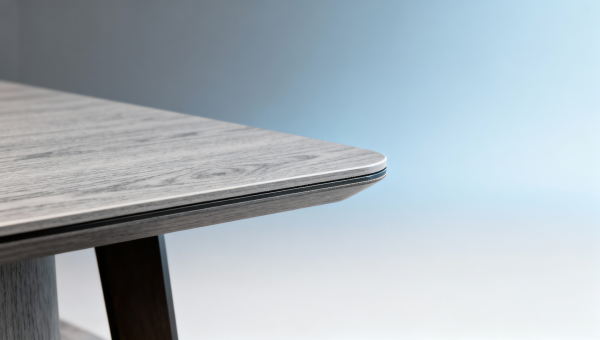
Surface materials also affect maintenance costs. High-pressure laminate, compact laminate, molded polypropylene, and performance upholstery are often used because they simplify cleaning cycles and resist wear better than low-grade veneer or residential fabrics. In kid-oriented play environments, rounded corners, smooth touch surfaces, and stain-resistant finishes improve both safety and operational efficiency.
Construction details buyers should inspect
- Frame wall thickness or structural robustness appropriate for heavy commercial use, especially in seating used by varied body weights.
- Weld quality, bolt consistency, and replaceable hardware for furniture expected to be assembled, relocated, or serviced over time.
- Edge treatment and corner radius, particularly in children’s recreation areas and sensory playground support spaces.
- Surface resistance to repeated cleaning agents used 1–3 times daily in active venues.
- Base stability and anti-wobble performance on uneven flooring, decking, or mixed indoor-outdoor transitions.
Material comparison for common leisure applications
Because no single material fits every use case, the following comparison helps buyers align material choice with traffic intensity, maintenance expectations, and outdoor exposure.
Buyers should also ask for recommended maintenance frequency. For example, outdoor metal furniture may need fastener inspection every 3–6 months, while upholstered indoor seating may need stain review weekly and deep cleaning quarterly. Products that support easy component replacement can extend service life without full replacement.
In amusement and playground-adjacent settings, material choice must work together with safety planning. Furniture near climbers, playground borders, or sensory zones should avoid sharp projections, unstable bases, and finishes that become slippery after cleaning or weather exposure.
Evaluate Compliance, Safety, and Operational Risk Before Purchase
Durability alone is not enough in commercial leisure projects. Procurement decisions should also consider safety performance, local code alignment, and operational risk. In mixed-use environments such as hotel recreation areas, smart campuses, indoor playgrounds, and amusement venues, furniture often sits beside active circulation routes where stability, spacing, and impact safety matter as much as finish quality.
For buyers sourcing furniture used near playground equipment or child-focused leisure zones, attention to edge profiles, gap safety, anchoring options, and cleanability is critical. Furniture that rocks, tips, or creates pinch points can raise liability exposure and force premature removal from service. Even in adult-focused sports venues, poorly specified bar stools, benches, or movable tables can create safety incidents during high footfall periods.
A practical procurement process usually reviews 3 categories of risk: user safety, facility compatibility, and maintenance risk. This means checking load suitability, slip behavior, cleaning method compatibility, and whether the furniture interferes with access routes, evacuation flow, or supervised play lines.
A simple 5-point pre-approval checklist
- Confirm the intended user group, such as children, teens, family users, or hospitality guests, and match dimensions accordingly.
- Review edge condition, exposed hardware, and base design to reduce trip, snag, or impact hazards.
- Check whether surfaces tolerate the venue’s cleaning routine, including daily disinfectants or chlorine-adjacent moisture.
- Verify whether fixed or freestanding installation is more suitable based on crowd density and layout stability.
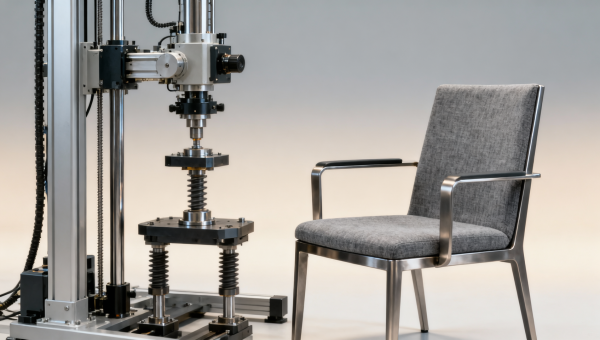
- Request technical documents or testing references where relevant, especially for public-use, educational, or playground-adjacent projects.
Common mistakes that shorten service life
One frequent error is importing residential-style furniture into semi-commercial leisure settings to save on budget. The result is often visible finish damage within 6–12 months, unstable joints, and inconsistent spare part availability. Another issue is selecting furniture solely by visual theme without checking cleaning workflow, stackability, or replacement lead time.
The table below summarizes practical risk points that commercial buyers should screen before placing orders.
Well-structured risk review helps buyers compare suppliers on more than price. It supports safer installations, steadier maintenance planning, and stronger business cases for procurement teams presenting options to internal stakeholders.
Build a Smarter Procurement Framework for Long-Term Value
Commercial furniture that lasts is usually the result of a disciplined sourcing process rather than a single product choice. In B2B sports and entertainment procurement, teams should assess total ownership cost over at least 3–7 years. This includes purchase price, freight, installation, maintenance, replacement parts, downtime risk, and the commercial impact of appearance degradation in guest-facing spaces.
For distributors and agents, this is also where supplier evaluation becomes decisive. A capable supplier should provide consistent specifications, finish options that match the project concept, production transparency, and realistic lead times. For customized or mixed-category projects, buyers should expect sampling or prototype review before confirming bulk production.
Lead times vary by complexity, but many commercial furniture programs follow a 4-stage path: specification confirmation, sample review, production, and delivery coordination. Depending on customization, production may take 4–10 weeks, while replacement component supply should ideally be planned for at least 12–24 months after installation.
A practical sourcing workflow
- Define project zones and traffic levels, including indoor, outdoor, and child-focused recreational areas.
- Shortlist products by material, cleaning profile, and safety suitability rather than style alone.
- Request samples, construction details, and maintenance guidance before commercial commitment.
- Compare landed cost and lifecycle cost across at least 2–3 supplier options.
- Align delivery schedule with opening date, phased installation, and spare part strategy.
Questions procurement teams should ask suppliers
Strong sourcing decisions come from specific questions. Ask whether the product is intended for high-traffic commercial use, what maintenance interval is recommended, which components are replaceable, and how finishes perform in humid or outdoor conditions. Also ask how variations in color, hardware, or packaging may affect lead time.
For global projects spanning hospitality, education, and leisure spaces, buyers benefit from a sourcing partner that understands cross-category procurement and can compare supplier capabilities with real commercial use cases. This is where market intelligence and sourcing support from a platform such as GCT can help teams narrow options, evaluate long-term value, and reduce procurement uncertainty.
Whether the requirement involves hotel recreation seating, education-related activity furniture, or support furniture around playground climbers and sensory playground solutions, the best results come from balancing design intent with operational reality. Long-lasting furniture is rarely the cheapest line item at purchase, but it often becomes the strongest value over the full lifecycle.
FAQ for Buyers, Evaluators, and Distributors
How long should commercial furniture last in sports and entertainment venues?
A reasonable planning range is 3–10 years, depending on application, material, and maintenance discipline. High-turnover seating in public leisure areas may need review or partial replacement earlier, while properly specified hotel recreation furniture can remain serviceable for 6–10 years. Outdoor exposure, impact frequency, and cleaning chemistry can shorten or extend that range.
What are the most important buying indicators besides price?
Focus on 4 areas: structural durability, maintenance workload, safety design, and supply reliability. If a supplier cannot explain material suitability, spare part availability, or realistic lead times, the lower quote may hide higher operational cost later.
Is custom furniture a better option for leisure projects?
Custom solutions are often valuable when projects need brand alignment, unusual dimensions, or zoning consistency across hotel, school, and park-related areas. However, customization can extend lead time by 2–6 weeks and may increase MOQ. It is most effective when specifications are fixed early and samples are approved before production.
How can distributors reduce after-sales issues?
Distributors should standardize product data sheets, clarify intended-use limitations, and keep a maintenance guide with each commercial line. Providing clients with care instructions, spare part planning, and recommended inspection intervals every 3–6 months can significantly reduce claims and early product failure.
Choosing commercial furniture that lasts means evaluating how products perform in real sports and entertainment environments, not just how they look in a catalog. Buyers who align furniture with user traffic, material suitability, safety needs, and lifecycle cost are more likely to achieve stable operations and better asset value.
For hospitality groups, educational buyers, amusement project teams, and channel partners, GCT provides a more strategic path to sourcing by connecting commercial intelligence with supplier evaluation and application-focused decision support. If you are planning a new project or upgrading an existing venue, contact us to discuss product details, compare sourcing options, or request a tailored commercial furniture solution for your market.
Search News
Hot Articles
- Indoor PlaygroundFan Zhendong Visits Silicon Valley as MLTT Investor, AI Ping-Pong Tech Draws AttentionApr 23, 2026
- Stage Lighting & Truss2026 FIBA Women's World Cup Draw Opens Export Window for Arena Lighting & Timing SystemsApr 23, 2026
- Pro Stage AudioChina Upgrades Security Compliance for International Sports EventsApr 23, 2026
Popular Tags
Need ExpertConsultation?
Connect with our specialized leisureengineering team for procurementstrategies.
Recommended News
 Apr 21, 2026Hotel tables that stay stable on uneven flooringHotel tables that stay stable on uneven flooring: a practical guide for hospitality procurement covering hotel furniture, commercial furniture, luxury furniture, and specs that reduce wobble, risk, and maintenance.● Hospitality Sourcing Dir
 Apr 21, 2026Round or rectangular hotel tables for tighter layouts?Hotel tables for tight layouts: compare round vs rectangular hotel furniture for better flow, seating, and hospitality procurement decisions. Find the best fit for compact hotel room furniture.● Hospitality Sourcing Dir
 Apr 21, 2026Why hotel chairs fail early in banquet spacesHotel chairs in banquet spaces fail early due to stacking, impact, and weak specs. Learn how hotel furniture and commercial furniture choices cut costs and improve hospitality procurement.● Hospitality Sourcing Dir
 Apr 21, 2026Hotel chairs that look elegant and still hold upHotel chairs that blend luxury furniture appeal with commercial furniture durability. Discover how hotel furniture works with hotel tables, hotel desks, and hotel room furniture for smarter hospitality procurement.● Hospitality Sourcing Dir
 Apr 23, 2026How to Choose Commercial Furniture That LastsCommercial furniture buying guide for hotels, schools, and leisure venues—covering hotel tables, playground safety, sensory playgrounds, and durable amusement equipment.● Hospitality Sourcing Dir
 Apr 23, 2026When Commercial Furniture Fails in High-Traffic VenuesLearn why commercial furniture fails in busy venues and how to choose safer hotel tables, playground borders, sensory playground solutions, amusement equipment, and hotel equipment that last.● Hospitality Sourcing Dir
 Apr 20, 2026Hotel tables with edge seams that trap moisture and moldHotel tables, park benches & commercial furniture with mold-trapping edge seams? Discover seamless, moisture-resistant hotel furniture solutions—luxury, custom, and compliant.● Hospitality Sourcing Dir
 Apr 20, 2026Hotel chairs rated for 100,000 cycles—but tested how?Discover how top hotel chairs, park benches & commercial furniture are truly tested for 100,000 cycles—backed by BIFMA, EN & GB/T standards. Get verified luxury furniture insights.● Hospitality Sourcing Dir
 Apr 19, 2026Hotel tables that warp under daily cleaning chemicalsHotel tables, hotel chairs, hotel beds & park benches—discover why chemical warping fails luxury furniture & commercial furniture specs. Get expert OEM insights on durable hotel furniture & equipment.● Hospitality Sourcing Dir
 Apr 19, 2026Hotel chairs with hidden wear patterns no one tests forHotel chairs, luxury furniture & commercial furniture buyers: uncover hidden wear patterns in hotel chairs, hotel beds, and custom furniture—before failure hits ROI.● Hospitality Sourcing Dir
 Apr 18, 2026Custom furniture quoting errors—how small measurement gaps become big cost overrunsAvoid costly overruns: Fix custom furniture quoting errors before they derail hotel beds, theme park rides, playground structures & soundproofing materials.● Hospitality Sourcing Dir
 Apr 17, 2026Restaurant furniture that handles spills, scratches, and constant turnoverCommercial furniture built for spills, scratches & turnover—ideal for playground borders, sensory playgrounds, hotel tables, amusement equipment & more.● Hospitality Sourcing Dir
 Apr 16, 2026Custom fabrication for restaurant furniture: When ‘made-to-order’ becomes ‘wait-for-3-months’Custom fabrication for hotel furniture, designer eyewear & jewelry—solve supply chain delays with OEM manufacturing expertise. Get on-time, cross-sector solutions.● Hospitality Sourcing Dir
 Apr 15, 2026Restaurant furniture durability tests don’t match real dining room stressCommercial furniture, playground safety & amusement equipment tested for real-world stress—not just labs. Discover field-validated durability for hotel tables, sensory playgrounds, climbers & more.● Hospitality Sourcing Dir
 Apr 12, 2026Custom furniture for play spaces: When 'bespoke' means higher liability, not better fitOutdoor playground & inclusive playground design demands caution: custom furniture, playground swings, and theme park rides raise liability—discover safer, certified alternatives.● Hospitality Sourcing Dir
 Apr 12, 2026Custom furniture lead times ballooning in 2026—what’s really causing the 14-week delaysOutdoor playground, inclusive playground, and theme park rides face 14-week custom furniture delays in 2026—discover root causes & proven mitigation strategies now.● Hospitality Sourcing Dir
 Apr 07, 2026Custom furniture lead times in 2026: Why ‘standard’ finishes now take longer than premiumCustom furniture, outdoor playground & hotel furniture lead times surged in 2026—discover why standard finishes now lag premium. Get data-backed sourcing strategies for inclusive playground, soundproofing materials & instrument cables.● Hospitality Sourcing Dir
 Apr 04, 2026Restaurant Furniture Buyers Are Asking Office Supplies Factories for Modular Desk Systems — And Getting YesTop office supplies manufacturer & OEM supplier delivers NSF/BIFMA-certified modular desk systems for restaurants—fast, compliant, factory-direct.● Hospitality Sourcing Dir
 Apr 01, 2026What happens to hotel tables when placed on floating floors—real case data from 2026Discover how hotel tables, chairs, desks & sofas interact with soundproofing materials on floating floors—real 2026 data reveals critical acoustic & stability insights for hospitality furniture buyers.● Hospitality Sourcing Dir
 Mar 31, 2026Hotel tables that don’t rattle—what makes the difference in real roomsDiscover hotel tables engineered with soundproofing materials & precision construction—eliminate rattling, elevate guest experience. Premium hotel furniture, desks, chairs, sofas & more.● Hospitality Sourcing Dir
 Mar 31, 2026Hotel reception furniture that ships on time—then arrives with mismatched wood grain batchesCommercial sourcing for hotel reception furniture, amusement park lighting & playground development—guaranteed batch consistency, on-time delivery, and full compliance.● Hospitality Sourcing Dir
 Mar 30, 2026Restaurant furniture from Tier-2 suppliers: durability claims vs. real-world spill cyclesCommercial sourcing of hotel restaurant furniture, amusement park lighting & playground development gear—tested under real spill cycles. Discover durable Tier-2 suppliers.● Hospitality Sourcing Dir
 Mar 30, 2026Hotel bar furniture orders that pass QA—but fail the ‘three-drink test’Hotel bar furniture that passes QA—and the real-world 'three-drink test'. Trusted commercial sourcing for hotel restaurant & reception furniture, amusement park lighting, playground compliance, and electronic music gear.● Hospitality Sourcing Dir
 Mar 30, 2026Hotel reception furniture that looks premium—until the first guest leans on itDiscover durable hotel reception furniture built for real traffic—plus commercial sourcing support for amusement park lighting, playground development, and more.● Hospitality Sourcing Dir