The Best Hotel Chairs Balance Comfort, Stackability, and Durability
In hospitality and commercial interiors, the best hotel chairs do more than provide seating—they reflect brand standards, support daily operations, and endure constant use. From hotel furniture collections that include hotel tables and hotel beds to custom furniture and luxury furniture solutions, buyers must balance comfort, stackability, and durability while aligning with broader hotel equipment needs and even adjacent sourcing categories such as park benches and amusement equipment.
For most commercial buyers, the right decision is not about choosing the softest chair or the lowest-priced model. It is about selecting hotel chairs that fit the property’s use case, reduce replacement cycles, support staff efficiency, and still match the expected guest experience. In practical terms, the best hotel chairs are those that remain comfortable after hours of sitting, stack safely without damaging frames or finishes, and hold up under repeated movement, cleaning, and high-traffic use.
What buyers are really looking for when they search for the best hotel chairs
The core search intent behind this topic is commercial decision-making. Buyers, specifiers, and sourcing teams are usually not looking for generic design inspiration. They want to know how to evaluate hotel chairs for real-world use in banquet halls, conference rooms, restaurants, guestrooms, lounges, and multipurpose hospitality spaces.
Their biggest concerns typically include:
- Comfort: Will guests remain comfortable during meals, meetings, or events lasting several hours?
- Stackability: Can staff store, move, and reset chairs quickly without damage or excessive labor?
- Durability: Will the chairs withstand constant use, cleaning chemicals, transport, and stacking pressure?
- Brand fit: Do the chairs align with the property’s style, positioning, and service level?
- Total cost of ownership: Will the product reduce repair, replacement, and operational friction over time?
- Supplier reliability: Can the manufacturer meet compliance, customization, lead time, and volume requirements?
That means the most useful way to assess hotel furniture is not by appearance alone, but by performance across operations, procurement, and guest experience.
Why comfort still matters even in high-turnover hospitality environments
Comfort is often the first quality guests notice and one of the easiest ways for a venue to undermine its own service standard. Even a visually attractive chair can create a poor impression if the seat depth is awkward, the backrest offers no support, or the cushion loses resilience after short-term use.
For hotel operators, comfort should be assessed according to the actual setting:
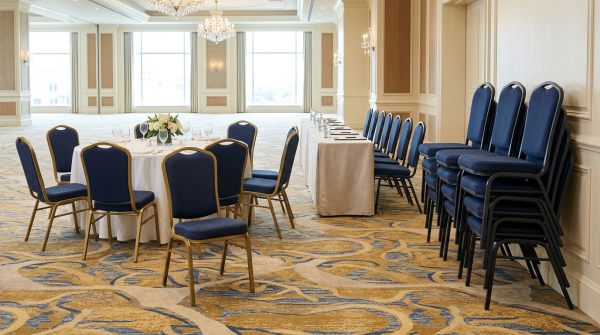
- Banquet and event chairs: Need balanced padding, supportive backrests, and a seat profile that remains comfortable through weddings, conferences, and long dining functions.
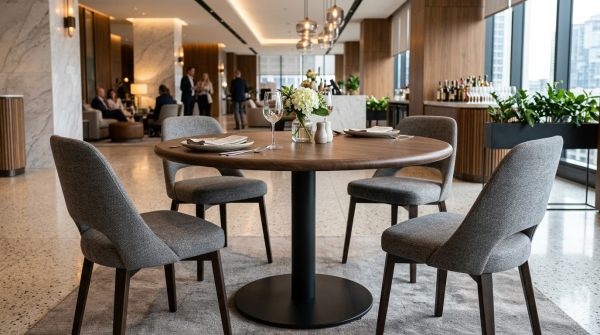
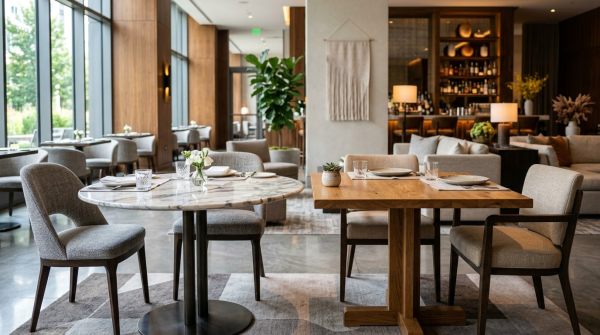
- Restaurant chairs: Should encourage relaxed dining without being so oversized that they reduce seating efficiency.
- Guestroom chairs: Must combine comfort with visual cohesion alongside hotel beds, tables, and casegoods.
- Lounge or waiting-area chairs: Often require a stronger focus on ergonomics and perceived luxury.
Commercial buyers should look beyond showroom feel. A chair may seem comfortable during a two-minute trial but perform poorly after several months of use. Ask suppliers about foam density, seat construction, webbing or plywood support, and upholstery wear performance. In commercial hospitality, lasting comfort is a technical issue, not just a styling claim.
Why stackability has direct operational and labor value
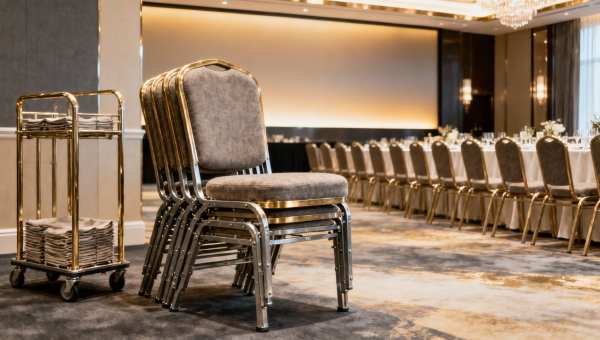
Stackability is not a minor convenience. In many hotels, it directly affects labor efficiency, storage planning, setup speed, and product lifespan. This is especially true for banquet furniture, conference seating, training rooms, meeting spaces, and multifunction halls.
A well-designed stackable hotel chair helps operations teams:
- Set up and reset event spaces faster
- Reduce manual handling strain on staff
- Store more units in less space
- Limit scuffing, frame collision, and upholstery damage during storage
- Improve turnover between events
However, not all stackable chairs perform equally well. Buyers should verify:
- Safe stacking height: How many units can be stacked without instability?
- Protective stack buffers: Are there guards to prevent metal-on-metal or frame-to-fabric damage?
- Weight: Is the chair light enough for staff to handle repeatedly?
- Trolley compatibility: Can chairs be transported efficiently with purpose-built carts?
- Finish durability during stacking: Does the coating resist chipping and abrasion?
For buyers comparing options, stackability should be treated as part of operations planning, not only product design.
Durability is where long-term value is won or lost
Durability is often the decisive factor in commercial furniture ROI. A hotel chair may look competitive on unit price, but if it wobbles, scratches, tears, or loses structure under intensive use, the replacement and maintenance costs quickly erase any upfront savings.
The best hotel chairs are typically built around a strong frame, reliable joinery, durable surface finish, and commercial-grade upholstery or seat materials. Depending on the application, buyers may consider:
- Metal frames: Often preferred for banquet and event use due to strength and stackability.
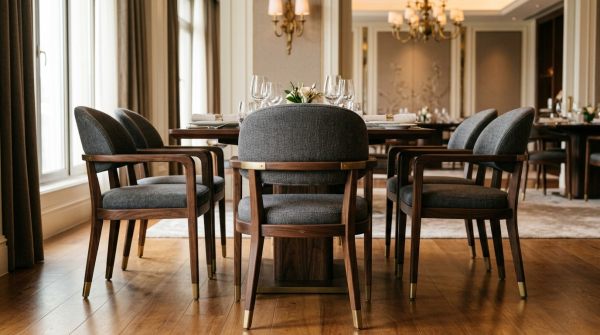
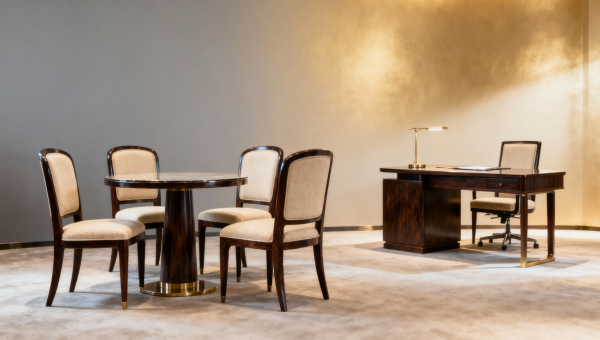
- Solid wood frames: Common in restaurant, guestroom, or luxury furniture applications where warmth and aesthetics matter.
- Engineered materials and hybrids: Used to balance cost, weight, and design flexibility.
Key durability checkpoints include:
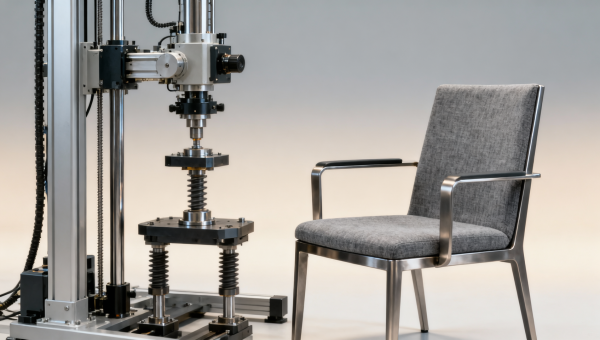
- Weight capacity and load testing standards
- Joint reinforcement and welding quality
- Scratch, impact, and corrosion resistance
- Fabric abrasion ratings and stain resistance
- Ease of cleaning and maintenance
- Performance in humid, coastal, or high-turnover environments
Commercial buyers should also ask how the chair performs after repeated stacking, transport, and cleaning. Durability in a catalog is one thing; durability in daily hotel operations is another.
How to choose hotel chairs by application, not just by category
One common sourcing mistake is trying to use one chair specification across every hospitality setting. In reality, the best choice depends heavily on use case.
Banquet halls and event venues
Prioritize stackability, lightweight handling, frame strength, and easy-clean upholstery. These spaces usually need high volumes, fast resets, and dependable durability under repeated movement.
Hotel restaurants and dining rooms
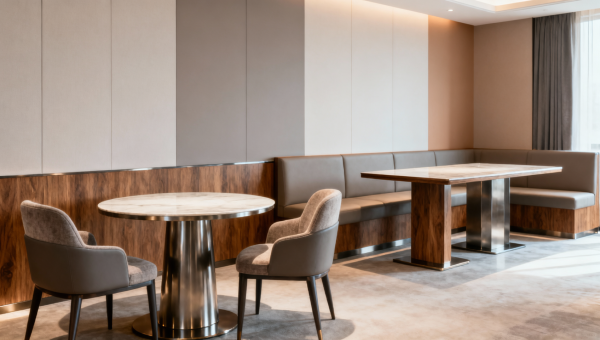
Focus on guest comfort, brand aesthetics, stain resistance, and space planning. Chairs should work with hotel tables and circulation flow while supporting frequent cleaning.
Guest rooms
Look for smaller-footprint chairs that integrate visually with hotel beds, desks, and side tables. Comfort matters, but so do proportions, finish quality, and coordination with the room concept.
Lobby, lounge, and waiting areas
Here, the chair contributes strongly to first impressions. Buyers may prioritize luxury furniture styling, upholstery quality, and seating comfort for longer dwell times.
Outdoor hospitality spaces
Weather resistance becomes essential. Materials, finish systems, and UV performance matter more than indoor styling details. In some mixed-use projects, buyers comparing hotel seating may also evaluate nearby categories such as park benches or outdoor commercial seating for public-facing areas.
Matching specification to actual use helps avoid overbuying in low-demand spaces and under-specifying for high-stress environments.
What procurement teams should ask suppliers before placing an order
For procurement professionals and business evaluators, the supplier conversation is just as important as the product itself. The strongest hotel chair sourcing decisions come from verifying manufacturing capability, quality control, and after-sales reliability early in the process.
Important supplier questions include:
- What commercial projects has this chair been used in?
- Can the supplier provide test reports or certification documentation?
- What customization options are available for frame finish, upholstery, dimensions, and branding?
- What is the minimum order quantity for standard and custom furniture versions?
- How are replacement parts, glides, cushions, or touch-up materials handled?
- What packaging method is used to reduce transit damage?
- What are the lead times for sampling, mass production, and repeat orders?
- Can the factory support mixed hospitality projects that include related hotel equipment and furniture categories?
This matters especially for distributors, agents, and project buyers who need consistency across multiple orders or regions. A supplier that can support custom furniture programs, compliance requirements, and long-term replenishment often creates more value than one offering only a lower entry price.
How to balance aesthetics with commercial performance
In hospitality, furniture is part of the guest experience and part of the operating system. The best hotel chairs succeed because they bridge both roles. They need to look aligned with the brand while performing under commercial pressure.
Luxury properties may emphasize tailored upholstery, refined finishes, and customized detailing. Business hotels may lean toward practical, durable, easy-maintenance models that still look polished. Event venues may value visual versatility so one chair style works across weddings, conferences, and corporate functions.
Rather than treating aesthetics and durability as trade-offs, buyers should ask which design elements affect performance. For example:
- Do decorative details create cleaning challenges?
- Will light-colored upholstery increase maintenance frequency?
- Does a more sculptural frame reduce stackability?
- Are custom finishes repairable in the field?
- Will the chair still match future renovations or line extensions?
The most successful commercial choices usually come from controlled customization: enough design specificity to reinforce the brand, but not so much complexity that cost, lead time, and maintenance become harder to manage.
A practical evaluation checklist for commercial buyers
When comparing hotel chairs, buyers can simplify decision-making by using a weighted checklist. This keeps teams focused on business impact instead of reacting only to showroom appeal or unit cost.
- Comfort: Suitable for expected seating duration and guest profile
- Stackability: Efficient storage, safe stacking, and easy transport
- Durability: Strong frame, tested construction, resistant finish and upholstery
- Maintenance: Easy to clean, repair, and keep presentable
- Aesthetic fit: Matches hotel positioning and interior concept
- Space efficiency: Works with room layout, table spacing, and storage limits
- Supplier strength: Proven experience, clear QA process, reliable delivery
- Total cost of ownership: Balances purchase price with service life and upkeep
For larger projects, it is wise to conduct sample testing in actual operating conditions. Let staff stack and move the chairs, place them in intended spaces, and review how they perform over several days. Real-use evaluation often reveals more than product sheets alone.
Conclusion: the best hotel chairs support both guest experience and operational performance
The best hotel chairs balance comfort, stackability, and durability because hospitality buyers need all three at once. A chair that looks impressive but fails under daily use is a poor investment. A chair that stacks efficiently but feels uncomfortable can weaken the guest experience. And a durable chair that does not match the property’s brand may dilute the overall design standard.
For information researchers, procurement teams, evaluators, and channel partners, the smartest approach is to assess chairs in context: where they will be used, how often they will be moved, who will sit in them, and what operational demands they must support. When comfort, storage efficiency, material performance, and supplier reliability are evaluated together, buyers are far more likely to select hotel furniture that delivers long-term value across both service and sourcing priorities.
Search News
Hot Articles
- Stage Lighting & Truss2026 FIBA Women's World Cup Draw Sparks LED Timing Screen Upgrade DemandApr 28, 2026
- Pro Stage AudioKenyan Marathon WR Break Drives Demand for Timing Chips & Track SensorsApr 28, 2026
- Smart Campus Tech2026 Shanghai Smart Campus Expo: VR Teaching Devices Gain ITU & ISO/IEC 23053 CertificationApr 28, 2026
Popular Tags
Need ExpertConsultation?
Connect with our specialized leisureengineering team for procurementstrategies.
Recommended News
 Apr 28, 2026Why Hotel Tables Often Fail at Edges, Bases, and Surface FinishHotel tables often fail at edges, bases, and surface finish. Compare hotel furniture, custom furniture, luxury furniture, hotel chairs, hotel beds, and hotel equipment before you buy.● Hospitality Sourcing Dir
 Apr 28, 2026Hotel Tables With Stone Tops or Wood Tops: Which Performs Better?Hotel tables with stone tops or wood tops? Compare ROI, durability, and style across hotel furniture, custom furniture, hotel chairs, and hotel beds to choose smarter.● Hospitality Sourcing Dir
 Apr 28, 2026The Best Hotel Chairs Balance Comfort, Stackability, and DurabilityHotel chairs that balance comfort, stackability, and durability. Explore hotel furniture, custom furniture, hotel tables, hotel beds, and luxury furniture solutions for hospitality buyers.● Hospitality Sourcing Dir
 Apr 28, 2026Hotel Chairs: What Causes Wobbling, Cracks, and Early Wear?Hotel chairs buying guide: learn what causes wobbling, cracks, and early wear, and how to compare hotel furniture, custom furniture, hotel tables, hotel beds, and luxury furniture for lasting value.● Hospitality Sourcing Dir
 Apr 21, 2026Hotel tables that stay stable on uneven flooringHotel tables that stay stable on uneven flooring: a practical guide for hospitality procurement covering hotel furniture, commercial furniture, luxury furniture, and specs that reduce wobble, risk, and maintenance.● Hospitality Sourcing Dir
 Apr 21, 2026Round or rectangular hotel tables for tighter layouts?Hotel tables for tight layouts: compare round vs rectangular hotel furniture for better flow, seating, and hospitality procurement decisions. Find the best fit for compact hotel room furniture.● Hospitality Sourcing Dir
 Apr 21, 2026Why hotel chairs fail early in banquet spacesHotel chairs in banquet spaces fail early due to stacking, impact, and weak specs. Learn how hotel furniture and commercial furniture choices cut costs and improve hospitality procurement.● Hospitality Sourcing Dir
 Apr 21, 2026Hotel chairs that look elegant and still hold upHotel chairs that blend luxury furniture appeal with commercial furniture durability. Discover how hotel furniture works with hotel tables, hotel desks, and hotel room furniture for smarter hospitality procurement.● Hospitality Sourcing Dir
 Apr 23, 2026How to Choose Commercial Furniture That LastsCommercial furniture buying guide for hotels, schools, and leisure venues—covering hotel tables, playground safety, sensory playgrounds, and durable amusement equipment.● Hospitality Sourcing Dir
 Apr 23, 2026When Commercial Furniture Fails in High-Traffic VenuesLearn why commercial furniture fails in busy venues and how to choose safer hotel tables, playground borders, sensory playground solutions, amusement equipment, and hotel equipment that last.● Hospitality Sourcing Dir
 Apr 20, 2026Hotel tables with edge seams that trap moisture and moldHotel tables, park benches & commercial furniture with mold-trapping edge seams? Discover seamless, moisture-resistant hotel furniture solutions—luxury, custom, and compliant.● Hospitality Sourcing Dir
 Apr 20, 2026Hotel chairs rated for 100,000 cycles—but tested how?Discover how top hotel chairs, park benches & commercial furniture are truly tested for 100,000 cycles—backed by BIFMA, EN & GB/T standards. Get verified luxury furniture insights.● Hospitality Sourcing Dir
 Apr 19, 2026Hotel tables that warp under daily cleaning chemicalsHotel tables, hotel chairs, hotel beds & park benches—discover why chemical warping fails luxury furniture & commercial furniture specs. Get expert OEM insights on durable hotel furniture & equipment.● Hospitality Sourcing Dir
 Apr 19, 2026Hotel chairs with hidden wear patterns no one tests forHotel chairs, luxury furniture & commercial furniture buyers: uncover hidden wear patterns in hotel chairs, hotel beds, and custom furniture—before failure hits ROI.● Hospitality Sourcing Dir
 Apr 18, 2026Custom furniture quoting errors—how small measurement gaps become big cost overrunsAvoid costly overruns: Fix custom furniture quoting errors before they derail hotel beds, theme park rides, playground structures & soundproofing materials.● Hospitality Sourcing Dir
 Apr 17, 2026Restaurant furniture that handles spills, scratches, and constant turnoverCommercial furniture built for spills, scratches & turnover—ideal for playground borders, sensory playgrounds, hotel tables, amusement equipment & more.● Hospitality Sourcing Dir
 Apr 16, 2026Custom fabrication for restaurant furniture: When ‘made-to-order’ becomes ‘wait-for-3-months’Custom fabrication for hotel furniture, designer eyewear & jewelry—solve supply chain delays with OEM manufacturing expertise. Get on-time, cross-sector solutions.● Hospitality Sourcing Dir
 Apr 15, 2026Restaurant furniture durability tests don’t match real dining room stressCommercial furniture, playground safety & amusement equipment tested for real-world stress—not just labs. Discover field-validated durability for hotel tables, sensory playgrounds, climbers & more.● Hospitality Sourcing Dir
 Apr 12, 2026Custom furniture for play spaces: When 'bespoke' means higher liability, not better fitOutdoor playground & inclusive playground design demands caution: custom furniture, playground swings, and theme park rides raise liability—discover safer, certified alternatives.● Hospitality Sourcing Dir
 Apr 12, 2026Custom furniture lead times ballooning in 2026—what’s really causing the 14-week delaysOutdoor playground, inclusive playground, and theme park rides face 14-week custom furniture delays in 2026—discover root causes & proven mitigation strategies now.● Hospitality Sourcing Dir
 Apr 07, 2026Custom furniture lead times in 2026: Why ‘standard’ finishes now take longer than premiumCustom furniture, outdoor playground & hotel furniture lead times surged in 2026—discover why standard finishes now lag premium. Get data-backed sourcing strategies for inclusive playground, soundproofing materials & instrument cables.● Hospitality Sourcing Dir
 Apr 04, 2026Restaurant Furniture Buyers Are Asking Office Supplies Factories for Modular Desk Systems — And Getting YesTop office supplies manufacturer & OEM supplier delivers NSF/BIFMA-certified modular desk systems for restaurants—fast, compliant, factory-direct.● Hospitality Sourcing Dir
 Apr 01, 2026What happens to hotel tables when placed on floating floors—real case data from 2026Discover how hotel tables, chairs, desks & sofas interact with soundproofing materials on floating floors—real 2026 data reveals critical acoustic & stability insights for hospitality furniture buyers.● Hospitality Sourcing Dir
 Mar 31, 2026Hotel tables that don’t rattle—what makes the difference in real roomsDiscover hotel tables engineered with soundproofing materials & precision construction—eliminate rattling, elevate guest experience. Premium hotel furniture, desks, chairs, sofas & more.● Hospitality Sourcing Dir