Sanya Asian Beach Games Closure Triggers Halal Certification Demand for Sand Sports Equipment
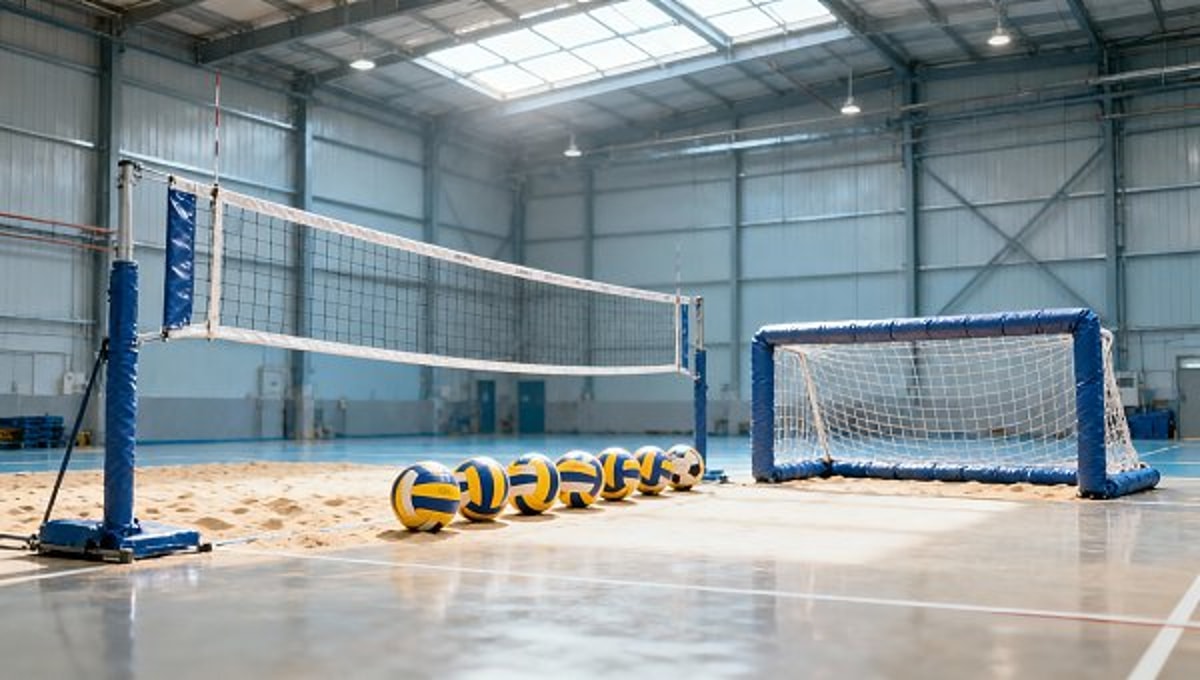
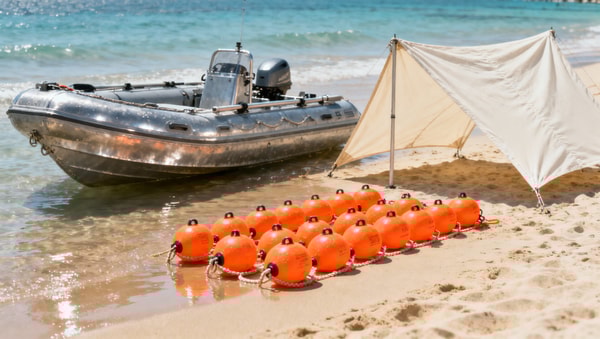
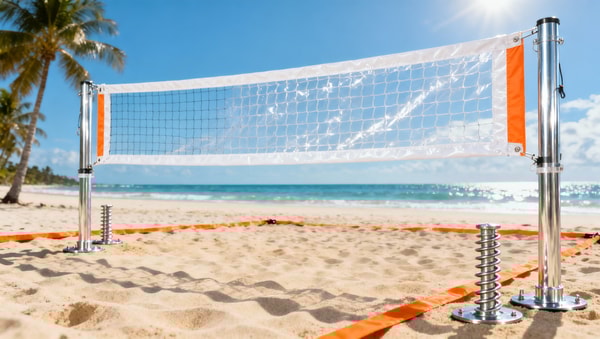
On April 30, 2026, the Sanya Asian Beach Games concluded, marking a pivotal moment for Chinese manufacturers of beach sports equipment—including beach volleyball, kite surfing, and beach football gear—as procurement delegations from Oman and Qatar conducted on-site factory audits. The event has triggered new material compliance requirements from Middle Eastern importers, specifically targeting halal certification for human-contact components such as PVC coatings, EVA cushioning layers, and canvas fabrics. This development directly impacts outdoor recreation equipment exporters, raw material suppliers, and contract manufacturers serving Gulf markets.
Event Overview
On April 30, 2026, the Sanya Asian Beach Games officially closed. During the event, commercial beach sports equipment suppliers from China underwent on-site factory verification by procurement teams from Oman and Qatar. Following the Games, multiple Middle Eastern importers formally requested that their Chinese Outdoor Rides suppliers incorporate ‘Halal-certified materials’—specifically for PVC coating, EVA buffering layers, and canvas fabric components that make direct contact with users’ skin. Certification must be issued by JAKIM- or GSO-recognized bodies. The first batch of orders requiring this certification is scheduled to commence in mid-May 2026.
Industries Affected
Direct Export Trading Firms
These firms face immediate contractual implications: existing MOUs or LOIs with Gulf buyers may now require amendment to include halal-compliant material declarations. Non-compliance could delay order confirmation or trigger requalification processes, especially for tenders tied to public-sector or tourism infrastructure projects in GCC countries.
Raw Material Procurement Enterprises
Suppliers sourcing PVC compounds, EVA foams, or coated textiles must now verify halal eligibility of upstream inputs—including processing aids, plasticizers, and dye carriers. Absence of halal documentation at the resin or compound level may render finished goods ineligible, even if final assembly occurs in a certified facility.
Contract Manufacturing & Assembly Facilities
Factories producing finished beach sports equipment must assess whether current production lines meet halal handling standards—not only for materials but also for cleaning agents, lubricants, and tooling contact surfaces. Cross-contamination risks (e.g., shared ovens or laminators used for non-halal products) may necessitate process segregation or dedicated equipment validation.
Supply Chain Compliance & Certification Service Providers
Third-party certification agencies accredited by JAKIM or GSO are seeing increased inbound inquiries. However, verified capacity remains limited: only a subset of labs currently offer halal material testing aligned with GSO 2514:2022 or MS 2424:2012. Lead times for full material dossier review and certification reporting are reported to range from 6–10 weeks.
What Relevant Companies or Practitioners Should Focus On Now
Monitor official updates from GSO and JAKIM on scope clarification
Neither GSO nor JAKIM has yet published a formal annex specifying which polymer additives or textile finishing agents fall under mandatory halal assessment for sports equipment. Current requests stem from buyer interpretation—not regulatory mandates. Companies should track upcoming technical circulars expected in Q2 2026.
Prioritize verification of high-exposure components first
Focus initial halal documentation efforts on PVC-coated fabrics and EVA-based padding—materials explicitly named in buyer requests and most likely to undergo physical sampling during pre-shipment inspection. Canvas substrates without chemical finishing may be exempt pending further guidance, but cannot be assumed.
Distinguish between policy signals and enforceable requirements
This is currently a commercial specification, not a statutory import condition. Gulf customs authorities do not yet require halal certificates for beach sports gear clearance. However, private-sector buyers—especially those supplying government-backed tourism developments—are treating it as a de facto gatekeeping criterion.
Initiate internal cross-functional alignment before mid-May
Procurement, R&D, QA, and export compliance teams should jointly map current bill-of-materials against halal-sensitive inputs. Where halal alternatives exist, validate performance equivalence (e.g., tensile strength of halal-certified PVC vs. standard grade). Where gaps remain, identify lead-time buffers for supplier qualification and test reporting.
Editorial Perspective / Industry Observation
Observably, this development reflects an emerging pattern: halal compliance is expanding beyond food, pharmaceuticals, and cosmetics into durable consumer goods with direct dermal contact—particularly where end-users include Muslim-majority populations in hospitality, recreation, or public infrastructure contexts. Analysis shows this is not yet a regulatory requirement, but rather a market-led risk-mitigation strategy adopted by Gulf importers anticipating future standardization. It is better understood as an early signal—not an implemented mandate—and its scalability depends on whether regional standardization bodies (e.g., GSO) adopt formal technical guidelines for sports equipment materials within the next 12–18 months.
Conclusion
While the Sanya Asian Beach Games served as a platform for trade engagement, its post-event ripple effect highlights a subtle but consequential shift: halal material assurance is entering the operational due diligence phase for outdoor sports equipment exporters targeting the Middle East. At present, this remains a buyer-driven specification—not a legal barrier—but its timing, specificity, and linkage to active procurement cycles suggest it warrants structured internal assessment rather than reactive response. The current situation is best interpreted as a forward-looking supply chain readiness indicator, not an immediate compliance emergency.
Information Sources
Main source: Confirmed public statement from Sanya Asian Beach Games Organizing Committee (April 30, 2026); verified buyer communications received by Chinese Outdoor Rides supplier associations (May 2026). Ongoing monitoring required for GSO/JAKIM technical bulletins and GCC customs tariff updates—none issued as of May 5, 2026.
Search News
Hot Articles
- Musical InstrumentsChina Table Tennis Team Departs for London; BS EN 14904:2021 Takes EffectMay 01, 2026
- Outdoor RidesSanya Asian Beach Games Closure Triggers Halal Certification Demand for Sand Sports EquipmentMay 01, 2026
- Outdoor RidesAI Football Training Robots Export Surge After Man Utd MatchMay 01, 2026
Popular Tags
Need ExpertConsultation?
Connect with our specialized leisureengineering team for procurementstrategies.
Recommended News
 May 01, 2026Sanya Asian Beach Games Closure Triggers Halal Certification Demand for Sand Sports EquipmentHalal certification demand surges for sand sports equipment post-Sanya Asian Beach Games—key for beach volleyball, kite surfing & football gear exporters targeting GCC markets.● Theme Park Strategist
 May 01, 2026AI Football Training Robots Export Surge After Man Utd MatchAI football training robots surge in EU demand after Man Utd’s match—FIFA-certified, GPS+IMU equipped, CE-compliant & multilingual ready.● Theme Park Strategist
 May 01, 2026Shanghai Extreme Sports Association Re-elected; EN 15613 Certification Urgency RisesEN 15613 certification urgency surges as Shanghai Extreme Sports Association re-elected—key for EU-bound skateboards, climbing walls & wind tunnels.● Theme Park Strategist
 May 01, 2026Amusement Park Signage That Improves Flow Without Adding ClutterAmusement park signage that improves guest flow, reduces confusion, and supports safety without visual clutter. Discover practical strategies for clearer wayfinding and better park operations.● Theme Park Strategist
 Apr 30, 2026Asian Beach Games Boost Export Demand for Commercial Beach Sports EquipmentCommercial beach sports equipment export demand surges post-Asian Beach Games—key for manufacturers targeting Middle East markets with ISO/ASTM compliance.● Theme Park Strategist
 Apr 30, 2026Water park equipment choices that affect downtime the mostWater park equipment choices can make or break uptime. Learn which pumps, controls, filtration, and material specs reduce downtime, cut maintenance risk, and improve sourcing decisions.● Theme Park Strategist
 Apr 30, 2026Theme park rides with shorter queues and stronger repeat appealTheme park rides with shorter queues and stronger repeat appeal: learn how smarter capacity, ride mix, and sourcing decisions can improve guest flow, ROI, and park performance.● Theme Park Strategist
 Apr 29, 2026Asian Beach Games Boost Demand for UV-Resistant Beach Sports EquipmentUV-resistant beach sports equipment demand surges after China's gold sweep at Sanya Asian Beach Games—key for exporters targeting Middle East markets.● Theme Park Strategist
 Apr 28, 2026Asia Beach Games Boost Export Inquiries for Commercial Sand Sports EquipmentCommercial sand sports equipment exporters see 210% surge in inquiries amid Asia Beach Games—IP68, ISO 22301 & maritime packaging demand spikes from KSA, UAE, Indonesia, Thailand.● Theme Park Strategist
 Apr 27, 2026Asia Beach Games Boost Demand for Portable Sand Sports EquipmentPortable sand sports equipment demand surges 217% amid Asia Beach Games—discover UV-resistant, anchor-stable volleyball & soccer systems for export.● Theme Park Strategist
 Apr 26, 2026China FA Warns Nanjing City Over Fan Conduct; Security Compliance Tightens for International MatchesChina FA warns Nanjing City over fan conduct—key alert for venues, security providers & tech integrators ahead of June 30, 2026 compliance deadline.● Theme Park Strategist
 Apr 25, 2026China FA Warns Nanjing City Over Fan Conduct, Ups Security RulesChina FA warns Nanjing City over fan conduct—new AI security, drone countermeasures & spectrum monitoring now mandated for AFC matches.● Theme Park Strategist
 Apr 24, 2026China FA Warns Nanjing City Over Fan Conduct; ISO 20785 Compliance AcceleratesISO 20785 compliance accelerates as China FA warns Nanjing City over fan conduct—key for sports security integrators targeting Middle East & SEA tenders.● Theme Park Strategist
 Apr 28, 2026How Long Does Amusement Equipment Really Stay Profitable?Amusement equipment profitability lasts 5–12 years. Compare lifecycle ROI with park benches, luxury furniture, hotel beds, custom furniture, hotel furniture, hotel chairs, hotel tables, and hotel equipment.● Theme Park Strategist
 Apr 24, 2026How to Source Park Trash Cans That LastPark trash cans sourcing guide: compare durable materials, supplier options, capacity, and lifecycle cost for playground planning, hospitality procurement, and safer outdoor spaces.● Theme Park Strategist
 Apr 24, 2026Park Trash Cans: What Specs Matter Most?Park trash cans buying guide: compare material, capacity, maintenance, and safety specs for playground planning, playground surfacing, and hospitality procurement projects.● Theme Park Strategist
 Apr 24, 2026What to Check Before Buying Amusement EquipmentAmusement equipment buyers: check playground safety, playground borders, playground climbers, and sensory playground features before purchase to reduce risk and improve long-term value.● Theme Park Strategist
 Apr 24, 2026Amusement Equipment: Buy New or Used?Amusement equipment buying guide: compare new vs. used options for playground climbers, playground borders, sensory playground design, and playground safety to reduce risk and improve ROI.● Theme Park Strategist
 Apr 23, 2026Amusement Equipment Upgrades That Change Guest ExperienceAmusement equipment upgrades improve guest experience with sensory playground features, playground climbers, playground safety, playground borders, and smart commercial furniture solutions.● Theme Park Strategist
 Apr 23, 2026Amusement Equipment Safety Issues Often Missed at InstallAmusement equipment and playground safety start at install. Learn how sensory playground, playground borders, and playground climbers affect compliance, durability, and safer commercial projects.● Theme Park Strategist
 Apr 25, 2026Theme Park Rides That Cut MaintenanceTheme park rides that cut maintenance: compare durable theme park rides, playground structures, inclusive playground and playground swings for leisure park projects. Learn how smart materials and supplier support reduce downtime and lifecycle costs.● Theme Park Strategist
 Apr 25, 2026How to Plan a Profitable Leisure ParkLearn how to build a profitable leisure park with smart theme park rides, inclusive playground design, playground structures, catering equipment, custom furniture, hotel beds, and more.● Theme Park Strategist
 Apr 23, 2026Playground Swings for Parks or SchoolsPlayground swings for parks or schools: compare durable playground structures, inclusive playground options, and leisure park solutions with expert sourcing tips for safer, smarter buying.● Theme Park Strategist
 Apr 22, 2026How to Compare Theme Park RidesCompare theme park rides for safety, capacity, and ROI in a leisure park, while aligning playground structures, inclusive playground zones, and playground swings with smarter sourcing.● Theme Park Strategist