Water park equipment choices that affect downtime the most
For technical evaluators, choosing water park equipment is not just about ride appeal—it is a direct decision about uptime, maintenance burden, and operational risk. From pump systems and filtration units to slide materials and control components, the wrong specification can trigger frequent failures and costly closures. Understanding which equipment choices have the greatest impact on downtime helps buyers make smarter, performance-driven sourcing decisions.
Which types of water park equipment usually cause the most downtime?
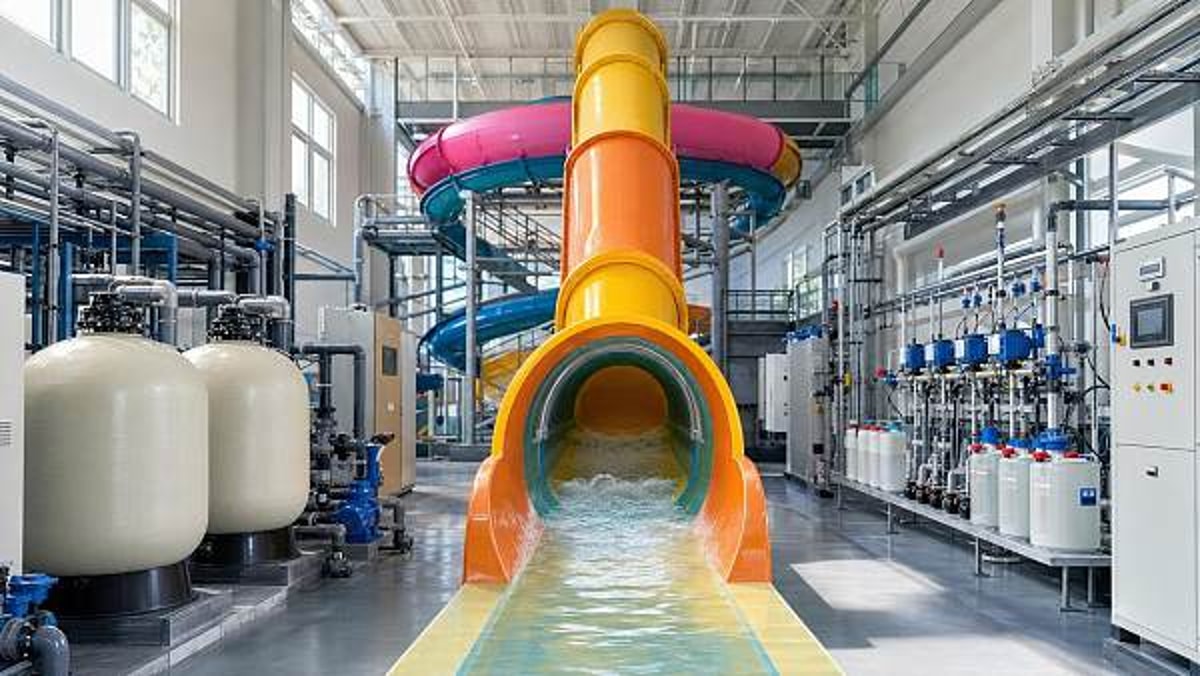
The biggest downtime drivers in commercial water attractions are rarely the most visible components. In many projects, the highest closure risk comes from support systems: circulation pumps, filtration trains, chemical dosing units, automated control panels, and high-wear valve assemblies. Slides, splash features, and wave systems matter, but technical evaluators often find that a 2-hour control fault or a pump seal failure can shut down a zone faster than a cosmetic issue on a ride surface.
In practical sourcing reviews, water park equipment should be evaluated as an interconnected operating system rather than as isolated SKUs. A children’s spray zone may have 20 to 80 nozzles, multiple solenoids, one or two pump sets, and a filtration loop shared with adjacent attractions. If one subsystem is underspecified, the entire guest-facing area can be taken offline. This is why downtime analysis must include hydraulic design, spare parts access, and control system resilience, not just attraction capacity.
Technical teams typically classify downtime into three bands: immediate shutdown faults, degraded performance, and planned service outages. Immediate faults include motor trips, PLC communication failure, or sensor malfunction. Degraded performance includes low flow, slow water clarity recovery, or inconsistent chemical dosing that may force reduced operating hours within 24 to 72 hours. Planned service outages become a sourcing issue when equipment requires too-frequent inspection, lubrication, media replacement, or seal changes.
Which subsystems deserve the closest scrutiny first?
When evaluating water park equipment, technical buyers should start with the assets that combine high duty cycle and high dependency. A wave pool pump room may operate for 10 to 16 hours per day during peak season, while a slide dispatch sensor may cycle thousands of times each week. Components exposed to continuous moisture, UV, chlorinated water, and variable loads tend to fail earlier if materials or protection ratings are poorly matched to site conditions.
- Primary circulation pumps and backup pump arrangements for pools, rivers, and splash zones.
- Filtration vessels, strainers, backwash valves, and media replacement access points.
- Chemical dosing systems, ORP/pH sensors, calibration routines, and tubing quality.
- PLC, HMI, VFD, relay, and sensor packages linked to ride interlocks and safety logic.
- Slide shell materials, joint detailing, support hardware, and anti-corrosion protection.
A useful rule for commercial review is simple: if one failed component can idle an attraction for more than 30 minutes, it belongs on the critical downtime list. That list often accounts for only 15% to 25% of total components, yet it controls most operating continuity. For this reason, water park equipment selection should prioritize serviceability and redundancy at the subsystem level.
How do pump, filtration, and water treatment choices affect uptime more than ride appearance?
Hydraulic and treatment systems affect almost every operational metric in a water attraction. If ride appearance wins the budget discussion while pump sizing, filtration velocity, or dosing control gets reduced to a generic specification, downtime risk usually rises. Low-quality water park equipment in the back-of-house area can lead to repeated shutdowns caused by turbidity recovery delays, pressure instability, overheating motors, and recurring alarms in the treatment loop.
Pump selection has an especially strong impact on downtime because pumps operate under continuous load and are sensitive to poor hydraulic design. Oversized pumps can waste energy, create unstable flow, and increase wear on seals and bearings. Undersized pumps may fail to maintain design turnover rates, causing weak ride effects and slow water quality recovery. In commercial projects, the difference between 1 duty pump and a duty-standby arrangement can determine whether an attraction stops completely or continues operating during service.
Filtration choices also deserve detailed review. Sand filters, regenerative media systems, cartridge solutions, and high-rate units each have different maintenance cycles. A system that looks cost-effective at purchase may require more frequent shutdown windows for backwash, media replacement, or vessel access. Technical evaluators should compare maintenance intervals, differential pressure tolerance, and spare part lead times, not just nominal flow capacity in cubic meters per hour.
What should be compared in core hydraulic equipment?
The table below summarizes how core system choices in water park equipment influence downtime risk during normal commercial operation.
For technical evaluators, the key message is that invisible equipment often controls visible guest experience. A premium-looking attraction cannot stay profitable if the treatment system needs excessive intervention every 7 to 14 days. During supplier assessment, ask not only “What flow can this system deliver?” but also “What happens when one component fails, and how fast can the system return to service?”
Which performance thresholds are worth confirming?
- Expected continuous operating hours per day in peak season and shoulder season.
- Recommended calibration interval for pH and ORP probes, often weekly or biweekly depending on water conditions.
- Backwash frequency range under normal bather load and high-load event conditions.
- Lead time for critical spares such as seals, sensors, drives, and valve actuators, ideally measured in days rather than months.
These checks help buyers compare water park equipment on lifecycle resilience rather than brochure claims. In multi-attraction facilities, even one unstable treatment loop can disrupt staffing, guest routing, and daily maintenance planning across the entire site.
Do slide materials, coatings, and structural details really change maintenance frequency?
Yes, and the effect is often underestimated at procurement stage. In guest-facing water park equipment, the material and assembly details of slides, splash structures, play modules, and water-contact fittings directly influence inspection intervals, repair methods, and closure time. Surface fading alone is not the main issue. More serious downtime triggers include gelcoat degradation, joint movement, support corrosion, delamination, fastener failure, and hard-to-repair wear zones at high-friction turns or entry points.
For commercial buyers, the question is not whether one material is universally “best,” but whether the chosen system fits the climate, water chemistry, load profile, and maintenance capability of the site. Fiberglass-reinforced structures, stainless components, coated steel supports, and engineered polymer play elements each perform differently under UV exposure, humidity, and chemical splash. In coastal or high-UV environments, the wrong finish can accelerate visible wear within 12 to 24 months.
Another common issue is repair accessibility. A slide panel system that requires complex disassembly for minor joint service can turn a short intervention into a one-day closure. By contrast, modular access strategies, standardized fasteners, and documented inspection points can shorten fault isolation and reduce labor hours. Technical evaluators should request maintenance diagrams, recommended torque checks, and material compatibility notes before approving water park equipment packages.
What material-related issues tend to create repeated closures?
The comparison below helps identify which build choices in water park equipment most often affect maintenance frequency and service interruption.
From a technical sourcing standpoint, good material choices do not eliminate maintenance, but they make maintenance predictable. Predictable service windows are easier to plan around than surprise closures during peak visitor periods. That difference matters even more for parks with seasonal operating windows of only 4 to 8 months, where every lost weekend affects annual revenue.
How important are controls, sensors, and electrical components in water park equipment reliability?
They are critical, because modern water park equipment depends on layered control logic. Interlocks manage ride start conditions, pump permissives, level protection, water quality alarms, dispatch sequencing, and emergency stop behavior. If control architecture is fragmented or poorly documented, minor component issues can lead to repeated resets, nuisance trips, and longer diagnosis times. Many technical evaluators now consider controls one of the top three downtime variables in new or upgraded attractions.
Sensor quality deserves special attention. Level switches, flow meters, pressure transmitters, proximity sensors, and dosing probes are all exposed to moisture, vibration, splash, and chemical residue. If ingress protection, cable routing, connector quality, or mounting positions are inadequate, the park may face frequent false alarms. A false alarm does not sound severe at first, but repeated stoppages of 10 to 20 minutes can accumulate into significant lost capacity over a month.
The evaluation should also include electrical maintainability. Are terminal labels clear? Are spare inputs and outputs available for future modifications? Can operators isolate a failed device without shutting the whole panel? A well-designed panel with traceable wiring and accessible diagnostics can cut troubleshooting time sharply. In contrast, proprietary logic with limited documentation increases dependence on one vendor or one service engineer, creating longer recovery windows.
What questions should technical evaluators ask about controls?
- Which failures trigger a full attraction shutdown, and which allow degraded operation with alarms?
- Are PLC, VFD, HMI, and sensor brands commonly supported in the target market?
- What are the recommended spare quantities for probes, relays, contactors, and critical sensors for the first 12 months?
- Can remote diagnostics be enabled securely to reduce service response time?
- How long does standard recommissioning take after a panel replacement or software restore?
What does a practical downtime-minded controls strategy look like?
A practical strategy usually includes segmented control zones, clearly defined fail-safe states, local manual override procedures for maintenance, and a critical spare package stored on site. For high-use attractions, keeping replacement sensors, fuses, relays, and at least one compatible drive component can reduce outage duration from several days to several hours. For imported water park equipment, this point is especially important because overseas shipping for small electrical parts may take 7 to 30 days depending on the market.
Technical evaluators should also verify how the supplier handles software version control, alarm history, and post-installation support. Reliable hardware can still become a downtime problem if firmware updates, parameter backups, or fault logs are not managed correctly. In the long run, control transparency often matters as much as hardware quality.
What are the most common selection mistakes when buying water park equipment?
A common mistake is evaluating water park equipment mainly by purchase price, attraction capacity, or visual concept while underweighting service access, spare parts support, and environmental suitability. This creates hidden lifecycle cost. A lower initial price can be erased quickly if one imported valve actuator has a 10-week lead time or if a pump room layout forces half-day shutdowns for routine seal replacement.
Another mistake is assuming that all parks have the same operating profile. A destination resort with long daily hours, variable seasonal peaks, and multilingual operations may need stronger redundancy and simpler controls than a small municipal water play area. Technical evaluators should map specifications against actual duty conditions: water source quality, expected bather load, local maintenance skill level, climate exposure, and available utility stability.
A third mistake is buying complex systems without a commissioning and training plan. Even well-designed water park equipment can suffer unnecessary downtime if staff are not trained to calibrate sensors, interpret alarms, inspect wear points, or isolate faults safely. In many facilities, the first 30 to 90 days after startup reveal whether the equipment package is truly maintainable under real operating conditions.
Which warning signs should trigger deeper review?
The checklist below helps technical buyers identify sourcing risks before final selection.
These warning signs do not automatically disqualify a supplier, but they do justify a deeper technical review. In B2B sourcing, better questions early in the process usually prevent expensive downtime later in the operating cycle.
How should technical evaluators compare suppliers and build a downtime-focused specification?
A downtime-focused specification should define more than dimensions and nominal performance. It should capture operating logic, maintenance assumptions, spare parts obligations, and expected response paths for critical failures. When reviewing water park equipment suppliers, technical evaluators should compare how each vendor documents inspection intervals, identifies wear components, supports commissioning, and recommends first-year spares.
It is also valuable to separate “can perform” from “can recover.” Two suppliers may offer similar ride throughput, but one may provide modular control zones, accessible service points, and standard spare components while the other offers a more difficult service model. Recovery capability matters because downtime is not only about failure frequency. It is also about mean time to diagnose, mean time to repair, and ease of safe restart.
For projects involving global sourcing, commercial buyers should review documentation quality in parallel with equipment quality. Installation manuals, wiring diagrams, maintenance procedures, parts lists, and recommended stocking quantities should be available before shipment or at least before commissioning. Missing documentation can delay startup by days and prolong routine outages over the first operating year.
What should be included in a practical evaluation framework?
- Define critical attractions and acceptable outage duration, such as less than 1 hour for minor faults and same-day recovery for critical systems where feasible.
- Rank water park equipment by failure impact: life-safety relevance, guest capacity loss, water quality risk, and repair complexity.
- Request a recommended spare package covering the first 6 to 12 months of operation.
- Check whether replacement parts use standard market references or highly customized items.
- Review environmental fit, especially UV exposure, humidity, salinity, and water treatment chemistry.
- Confirm training scope for operators, maintenance staff, and controls personnel before handover.
Why choose a sourcing partner with technical screening capability?
For commercial projects, selecting water park equipment is rarely just a factory-to-buyer transaction. It often involves matching product capability with regional codes, climate demands, service expectations, and supply chain realities. A sourcing partner with cross-category visibility can help technical evaluators compare suppliers more objectively, identify hidden downtime risks, and balance ride appeal with maintainability.
At GCT, we support buyers who need structured sourcing insight across commercial environments where reliability, presentation, and compliance all matter. If you are reviewing water park equipment for a new build, expansion, or refurbishment, contact us to discuss parameter confirmation, product selection, expected delivery cycles, customization scope, certification considerations, sample support, spare parts planning, and quotation alignment. Early technical clarification usually leads to smoother procurement and fewer avoidable closures after opening.
Search News
Hot Articles
Popular Tags
Need ExpertConsultation?
Connect with our specialized leisureengineering team for procurementstrategies.
Recommended News
 Apr 30, 2026Water park equipment choices that affect downtime the mostWater park equipment choices can make or break uptime. Learn which pumps, controls, filtration, and material specs reduce downtime, cut maintenance risk, and improve sourcing decisions.● Theme Park Strategist
 Apr 30, 2026Theme park rides with shorter queues and stronger repeat appealTheme park rides with shorter queues and stronger repeat appeal: learn how smarter capacity, ride mix, and sourcing decisions can improve guest flow, ROI, and park performance.● Theme Park Strategist
 Apr 29, 2026Asian Beach Games Boost Demand for UV-Resistant Beach Sports EquipmentUV-resistant beach sports equipment demand surges after China's gold sweep at Sanya Asian Beach Games—key for exporters targeting Middle East markets.● Theme Park Strategist
 Apr 28, 2026Asia Beach Games Boost Export Inquiries for Commercial Sand Sports EquipmentCommercial sand sports equipment exporters see 210% surge in inquiries amid Asia Beach Games—IP68, ISO 22301 & maritime packaging demand spikes from KSA, UAE, Indonesia, Thailand.● Theme Park Strategist
 Apr 27, 2026Asia Beach Games Boost Demand for Portable Sand Sports EquipmentPortable sand sports equipment demand surges 217% amid Asia Beach Games—discover UV-resistant, anchor-stable volleyball & soccer systems for export.● Theme Park Strategist
 Apr 26, 2026China FA Warns Nanjing City Over Fan Conduct; Security Compliance Tightens for International MatchesChina FA warns Nanjing City over fan conduct—key alert for venues, security providers & tech integrators ahead of June 30, 2026 compliance deadline.● Theme Park Strategist
 Apr 25, 2026China FA Warns Nanjing City Over Fan Conduct, Ups Security RulesChina FA warns Nanjing City over fan conduct—new AI security, drone countermeasures & spectrum monitoring now mandated for AFC matches.● Theme Park Strategist
 Apr 24, 2026China FA Warns Nanjing City Over Fan Conduct; ISO 20785 Compliance AcceleratesISO 20785 compliance accelerates as China FA warns Nanjing City over fan conduct—key for sports security integrators targeting Middle East & SEA tenders.● Theme Park Strategist
 Apr 28, 2026How Long Does Amusement Equipment Really Stay Profitable?Amusement equipment profitability lasts 5–12 years. Compare lifecycle ROI with park benches, luxury furniture, hotel beds, custom furniture, hotel furniture, hotel chairs, hotel tables, and hotel equipment.● Theme Park Strategist
 Apr 24, 2026How to Source Park Trash Cans That LastPark trash cans sourcing guide: compare durable materials, supplier options, capacity, and lifecycle cost for playground planning, hospitality procurement, and safer outdoor spaces.● Theme Park Strategist
 Apr 24, 2026Park Trash Cans: What Specs Matter Most?Park trash cans buying guide: compare material, capacity, maintenance, and safety specs for playground planning, playground surfacing, and hospitality procurement projects.● Theme Park Strategist
 Apr 24, 2026What to Check Before Buying Amusement EquipmentAmusement equipment buyers: check playground safety, playground borders, playground climbers, and sensory playground features before purchase to reduce risk and improve long-term value.● Theme Park Strategist
 Apr 24, 2026Amusement Equipment: Buy New or Used?Amusement equipment buying guide: compare new vs. used options for playground climbers, playground borders, sensory playground design, and playground safety to reduce risk and improve ROI.● Theme Park Strategist
 Apr 23, 2026Amusement Equipment Upgrades That Change Guest ExperienceAmusement equipment upgrades improve guest experience with sensory playground features, playground climbers, playground safety, playground borders, and smart commercial furniture solutions.● Theme Park Strategist
 Apr 23, 2026Amusement Equipment Safety Issues Often Missed at InstallAmusement equipment and playground safety start at install. Learn how sensory playground, playground borders, and playground climbers affect compliance, durability, and safer commercial projects.● Theme Park Strategist
 Apr 25, 2026Theme Park Rides That Cut MaintenanceTheme park rides that cut maintenance: compare durable theme park rides, playground structures, inclusive playground and playground swings for leisure park projects. Learn how smart materials and supplier support reduce downtime and lifecycle costs.● Theme Park Strategist
 Apr 25, 2026How to Plan a Profitable Leisure ParkLearn how to build a profitable leisure park with smart theme park rides, inclusive playground design, playground structures, catering equipment, custom furniture, hotel beds, and more.● Theme Park Strategist
 Apr 23, 2026Playground Swings for Parks or SchoolsPlayground swings for parks or schools: compare durable playground structures, inclusive playground options, and leisure park solutions with expert sourcing tips for safer, smarter buying.● Theme Park Strategist
 Apr 22, 2026How to Compare Theme Park RidesCompare theme park rides for safety, capacity, and ROI in a leisure park, while aligning playground structures, inclusive playground zones, and playground swings with smarter sourcing.● Theme Park Strategist
 Apr 22, 2026Is a Leisure Park Worth the InvestmentLeisure park investment guide: compare theme park rides, playground structures, inclusive playground design, swings, soundproofing materials, and custom furniture for stronger returns.● Theme Park Strategist
 Apr 22, 2026Adventure Playground Ideas That Work in Small Outdoor SpacesAdventure playground ideas for small outdoor spaces: compare layouts, indoor playground and trampoline park concepts, plus arcade games and musical instruments features to boost family appeal.● Theme Park Strategist
 Apr 22, 2026Adventure Playground Features That Improve Safety Without Feeling BoringAdventure playground and indoor playground safety features that keep fun high—compare trampoline park layouts, arcade games, and smart design tips for safer, more engaging venues.● Theme Park Strategist
 Apr 20, 2026China's Smart Timing System Gains ITU Certification at Shanghai Bike EventChina's smart timing system wins ITU-T L.1800 certification — the first Chinese sports timing platform approved for UCI-accredited cycling events. Discover how it reshapes reliability, security & global competitiveness in sports tech.● Theme Park Strategist
 Apr 18, 20262026 Shanghai Sailing Open Adopts Domestic Smart Timing System2026 Shanghai Sailing Open adopts China's first ITU-R M.2412–certified smart timing system — a game-changer for marine sports exporters, integrators & event organizers worldwide.● Theme Park Strategist