How Long Does Amusement Equipment Really Stay Profitable?
How long does amusement equipment really stay profitable in today’s experience-driven market? In most commercial settings, the practical answer is 5 to 12 years of strong profit contribution, but the real number depends less on the equipment itself and more on footfall quality, maintenance discipline, refresh cycles, safety compliance, and how well the asset fits the venue’s business model. For procurement teams, distributors, and commercial evaluators comparing amusement assets alongside park benches, luxury furniture, hotel beds, custom furniture, hotel furniture, hotel chairs, hotel tables, and hotel equipment, profitability should be judged as a lifecycle question rather than a simple purchase-price comparison.
Some equipment delivers fast returns in 12 to 36 months and remains commercially useful for years after that. Other products look affordable upfront but lose guest appeal, require expensive downtime, or become difficult to service. That is why buyers should evaluate not only cost, but also revenue durability, maintenance burden, replacement timing, and brand impact.
What buyers really want to know: how many years of profitable operation can amusement equipment deliver?
For most buyers, the key question is not maximum physical lifespan, but how long the equipment can stay commercially attractive and generate returns above its operating and ownership costs. In practical terms, amusement equipment often moves through three different phases:
- Payback phase: when the asset recovers its purchase, installation, and setup cost.
- High-profit phase: when utilization is strong, maintenance is predictable, and customer appeal remains high.
- Declining-profit phase: when downtime, repair costs, lower guest engagement, or outdated design begin to erode margins.
Many commercial operators make the mistake of focusing only on technical durability. A product may still function after 10 years, but if guests perceive it as outdated after 4 or 5 years, profitability may decline much earlier than the manufacturer’s stated lifespan. This is especially important in experience-led venues where repeat visits and visual appeal matter as much as mechanical reliability.
Profitability depends on more than service life
Amusement equipment can remain in operation for a long time, but profitable operation depends on a wider commercial equation. Buyers assessing return on investment should focus on the following factors.
1. Revenue generation potential
Equipment with strong throughput, broad age appeal, and repeat-use potential generally stays profitable longer. A compact but high-turnover attraction can outperform a larger installation with inconsistent demand. In mixed commercial environments, this logic is similar to selecting hotel furniture or custom furniture for public spaces: the product must support both function and guest perception.
2. Maintenance and spare parts availability
Two machines with similar purchase prices may have very different lifecycle value. If one requires frequent shutdowns or hard-to-source components, its profitable lifespan shortens quickly. Reliable after-sales support, clear parts documentation, and regional service capability are major factors for commercial buyers.
3. Safety compliance and inspection costs
Amusement equipment operates under stricter risk scrutiny than many categories in furniture and décor. Even visually attractive equipment can become commercially weak if certification renewal, inspection requirements, or liability concerns increase operating complexity. For procurement teams, compliance is not a side issue; it directly affects uptime and long-term margin.
4. Guest appeal and experience freshness
In today’s market, people pay for memorable experiences. This means aesthetics, interactivity, and social-media visibility influence profitability. Just as hotel chairs, hotel tables, and luxury furniture contribute to perceived value in hospitality spaces, the design language of amusement equipment affects guest interest and repeat traffic.
5. Fit with the venue’s traffic pattern
Equipment in destination parks may perform profitably for longer than equipment in malls, family entertainment centers, resorts, or mixed-use developments where customer behavior changes faster. The same asset can produce very different returns depending on traffic stability, seasonality, and demographic match.
Typical profitability timeline by equipment type
While every project is different, buyers can use broad commercial ranges as a starting point for evaluation.
- Small kiddie rides and entry-level attractions: often achieve fast payback if traffic is steady, but may face shorter appeal cycles, usually 3 to 6 years of strong profitability.
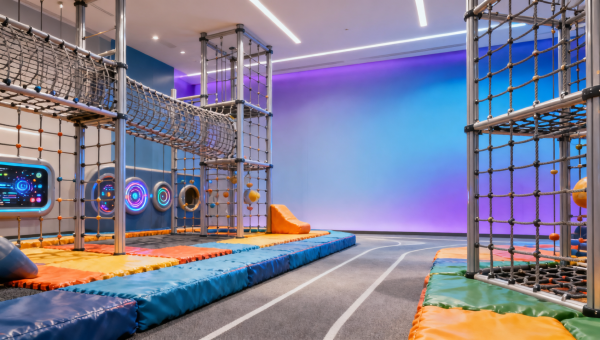
- Interactive indoor amusement systems: typically remain commercially attractive for 4 to 8 years if software, theming, or user experience can be refreshed.
- Large mechanical rides: often have long operational life, but profitability depends heavily on maintenance, certification, and attendance. Strong returns may last 7 to 12 years or more in well-managed venues.
- Soft play, themed leisure installations, and family entertainment assets: usually deliver 5 to 10 years of value, especially when refreshed cosmetically.
- Hybrid leisure furnishings and public-space installations: where amusement overlaps with outdoor benches, commercial seating, or decorative waiting areas, profitability is indirect and linked to dwell time, guest comfort, and place-making impact.
These timelines should not be treated as guarantees. They are commercial planning ranges that help buyers compare options in sourcing discussions.
How to calculate whether the equipment will stay profitable long enough
For procurement personnel and business evaluators, the best approach is to calculate lifecycle profitability instead of relying on vendor promises. A practical model includes:
- Initial cost: purchase price, shipping, duties, installation, testing, certification, and site preparation.
- Operating cost: power, staffing, consumables, cleaning, inspection, software, and insurance implications.
- Maintenance cost: preventive maintenance, repairs, replacement parts, emergency service, and downtime loss.
- Revenue contribution: direct ticket sales, usage fees, bundled package uplift, or indirect gains such as higher footfall and guest dwell time.
- Residual value or refresh cost: resale, refurbishment potential, retheming cost, or disposal expense.
A simple way to think about it is this: the equipment stays profitable only as long as its annual commercial benefit comfortably exceeds annual operating and ownership cost. Once margins narrow because of declining use or rising repairs, the asset may still operate, but it is no longer a strong profit engine.
What shortens profitable life the fastest?
In sourcing and investment reviews, several risk factors repeatedly reduce profitability earlier than expected.
Poor supplier support
If documentation is weak, spare parts are slow, or technical service is difficult to access internationally, even good equipment can become a weak investment.
Overestimating demand
Some buyers choose equipment based on visual impact rather than realistic throughput and customer fit. The result is low utilization and extended payback.
Ignoring refresh cycles
Experience-driven markets evolve quickly. Even profitable equipment often needs cosmetic updates, digital enhancements, or themed integration to maintain guest interest.
Underbudgeting maintenance
When operators defer preventive servicing to save money, downtime and major repairs often rise later. This reduces both revenue and customer trust.
Mismatch with surrounding commercial environment
In hospitality-led projects, amusement equipment should fit the broader design and guest experience strategy. A venue sourcing hotel furniture, hotel beds, custom furniture, and hotel equipment as part of a premium environment should avoid attractions that feel visually disconnected or operationally disruptive.
How distributors, dealers, and sourcing teams should assess supplier claims
Distributors and agents need more than a brochure lifespan estimate. To judge whether amusement equipment can remain profitable in real-world use, ask suppliers for evidence in these areas:
- Installed project references by venue type and operating years
- Maintenance interval schedules and typical annual service cost
- Failure-rate history or common wear-part replacement cycles
- International certification and inspection documentation
- Lead times for spare parts and regional support coverage
- Refurbishment, retheming, or upgrade options
- Expected depreciation curve and useful commercial life
Strong suppliers understand that serious B2B buyers evaluate total business value, not just catalog features. In this respect, amusement sourcing increasingly resembles the procurement logic used for high-quality hotel chairs, hotel tables, or luxury commercial furnishings: reliability, appearance retention, and support infrastructure all shape long-term return.
When replacement is smarter than continued operation
There comes a point when keeping equipment in service is more expensive than replacing or upgrading it. Buyers should consider replacement when:
- Maintenance cost rises faster than revenue generation
- Downtime affects guest satisfaction or tenant confidence
- The attraction no longer matches target demographics
- Safety upgrades become disproportionately expensive
- The visual style no longer supports the venue’s positioning
- A new asset can materially increase throughput or pricing power
This decision should be based on commercial comparison, not sentiment. An older unit that still works may underperform against a newer model with better energy efficiency, lower maintenance needs, and stronger guest appeal.
Final answer: how long does amusement equipment really stay profitable?
Amusement equipment usually stays meaningfully profitable for 5 to 12 years, with faster-moving formats sometimes peaking earlier and well-supported large installations lasting longer. The most important takeaway for buyers is that profitability is not the same as physical lifespan. Real value depends on utilization, maintenance quality, supplier support, safety compliance, refresh potential, and alignment with the venue’s broader commercial experience.
For information researchers, procurement teams, commercial evaluators, and distribution partners, the smartest approach is to assess amusement equipment like any other serious commercial asset: by total lifecycle return, operational risk, brand fit, and upgrade potential. Whether you are comparing amusement systems with park benches, hotel furniture, custom furniture, hotel equipment, or other space-defining assets, the winners are rarely the cheapest products upfront. They are the products that keep attracting users, stay serviceable, and support the business model long after installation.
Search News
Hot Articles
- Stage Lighting & Truss2026 FIBA Women's World Cup Draw Sparks LED Timing Screen Upgrade DemandApr 28, 2026
- Pro Stage AudioKenyan Marathon WR Break Drives Demand for Timing Chips & Track SensorsApr 28, 2026
- Smart Campus Tech2026 Shanghai Smart Campus Expo: VR Teaching Devices Gain ITU & ISO/IEC 23053 CertificationApr 28, 2026
Popular Tags
Need ExpertConsultation?
Connect with our specialized leisureengineering team for procurementstrategies.
Recommended News
 Apr 28, 2026Asia Beach Games Boost Export Inquiries for Commercial Sand Sports EquipmentCommercial sand sports equipment exporters see 210% surge in inquiries amid Asia Beach Games—IP68, ISO 22301 & maritime packaging demand spikes from KSA, UAE, Indonesia, Thailand.● Theme Park Strategist
 Apr 27, 2026Asia Beach Games Boost Demand for Portable Sand Sports EquipmentPortable sand sports equipment demand surges 217% amid Asia Beach Games—discover UV-resistant, anchor-stable volleyball & soccer systems for export.● Theme Park Strategist
 Apr 26, 2026China FA Warns Nanjing City Over Fan Conduct; Security Compliance Tightens for International MatchesChina FA warns Nanjing City over fan conduct—key alert for venues, security providers & tech integrators ahead of June 30, 2026 compliance deadline.● Theme Park Strategist
 Apr 25, 2026China FA Warns Nanjing City Over Fan Conduct, Ups Security RulesChina FA warns Nanjing City over fan conduct—new AI security, drone countermeasures & spectrum monitoring now mandated for AFC matches.● Theme Park Strategist
 Apr 24, 2026China FA Warns Nanjing City Over Fan Conduct; ISO 20785 Compliance AcceleratesISO 20785 compliance accelerates as China FA warns Nanjing City over fan conduct—key for sports security integrators targeting Middle East & SEA tenders.● Theme Park Strategist
 Apr 28, 2026How Long Does Amusement Equipment Really Stay Profitable?Amusement equipment profitability lasts 5–12 years. Compare lifecycle ROI with park benches, luxury furniture, hotel beds, custom furniture, hotel furniture, hotel chairs, hotel tables, and hotel equipment.● Theme Park Strategist
 Apr 24, 2026How to Source Park Trash Cans That LastPark trash cans sourcing guide: compare durable materials, supplier options, capacity, and lifecycle cost for playground planning, hospitality procurement, and safer outdoor spaces.● Theme Park Strategist
 Apr 24, 2026Park Trash Cans: What Specs Matter Most?Park trash cans buying guide: compare material, capacity, maintenance, and safety specs for playground planning, playground surfacing, and hospitality procurement projects.● Theme Park Strategist
 Apr 24, 2026What to Check Before Buying Amusement EquipmentAmusement equipment buyers: check playground safety, playground borders, playground climbers, and sensory playground features before purchase to reduce risk and improve long-term value.● Theme Park Strategist
 Apr 24, 2026Amusement Equipment: Buy New or Used?Amusement equipment buying guide: compare new vs. used options for playground climbers, playground borders, sensory playground design, and playground safety to reduce risk and improve ROI.● Theme Park Strategist
 Apr 23, 2026Amusement Equipment Upgrades That Change Guest ExperienceAmusement equipment upgrades improve guest experience with sensory playground features, playground climbers, playground safety, playground borders, and smart commercial furniture solutions.● Theme Park Strategist
 Apr 23, 2026Amusement Equipment Safety Issues Often Missed at InstallAmusement equipment and playground safety start at install. Learn how sensory playground, playground borders, and playground climbers affect compliance, durability, and safer commercial projects.● Theme Park Strategist
 Apr 25, 2026Theme Park Rides That Cut MaintenanceTheme park rides that cut maintenance: compare durable theme park rides, playground structures, inclusive playground and playground swings for leisure park projects. Learn how smart materials and supplier support reduce downtime and lifecycle costs.● Theme Park Strategist
 Apr 25, 2026How to Plan a Profitable Leisure ParkLearn how to build a profitable leisure park with smart theme park rides, inclusive playground design, playground structures, catering equipment, custom furniture, hotel beds, and more.● Theme Park Strategist
 Apr 23, 2026Playground Swings for Parks or SchoolsPlayground swings for parks or schools: compare durable playground structures, inclusive playground options, and leisure park solutions with expert sourcing tips for safer, smarter buying.● Theme Park Strategist
 Apr 22, 2026How to Compare Theme Park RidesCompare theme park rides for safety, capacity, and ROI in a leisure park, while aligning playground structures, inclusive playground zones, and playground swings with smarter sourcing.● Theme Park Strategist
 Apr 22, 2026Is a Leisure Park Worth the InvestmentLeisure park investment guide: compare theme park rides, playground structures, inclusive playground design, swings, soundproofing materials, and custom furniture for stronger returns.● Theme Park Strategist
 Apr 22, 2026Adventure Playground Ideas That Work in Small Outdoor SpacesAdventure playground ideas for small outdoor spaces: compare layouts, indoor playground and trampoline park concepts, plus arcade games and musical instruments features to boost family appeal.● Theme Park Strategist
 Apr 22, 2026Adventure Playground Features That Improve Safety Without Feeling BoringAdventure playground and indoor playground safety features that keep fun high—compare trampoline park layouts, arcade games, and smart design tips for safer, more engaging venues.● Theme Park Strategist
 Apr 20, 2026China's Smart Timing System Gains ITU Certification at Shanghai Bike EventChina's smart timing system wins ITU-T L.1800 certification — the first Chinese sports timing platform approved for UCI-accredited cycling events. Discover how it reshapes reliability, security & global competitiveness in sports tech.● Theme Park Strategist
 Apr 18, 20262026 Shanghai Sailing Open Adopts Domestic Smart Timing System2026 Shanghai Sailing Open adopts China's first ITU-R M.2412–certified smart timing system — a game-changer for marine sports exporters, integrators & event organizers worldwide.● Theme Park Strategist
 Apr 18, 2026EN 1176-7:2026 Enforced: AI Behavior Recognition Mandatory for EU Outdoor Play EquipmentEN 1176-7:2026 is now mandatory — AI behavior recognition required for EU outdoor play equipment. Ensure CE compliance, low-latency certification & market access before shipment.● Theme Park Strategist
 Apr 17, 2026Popular Badminton AI Protocol Launched in ChengduPopular Badminton AI protocol launched in Chengdu — a game-changer for smart sports hardware, VR simulators & outdoor ride manufacturers targeting Asian youth academies.● Theme Park Strategist
 Apr 17, 2026EN 1176-7:2026 Enforced: AI Behavior Recognition Required for EU Outdoor Interactive Play EquipmentEN 1176-7:2026 is now enforced — AI behavior recognition is mandatory for EU outdoor interactive play equipment. Ensure CE compliance now.● Theme Park Strategist