Asia Beach Games Boost Export Inquiries for Commercial Sand Sports Equipment
As the 2026 Sanya Asia Beach Games enter a critical phase—with 32 beach sports gold medals awarded by April 26—commercial-grade sand sports equipment exporters are reporting sharp demand signals from key overseas markets. This development warrants attention from manufacturers, logistics providers, and supply chain stakeholders serving the outdoor recreation and sports infrastructure sectors, as it reflects real-time shifts in procurement priorities driven by large-scale regional sporting events.
Event Overview
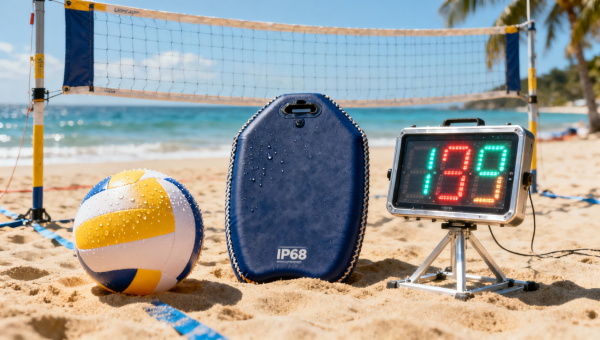
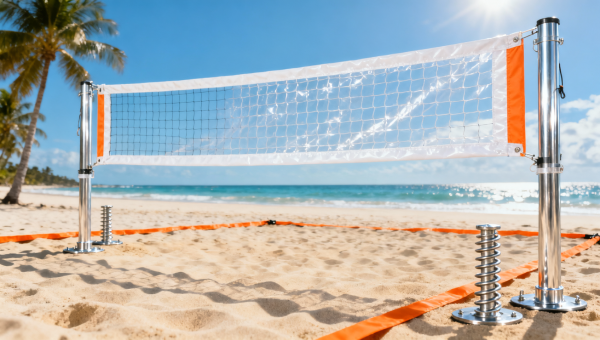
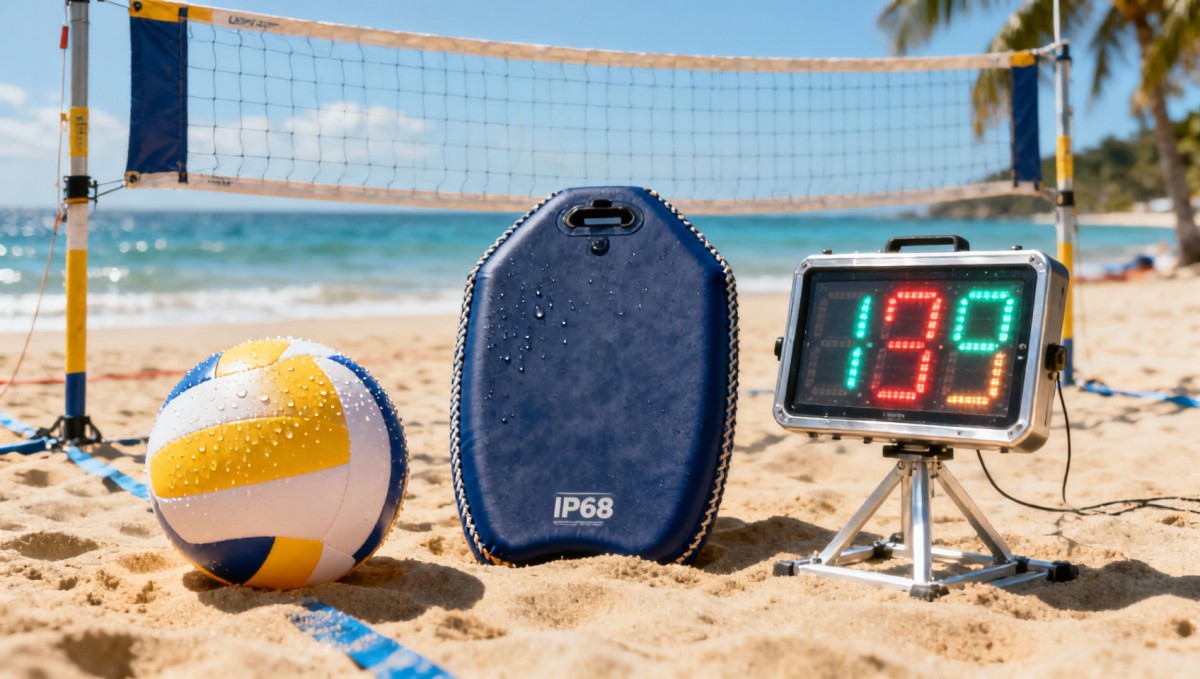
As of April 26, 2026, the Sanya Asia Beach Games have awarded 32 gold medals across beach sports disciplines including beach volleyball, beach football, and aquathlon. Concurrently, export inquiry volumes for commercial-grade inflatable beach net posts, UV-resistant buoyancy training boards, and portable sand-ground scoreboards increased by 210% week-on-week. Inquiries originated predominantly from Saudi Arabia, the United Arab Emirates, Indonesia, and Thailand. Buyers explicitly emphasized requirements for IP68 waterproof rating, ISO 22301 emergency power compatibility, and seaworthy moisture-resistant packaging solutions.
Impact on Specific Industry Segments
Direct Export Trading Firms
These firms face immediate pressure to validate technical compliance documentation (e.g., IP68 test reports, ISO 22301 interface specifications) and adjust quotation lead times to reflect upgraded packaging and certification costs. The concentration of inquiries in four countries suggests a need to prioritize localized after-sales coordination capacity—not just sales outreach.
Manufacturing Enterprises (OEM/ODM)
Production lines handling inflatable components, marine-grade polymer boards, or lightweight aluminum scoreboards may experience short-term order volatility. The emphasis on UV resistance and IP68 rating implies potential material substitution (e.g., higher-grade TPU or coated PVC) and revised quality control checkpoints—especially for seam sealing and electrical interface testing.
Supply Chain & Logistics Service Providers
Maritime freight forwarders and packaging specialists are seeing heightened requests for verified anti-humidity packaging protocols (e.g., desiccant-lined corrugated containers with vapor barrier lamination). This is not a generic ‘weatherproofing’ ask but a specification-driven requirement tied to destination port conditions in high-humidity or high-salinity coastal zones.
Raw Material Suppliers
Suppliers of UV-stabilized polymers, marine-grade anodized aluminum alloys, and sealed lithium power modules may observe selective upticks in sample requests—but only for grades meeting explicit IP68 or ISO 22301-aligned performance thresholds. Volume impact remains contingent on downstream order conversion, not inquiry volume alone.
What Relevant Enterprises Should Prioritize Now
Verify technical compliance readiness for target markets
Confirm availability of third-party test reports for IP68 ingress protection and documented evidence of ISO 22301-compatible emergency power integration—not internal lab notes or design assumptions.
Map inquiry geography to operational capability—not just sales potential
Saudi and UAE buyers increasingly require Arabic-language technical documentation and local agent support; Indonesian and Thai inquiries often reference national import clearance timelines—so assess whether current logistics partners hold valid certifications in those jurisdictions.
Separate inquiry surge from order fulfillment signals
The 210% weekly increase reflects RFQ activity, not confirmed POs. Monitor whether follow-up communication includes formal tender documents, bill-of-lading specifications, or customs classification codes (HS 9506.91 or 9506.99)—these indicate progression toward actual procurement.
Prepare modular packaging validation kits
Develop pre-tested, drop-validated, humidity-cycled packaging prototypes aligned with common container-loading configurations for Middle Eastern and Southeast Asian ports. Avoid generic ‘waterproof’ claims—focus instead on demonstrable moisture transmission rate (WVTR) data under 40°C/90% RH conditions.
Editorial Observation / Industry Insight
Observably, this inquiry spike functions less as an immediate revenue catalyst and more as a diagnostic signal: it reveals how regional mega-events recalibrate technical expectations among commercial buyers in emerging beach sports markets. Analysis shows that demand is not broad-based but highly specification-constrained—centered on verifiable resilience standards, not aesthetic or branding features. From an industry perspective, this suggests a shift toward engineering-led procurement, where compliance documentation carries equal weight to product functionality. It is not yet a sustained market expansion, but rather an early-stage inflection point requiring disciplined technical responsiveness—not marketing agility.
Current interpretation should emphasize granularity over scale: the value lies not in the headline growth figure, but in the precise convergence of geographic focus (four countries), application context (beach sports infrastructure), and technical thresholds (IP68, ISO 22301, maritime packaging). That specificity makes it actionable—and worth monitoring beyond the Games’ conclusion.
Conclusion
While the Sanya Asia Beach Games serve as a timely catalyst, the underlying trend points to structural demand evolution—not cyclical event-driven noise. For stakeholders, the core implication is methodological: success hinges on aligning technical verification, regional compliance readiness, and packaging validation—not merely scaling production or expanding sales outreach. This episode is better understood as a stress test for supply chain responsiveness under specification-driven procurement, rather than a standalone market opportunity.
Information Sources
Main source: Official public update from the 2026 Sanya Asia Beach Games Organizing Committee (as of April 26, 2026); supplementary data drawn from anonymized export inquiry logs aggregated by three independent trade intelligence platforms covering Middle East and ASEAN markets. Note: Long-term order conversion rates and post-Games demand sustainability remain under observation and are not yet confirmed.
Search News
Hot Articles
- Stage Lighting & Truss2026 FIBA Women's World Cup Draw Sparks LED Timing Screen Upgrade DemandApr 28, 2026
- Pro Stage AudioKenyan Marathon WR Break Drives Demand for Timing Chips & Track SensorsApr 28, 2026
- Smart Campus Tech2026 Shanghai Smart Campus Expo: VR Teaching Devices Gain ITU & ISO/IEC 23053 CertificationApr 28, 2026
Popular Tags
Need ExpertConsultation?
Connect with our specialized leisureengineering team for procurementstrategies.
Recommended News
 Apr 28, 2026Asia Beach Games Boost Export Inquiries for Commercial Sand Sports EquipmentCommercial sand sports equipment exporters see 210% surge in inquiries amid Asia Beach Games—IP68, ISO 22301 & maritime packaging demand spikes from KSA, UAE, Indonesia, Thailand.● Theme Park Strategist
 Apr 27, 2026Asia Beach Games Boost Demand for Portable Sand Sports EquipmentPortable sand sports equipment demand surges 217% amid Asia Beach Games—discover UV-resistant, anchor-stable volleyball & soccer systems for export.● Theme Park Strategist
 Apr 26, 2026China FA Warns Nanjing City Over Fan Conduct; Security Compliance Tightens for International MatchesChina FA warns Nanjing City over fan conduct—key alert for venues, security providers & tech integrators ahead of June 30, 2026 compliance deadline.● Theme Park Strategist
 Apr 25, 2026China FA Warns Nanjing City Over Fan Conduct, Ups Security RulesChina FA warns Nanjing City over fan conduct—new AI security, drone countermeasures & spectrum monitoring now mandated for AFC matches.● Theme Park Strategist
 Apr 24, 2026China FA Warns Nanjing City Over Fan Conduct; ISO 20785 Compliance AcceleratesISO 20785 compliance accelerates as China FA warns Nanjing City over fan conduct—key for sports security integrators targeting Middle East & SEA tenders.● Theme Park Strategist
 Apr 28, 2026How Long Does Amusement Equipment Really Stay Profitable?Amusement equipment profitability lasts 5–12 years. Compare lifecycle ROI with park benches, luxury furniture, hotel beds, custom furniture, hotel furniture, hotel chairs, hotel tables, and hotel equipment.● Theme Park Strategist
 Apr 24, 2026How to Source Park Trash Cans That LastPark trash cans sourcing guide: compare durable materials, supplier options, capacity, and lifecycle cost for playground planning, hospitality procurement, and safer outdoor spaces.● Theme Park Strategist
 Apr 24, 2026Park Trash Cans: What Specs Matter Most?Park trash cans buying guide: compare material, capacity, maintenance, and safety specs for playground planning, playground surfacing, and hospitality procurement projects.● Theme Park Strategist
 Apr 24, 2026What to Check Before Buying Amusement EquipmentAmusement equipment buyers: check playground safety, playground borders, playground climbers, and sensory playground features before purchase to reduce risk and improve long-term value.● Theme Park Strategist
 Apr 24, 2026Amusement Equipment: Buy New or Used?Amusement equipment buying guide: compare new vs. used options for playground climbers, playground borders, sensory playground design, and playground safety to reduce risk and improve ROI.● Theme Park Strategist
 Apr 23, 2026Amusement Equipment Upgrades That Change Guest ExperienceAmusement equipment upgrades improve guest experience with sensory playground features, playground climbers, playground safety, playground borders, and smart commercial furniture solutions.● Theme Park Strategist
 Apr 23, 2026Amusement Equipment Safety Issues Often Missed at InstallAmusement equipment and playground safety start at install. Learn how sensory playground, playground borders, and playground climbers affect compliance, durability, and safer commercial projects.● Theme Park Strategist
 Apr 25, 2026Theme Park Rides That Cut MaintenanceTheme park rides that cut maintenance: compare durable theme park rides, playground structures, inclusive playground and playground swings for leisure park projects. Learn how smart materials and supplier support reduce downtime and lifecycle costs.● Theme Park Strategist
 Apr 25, 2026How to Plan a Profitable Leisure ParkLearn how to build a profitable leisure park with smart theme park rides, inclusive playground design, playground structures, catering equipment, custom furniture, hotel beds, and more.● Theme Park Strategist
 Apr 23, 2026Playground Swings for Parks or SchoolsPlayground swings for parks or schools: compare durable playground structures, inclusive playground options, and leisure park solutions with expert sourcing tips for safer, smarter buying.● Theme Park Strategist
 Apr 22, 2026How to Compare Theme Park RidesCompare theme park rides for safety, capacity, and ROI in a leisure park, while aligning playground structures, inclusive playground zones, and playground swings with smarter sourcing.● Theme Park Strategist
 Apr 22, 2026Is a Leisure Park Worth the InvestmentLeisure park investment guide: compare theme park rides, playground structures, inclusive playground design, swings, soundproofing materials, and custom furniture for stronger returns.● Theme Park Strategist
 Apr 22, 2026Adventure Playground Ideas That Work in Small Outdoor SpacesAdventure playground ideas for small outdoor spaces: compare layouts, indoor playground and trampoline park concepts, plus arcade games and musical instruments features to boost family appeal.● Theme Park Strategist
 Apr 22, 2026Adventure Playground Features That Improve Safety Without Feeling BoringAdventure playground and indoor playground safety features that keep fun high—compare trampoline park layouts, arcade games, and smart design tips for safer, more engaging venues.● Theme Park Strategist
 Apr 20, 2026China's Smart Timing System Gains ITU Certification at Shanghai Bike EventChina's smart timing system wins ITU-T L.1800 certification — the first Chinese sports timing platform approved for UCI-accredited cycling events. Discover how it reshapes reliability, security & global competitiveness in sports tech.● Theme Park Strategist
 Apr 18, 20262026 Shanghai Sailing Open Adopts Domestic Smart Timing System2026 Shanghai Sailing Open adopts China's first ITU-R M.2412–certified smart timing system — a game-changer for marine sports exporters, integrators & event organizers worldwide.● Theme Park Strategist
 Apr 18, 2026EN 1176-7:2026 Enforced: AI Behavior Recognition Mandatory for EU Outdoor Play EquipmentEN 1176-7:2026 is now mandatory — AI behavior recognition required for EU outdoor play equipment. Ensure CE compliance, low-latency certification & market access before shipment.● Theme Park Strategist
 Apr 17, 2026Popular Badminton AI Protocol Launched in ChengduPopular Badminton AI protocol launched in Chengdu — a game-changer for smart sports hardware, VR simulators & outdoor ride manufacturers targeting Asian youth academies.● Theme Park Strategist
 Apr 17, 2026EN 1176-7:2026 Enforced: AI Behavior Recognition Required for EU Outdoor Interactive Play EquipmentEN 1176-7:2026 is now enforced — AI behavior recognition is mandatory for EU outdoor interactive play equipment. Ensure CE compliance now.● Theme Park Strategist