Snooker World Championship 'China Derby' Drives VR Viewing Demand
On April 27, 2026, the Snooker World Championship featured two historic all-Chinese matches — Zhao Xintong vs. Ding Junhui and Wu Yize vs. Mark Selby — triggering a global surge in commercial VR spectator infrastructure demand. The event has drawn attention from businesses in immersive media hardware, low-latency streaming infrastructure, and multilingual AI audio services.
Event Overview
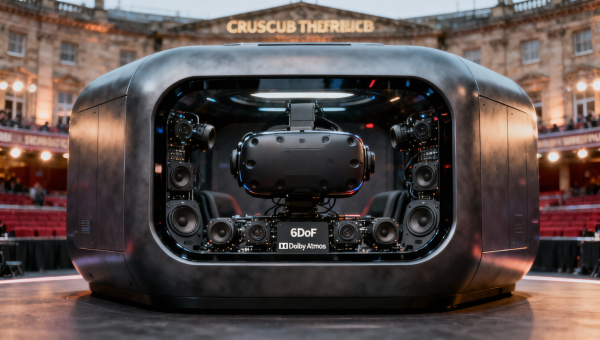
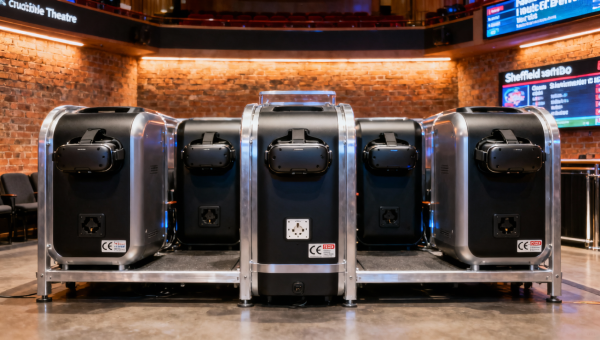
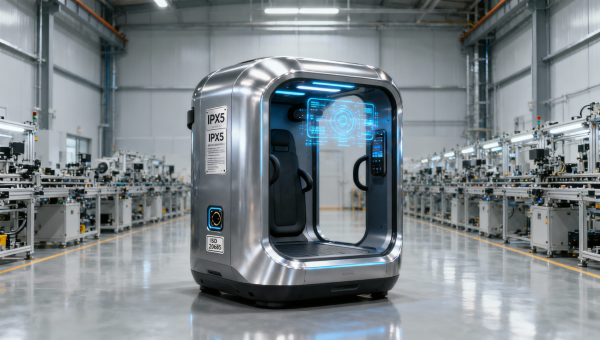
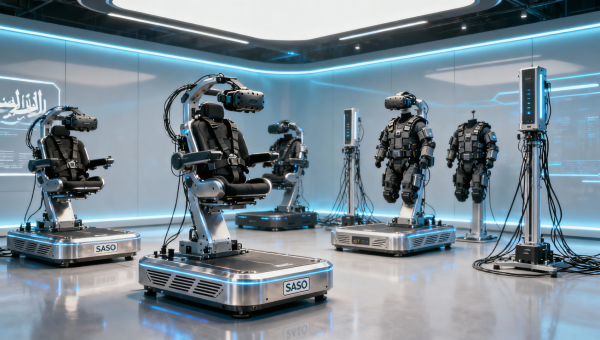
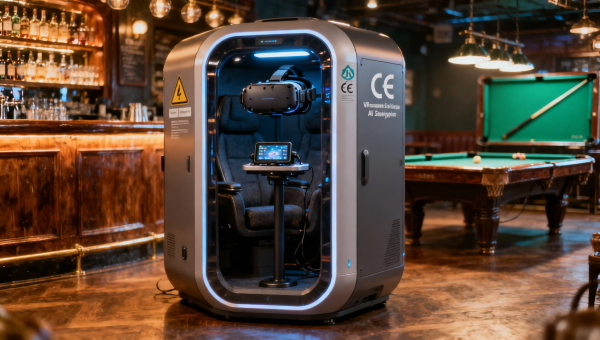
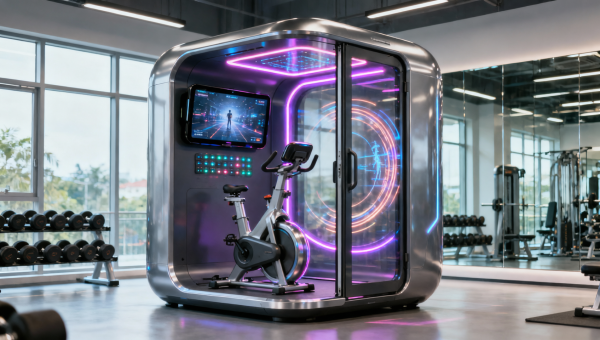
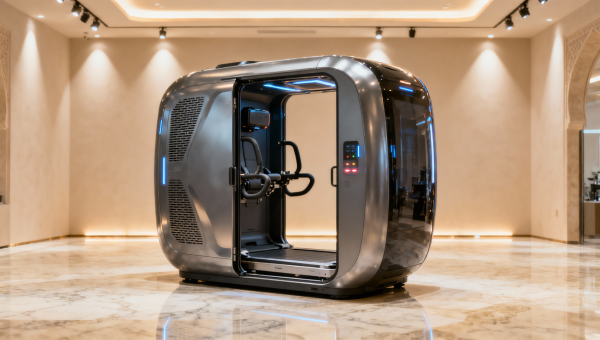
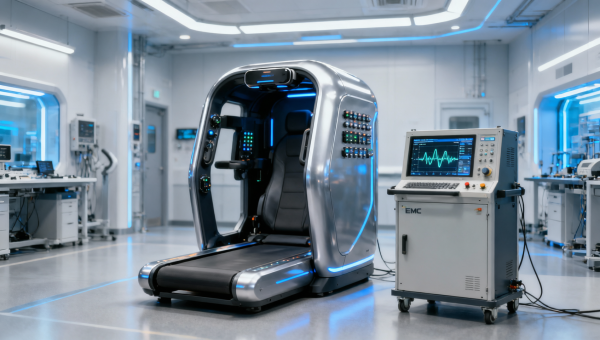
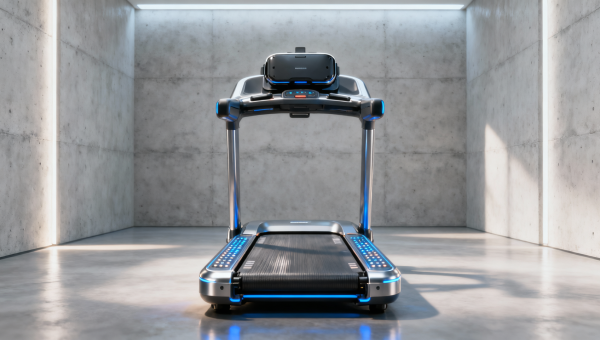
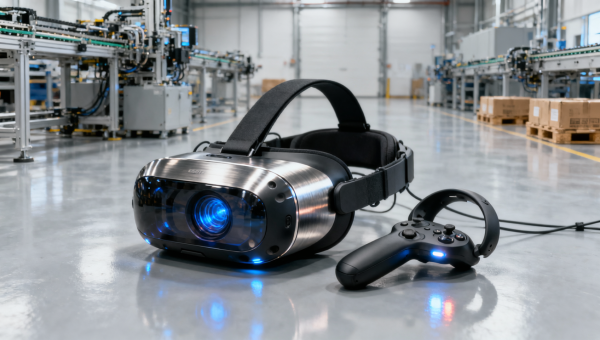
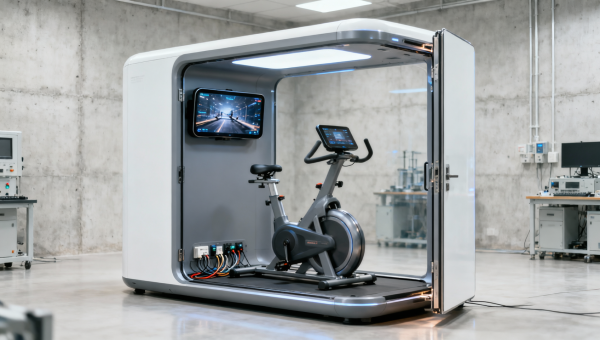
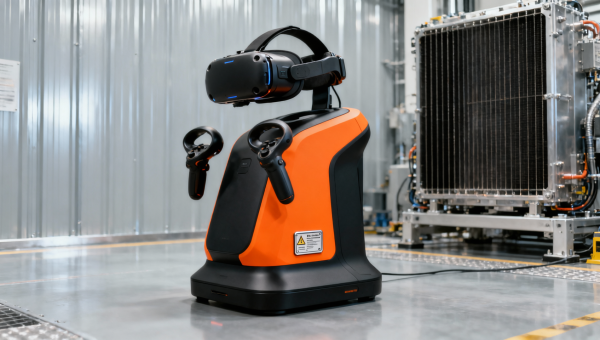
On April 27, 2026, Zhao Xintong defeated Ding Junhui and Wu Yize defeated Mark Selby at the Crucible Theatre in Sheffield. Following these matches, global inquiries for commercial VR viewing pods (featuring 6DoF tracking and real-time multilingual AI commentary) and low-latency streaming push servers increased by 340% within 48 hours. Importers in the UK, Germany, and Australia specifically highlighted interest in Chinese manufacturers’ Dolby Atmos audio certification and 5G Standalone (SA) network compatibility.
Industries Affected
Direct Exporters of Immersive Viewing Hardware
Exporters supplying VR viewing pods to international hospitality and entertainment venues are directly impacted, as buyer inquiries spiked sharply. The demand centers on certified audio performance and telecom infrastructure readiness — not just device functionality.
Low-Latency Streaming Infrastructure Providers
Suppliers of edge-optimized streaming servers and encoding hardware face heightened scrutiny around sub-100ms end-to-end latency under concurrent multilingual AI audio rendering. Inquiries now routinely specify compatibility with 5G SA networks and real-time translation synchronization requirements.
Audio Certification & Localization Service Providers
Firms offering Dolby Atmos certification support or multilingual AI voice integration services are seeing increased technical due diligence from overseas buyers. Certification validity, language model alignment with live sports timing, and metadata tagging for commentary switching are emerging as key evaluation criteria.
Distribution & Channel Partners in Hospitality Tech
Wholesalers and integrators serving bars, esports lounges, and premium hotels must now assess inventory readiness for bundled solutions — not standalone VR headsets. Buyers increasingly request turnkey packages including hardware, licensed audio certification, and pre-integrated streaming software stacks.
What Enterprises and Practitioners Should Focus On
Monitor certification roadmap updates from Dolby and 3GPP
Analysis shows Dolby Atmos certification pathways for live multilingual broadcast scenarios remain fluid; similarly, 5G SA deployment timelines vary significantly across target markets. Enterprises should track official updates rather than assume regional rollout parity.
Prioritize verification of 5G SA interoperability in target export markets
Observably, UK, German, and Australian importers are not requesting generic 5G support — they are specifying SA mode operation under real-world venue conditions. Testing in representative network environments is now a prerequisite for serious inquiry follow-up.
Distinguish between inquiry volume and order conversion signals
Current data reflects inbound inquiries only — not confirmed orders or shipment commitments. From industry perspective, the 340% figure reflects heightened awareness and qualification activity, not immediate revenue acceleration.
Prepare technical documentation aligned to hospitality integration workflows
Buyers are no longer evaluating VR pods as consumer electronics. Current RFPs emphasize installation schematics, power/cooling specs for bar environments, API documentation for third-party venue management systems, and audio latency measurement reports under concurrent multilingual output.
Editorial Insight / Industry Observation
This development is best understood as an early signal — not yet a market inflection point. Analysis shows the spike in inquiries coincides with a rare convergence of high-profile live content, proven viewer engagement, and maturing infrastructure capabilities. However, sustained demand hinges on repeatable content scheduling, scalable AI commentary reliability, and consistent low-latency delivery across diverse venue networks. Observably, the current wave reflects procurement teams stress-testing supply chain responsiveness — not yet committing to large-scale deployments.
Conclusion
The April 27, 2026 ‘China Derby’ matches served as a high-visibility validation test for commercial VR spectator infrastructure in live sports contexts. It does not indicate an immediate market shift, but rather highlights where technical readiness — particularly in audio certification, 5G SA integration, and multilingual AI latency control — is now being operationally benchmarked by global buyers. Currently, this is better interpreted as a capability checkpoint than a demand inflection.
Source Attribution
Main source: Publicly reported trade inquiry metrics and buyer specification requests dated April 27–29, 2026, aggregated by cross-border B2B platform analytics. Note: Order conversion rates, shipment volumes, and long-term contract terms remain unconfirmed and require ongoing observation.
Search News
Hot Articles
- Stage Lighting & Truss2026 FIBA Women's World Cup Draw Sparks LED Timing Screen Upgrade DemandApr 28, 2026
- Pro Stage AudioKenyan Marathon WR Break Drives Demand for Timing Chips & Track SensorsApr 28, 2026
- Smart Campus Tech2026 Shanghai Smart Campus Expo: VR Teaching Devices Gain ITU & ISO/IEC 23053 CertificationApr 28, 2026
Popular Tags
Need ExpertConsultation?
Connect with our specialized leisureengineering team for procurementstrategies.
Recommended News
 Apr 28, 2026Global VR Fitness Device Export Prices Rise 12% — China Leads in Delivery ReliabilityVR fitness device export prices surge 12% globally — China leads in delivery reliability. Discover key compliance shifts, market impacts & strategic actions for exporters, OEMs & logistics providers.● Theme Park Strategist
 Apr 28, 2026Snooker World Championship 'China Derby' Drives VR Viewing DemandSnooker World Championship 'China Derby' drives surging VR viewing demand—boosting exports of VR pods, low-latency streaming & Dolby Atmos-certified AI audio solutions globally.● Theme Park Strategist
 Apr 28, 2026BWF 15-Point System to Launch in 2027: Impacts on Timing, Broadcast & Data SystemsBWF 15-point system launching in 2027 — impacts timing displays, broadcast encoders & data platforms. Discover compliance steps for OEMs, venues & AI video providers.● Theme Park Strategist
 Apr 27, 2026Snooker World Championship 'China Derby' Drives VR Viewing DemandVR viewing demand surges after Snooker World Championship 'China Derby' — key opportunity for VR hardware, localization & compliance firms in UK/EU markets.● Theme Park Strategist
 Apr 27, 2026Global VR Fitness Equipment Export Prices Rise 12.3% QoQVR fitness equipment export prices surge 12.3% QoQ — discover why IPX5, ISO 20685, and cloud readiness now drive premium pricing & market share.● Theme Park Strategist
 Apr 27, 2026SASO Updates EMC Rules for VR & Immersive Fitness Devices in Saudi ArabiaSASO EMC updates for VR & immersive fitness devices in Saudi Arabia—Class B compliance mandatory from 25 Apr 2026. Act now to avoid delays & ensure market access.● Theme Park Strategist
 Apr 26, 2026Global VR Fitness Equipment Export Prices Up 12% in Q1 2026VR fitness equipment export prices surge 12.3% in Q1 2026 — discover why reliability-driven pricing is reshaping global gym hardware procurement.● Theme Park Strategist
 Apr 26, 2026SASO Updates EMC Standard for VR Motion Devices in Saudi ArabiaSASO EMC standard update for VR motion devices in Saudi Arabia—Class B limits effective Oct 2026. Ensure compliance now to avoid customs delays & market access risks.● Theme Park Strategist
 Apr 26, 2026Snooker World Championship 'China Derby' Drives VR Viewing DemandSnooker World Championship 'China Derby' drives surging VR viewing demand—CE/UKCA-certified hardware, AI commentary & rapid logistics now critical for venues.● Theme Park Strategist
 Apr 25, 2026Global VR Fitness Equipment Export Prices Up 12% in Q1 2026VR fitness equipment export prices rose 12% in Q1 2026 — discover why $2,840/unit reflects rising value, not just cost, and how OTD leadership reshapes global sourcing.● Theme Park Strategist
 Apr 25, 2026SASO Updates EMC Standard for VR Haptic Devices in Saudi ArabiaSASO updates EMC standard SR 2305:2026 for VR haptic devices in Saudi Arabia—Class B compliance now mandatory for fitness pods & training stations. Act now to avoid port delays.● Theme Park Strategist
![]() Apr 25, 2026Vietnam Enforces Local Type Testing for Commercial VR Fitness CabinsVR fitness cabins for commercial use in Vietnam must now pass local type testing & TÜV SÜD-VN certification—key for exporters, distributors & OEMs. Act before April 24, 2026.● Theme Park Strategist
Apr 25, 2026Vietnam Enforces Local Type Testing for Commercial VR Fitness CabinsVR fitness cabins for commercial use in Vietnam must now pass local type testing & TÜV SÜD-VN certification—key for exporters, distributors & OEMs. Act before April 24, 2026.● Theme Park Strategist Apr 24, 2026Global VR Fitness Equipment Export Prices Up 12% QoQVR fitness equipment export prices surge 12% QoQ to $4,280 — driven by EU 2026/789 & UL 62368-1:Ed4 compliance. Key insight for exporters, suppliers & logistics teams.● Theme Park Strategist
 Apr 24, 2026Vietnam TUV SUD New Rule: VR Fitness Cabins Require Local Type TestVR fitness cabins entering Vietnam now require local type testing per new TUV SUD rule—impacting exporters, distributors & supply chains. Act now to avoid delays & added costs.● Theme Park Strategist
 Apr 24, 2026SASO Updates EMC Standard for VR Motion Devices in Saudi ArabiaSASO EMC update for VR motion devices in Saudi Arabia: Class B compliance now mandatory for fitness, entertainment & edutainment pods—avoid customs rejection!● Theme Park Strategist
 Apr 23, 2026Global VR Fitness Device Export Prices Rise 12% QoQVR fitness device export prices surge 12% QoQ to $3,820 — discover why IP65, AI calibration & 98.7% on-time delivery now define premium global supply.● Theme Park Strategist
 Apr 23, 2026Vietnam TUV SUD Enforces Local Type Testing for VR Fitness CabinsVR fitness cabins entering Vietnam must now undergo local TUV SUD type testing—mandatory from Apr 22, 2026. Learn costs, timelines & compliance steps.● Theme Park Strategist
 Apr 23, 2026SASO Updates EMC Standard for VR Motion Devices to Class BSASO Updates EMC Standard for VR Motion Devices to Class B: Critical compliance shift for VR fitness pods, AR/VR amusement systems & exporters targeting Saudi Arabia.● Theme Park Strategist
 Apr 22, 2026SASO Updates EMC Standard for VR Haptic Devices in Saudi ArabiaSASO EMC standard update for VR haptic devices in Saudi Arabia: Class B compliance required by July 1, 2026 — critical for VR treadmills, AR walls & training pods.● Theme Park Strategist
 Apr 22, 2026Global VR Fitness Device Export Price Up 12% in Q1 2026VR fitness device export prices surge 12% to $1,842/unit in Q1 2026 — discover why China’s 38-day lead times are reshaping global procurement strategies.● Theme Park Strategist
 Apr 22, 2026Vietnam TUV SUD New Rule: VR Fitness Pods Require Local Type TestVR fitness pods now require local type testing in Vietnam per TUV SUD’s new rule—impacting exporters, costs & lead times. Act now!● Theme Park Strategist
 Apr 22, 2026Why Some Arcade Games Perform Well at First Then Fade FastArcade games can shine early then fade fast. Learn how trampoline park, indoor playground, and adventure playground buyers can spot ROI risks and choose longer-lasting winners.● Theme Park Strategist
 Apr 22, 2026Arcade Games That Keep Players Longer Without Prize InflationArcade games that boost dwell time in trampoline park, indoor playground, and adventure playground venues—discover smarter, prize-controlled strategies that improve replay, margins, and ROI.● Theme Park Strategist
 Apr 21, 2026Global VR Fitness Equipment Export Prices Rise 12% in Q1 2026VR fitness equipment export prices surge 12% in Q1 2026—driven by EU safety mandates. Discover cost impacts, compliance risks & supply chain insights.● Theme Park Strategist