Vietnam Mandates Child Hand-Trap Sensors for Indoor Play Equipment
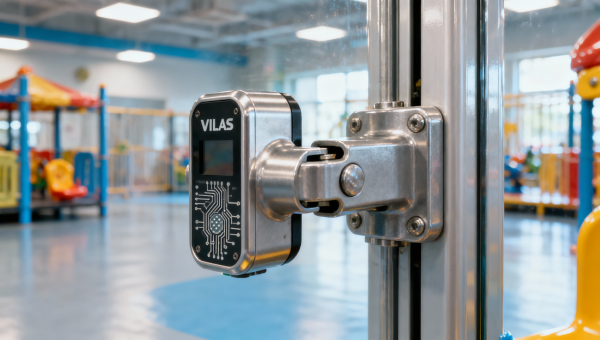
Vietnam’s updated safety regulation for commercial indoor playground equipment — QCVN 119:2026 — takes effect on 1 October 2026, requiring integrated, VILAS-certified hand-trap sensors on all moving components. Exporters, manufacturers, and compliance service providers serving the Vietnamese market must now adjust testing, documentation, and product design workflows accordingly.
Event Overview
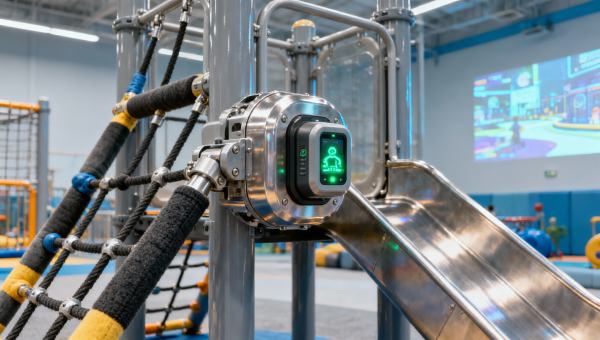
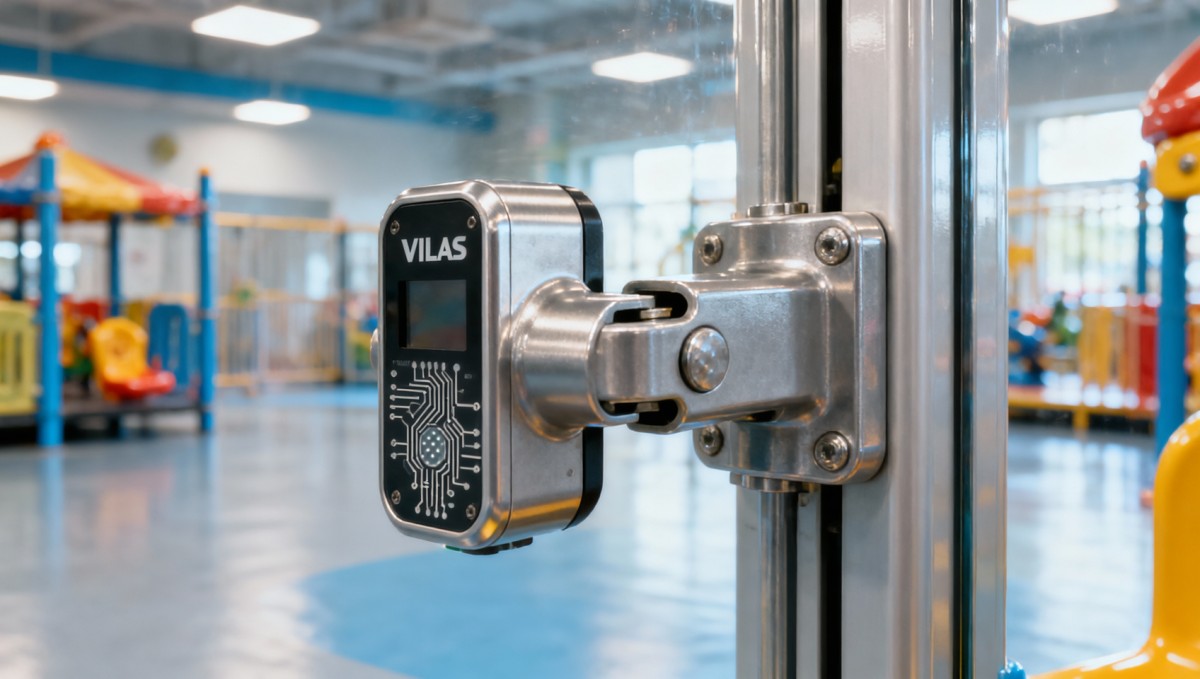
The Vietnam Standards, Metrology and Quality Authority (STAMEQ) issued the mandatory revision QCVN 119:2026 ‘Technical Safety Requirements for Indoor Playground Facilities’ on 27 April 2026. Clause 5.3.7 newly stipulates that all commercially deployed indoor playground equipment with movable parts — including rotating doors, lifting platforms, and slide gate mechanisms — must incorporate hand-trap prevention sensors certified by the Vietnam National Accreditation Board (VILAS). These sensors must achieve a response time of ≤100 ms and trigger at a force of ≤15 N. Enforcement begins 1 October 2026. Affected Chinese exporters are required to complete third-party testing in Vietnam and update their Declaration of Conformity (DoC) documents accordingly.
Which Subsectors Are Affected
Direct Exporters to Vietnam
Manufacturers exporting indoor playground equipment from China to Vietnam will face immediate compliance obligations. Non-compliant units may be denied customs clearance or withdrawn from sale post-implementation. The requirement applies regardless of equipment size or age of design, meaning legacy models entering the market after 1 October 2026 must meet the new sensor standard.
Equipment Manufacturers & OEMs
Domestic and international manufacturers supplying to Vietnamese operators — including those producing modular play systems, interactive climbing structures, or automated slide controls — must integrate certified sensors into production lines. This affects bill-of-materials planning, firmware logic (for sensor-triggered stop functions), and mechanical interface design between moving parts and sensor housings.
Third-Party Testing & Certification Providers
Testing laboratories accredited by VILAS — or those seeking recognition for this specific sensor performance verification — will see increased demand for validation of response time and activation force. The mandate creates a narrow window for labs to align test protocols with STAMEQ’s technical expectations ahead of enforcement.
Importers & Distributors in Vietnam
Local importers and distributors bear legal responsibility for ensuring DoC validity and sensor integration prior to retail or installation. They must verify supplier-provided test reports and retain evidence of VILAS-recognized certification — not just CE or other regional marks — to avoid liability under Vietnam’s Product Liability Law.
What Relevant Enterprises or Practitioners Should Focus On
Confirm sensor certification scope with VILAS-accredited bodies
Not all pressure or proximity sensors qualify. Enterprises must verify whether their chosen sensor model appears on VILAS’s updated list of approved conformity assessment methods for Clause 5.3.7 — or confirm that the lab performing validation is authorized to issue reports accepted by STAMEQ for this specific parameter set (≤100 ms / ≤15 N).
Update DoC templates and internal compliance checklists before Q3 2026
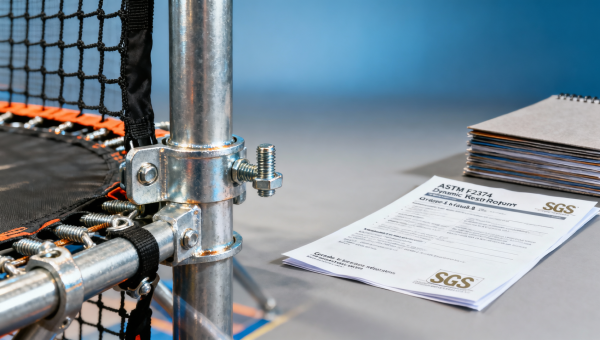
DoC statements must explicitly reference QCVN 119:2026 and include sensor model numbers, test report IDs, and laboratory accreditation codes. Internal QA checklists should flag sensor mounting location, wiring integrity, and redundancy checks (e.g., dual-sensor configuration where applicable) as mandatory pre-shipment items.
Review lead times for sensor integration and local testing
VILAS-recognized labs in Vietnam may experience capacity constraints as the 1 October deadline approaches. Exporters should secure testing slots by July 2026 and allow minimum 4–6 weeks for sensor sourcing, integration validation, and full-system retesting — especially if retrofitting existing designs.
Distinguish between regulatory signal and enforceable requirement
While QCVN 119:2026 is legally binding upon entry into force, STAMEQ has not yet published guidance on transitional arrangements for stock already cleared into Vietnam but not yet installed. Enterprises should monitor official STAMEQ circulars for any grace-period clarifications — but must not assume such provisions exist.
Editorial Perspective / Industry Observation
Observably, this amendment reflects Vietnam’s broader shift toward harmonizing playground safety standards with EU-level vigilance on mechanical hazards — particularly pinch-point risks for children under six. Analysis shows it is less a sudden policy pivot and more a targeted tightening aligned with recent incident data reported to Vietnam’s Consumer Protection Agency. From an industry perspective, the mandate signals growing maturity in Vietnam’s technical regulatory infrastructure: it specifies measurable thresholds (not just functional intent), ties enforcement to nationally recognized accreditation, and places documentation accountability squarely on economic operators. It is currently best understood as an operational inflection point — not merely a notification — because compliance hinges on verifiable hardware integration, not just process adjustments.
Conclusion
This regulation marks a concrete step in Vietnam’s formalization of safety governance for children’s commercial play environments. Its significance lies not in novelty of concept — anti-pinch features are common globally — but in the enforceability of precise, locally validated technical parameters. For stakeholders, the appropriate framing is pragmatic readiness: treat the rule as technically deterministic, not negotiable, and prioritize traceable sensor implementation over generalized risk mitigation.
Information Sources
Main source: Vietnam Standards, Metrology and Quality Authority (STAMEQ), QCVN 119:2026 ‘Technical Safety Requirements for Indoor Playground Facilities’, issued 27 April 2026.
Note: Ongoing monitoring is advised for official STAMEQ guidance documents related to Clause 5.3.7 implementation, including any published interpretations of ‘movable parts’ or transitional provisions for inventory in distribution channels.
Search News
Hot Articles
- Stage Lighting & Truss2026 FIBA Women's World Cup Draw Sparks LED Timing Screen Upgrade DemandApr 28, 2026
- Pro Stage AudioKenyan Marathon WR Break Drives Demand for Timing Chips & Track SensorsApr 28, 2026
- Smart Campus Tech2026 Shanghai Smart Campus Expo: VR Teaching Devices Gain ITU & ISO/IEC 23053 CertificationApr 28, 2026
Popular Tags
Need ExpertConsultation?
Connect with our specialized leisureengineering team for procurementstrategies.
Recommended News
 Apr 28, 2026Vietnam Mandates Child Hand-Trap Sensors for Indoor Play EquipmentVietnam mandates VILAS-certified hand-trap sensors for indoor play equipment—key for exporters, manufacturers & certifiers. Act before Oct 2026!● Theme Park Strategist
 Apr 27, 2026Vietnam Mandates Child Finger-Trap Sensors for Indoor Play EquipmentVietnam mandates child finger-trap sensors for indoor play equipment starting Aug 1, 2026 — comply now to avoid delays, penalties & market access risks.● Theme Park Strategist
 Apr 26, 2026Fan Zhendong Visits SF as MLTT Investor; Chinese AI Ping Pong Tech Draws Silicon Valley InterestAI ping pong tech from China grabs Silicon Valley’s attention as Fan Zhendong, MLTT investor and Olympic champ, demos smart table tennis systems in SF—key for sports hardware, AI analytics & FDA-regulated fitness devices.● Theme Park Strategist
 Apr 26, 2026Vietnam Enforces Child Finger-Trap Sensors for Indoor Playground EquipmentChild finger-trap sensors now mandatory for indoor playground equipment in Vietnam—comply with QCVN 17:2026/BKHCN before import or sale.● Theme Park Strategist
 Apr 25, 2026Vietnam Mandates Child Finger-Trap Sensors for Indoor Play EquipmentVietnam mandates child finger-trap sensors for indoor play equipment—TCVN-certified, ≤0.3s response. Critical for importers, OEMs & compliance teams ahead of July 1, 2026 deadline.● Theme Park Strategist
 Apr 24, 2026Vietnam Mandates Child Finger-Trap Sensors for Indoor Playground EquipmentVietnam mandates child finger-trap sensors for indoor playground equipment—VINA-CE certified & third-party tested. Act now to ensure compliance, avoid shipment delays, and meet April 23, 2026 deadline.● Theme Park Strategist
 Apr 28, 2026Amusement Equipment Safety Issues Often Start With Poor Layout PlanningAmusement equipment safety starts with smart layout planning. Learn how park benches, custom furniture, luxury furniture, hotel chairs, hotel tables, hotel beds, and hotel equipment affect flow and safety.● Theme Park Strategist
 Apr 26, 2026Indoor playground supplier references: why asking for ‘recent projects’ isn’t enoughDiscover verified indoor playground suppliers & trampoline park equipment—backed by safety certs, installation proof, and real-world performance data.● Theme Park Strategist
 Apr 26, 2026Trampoline park equipment warranties: what ‘lifetime frame’ really coversTrampoline park equipment warranties decoded: what 'lifetime frame' really covers—and how it affects trampoline park cost, safety, and ROI.● Theme Park Strategist
 Apr 26, 2026Indoor playground design software outputs that don’t meet local building codesStruggling with trampoline park design or indoor playground supplier compliance? Discover how code-violating software risks safety, cost & permits—get verified, jurisdiction-specific solutions.● Theme Park Strategist
 Apr 26, 2026Trampoline park safety updates in 2026—new ASTM standards affecting layout plansTrampoline park safety updates in 2026: new ASTM standards impact trampoline park design, cost, and supplier selection—get compliant layout plans & equipment now.● Theme Park Strategist
 Apr 26, 2026Indoor playground supplier MOQs: when ‘no minimum’ means hidden volume commitmentsIndoor playground supplier & trampoline park supplier insights: uncover hidden MOQs, trampoline park cost trade-offs, and high-quality musical instruments for bands or schools.● Theme Park Strategist
 Apr 26, 2026Why some trampoline park cost estimates double after site surveyTrampoline park cost surprises? Discover why estimates double after site survey—and how expert trampoline park supplier GCT ensures accurate, compliant pricing upfront.● Theme Park Strategist
 Apr 26, 2026Trampoline park supplier vetting checklist—beyond ISO and CE marksTrampoline park supplier vetting goes beyond ISO/CE—assess safety, design, durability & installation. Compare trampoline park price, cost, and equipment quality with our expert checklist.● Theme Park Strategist
 Apr 26, 2026Indoor playground installation: hidden labor costs most quotes omitIndoor playground installation labor costs often hide 20–35% overruns. Discover trampoline park cost truths, safety compliance, and supplier transparency—get a labor-validated quote today.● Theme Park Strategist
 Apr 26, 2026Are ‘certified’ trampoline park equipment kits actually tested as full systems?Trampoline park supplier? Discover why 'certified' kits often lack full-system safety testing—and how to verify real trampoline park safety, design & cost efficiency.● Theme Park Strategist
 Apr 26, 2026Trampoline park design trends shifting away from wall-to-wall trampolines in 2026Discover 2026 trampoline park design trends—safety-first zoned layouts, lower trampoline park cost, and certified indoor playground supplier solutions.● Theme Park Strategist
 Apr 26, 2026Indoor playground manufacturer lead times: why 12 weeks is now the minimumIndoor playground manufacturer & trampoline park supplier? Discover why 12 weeks is now the minimum lead time for safe, certified installations — and how top suppliers ensure quality, compliance, and ROI.● Theme Park Strategist
 Apr 26, 2026Trampoline park safety certifications you can’t verify online—what to ask forTrampoline park safety certifications you can’t verify online—ask for ISO 9001, ASTM F2970-23 reports, PE sign-off & audit logs before choosing a trampoline park supplier.● Theme Park Strategist
 Apr 26, 2026What’s missing from most indoor playground supplier contracts?Discover what’s missing in indoor playground supplier contracts—trampoline park safety, design accountability & installation warranties. Avoid delays, cost overruns & brand risk.● Theme Park Strategist
 Apr 26, 2026Do trampoline park suppliers include structural engineering reports?Trampoline park supplier? Verify structural engineering reports for safety, compliance & cost efficiency. Trusted indoor playground manufacturer insights.● Theme Park Strategist
 Apr 28, 2026Indoor playground design mistakes that increase long-term maintenance costsAvoid costly indoor playground design mistakes that inflate maintenance—discover how trampoline park design, safety, and supplier choices impact long-term ROI.● Theme Park Strategist
 Apr 28, 2026How much does a mid-size trampoline park cost in 2026?Trampoline park price, cost & supplier insights for 2026—get accurate $380K–$720K mid-size estimates, safety-compliant design, and trusted indoor playground equipment.● Theme Park Strategist
 Apr 28, 2026Trampoline park equipment that fails safety audits—what to check before orderingTrampoline park equipment safety is critical—avoid audit failures with vetted trampoline park suppliers, indoor playground manufacturers, and certified trampoline park design solutions.● Theme Park Strategist