Asian Beach Games Boost Demand for UV-Resistant Beach Sports Equipment
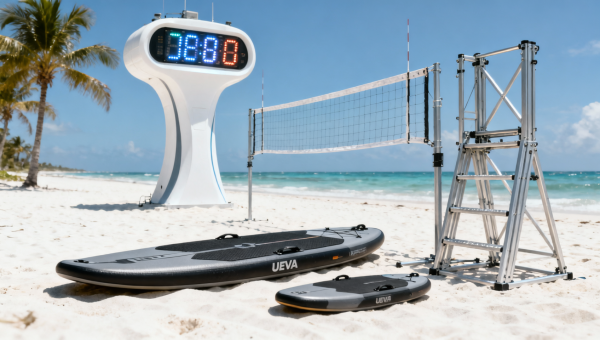
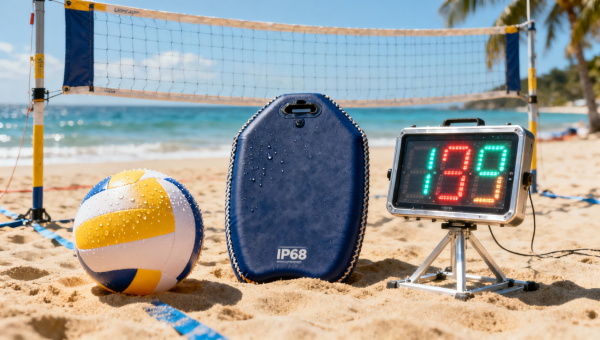
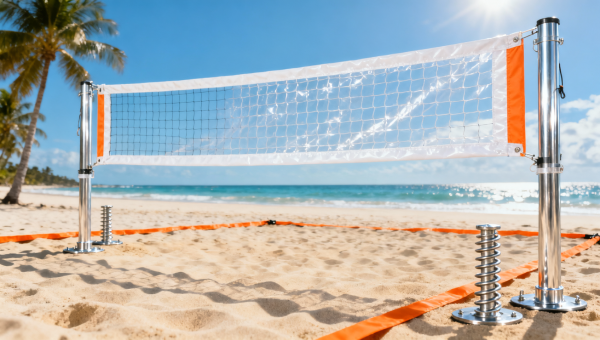
On April 28, 2026, China’s national team swept all gold medals in open-water swimming at the Sanya Asian Beach Games — a milestone event that has triggered measurable shifts in export inquiries for commercial beach sports equipment, particularly across Middle Eastern markets. Exporters in Ningbo and Xiamen report sharp demand spikes for UV-stable EVA buoyancy boards, foldable beach volleyball pole systems, and salt-fog-resistant LED timing towers — signaling tangible ripple effects for manufacturers, suppliers, and compliance service providers serving the outdoor recreation equipment supply chain.
Event Overview
On April 28, 2026, the open-water swimming competitions concluded at the Sanya Asian Beach Games. The Chinese delegation won all available gold medals in this discipline. According to verified data from multiple beach sports equipment exporters based in Ningbo and Xiamen, inbound inquiry volume from procurement entities in Saudi Arabia, the United Arab Emirates, and Qatar increased by 210% over the prior 24-hour period. Inquiries specifically requested ISO 4892-3 (light aging) test reports and ASTM F1487-22 (playground equipment safety) certification for selected products.
Industries Affected by This Development
Direct Export Trading Enterprises
These firms face immediate pressure to validate product compliance documentation for high-priority export destinations. The surge reflects not just seasonal demand but buyer-driven insistence on standardized safety and durability evidence — especially for UV exposure and marine corrosion resistance.
Raw Material Suppliers (e.g., EVA foam, marine-grade aluminum, UV-stabilized polymers)
Increased downstream demand for certified components may tighten lead times or prompt tier-one buyers to request pre-validated material certifications. Suppliers with existing ISO 4892-3 or ASTM-compliant material test data are likely to gain short-term advantage in quotation cycles.
Contract Manufacturers & OEM Producers
Manufacturers producing beach volleyball systems, floating training aids, or timing infrastructure must now align production workflows with traceable compliance testing — not only for finished goods but also for sub-assemblies. The emphasis on salt-fog resistance and UV stability implies stricter process controls during coating, welding, and polymer formulation stages.
Supply Chain Compliance & Testing Service Providers
Laboratories and third-party certification bodies offering ISO 4892-3 accelerated weathering tests or ASTM F1487-22 safety assessments may see elevated service requests — particularly those with regional accreditation recognized by Gulf Cooperation Council (GCC) import authorities.
What Relevant Businesses or Practitioners Should Focus On Now
Monitor official procurement timelines and tender specifications from GCC National Olympic Committees
While current inquiries reflect early-stage interest, formal tenders for venue setup or national training programs — if issued — would carry binding technical annexes. Tracking such documents helps distinguish speculative inquiry from actionable opportunity.
Prioritize verification of existing product certifications against target market requirements
ISO 4892-3 and ASTM F1487-22 are necessary but not always sufficient; GCC countries may require additional conformity marks (e.g., SASO, ESMA). Cross-checking current test reports against local regulatory acceptance criteria avoids delays during customs clearance.
Prepare documentation packages for rapid response to RFI/RFPs
Buyers explicitly asked for test reports and safety certifications within 24 hours of inquiry. Having pre-organized, version-controlled compliance dossiers — including lab report scans, certificate validity dates, and scope-of-testing summaries — reduces response latency and strengthens credibility.
Assess inventory readiness for high-inquiry SKUs without assuming sustained volume
The 210% increase is measured over one day and concentrated among three Gulf markets. It does not yet indicate long-term order conversion. Maintaining buffer stock for top-requested items (e.g., EVA buoyancy boards, foldable poles) is prudent — but scaling production without confirmed POs carries working capital risk.
Editorial Perspective / Industry Observation
Observably, this development functions more as a near-term signal than an established trend. The spike coincides precisely with medal outcomes and reflects buyer attention shifting toward sport-specific infrastructure aligned with regional hosting ambitions — not broad-based consumer demand. Analysis shows the pattern is consistent with past behavior following multi-sport events in emerging markets: initial inquiry surges often precede formal public tenders by 3–6 months. From an industry perspective, the emphasis on photostability and corrosion resistance suggests growing sophistication among Gulf purchasers — moving beyond aesthetics toward verifiable performance under harsh environmental conditions. Continued monitoring is warranted, but the current data point remains preliminary and geographically narrow.
This incident underscores how elite sporting results can catalyze downstream industrial activity — not through direct policy, but via buyer confidence and specification alignment. It highlights the growing importance of internationally recognized durability and safety standards as de facto market access requirements in select export corridors. Current evidence supports interpreting this as an early indicator — not yet a structural shift — in beach sports equipment trade flows to the Middle East.
Information Sources: Verified export inquiry data from Ningbo- and Xiamen-based beach sports equipment exporters; publicly reported competition results from the Sanya Asian Beach Games Organizing Committee (April 28, 2026); referenced international standards ISO 4892-3:2013 and ASTM F1487-22. Note: Tender issuance status, contract award details, and long-term order conversion rates remain unconfirmed and require ongoing observation.
Search News
Hot Articles
Popular Tags
Need ExpertConsultation?
Connect with our specialized leisureengineering team for procurementstrategies.
Recommended News
 Apr 29, 2026Asian Beach Games Boost Demand for UV-Resistant Beach Sports EquipmentUV-resistant beach sports equipment demand surges after China's gold sweep at Sanya Asian Beach Games—key for exporters targeting Middle East markets.● Theme Park Strategist
 Apr 28, 2026Asia Beach Games Boost Export Inquiries for Commercial Sand Sports EquipmentCommercial sand sports equipment exporters see 210% surge in inquiries amid Asia Beach Games—IP68, ISO 22301 & maritime packaging demand spikes from KSA, UAE, Indonesia, Thailand.● Theme Park Strategist
 Apr 27, 2026Asia Beach Games Boost Demand for Portable Sand Sports EquipmentPortable sand sports equipment demand surges 217% amid Asia Beach Games—discover UV-resistant, anchor-stable volleyball & soccer systems for export.● Theme Park Strategist
 Apr 26, 2026China FA Warns Nanjing City Over Fan Conduct; Security Compliance Tightens for International MatchesChina FA warns Nanjing City over fan conduct—key alert for venues, security providers & tech integrators ahead of June 30, 2026 compliance deadline.● Theme Park Strategist
 Apr 25, 2026China FA Warns Nanjing City Over Fan Conduct, Ups Security RulesChina FA warns Nanjing City over fan conduct—new AI security, drone countermeasures & spectrum monitoring now mandated for AFC matches.● Theme Park Strategist
 Apr 24, 2026China FA Warns Nanjing City Over Fan Conduct; ISO 20785 Compliance AcceleratesISO 20785 compliance accelerates as China FA warns Nanjing City over fan conduct—key for sports security integrators targeting Middle East & SEA tenders.● Theme Park Strategist
 Apr 28, 2026How Long Does Amusement Equipment Really Stay Profitable?Amusement equipment profitability lasts 5–12 years. Compare lifecycle ROI with park benches, luxury furniture, hotel beds, custom furniture, hotel furniture, hotel chairs, hotel tables, and hotel equipment.● Theme Park Strategist
 Apr 24, 2026How to Source Park Trash Cans That LastPark trash cans sourcing guide: compare durable materials, supplier options, capacity, and lifecycle cost for playground planning, hospitality procurement, and safer outdoor spaces.● Theme Park Strategist
 Apr 24, 2026Park Trash Cans: What Specs Matter Most?Park trash cans buying guide: compare material, capacity, maintenance, and safety specs for playground planning, playground surfacing, and hospitality procurement projects.● Theme Park Strategist
 Apr 24, 2026What to Check Before Buying Amusement EquipmentAmusement equipment buyers: check playground safety, playground borders, playground climbers, and sensory playground features before purchase to reduce risk and improve long-term value.● Theme Park Strategist
 Apr 24, 2026Amusement Equipment: Buy New or Used?Amusement equipment buying guide: compare new vs. used options for playground climbers, playground borders, sensory playground design, and playground safety to reduce risk and improve ROI.● Theme Park Strategist
 Apr 23, 2026Amusement Equipment Upgrades That Change Guest ExperienceAmusement equipment upgrades improve guest experience with sensory playground features, playground climbers, playground safety, playground borders, and smart commercial furniture solutions.● Theme Park Strategist
 Apr 23, 2026Amusement Equipment Safety Issues Often Missed at InstallAmusement equipment and playground safety start at install. Learn how sensory playground, playground borders, and playground climbers affect compliance, durability, and safer commercial projects.● Theme Park Strategist
 Apr 25, 2026Theme Park Rides That Cut MaintenanceTheme park rides that cut maintenance: compare durable theme park rides, playground structures, inclusive playground and playground swings for leisure park projects. Learn how smart materials and supplier support reduce downtime and lifecycle costs.● Theme Park Strategist
 Apr 25, 2026How to Plan a Profitable Leisure ParkLearn how to build a profitable leisure park with smart theme park rides, inclusive playground design, playground structures, catering equipment, custom furniture, hotel beds, and more.● Theme Park Strategist
 Apr 23, 2026Playground Swings for Parks or SchoolsPlayground swings for parks or schools: compare durable playground structures, inclusive playground options, and leisure park solutions with expert sourcing tips for safer, smarter buying.● Theme Park Strategist
 Apr 22, 2026How to Compare Theme Park RidesCompare theme park rides for safety, capacity, and ROI in a leisure park, while aligning playground structures, inclusive playground zones, and playground swings with smarter sourcing.● Theme Park Strategist
 Apr 22, 2026Is a Leisure Park Worth the InvestmentLeisure park investment guide: compare theme park rides, playground structures, inclusive playground design, swings, soundproofing materials, and custom furniture for stronger returns.● Theme Park Strategist
 Apr 22, 2026Adventure Playground Ideas That Work in Small Outdoor SpacesAdventure playground ideas for small outdoor spaces: compare layouts, indoor playground and trampoline park concepts, plus arcade games and musical instruments features to boost family appeal.● Theme Park Strategist
 Apr 22, 2026Adventure Playground Features That Improve Safety Without Feeling BoringAdventure playground and indoor playground safety features that keep fun high—compare trampoline park layouts, arcade games, and smart design tips for safer, more engaging venues.● Theme Park Strategist
 Apr 20, 2026China's Smart Timing System Gains ITU Certification at Shanghai Bike EventChina's smart timing system wins ITU-T L.1800 certification — the first Chinese sports timing platform approved for UCI-accredited cycling events. Discover how it reshapes reliability, security & global competitiveness in sports tech.● Theme Park Strategist
 Apr 18, 20262026 Shanghai Sailing Open Adopts Domestic Smart Timing System2026 Shanghai Sailing Open adopts China's first ITU-R M.2412–certified smart timing system — a game-changer for marine sports exporters, integrators & event organizers worldwide.● Theme Park Strategist
 Apr 18, 2026EN 1176-7:2026 Enforced: AI Behavior Recognition Mandatory for EU Outdoor Play EquipmentEN 1176-7:2026 is now mandatory — AI behavior recognition required for EU outdoor play equipment. Ensure CE compliance, low-latency certification & market access before shipment.● Theme Park Strategist
 Apr 17, 2026Popular Badminton AI Protocol Launched in ChengduPopular Badminton AI protocol launched in Chengdu — a game-changer for smart sports hardware, VR simulators & outdoor ride manufacturers targeting Asian youth academies.● Theme Park Strategist