Hotel pool lounge chairs: materials that survive sun and chlorine
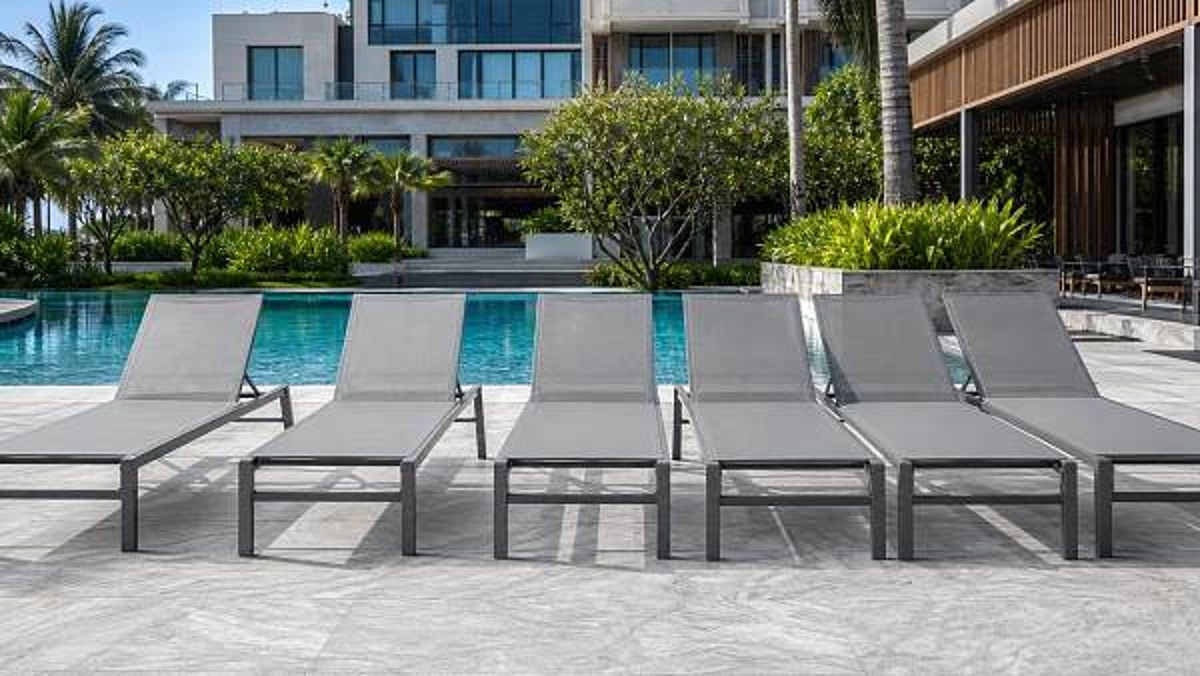
For procurement teams sourcing hotel pool lounge chairs, material performance is just as critical as appearance. Under constant UV exposure, chlorine, humidity, and heavy guest use, the wrong frame or fabric can quickly raise replacement costs and damage the guest experience. This guide explores the materials that deliver long-term durability, easier maintenance, and stronger value for hospitality buyers.
Why material selection for hotel pool lounge chairs is becoming a strategic procurement issue
A clear shift is taking place in hospitality purchasing. In the past, many buyers evaluated outdoor furniture largely through unit price, visual style, and lead time. Today, hotel pool lounge chairs are being judged more heavily by lifecycle durability, chemical resistance, brand consistency, and maintenance burden. This change is not cosmetic. It reflects pressure from rising replacement costs, stricter guest expectations, and the growing importance of outdoor leisure zones as revenue-supporting experience spaces.
For resorts, business hotels, wellness properties, and mixed-use hospitality projects, the pool deck has moved from a secondary amenity to a visible part of the guest journey. Guests notice fading frames, cracked slings, rust stains, and unstable reclining mechanisms immediately. As a result, buyers are looking beyond “outdoor rated” claims and asking more detailed questions: Which materials hold up best under UV? Which finishes tolerate chlorine splash and salt air? Which fabrics dry quickly without losing color or shape? Which construction choices reduce service calls and premature replacement?
This trend matters for procurement because hotel pool lounge chairs operate in one of the harshest commercial furniture environments. Sunlight attacks color and polymers. Chlorine affects finishes, fasteners, and fabrics. Humidity promotes corrosion and mildew. High guest turnover adds impact, dragging, stacking stress, and constant cleaning. The result is simple: material choices now have a direct effect on operating cost, guest satisfaction, and asset planning.
The market signal: buyers are moving from decorative outdoor furniture to performance-driven specifications
One of the most important signals in the market is the move toward specification-based sourcing. Procurement teams increasingly prefer hotel pool lounge chairs with documented material standards, commercial-grade test data, replaceable components, and clearer warranty terms. This is especially true in projects managed by hospitality groups, procurement companies, designers, and ownership teams that track total cost over several seasons.
Another visible change is the narrowing gap between design-led and operations-led buying. In earlier cycles, a project might prioritize a fashionable silhouette and address durability later. Now, more buyers want both. They expect the chair to support a premium look while surviving pool chemicals, intensive cleaning, and long UV exposure. That is pushing demand toward better engineered aluminum frames, marine-grade polymers, quick-dry mesh, solution-dyed textiles, and corrosion-resistant hardware.
What is driving the change in hotel pool lounge chairs specifications
Several forces are pushing buyers to rethink material selection. First, hospitality assets are under pressure to stay visually fresh for longer periods without constant capex. Replacing dozens or hundreds of hotel pool lounge chairs every short cycle is difficult to justify when labor, freight, and installation costs keep rising.
Second, guest expectations have become less forgiving. Outdoor relaxation areas are featured in brand photography, guest reviews, and social content. A faded sling or chipped frame now damages the perceived quality of the entire property, not just the furniture package.
Third, housekeeping and engineering teams want simpler maintenance. Materials that trap moisture, stain easily, overheat, or require frequent refinishing create hidden operational costs. Procurement teams therefore increasingly ask operational users to participate in product evaluation earlier in the sourcing cycle.
Finally, outdoor furniture suppliers have improved their technical offerings. The market now provides better powder-coated aluminum, more stable resin compounds, better-performing sling fabrics, and improved fastener systems. That means buyers no longer need to choose between longevity and appearance as often as they once did.
Which materials are proving most resilient under sun and chlorine
For hotel pool lounge chairs, no single material wins in every scenario. The strongest choice depends on climate, brand positioning, maintenance capability, and expected guest traffic. Still, certain materials consistently perform better in chlorine-heavy poolside settings.
Powder-coated aluminum frames
Commercial buyers continue to favor powder-coated aluminum because it offers a strong balance of corrosion resistance, manageable weight, modern aesthetics, and stackability options. Quality matters, however. Better hotel pool lounge chairs use thicker aluminum profiles, stronger welds, and high-grade outdoor coatings that resist blistering, peeling, and chalking. In many hospitality projects, aluminum remains the most reliable mainstream frame choice.
High-performance resin and polypropylene blends
Advanced resin chairs have gained traction because they resist chlorine, moisture, and rust while requiring very little maintenance. They are especially useful for high-turnover properties, family resorts, and environments where furniture is moved frequently. The key distinction is resin quality. Low-grade plastic may become brittle, fade quickly, or deform under heat. UV-stabilized commercial-grade compounds perform far better and deserve closer specification review.
Sling mesh and solution-dyed outdoor fabrics
For comfort surfaces, breathable sling mesh remains one of the most practical choices for hotel pool lounge chairs. It drains quickly, dries fast, and generally handles wet swimwear better than padded upholstery. Solution-dyed fabrics also offer strong colorfastness because pigment is integrated into the fiber, not just applied on the surface. For buyers, this means lower fading risk and a cleaner appearance over time.
Teak and wood-look alternatives
Natural teak still appeals to luxury properties, but it requires a realistic maintenance plan. In chlorinated environments, wood can remain beautiful, yet it will weather, shift in tone, and demand ongoing care if the original appearance must be preserved. Many buyers are therefore considering wood-look aluminum or engineered alternatives that deliver upscale visual warmth with lower upkeep.
Stainless steel hardware and connection points
Even the best frame or fabric can fail if the hardware corrodes. Fasteners, adjustment joints, and hidden connectors are often the weak point in hotel pool lounge chairs. Buyers should pay close attention to stainless steel quality, protective isolation between dissimilar metals, and the accessibility of replacement parts. This detail is increasingly recognized as a make-or-break factor in long-term performance.
Not all materials fail the same way: understanding the real operational impact
A useful procurement shift is moving from “which material is best” to “how does this material fail in our environment.” Some materials fade before they structurally weaken. Others stay attractive but corrode internally. Some surfaces remain strong yet become too hot for guest comfort. A practical sourcing decision should assess not only lifespan, but also the type of visible deterioration guests will notice first.
How the change affects procurement teams, operators, and suppliers
For procurement teams, the biggest impact is a more technical evaluation process. Buyers of hotel pool lounge chairs need supplier answers on coating systems, UV stability, replaceable sling availability, testing history, and hardware protection. The sourcing conversation is becoming closer to asset management than simple furniture purchasing.
For operations teams, material quality influences labor hours. Chairs that are easy to clean, quick to dry, and resistant to staining reduce workload and improve readiness during peak occupancy periods. For brand and design teams, better materials preserve visual consistency across multiple seasons, which is increasingly important for premium properties and chain standards.
For suppliers, the shift means product listings alone are no longer enough. Stronger suppliers of hotel pool lounge chairs are differentiating through technical transparency, commercial project references, finish options suited to local climates, and spare-part support. In other words, the market is rewarding documented performance, not just attractive catalogs.
What procurement teams should examine before committing to hotel pool lounge chairs
The next step is not simply choosing aluminum over resin or sling over cushions. It is aligning the specification to the operating reality of the property. Buyers should compare climate exposure, pool chemistry, service routines, and expected guest profile before final approval.
- Confirm whether the property faces chlorine only or a mix of chlorine, salt air, and intense UV.
- Review frame material thickness, coating quality, and corrosion protection details.
- Check whether fabrics are solution-dyed, quick-drying, and easy to replace.
- Ask about hardware grade, reclining mechanism durability, and spare-part availability.
- Evaluate surface temperature, cleanability, stackability, and storage efficiency.
- Compare total cost over several seasons rather than relying on purchase price alone.
The next trend to watch: lifecycle thinking will shape future hotel pool lounge chairs sourcing
Looking ahead, the strongest direction in this category is lifecycle-based specification. Buyers are increasingly likely to favor hotel pool lounge chairs that support long service intervals, modular repair, finish consistency, and predictable maintenance planning. This trend aligns with broader commercial purchasing behavior across hospitality, education, leisure, and other experience-driven sectors where visible assets must work harder for longer.
That does not mean every project should buy the most premium product. It means every project should buy the most appropriate material system for its exposure conditions and brand goals. For some properties, commercial-grade resin may deliver the best value. For others, powder-coated aluminum with advanced sling fabric may be the right long-term answer. In luxury settings, teak may still make sense if the maintenance plan and ownership expectations are aligned from the start.
Final judgment: what to verify now before the wrong material becomes a recurring cost
The real procurement lesson is that hotel pool lounge chairs should no longer be treated as a simple outdoor furniture line item. They are high-contact commercial assets exposed to chemical stress, intense sunlight, and constant public use. Material choices now influence durability, maintenance labor, guest perception, and replacement budgeting more directly than many buyers assumed in the past.
If your team wants to judge which hotel pool lounge chairs fit your property best, focus on a few core questions: What failure pattern can your operation tolerate least? Which material performs best in your exact climate and pool environment? Can the supplier support replacement parts and finish continuity? And does the expected service life justify the upfront cost? These are the questions that turn a furniture purchase into a smarter commercial sourcing decision.
Search News
Hot Articles
Popular Tags
Need ExpertConsultation?
Connect with our specialized leisureengineering team for procurementstrategies.
Recommended News
 May 03, 2026Hotel pool lounge chairs: materials that survive sun and chlorineHotel pool lounge chairs buying guide: compare aluminum, resin, sling, and hardware materials that resist sun, chlorine, and heavy use for longer life and lower maintenance.● Hospitality Sourcing Dir
 May 03, 2026Outdoor rattan dining sets: which weave lasts in commercial useOutdoor rattan dining sets: discover which commercial weave lasts longest. Compare flat vs half-round options for durability, cleaning efficiency, and lower lifecycle cost.● Hospitality Sourcing Dir
 May 03, 2026Commercial patio umbrellas need more than UV fabric outdoorsCommercial patio umbrellas need more than UV fabric. Discover how wind stability, corrosion resistance, frame strength, and maintenance impact safer, longer-lasting outdoor projects.● Hospitality Sourcing Dir
 May 02, 2026Folding event tables that stay stable on uneven banquet floorsFolding event tables that stay stable on uneven banquet floors help reduce wobble, speed setup, and improve guest experience. Discover key features buyers should compare.● Hospitality Sourcing Dir
 May 02, 2026Banquet chairs wholesale: stacking height can change storage costsBanquet chairs wholesale decisions should consider stacking height, because smarter storage, faster handling, and lower transport costs can significantly improve long-term venue profitability.● Hospitality Sourcing Dir
 May 02, 2026When wholesale melamine plates look premium and when they do notWholesale melamine plates can look refined or cheap. Learn how finish, weight, design, and supplier quality affect premium appeal before you source for hospitality or retail.● Hospitality Sourcing Dir
 May 01, 2026Restaurant Booth Seating That Saves Space Without Feeling TightRestaurant booth seating that saves space without feeling cramped—discover smart dimensions, durable specs, and layout tips to boost comfort, traffic flow, and revenue.● Hospitality Sourcing Dir
 May 01, 2026How to Choose Commercial Bar Stools for High-Traffic VenuesCommercial bar stools for high-traffic venues: learn how to compare durability, safety, comfort, maintenance, and supplier reliability to choose seating that lasts and performs.● Hospitality Sourcing Dir
 Apr 28, 2026Why Hotel Tables Often Fail at Edges, Bases, and Surface FinishHotel tables often fail at edges, bases, and surface finish. Compare hotel furniture, custom furniture, luxury furniture, hotel chairs, hotel beds, and hotel equipment before you buy.● Hospitality Sourcing Dir
 Apr 28, 2026Hotel Tables With Stone Tops or Wood Tops: Which Performs Better?Hotel tables with stone tops or wood tops? Compare ROI, durability, and style across hotel furniture, custom furniture, hotel chairs, and hotel beds to choose smarter.● Hospitality Sourcing Dir
 Apr 28, 2026The Best Hotel Chairs Balance Comfort, Stackability, and DurabilityHotel chairs that balance comfort, stackability, and durability. Explore hotel furniture, custom furniture, hotel tables, hotel beds, and luxury furniture solutions for hospitality buyers.● Hospitality Sourcing Dir
 Apr 28, 2026Hotel Chairs: What Causes Wobbling, Cracks, and Early Wear?Hotel chairs buying guide: learn what causes wobbling, cracks, and early wear, and how to compare hotel furniture, custom furniture, hotel tables, hotel beds, and luxury furniture for lasting value.● Hospitality Sourcing Dir
 Apr 21, 2026Hotel tables that stay stable on uneven flooringHotel tables that stay stable on uneven flooring: a practical guide for hospitality procurement covering hotel furniture, commercial furniture, luxury furniture, and specs that reduce wobble, risk, and maintenance.● Hospitality Sourcing Dir
 Apr 21, 2026Round or rectangular hotel tables for tighter layouts?Hotel tables for tight layouts: compare round vs rectangular hotel furniture for better flow, seating, and hospitality procurement decisions. Find the best fit for compact hotel room furniture.● Hospitality Sourcing Dir
 Apr 21, 2026Why hotel chairs fail early in banquet spacesHotel chairs in banquet spaces fail early due to stacking, impact, and weak specs. Learn how hotel furniture and commercial furniture choices cut costs and improve hospitality procurement.● Hospitality Sourcing Dir
 Apr 21, 2026Hotel chairs that look elegant and still hold upHotel chairs that blend luxury furniture appeal with commercial furniture durability. Discover how hotel furniture works with hotel tables, hotel desks, and hotel room furniture for smarter hospitality procurement.● Hospitality Sourcing Dir
 Apr 23, 2026How to Choose Commercial Furniture That LastsCommercial furniture buying guide for hotels, schools, and leisure venues—covering hotel tables, playground safety, sensory playgrounds, and durable amusement equipment.● Hospitality Sourcing Dir
 Apr 23, 2026When Commercial Furniture Fails in High-Traffic VenuesLearn why commercial furniture fails in busy venues and how to choose safer hotel tables, playground borders, sensory playground solutions, amusement equipment, and hotel equipment that last.● Hospitality Sourcing Dir
 Apr 20, 2026Hotel tables with edge seams that trap moisture and moldHotel tables, park benches & commercial furniture with mold-trapping edge seams? Discover seamless, moisture-resistant hotel furniture solutions—luxury, custom, and compliant.● Hospitality Sourcing Dir
 Apr 20, 2026Hotel chairs rated for 100,000 cycles—but tested how?Discover how top hotel chairs, park benches & commercial furniture are truly tested for 100,000 cycles—backed by BIFMA, EN & GB/T standards. Get verified luxury furniture insights.● Hospitality Sourcing Dir
 Apr 19, 2026Hotel tables that warp under daily cleaning chemicalsHotel tables, hotel chairs, hotel beds & park benches—discover why chemical warping fails luxury furniture & commercial furniture specs. Get expert OEM insights on durable hotel furniture & equipment.● Hospitality Sourcing Dir
 Apr 19, 2026Hotel chairs with hidden wear patterns no one tests forHotel chairs, luxury furniture & commercial furniture buyers: uncover hidden wear patterns in hotel chairs, hotel beds, and custom furniture—before failure hits ROI.● Hospitality Sourcing Dir
 Apr 18, 2026Custom furniture quoting errors—how small measurement gaps become big cost overrunsAvoid costly overruns: Fix custom furniture quoting errors before they derail hotel beds, theme park rides, playground structures & soundproofing materials.● Hospitality Sourcing Dir
 Apr 17, 2026Restaurant furniture that handles spills, scratches, and constant turnoverCommercial furniture built for spills, scratches & turnover—ideal for playground borders, sensory playgrounds, hotel tables, amusement equipment & more.● Hospitality Sourcing Dir