HuaiBA Basketball Court in Jinan Adopts Chinese Smart Flooring
On April 28, 2026, the HuaiBA street-level basketball league in Huaiyin District, Jinan City, launched a domestically developed smart sports flooring system — marking the first publicly confirmed municipal application of its kind in China to trigger formal SASO 5853 acoustic and impact absorption certification add-on testing in the Middle East. This development signals emerging demand shifts for ISO 20342-compliant intelligent flooring among Gulf importers, particularly affecting trade, manufacturing, and certification service providers active in sports infrastructure exports.
Event Overview
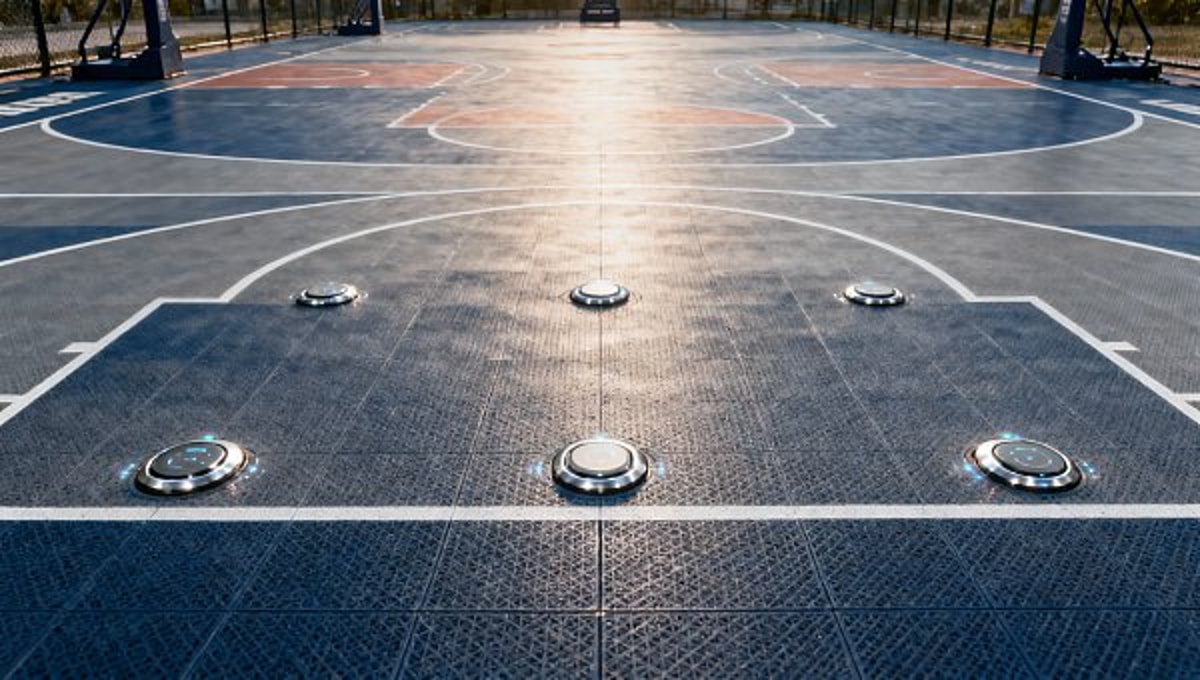
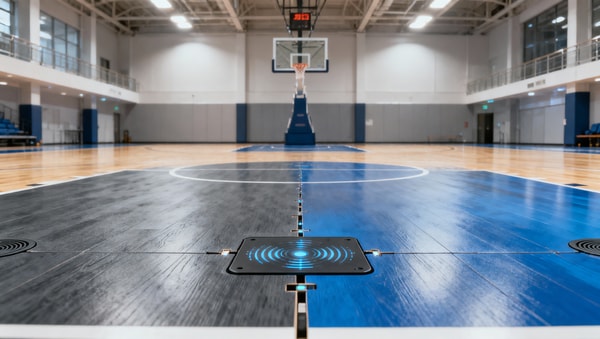
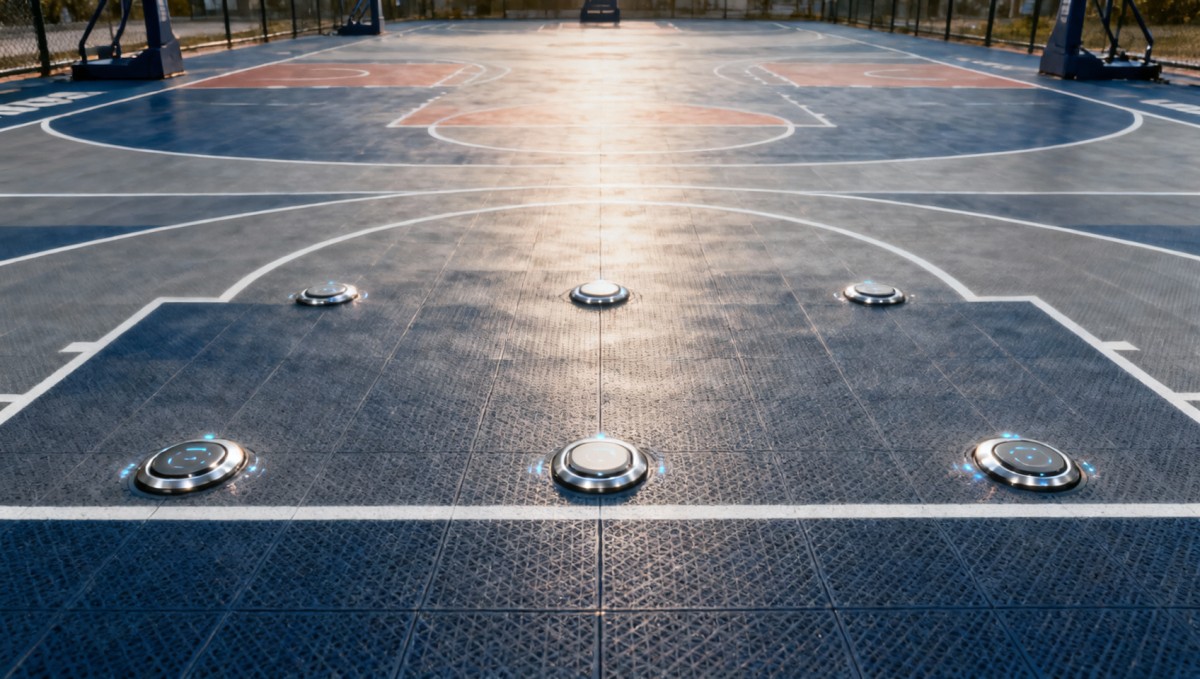
On April 28, 2026, the Huaiyin District government announced full deployment of a domestically produced smart sports flooring system for its ‘HuaiBA’ community basketball league. The system features real-time pressure monitoring and vibration feedback capabilities. Publicly confirmed information indicates that importers from the United Arab Emirates and Saudi Arabia have selected this project as a reference sample for supplementary SASO 5853 certification testing covering both acoustic performance and impact absorption. No further technical specifications, supplier names, or certification timelines beyond this scope have been officially disclosed.
Industries Affected by This Development
Direct Export Trading Companies
These firms may face increased pre-shipment compliance scrutiny. Since the HuaiBA project has become a recognized reference case for SASO 5853 dual-parameter testing, buyers in the GCC region are likely to request equivalent documentation — especially ISO 20342 conformance evidence — earlier in procurement cycles. Impact is most immediate for exporters targeting institutional sports facility tenders in Saudi Arabia and the UAE.
Manufacturers of Smart Sports Flooring Systems
Producers with existing ISO 20342 certification may see accelerated inquiry volume, but only if their products meet SASO 5853’s specific acoustic attenuation thresholds (e.g., ΔLw ≥ 15 dB) and impact absorption criteria (e.g., ≤ 55% HIC). Analysis shows that SASO 5853 requires separate validation for each floor thickness and subfloor configuration — meaning certified base models do not automatically qualify derivative variants.
Certification & Testing Service Providers
Third-party labs accredited for SASO 5853 testing — especially those offering combined acoustic + mechanical assessment — are likely to experience higher workload starting mid-May 2026. Observably, demand will concentrate on facilities capable of replicating field-installation conditions (e.g., concrete vs. wooden subfloors), not just lab-based sample testing.
Supply Chain & Logistics Operators
Forwarders and customs brokers handling sports flooring shipments to GCC countries should expect tighter documentation requirements post-May 2026, including bilingual (Arabic/English) test reports and SASO-accredited lab stamps. Current more relevant than general compliance readiness is verification of whether consignments include installation-specific test data — not just product-grade certificates.
What Relevant Enterprises or Practitioners Should Focus On Now
Monitor official SASO updates and importer communications through May 2026
The initial SASO 5853 add-on testing is scheduled to begin in mid-May. Any deviation from published test protocols — such as inclusion of new parameters or extended reporting formats — will directly affect documentation preparation timelines for upcoming tenders.
Prioritize verification of ISO 20342 alignment with SASO 5853 acoustic thresholds
ISO 20342 covers shock absorption and vertical deformation but does not specify acoustic metrics. From industry perspective, SASO 5853’s acoustic clause (Clause 6.3) introduces distinct measurement methods and pass/fail benchmarks. Firms should cross-check current test reports against SASO’s defined reverberation chamber setup and noise reduction index (Rw) requirements.
Distinguish between policy signal and commercial implementation
This event reflects a regulatory signal — not yet a market-wide mandate. SASO 5853 remains voluntary for non-governmental projects. Current more appropriate interpretation is that public-sector sports infrastructure programs in the GCC are beginning to treat it as a de facto benchmark, not that private gyms or schools must comply immediately.
Prepare subfloor-condition-specific test documentation now
Since SASO 5853 testing outcomes depend on installation context, manufacturers and exporters should compile test records for at least two common configurations: floating installation over concrete and direct glue-down over leveled wood. Waiting until order confirmation to generate these reports may delay shipment clearance.
Editorial Perspective / Industry Observation
This development is best understood as an early-stage regulatory signal — not a fully formed market shift. Observably, it reflects growing reliance by GCC importers on real-world municipal deployments as validation proxies when formal national standards for smart flooring remain under development. Analysis suggests the HuaiBA case matters less as a precedent for Chinese domestic regulation and more as a reference point accelerating due diligence in export markets where certification infrastructure is still maturing. Industry attention should focus on whether subsequent SASO test results are published, and whether they lead to inclusion of smart-flooring clauses in upcoming Saudi Vision 2030 sports infrastructure RFPs.
Conclusion
While limited to one municipal pilot and early-stage certification activity, the HuaiBA smart flooring deployment serves as a tangible indicator of evolving export compliance expectations — particularly for intelligent sports surfaces entering regulated Gulf markets. It does not yet represent a broad-based standard adoption, but rather a focal point where product certification, public procurement, and regional regulatory practice intersect. Current more suitable understanding is that this marks the beginning of a traceable pattern — not the endpoint of a completed transition.
Information Source
Primary source: Official announcement by Huaiyin District Government (April 28, 2026); secondary confirmation via GCC importer statements cited in domestic industry briefings. Pending observation: SASO 5853 test report publication timeline and any follow-up tender language referencing smart flooring performance criteria.
Search News
Hot Articles
Popular Tags
Need ExpertConsultation?
Connect with our specialized leisureengineering team for procurementstrategies.
Recommended News
 May 04, 2026HuaiBA Basketball Court in Jinan Adopts Chinese Smart FlooringHuaiBA Basketball Court in Jinan adopts Chinese smart flooring — a breakthrough for ISO 20342 & SASO 5853-compliant sports surfaces in GCC markets.● Theme Park Strategist
 May 03, 2026CBA Game Triggers SASO 5853 Acoustic Certification Demand for Smart Basketball FloorsCBA game sparks SASO 5853 acoustic certification demand for smart basketball floors—key for GCC exporters, labs & specifiers. Act now.● Theme Park Strategist
 May 03, 2026Raptors G6 Barrett Buzzer-Beater Triggers FCC Part 15B Re-Testing for Commercial Rim-Vibration ModulesRaptors G6 Barrett buzzer-beater exposed FCC Part 15B compliance gaps for commercial rim-vibration modules—urgent re-testing now required across US, CA, MX markets.● Theme Park Strategist
 May 02, 20262026 Jiujiang Guokong Cup Tennis Open Spurs ASEAN Demand for AI Ball MachinesAI ball machines surge 165% amid 2026 Jiujiang Guokong Cup — urgent ASEAN MRA certification needed for Thailand/Vietnam exports.● Theme Park Strategist
 May 02, 2026China's Speed Relay Record Boosts EN 15613-Compliant Climbing Gear ExportsEN 15613-compliant climbing gear exports surge 140% after China’s Dubai speed relay record—key insights for manufacturers, labs & logistics providers.● Theme Park Strategist
 May 01, 2026Playground Borders That Reduce Mess and Keep Zones ClearPlayground borders reduce mess, define activity zones, and improve maintenance control. Discover durable, site-smart solutions for safer, cleaner, more organized play areas.● Theme Park Strategist
 May 01, 2026Inclusive Playground Features Families Notice Right AwayInclusive playground features families notice first: step-free access, stable surfacing, sensory balance, and shared play. Use this practical guide to evaluate safer, truly welcoming spaces.● Theme Park Strategist
 May 01, 2026Toddler Playground Layout Mistakes That Limit Safe PlayToddler playground layout mistakes can quietly increase risk. Learn how better zoning, circulation, and visibility create safer, compliant play spaces for every project.● Theme Park Strategist
 May 01, 2026What Makes a Sensory Playground Feel Inclusive in Real UseSensory playground design feels truly inclusive when access, calm zones, shared play, and caregiver comfort work in real use. Discover what makes spaces more welcoming.● Theme Park Strategist
 May 01, 2026How Playground Swings Affect Safety Zones and Site PlanningPlayground swings shape safety zones, circulation, and site efficiency. Learn how to plan compliant, high-performing layouts that reduce redesign risk and improve project value.● Theme Park Strategist
 Apr 30, 2026CBA Game Sparks Southeast Asia Demand for Chinese Interactive Playground WallsCBA game sparks urgent demand for Chinese basketball-themed interactive playground walls across Southeast Asia—AR, pressure-sensor tech, SNI/IEC-certified.● Theme Park Strategist
 Apr 30, 2026Vietnam Mandates Anti-Pinch Sensors for Indoor Playground EquipmentAnti-pinch sensors now mandatory for indoor playground equipment in Vietnam — comply by July 1, 2026 to avoid customs rejection and market access delays.● Theme Park Strategist
 Apr 30, 2026When a playground consultant saves more than an in-house planPlayground consultant advice can prevent costly design errors, compliance gaps, and vendor mistakes. See when expert support beats an in-house plan and protects budget.● Theme Park Strategist
 Apr 30, 2026A smarter playground layout starts with traffic flowPlayground layout starts with traffic flow. Discover how smarter circulation improves safety, accessibility, capacity, and long-term commercial performance.● Theme Park Strategist
 Apr 30, 2026Playground certification steps that delay launch datesPlayground certification delays can add weeks to launch dates. Learn the key bottlenecks, hidden compliance risks, and practical steps to keep projects on schedule.● Theme Park Strategist
 Apr 30, 2026Playground climbers that keep kids challenged without bottlenecksPlayground climbers that reduce bottlenecks keep more kids engaged, improve flow, and suit schools, resorts, parks, and leisure venues. Learn what to specify before you buy.● Theme Park Strategist
 Apr 30, 2026What playground inspection reports often reveal too latePlayground inspection reports often reveal hidden risks too late. Learn how to catch design, installation, and safety issues earlier to avoid delays, rework, and costly project setbacks.● Theme Park Strategist
 Apr 30, 2026Playground accessibility details that change real usabilityPlayground accessibility details shape real usability beyond ramps. Explore transfer points, sensory zones, sightlines, and circulation tips that help buyers choose truly inclusive play spaces.● Theme Park Strategist
 Apr 30, 2026Playground shade structures that improve comfort in hot seasonsPlayground shade structures improve comfort, safety, and usability in hot seasons. Explore smart, durable solutions for schools, parks, and commercial projects.● Theme Park Strategist
 Apr 30, 2026Commercial slides and the maintenance issues often overlookedCommercial slides often fail on maintenance, not design. Learn the overlooked wear, cleaning, access, and compliance issues that affect safety, uptime, and long-term cost.● Theme Park Strategist
 Apr 30, 2026Why playground theme matters more than many layouts suggestPlayground theme shapes engagement, brand value, and repeat visits more than many layouts suggest. Learn how to choose the right concept for hotels, malls, and family venues.● Theme Park Strategist
 Apr 30, 2026Outdoor play structures that stay engaging across age groupsOutdoor play structures that engage ages 2–12: discover how schools, parks, and resorts can choose safer, durable, multi-age designs that boost replay value and buyer confidence.● Theme Park Strategist
 Apr 30, 2026Choosing a playground contractor without missing red flagsPlayground contractor selection made smarter: learn how to spot red flags early, reduce safety and cost risks, and choose a reliable partner with confidence.● Theme Park Strategist
 Apr 30, 2026Playground planning errors that create costly redesigns laterPlayground planning mistakes can trigger costly redesigns, delays, and compliance issues. Learn how to avoid common risks and deliver safer, smarter projects on budget.● Theme Park Strategist