CBA Game Triggers SASO 5853 Acoustic Certification Demand for Smart Basketball Floors
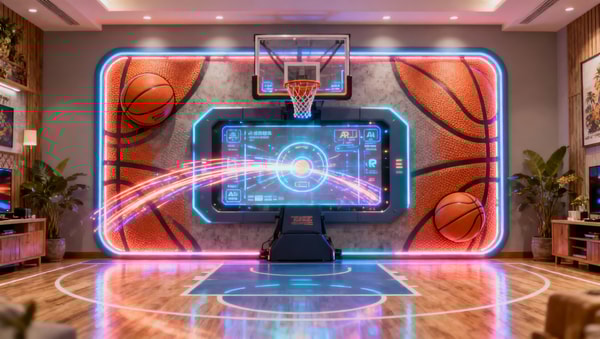
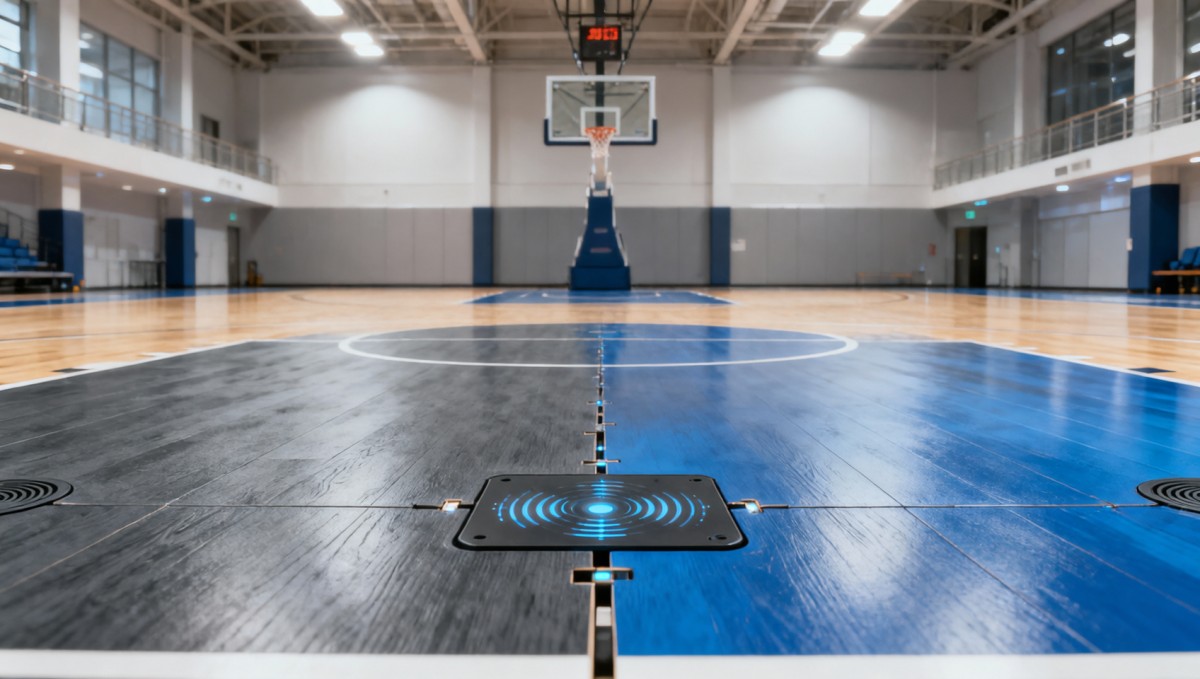
On May 2, 2026, a CBA playoff match—Shanxi 97–94 Qingdao—drew attention from an UAE sports venue procurement delegation due to the venue’s use of domestically produced smart shock-absorbing basketball flooring with embedded pressure sensing and acoustic feedback modules. This event signals emerging compliance requirements for commercial sports flooring exports to Gulf markets—particularly under the newly effective SASO SASO 5853:2026 standard—making acoustic performance certification a new operational consideration for flooring exporters, testing labs, and supply chain stakeholders.
Event Overview
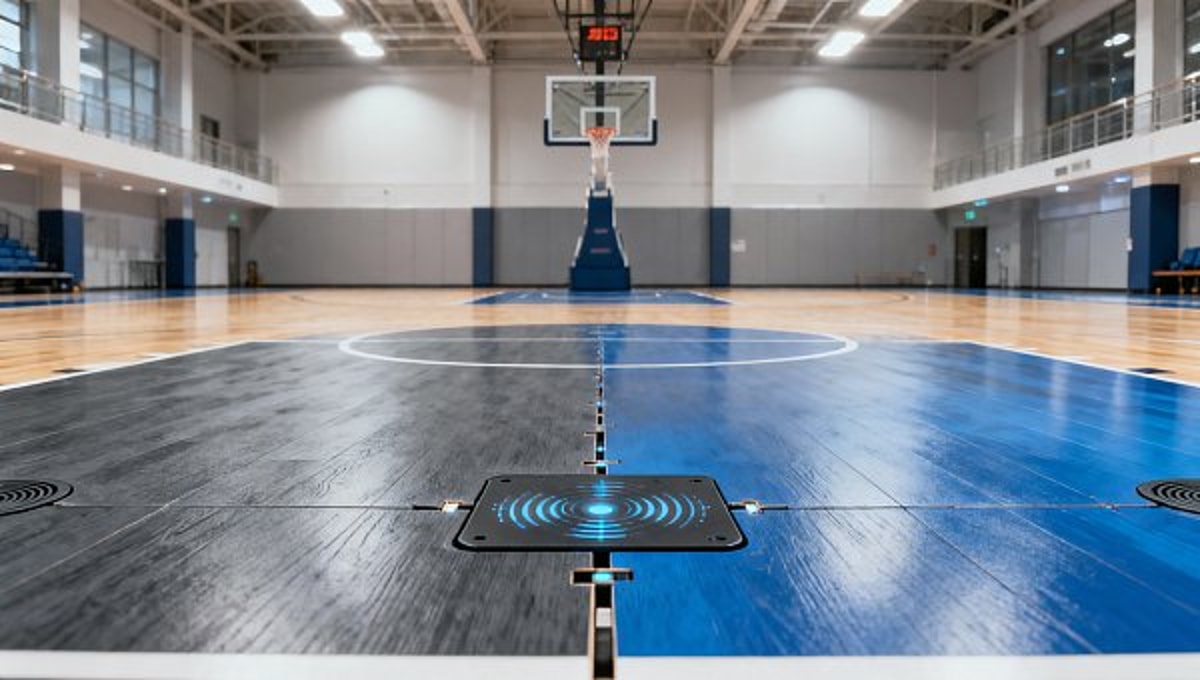
On May 2, 2026, Shanxi Basketball Team defeated Qingdao at home in a CBA playoff game (97–94). The venue used a Chinese-made intelligent basketball floor featuring integrated pressure-sensing and acoustic feedback functionality. Following the match, an Emirati sports venue procurement delegation expressed interest in the product. In response to SASO’s updated standard SASO 5853:2026—which introduces a new limit of ‘impact noise ≤35 dB(A)’—the client requested full-frequency acoustic test reports issued by an accredited third-party laboratory.
Industries Affected
Direct Exporters of Commercial Sports Flooring
Exporters targeting Gulf Cooperation Council (GCC) markets—especially UAE, Saudi Arabia, and Qatar—are now subject to mandatory acoustic verification beyond structural or safety certifications. The requirement stems not from general market preference but from enforceable regulatory language in SASO 5853:2026, meaning pre-shipment compliance documentation must include validated noise attenuation data across all relevant frequency bands (e.g., 63 Hz–8 kHz).
Manufacturers of Integrated Smart Flooring Systems
Producers embedding sensors or active feedback mechanisms into sports floors face dual-layer verification: functional interoperability (e.g., sensor accuracy, latency) and passive acoustic performance (e.g., impact transmission loss). SASO 5853:2026 does not distinguish between ‘smart’ and ‘conventional’ flooring—the noise limit applies uniformly. As a result, acoustic design must be factored into R&D and prototyping stages, not treated as a post-production add-on.
Third-Party Testing & Certification Service Providers
Laboratories accredited for ISO/IEC 17025 must now verify capability for impact noise measurement per ISO 140-6 and ISO 717-2, including calibrated impact hammers and reverberation chamber protocols. The request for ‘full-frequency test reports’ implies demand for octave-band or 1/3-octave analysis—not just A-weighted single-value summaries—raising technical and reporting thresholds for service providers serving export clients.
Sports Facility Design & Procurement Consultants
Consultants specifying flooring for GCC-based projects must now explicitly reference SASO 5853:2026 acoustic limits in tender documents and technical specifications. Absence of this clause may lead to rejection during customs clearance or project handover, even if structural or fire-safety certifications are complete.
What Enterprises and Practitioners Should Focus On Now
Monitor Official SASO Interpretive Guidance
SASO 5853:2026 entered force on January 1, 2026, but formal guidance on test methodology, sampling rules, and acceptable lab accreditation scopes remains pending. Stakeholders should track updates via SASO’s official portal and Gulf Standardization Organization (GSO) bulletins—not rely solely on distributor interpretations.
Prioritize Full-Frequency Impact Noise Testing for High-Profile Export SKUs
Given the UAE procurement delegation’s direct engagement, products already marketed as ‘smart’, ‘intelligent’, or ‘acoustically optimized’—even without explicit noise claims—face higher scrutiny. Exporters should proactively commission full-frequency impact noise tests for such SKUs ahead of formal orders, especially where embedded electronics may alter vibration damping behavior.
Distinguish Between Regulatory Signal and Enforceable Requirement
The current request reflects a client-driven specification, not yet a documented customs enforcement action. While SASO 5853:2026 is legally binding, its implementation timeline for sports flooring remains unannounced. Companies should treat this as an early indicator—not immediate mandate—for non-GCC markets, but prepare documentation readiness for GCC-bound shipments.
Align Internal Technical Documentation with SASO 5853 Reporting Conventions
Test reports must specify measurement conditions (e.g., subfloor type, load mass, drop height), instrumentation calibration status, and conformity statements referencing SASO 5853:2026 Clause 5.3. Internal QA teams should audit existing report templates to ensure alignment before engaging external labs.
Editorial Observation / Industry Perspective
Observably, this incident functions less as an isolated procurement query and more as a leading-edge signal of regulatory convergence: performance standards for sports infrastructure are expanding beyond mechanical durability and slip resistance into quantifiable environmental metrics—including noise emission. Analysis shows that SASO 5853:2026 represents a deliberate shift toward harmonizing GCC building product regulations with EU Construction Products Regulation (CPR) Annex ZA frameworks, particularly around acoustic classification (e.g., EN ISO 140-8). From an industry perspective, it is not yet a widespread enforcement trigger—but it is a clear inflection point where acoustic engineering transitions from optional differentiator to baseline export prerequisite for premium commercial flooring in regulated Gulf markets.
Conclusion
This event underscores a broader trend: international sports infrastructure standards are increasingly incorporating measurable acoustic performance criteria—not only for residential or mixed-use buildings, but for dedicated athletic venues. It is best understood not as an immediate barrier, but as a timely prompt for exporters, manufacturers, and certifiers to audit their acoustic testing readiness, update technical documentation protocols, and engage early with SASO-accredited laboratories—particularly when marketing smart or high-damping flooring systems to GCC buyers.
Information Sources
- CBA official match records (May 2, 2026)
- SASO SASO 5853:2026 “Acoustic Requirements for Sports Flooring – Impact Noise Limit” (effective January 1, 2026)
- Public statement from UAE sports venue procurement delegation (reported May 2, 2026; no official transcript released)
Note: SASO’s official interpretation of testing scope, enforcement date for sports flooring categories, and acceptance criteria for foreign-accredited labs remain under observation.
Search News
Hot Articles
- Pro Stage AudioPremier League Fan Screen Export: FCC/ISED Dual Testing DelayMay 03, 2026
- Indoor PlaygroundCBA Game Triggers SASO 5853 Acoustic Certification Demand for Smart Basketball FloorsMay 03, 2026
- Hotel Room AmenitiesAC Milan’s Smart Locker Room Procurement Triggers UNI 11743 Compliance ReviewMay 03, 2026
Popular Tags
Need ExpertConsultation?
Connect with our specialized leisureengineering team for procurementstrategies.
Recommended News
 May 03, 2026CBA Game Triggers SASO 5853 Acoustic Certification Demand for Smart Basketball FloorsCBA game sparks SASO 5853 acoustic certification demand for smart basketball floors—key for GCC exporters, labs & specifiers. Act now.● Theme Park Strategist
 May 03, 2026Raptors G6 Barrett Buzzer-Beater Triggers FCC Part 15B Re-Testing for Commercial Rim-Vibration ModulesRaptors G6 Barrett buzzer-beater exposed FCC Part 15B compliance gaps for commercial rim-vibration modules—urgent re-testing now required across US, CA, MX markets.● Theme Park Strategist
 May 02, 20262026 Jiujiang Guokong Cup Tennis Open Spurs ASEAN Demand for AI Ball MachinesAI ball machines surge 165% amid 2026 Jiujiang Guokong Cup — urgent ASEAN MRA certification needed for Thailand/Vietnam exports.● Theme Park Strategist
 May 02, 2026China's Speed Relay Record Boosts EN 15613-Compliant Climbing Gear ExportsEN 15613-compliant climbing gear exports surge 140% after China’s Dubai speed relay record—key insights for manufacturers, labs & logistics providers.● Theme Park Strategist
 May 01, 2026Playground Borders That Reduce Mess and Keep Zones ClearPlayground borders reduce mess, define activity zones, and improve maintenance control. Discover durable, site-smart solutions for safer, cleaner, more organized play areas.● Theme Park Strategist
 May 01, 2026Inclusive Playground Features Families Notice Right AwayInclusive playground features families notice first: step-free access, stable surfacing, sensory balance, and shared play. Use this practical guide to evaluate safer, truly welcoming spaces.● Theme Park Strategist
 May 01, 2026Toddler Playground Layout Mistakes That Limit Safe PlayToddler playground layout mistakes can quietly increase risk. Learn how better zoning, circulation, and visibility create safer, compliant play spaces for every project.● Theme Park Strategist
 May 01, 2026What Makes a Sensory Playground Feel Inclusive in Real UseSensory playground design feels truly inclusive when access, calm zones, shared play, and caregiver comfort work in real use. Discover what makes spaces more welcoming.● Theme Park Strategist
 May 01, 2026How Playground Swings Affect Safety Zones and Site PlanningPlayground swings shape safety zones, circulation, and site efficiency. Learn how to plan compliant, high-performing layouts that reduce redesign risk and improve project value.● Theme Park Strategist
 Apr 30, 2026CBA Game Sparks Southeast Asia Demand for Chinese Interactive Playground WallsCBA game sparks urgent demand for Chinese basketball-themed interactive playground walls across Southeast Asia—AR, pressure-sensor tech, SNI/IEC-certified.● Theme Park Strategist
 Apr 30, 2026Vietnam Mandates Anti-Pinch Sensors for Indoor Playground EquipmentAnti-pinch sensors now mandatory for indoor playground equipment in Vietnam — comply by July 1, 2026 to avoid customs rejection and market access delays.● Theme Park Strategist
 Apr 30, 2026When a playground consultant saves more than an in-house planPlayground consultant advice can prevent costly design errors, compliance gaps, and vendor mistakes. See when expert support beats an in-house plan and protects budget.● Theme Park Strategist
 Apr 30, 2026A smarter playground layout starts with traffic flowPlayground layout starts with traffic flow. Discover how smarter circulation improves safety, accessibility, capacity, and long-term commercial performance.● Theme Park Strategist
 Apr 30, 2026Playground certification steps that delay launch datesPlayground certification delays can add weeks to launch dates. Learn the key bottlenecks, hidden compliance risks, and practical steps to keep projects on schedule.● Theme Park Strategist
 Apr 30, 2026Playground climbers that keep kids challenged without bottlenecksPlayground climbers that reduce bottlenecks keep more kids engaged, improve flow, and suit schools, resorts, parks, and leisure venues. Learn what to specify before you buy.● Theme Park Strategist
 Apr 30, 2026What playground inspection reports often reveal too latePlayground inspection reports often reveal hidden risks too late. Learn how to catch design, installation, and safety issues earlier to avoid delays, rework, and costly project setbacks.● Theme Park Strategist
 Apr 30, 2026Playground accessibility details that change real usabilityPlayground accessibility details shape real usability beyond ramps. Explore transfer points, sensory zones, sightlines, and circulation tips that help buyers choose truly inclusive play spaces.● Theme Park Strategist
 Apr 30, 2026Playground shade structures that improve comfort in hot seasonsPlayground shade structures improve comfort, safety, and usability in hot seasons. Explore smart, durable solutions for schools, parks, and commercial projects.● Theme Park Strategist
 Apr 30, 2026Commercial slides and the maintenance issues often overlookedCommercial slides often fail on maintenance, not design. Learn the overlooked wear, cleaning, access, and compliance issues that affect safety, uptime, and long-term cost.● Theme Park Strategist
 Apr 30, 2026Why playground theme matters more than many layouts suggestPlayground theme shapes engagement, brand value, and repeat visits more than many layouts suggest. Learn how to choose the right concept for hotels, malls, and family venues.● Theme Park Strategist
 Apr 30, 2026Outdoor play structures that stay engaging across age groupsOutdoor play structures that engage ages 2–12: discover how schools, parks, and resorts can choose safer, durable, multi-age designs that boost replay value and buyer confidence.● Theme Park Strategist
 Apr 30, 2026Choosing a playground contractor without missing red flagsPlayground contractor selection made smarter: learn how to spot red flags early, reduce safety and cost risks, and choose a reliable partner with confidence.● Theme Park Strategist
 Apr 30, 2026Playground planning errors that create costly redesigns laterPlayground planning mistakes can trigger costly redesigns, delays, and compliance issues. Learn how to avoid common risks and deliver safer, smarter projects on budget.● Theme Park Strategist
 Apr 30, 2026How playground fencing affects safety without feeling restrictivePlayground fencing shapes safety, visibility, and comfort. Discover how to choose secure, open-feel fencing that protects children without making play spaces feel closed in.● Theme Park Strategist