AC Milan’s Smart Locker Room Procurement Triggers UNI 11743 Compliance Review
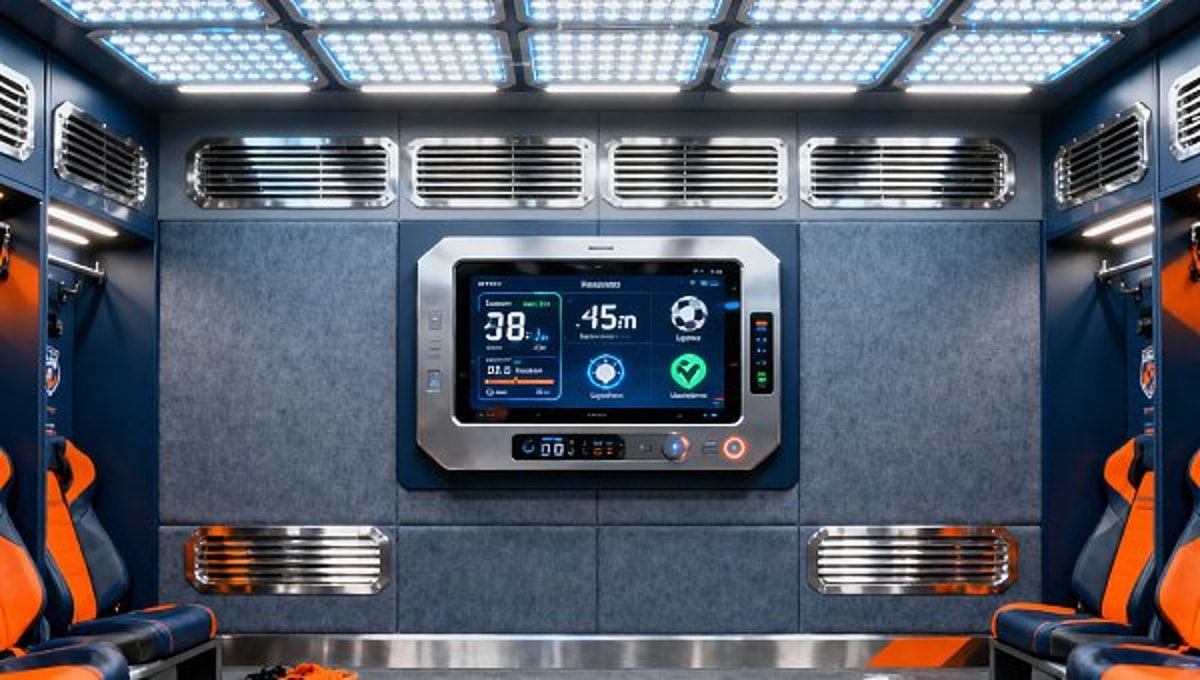
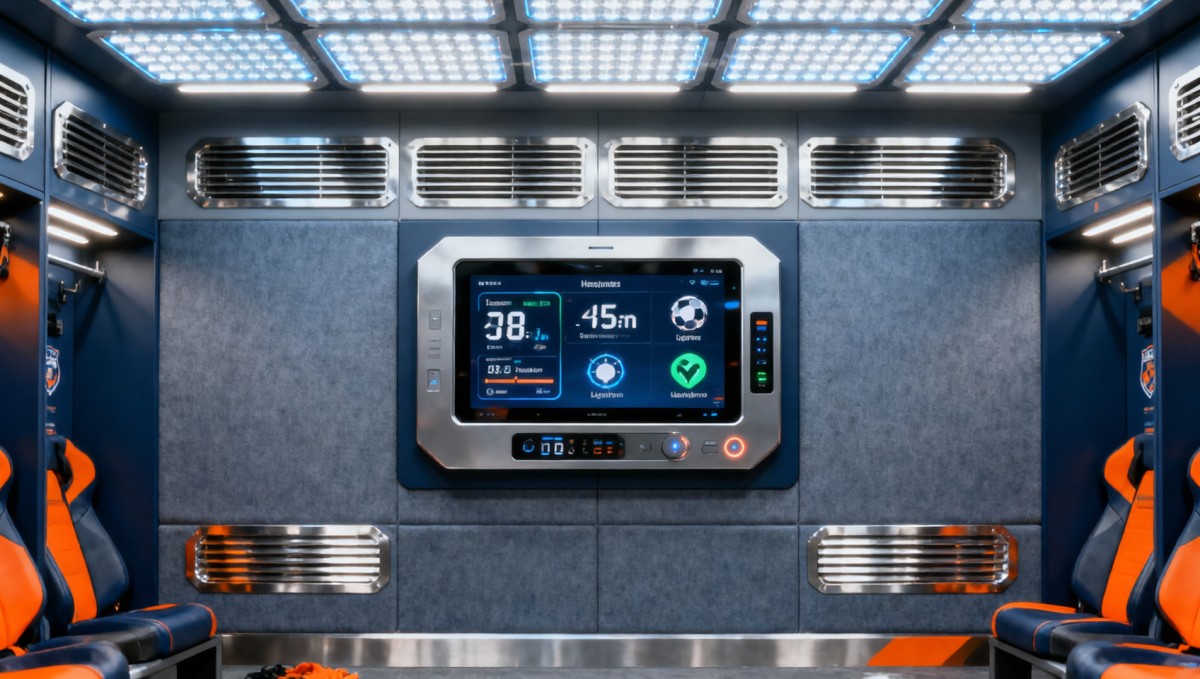
On May 3, 2026, ahead of AC Milan’s away match against Sassuolo, the club confirmed during its pre-match press conference that it is evaluating a new generation of intelligent locker room systems — including programmable lighting, climate control, and real-time player health dashboards. This initiative has triggered formal UNI 11743:2025 compliance verification for Chinese suppliers, drawing attention from sports infrastructure integrators, smart building solution providers, and EU-market-facing hardware exporters.
Event Overview
On May 3, 2026, during AC Milan’s official pre-match press briefing, head coach Massimiliano Allegri stated the club is assessing next-generation intelligent locker room systems. The Italian procurement entity has issued a UNI 11743:2025 self-assessment checklist to Chinese suppliers, focusing on three technical requirements: OPC UA communication protocol version, Italian-language UI localization, and CE-EMC electromagnetic immunity test reports.
Industries Affected
Smart Sports Infrastructure Suppliers
Suppliers developing integrated locker room systems for professional football clubs face immediate alignment pressure. UNI 11743:2025 defines interoperability requirements for data exchange between subsystems (e.g., HVAC, lighting, biometric displays) — meaning legacy proprietary protocols may no longer meet tender eligibility criteria in Italy and other UNI-adopting markets.
EU-Market-Facing Hardware Exporters
Chinese manufacturers exporting embedded controllers, IoT gateways, or display terminals to EU sports facility projects must now treat UNI 11743:2025 as a de facto technical barrier. Unlike general CE marking, this standard mandates specific interface architecture and documentation — particularly around OPC UA conformance and localized user guidance.
Sports Technology Integration Firms
Firms responsible for system integration (e.g., combining biometric wearables with environmental controls) are impacted at the specification stage. The requirement for Italian-language UI implies not only translation but also cultural adaptation of alert logic, data prioritization, and accessibility features — increasing pre-deployment validation effort.
What Relevant Enterprises or Practitioners Should Monitor and Do
Track official updates on UNI 11743 implementation timelines
UNI 11743:2025 is currently a voluntary standard, but its invocation in a high-profile procurement signals potential future inclusion in public tender specifications. Stakeholders should monitor UNI’s official bulletins and regional sports authority guidance for binding adoption signals.
Verify OPC UA stack version and certification status
The checklist explicitly references OPC UA — not just generic ‘industrial communication’. Suppliers must confirm use of OPC UA Part 1–14 compliant stacks (e.g., v1.04 or later), and whether their implementation carries certified conformance reports from authorized test labs (e.g., OPC Foundation-accredited).
Validate Italian UI localization beyond text translation
Localization must cover date/time formatting, metric unit defaults, alert severity labeling (e.g., ‘Attenzione’ vs ‘Pericolo’), and keyboard/input behavior for Italian layouts. Automated translation tools alone will not satisfy UNI 11743:2025 Annex B requirements.
Prepare CE-EMC test documentation with sport-specific context
CE-EMC reports must demonstrate resilience in environments with high-density wireless devices (e.g., BLE beacons, RFID tags, Wi-Fi 6E access points). Generic industrial EMC reports may be insufficient; test conditions should reflect actual locker room RF load profiles.
Editorial Perspective / Industry Observation
Observably, this is not a one-off procurement but an early signal of institutionalized technical due diligence in elite football infrastructure upgrades. Analysis shows UNI 11743:2025 is being treated as an operational filter — not merely a compliance checkbox — suggesting growing emphasis on system longevity, vendor lock-in avoidance, and cross-vendor maintainability. From an industry perspective, this reflects a broader shift: smart stadium components are transitioning from ‘nice-to-have add-ons’ to interoperable subsystems governed by domain-specific standards. It is better understood as a procedural milestone than a market entry event — meaningful impact depends on whether similar checks appear in Serie A-wide tenders or CONI-backed facility modernization programs.
Conclusion: This development underscores how domain-specific interoperability standards — previously confined to industrial automation — are entering professional sports infrastructure procurement. For affected enterprises, the priority is not broad strategic pivots, but targeted technical readiness: verifying protocol conformance, refining localization depth, and aligning EMC testing scope with real-world deployment conditions. It is more accurately interpreted as a tightening of technical gatekeeping than evidence of accelerated market demand.
Information Source: Official statements from AC Milan’s May 3, 2026 pre-match press conference; UNI 11743:2025 standard documentation (Ente Nazionale Italiano di Unificazione); publicly disclosed supplier checklist items. Note: Ongoing monitoring is advised for further tender language referencing UNI 11743 in Italian football infrastructure projects.
Search News
Hot Articles
- Pro Stage AudioPremier League Fan Screen Export: FCC/ISED Dual Testing DelayMay 03, 2026
- Indoor PlaygroundCBA Game Triggers SASO 5853 Acoustic Certification Demand for Smart Basketball FloorsMay 03, 2026
- Hotel Room AmenitiesAC Milan’s Smart Locker Room Procurement Triggers UNI 11743 Compliance ReviewMay 03, 2026
Popular Tags
Need ExpertConsultation?
Connect with our specialized leisureengineering team for procurementstrategies.
Recommended News
 May 03, 2026AC Milan’s Smart Locker Room Procurement Triggers UNI 11743 Compliance ReviewAC Milan’s smart locker room procurement triggers UNI 11743:2025 compliance review — critical for sports infrastructure suppliers, EU exporters & integrators.● Hospitality Sourcing Dir
 May 03, 2026Hotel room minibar fridges: silent operation is not enoughHotel room minibar fridges now require more than silent operation. Explore how energy efficiency, design fit, compliance, and lifecycle value shape smarter hotel sourcing.● Hospitality Sourcing Dir
 May 03, 2026HVAC systems for hotels: poor zoning raises energy bills quietlyHVAC systems for hotels can silently inflate energy bills when zoning is weak. Learn how smarter controls cut costs, improve guest comfort, and protect long-term hotel asset value.● Hospitality Sourcing Dir
 May 03, 2026Wooden coat hangers hotel projects should not overlook finish qualityWooden coat hangers hotel buyers should not ignore finish quality. Learn how smoothness, coating safety, and color consistency reduce complaints, protect brand image, and lower replacement costs.● Hospitality Sourcing Dir
 May 03, 2026Artificial plants for hotels: where they look premium, not fakeArtificial plants for hotels that look premium, not fake—discover how luxury properties use realistic faux greenery to elevate ambiance, cut maintenance, and protect brand consistency.● Hospitality Sourcing Dir
 May 03, 2026Commercial hand dryers can lower waste, but noise still mattersCommercial hand dryers reduce paper waste and maintenance costs, but noise can shape comfort and brand perception. Discover how to choose the right model for every commercial space.● Hospitality Sourcing Dir
 May 03, 2026Hotel hair dryers wall mounted: safety features worth checkingHotel hair dryers wall mounted: discover the safety features buyers should check first, from overheat protection to tamper resistance, for safer, smarter hotel sourcing.● Hospitality Sourcing Dir
 May 03, 2026Smart hotel room controls work best when systems talk to each otherSmart hotel room controls work best when HVAC, lighting, access, and service platforms connect seamlessly. Learn how interoperability improves efficiency, guest experience, and long-term scalability.● Hospitality Sourcing Dir
 May 03, 2026Automatic soap dispensers: battery life is not the only issueAutomatic soap dispensers are about more than battery life. Discover how sensor accuracy, refill compatibility, maintenance, and durability impact hygiene, cost, and user experience.● Hospitality Sourcing Dir
 May 03, 2026What hotels often miss when sourcing illuminated makeup mirrorsIlluminated makeup mirrors hotel buyers often miss key specs that affect guest satisfaction, maintenance, and brand value. Discover what to check before sourcing.● Hospitality Sourcing Dir
 May 03, 2026Commercial air purifiers: HEPA ratings that matter in hotelsCommercial air purifiers for hotels: learn which HEPA ratings truly matter for guest rooms, lobbies, and wellness zones to improve comfort, compliance, and smarter buying.● Hospitality Sourcing Dir
 May 03, 2026Wholesale toilet paper rolls: what affects true cost per useWholesale toilet paper rolls are not just about low case price. Learn what affects true cost per use, from sheet strength to dispenser fit, and source smarter for long-term savings.● Hospitality Sourcing Dir
 May 02, 2026Memory foam hotel mattresses: when soft comfort leads to faster saggingMemory foam hotel mattresses may feel luxurious at first, but can soft comfort cause faster sagging? Discover how buyers can reduce risk, improve durability, and protect hotel ROI.● Hospitality Sourcing Dir
 May 02, 2026Electronic hotel door locks: battery alerts are often less simple than they seemElectronic hotel door locks battery alerts are more complex than they appear. Learn how firmware, usage, and environment affect reliability, maintenance efficiency, and smarter sourcing.● Hospitality Sourcing Dir
 May 02, 2026Hotel housekeeping carts: the layout detail that saves minutes on every floorHotel housekeeping carts can save minutes on every floor. Discover how smarter cart layout improves workflow, reduces labor strain, and supports faster, more consistent room turnover.● Hospitality Sourcing Dir
 May 02, 2026Wholesale hotel safes: keypad reliability matters more than extra featuresWholesale hotel safes should be judged by keypad reliability first. Discover the checklist that helps buyers reduce lockouts, maintenance costs, and guest complaints.● Hospitality Sourcing Dir
 May 02, 2026Hotel lobby chandeliers: how size mistakes affect the whole arrival experienceHotel lobby chandeliers can make or break first impressions. Learn how sizing mistakes affect luxury, circulation, and brand value—and how to choose the right scale.● Hospitality Sourcing Dir
 May 02, 2026Industrial ironing machines: steam output is not the only thing to compareIndustrial ironing machines should be compared by more than steam output. Discover how temperature control, pressure stability, efficiency, and durability affect real commercial performance.● Hospitality Sourcing Dir
 May 02, 2026Blackout curtains for hotels that block light without trapping heatBlackout curtains for hotels that block light without trapping heat—discover smarter fabrics, thermal comfort benefits, and sourcing tips for better guest sleep and hotel performance.● Hospitality Sourcing Dir
 May 02, 2026Hotel luggage carts: why wheel quality matters more than frame finishHotel luggage carts perform best when wheel quality comes first. Discover how better casters reduce noise, protect floors, improve handling, and lower long-term hotel maintenance costs.● Hospitality Sourcing Dir
 May 02, 2026Custom printed hotel key cards: PVC or wood for a better guest feel?Custom printed hotel key cards: compare PVC and wood to find the best mix of guest feel, durability, sustainability, and brand impact for smarter hotel sourcing.● Hospitality Sourcing Dir
 May 02, 2026Commercial laundry equipment sizing mistakes that raise utility billsCommercial laundry equipment sizing mistakes can quietly drive up water, energy, and labor costs. Learn the biggest planning errors and how smarter sizing protects budgets and efficiency.● Hospitality Sourcing Dir
 May 02, 2026Why some wholesale bath towels for hotels wear out too fastWholesale bath towels for hotels can wear out fast due to fiber quality, GSM, weave, and laundering mismatch. Learn how to choose durable towels that cut replacement costs and protect guest experience.● Hospitality Sourcing Dir
 May 01, 2026Hotel Desks That Work for Both Business Guests and Small RoomsHotel desks for compact rooms: learn how to choose durable, space-saving, business-friendly designs that improve guest satisfaction and simplify hotel procurement.● Hospitality Sourcing Dir