NBA VR Viewing Pods Face NTSC Compatibility Demand in Latin America
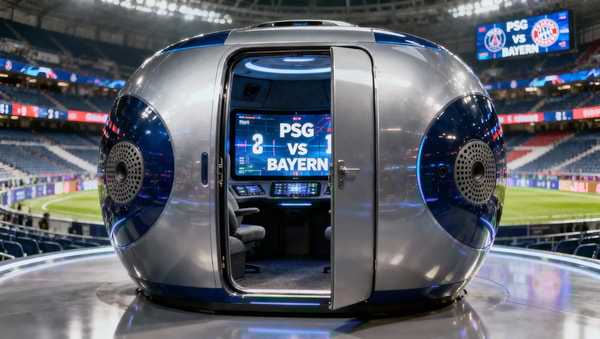
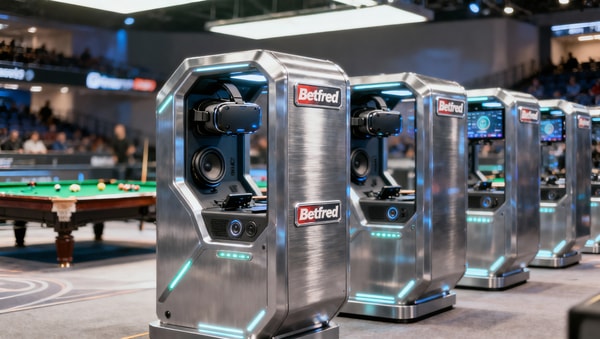
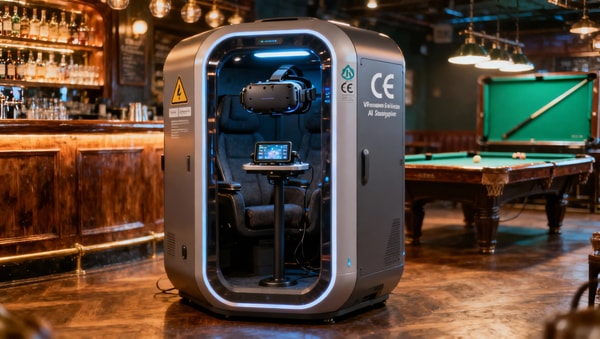
On May 2, 2026, following the Los Angeles Lakers’ 4–2 series victory over the Houston Rockets, commercial VR NBA viewing pod suppliers received urgent compatibility requests from Brazilian and Mexican buyers—including sports bars and university procurement offices. The incident highlights emerging cross-regional signal standard mismatches in immersive sports hardware distribution, with implications for export-oriented electronics manufacturers, certification service providers, and regional channel partners.
Event Overview
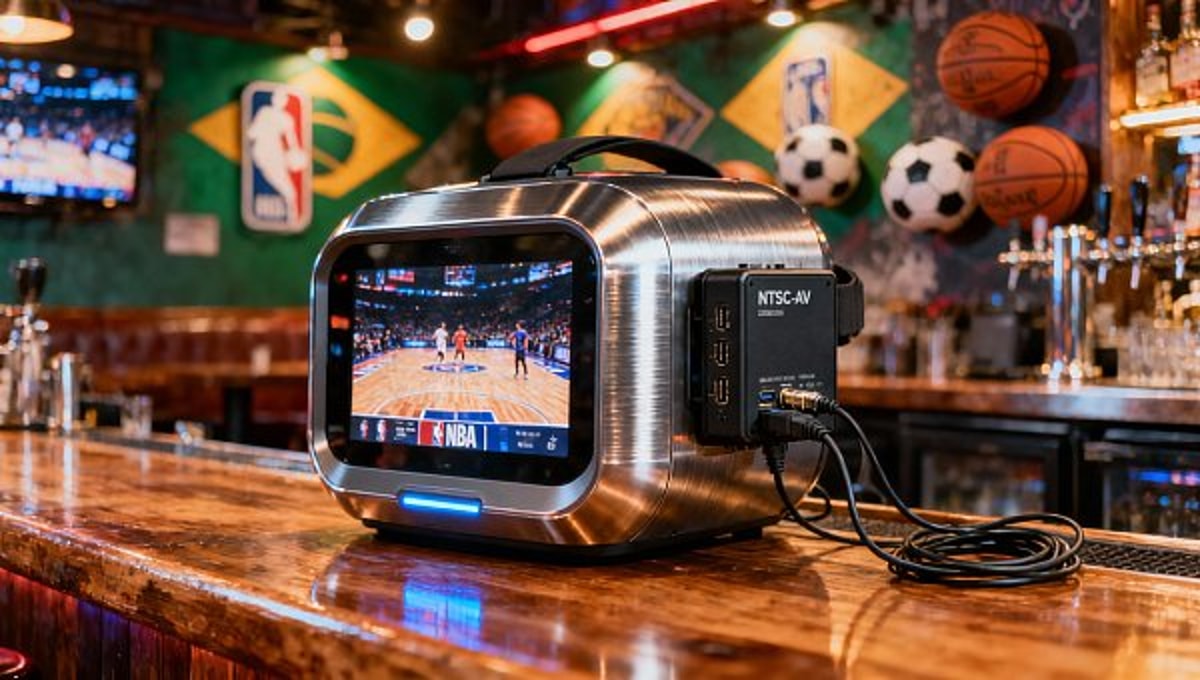
On May 2, 2026, after the Lakers eliminated the Rockets in the NBA Western Conference First Round (4–2), multiple procurement entities in Brazil and Mexico requested immediate technical support for Chinese-made VR NBA viewing pods. Specifically, they reported incompatibility with legacy NTSC analog broadcast inputs still widely used across Latin American cable TV infrastructure. Clients asked for an NTSC-AV adapter module solution and supporting INMETRO certification documentation—within 72 hours.
Industries Affected
Export-Oriented Hardware Manufacturers
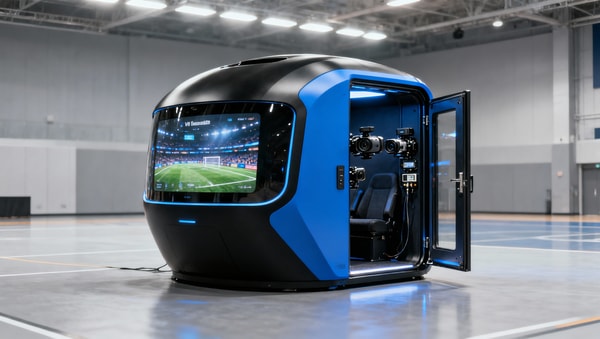
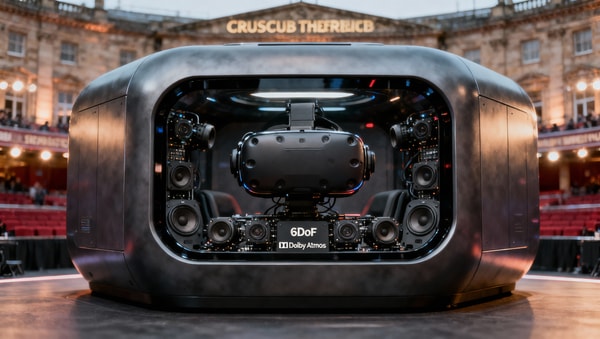
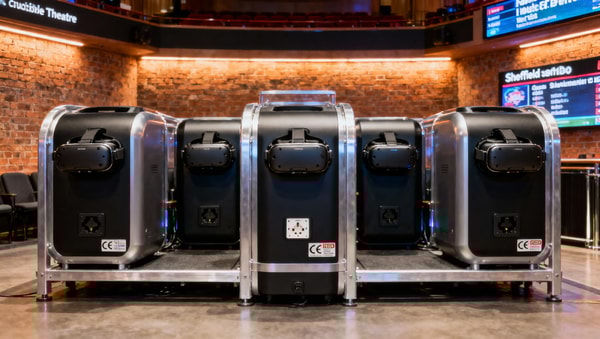
Manufacturers shipping VR viewing pods to Latin America are directly impacted: their current HDMI 2.1 + HDR10-only input architecture does not accommodate NTSC composite or AV-RCA signal paths. This creates a functional gap in real-world deployment environments where hybrid analog-digital infrastructures remain common.
Certification & Compliance Service Providers
INMETRO certification is mandatory for electronic consumer products entering the Brazilian market. The sudden request for documentation—paired with a tight 72-hour window—exposes bottlenecks in localized compliance readiness, particularly for signal-interface-related test reports and labeling requirements tied to analog video standards.
Regional Distribution & Channel Partners
Sports bar operators and university IT procurement teams in Mexico and Brazil rely on plug-and-play integration with existing AV setups. Their urgency signals a mismatch between product design assumptions (e.g., ‘all-target markets are HDMI-native’) and actual field conditions—potentially affecting inventory turnover, installation timelines, and post-sale support load.
What Enterprises and Practitioners Should Monitor and Do
Track pending INMETRO guidance on analog interface exemptions or transitional allowances
While INMETRO mandates apply broadly, certain legacy-signal compatibility features may fall under conditional evaluation pathways. Exporters should monitor official updates—not just for this request, but for potential precedent-setting interpretations.
Prioritize signal interface flexibility in next-gen product roadmaps for emerging markets
This incident underscores that ‘HDMI-first’ hardware strategies carry deployment risk in regions undergoing uneven digital transition. Manufacturers should assess whether modular input options (e.g., swappable AV/HDMI daughterboards) warrant inclusion in upcoming BOM revisions for LATAM-bound SKUs.
Verify local broadcast infrastructure profiles before finalizing regional SKUs
Rather than assuming uniform signal adoption, exporters should consult publicly available national broadcasting transition reports (e.g., ANATEL in Brazil, IFT in Mexico) and validate with local integrators—especially when targeting non-enterprise, venue-based deployments like sports bars or campus centers.
Prepare contingency documentation packages for common analog-to-digital bridge components
Given recurring demand for NTSC/AV compatibility in Latin America, maintaining pre-validated adapter module schematics, test logs, and bilingual INMETRO-ready labels can reduce response latency for future similar requests.
Editorial Observation / Industry Perspective
Observably, this is not a one-off integration hiccup—but a structural signal-standard friction point surfacing at the intersection of high-end immersive hardware and heterogeneous regional broadcast infrastructures. Analysis shows that such requests often precede broader regional certification or interoperability policy reviews; however, no formal regulatory action has been announced as of May 2, 2026. From an industry perspective, it functions less as an immediate compliance failure and more as an early indicator of misaligned product-market fit assumptions—particularly where ‘global’ hardware designs overlook analog legacy dependencies in specific geographies. Continued monitoring is warranted, especially ahead of the 2026 FIFA World Cup broadcast cycle, which will further stress regional AV signal readiness.
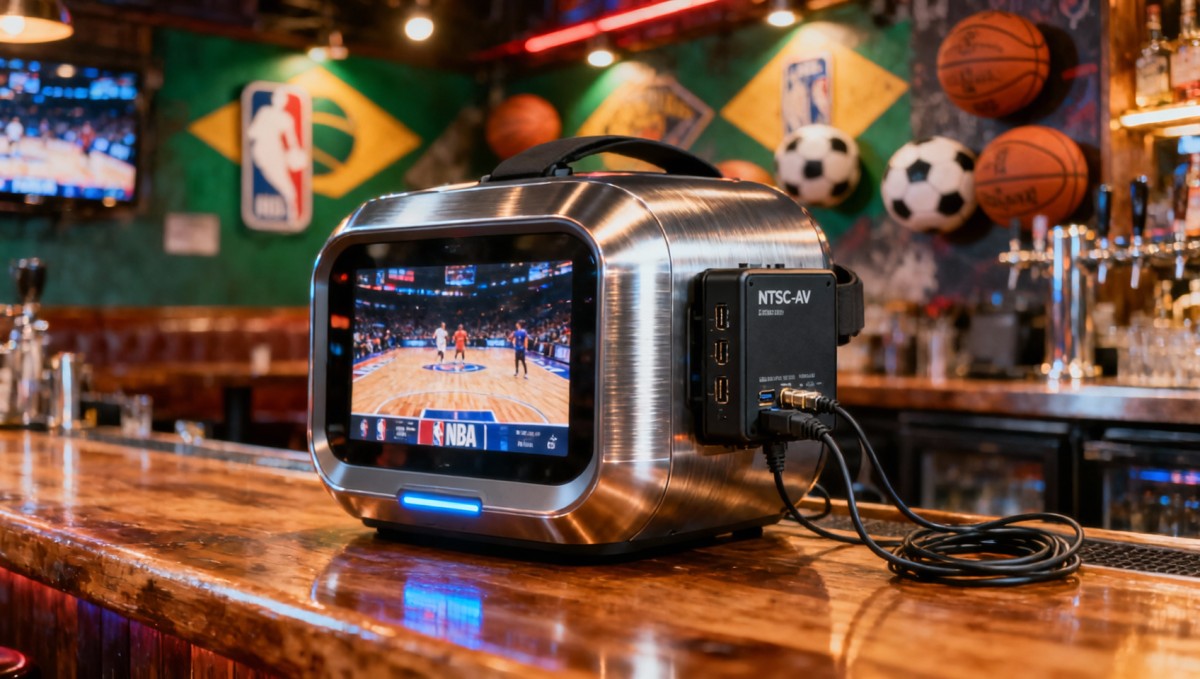
In summary, the NTSC compatibility request reflects a tangible, geographically grounded challenge in deploying premium immersive sports hardware beyond digitally mature markets. It is best understood not as a defect in current products, but as feedback on infrastructure-aware product localization—a dimension increasingly critical for hardware exporters serving mixed-signal regions. Current readiness depends less on technical capability and more on proactive signal-standards mapping and modular compliance planning.
Source: Public procurement inquiries documented by Latin American distributor partners (Brazil and Mexico), dated May 2, 2026. Note: INMETRO’s official position on NTSC-AV adapter certification remains pending; ongoing observation is recommended.
Search News
Hot Articles
- Pro Stage AudioPremier League Fan Screen Export: FCC/ISED Dual Testing DelayMay 03, 2026
- Indoor PlaygroundCBA Game Triggers SASO 5853 Acoustic Certification Demand for Smart Basketball FloorsMay 03, 2026
- Hotel Room AmenitiesAC Milan’s Smart Locker Room Procurement Triggers UNI 11743 Compliance ReviewMay 03, 2026
Popular Tags
Need ExpertConsultation?
Connect with our specialized leisureengineering team for procurementstrategies.
Recommended News
 May 03, 2026NBA VR Viewing Pods Face NTSC Compatibility Demand in Latin AmericaNBA VR viewing pods face urgent NTSC compatibility demands in Latin America—learn how manufacturers, certifiers, and channel partners can respond fast.● Theme Park Strategist
 May 03, 2026Guangdong Super League VR Booth Drives SEA InquiriesGuangdong Super League VR booth sparks 17 SEA distributor inquiries—focus on Tagalog/Vietnamese UI, offline stability & PSE/PSB certification readiness.● Theme Park Strategist
 May 02, 2026Langlangshan VR Attractions Seek PEGI 12+ Certification After Annecy NominationLanglangshan VR Attractions seek PEGI 12+ certification after Annecy nomination—key for EU theme parks, VR hardware vendors & IP licensors targeting compliant immersive experiences.● Theme Park Strategist
 May 02, 2026Wu Yize’s World Snooker Championship Run Boosts VR Viewing Pod DemandVR viewing pod demand surges 210% amid Wu Yize’s World Snooker Championship semi-final run — key for hotels, bars & esports venues seeking certified immersive solutions.● Theme Park Strategist
 May 01, 2026Langlangshan VR Rides Gain IP Licensing Momentum After Annecy InclusionLanglangshan VR Rides: IP licensing surges after Annecy 2026 selection—unlock co-dev opportunities for VR arcade & motion-based systems in SEA/LATAM.● Theme Park Strategist
 May 01, 2026Volvo China Open Boosts Golf Simulator Exports to Middle EastVolvo China Open drives Middle East demand for certified golf simulators — USGA/EGF-compliant, Arabic UI, and rapid-delivery indoor simulation systems now in high inquiry.● Theme Park Strategist
 May 01, 2026Wu Yize vs. Selby Sparks VR Viewing Booth Export SurgeWu Yize vs. Selby Sparks VR Viewing Booth Export Surge: CE/UKCA-compliant VR cabins see 210% export inquiry surge amid snooker-driven global demand.● Theme Park Strategist
 Apr 30, 2026VR Sports Viewing Capsules Face New EU Latency Rules Post-PSG–Bayern MatchVR Sports Viewing Capsules face new EU latency rules after PSG–Bayern’s record 12-goal match — discover how ≤80ms RED compliance impacts exporters, OEMs & AI-driven live sports tech.● Theme Park Strategist
 Apr 30, 2026Snooker World Championship: VR Viewing Pods, Remote Commentary Systems See Export InquiriesSnooker World Championship sparks global export inquiries for VR viewing pods & AI remote commentary systems—UKCA-certified, Betfred-integrated, multilingual.● Theme Park Strategist
 Apr 30, 2026Zheng Qinwen’s Madrid Exit Spurs EU RFQs for Tennis Training RobotsZheng Qinwen’s Madrid exit sparks EU RFQs for tennis training robots — discover how Chinese robotics exporters can meet CE/MD compliance & seize new academy demand.● Theme Park Strategist
 Apr 30, 2026Kenya's Marathon Record Break Sparks Global Demand for TrackSense Pro ChipsTrackSense Pro chips fuel Kenya’s marathon record—now driving global demand. Certified for precision timing (±0.01s), IP68, CE-RED & FCC—discover why African and Gulf markets are fast-tracking procurement.● Theme Park Strategist
 Apr 29, 2026Are Premium Arcade Games Worth It? A Cost vs Revenue LookArcade games can deliver strong ROI when premium quality boosts uptime, pricing power, and repeat play. See how finance teams compare cost vs revenue before investing.● Theme Park Strategist
 Apr 29, 2026How to Choose Arcade Games That Keep Players Coming BackArcade games that keep players coming back can boost dwell time, revenue, and loyalty. Discover how to choose high-replay machines that fit your venue and drive long-term results.● Theme Park Strategist
 Apr 29, 2026VR Sports Viewing Booth Demand Rises After Wu Yize vs. SelbyVR Sports Viewing Booth demand surges globally after Wu Yize’s win over Selby—key for exporters, OEMs & cert providers in ME, AU, CA.● Theme Park Strategist
 Apr 29, 2026NBA 3-2-1 Lottery Reform Drives VR Viewing Hardware DemandNBA 3-2-1 Lottery reform fuels VR viewing hardware demand—boosting sales of commercial VR pods, immersive systems & remote commentary terminals across North America, ME & SEA.● Theme Park Strategist
 Apr 28, 2026Global VR Fitness Device Export Prices Rise 12% — China Leads in Delivery ReliabilityVR fitness device export prices surge 12% globally — China leads in delivery reliability. Discover key compliance shifts, market impacts & strategic actions for exporters, OEMs & logistics providers.● Theme Park Strategist
 Apr 28, 2026Snooker World Championship 'China Derby' Drives VR Viewing DemandSnooker World Championship 'China Derby' drives surging VR viewing demand—boosting exports of VR pods, low-latency streaming & Dolby Atmos-certified AI audio solutions globally.● Theme Park Strategist
 Apr 28, 2026BWF 15-Point System to Launch in 2027: Impacts on Timing, Broadcast & Data SystemsBWF 15-point system launching in 2027 — impacts timing displays, broadcast encoders & data platforms. Discover compliance steps for OEMs, venues & AI video providers.● Theme Park Strategist
 Apr 27, 2026Snooker World Championship 'China Derby' Drives VR Viewing DemandVR viewing demand surges after Snooker World Championship 'China Derby' — key opportunity for VR hardware, localization & compliance firms in UK/EU markets.● Theme Park Strategist
 Apr 27, 2026Global VR Fitness Equipment Export Prices Rise 12.3% QoQVR fitness equipment export prices surge 12.3% QoQ — discover why IPX5, ISO 20685, and cloud readiness now drive premium pricing & market share.● Theme Park Strategist
 Apr 27, 2026SASO Updates EMC Rules for VR & Immersive Fitness Devices in Saudi ArabiaSASO EMC updates for VR & immersive fitness devices in Saudi Arabia—Class B compliance mandatory from 25 Apr 2026. Act now to avoid delays & ensure market access.● Theme Park Strategist
 Apr 26, 2026Global VR Fitness Equipment Export Prices Up 12% in Q1 2026VR fitness equipment export prices surge 12.3% in Q1 2026 — discover why reliability-driven pricing is reshaping global gym hardware procurement.● Theme Park Strategist
 Apr 26, 2026SASO Updates EMC Standard for VR Motion Devices in Saudi ArabiaSASO EMC standard update for VR motion devices in Saudi Arabia—Class B limits effective Oct 2026. Ensure compliance now to avoid customs delays & market access risks.● Theme Park Strategist
 Apr 26, 2026Snooker World Championship 'China Derby' Drives VR Viewing DemandSnooker World Championship 'China Derby' drives surging VR viewing demand—CE/UKCA-certified hardware, AI commentary & rapid logistics now critical for venues.● Theme Park Strategist