Langlangshan VR Attractions Seek PEGI 12+ Certification After Annecy Nomination
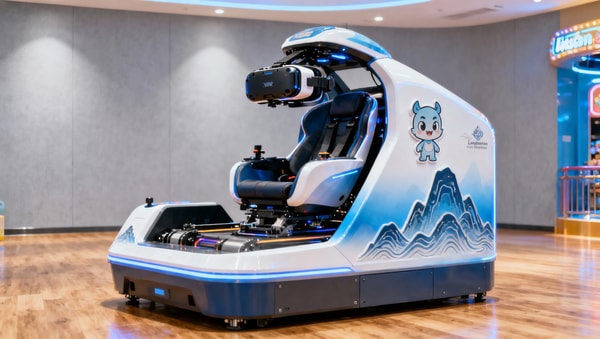
On April 28, 2026, the Chinese animated IP Langlangshan Xiao Yaoguai (The Little Monsters of Langlang Mountain) was selected for the Official Competition at the Annecy International Animation Film Festival — triggering a surge in licensing inquiry from French and Spanish theme parks targeting VR-based physical attraction systems. The development highlights emerging cross-border demand for certified, age-appropriate immersive content — particularly affecting VR hardware vendors, content developers, and IP licensing intermediaries operating in EU-facing markets.
Event Overview
On April 28, 2026, Langlangshan Xiao Yaoguai was officially announced as an entrant in the main competition category of the Annecy International Animation Film Festival. Following the announcement, VR motion-based attraction manufacturers in China reported increased inbound inquiries from theme park operators in France and Spain seeking co-branded hardware-software solutions. These inquiries explicitly require that all embedded interactive content meet PEGI 12+ classification criteria — including restrictions on depictions of violence and fear-inducing elements. As of the announcement date, only 12% of Chinese interactive content developers hold active PEGI certification.
Industries Affected
VR Hardware Manufacturers (Commercial-Grade)
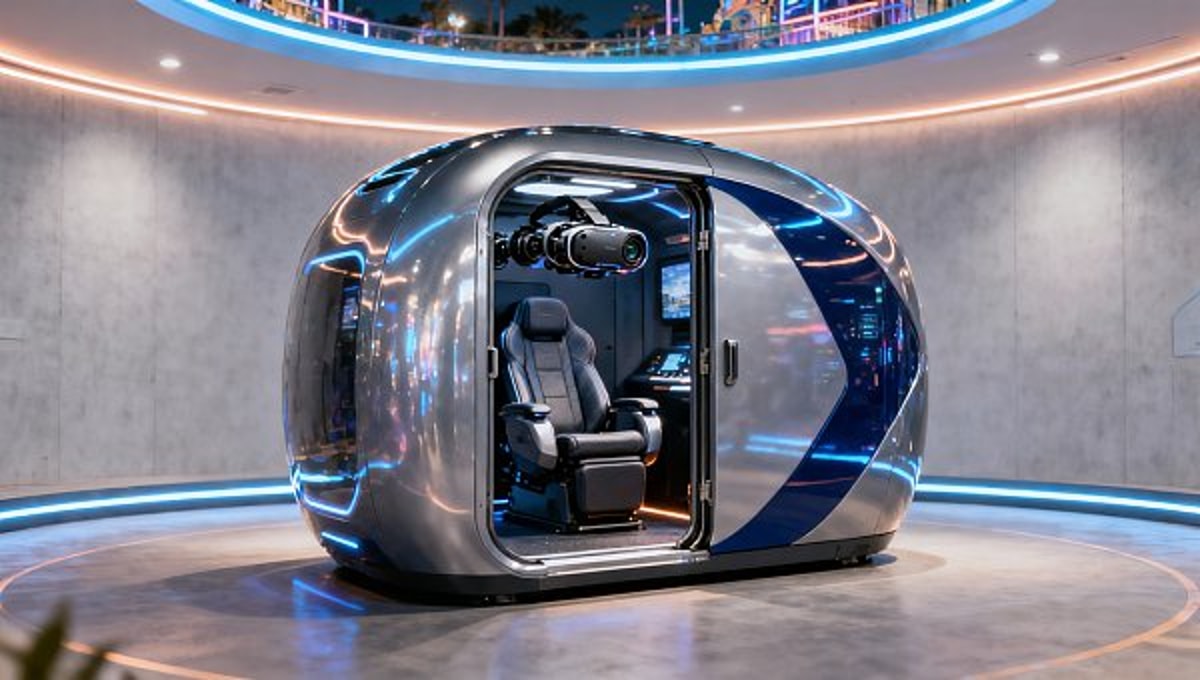
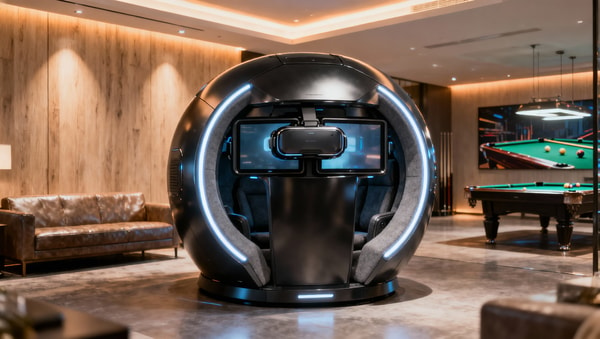
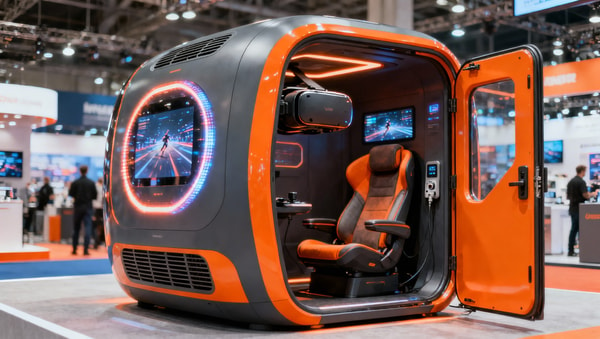
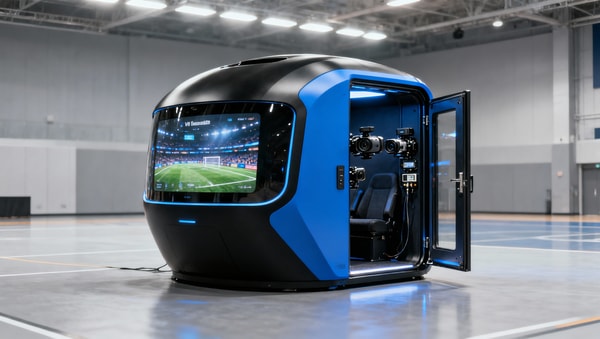
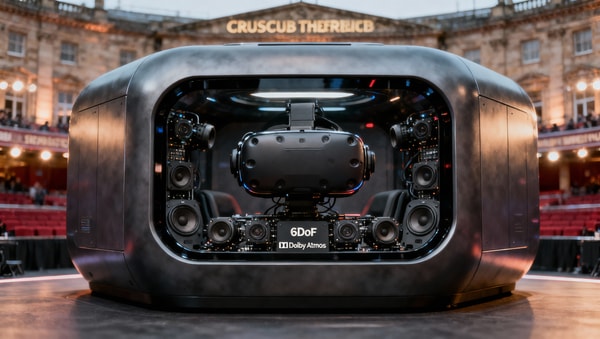
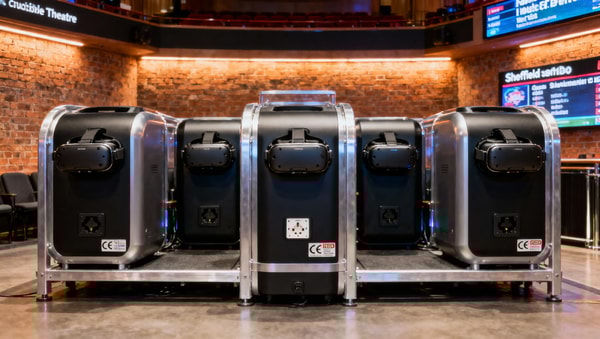
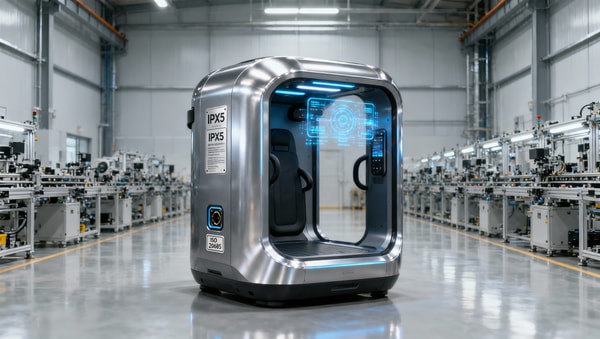
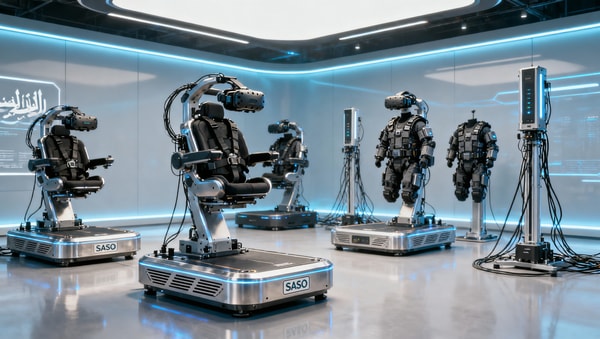
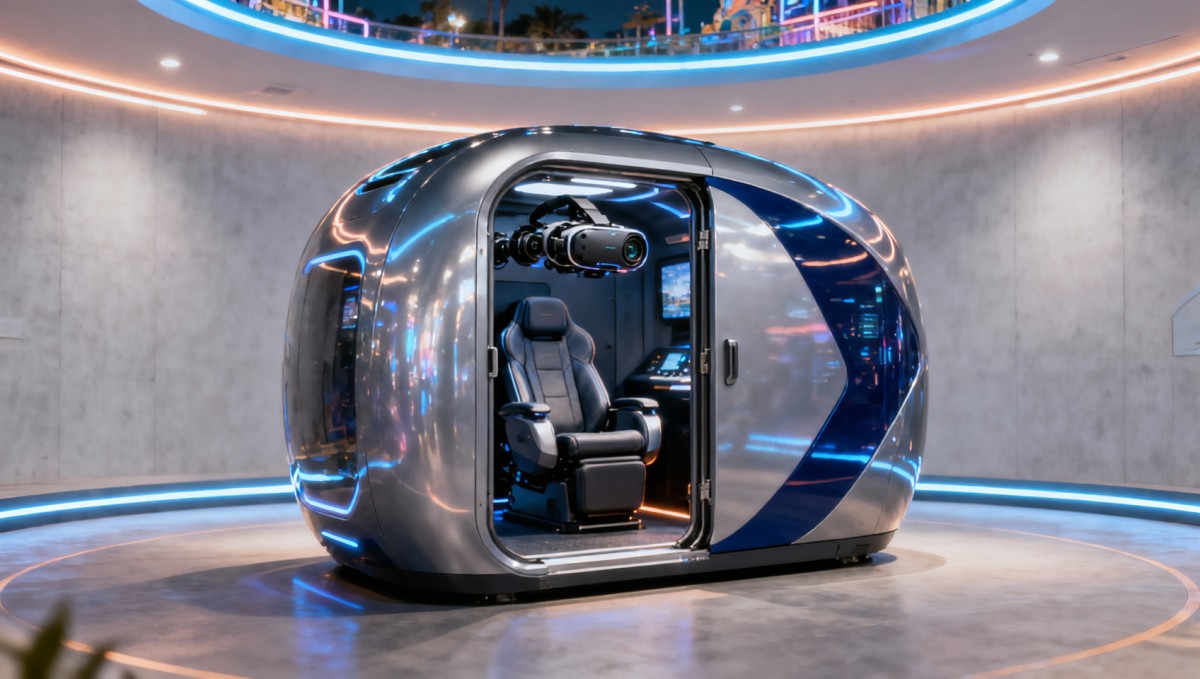
These companies supply motion-simulated kiosks, dome theaters, or walk-through VR arenas to international theme parks. They are affected because licensing partners now condition collaboration on full compliance of bundled software with PEGI 12+, not just hardware safety standards. Impact includes delayed project timelines, added QA overhead, and potential renegotiation of revenue-sharing models if third-party certified content must be licensed separately.
Interactive Content Developers (VR/AR Game & Experience Studios)
Developers creating narrative-driven, physically responsive experiences for location-based entertainment face direct compliance pressure. With only 12% currently holding PEGI certification, most lack internal workflows for PEGI-aligned design documentation, age-rating test builds, or localized content audits. This creates bottlenecks when integrating with hardware vendors pursuing European partnerships.
IP Licensing & Cross-Border Media Agencies
Agencies brokering Chinese animation IPs for global themed entertainment use must now assess not only brand fit and merchandising potential, but also technical readiness for regional content governance frameworks. Inquiries now routinely include PEGI compliance status — shifting negotiation leverage toward certified developers and increasing due diligence time per deal.
What Stakeholders Should Monitor and Do Now
Track official PEGI application guidance for non-EU developers
PEGI does not operate a formal ‘certification program’ for overseas studios; instead, submissions are processed via accredited national bodies. Stakeholders should monitor updates from PEGI’s designated EU partner organizations — especially any newly published checklists or remote audit pathways introduced post-Annecy visibility.
Prioritize PEGI-aligned content design in early-stage development
Rather than retrofitting existing assets, teams should integrate PEGI 12+ thresholds (e.g., non-graphic threat resolution, absence of sustained jump-scares, clear narrative framing of conflict) into storyboarding and interaction logic — reducing rework cycles during formal assessment.
Verify whether hardware vendors assume content compliance liability
In current commercial discussions, clarify contractual responsibility: Is PEGI compliance the developer’s obligation, the hardware vendor’s integration requirement, or a shared deliverable? Ambiguity here may delay contract finalization or expose parties to unanticipated certification costs.
Editorial Observation / Industry Perspective
Observably, this is less a near-term market shift and more a signal of tightening regulatory alignment between creative IP and immersive technology deployment in regulated leisure sectors. The Annecy nomination itself did not change policy — but it amplified scrutiny on how Chinese-origin interactive content meets established European consumer protection benchmarks. Analysis shows the bottleneck lies not in technical capability, but in institutional familiarity with PEGI’s procedural expectations. From an industry perspective, this event underscores that IP viability in EU-themed entertainment now hinges as much on documentation rigor as on artistic merit or gameplay innovation.
Current developments are better understood as a validation of existing compliance gaps — not yet evidence of widespread adoption or enforcement acceleration. Continued monitoring is warranted, particularly around whether PEGI expands its outreach to Asian developer communities or introduces streamlined pathways for pre-assessment.
Conclusion: The Annecy nomination of Langlangshan Xiao Yaoguai has surfaced a structural dependency — namely, that commercial VR attraction deployment in Europe increasingly requires dual-track readiness: compelling IP *and* demonstrable adherence to regional content governance frameworks. For stakeholders, this is not a sudden barrier, but a measurable gap in operational preparedness — one best addressed through targeted process integration rather than reactive certification pursuit.
Source: Public announcement by Annecy Festival (April 28, 2026); Verified industry reports from Chinese VR hardware exporters and licensing agencies; PEGI official guidelines (v.2025.2). Note: PEGI certification uptake rate among Chinese developers (12%) is self-reported by industry consortiums and remains subject to verification via independent audit — ongoing observation recommended.
Search News
Hot Articles
- Watch OEM & SmartwatchesZheng Qinwen’s Madrid Exit Delays EU Orders for Smart Tennis WearablesMay 02, 2026
- Indoor Playground2026 Jiujiang Guokong Cup Tennis Open Spurs ASEAN Demand for AI Ball MachinesMay 02, 2026
- Stationery & UniformsKenya Marathon Record Break Sparks Carbon-Plate Shoe Export Surge to AfricaMay 02, 2026
Popular Tags
Need ExpertConsultation?
Connect with our specialized leisureengineering team for procurementstrategies.
Recommended News
 May 02, 2026Langlangshan VR Attractions Seek PEGI 12+ Certification After Annecy NominationLanglangshan VR Attractions seek PEGI 12+ certification after Annecy nomination—key for EU theme parks, VR hardware vendors & IP licensors targeting compliant immersive experiences.● Theme Park Strategist
 May 02, 2026Wu Yize’s World Snooker Championship Run Boosts VR Viewing Pod DemandVR viewing pod demand surges 210% amid Wu Yize’s World Snooker Championship semi-final run — key for hotels, bars & esports venues seeking certified immersive solutions.● Theme Park Strategist
 May 01, 2026Langlangshan VR Rides Gain IP Licensing Momentum After Annecy InclusionLanglangshan VR Rides: IP licensing surges after Annecy 2026 selection—unlock co-dev opportunities for VR arcade & motion-based systems in SEA/LATAM.● Theme Park Strategist
 May 01, 2026Volvo China Open Boosts Golf Simulator Exports to Middle EastVolvo China Open drives Middle East demand for certified golf simulators — USGA/EGF-compliant, Arabic UI, and rapid-delivery indoor simulation systems now in high inquiry.● Theme Park Strategist
 May 01, 2026Wu Yize vs. Selby Sparks VR Viewing Booth Export SurgeWu Yize vs. Selby Sparks VR Viewing Booth Export Surge: CE/UKCA-compliant VR cabins see 210% export inquiry surge amid snooker-driven global demand.● Theme Park Strategist
 Apr 30, 2026VR Sports Viewing Capsules Face New EU Latency Rules Post-PSG–Bayern MatchVR Sports Viewing Capsules face new EU latency rules after PSG–Bayern’s record 12-goal match — discover how ≤80ms RED compliance impacts exporters, OEMs & AI-driven live sports tech.● Theme Park Strategist
 Apr 30, 2026Snooker World Championship: VR Viewing Pods, Remote Commentary Systems See Export InquiriesSnooker World Championship sparks global export inquiries for VR viewing pods & AI remote commentary systems—UKCA-certified, Betfred-integrated, multilingual.● Theme Park Strategist
 Apr 30, 2026Zheng Qinwen’s Madrid Exit Spurs EU RFQs for Tennis Training RobotsZheng Qinwen’s Madrid exit sparks EU RFQs for tennis training robots — discover how Chinese robotics exporters can meet CE/MD compliance & seize new academy demand.● Theme Park Strategist
 Apr 30, 2026Kenya's Marathon Record Break Sparks Global Demand for TrackSense Pro ChipsTrackSense Pro chips fuel Kenya’s marathon record—now driving global demand. Certified for precision timing (±0.01s), IP68, CE-RED & FCC—discover why African and Gulf markets are fast-tracking procurement.● Theme Park Strategist
 Apr 29, 2026Are Premium Arcade Games Worth It? A Cost vs Revenue LookArcade games can deliver strong ROI when premium quality boosts uptime, pricing power, and repeat play. See how finance teams compare cost vs revenue before investing.● Theme Park Strategist
 Apr 29, 2026How to Choose Arcade Games That Keep Players Coming BackArcade games that keep players coming back can boost dwell time, revenue, and loyalty. Discover how to choose high-replay machines that fit your venue and drive long-term results.● Theme Park Strategist
 Apr 29, 2026VR Sports Viewing Booth Demand Rises After Wu Yize vs. SelbyVR Sports Viewing Booth demand surges globally after Wu Yize’s win over Selby—key for exporters, OEMs & cert providers in ME, AU, CA.● Theme Park Strategist
 Apr 29, 2026NBA 3-2-1 Lottery Reform Drives VR Viewing Hardware DemandNBA 3-2-1 Lottery reform fuels VR viewing hardware demand—boosting sales of commercial VR pods, immersive systems & remote commentary terminals across North America, ME & SEA.● Theme Park Strategist
 Apr 28, 2026Global VR Fitness Device Export Prices Rise 12% — China Leads in Delivery ReliabilityVR fitness device export prices surge 12% globally — China leads in delivery reliability. Discover key compliance shifts, market impacts & strategic actions for exporters, OEMs & logistics providers.● Theme Park Strategist
 Apr 28, 2026Snooker World Championship 'China Derby' Drives VR Viewing DemandSnooker World Championship 'China Derby' drives surging VR viewing demand—boosting exports of VR pods, low-latency streaming & Dolby Atmos-certified AI audio solutions globally.● Theme Park Strategist
 Apr 28, 2026BWF 15-Point System to Launch in 2027: Impacts on Timing, Broadcast & Data SystemsBWF 15-point system launching in 2027 — impacts timing displays, broadcast encoders & data platforms. Discover compliance steps for OEMs, venues & AI video providers.● Theme Park Strategist
 Apr 27, 2026Snooker World Championship 'China Derby' Drives VR Viewing DemandVR viewing demand surges after Snooker World Championship 'China Derby' — key opportunity for VR hardware, localization & compliance firms in UK/EU markets.● Theme Park Strategist
 Apr 27, 2026Global VR Fitness Equipment Export Prices Rise 12.3% QoQVR fitness equipment export prices surge 12.3% QoQ — discover why IPX5, ISO 20685, and cloud readiness now drive premium pricing & market share.● Theme Park Strategist
 Apr 27, 2026SASO Updates EMC Rules for VR & Immersive Fitness Devices in Saudi ArabiaSASO EMC updates for VR & immersive fitness devices in Saudi Arabia—Class B compliance mandatory from 25 Apr 2026. Act now to avoid delays & ensure market access.● Theme Park Strategist
 Apr 26, 2026Global VR Fitness Equipment Export Prices Up 12% in Q1 2026VR fitness equipment export prices surge 12.3% in Q1 2026 — discover why reliability-driven pricing is reshaping global gym hardware procurement.● Theme Park Strategist
 Apr 26, 2026SASO Updates EMC Standard for VR Motion Devices in Saudi ArabiaSASO EMC standard update for VR motion devices in Saudi Arabia—Class B limits effective Oct 2026. Ensure compliance now to avoid customs delays & market access risks.● Theme Park Strategist
 Apr 26, 2026Snooker World Championship 'China Derby' Drives VR Viewing DemandSnooker World Championship 'China Derby' drives surging VR viewing demand—CE/UKCA-certified hardware, AI commentary & rapid logistics now critical for venues.● Theme Park Strategist
 Apr 25, 2026Global VR Fitness Equipment Export Prices Up 12% in Q1 2026VR fitness equipment export prices rose 12% in Q1 2026 — discover why $2,840/unit reflects rising value, not just cost, and how OTD leadership reshapes global sourcing.● Theme Park Strategist
 Apr 25, 2026SASO Updates EMC Standard for VR Haptic Devices in Saudi ArabiaSASO updates EMC standard SR 2305:2026 for VR haptic devices in Saudi Arabia—Class B compliance now mandatory for fitness pods & training stations. Act now to avoid port delays.● Theme Park Strategist