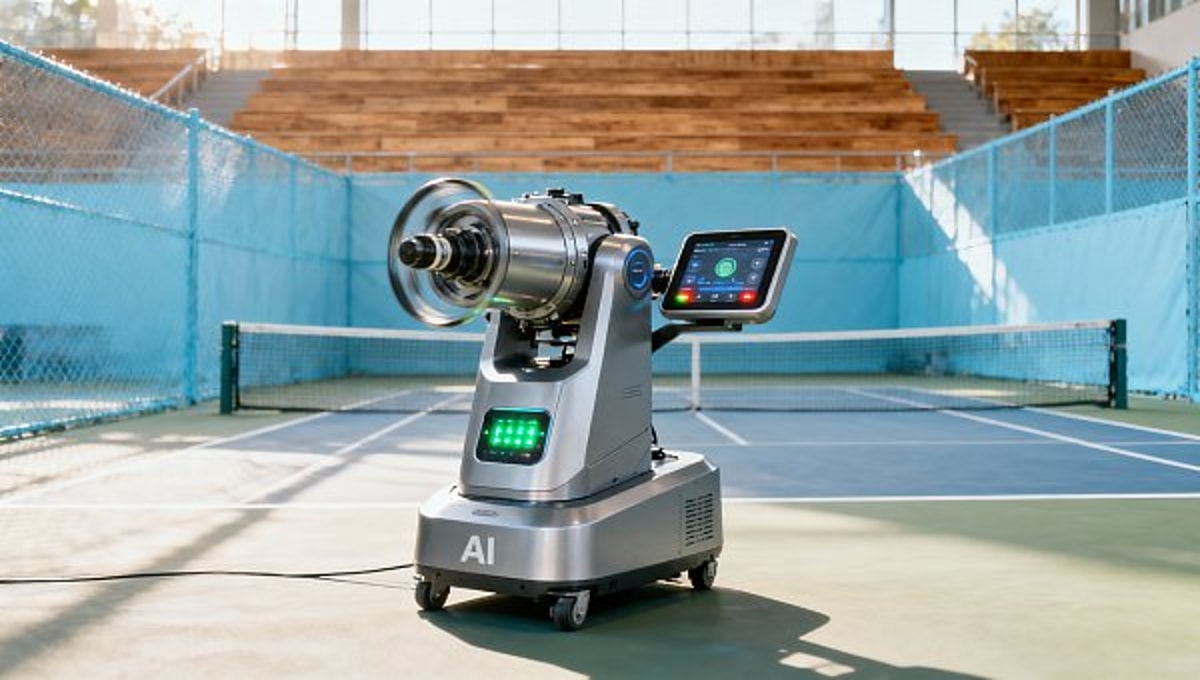
2026 Jiujiang Guokong Cup Tennis Open Spurs ASEAN Demand for AI Ball Machines
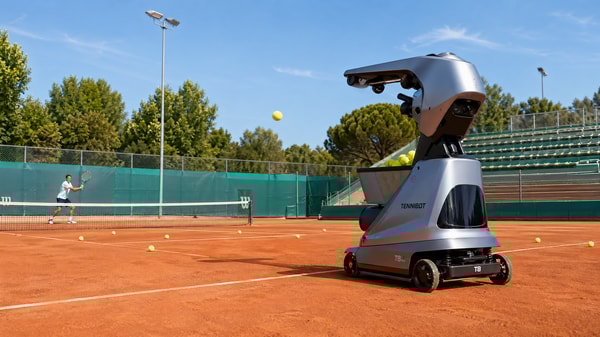
On April 27, 2026, the 2026 Jiujiang Guokong Cup Tennis Open commenced in Jiujiang, Jiangxi Province — triggering a 165% surge in export inquiry volume for AI-powered tennis ball machines from Thailand and Vietnam. This development signals immediate implications for sports equipment exporters, certification service providers, and supply chain stakeholders targeting the ASEAN market — particularly as new regulatory requirements under the ASEAN Mutual Recognition Arrangement (MRA) take effect on May 1, 2026.
Event Overview
The 2026 Jiujiang Guokong Cup Tennis Open opened on April 27, 2026. Concurrently, ASEAN Secretariat issued a notice confirming that, effective May 1, 2026, all sports training equipment imported into any of the ten ASEAN member states must be certified under the ASEAN MRA framework — specifically through accreditation by an MRA-recognized body such as Singapore’s PSB or Malaysia’s SIRIM. No alternative certification will be accepted for customs clearance across ASEAN.
Industries Affected
Direct Exporters of Sports Training Equipment
Exporters shipping AI tennis ball machines or similar automated training devices to ASEAN face direct compliance risk. Without valid ASEAN MRA-aligned certification, shipments arriving on or after May 1, 2026, may be detained or rejected at border control — regardless of prior commercial agreements or existing distribution channels.
Manufacturers of AI-Powered Sports Equipment
Manufacturers supplying OEM/ODM units to exporters must verify whether their production documentation, test reports, and factory audit records meet the technical scope covered by PSB or SIRIM certification schemes. Product labeling, user manuals, and EMC/safety test parameters may require revision to align with ASEAN-specific requirements.
Certification & Compliance Service Providers
Third-party certification agencies accredited under ASEAN MRA (e.g., PSB, SIRIM, or their authorized partners) are likely to experience increased demand for pre-market conformity assessments. Lead times for ASEAN MRA certification may extend due to capacity constraints — especially for newly submitted product categories not previously assessed under this framework.
Logistics & Cross-Border Trade Facilitators
Cargo forwarders and customs brokers handling sports equipment consignments to ASEAN must update internal compliance checklists to include ASEAN MRA certificate verification prior to shipment release. Documentation discrepancies — such as mismatched model numbers between certificate and packing list — may now trigger mandatory re-submission or inspection delays.
What Relevant Enterprises or Practitioners Should Focus On Now
Confirm Certification Validity Against ASEAN MRA Scope
Verify whether existing certifications (e.g., CE, CCC, or ISO-based reports) fall within the ASEAN MRA’s recognized technical annexes for sports training equipment. Neither CE marking nor China’s CCC certification is automatically accepted under ASEAN MRA — only certificates issued by designated national bodies under the agreement are valid.
Identify Which Models Require Immediate Re-Certification
Review current product SKUs destined for ASEAN markets and cross-reference them with the ASEAN MRA’s published list of covered equipment categories. AI tennis ball machines are explicitly cited in recent ASEAN notifications as falling under ‘automated athletic training systems’ — a category newly included in the 2026 enforcement update.
Engage Accredited Bodies Before May 1, 2026
Contact PSB (Singapore), SIRIM (Malaysia), or their officially authorized representatives to initiate application procedures. Note: Applications submitted after April 15, 2026, may not receive certificates before the May 1 deadline — given standard processing timelines of 3–4 weeks for technical review and factory audit.
Update Commercial Documentation Proactively
Revise pro forma invoices, packing lists, and certificates of origin to explicitly reference the ASEAN MRA certificate number and issuing authority. Customs authorities in Thailand and Vietnam have confirmed they will require this information during electronic declaration (e-ATA or ASYCUDA systems).
Editorial Perspective / Industry Observation
Observably, this development functions less as an isolated regulatory change and more as a signal of ASEAN’s broader shift toward harmonized technical barriers — particularly for digitally enabled sports infrastructure products. Analysis shows the timing coincides with ASEAN’s 2025–2030 Digital Sports Development Framework, suggesting future expansions to include connected fitness equipment, biometric feedback systems, and AI-coaching hardware. From an industry perspective, the 165% inquiry increase reflects real-time demand pull — but does not yet indicate widespread readiness for compliance. Current readiness gaps remain most pronounced among mid-tier manufacturers lacking dedicated regulatory affairs staff.
It is more accurate to interpret the ASEAN MRA enforcement as an operational inflection point rather than a finalized market barrier: while non-compliant goods cannot clear customs post-May 1, no retroactive penalties apply to inventory already in-country, and transitional arrangements for existing contracts remain undefined pending further ASEAN Secretariat guidance.
Consequently, this notice serves primarily as a procedural checkpoint — not a market access cutoff — demanding focused attention on documentation integrity and certification pathway alignment over the next two weeks.
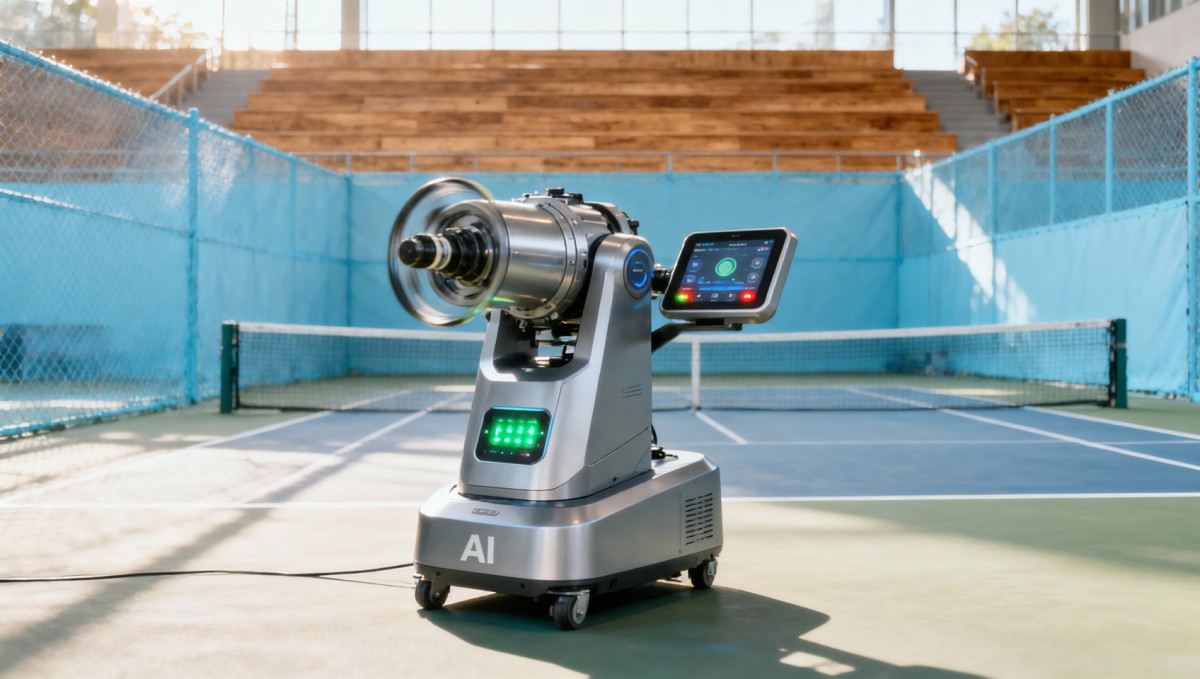
In summary, the 2026 Jiujiang Guokong Cup Tennis Open has acted as a catalyst for ASEAN demand, but the ASEAN MRA enforcement represents a structural requirement shift — one that separates market-ready exporters from those still operating under legacy compliance assumptions. The event itself is not the driver; rather, it illuminates how regional sporting events increasingly intersect with technical trade policy — making regulatory foresight as critical as commercial agility.
Source: Official announcement by ASEAN Secretariat (Notice No. ASEAN/MRA/SPTE/2026/04, dated April 20, 2026); Jiujiang Municipal Government press release (April 27, 2026); Public inquiry data from China Export Trading Platform (Q1 2026, aggregated for ‘tennis ball machine’ + ‘Thailand/Vietnam’ filters).
Further observation required: ASEAN member states’ implementation guidance for transitional stock and multi-country distribution models — expected by April 30, 2026.
Search News
Hot Articles
- Watch OEM & SmartwatchesZheng Qinwen’s Madrid Exit Delays EU Orders for Smart Tennis WearablesMay 02, 2026
- Indoor Playground2026 Jiujiang Guokong Cup Tennis Open Spurs ASEAN Demand for AI Ball MachinesMay 02, 2026
- Stationery & UniformsKenya Marathon Record Break Sparks Carbon-Plate Shoe Export Surge to AfricaMay 02, 2026
Popular Tags
Need ExpertConsultation?
Connect with our specialized leisureengineering team for procurementstrategies.
Recommended News
 May 02, 20262026 Jiujiang Guokong Cup Tennis Open Spurs ASEAN Demand for AI Ball MachinesAI ball machines surge 165% amid 2026 Jiujiang Guokong Cup — urgent ASEAN MRA certification needed for Thailand/Vietnam exports.● Theme Park Strategist
 May 02, 2026China's Speed Relay Record Boosts EN 15613-Compliant Climbing Gear ExportsEN 15613-compliant climbing gear exports surge 140% after China’s Dubai speed relay record—key insights for manufacturers, labs & logistics providers.● Theme Park Strategist
 May 01, 2026Playground Borders That Reduce Mess and Keep Zones ClearPlayground borders reduce mess, define activity zones, and improve maintenance control. Discover durable, site-smart solutions for safer, cleaner, more organized play areas.● Theme Park Strategist
 May 01, 2026Inclusive Playground Features Families Notice Right AwayInclusive playground features families notice first: step-free access, stable surfacing, sensory balance, and shared play. Use this practical guide to evaluate safer, truly welcoming spaces.● Theme Park Strategist
 May 01, 2026Toddler Playground Layout Mistakes That Limit Safe PlayToddler playground layout mistakes can quietly increase risk. Learn how better zoning, circulation, and visibility create safer, compliant play spaces for every project.● Theme Park Strategist
 May 01, 2026What Makes a Sensory Playground Feel Inclusive in Real UseSensory playground design feels truly inclusive when access, calm zones, shared play, and caregiver comfort work in real use. Discover what makes spaces more welcoming.● Theme Park Strategist
 May 01, 2026How Playground Swings Affect Safety Zones and Site PlanningPlayground swings shape safety zones, circulation, and site efficiency. Learn how to plan compliant, high-performing layouts that reduce redesign risk and improve project value.● Theme Park Strategist
 Apr 30, 2026CBA Game Sparks Southeast Asia Demand for Chinese Interactive Playground WallsCBA game sparks urgent demand for Chinese basketball-themed interactive playground walls across Southeast Asia—AR, pressure-sensor tech, SNI/IEC-certified.● Theme Park Strategist
 Apr 30, 2026Vietnam Mandates Anti-Pinch Sensors for Indoor Playground EquipmentAnti-pinch sensors now mandatory for indoor playground equipment in Vietnam — comply by July 1, 2026 to avoid customs rejection and market access delays.● Theme Park Strategist
 Apr 30, 2026When a playground consultant saves more than an in-house planPlayground consultant advice can prevent costly design errors, compliance gaps, and vendor mistakes. See when expert support beats an in-house plan and protects budget.● Theme Park Strategist
 Apr 30, 2026A smarter playground layout starts with traffic flowPlayground layout starts with traffic flow. Discover how smarter circulation improves safety, accessibility, capacity, and long-term commercial performance.● Theme Park Strategist
 Apr 30, 2026Playground certification steps that delay launch datesPlayground certification delays can add weeks to launch dates. Learn the key bottlenecks, hidden compliance risks, and practical steps to keep projects on schedule.● Theme Park Strategist
 Apr 30, 2026Playground climbers that keep kids challenged without bottlenecksPlayground climbers that reduce bottlenecks keep more kids engaged, improve flow, and suit schools, resorts, parks, and leisure venues. Learn what to specify before you buy.● Theme Park Strategist
 Apr 30, 2026What playground inspection reports often reveal too latePlayground inspection reports often reveal hidden risks too late. Learn how to catch design, installation, and safety issues earlier to avoid delays, rework, and costly project setbacks.● Theme Park Strategist
 Apr 30, 2026Playground accessibility details that change real usabilityPlayground accessibility details shape real usability beyond ramps. Explore transfer points, sensory zones, sightlines, and circulation tips that help buyers choose truly inclusive play spaces.● Theme Park Strategist
 Apr 30, 2026Playground shade structures that improve comfort in hot seasonsPlayground shade structures improve comfort, safety, and usability in hot seasons. Explore smart, durable solutions for schools, parks, and commercial projects.● Theme Park Strategist
 Apr 30, 2026Commercial slides and the maintenance issues often overlookedCommercial slides often fail on maintenance, not design. Learn the overlooked wear, cleaning, access, and compliance issues that affect safety, uptime, and long-term cost.● Theme Park Strategist
 Apr 30, 2026Why playground theme matters more than many layouts suggestPlayground theme shapes engagement, brand value, and repeat visits more than many layouts suggest. Learn how to choose the right concept for hotels, malls, and family venues.● Theme Park Strategist
 Apr 30, 2026Outdoor play structures that stay engaging across age groupsOutdoor play structures that engage ages 2–12: discover how schools, parks, and resorts can choose safer, durable, multi-age designs that boost replay value and buyer confidence.● Theme Park Strategist
 Apr 30, 2026Choosing a playground contractor without missing red flagsPlayground contractor selection made smarter: learn how to spot red flags early, reduce safety and cost risks, and choose a reliable partner with confidence.● Theme Park Strategist
 Apr 30, 2026Playground planning errors that create costly redesigns laterPlayground planning mistakes can trigger costly redesigns, delays, and compliance issues. Learn how to avoid common risks and deliver safer, smarter projects on budget.● Theme Park Strategist
 Apr 30, 2026How playground fencing affects safety without feeling restrictivePlayground fencing shapes safety, visibility, and comfort. Discover how to choose secure, open-feel fencing that protects children without making play spaces feel closed in.● Theme Park Strategist
 Apr 29, 2026Adventure Playground Safety Mistakes to Avoid Before InstallationAdventure playground safety mistakes can delay opening and raise liability. Learn the key pre-installation checks for materials, site planning, surfacing, and compliance.● Theme Park Strategist
 Apr 29, 2026Chinese Tennis Robot Demand Rises in Europe After Zheng Qinwen's Madrid RunChinese tennis robot demand surges in Europe after Zheng Qinwen's Madrid Open run—CE-certified AI training systems now sought by German & Spanish academies.● Theme Park Strategist