Playground shade structures that improve comfort in hot seasons
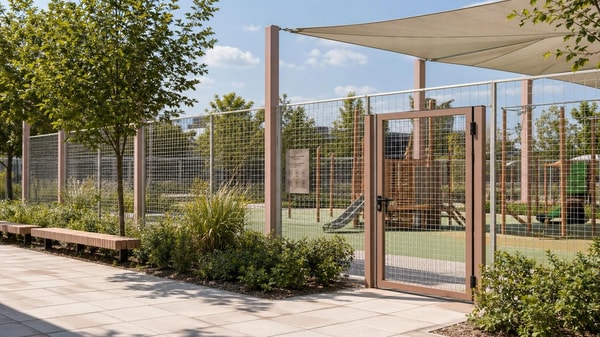
In hot seasons, well-designed playground shade structures do more than block sunlight—they improve user comfort, extend playtime, and support safer outdoor environments. For project managers and engineering leads, selecting the right shade solution means balancing durability, compliance, aesthetics, and long-term maintenance. This guide explores how smart shade planning can enhance playground performance while meeting the demands of modern commercial and public spaces.
Why playground shade structures matter beyond sun protection
For commercial campuses, schools, hospitality destinations, residential developments, and public recreation projects, playground shade structures are no longer optional site accessories. They affect user dwell time, thermal comfort, equipment usability, and the overall perception of space quality. In hot seasons, unshaded play surfaces, metal components, and seating zones can become uncomfortable within a short exposure window, especially between late morning and mid-afternoon.
Project managers usually face 4 core constraints at the same time: budget discipline, installation deadlines, safety compliance, and lifecycle maintenance. Shade systems must therefore do more than look appealing in renderings. They need to work within real site conditions, including wind exposure, drainage patterns, foundation limitations, pedestrian flow, and the expected age range of users.
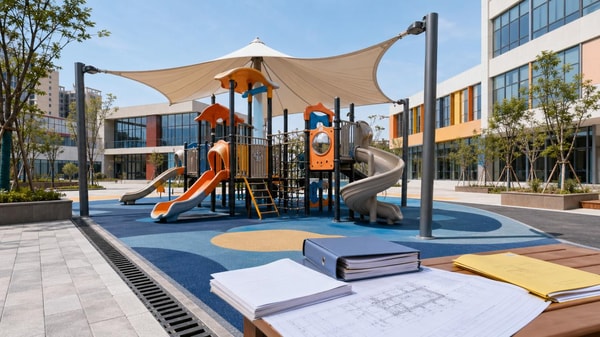
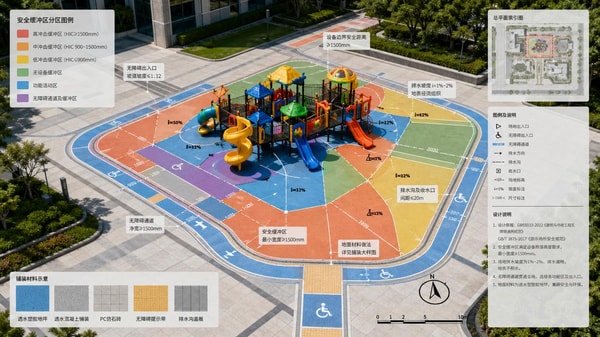
A practical shade strategy often divides the site into 3 zones: active play equipment, waiting or seating areas, and circulation paths. This approach helps teams prioritize where the highest solar load intersects with the longest occupancy time. In many projects, covering only 30%–50% of the total playground footprint can still deliver a meaningful comfort improvement if the protected zones are correctly selected.
From a sourcing perspective, Global Commercial Trade supports buyers who need commercially viable, specification-driven solutions rather than generic products. For engineering-led procurement, that means comparing structural options, fabric performance, supplier capability, and documentation quality before issuing final approvals or coordinating phased installation.
What decision-makers should measure first
Before reviewing suppliers, define 5 basic inputs: local climate, peak sun direction, site dimensions, user density, and maintenance capacity. These factors directly influence whether a cantilever shade, hip structure, sail configuration, or integrated canopy makes sense. Without these inputs, teams often overbuy decorative coverage or underbuy structural performance.
- Identify heat-sensitive zones such as toddler areas, rubber surfacing, and metal touchpoints.
- Map usage periods, especially the 10:00–16:00 window in hot seasons.
- Review whether the project requires permanent structures, seasonal fabric replacement, or modular expansion.
- Align shade selection with inspection, cleaning, and spare-part access over a 3–5 year maintenance horizon.
Which playground shade structures fit different project scenarios?
Not every project needs the same type of shade coverage. A resort playground may prioritize visual integration and guest experience, while a municipal park may focus on vandal resistance, replacement simplicity, and low annual maintenance. Matching the structure type to the operating environment is often the fastest way to avoid redesign costs and post-installation complaints.
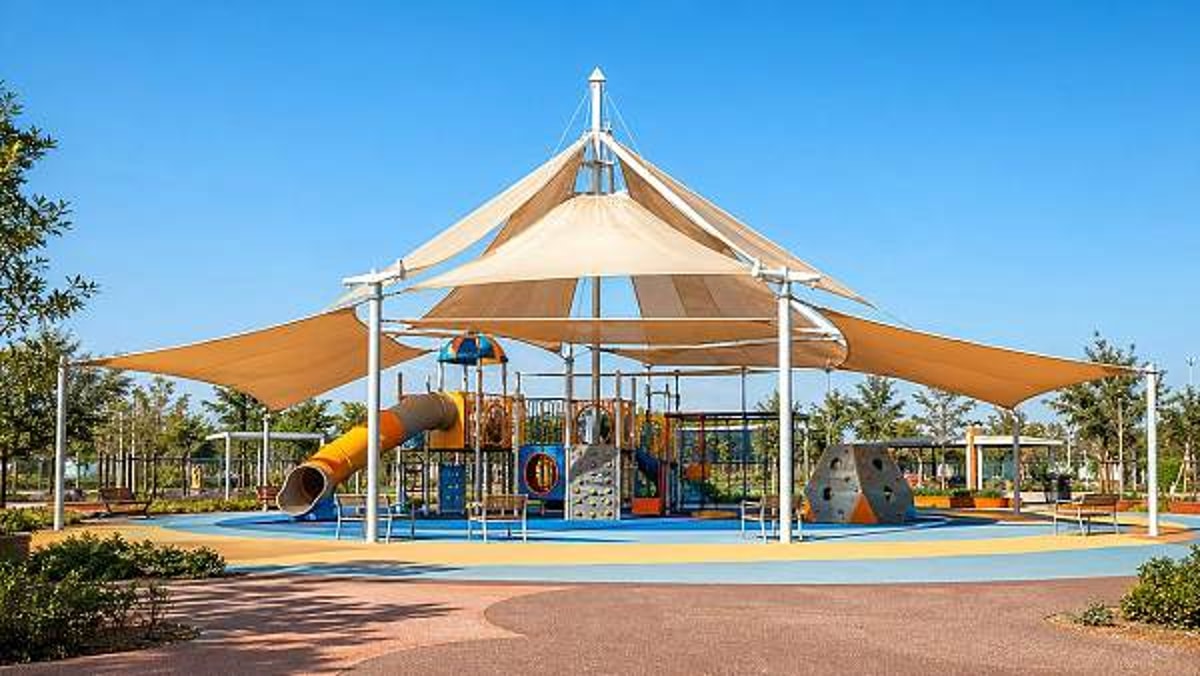
For engineering teams, the main categories usually include tensioned shade sails, hip or pyramid structures, cantilever systems, and solid-roof canopies. Each option changes column placement, coverage geometry, rain handling, and access to play zones. Lead times may also vary, with simpler standard systems often moving faster than heavily customized forms.
The comparison below helps project stakeholders evaluate playground shade structures based on application fit rather than appearance alone. This is especially useful when a site has multiple stakeholder groups, such as architects, facility teams, procurement officers, and end-user operators.
A useful rule is to separate performance goals into 2 groups: thermal relief and operational practicality. If the main issue is reducing direct solar exposure over high-contact equipment, tensioned fabric or hip structures may be sufficient. If the site must also support queueing, caregivers, or all-weather programming, a more robust canopy system may justify the investment.
Scenario-based selection guidance
School and educational projects
For schools, repeatable specification matters. Standardized playground shade structures with consistent post spacing, documented anchoring details, and manageable replacement cycles often reduce approval friction. Procurement teams usually prefer systems that can be installed during a 2–6 week campus break, depending on foundation readiness and site access.
Hospitality and mixed-use developments
In hotels, resorts, and destination retail environments, the shade system becomes part of the guest experience. Here, aesthetics, branding alignment, and view preservation matter more. Cantilever or customized fabric geometry may be worth considering when the playground sits near pools, terraces, or food-and-beverage spaces where visual quality influences commercial value.
Municipal and public-sector sites
Public projects often benefit from straightforward replacement planning. The ideal solution is not always the most complex one, but the one that maintains coverage consistency, withstands local weather cycles, and allows clear inspection intervals every quarter or every 6 months, depending on usage intensity.
What technical and compliance factors should procurement teams check?
When specifying playground shade structures, comfort alone is not enough. Procurement and engineering teams should validate structural design assumptions, fabric characteristics, connection details, and installation documentation. A visually attractive canopy can still become a project risk if it lacks clear load assumptions, suitable base design, or a realistic maintenance plan.
In international B2B sourcing, project documents typically need to cover 6 practical items: structural drawings, foundation requirements, material specifications, coating or corrosion treatment details, fabric data, and installation guidance. For public and institutional environments, buyers also need to review local code alignment, fall-zone interference, and accessibility implications around posts and circulation paths.
The table below summarizes common technical checkpoints that help teams compare offers from different suppliers of playground shade structures in a more consistent way.
A structured technical review also improves supplier communication. Instead of asking only for price, ask for drawing turnaround time, revision capacity, sample availability, and documentation completeness. On many projects, a 7–15 day documentation cycle before final confirmation is more valuable than rushing into a lower-cost option that later requires redesign.
Compliance questions worth raising early
- Will the posts or anchoring points interfere with play circulation, fall zones, or supervised sightlines?
- Does the proposed fabric or roof system align with local material and safety expectations for public environments?
- Can the supplier provide installation guidance suitable for local contractors and phased site delivery?
- Is the maintenance scope realistic for the operator’s staffing level and inspection schedule?
Because GCT works across commercial environments where design, safety, and sourcing reliability all matter, buyers can approach shade procurement as part of a broader site-performance strategy rather than an isolated accessory purchase. This is especially relevant for projects combining leisure, education, hospitality, or civic functions within one development plan.
How to balance budget, lifecycle cost, and delivery schedule
Initial price rarely tells the whole story. Two playground shade structures can appear similar in renderings while differing significantly in foundation demand, fabric replacement intervals, corrosion protection, and installation complexity. For project managers under deadline pressure, the best decision usually comes from comparing total delivered value over 3–7 years instead of focusing only on purchase cost.
Lifecycle budgeting should include at least 5 cost layers: design adaptation, structure fabrication, shipping, installation, and maintenance. If the site is exposed to high UV, coastal air, or frequent cleaning, maintenance and material durability can become as important as the initial canopy price. A lower entry quote may later increase operational downtime or replacement frequency.
The table below provides a practical framework for comparing cost logic and alternatives when sourcing playground shade structures for hot-season comfort improvement.
This comparison is useful because it shows that the “right” solution depends on operating priorities. If the project timeline is 6–10 weeks from technical approval to installation readiness, standardized or modular systems often offer fewer coordination risks. If the site is a flagship commercial property, custom geometry may create stronger long-term value despite longer review cycles.
A practical 4-step procurement workflow
- Define scope by zone: identify which play areas, seats, and pathways need priority coverage.
- Issue a technical brief: include site dimensions, climate notes, expected lead time, and compliance expectations.
- Compare offers on total package value: drawings, materials, installation logic, spare parts, and support.
- Plan implementation and handover: align civil works, inspection points, and post-installation maintenance responsibilities.
For buyers managing international sourcing, GCT adds value by helping evaluate supplier fit in a commercial context. That includes not only product categories, but also the ability to match design quality, project pace, and documentation expectations across varied sectors such as leisure parks, educational environments, and hospitality developments.
What mistakes do teams make when specifying playground shade structures?
One common mistake is treating playground shade structures as a late-stage decorative addition. When shade planning begins after equipment layout and surfacing are already fixed, support locations may clash with circulation routes or fall zones. That can force custom adjustments, cost increases, or reduced coverage performance.
Another issue is focusing only on top-view coverage area. Effective shade depends on solar angle, structure height, orientation, and daily use patterns. A canopy that looks large on a plan may protect less than expected during the hottest 3–4 hours of the day. Early sun-path review is often more useful than simply increasing canopy size.
Teams also underestimate maintenance logistics. Fabric tension checks, fastener inspection, cleaning frequency, and replacement planning should be discussed before purchase. In many public or institutional sites, a realistic quarterly inspection routine is easier to sustain than a highly specialized system requiring uncommon parts or contractor-only servicing.
FAQ for project managers and engineering leads
How much of a playground should be shaded?
There is no single percentage that suits every site. A practical starting point is to prioritize high-contact and high-dwell zones first, such as toddler play areas, waiting seats, and equipment with heat-sensitive surfaces. For many projects, targeted coverage of 30%–50% can be more effective than broad but poorly positioned coverage.
What is the typical lead time for playground shade structures?
Lead time depends on customization, site readiness, and shipping route. Standard systems may move faster, while custom-engineered solutions require longer for drawing approval and fabrication. Buyers should separate the process into 3 stages: technical review, production, and installation coordination, then confirm each stage in writing with the supplier.
Are fabric shades suitable for commercial and public projects?
Yes, if the material and structural design fit the local environment and project requirements. Fabric systems are widely used because they can balance appearance, coverage, and modularity. However, buyers should review tensioning details, replacement planning, and site-specific weather exposure instead of choosing by appearance alone.
What should be included in a supplier quotation review?
At minimum, compare 5 areas: structure scope, fabric specification, anchoring or foundation assumptions, installation support, and maintenance guidance. If a quote seems unusually low, confirm whether engineering revision, hardware, transport packaging, or post-installation documentation has been excluded.
Why work with a sourcing partner that understands commercial environments?
Playground shade structures sit at the intersection of user comfort, safety planning, site design, and long-term operations. That makes sourcing more complex than comparing a few catalog images. Project leaders need informed guidance on structure type, documentation quality, application fit, and supplier reliability, especially when the project serves public users or premium commercial audiences.
Global Commercial Trade helps buyers navigate that complexity with a sourcing perspective shaped by hospitality, educational supply, amusement, and commercial-space requirements. This broader view matters when shade systems must complement branded environments, support institutional procurement standards, or fit multi-use development schedules with several stakeholders involved.
If you are evaluating playground shade structures for a school, resort, park, civic site, or mixed-use commercial project, the most useful next step is a specification-based discussion. You can consult on coverage zoning, structure type comparison, material options, compliance expectations, indicative delivery windows, and whether a standard or custom approach is more practical for your site.
Contact GCT to discuss parameter confirmation, product selection, project lead time, custom design coordination, certification-related questions, sample support, or quotation planning. For engineering-driven procurement, a clear technical brief at the beginning often saves 2–3 rounds of revision later and helps move the project from concept to installation with fewer delays.
Search News
Hot Articles
Popular Tags
Need ExpertConsultation?
Connect with our specialized leisureengineering team for procurementstrategies.
Recommended News
 Apr 30, 2026When a playground consultant saves more than an in-house planPlayground consultant advice can prevent costly design errors, compliance gaps, and vendor mistakes. See when expert support beats an in-house plan and protects budget.● Theme Park Strategist
 Apr 30, 2026A smarter playground layout starts with traffic flowPlayground layout starts with traffic flow. Discover how smarter circulation improves safety, accessibility, capacity, and long-term commercial performance.● Theme Park Strategist
 Apr 30, 2026Playground certification steps that delay launch datesPlayground certification delays can add weeks to launch dates. Learn the key bottlenecks, hidden compliance risks, and practical steps to keep projects on schedule.● Theme Park Strategist
 Apr 30, 2026Playground climbers that keep kids challenged without bottlenecksPlayground climbers that reduce bottlenecks keep more kids engaged, improve flow, and suit schools, resorts, parks, and leisure venues. Learn what to specify before you buy.● Theme Park Strategist
 Apr 30, 2026What playground inspection reports often reveal too latePlayground inspection reports often reveal hidden risks too late. Learn how to catch design, installation, and safety issues earlier to avoid delays, rework, and costly project setbacks.● Theme Park Strategist
 Apr 30, 2026Playground accessibility details that change real usabilityPlayground accessibility details shape real usability beyond ramps. Explore transfer points, sensory zones, sightlines, and circulation tips that help buyers choose truly inclusive play spaces.● Theme Park Strategist
 Apr 30, 2026Playground shade structures that improve comfort in hot seasonsPlayground shade structures improve comfort, safety, and usability in hot seasons. Explore smart, durable solutions for schools, parks, and commercial projects.● Theme Park Strategist
 Apr 30, 2026Commercial slides and the maintenance issues often overlookedCommercial slides often fail on maintenance, not design. Learn the overlooked wear, cleaning, access, and compliance issues that affect safety, uptime, and long-term cost.● Theme Park Strategist
 Apr 30, 2026Why playground theme matters more than many layouts suggestPlayground theme shapes engagement, brand value, and repeat visits more than many layouts suggest. Learn how to choose the right concept for hotels, malls, and family venues.● Theme Park Strategist
 Apr 30, 2026Outdoor play structures that stay engaging across age groupsOutdoor play structures that engage ages 2–12: discover how schools, parks, and resorts can choose safer, durable, multi-age designs that boost replay value and buyer confidence.● Theme Park Strategist
 Apr 30, 2026Choosing a playground contractor without missing red flagsPlayground contractor selection made smarter: learn how to spot red flags early, reduce safety and cost risks, and choose a reliable partner with confidence.● Theme Park Strategist
 Apr 30, 2026Playground planning errors that create costly redesigns laterPlayground planning mistakes can trigger costly redesigns, delays, and compliance issues. Learn how to avoid common risks and deliver safer, smarter projects on budget.● Theme Park Strategist
 Apr 30, 2026How playground fencing affects safety without feeling restrictivePlayground fencing shapes safety, visibility, and comfort. Discover how to choose secure, open-feel fencing that protects children without making play spaces feel closed in.● Theme Park Strategist
 Apr 29, 2026Adventure Playground Safety Mistakes to Avoid Before InstallationAdventure playground safety mistakes can delay opening and raise liability. Learn the key pre-installation checks for materials, site planning, surfacing, and compliance.● Theme Park Strategist
 Apr 29, 2026Chinese Tennis Robot Demand Rises in Europe After Zheng Qinwen's Madrid RunChinese tennis robot demand surges in Europe after Zheng Qinwen's Madrid Open run—CE-certified AI training systems now sought by German & Spanish academies.● Theme Park Strategist
 Apr 29, 2026Vietnam Mandates Child Finger-Trap Sensors for Indoor Play EquipmentVietnam mandates child finger-trap sensors for indoor play equipment—key compliance update for exporters, suppliers & certifiers. Act now before Oct 1, 2026.● Theme Park Strategist
 Apr 29, 2026CBA Guangdong’s Loss Spurs Export Inquiries for Indoor Playground EquipmentCBA Guangdong’s playoff loss sparks urgent export inquiries for EN1176-compliant indoor playground equipment — basketball-themed, rapid-assembly modules for ASEAN family entertainment centers.● Theme Park Strategist
 Apr 28, 2026Vietnam Mandates Child Hand-Trap Sensors for Indoor Play EquipmentVietnam mandates VILAS-certified hand-trap sensors for indoor play equipment—key for exporters, manufacturers & certifiers. Act before Oct 2026!● Theme Park Strategist
 Apr 29, 2026What to Review Before Buying a Trampoline ParkCompare trampoline park price, trampoline park cost, and trampoline park equipment before choosing a trampoline park supplier. Get expert tips on safety, layout, and sourcing.● Theme Park Strategist
 Apr 29, 2026How Much Does a Trampoline Park CostTrampoline park cost explained: compare trampoline park price, equipment quality, and supplier value. Learn what drives ROI before choosing a trampoline park for sale.● Theme Park Strategist
 Apr 29, 2026Safe Trampoline Park Equipment BasicsSafe trampoline park equipment basics: compare trampoline park supplier options, indoor playground design, durability, compliance, and total trampoline park cost before you buy.● Theme Park Strategist
 Apr 29, 2026How to Audit an Indoor Playground FactoryIndoor playground manufacturer audit guide: learn how to assess an indoor playground supplier, indoor playground design strength, safety, capacity, and trampoline park equipment quality before you buy.● Theme Park Strategist
 Apr 29, 2026Indoor Playground Supplier Pricing GuideIndoor playground supplier pricing guide: compare indoor playground manufacturer quotes, indoor playground design value, trampoline park equipment cost, and hidden fees before you buy.● Theme Park Strategist
 Apr 29, 2026Trampoline Park Supplier Checklist 2026Trampoline park supplier checklist 2026: compare trampoline park price, cost, equipment, and indoor playground design to choose a safer, smarter supplier for profitable projects.● Theme Park Strategist