How Much Does a Trampoline Park Cost
Evaluating trampoline park cost involves far more than comparing a basic trampoline park price. For investors, buyers, and distributors, the right decision depends on equipment quality, safety standards, layout planning, and the strength of a reliable trampoline park supplier or indoor playground manufacturer. This guide explains the key cost drivers behind trampoline park equipment and sourcing, helping commercial decision-makers assess value, risks, and long-term return before choosing a trampoline park for sale.
How much does a trampoline park cost in real commercial terms?
For most commercial projects, a trampoline park cost can range from roughly $50,000 for a smaller basic equipment package to $500,000+ for a large, customized, multi-zone indoor park. In premium markets or large family entertainment center developments, total project costs can go even higher once installation, theming, building preparation, safety surfacing, freight, and local compliance are included.
For buyers and procurement teams, the most useful way to think about cost is not just “price per park,” but cost by scope, capacity, quality level, and operational objective. A compact trampoline zone designed for a community leisure center will be priced very differently from a revenue-focused attraction inside a high-traffic commercial entertainment venue.
As a practical benchmark:
- Small trampoline park: $50,000–$120,000
- Mid-size commercial trampoline park: $120,000–$250,000
- Large custom trampoline park: $250,000–$500,000+
These ranges usually reflect equipment supply more than the full business launch cost. If you are budgeting for a complete opening, you should also account for site fit-out, permits, staffing, insurance, marketing, and ongoing maintenance.
What drives trampoline park price the most?
The biggest cost differences usually come from a handful of factors. Understanding these early helps buyers compare quotations more accurately and avoid misleading low-price offers.
1. Park size and layout complexity
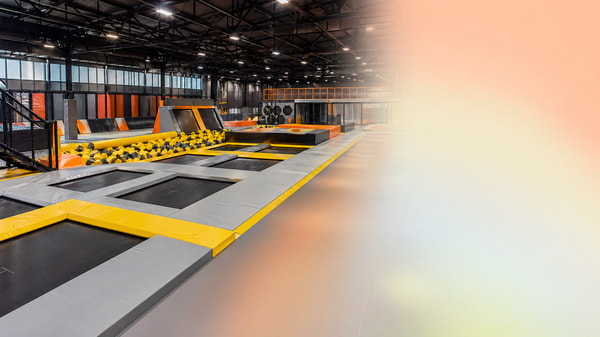
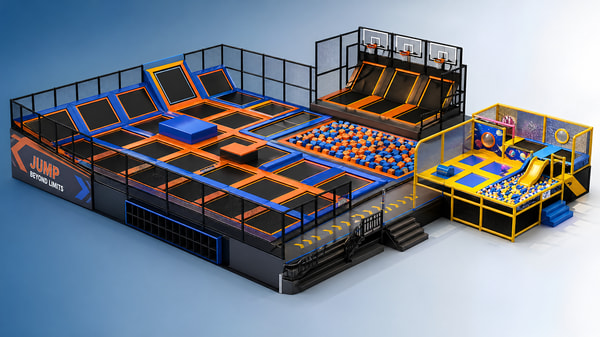
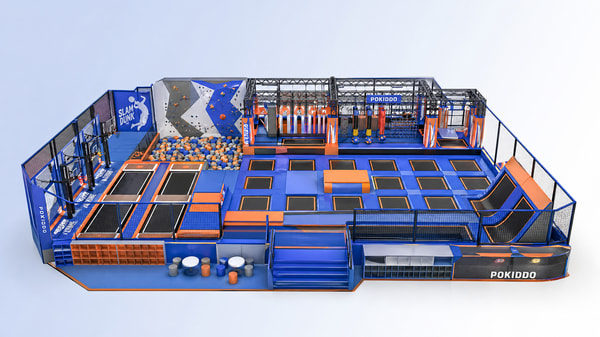
The larger the footprint, the higher the equipment volume, steel structure requirements, padding coverage, and installation time. A simple open jump area costs less than a park with interconnected zones, elevated features, and integrated attractions.
2. Number and type of attractions
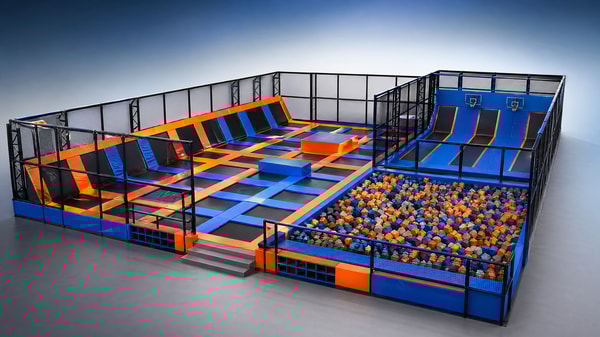
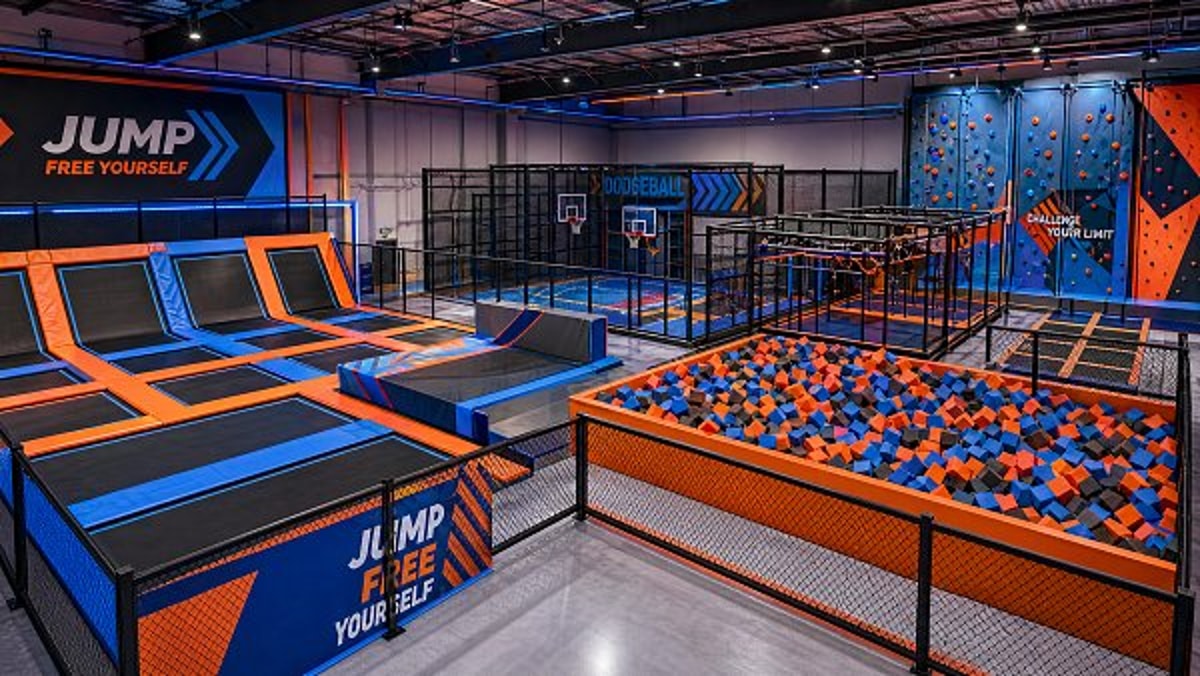
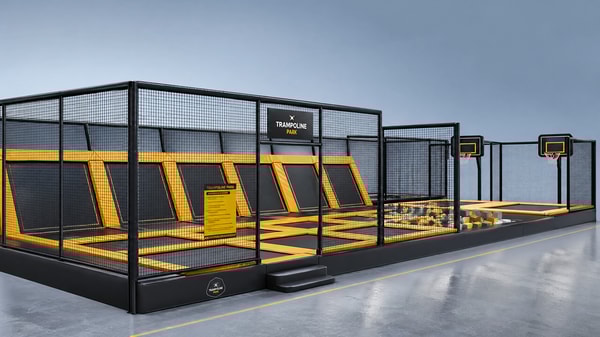
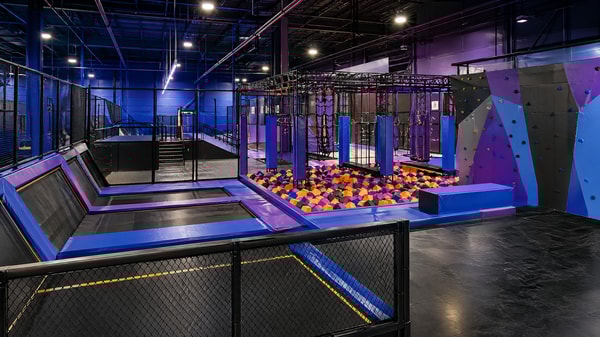
A basic trampoline park may include only open jump mats and safety padding. A more advanced package may add:
- Dodgeball courts
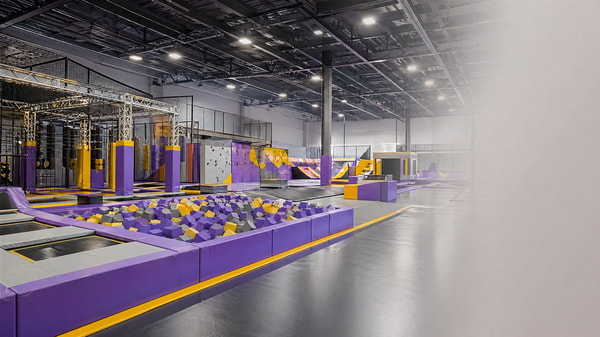
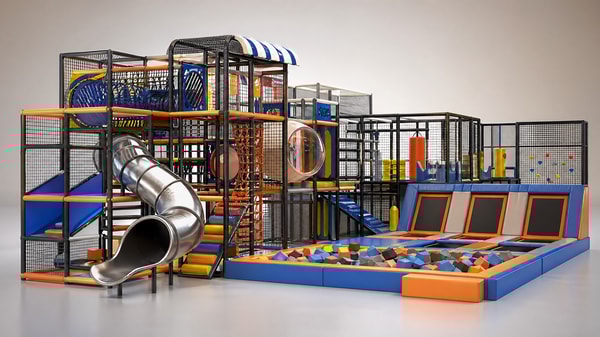
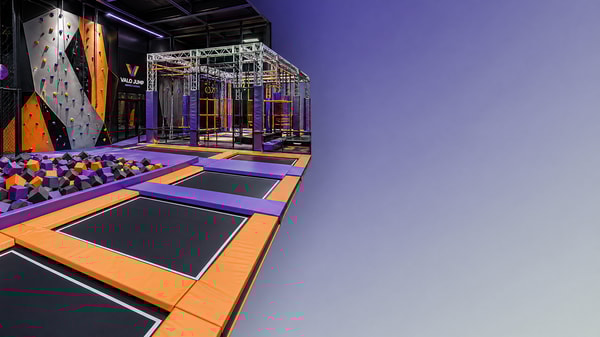
- Foam pits or airbag landing areas
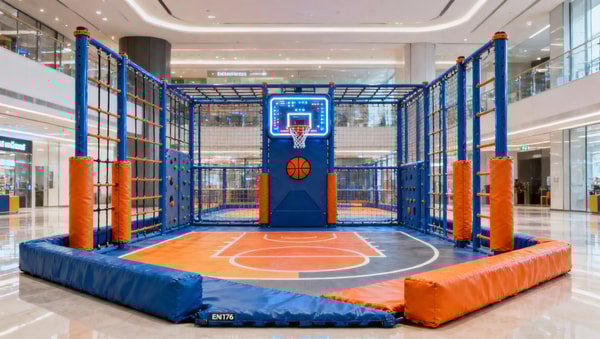
- Slam dunk zones
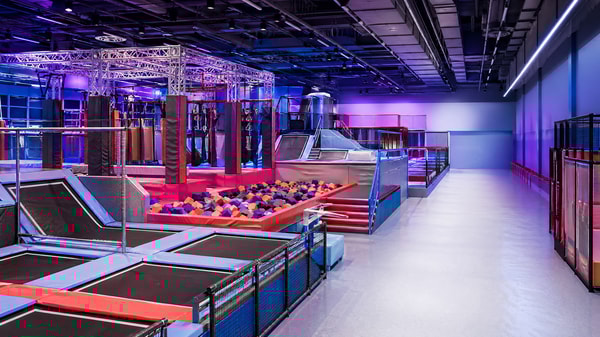
- Ninja courses
- Climbing walls
- Wipeout or interactive challenge games
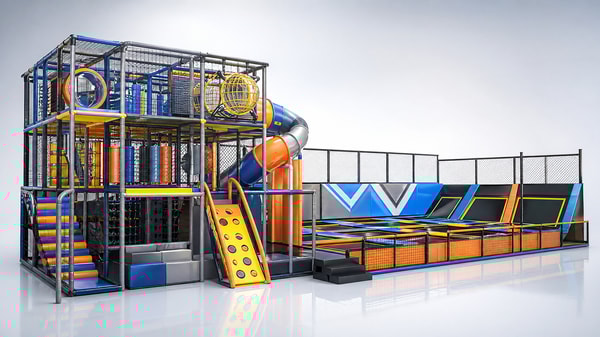
- Toddler zones
- Rope courses or soft play integration
Each added feature increases not only material cost but also design, engineering, and safety specification requirements.
3. Equipment quality and material standards
This is one of the most important variables for commercial buyers. High-quality trampoline park equipment typically uses better steel, more durable springs, stronger frames, higher-grade jump mats, thicker protective padding, and longer-lasting surface materials. Lower upfront pricing may indicate compromises that lead to faster wear, higher maintenance, more downtime, and greater liability exposure.
4. Safety compliance and certification
Commercial trampoline parks are not ordinary consumer products. Depending on the target market, buyers may need equipment that aligns with ASTM, EN, or other local safety expectations. Certified materials, documented testing, engineering review, and compliance support often add cost, but they also reduce sourcing risk and help with insurance and local approvals.
5. Customization and branding
Custom color schemes, logo integration, special layouts, themed structures, and unique activity combinations all affect final price. For distributors and project developers, customization may be necessary to differentiate the offering, but it should be assessed against expected payback.
6. Freight, installation, and after-sales support
International shipping, import duties, site conditions, and installer availability can significantly change the real cost of a trampoline park for sale. A low EXW factory quote may become less attractive once transport, local assembly, and service limitations are added.
What is usually included in trampoline park equipment cost?
One of the most common sourcing mistakes is assuming every supplier quote covers the same scope. In practice, one quotation may include only the main trampoline structure, while another includes planning, pads, nets, drawings, and installation support.
Commercial buyers should confirm whether the quoted trampoline park price includes:
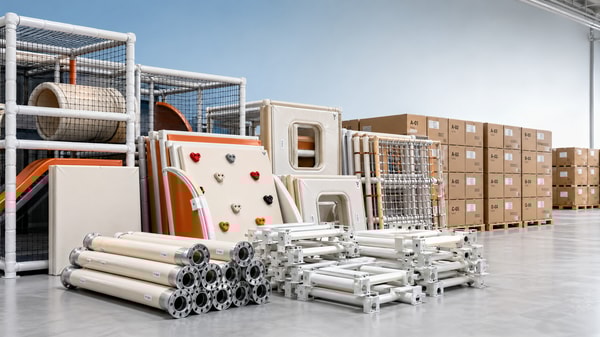
- Trampoline frames and jumping mats
- Springs and connection hardware
- Safety pads and wall protection
- Netting and enclosure systems
- Steel support structures
- Activity modules and attraction accessories
- 2D/3D layout design
- Engineering drawings
- Installation manuals or on-site installation
- Spare parts package
- Warranty terms
- Certification documents
For procurement comparison, request a clear scope matrix from each trampoline park supplier. This makes it easier to compare total landed value rather than just headline price.
How much should buyers budget beyond equipment?
For business planning, equipment is only one part of the total investment. Many first-time investors underestimate soft and indirect costs, which can materially affect ROI.
Additional budget categories often include:
- Building lease or property costs
- Interior fit-out and flooring preparation
- HVAC, lighting, and electrical work
- Fire safety systems and local code upgrades
- Permits, inspections, and legal fees
- Insurance
- Staff hiring and training
- POS systems and ticketing software
- Marketing and launch promotion
- Maintenance inventory and replacement parts
In many cases, total startup cost can be 1.5 to 3 times the equipment-only quote, depending on local construction conditions and business model complexity.
How do park size and business model affect cost?
The right budget depends on what the facility is meant to achieve. Different business models justify different levels of investment.
Standalone trampoline park
This model often requires a larger layout, stronger brand identity, and more attraction diversity to support repeat visits. The capital requirement is usually higher, but so is revenue potential if the market has enough demand.
Family entertainment center add-on
When trampoline zones are integrated into a wider FEC concept, buyers may choose a more targeted layout focused on one or two signature attractions. This can reduce cost while improving overall venue traffic and dwell time.
Shopping mall or mixed-use commercial venue
In these cases, visual impact, throughput, and safety presentation matter heavily. Custom design and polished finishes may justify a higher initial investment because the attraction supports a broader commercial experience.
School, resort, or community recreation application
These projects may prioritize durability, controlled risk, and long service life over maximum thrill density. Procurement teams often focus more on compliance, maintenance, and lifecycle cost than on the lowest acquisition price.
Is a cheaper trampoline park ever the better deal?
Sometimes, but often not. A low quote can be attractive during early budgeting, yet commercial buyers should test whether that price reflects real value or hidden compromise.
A cheaper trampoline park may become more expensive if it leads to:
- Higher maintenance frequency
- Faster pad or mat replacement
- Longer downtime
- Weak documentation for inspections
- Limited spare parts support
- Poor installation guidance
- Insurance difficulty due to unclear compliance
- Shorter service life
For distributors, agents, and procurement managers, the more strategic question is usually: Which supplier offers the best risk-adjusted value? That means balancing initial cost against durability, warranty, support responsiveness, and market acceptance.
What should buyers ask a trampoline park supplier before comparing quotations?
To make better sourcing decisions, buyers should use a structured supplier evaluation process. This is especially important when comparing an indoor playground manufacturer that also produces trampoline parks versus a specialized trampoline park supplier.
Key questions include:
- What exactly is included in the quotation?
- What safety standards does the equipment meet?
- Can the supplier provide testing reports or certification documents?
- What is the expected lifespan of key components?
- What are the warranty terms for frames, mats, springs, and padding?
- Is layout customization included?
- Does the supplier provide installation supervision or only manuals?
- What spare parts are recommended for initial purchase?
- What is the typical production lead time?
- Has the supplier completed similar international projects?
- Can they share project references or case studies?
- What after-sales response process is available?
These questions help move the buying conversation from “Which quote is cheapest?” to “Which partner is most reliable for this commercial application?”
How can buyers estimate return on investment more realistically?
For commercial decision-makers, trampoline park cost only makes sense when linked to earning potential and operating resilience. ROI depends on far more than entrance ticket pricing.
Key variables to evaluate include:
- Local demand and demographic fit
- Site visibility and accessibility
- Visitor capacity per hour
- Average ticket price
- Party and group booking potential
- Food, beverage, and merchandise upsell
- Maintenance downtime risk
- Staffing efficiency
- Seasonality and repeat visit frequency
A more expensive, better-designed park may produce stronger returns if it supports higher throughput, better customer reviews, and fewer operational interruptions. That is why experienced buyers often prioritize lifecycle economics over initial purchase price.
What are the most common cost mistakes first-time buyers make?
Several mistakes appear repeatedly in trampoline park sourcing and investment planning:
- Comparing quotes without matching scope
- Ignoring freight, duties, and installation cost
- Choosing on price before checking compliance documents
- Underestimating site preparation expenses
- Skipping spare parts planning
- Over-customizing before validating market demand
- Not checking supplier project experience
- Failing to model maintenance and replacement cycles
A disciplined sourcing process can prevent expensive corrections later. For B2B buyers, the safest path is to build a total-cost model before final supplier selection.
Final takeaway: how should commercial buyers judge trampoline park cost?
The short answer is that a trampoline park can cost anywhere from $50,000 to $500,000 or more, but the right budget depends on project size, attraction mix, compliance needs, quality level, and the reliability of the supplier.
For investors, distributors, and procurement teams, the smartest approach is to evaluate total commercial value, not just the initial trampoline park price. A credible supplier with strong engineering, clear documentation, durable materials, and dependable after-sales support will often deliver better long-term results than a lower-cost offer with hidden risks.
If you are assessing a trampoline park for sale, focus on four things first: scope clarity, safety compliance, lifecycle durability, and operational fit. Those factors will give you a far more accurate view of true cost—and a much better foundation for making a profitable sourcing decision.
Search News
Hot Articles
Popular Tags
Need ExpertConsultation?
Connect with our specialized leisureengineering team for procurementstrategies.
Recommended News
 Apr 29, 2026Adventure Playground Safety Mistakes to Avoid Before InstallationAdventure playground safety mistakes can delay opening and raise liability. Learn the key pre-installation checks for materials, site planning, surfacing, and compliance.● Theme Park Strategist
 Apr 29, 2026Chinese Tennis Robot Demand Rises in Europe After Zheng Qinwen's Madrid RunChinese tennis robot demand surges in Europe after Zheng Qinwen's Madrid Open run—CE-certified AI training systems now sought by German & Spanish academies.● Theme Park Strategist
 Apr 29, 2026Vietnam Mandates Child Finger-Trap Sensors for Indoor Play EquipmentVietnam mandates child finger-trap sensors for indoor play equipment—key compliance update for exporters, suppliers & certifiers. Act now before Oct 1, 2026.● Theme Park Strategist
 Apr 29, 2026CBA Guangdong’s Loss Spurs Export Inquiries for Indoor Playground EquipmentCBA Guangdong’s playoff loss sparks urgent export inquiries for EN1176-compliant indoor playground equipment — basketball-themed, rapid-assembly modules for ASEAN family entertainment centers.● Theme Park Strategist
 Apr 28, 2026Vietnam Mandates Child Hand-Trap Sensors for Indoor Play EquipmentVietnam mandates VILAS-certified hand-trap sensors for indoor play equipment—key for exporters, manufacturers & certifiers. Act before Oct 2026!● Theme Park Strategist
 Apr 29, 2026What to Review Before Buying a Trampoline ParkCompare trampoline park price, trampoline park cost, and trampoline park equipment before choosing a trampoline park supplier. Get expert tips on safety, layout, and sourcing.● Theme Park Strategist
 Apr 29, 2026How Much Does a Trampoline Park CostTrampoline park cost explained: compare trampoline park price, equipment quality, and supplier value. Learn what drives ROI before choosing a trampoline park for sale.● Theme Park Strategist
 Apr 29, 2026Safe Trampoline Park Equipment BasicsSafe trampoline park equipment basics: compare trampoline park supplier options, indoor playground design, durability, compliance, and total trampoline park cost before you buy.● Theme Park Strategist
 Apr 29, 2026How to Audit an Indoor Playground FactoryIndoor playground manufacturer audit guide: learn how to assess an indoor playground supplier, indoor playground design strength, safety, capacity, and trampoline park equipment quality before you buy.● Theme Park Strategist
 Apr 29, 2026Indoor Playground Supplier Pricing GuideIndoor playground supplier pricing guide: compare indoor playground manufacturer quotes, indoor playground design value, trampoline park equipment cost, and hidden fees before you buy.● Theme Park Strategist
 Apr 29, 2026Trampoline Park Supplier Checklist 2026Trampoline park supplier checklist 2026: compare trampoline park price, cost, equipment, and indoor playground design to choose a safer, smarter supplier for profitable projects.● Theme Park Strategist
 Apr 29, 2026Trampoline Park Price vs Long Term ValueTrampoline park price is only the start. Compare trampoline park cost, equipment quality, and supplier reliability to find safer, higher-ROI solutions with lasting commercial value.● Theme Park Strategist
![]() Apr 29, 2026Indoor Playground Design Mistakes to AvoidIndoor playground design mistakes can raise trampoline park cost and hurt ROI. Learn how to choose the right indoor playground supplier, manufacturer, and equipment for safer, smarter growth.● Theme Park Strategist
Apr 29, 2026Indoor Playground Design Mistakes to AvoidIndoor playground design mistakes can raise trampoline park cost and hurt ROI. Learn how to choose the right indoor playground supplier, manufacturer, and equipment for safer, smarter growth.● Theme Park Strategist Apr 29, 2026Is a Trampoline Park for Sale Worth ItTrampoline park for sale: compare trampoline park price, cost, equipment quality, and supplier support to judge ROI. See what smart buyers check before investing.● Theme Park Strategist
 Apr 29, 2026Trampoline Park Cost Breakdown for BuyersTrampoline park cost explained: compare trampoline park price, equipment quality, and supplier support to find a profitable trampoline park for sale with smart design and safer ROI.● Theme Park Strategist
 Apr 29, 2026What to Check in Trampoline Park EquipmentTrampoline park equipment guide: learn what to check from safety, layout, and materials to trampoline park cost, supplier selection, and indoor playground manufacturer support.● Theme Park Strategist
 Apr 29, 2026Indoor Playground Manufacturer Red FlagsIndoor playground manufacturer red flags: learn how to assess an indoor playground supplier, indoor playground design quality, trampoline park equipment, and hidden trampoline park cost before you buy.● Theme Park Strategist
 Apr 29, 2026How to Pick an Indoor Playground SupplierIndoor playground supplier guide: compare safety, design, quality, and lead times to choose the right indoor playground manufacturer or trampoline park supplier with confidence.● Theme Park Strategist
 Apr 29, 2026How to Compare Trampoline Park SuppliersCompare every trampoline park supplier by safety, design, service, and trampoline park cost. Learn how to choose reliable trampoline park equipment and indoor playground supplier solutions.● Theme Park Strategist
 Apr 29, 2026What Affects Trampoline Park Price MostTrampoline park price depends most on equipment quality, compliance, customization, and supplier strength. Learn what drives trampoline park cost and compare quotes with confidence.● Theme Park Strategist
 Apr 27, 2026Vietnam Mandates Child Finger-Trap Sensors for Indoor Play EquipmentVietnam mandates child finger-trap sensors for indoor play equipment starting Aug 1, 2026 — comply now to avoid delays, penalties & market access risks.● Theme Park Strategist
 Apr 26, 2026Fan Zhendong Visits SF as MLTT Investor; Chinese AI Ping Pong Tech Draws Silicon Valley InterestAI ping pong tech from China grabs Silicon Valley’s attention as Fan Zhendong, MLTT investor and Olympic champ, demos smart table tennis systems in SF—key for sports hardware, AI analytics & FDA-regulated fitness devices.● Theme Park Strategist
 Apr 26, 2026Vietnam Enforces Child Finger-Trap Sensors for Indoor Playground EquipmentChild finger-trap sensors now mandatory for indoor playground equipment in Vietnam—comply with QCVN 17:2026/BKHCN before import or sale.● Theme Park Strategist
 Apr 25, 2026Vietnam Mandates Child Finger-Trap Sensors for Indoor Play EquipmentVietnam mandates child finger-trap sensors for indoor play equipment—TCVN-certified, ≤0.3s response. Critical for importers, OEMs & compliance teams ahead of July 1, 2026 deadline.● Theme Park Strategist