Trampoline Park Cost Breakdown for Buyers
Understanding trampoline park cost starts with a clear view of pricing, design, and supplier capability. Whether you are comparing trampoline park price options, evaluating trampoline park equipment, or searching for a reliable trampoline park supplier, this guide helps buyers assess real investment value, safety standards, and customization potential before choosing a trampoline park for sale.
What really shapes trampoline park cost for commercial buyers?
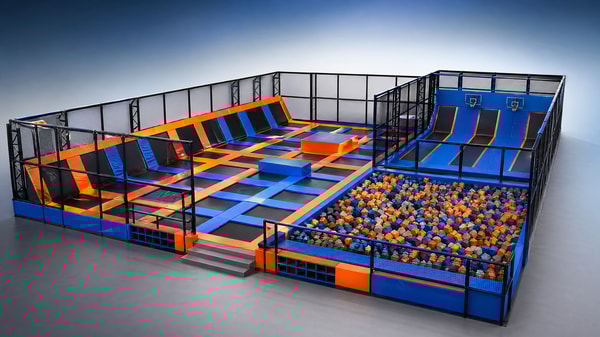
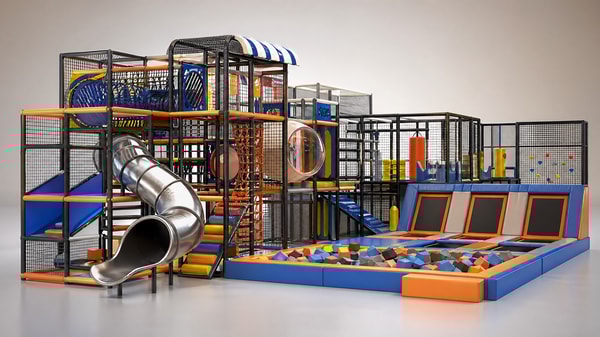
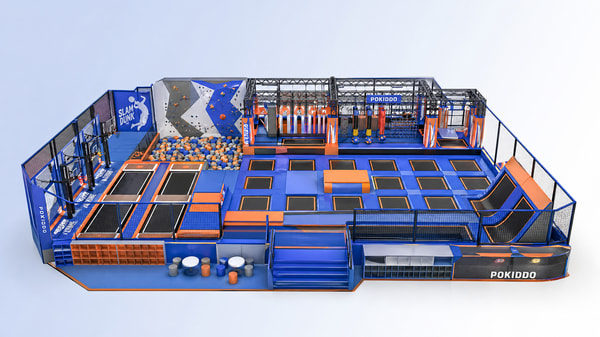
For B2B buyers in the sports and entertainment sector, trampoline park cost is rarely a single equipment quote. It is a layered investment made up of layout planning, structural integration, safety padding, jump modules, attraction mix, installation scope, freight, compliance preparation, and after-sales support. A small indoor venue and a multi-zone family entertainment center may both be described as a trampoline park, but their cost structure can differ significantly in complexity, maintenance expectations, and revenue logic.
In practical procurement work, buyers usually evaluate 3 core dimensions first: target floor area, attraction density, and expected daily traffic. A park designed for 80–150 visitors per day often follows a different budget logic than a venue built for peak holiday throughput or franchise replication. This is why a trampoline park price must be reviewed together with operating goals, not as an isolated factory number.
Another major cost driver is the level of customization. Standard modular trampoline park equipment can shorten production time to around 4–8 weeks in common sourcing scenarios, while custom color systems, branded obstacle courses, foam pit geometry adjustments, or mixed-age zoning may extend engineering and manufacturing cycles. For procurement teams with tight opening schedules, this timeline has direct cost implications beyond the initial purchase value.
Global Commercial Trade supports buyers by translating supplier quotations into decision-ready sourcing intelligence. Instead of comparing unit prices only, commercial buyers can benchmark supplier response quality, project coordination ability, customization depth, and compliance readiness. This matters because a lower initial trampoline park price can become a higher total project cost when redesign, delayed shipment, or spare part gaps appear after contract signing.
Main cost components buyers should separate early
- Equipment package cost: trampoline beds, springs, frames, pads, soft play modules, climbing elements, airbags, foam pits, ninja features, and perimeter protection.
- Project delivery cost: engineering drawings, container loading, sea or land freight, on-site installation support, and installation supervision.
- Compliance and site-readiness cost: floor loading review, ceiling height suitability, local fire route planning, signage, and operational safety preparation.
- Operating support cost: spare parts planning, maintenance schedule, staff training, and future expansion compatibility.
How to compare trampoline park price by size, layout, and attraction mix
Commercial buyers often need a structured way to compare trampoline park for sale options across different venue concepts. The most useful comparison is not brand versus brand at the start, but configuration versus business model. A compact urban site may prioritize turnover and low supervision complexity, while a destination family center may need more challenge zones to increase dwell time from 60–90 minutes to 2–3 hours.
The table below outlines common commercial scenarios and the cost logic behind them. These are not fixed market prices, but planning categories used by procurement teams to screen trampoline park suppliers before requesting detailed engineering proposals. This method reduces mismatched quotations and helps distributors or agents recommend the right package to end clients.
This comparison shows why buyers should request scope-based quotations instead of generic price sheets. A mid-size trampoline park equipment package may appear close in price to a compact park at first glance, but the second project may include more reinforced structures, more protective surfacing, and more complicated staff circulation planning. Those differences affect both capital expenditure and operating efficiency.
Buyers should also compare layout efficiency. In many projects, 4 planning factors decide value: clear ceiling height, column positions, evacuation paths, and the ratio between active play area and non-revenue space. A smarter layout can improve usable attraction density without forcing an overbuilt equipment package. That is often more financially important than pushing for the lowest visible quote.
Questions procurement teams should ask before price comparison
Before comparing any trampoline park supplier, ask whether the quotation includes design support for your actual floor plan, whether installation guidance is remote or on-site, and whether consumable parts are listed separately. Spring systems, jump mats, foam blocks, and pads have different replacement cycles, so a lower entry quote may hide higher maintenance costs over the first 12–24 months of operation.
It is also useful to ask how many attraction types are included in the base package. Some suppliers present an attractive trampoline park price for an entry-level configuration, then add cost later for basketball stations, wipeout features, or custom branding. For distributors and agents, this can create quotation volatility and weaken trust during client negotiation.
What should buyers check in trampoline park equipment before approval?
A commercial trampoline park is not only a collection of play features. It is a safety-engineered environment where material selection, frame structure, impact management, and maintenance access all influence lifecycle cost. Buyers should evaluate trampoline park equipment against operational durability, ease of replacement, supervision visibility, and compatibility with local regulations or insurer expectations.
In many sourcing discussions, 5 technical checkpoints deserve early review: steel frame treatment, padding thickness and fastening method, jump mat quality, spring or elastic system design, and separation between age groups or activity levels. These technical details affect both guest safety and downtime frequency. When traffic is heavy on weekends or school holidays, weak parts quickly turn into lost revenue and reputational risk.
The next table provides a practical evaluation framework for trampoline park equipment. It is especially useful for commercial buyers who must compare multiple supplier offers, assess OEM/ODM capability, or prepare internal approval reports. Instead of relying on sales language, decision-makers can check which details are actually documented in drawings, material lists, and maintenance instructions.
A good procurement review should also include replacement logic. Ask whether wear parts are standardized, how spare packs are supplied, and whether the trampoline park supplier can support phased replenishment. In many commercial settings, ordering an initial spare package for the first 6–12 months is more efficient than arranging urgent single-item orders after opening.
Common signs of a stronger supplier evaluation package
- Clear zone drawings showing dimensions, access paths, and separation of high-activity and low-activity areas.
- A documented bill of materials rather than a generic one-line equipment description.
- Defined installation sequence, usually broken into 3–4 steps from site check to final adjustment.
- After-sales scope that explains spare parts, troubleshooting response, and maintenance guidance frequency.
Why technical review matters for distributors and agents
For resellers and project intermediaries, technical clarity reduces commercial risk. If the end client later discovers missing protective features or site conflicts, the distributor often becomes the first point of complaint. Reviewing drawings, materials, and service boundaries early protects the entire transaction chain and supports more accurate proposal management.
This is one reason GCT’s sourcing perspective is valuable. It helps buyers see beyond product images and focus on supplier readiness, implementation detail, and the commercial reality of operating a trampoline park after the grand opening. In sports and entertainment procurement, that operational view is often what separates a viable investment from a difficult launch.
Which standards, lead times, and service steps should be built into the buying plan?
A trampoline park purchase should be managed as a project, not a simple inventory order. Buyers usually need to align 4 time-sensitive tracks: design confirmation, production scheduling, logistics arrangement, and installation readiness. Depending on project size and customization depth, the total implementation cycle often spans several weeks, and delays in one track can push back the venue opening date.
Compliance is equally important. While exact regulatory needs vary by market, buyers commonly review structural safety documentation, material suitability, protective spacing, operational signage, and local fire or venue approval conditions. Commercial operators should confirm these points before production lock, especially when importing a trampoline park for sale into a regulated mall, leisure center, or institutional site.
The table below summarizes a practical buying workflow for trampoline park equipment. It helps procurement teams, business evaluators, and project managers divide responsibilities and control risk before final payment milestones are triggered.
This timeline shows why buyers should build buffer time into launch plans. If a venue opening depends on mall handover, electrical completion, or local inspection windows, the trampoline park supplier must receive site data early. Rushed approvals often create avoidable redesigns, and redesigns usually cost more than disciplined planning.
A practical 6-point procurement checklist
- Confirm usable floor area, obstacle positions, and clear height before comparing any trampoline park price.
- Request detailed layout drawings and a materials list, not only rendered images.
- Check whether the quotation includes installation guidance, tools needed, and local labor assumptions.
- Clarify which parts are consumables and what spare parts are recommended for the first operating cycle.
- Review the supplier’s experience with custom branding, mixed-age layouts, or multi-country shipping if relevant.
- Align compliance expectations with local authorities, insurers, or venue management before production starts.
For business evaluators, these checks also improve internal reporting. Instead of presenting a single purchase figure, teams can show cost exposure, timeline risk, and service assumptions in a format that financial and operational stakeholders can both understand. That improves approval quality and reduces surprises after contract execution.
What mistakes increase total cost, and how can buyers avoid them?
One common mistake is treating the trampoline park supplier as only a manufacturer, not a project partner. In reality, poor communication between design, logistics, site preparation, and installation teams can create hidden expenses that exceed any initial savings. Buyers should evaluate responsiveness, drawing accuracy, and issue resolution ability as carefully as they evaluate product photos and base quotations.
A second mistake is underestimating non-equipment cost. Freight, customs procedures, installation labor, foundation preparation, signage, and safety staffing can materially affect total investment. This is especially relevant for overseas sourcing, where a favorable trampoline park price at origin may not remain favorable after landed and installed cost is calculated.
A third mistake is overbuilding the attraction mix. Not every venue needs the highest number of features. In some urban or medium-footfall locations, a balanced layout with 3–5 well-selected zones performs better than a dense configuration that complicates supervision and maintenance. Buyers should match equipment density to the target audience, ticketing model, and staffing plan.
The final mistake is ignoring lifecycle support. A trampoline park for sale is only commercially useful when spare parts, maintenance guidance, and future modifications remain available. Procurement teams should ask what happens after month 6, month 12, and the first major refurbishment cycle. This long-view approach often changes which quote is truly competitive.
FAQ for commercial trampoline park buyers
How do I choose between a standard package and a custom trampoline park design?
Choose a standard package when opening speed, budget control, and straightforward site conditions are the priorities. Choose a custom design when branding, mixed-age zoning, unusual floor geometry, or premium guest experience is central to the business plan. In many projects, a hybrid approach works best: standard structural modules combined with custom color, graphics, and selected attraction zones.
What is the most important factor behind trampoline park cost after equipment quality?
After core equipment quality, layout efficiency usually has the greatest effect. A well-planned park uses available space better, reduces circulation conflicts, improves supervision visibility, and avoids unnecessary features. That can improve return on investment more than simply pushing down the purchase price.
How long does trampoline park procurement usually take?
For many commercial projects, the sequence from site review to production confirmation may take 2–4 weeks, while manufacturing and shipping may require another 4–8 weeks depending on customization and transport route. Installation planning should start in parallel, not after goods arrive, especially for multi-zone parks or overseas projects.
What should distributors and agents focus on when representing a trampoline park supplier?
Focus on quoting accuracy, documentation quality, customization flexibility, and after-sales clarity. End clients often decide based on confidence in delivery, not just attraction visuals. Strong distributors present clear scope, realistic lead times, and a maintenance plan, which reduces negotiation friction and supports repeat business.
Why work with GCT when sourcing a trampoline park for sale?
For buyers navigating multiple quotations, uncertain supplier claims, and tight launch schedules, GCT adds value by bringing commercial sourcing intelligence into the decision process. In sports and entertainment procurement, this means looking at more than product appearance. It means evaluating whether a trampoline park supplier can support design coordination, compliance preparation, supply continuity, and business-fit customization.
GCT’s sector focus on amusement and leisure parks is especially relevant for hospitality groups, institutional buyers, commercial developers, and channel partners who need dependable project information. Instead of sorting through fragmented offers alone, buyers can frame discussions around 5 practical areas: equipment scope, technical suitability, timeline realism, compliance readiness, and after-sales support. That makes internal approval faster and supplier comparison more objective.
If you are evaluating trampoline park cost, comparing trampoline park equipment options, or screening a trampoline park supplier for a new venue or distribution opportunity, the next step should be specific. Prepare your floor plan, target opening date, preferred attraction mix, and market requirements. With those details, it becomes possible to discuss accurate configuration advice instead of rough headline pricing.
Contact GCT to discuss configuration review, supplier matching, product selection, delivery timelines, customization options, compliance questions, spare parts planning, sample material review, and quotation alignment. For commercial buyers, that level of clarity is what turns a trampoline park for sale into a workable and profitable project plan.
Search News
Hot Articles
Popular Tags
Need ExpertConsultation?
Connect with our specialized leisureengineering team for procurementstrategies.
Recommended News
 Apr 29, 2026Adventure Playground Safety Mistakes to Avoid Before InstallationAdventure playground safety mistakes can delay opening and raise liability. Learn the key pre-installation checks for materials, site planning, surfacing, and compliance.● Theme Park Strategist
 Apr 29, 2026Chinese Tennis Robot Demand Rises in Europe After Zheng Qinwen's Madrid RunChinese tennis robot demand surges in Europe after Zheng Qinwen's Madrid Open run—CE-certified AI training systems now sought by German & Spanish academies.● Theme Park Strategist
 Apr 29, 2026Vietnam Mandates Child Finger-Trap Sensors for Indoor Play EquipmentVietnam mandates child finger-trap sensors for indoor play equipment—key compliance update for exporters, suppliers & certifiers. Act now before Oct 1, 2026.● Theme Park Strategist
 Apr 29, 2026CBA Guangdong’s Loss Spurs Export Inquiries for Indoor Playground EquipmentCBA Guangdong’s playoff loss sparks urgent export inquiries for EN1176-compliant indoor playground equipment — basketball-themed, rapid-assembly modules for ASEAN family entertainment centers.● Theme Park Strategist
 Apr 28, 2026Vietnam Mandates Child Hand-Trap Sensors for Indoor Play EquipmentVietnam mandates VILAS-certified hand-trap sensors for indoor play equipment—key for exporters, manufacturers & certifiers. Act before Oct 2026!● Theme Park Strategist
 Apr 29, 2026What to Review Before Buying a Trampoline ParkCompare trampoline park price, trampoline park cost, and trampoline park equipment before choosing a trampoline park supplier. Get expert tips on safety, layout, and sourcing.● Theme Park Strategist
 Apr 29, 2026How Much Does a Trampoline Park CostTrampoline park cost explained: compare trampoline park price, equipment quality, and supplier value. Learn what drives ROI before choosing a trampoline park for sale.● Theme Park Strategist
 Apr 29, 2026Safe Trampoline Park Equipment BasicsSafe trampoline park equipment basics: compare trampoline park supplier options, indoor playground design, durability, compliance, and total trampoline park cost before you buy.● Theme Park Strategist
 Apr 29, 2026How to Audit an Indoor Playground FactoryIndoor playground manufacturer audit guide: learn how to assess an indoor playground supplier, indoor playground design strength, safety, capacity, and trampoline park equipment quality before you buy.● Theme Park Strategist
 Apr 29, 2026Indoor Playground Supplier Pricing GuideIndoor playground supplier pricing guide: compare indoor playground manufacturer quotes, indoor playground design value, trampoline park equipment cost, and hidden fees before you buy.● Theme Park Strategist
 Apr 29, 2026Trampoline Park Supplier Checklist 2026Trampoline park supplier checklist 2026: compare trampoline park price, cost, equipment, and indoor playground design to choose a safer, smarter supplier for profitable projects.● Theme Park Strategist
 Apr 29, 2026Trampoline Park Price vs Long Term ValueTrampoline park price is only the start. Compare trampoline park cost, equipment quality, and supplier reliability to find safer, higher-ROI solutions with lasting commercial value.● Theme Park Strategist
![]() Apr 29, 2026Indoor Playground Design Mistakes to AvoidIndoor playground design mistakes can raise trampoline park cost and hurt ROI. Learn how to choose the right indoor playground supplier, manufacturer, and equipment for safer, smarter growth.● Theme Park Strategist
Apr 29, 2026Indoor Playground Design Mistakes to AvoidIndoor playground design mistakes can raise trampoline park cost and hurt ROI. Learn how to choose the right indoor playground supplier, manufacturer, and equipment for safer, smarter growth.● Theme Park Strategist Apr 29, 2026Is a Trampoline Park for Sale Worth ItTrampoline park for sale: compare trampoline park price, cost, equipment quality, and supplier support to judge ROI. See what smart buyers check before investing.● Theme Park Strategist
 Apr 29, 2026Trampoline Park Cost Breakdown for BuyersTrampoline park cost explained: compare trampoline park price, equipment quality, and supplier support to find a profitable trampoline park for sale with smart design and safer ROI.● Theme Park Strategist
 Apr 29, 2026What to Check in Trampoline Park EquipmentTrampoline park equipment guide: learn what to check from safety, layout, and materials to trampoline park cost, supplier selection, and indoor playground manufacturer support.● Theme Park Strategist
 Apr 29, 2026Indoor Playground Manufacturer Red FlagsIndoor playground manufacturer red flags: learn how to assess an indoor playground supplier, indoor playground design quality, trampoline park equipment, and hidden trampoline park cost before you buy.● Theme Park Strategist
 Apr 29, 2026How to Pick an Indoor Playground SupplierIndoor playground supplier guide: compare safety, design, quality, and lead times to choose the right indoor playground manufacturer or trampoline park supplier with confidence.● Theme Park Strategist
 Apr 29, 2026How to Compare Trampoline Park SuppliersCompare every trampoline park supplier by safety, design, service, and trampoline park cost. Learn how to choose reliable trampoline park equipment and indoor playground supplier solutions.● Theme Park Strategist
 Apr 29, 2026What Affects Trampoline Park Price MostTrampoline park price depends most on equipment quality, compliance, customization, and supplier strength. Learn what drives trampoline park cost and compare quotes with confidence.● Theme Park Strategist
 Apr 27, 2026Vietnam Mandates Child Finger-Trap Sensors for Indoor Play EquipmentVietnam mandates child finger-trap sensors for indoor play equipment starting Aug 1, 2026 — comply now to avoid delays, penalties & market access risks.● Theme Park Strategist
 Apr 26, 2026Fan Zhendong Visits SF as MLTT Investor; Chinese AI Ping Pong Tech Draws Silicon Valley InterestAI ping pong tech from China grabs Silicon Valley’s attention as Fan Zhendong, MLTT investor and Olympic champ, demos smart table tennis systems in SF—key for sports hardware, AI analytics & FDA-regulated fitness devices.● Theme Park Strategist
 Apr 26, 2026Vietnam Enforces Child Finger-Trap Sensors for Indoor Playground EquipmentChild finger-trap sensors now mandatory for indoor playground equipment in Vietnam—comply with QCVN 17:2026/BKHCN before import or sale.● Theme Park Strategist
 Apr 25, 2026Vietnam Mandates Child Finger-Trap Sensors for Indoor Play EquipmentVietnam mandates child finger-trap sensors for indoor play equipment—TCVN-certified, ≤0.3s response. Critical for importers, OEMs & compliance teams ahead of July 1, 2026 deadline.● Theme Park Strategist