What Affects Trampoline Park Price Most
For most commercial buyers, the biggest factor affecting trampoline park price is not just venue size. The real cost difference usually comes from equipment specification, safety compliance, customization level, supplier capability, and the long-term operating model. Two parks with similar floor areas can have very different budgets if one uses basic standard modules and the other requires advanced attractions, stricter certifications, premium materials, and a more complex installation plan. For procurement teams, investors, and distributors, understanding these cost drivers is the fastest way to compare quotes accurately and avoid underestimating total trampoline park cost.
Why trampoline park price varies so much from one project to another
When buyers first request a quote, they often expect a simple price based on square meters or square feet. In practice, commercial trampoline park price is shaped by a layered cost structure. The venue size matters, but it is only the framework. What drives pricing most is what goes inside that space, what standards the project must meet, and how the park is expected to perform commercially over time.
A small park with high-end attractions, custom branding, reinforced structural work, and export-grade safety compliance may cost more than a larger park using standard equipment. This is why experienced trampoline park suppliers usually ask for layout plans, target age group, country of installation, and attraction mix before giving a reliable quotation.
For buyers comparing offers, the key is to separate three things:
- Base equipment cost
- Project delivery cost, including design, shipping, and installation
- Lifecycle cost, including maintenance, replacement parts, and downtime risk
If a quote looks unusually low, it is often because one of these categories has been minimized, excluded, or not fully specified.
Equipment quality is often the biggest direct price driver
The quality of trampoline park equipment has a major impact on project cost because it affects material choice, durability, safety, and replacement frequency. Commercial buyers are not just purchasing bounce performance. They are investing in a system expected to endure repeated daily use, support high traffic, and remain compliant and visually attractive over time.
Price usually rises with better specification in areas such as:
- Frame steel thickness and anti-rust treatment
- Jumping mat material strength and fatigue resistance
- Spring quality or alternative tension systems
- Padding density, flame resistance, and wear performance
- Protective netting quality and stitching standards
- Foam pit cube quality or airbag system grade
For a serious commercial operation, low-cost materials can create hidden expenses later. Frequent repairs, soft padding compression, fabric tearing, or frame instability can lead to service interruptions and reputation damage. In this sense, higher upfront pricing from a reliable trampoline park supplier can actually reduce total ownership cost.
Safety compliance and certification can significantly change total trampoline park cost
For procurement managers and business evaluators, compliance is one of the most important cost variables. Projects intended for different markets may need different safety standards, testing documents, fire-related material performance, engineering calculations, or local authority approvals.
Costs often increase when the project requires:
- Compliance with ASTM, EN, or other regional standards
- Certified flame-retardant materials
- Third-party testing documentation
- Detailed engineering drawings and load calculations
- Additional impact protection and enclosure systems
- Operator training and safety signage packages
These are not optional details in many commercial environments. They directly affect import approval, insurance eligibility, and the operator’s legal risk profile. Buyers should not evaluate trampoline park price without checking exactly what compliance support is included. A cheaper quotation without proper documentation may become more expensive once redesign, retesting, or delayed opening is considered.
Attraction mix affects price more than floor area alone
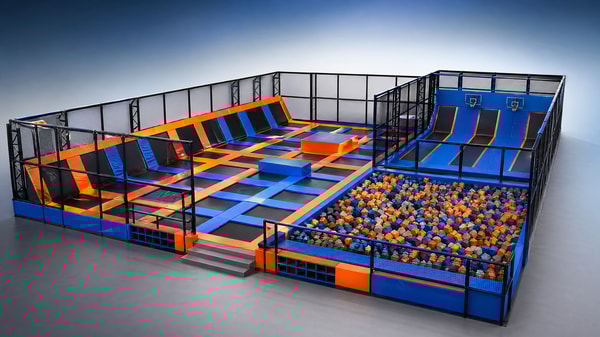
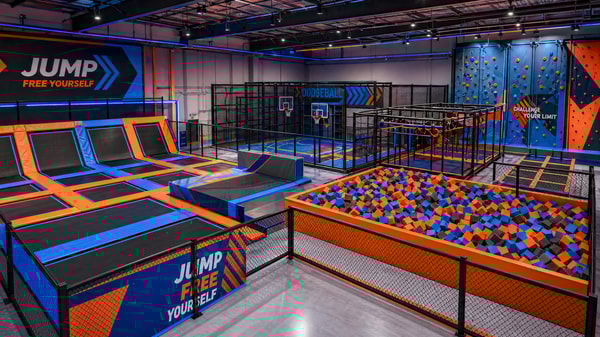
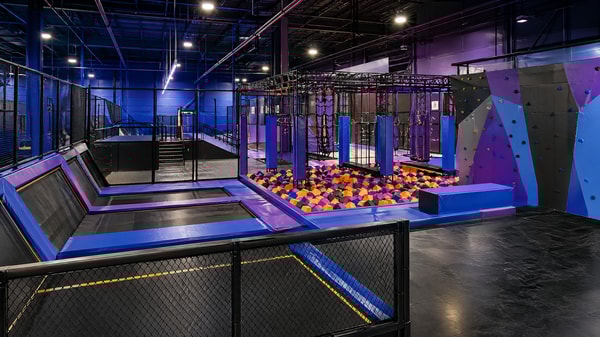
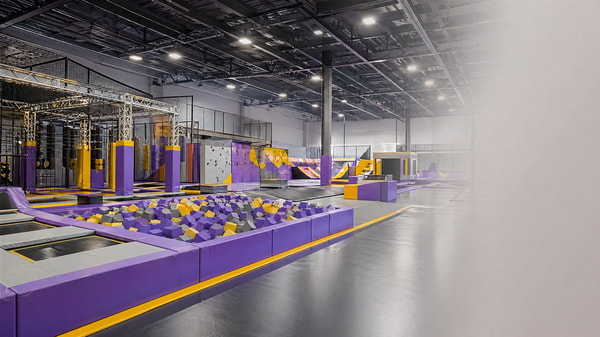
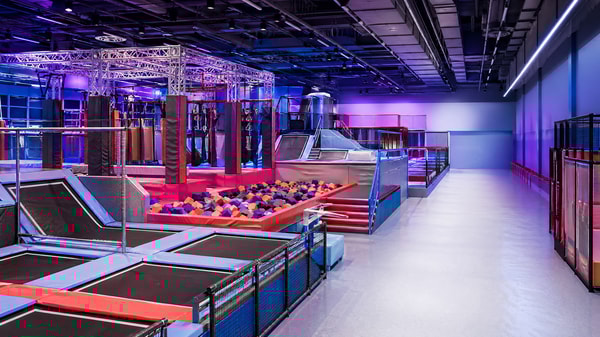
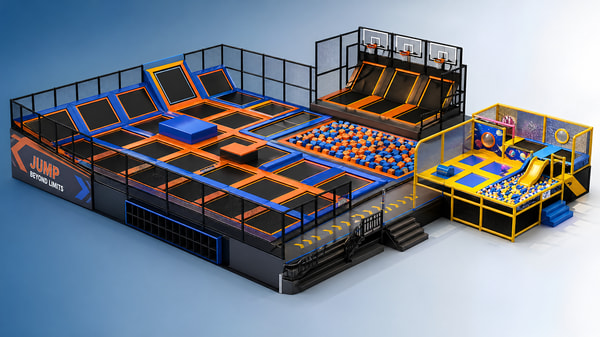
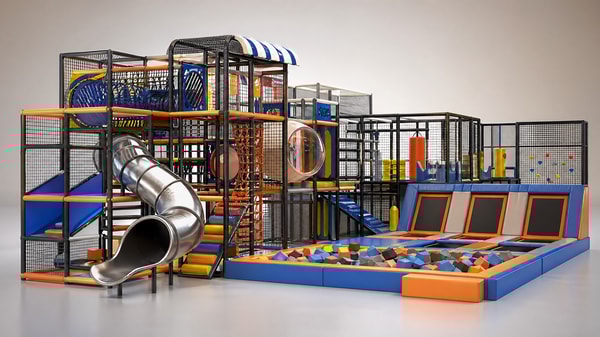
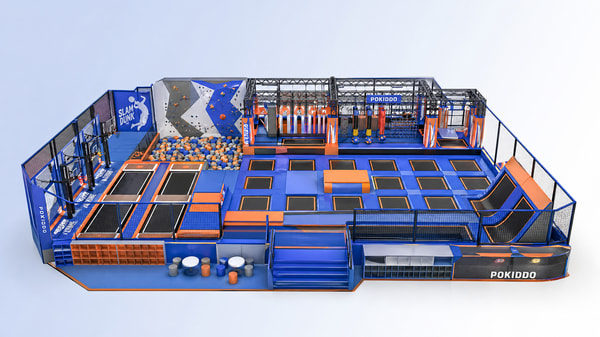
A park made up only of basic trampoline zones will be priced very differently from a venue that combines multiple interactive and high-value attractions. The number and type of attractions strongly influence both equipment cost and installation complexity.
Common attractions that can raise total price include:
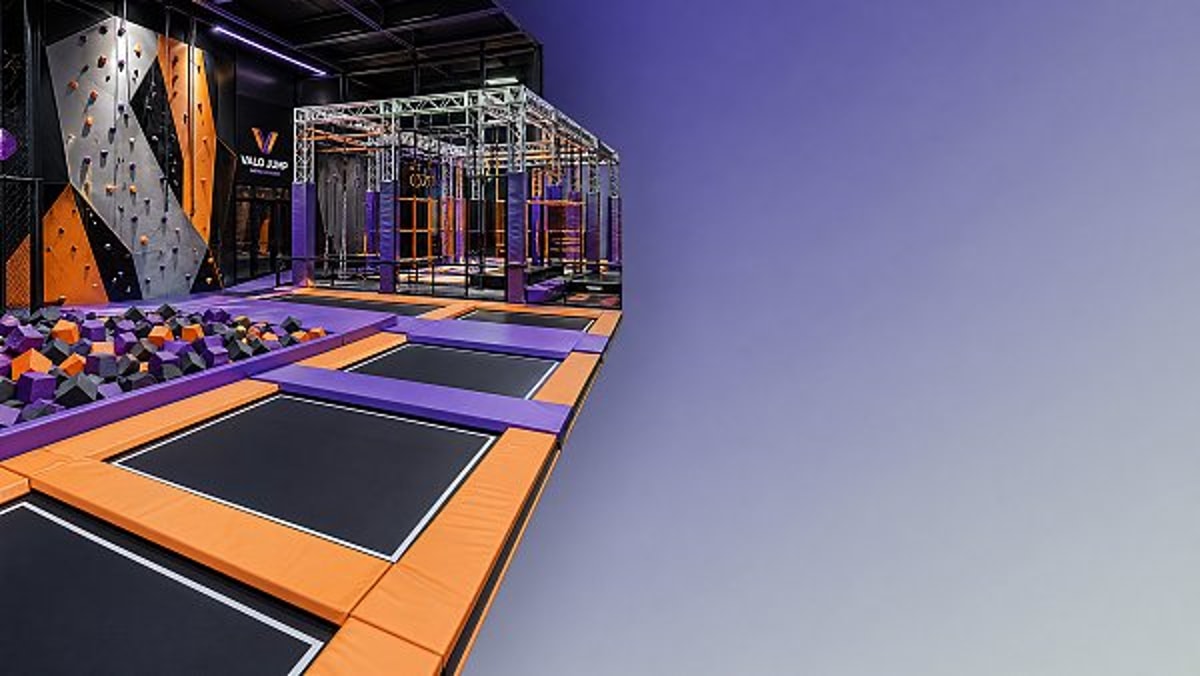
- Ninja courses
- Climbing walls
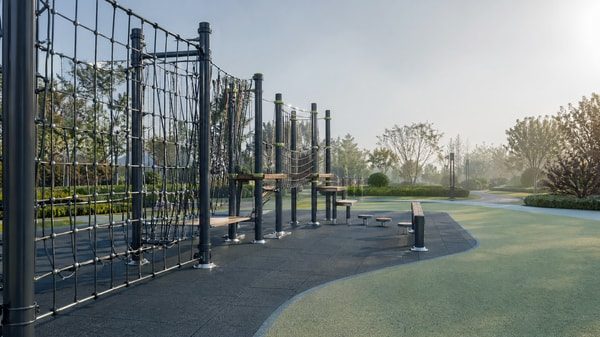
- Rope courses
- Interactive digital trampoline systems
- Wipeout or challenge game zones
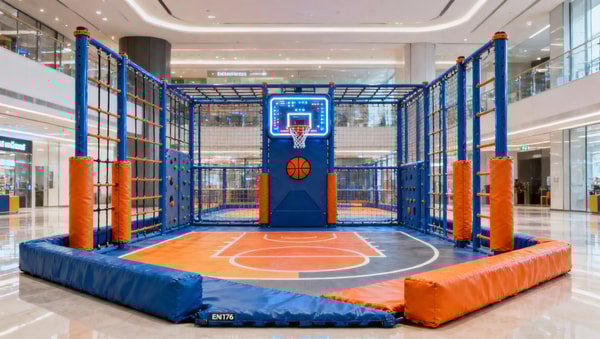
- Basketball dunk areas
- Airbags and advanced jump platforms
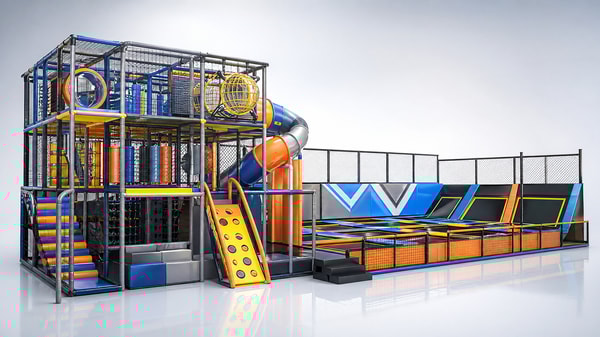
- Toddler areas with soft play integration
The more diverse the attraction portfolio, the more the project resembles a hybrid amusement center rather than a standard trampoline venue. This often brings higher customer appeal and stronger repeat visitation, but it also increases design requirements, component sourcing, and maintenance planning.
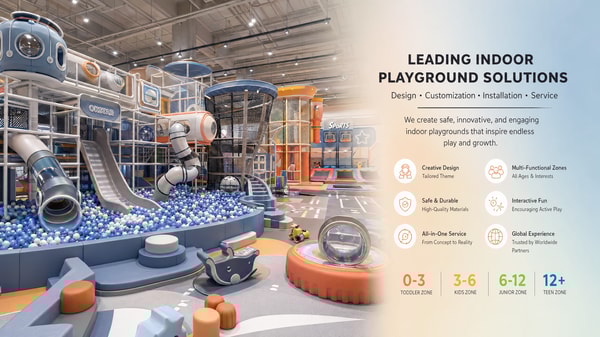
For distributors and sourcing professionals, this is where cooperation between a trampoline park supplier and an indoor playground supplier can become valuable, especially for family entertainment center projects that mix age groups and activity formats.
Customization and layout complexity can raise project cost quickly
Standardized modules are usually more cost-efficient than custom-built environments. If the buyer wants a trampoline park designed around unusual ceiling heights, irregular columns, branded color themes, integrated party rooms, or multi-zone traffic flow, price typically increases.
Customization adds cost because it requires more than visual changes. It can involve:
- Non-standard steel fabrication
- Custom padding and color production
- Unique netting and enclosure dimensions
- Additional design and engineering hours
- More complicated packing and installation sequencing
That said, customization is not automatically a bad investment. In competitive markets, a distinct layout may improve guest experience, capacity distribution, and brand positioning. The practical question is whether each custom element contributes to revenue, safety, circulation, or customer retention. If not, it may be adding cost without enough commercial return.
Venue conditions and site constraints are major hidden cost factors
Many first-time buyers focus heavily on equipment price and underestimate how much the building itself influences the final budget. The same trampoline park design can cost much more to install in a difficult site than in a clean, open, well-prepared venue.
Common site-related cost drivers include:
- Ceiling height limitations
- Load-bearing restrictions
- Column positions that interrupt layout efficiency
- Fire sprinkler conflicts
- Uneven floors or required civil work
- Limited access for unloading and installation
- Remote project locations with higher labor and logistics cost
This is why accurate site drawings and early technical review matter. An experienced trampoline park supplier should be able to identify problems before production starts. If not, late-stage modifications can inflate cost and delay opening.
Supplier capability has a direct impact on both price and risk
Not all suppliers are equal, and price differences often reflect differences in manufacturing capability, export experience, design support, and after-sales systems. For B2B buyers, the right question is not simply who offers the lowest quote, but which supplier can deliver a project with acceptable quality, documentation, lead time, and post-installation support.
A stronger supplier may charge more because they provide:
- In-house design and engineering
- Better raw material control
- Documented quality assurance processes
- Export packaging and shipping coordination
- Installation guidance or onsite supervision
- Spare parts planning and after-sales responsiveness
For buyers managing multi-country sourcing or commercial rollout plans, these capabilities can justify a higher initial price. Delays, missing parts, inconsistent production quality, or poor communication can create much larger financial consequences than a modest difference in quotation.
Shipping, installation, and regional labor costs can reshape the final budget
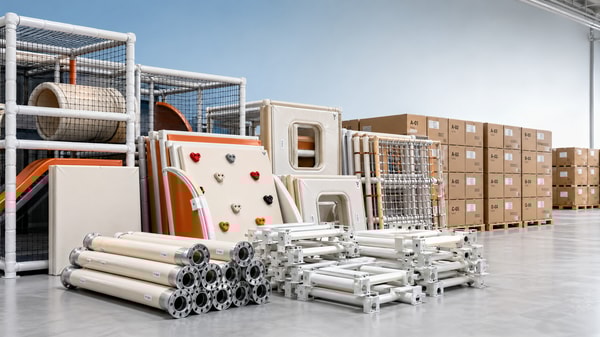
Even when equipment costs are fixed, project totals can vary substantially depending on logistics and installation. Large commercial trampoline systems are bulky, component-heavy, and often packed in multiple shipments. Freight rates, destination access, customs requirements, and local labor conditions all matter.
Final project cost may increase because of:
- International sea freight fluctuations
- Import duties and taxes
- Special packaging requirements
- Onsite installation crew size and duration
- Travel and accommodation for technical supervisors
- Local equipment rental such as lifts or scaffolding
Buyers should always clarify whether quoted trampoline park price is ex-works, FOB, CIF, or includes installation. Comparing quotations without aligned trade terms often leads to misleading conclusions.
Maintenance requirements and replacement cycles matter more than many buyers expect
One of the most overlooked parts of trampoline park cost is what happens after opening. Commercial parks experience constant mechanical and surface wear. Mats, springs, pads, foam cubes, netting, and high-contact components all require inspection and periodic replacement.
Lower-priced equipment may appear attractive at purchase stage, but maintenance can become expensive if parts wear quickly or are difficult to source. This is especially important for operators, distributors, and investment reviewers who need a realistic financial model.
Ask suppliers about:
- Expected replacement intervals for key components
- Availability and lead time of spare parts
- Warranty scope and exclusions
- Recommended inspection schedule
- Training for maintenance teams
A well-supported system from a reliable supplier often produces better uptime, lower long-term repair cost, and smoother compliance management.
How buyers should compare trampoline park quotations more accurately
To understand what affects trampoline park price most, buyers need to compare offers on a like-for-like basis. A quote should not be judged on total number alone. It should be broken down into specification, compliance, services, exclusions, and lifecycle implications.
A practical comparison checklist includes:
- Equipment list by zone and attraction type
- Material specifications and durability grade
- Safety standard and certification scope
- Customization level
- Design and engineering deliverables
- Shipping terms and packaging method
- Installation scope
- Warranty and after-sales support
- Spare parts availability
- Estimated maintenance demands
This process helps procurement teams identify whether a lower bid is truly efficient or simply incomplete. It also improves internal reporting for business evaluation and capital approval.
When a higher trampoline park price is justified
In commercial sourcing, higher price is justified when it reduces risk, protects revenue, or supports stronger market positioning. This may include projects in premium malls, international family entertainment centers, destination leisure venues, or branded multi-site operations where appearance, compliance, and reliability have high business value.
Paying more can make sense when the supplier offers:
- Proven international project experience
- Stronger safety and documentation standards
- Better attraction innovation
- Longer service life of key components
- Lower maintenance burden
- More dependable post-sales support
By contrast, for smaller regional projects with simpler operating goals, a standardized solution may offer the best balance between cost control and commercial practicality.
Final takeaway for procurement teams and commercial buyers
What affects trampoline park price most is the combination of equipment quality, safety compliance, attraction complexity, site conditions, supplier capability, and long-term maintenance requirements. Floor area is only the starting point. The more demanding the commercial objective, the more these variables outweigh basic size-based pricing.
For buyers working with a trampoline park supplier or indoor playground supplier, the smartest approach is to evaluate total project value rather than chasing the lowest initial quote. A well-specified, compliant, durable, and professionally supported solution usually delivers better operational stability and lower lifecycle risk.
In short, the most accurate way to judge trampoline park cost is to ask not just “How much is the park?” but “What exactly is included, how long will it perform, and what risks does this quote remove or create?” That is the question that leads to better sourcing decisions.
Search News
Hot Articles
Popular Tags
Need ExpertConsultation?
Connect with our specialized leisureengineering team for procurementstrategies.
Recommended News
 Apr 29, 2026Adventure Playground Safety Mistakes to Avoid Before InstallationAdventure playground safety mistakes can delay opening and raise liability. Learn the key pre-installation checks for materials, site planning, surfacing, and compliance.● Theme Park Strategist
 Apr 29, 2026Chinese Tennis Robot Demand Rises in Europe After Zheng Qinwen's Madrid RunChinese tennis robot demand surges in Europe after Zheng Qinwen's Madrid Open run—CE-certified AI training systems now sought by German & Spanish academies.● Theme Park Strategist
 Apr 29, 2026Vietnam Mandates Child Finger-Trap Sensors for Indoor Play EquipmentVietnam mandates child finger-trap sensors for indoor play equipment—key compliance update for exporters, suppliers & certifiers. Act now before Oct 1, 2026.● Theme Park Strategist
 Apr 29, 2026CBA Guangdong’s Loss Spurs Export Inquiries for Indoor Playground EquipmentCBA Guangdong’s playoff loss sparks urgent export inquiries for EN1176-compliant indoor playground equipment — basketball-themed, rapid-assembly modules for ASEAN family entertainment centers.● Theme Park Strategist
 Apr 28, 2026Vietnam Mandates Child Hand-Trap Sensors for Indoor Play EquipmentVietnam mandates VILAS-certified hand-trap sensors for indoor play equipment—key for exporters, manufacturers & certifiers. Act before Oct 2026!● Theme Park Strategist
 Apr 29, 2026What to Review Before Buying a Trampoline ParkCompare trampoline park price, trampoline park cost, and trampoline park equipment before choosing a trampoline park supplier. Get expert tips on safety, layout, and sourcing.● Theme Park Strategist
 Apr 29, 2026How Much Does a Trampoline Park CostTrampoline park cost explained: compare trampoline park price, equipment quality, and supplier value. Learn what drives ROI before choosing a trampoline park for sale.● Theme Park Strategist
 Apr 29, 2026Safe Trampoline Park Equipment BasicsSafe trampoline park equipment basics: compare trampoline park supplier options, indoor playground design, durability, compliance, and total trampoline park cost before you buy.● Theme Park Strategist
 Apr 29, 2026How to Audit an Indoor Playground FactoryIndoor playground manufacturer audit guide: learn how to assess an indoor playground supplier, indoor playground design strength, safety, capacity, and trampoline park equipment quality before you buy.● Theme Park Strategist
 Apr 29, 2026Indoor Playground Supplier Pricing GuideIndoor playground supplier pricing guide: compare indoor playground manufacturer quotes, indoor playground design value, trampoline park equipment cost, and hidden fees before you buy.● Theme Park Strategist
 Apr 29, 2026Trampoline Park Supplier Checklist 2026Trampoline park supplier checklist 2026: compare trampoline park price, cost, equipment, and indoor playground design to choose a safer, smarter supplier for profitable projects.● Theme Park Strategist
 Apr 29, 2026Trampoline Park Price vs Long Term ValueTrampoline park price is only the start. Compare trampoline park cost, equipment quality, and supplier reliability to find safer, higher-ROI solutions with lasting commercial value.● Theme Park Strategist
![]() Apr 29, 2026Indoor Playground Design Mistakes to AvoidIndoor playground design mistakes can raise trampoline park cost and hurt ROI. Learn how to choose the right indoor playground supplier, manufacturer, and equipment for safer, smarter growth.● Theme Park Strategist
Apr 29, 2026Indoor Playground Design Mistakes to AvoidIndoor playground design mistakes can raise trampoline park cost and hurt ROI. Learn how to choose the right indoor playground supplier, manufacturer, and equipment for safer, smarter growth.● Theme Park Strategist Apr 29, 2026Is a Trampoline Park for Sale Worth ItTrampoline park for sale: compare trampoline park price, cost, equipment quality, and supplier support to judge ROI. See what smart buyers check before investing.● Theme Park Strategist
 Apr 29, 2026Trampoline Park Cost Breakdown for BuyersTrampoline park cost explained: compare trampoline park price, equipment quality, and supplier support to find a profitable trampoline park for sale with smart design and safer ROI.● Theme Park Strategist
 Apr 29, 2026What to Check in Trampoline Park EquipmentTrampoline park equipment guide: learn what to check from safety, layout, and materials to trampoline park cost, supplier selection, and indoor playground manufacturer support.● Theme Park Strategist
 Apr 29, 2026Indoor Playground Manufacturer Red FlagsIndoor playground manufacturer red flags: learn how to assess an indoor playground supplier, indoor playground design quality, trampoline park equipment, and hidden trampoline park cost before you buy.● Theme Park Strategist
 Apr 29, 2026How to Pick an Indoor Playground SupplierIndoor playground supplier guide: compare safety, design, quality, and lead times to choose the right indoor playground manufacturer or trampoline park supplier with confidence.● Theme Park Strategist
 Apr 29, 2026How to Compare Trampoline Park SuppliersCompare every trampoline park supplier by safety, design, service, and trampoline park cost. Learn how to choose reliable trampoline park equipment and indoor playground supplier solutions.● Theme Park Strategist
 Apr 29, 2026What Affects Trampoline Park Price MostTrampoline park price depends most on equipment quality, compliance, customization, and supplier strength. Learn what drives trampoline park cost and compare quotes with confidence.● Theme Park Strategist
 Apr 27, 2026Vietnam Mandates Child Finger-Trap Sensors for Indoor Play EquipmentVietnam mandates child finger-trap sensors for indoor play equipment starting Aug 1, 2026 — comply now to avoid delays, penalties & market access risks.● Theme Park Strategist
 Apr 26, 2026Fan Zhendong Visits SF as MLTT Investor; Chinese AI Ping Pong Tech Draws Silicon Valley InterestAI ping pong tech from China grabs Silicon Valley’s attention as Fan Zhendong, MLTT investor and Olympic champ, demos smart table tennis systems in SF—key for sports hardware, AI analytics & FDA-regulated fitness devices.● Theme Park Strategist
 Apr 26, 2026Vietnam Enforces Child Finger-Trap Sensors for Indoor Playground EquipmentChild finger-trap sensors now mandatory for indoor playground equipment in Vietnam—comply with QCVN 17:2026/BKHCN before import or sale.● Theme Park Strategist
 Apr 25, 2026Vietnam Mandates Child Finger-Trap Sensors for Indoor Play EquipmentVietnam mandates child finger-trap sensors for indoor play equipment—TCVN-certified, ≤0.3s response. Critical for importers, OEMs & compliance teams ahead of July 1, 2026 deadline.● Theme Park Strategist