How to Pick an Indoor Playground Supplier
Choosing the right indoor playground supplier is not just a purchasing task—it is a risk, revenue, and brand decision. For commercial buyers, the best supplier is rarely the one with the lowest quoted price. It is the one that can consistently deliver safe equipment, practical design support, compliant materials, dependable lead times, and after-sales service that protects your investment over time.
If you are comparing an indoor playground manufacturer, assessing indoor playground design capabilities, or screening a trampoline park supplier, your evaluation should focus on five things first: safety compliance, project experience, customization ability, production quality, and supply chain reliability. Everything else, including price, should be judged in that context.
This guide is written for procurement teams, business evaluators, distributors, and commercial decision-makers who need a clear way to compare suppliers and avoid expensive mistakes.
What is the real goal when choosing an indoor playground supplier?
Most buyers are not simply looking for equipment. They are looking for a supplier that can help them open on time, pass safety review, fit the space correctly, support the target customer age group, and generate a reasonable return on investment.
That means the supplier selection process should answer practical business questions such as:
- Will this equipment meet local and international safety expectations?
- Can the supplier design for my actual floor plan, ceiling height, and traffic flow?
- Are the materials durable enough for heavy commercial use?
- Can the manufacturer deliver on schedule and install properly?
- What happens if parts fail or replacement components are needed later?
A good supplier reduces uncertainty. A weak supplier creates hidden costs through redesigns, shipping delays, quality failures, safety risks, and post-installation service gaps.
Start with safety and compliance, not price
For any indoor playground project, safety should be the first filter. Before discussing themes, color schemes, or commercial discounts, confirm whether the supplier can demonstrate compliance with recognized standards relevant to your market.
Depending on the country and project type, buyers may need to review:
- Material safety reports
- Fire resistance performance
- Structural testing documentation
- Foam, padding, netting, and coating certifications
- Standards related to indoor play structures or trampoline parks
Ask suppliers to provide real documentation, not general statements. A credible indoor playground manufacturer should be able to show test reports, product specifications, quality control procedures, and details about how equipment is designed to reduce pinch points, fall risks, and wear-related hazards.
If a supplier avoids technical questions or only responds with marketing language, that is a warning sign. Serious commercial suppliers understand that procurement teams need evidence.
Check whether the supplier has experience with projects like yours
Not all suppliers are equally suited to every project. A company that performs well for small soft-play installations may not be the right fit for a large family entertainment center, a branded kids’ zone in a mall, or a multi-zone trampoline park.
Look at the supplier’s actual project portfolio and ask:
- Have they delivered projects of similar size and complexity?
- Do they understand commercial traffic volume and durability requirements?
- Have they worked with buyers in your region or under similar regulations?
- Can they support themed design, OEM, or ODM requirements if needed?
- Do they have references from operators, developers, or distributors?
Project experience matters because it affects design accuracy, manufacturing consistency, packaging quality, installation planning, and problem-solving speed. A supplier with relevant experience is more likely to anticipate issues before they become delays or cost overruns.
Evaluate indoor playground design capabilities carefully
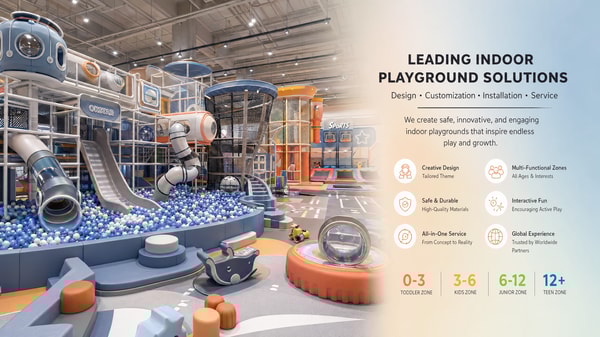
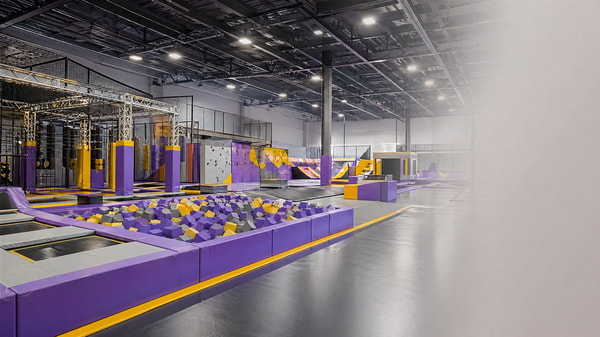
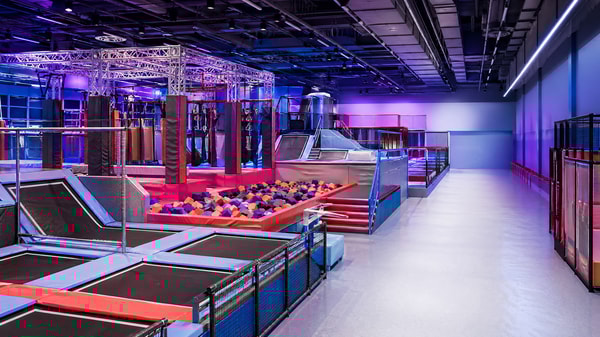
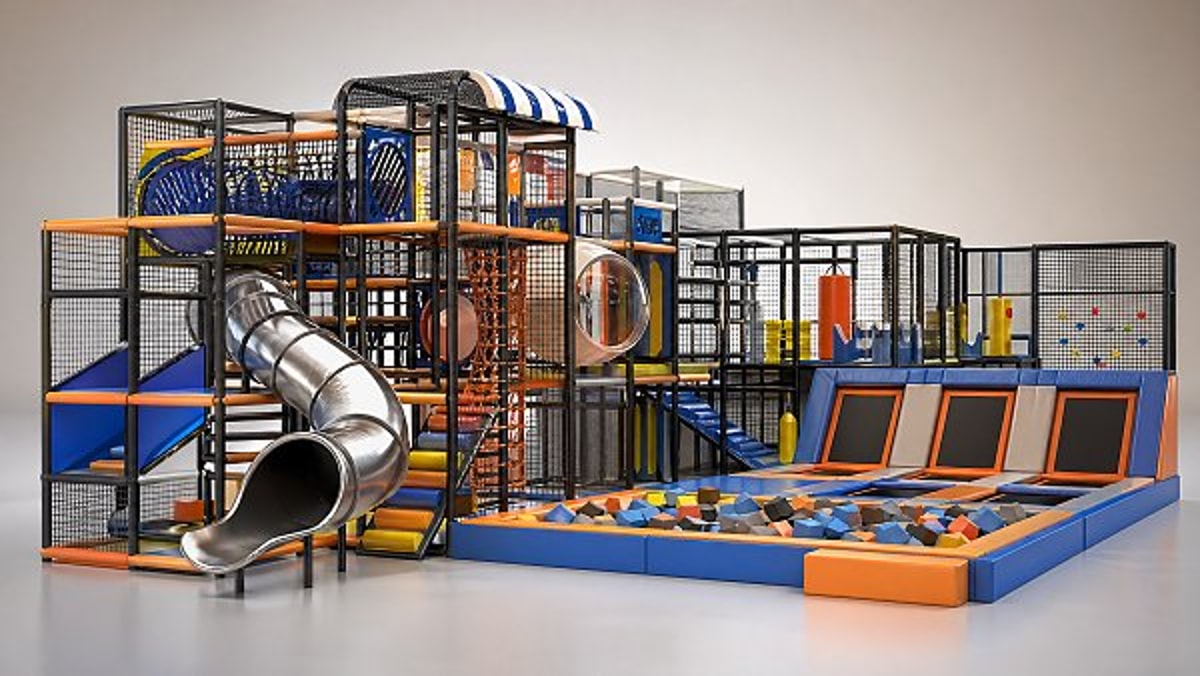
Many buyers underestimate the importance of design support. In reality, indoor playground design has a direct effect on user safety, visitor satisfaction, capacity, operational flow, and profitability.
A strong supplier should not just place equipment into a room. They should help optimize the space based on business goals and operating conditions, including:
- Age segmentation for toddlers, children, and mixed-use audiences
- Zoning for active play, soft play, climbing, slides, and rest areas
- Sightlines for supervision and staff monitoring
- Queue flow and circulation patterns
- Party room integration or add-on revenue areas
- Space efficiency without creating overcrowding
For example, a well-designed playground may increase dwell time and improve repeat visits, while a poorly designed one may look attractive in a rendering but perform badly in daily operation.
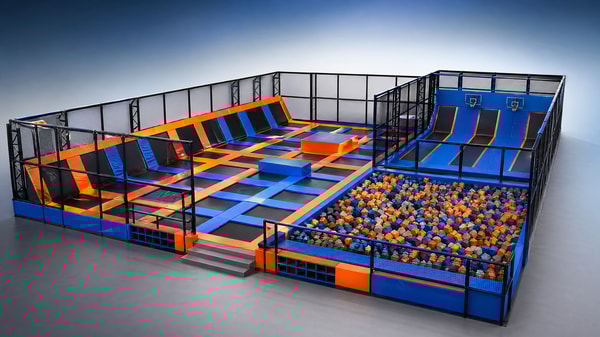
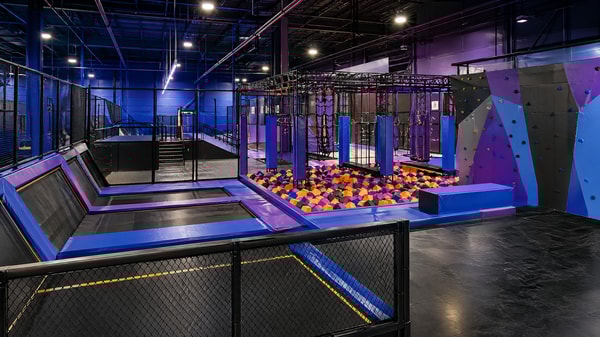
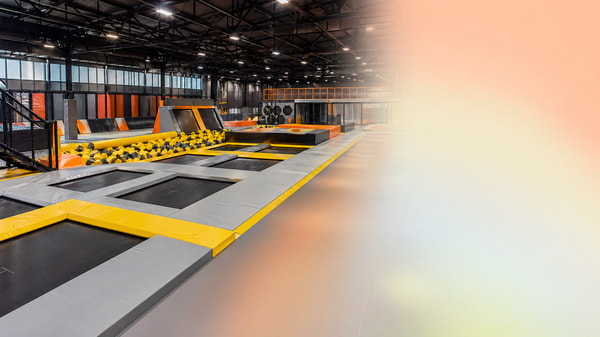
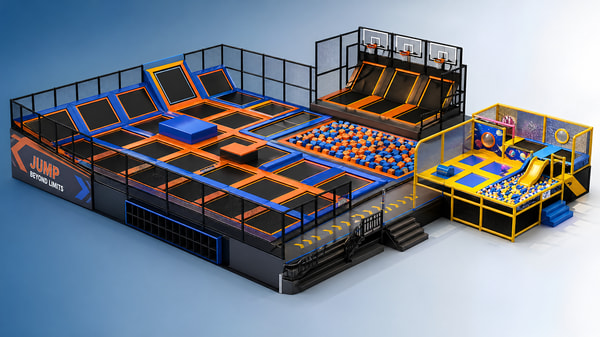
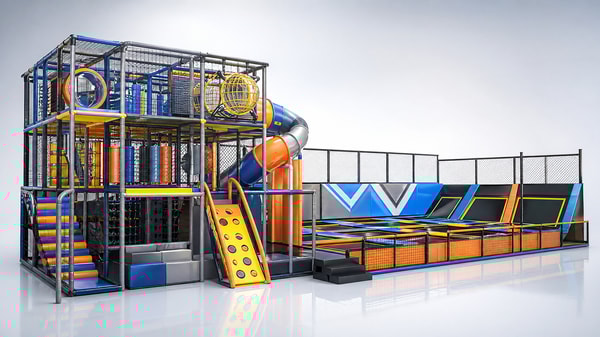
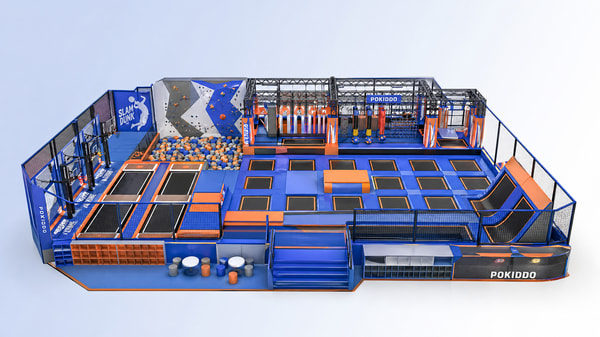
Ask to review layout proposals, 3D renderings, material lists, and examples of how the supplier adapts concepts for different room dimensions. If you are sourcing for a trampoline park supplier, also review how they design for impact zones, safety spacing, and flow between attraction modules.
Inspect material quality and durability for commercial use
Commercial indoor playgrounds experience continuous use, cleaning, vibration, friction, and impact. Materials that appear acceptable in a catalog may fail quickly in real-world operation if they are not selected for heavy-duty environments.
Key points to verify include:
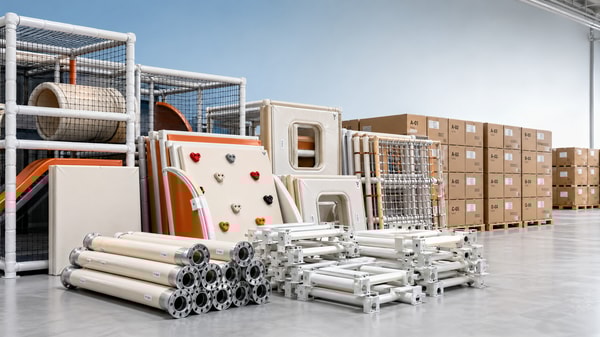
- Steel pipe thickness and anti-rust treatment
- Padding density and wear resistance
- Netting strength and fastening quality
- Plastic component durability and surface finish
- Wood or panel board grade where applicable
- Coating safety and ease of cleaning
Ask suppliers what parts typically require replacement first and how long they are expected to last under commercial traffic. A trustworthy manufacturer will answer directly and explain maintenance expectations. This is important for calculating total cost of ownership, not just initial purchase cost.
Do not overlook manufacturing control and quality assurance
A polished quotation does not guarantee stable production quality. Buyers should understand how the supplier controls manufacturing from raw materials to final packing.
Useful questions include:
- Do they produce in-house or outsource major components?
- What inspections are conducted during fabrication and before shipment?
- Can they provide photos or videos of production stages?
- How are dimensions verified against approved drawings?
- How are cartons labeled to simplify installation on site?
For distributors and agents, consistency is especially important. If every shipment varies in quality, your local reputation suffers even if the factory offers competitive prices.
Where possible, request a factory audit, live video inspection, or third-party quality control review before shipment. This step is often far less expensive than dealing with claims after installation.
Assess lead times, logistics, and installation support
Even a good product becomes a problem if it arrives late, incomplete, or without usable installation guidance. For commercial openings, timing is critical because delays affect rent, staffing schedules, marketing campaigns, and investor expectations.
Review the supplier’s process for:
- Design approval and revision cycles
- Production lead time
- Export packaging and container loading
- Spare parts packing
- Installation drawings and manuals
- On-site or remote installation support
Ask what typically causes delays and how the supplier handles them. Reliable suppliers provide realistic schedules, not just optimistic ones. They should also explain whether installation is self-managed, subcontracted, or supported by their own technical team.
For international sourcing, clarity around shipping terms, customs documentation, and delivery milestones is essential.
Compare suppliers by total commercial value, not just quotation price
Price matters, but it should be interpreted correctly. A lower quote may exclude important design work, certification support, spare parts, installation guidance, or stronger materials. A higher quote may actually reduce lifecycle cost if it improves durability and lowers maintenance risk.
When comparing proposals, use a structured scorecard that includes:
- Safety documentation and compliance strength
- Design quality and space planning ability
- Material specifications
- Production quality control
- Lead time reliability
- Warranty terms
- After-sales responsiveness
- Reference projects
- Total landed cost
This helps procurement teams avoid choosing a supplier based on an incomplete commercial picture. In many cases, the best-value indoor playground supplier is the one that lowers operational risk and supports stronger long-term returns.
Questions buyers should ask before making a final decision
Before signing a contract, ask direct questions that reveal whether the supplier is truly prepared for commercial cooperation:
- Can you provide recent projects similar to ours?
- Which safety standards do your products follow?
- What materials and thickness specifications are used?
- What is included in the quotation and what is not?
- What spare parts are recommended for the first order?
- What is the warranty coverage for different components?
- How is installation supported?
- How are claims handled if goods arrive damaged or incomplete?
- Can you support future expansion or reconfiguration?
The quality of the answers often tells you as much as the answers themselves. Clear, detailed, commercially aware responses are a sign of an experienced supplier.
Common mistakes when selecting an indoor playground manufacturer
Buyers often run into avoidable problems because they focus too heavily on visual appeal or short-term pricing. Common mistakes include:
- Choosing based on catalog appearance without checking technical specifications
- Ignoring local safety or fire-related requirements
- Underestimating installation complexity
- Failing to confirm exact material grades and dimensions
- Not clarifying warranty and replacement part availability
- Selecting a supplier with limited export or project management experience
These issues can lead to rework, delayed openings, lower customer satisfaction, and higher maintenance cost. In severe cases, they can create safety exposure and reputational damage.
How to identify a supplier worth shortlisting
A supplier is usually worth serious consideration if they can demonstrate most of the following:
- Verifiable compliance documentation
- Strong portfolio in commercial indoor playground projects
- Practical indoor playground design support
- Transparent material and production specifications
- Responsive communication during technical review
- Realistic lead times and organized export process
- After-sales structure for parts, service, and troubleshooting
For distributors, it is also worth checking whether the supplier can support private labeling, exclusive models, territory cooperation, or market-specific product adaptation.
Final takeaway
Choosing an indoor playground supplier should be treated as a strategic sourcing decision, not a simple product purchase. The right partner helps you build a safer venue, open more smoothly, control maintenance risk, and create a better visitor experience. The wrong one may save money upfront but cost far more through delays, repairs, weak support, or safety concerns.
As a practical rule, shortlist suppliers only after they prove competence in safety, design, quality control, and delivery execution. Then compare commercial value across the full project lifecycle. For procurement teams, that is the most reliable way to choose an indoor playground manufacturer or trampoline park supplier with confidence.
Search News
Hot Articles
Popular Tags
Need ExpertConsultation?
Connect with our specialized leisureengineering team for procurementstrategies.
Recommended News
 Apr 29, 2026Adventure Playground Safety Mistakes to Avoid Before InstallationAdventure playground safety mistakes can delay opening and raise liability. Learn the key pre-installation checks for materials, site planning, surfacing, and compliance.● Theme Park Strategist
 Apr 29, 2026Chinese Tennis Robot Demand Rises in Europe After Zheng Qinwen's Madrid RunChinese tennis robot demand surges in Europe after Zheng Qinwen's Madrid Open run—CE-certified AI training systems now sought by German & Spanish academies.● Theme Park Strategist
 Apr 29, 2026Vietnam Mandates Child Finger-Trap Sensors for Indoor Play EquipmentVietnam mandates child finger-trap sensors for indoor play equipment—key compliance update for exporters, suppliers & certifiers. Act now before Oct 1, 2026.● Theme Park Strategist
 Apr 29, 2026CBA Guangdong’s Loss Spurs Export Inquiries for Indoor Playground EquipmentCBA Guangdong’s playoff loss sparks urgent export inquiries for EN1176-compliant indoor playground equipment — basketball-themed, rapid-assembly modules for ASEAN family entertainment centers.● Theme Park Strategist
 Apr 28, 2026Vietnam Mandates Child Hand-Trap Sensors for Indoor Play EquipmentVietnam mandates VILAS-certified hand-trap sensors for indoor play equipment—key for exporters, manufacturers & certifiers. Act before Oct 2026!● Theme Park Strategist
 Apr 29, 2026What to Review Before Buying a Trampoline ParkCompare trampoline park price, trampoline park cost, and trampoline park equipment before choosing a trampoline park supplier. Get expert tips on safety, layout, and sourcing.● Theme Park Strategist
 Apr 29, 2026How Much Does a Trampoline Park CostTrampoline park cost explained: compare trampoline park price, equipment quality, and supplier value. Learn what drives ROI before choosing a trampoline park for sale.● Theme Park Strategist
 Apr 29, 2026Safe Trampoline Park Equipment BasicsSafe trampoline park equipment basics: compare trampoline park supplier options, indoor playground design, durability, compliance, and total trampoline park cost before you buy.● Theme Park Strategist
 Apr 29, 2026How to Audit an Indoor Playground FactoryIndoor playground manufacturer audit guide: learn how to assess an indoor playground supplier, indoor playground design strength, safety, capacity, and trampoline park equipment quality before you buy.● Theme Park Strategist
 Apr 29, 2026Indoor Playground Supplier Pricing GuideIndoor playground supplier pricing guide: compare indoor playground manufacturer quotes, indoor playground design value, trampoline park equipment cost, and hidden fees before you buy.● Theme Park Strategist
 Apr 29, 2026Trampoline Park Supplier Checklist 2026Trampoline park supplier checklist 2026: compare trampoline park price, cost, equipment, and indoor playground design to choose a safer, smarter supplier for profitable projects.● Theme Park Strategist
 Apr 29, 2026Trampoline Park Price vs Long Term ValueTrampoline park price is only the start. Compare trampoline park cost, equipment quality, and supplier reliability to find safer, higher-ROI solutions with lasting commercial value.● Theme Park Strategist
![]() Apr 29, 2026Indoor Playground Design Mistakes to AvoidIndoor playground design mistakes can raise trampoline park cost and hurt ROI. Learn how to choose the right indoor playground supplier, manufacturer, and equipment for safer, smarter growth.● Theme Park Strategist
Apr 29, 2026Indoor Playground Design Mistakes to AvoidIndoor playground design mistakes can raise trampoline park cost and hurt ROI. Learn how to choose the right indoor playground supplier, manufacturer, and equipment for safer, smarter growth.● Theme Park Strategist Apr 29, 2026Is a Trampoline Park for Sale Worth ItTrampoline park for sale: compare trampoline park price, cost, equipment quality, and supplier support to judge ROI. See what smart buyers check before investing.● Theme Park Strategist
 Apr 29, 2026Trampoline Park Cost Breakdown for BuyersTrampoline park cost explained: compare trampoline park price, equipment quality, and supplier support to find a profitable trampoline park for sale with smart design and safer ROI.● Theme Park Strategist
 Apr 29, 2026What to Check in Trampoline Park EquipmentTrampoline park equipment guide: learn what to check from safety, layout, and materials to trampoline park cost, supplier selection, and indoor playground manufacturer support.● Theme Park Strategist
 Apr 29, 2026Indoor Playground Manufacturer Red FlagsIndoor playground manufacturer red flags: learn how to assess an indoor playground supplier, indoor playground design quality, trampoline park equipment, and hidden trampoline park cost before you buy.● Theme Park Strategist
 Apr 29, 2026How to Pick an Indoor Playground SupplierIndoor playground supplier guide: compare safety, design, quality, and lead times to choose the right indoor playground manufacturer or trampoline park supplier with confidence.● Theme Park Strategist
 Apr 29, 2026How to Compare Trampoline Park SuppliersCompare every trampoline park supplier by safety, design, service, and trampoline park cost. Learn how to choose reliable trampoline park equipment and indoor playground supplier solutions.● Theme Park Strategist
 Apr 29, 2026What Affects Trampoline Park Price MostTrampoline park price depends most on equipment quality, compliance, customization, and supplier strength. Learn what drives trampoline park cost and compare quotes with confidence.● Theme Park Strategist
 Apr 27, 2026Vietnam Mandates Child Finger-Trap Sensors for Indoor Play EquipmentVietnam mandates child finger-trap sensors for indoor play equipment starting Aug 1, 2026 — comply now to avoid delays, penalties & market access risks.● Theme Park Strategist
 Apr 26, 2026Fan Zhendong Visits SF as MLTT Investor; Chinese AI Ping Pong Tech Draws Silicon Valley InterestAI ping pong tech from China grabs Silicon Valley’s attention as Fan Zhendong, MLTT investor and Olympic champ, demos smart table tennis systems in SF—key for sports hardware, AI analytics & FDA-regulated fitness devices.● Theme Park Strategist
 Apr 26, 2026Vietnam Enforces Child Finger-Trap Sensors for Indoor Playground EquipmentChild finger-trap sensors now mandatory for indoor playground equipment in Vietnam—comply with QCVN 17:2026/BKHCN before import or sale.● Theme Park Strategist
 Apr 25, 2026Vietnam Mandates Child Finger-Trap Sensors for Indoor Play EquipmentVietnam mandates child finger-trap sensors for indoor play equipment—TCVN-certified, ≤0.3s response. Critical for importers, OEMs & compliance teams ahead of July 1, 2026 deadline.● Theme Park Strategist