How to Audit an Indoor Playground Factory
Choosing the right indoor playground manufacturer is about more than price—it requires a rigorous factory audit covering safety standards, production capacity, material quality, and OEM capabilities. Whether you are comparing an indoor playground supplier, reviewing indoor playground design expertise, or benchmarking against trampoline park equipment partners, this guide helps procurement teams and commercial buyers assess real manufacturing strength before making a sourcing decision.
For importers, distributors, project developers, and commercial buyers in the sports and entertainment sector, a factory audit is one of the most practical ways to reduce sourcing risk before signing a deposit or approving mass production. A supplier may present attractive renderings, polished catalogs, and competitive quotations, yet still fall short in welding quality, foam density, documentation control, or installation support.
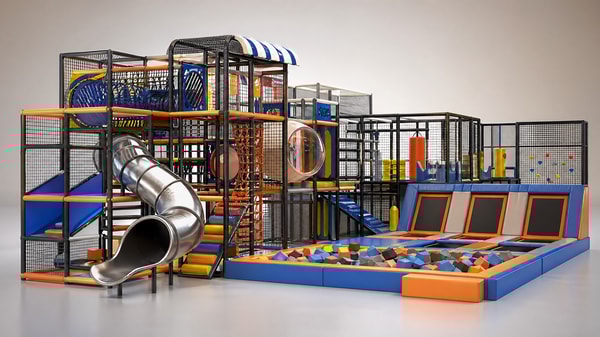
In the indoor playground business, weak factory systems can lead to delayed openings, compliance issues, spare parts shortages, and costly rework on site. A structured audit helps verify if the manufacturer can consistently deliver soft play structures, climbing frames, rope courses, trampoline components, and themed interiors that match commercial safety expectations and operational durability.
This article breaks down what to inspect, how to compare suppliers, which warning signs matter most, and how procurement teams can turn an on-site or remote audit into a reliable sourcing decision. It is especially relevant for buyers evaluating OEM or ODM indoor playground production for malls, family entertainment centers, hotels, schools, and mixed-use leisure venues.
Why a Factory Audit Matters in Indoor Playground Sourcing
An indoor playground is a high-contact, safety-sensitive commercial product. Unlike simple retail fixtures, it combines steel structures, plastic parts, padded surfaces, netting, timber or composite panels, interactive elements, and site-specific design. That means a factory audit should evaluate not only production output, but also process control across 5 to 8 different component categories.
For commercial buyers, the biggest risk is not always the quoted unit price. The larger risk often appears 30 to 90 days later, when the supplier cannot maintain dimensional consistency, misses a key compliance document, or substitutes lower-grade materials. A thorough audit helps confirm whether the factory can translate drawings into repeatable manufacturing quality at scale.
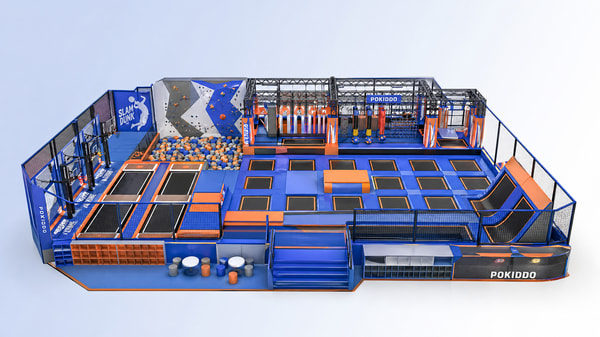
Audits are particularly important when a project involves custom indoor playground design, branded theming, or mixed attractions such as ninja courses, toddler areas, and trampoline zones. In these cases, engineering coordination becomes more complex, and even a small mismatch of 10 mm to 20 mm in critical joints can affect installation efficiency or safety clearances.
A good factory audit also supports commercial negotiation. Buyers who understand the supplier’s real strengths can decide whether to request staged shipments, tighter pre-shipment inspections, trial orders, or a phased rollout across 2 to 3 locations. This is especially valuable for distributors and regional agents that need stable supply over 12 to 24 months, not just one successful initial order.
Key objectives of the audit
- Verify whether the indoor playground factory has suitable production lines for steel, padding, sewing, assembly, and packing.
- Confirm if quality control checkpoints exist at incoming material, in-process assembly, and final inspection stages.
- Assess whether the supplier can support OEM graphics, branded colors, custom dimensions, and replacement parts over time.
- Identify risks related to lead time, subcontracting, documentation gaps, and after-sales response.
Typical audit timing
Most buyers conduct the first audit before supplier approval, often during the RFQ or sample review stage. A second audit may follow before mass production, especially for projects above one container load or above a multi-zone amusement fit-out scope. For strategic partnerships, an annual review every 12 months is a practical benchmark.
What to Check Inside the Factory
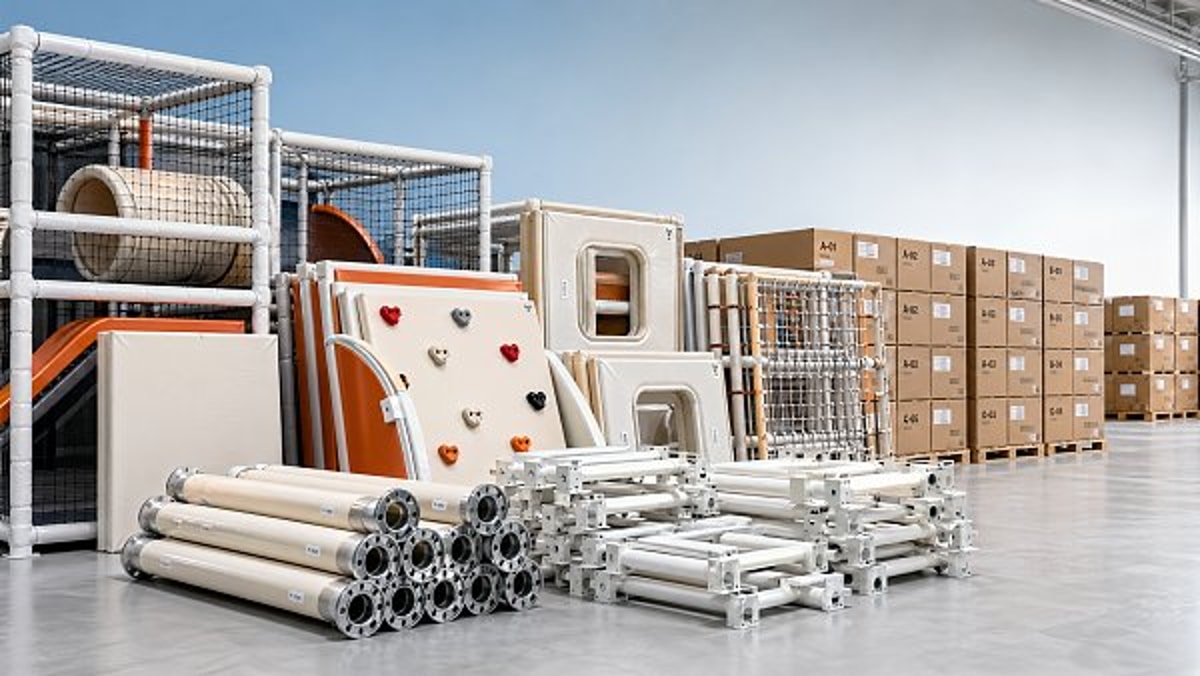
A useful indoor playground factory audit goes far beyond a showroom visit. Buyers should walk through the warehouse, fabrication area, sewing line, foam cutting section, tube processing area, assembly zone, and packaging section. If possible, spend at least 2 to 4 hours on site and request access to current work orders rather than display-only samples.
Start with material traceability. Ask how the factory receives and labels steel tubes, PVC covers, EPE or EVA foam, nets, connectors, wood panels, and plastic parts. A controlled factory should separate incoming inspection from production stock and maintain clear batch records. Even a basic traceability system can reduce disputes when buyers need replacement parts 6 months after installation.
Next, inspect workmanship. Look at weld quality, powder coating consistency, stitching strength, edge finishing, and tube protection. In commercial soft play equipment, rough welds, inconsistent padding thickness, and loosely secured nets are common signs that the factory prioritizes speed over repeatability. For heavily used entertainment centers, these shortcuts can increase maintenance frequency within the first 3 to 6 months.
Do not overlook packaging and labeling. A well-made indoor playground can still become a costly project if cartons are poorly marked, hardware is mixed, or installation drawings do not match packed sections. For overseas shipments, every module should be coded clearly so site crews can sort components quickly and reduce installation errors.
Core production checkpoints
The table below summarizes the minimum audit points procurement teams should verify during a factory inspection.
If a supplier cannot demonstrate control in at least these 4 areas, buyers should treat the quotation cautiously. A lower factory price may be offset by installation delays, spare parts claims, or repeated technician visits. In many commercial projects, one week of opening delay can cost more than the apparent savings gained at purchase stage.
Questions auditors should ask
- Which parts are produced in-house and which are outsourced?
- How many active production orders are on the floor this week?
- What is the normal lead time for a 100 m², 300 m², or 500 m² indoor playground project?
- How are design revisions controlled once production has started?
- How quickly can replacement pads, nets, and hardware be supplied after installation?
How to Evaluate Safety, Compliance, and Material Quality
Safety is the single most important dimension in an indoor playground audit. Commercial buyers should not assume that attractive designs equal compliant engineering. A professional review checks the supplier’s approach to structural safety, impact protection, entrapment risk, fire-related material considerations, and documentation management for target markets.
While exact requirements vary by destination country and project type, buyers should expect the supplier to discuss relevant standards openly and explain how design details are adapted for children’s age groups, fall zones, net spacing, barrier height, and access points. A factory that cannot explain these basics in practical terms may rely too heavily on generic templates.
Material quality deserves equal attention. Foam density, fabric coating durability, steel wall thickness, fastener grade, and plastic part finish all affect lifecycle cost. In medium-to-high traffic venues, low-grade padding may compress quickly, while poor surface coatings can crack under frequent cleaning. These failures often appear within 6 to 12 months, especially in humid or high-turnover family entertainment centers.
Buyers should request sample cut sections, material descriptions, and test-related documents where applicable. Even when a project is customized, the factory should have standard internal specifications for core components. If everything is described only as “commercial quality” without measurable detail, the supplier may not have stable internal benchmarks.
Practical material and safety review points
The following matrix can help procurement teams compare suppliers more objectively during an indoor playground audit.
The key takeaway is that safety and material quality should be audited as systems, not isolated claims. A supplier may show good sample padding yet still lack document control, or present acceptable steel work while outsourcing soft components to inconsistent workshops. Buyers should score the whole chain, ideally using 4 to 6 weighted criteria.
Common red flags
- No clear separation between approved samples and production materials.
- Workers cannot explain inspection steps or product coding logic.
- Different sample sets show inconsistent stitching, foam feel, or coating finish.
- The supplier avoids discussing target-market compliance expectations in detail.
Assessing Production Capacity, OEM Capability, and Delivery Reliability
For distributors, chain operators, and project buyers, production capacity is not only about how big a factory looks. The real question is whether the supplier can deliver your specific indoor playground configuration on time, with stable quality, during peak order periods. A factory with 2 busy lines and disciplined planning may be more reliable than a larger workshop with poor scheduling control.
Ask for current capacity planning in practical terms. For example, how many square meters of standard soft play can be processed per month, how many custom projects can be handled at once, and how long design-to-production approval normally takes. For many commercial projects, realistic lead times may range from 25 to 45 days for simpler layouts and 45 to 75 days for customized multi-zone systems.
OEM and ODM capability also need verification. A capable indoor playground manufacturer should manage logo integration, branded colors, custom mascots, themed panel graphics, and site-adapted structures without excessive redesign confusion. This matters for hotels, shopping centers, and family entertainment brands that require consistent visual identity across 3 or more locations.
Reliable delivery depends on engineering coordination, procurement discipline, production planning, and export packaging. If any one of these is weak, the result may be partial shipments, missing hardware, or field modifications. Buyers should therefore assess delivery reliability as a chain of activities, not a single promise stated in the sales quotation.
Supplier comparison factors
Use a scorecard to compare at least 3 suppliers before shortlisting. This helps separate factories with real project execution ability from those that mainly sell via design presentations.
A supplier that scores well across these 4 factors is more likely to support repeat business, dealer programs, and regional rollouts. For commercial buyers, that consistency often creates more value than saving 5% to 8% on the initial purchase price.
Capacity verification steps
- Review active production boards or digital schedules, not just verbal claims.
- Count workstations for cutting, welding, sewing, and pre-assembly.
- Check whether raw materials are stocked for normal production cycles of 2 to 6 weeks.
- Ask how the factory handles peak season overlap from multiple overseas projects.
Audit Process, Risk Control, and Final Decision Framework
A productive audit should end with a decision framework, not just notes and photos. Buyers need a practical method to classify findings into acceptable, conditional, or high-risk categories. This is especially important when comparing a new indoor playground supplier against an existing vendor or a trampoline park equipment partner with broader amusement capabilities.
One useful approach is a 3-stage audit method: pre-audit document review, on-site verification, and post-audit corrective action tracking. In the first stage, collect layout drawings, product lists, estimated lead times, sample photos, and standard operating information. During the second stage, verify the real shop floor against those claims. In the third stage, request closure for any major gap before deposit release or mass production approval.
Commercial buyers should separate critical issues from negotiable issues. A color mismatch or packaging format issue may be correctable. Weak weld control, poor padding consistency, unclear parts coding, or a lack of installation guidance are more serious. In a family entertainment setting, unresolved technical weaknesses can affect visitor safety, staff workload, and venue uptime from day one.
It is also smart to align audit findings with contract terms. If the supplier shows limited experience in a custom format, consider milestone approvals at 30%, 60%, and 100% production. If spare parts support seems uncertain, include response expectations and replacement commitments. For projects with tight opening dates, reserve time for a pre-shipment inspection 7 to 10 days before container loading.
A practical risk classification model
- Low risk: organized production flow, visible QC records, clear coding, acceptable material consistency, realistic lead time.
- Medium risk: generally capable factory, but limited documentation discipline or uneven subcontractor control.
- High risk: weak traceability, poor workmanship consistency, vague delivery commitments, and no reliable after-sales process.
FAQ for procurement teams
How long should an indoor playground factory audit take?
A focused audit usually takes 2 to 4 hours for a smaller supplier and up to a full day for a factory handling multiple product types. If the project includes custom theming, trampoline zones, or ropes course elements, buyers should allow extra time for engineering and packing review.
Should buyers audit every supplier in person?
Not always, but in-person audits are strongly recommended for first-time suppliers, custom projects, and orders with a high commercial opening impact. Remote video audits can work as a first filter, yet they rarely replace a physical check of workmanship, warehouse control, and packaging discipline.
What is the most overlooked audit item?
Parts coding and installation documentation are often underestimated. Even when production quality is acceptable, poor coding can slow site assembly by several days and increase labor cost, especially for projects above 200 m² with multiple activity zones.
When should a buyer reject a supplier?
Rejection is justified when the factory shows repeated inconsistency in safety-critical workmanship, cannot explain its material control process, or fails to support corrective actions after the audit. In such cases, the risk to project timeline and venue operations is usually too high to ignore.
A disciplined indoor playground factory audit gives buyers more than a checklist. It creates a realistic view of supplier capability across safety, materials, capacity, customization, and delivery execution. That is essential for procurement teams sourcing commercial play systems that must perform reliably in high-traffic entertainment environments.
For sourcing teams, distributors, and project evaluators, the best supplier is not simply the one with the lowest quote. It is the manufacturer that can document its process, maintain consistent production quality, support your brand requirements, and deliver with fewer surprises. If you need support comparing indoor playground manufacturers or building a supplier shortlisting framework, now is the right time to move from price screening to real factory validation.
Contact us to discuss your indoor playground sourcing plan, request a tailored supplier evaluation checklist, or explore more commercial amusement and leisure solutions for your next project.
Search News
Hot Articles
Popular Tags
Need ExpertConsultation?
Connect with our specialized leisureengineering team for procurementstrategies.
Recommended News
 Apr 29, 2026Adventure Playground Safety Mistakes to Avoid Before InstallationAdventure playground safety mistakes can delay opening and raise liability. Learn the key pre-installation checks for materials, site planning, surfacing, and compliance.● Theme Park Strategist
 Apr 29, 2026Chinese Tennis Robot Demand Rises in Europe After Zheng Qinwen's Madrid RunChinese tennis robot demand surges in Europe after Zheng Qinwen's Madrid Open run—CE-certified AI training systems now sought by German & Spanish academies.● Theme Park Strategist
 Apr 29, 2026Vietnam Mandates Child Finger-Trap Sensors for Indoor Play EquipmentVietnam mandates child finger-trap sensors for indoor play equipment—key compliance update for exporters, suppliers & certifiers. Act now before Oct 1, 2026.● Theme Park Strategist
 Apr 29, 2026CBA Guangdong’s Loss Spurs Export Inquiries for Indoor Playground EquipmentCBA Guangdong’s playoff loss sparks urgent export inquiries for EN1176-compliant indoor playground equipment — basketball-themed, rapid-assembly modules for ASEAN family entertainment centers.● Theme Park Strategist
 Apr 28, 2026Vietnam Mandates Child Hand-Trap Sensors for Indoor Play EquipmentVietnam mandates VILAS-certified hand-trap sensors for indoor play equipment—key for exporters, manufacturers & certifiers. Act before Oct 2026!● Theme Park Strategist
 Apr 29, 2026What to Review Before Buying a Trampoline ParkCompare trampoline park price, trampoline park cost, and trampoline park equipment before choosing a trampoline park supplier. Get expert tips on safety, layout, and sourcing.● Theme Park Strategist
 Apr 29, 2026How Much Does a Trampoline Park CostTrampoline park cost explained: compare trampoline park price, equipment quality, and supplier value. Learn what drives ROI before choosing a trampoline park for sale.● Theme Park Strategist
 Apr 29, 2026Safe Trampoline Park Equipment BasicsSafe trampoline park equipment basics: compare trampoline park supplier options, indoor playground design, durability, compliance, and total trampoline park cost before you buy.● Theme Park Strategist
 Apr 29, 2026How to Audit an Indoor Playground FactoryIndoor playground manufacturer audit guide: learn how to assess an indoor playground supplier, indoor playground design strength, safety, capacity, and trampoline park equipment quality before you buy.● Theme Park Strategist
 Apr 29, 2026Indoor Playground Supplier Pricing GuideIndoor playground supplier pricing guide: compare indoor playground manufacturer quotes, indoor playground design value, trampoline park equipment cost, and hidden fees before you buy.● Theme Park Strategist
 Apr 29, 2026Trampoline Park Supplier Checklist 2026Trampoline park supplier checklist 2026: compare trampoline park price, cost, equipment, and indoor playground design to choose a safer, smarter supplier for profitable projects.● Theme Park Strategist
 Apr 29, 2026Trampoline Park Price vs Long Term ValueTrampoline park price is only the start. Compare trampoline park cost, equipment quality, and supplier reliability to find safer, higher-ROI solutions with lasting commercial value.● Theme Park Strategist
![]() Apr 29, 2026Indoor Playground Design Mistakes to AvoidIndoor playground design mistakes can raise trampoline park cost and hurt ROI. Learn how to choose the right indoor playground supplier, manufacturer, and equipment for safer, smarter growth.● Theme Park Strategist
Apr 29, 2026Indoor Playground Design Mistakes to AvoidIndoor playground design mistakes can raise trampoline park cost and hurt ROI. Learn how to choose the right indoor playground supplier, manufacturer, and equipment for safer, smarter growth.● Theme Park Strategist Apr 29, 2026Is a Trampoline Park for Sale Worth ItTrampoline park for sale: compare trampoline park price, cost, equipment quality, and supplier support to judge ROI. See what smart buyers check before investing.● Theme Park Strategist
 Apr 29, 2026Trampoline Park Cost Breakdown for BuyersTrampoline park cost explained: compare trampoline park price, equipment quality, and supplier support to find a profitable trampoline park for sale with smart design and safer ROI.● Theme Park Strategist
 Apr 29, 2026What to Check in Trampoline Park EquipmentTrampoline park equipment guide: learn what to check from safety, layout, and materials to trampoline park cost, supplier selection, and indoor playground manufacturer support.● Theme Park Strategist
 Apr 29, 2026Indoor Playground Manufacturer Red FlagsIndoor playground manufacturer red flags: learn how to assess an indoor playground supplier, indoor playground design quality, trampoline park equipment, and hidden trampoline park cost before you buy.● Theme Park Strategist
 Apr 29, 2026How to Pick an Indoor Playground SupplierIndoor playground supplier guide: compare safety, design, quality, and lead times to choose the right indoor playground manufacturer or trampoline park supplier with confidence.● Theme Park Strategist
 Apr 29, 2026How to Compare Trampoline Park SuppliersCompare every trampoline park supplier by safety, design, service, and trampoline park cost. Learn how to choose reliable trampoline park equipment and indoor playground supplier solutions.● Theme Park Strategist
 Apr 29, 2026What Affects Trampoline Park Price MostTrampoline park price depends most on equipment quality, compliance, customization, and supplier strength. Learn what drives trampoline park cost and compare quotes with confidence.● Theme Park Strategist
 Apr 27, 2026Vietnam Mandates Child Finger-Trap Sensors for Indoor Play EquipmentVietnam mandates child finger-trap sensors for indoor play equipment starting Aug 1, 2026 — comply now to avoid delays, penalties & market access risks.● Theme Park Strategist
 Apr 26, 2026Fan Zhendong Visits SF as MLTT Investor; Chinese AI Ping Pong Tech Draws Silicon Valley InterestAI ping pong tech from China grabs Silicon Valley’s attention as Fan Zhendong, MLTT investor and Olympic champ, demos smart table tennis systems in SF—key for sports hardware, AI analytics & FDA-regulated fitness devices.● Theme Park Strategist
 Apr 26, 2026Vietnam Enforces Child Finger-Trap Sensors for Indoor Playground EquipmentChild finger-trap sensors now mandatory for indoor playground equipment in Vietnam—comply with QCVN 17:2026/BKHCN before import or sale.● Theme Park Strategist
 Apr 25, 2026Vietnam Mandates Child Finger-Trap Sensors for Indoor Play EquipmentVietnam mandates child finger-trap sensors for indoor play equipment—TCVN-certified, ≤0.3s response. Critical for importers, OEMs & compliance teams ahead of July 1, 2026 deadline.● Theme Park Strategist