Trampoline Park Supplier Checklist 2026
Choosing the right trampoline park supplier in 2026 requires more than comparing trampoline park price or estimated trampoline park cost. Buyers evaluating trampoline park equipment, indoor playground design, and long-term sourcing reliability need a clear checklist to assess safety compliance, customization, manufacturing strength, and commercial value before selecting a partner.
What should buyers evaluate first when screening a trampoline park supplier?
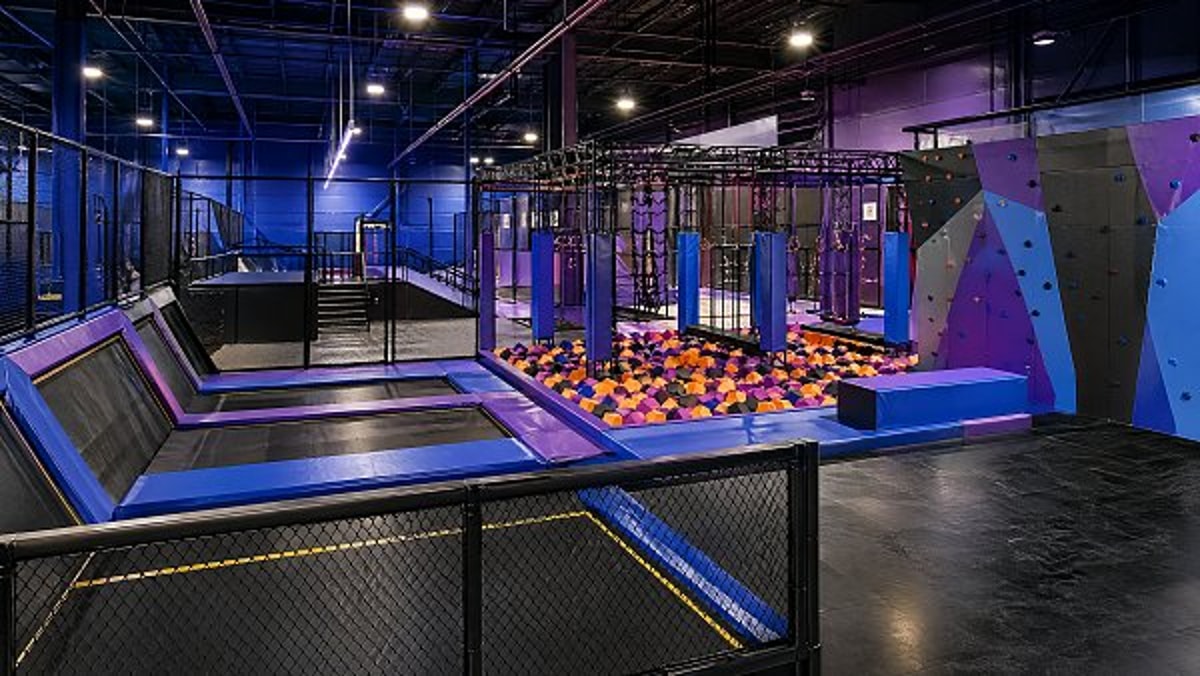
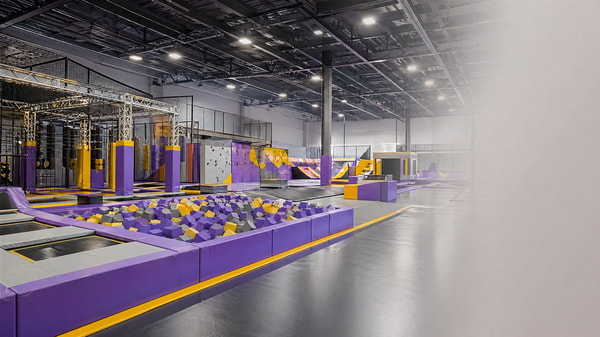
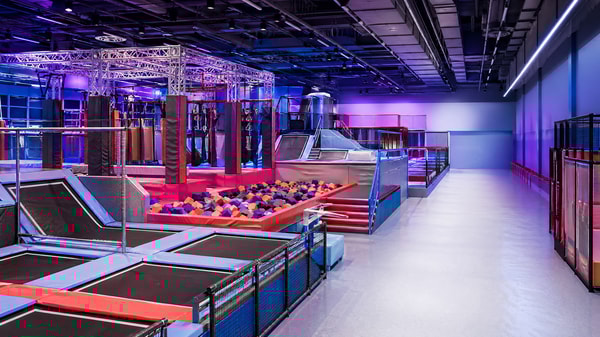
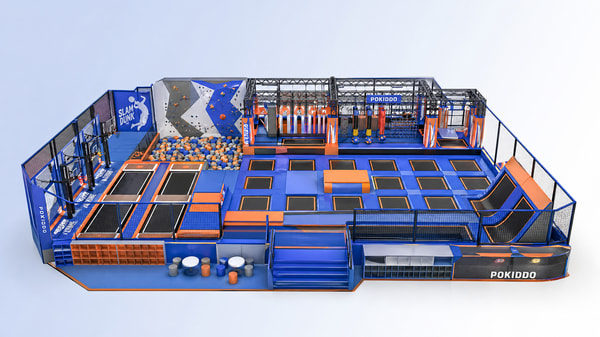
For research teams, procurement managers, commercial evaluators, and regional distributors, the first step is not requesting a price list. It is defining the project scope. A trampoline park supplier may be suitable for a 300–500 square meter family entertainment center, but not for a 1,500–3,000 square meter multi-zone venue with foam pits, ninja courses, climbing walls, and party rooms. In 2026, supplier selection starts with fit, not just cost.
A practical screening process usually covers 5 core dimensions: product safety, engineering capability, customization depth, delivery reliability, and after-sales support. If a supplier only performs well in 1 or 2 areas, the commercial risk rises quickly. For example, a low quotation can lose value if steel fabrication, padding materials, or installation drawings fail to support local approval or smooth project execution.
In the sports and entertainment industry, trampoline park equipment is not an isolated product. It is part of an experience-driven business model. Buyers must consider guest flow, age segmentation, repeat visitation, operational maintenance, and insurance-related documentation. A supplier that understands layout logic, throughput planning, and zoning decisions will usually reduce costly redesigns during the 2–4 week engineering stage.
Global Commercial Trade supports this process by helping B2B buyers compare suppliers through structured sourcing intelligence rather than fragmented sales claims. This is especially valuable for multi-country procurement, dealer evaluation, or feasibility studies where decision-makers need a clearer basis for shortlist creation.
The 6-point pre-qualification checklist
- Confirm whether the supplier focuses on commercial trampoline park equipment rather than only residential or light indoor play products.
- Review available design outputs, including 2D layouts, 3D concepts, zone planning, and installation guidance.
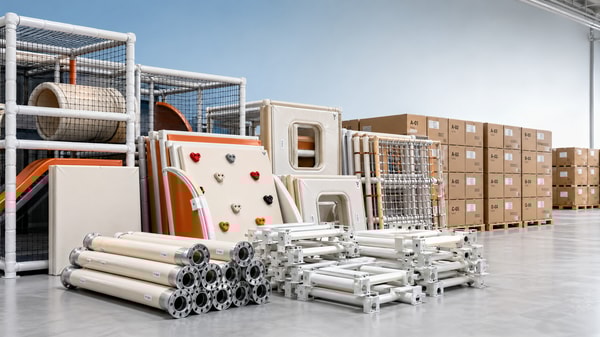
- Check the material scope: steel structure, springs or springless systems, jump mats, pads, nets, soft play interfaces, and accessory integration.
- Ask about typical production and shipping windows, which often range from 4–8 weeks depending on customization level and order volume.
- Verify document support for inspection, packing lists, installation manuals, and commonly requested compliance references.
- Evaluate communication responsiveness across quotation, drawing revision, manufacturing updates, and post-installation questions.
This initial checklist helps buyers remove unsuitable vendors before entering technical review. It also gives distributors and agents a more reliable way to identify sourcing partners that can support repeated projects across different markets.
How to compare trampoline park suppliers beyond price
Many buyers begin with trampoline park cost, but commercial comparison should go much further. Two proposals may look similar in total amount while hiding major differences in steel gauge, padding density, spring life, coating treatment, connection details, and installation support. A better method is to compare total commercial value over the first 12–36 months of operation.
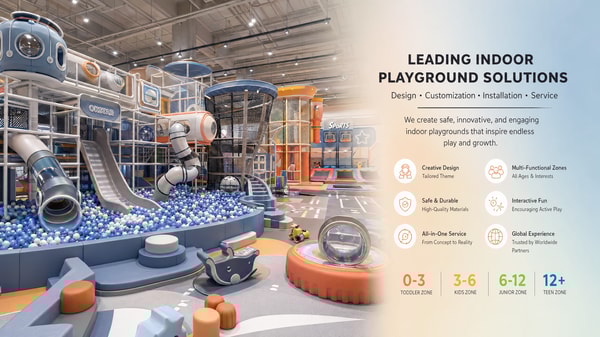
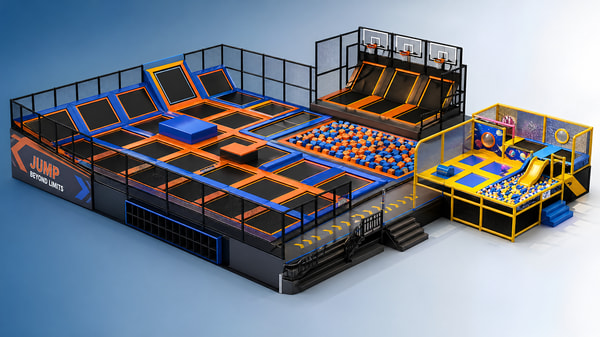
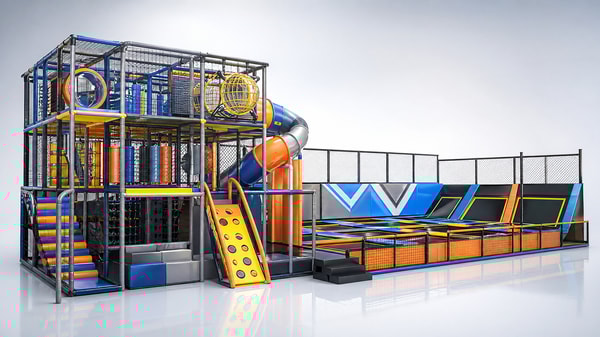
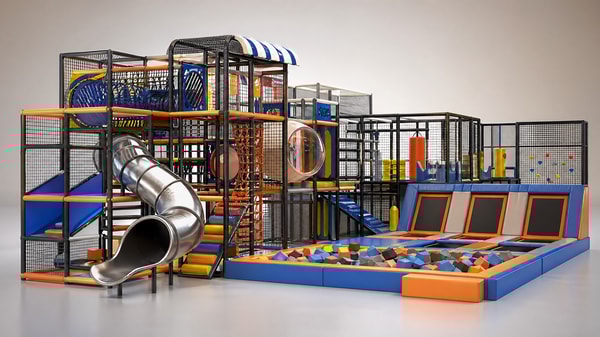
This matters even more for indoor playground design projects that combine trampoline zones with soft play, toddler areas, climbing elements, or adventure components. In mixed-use entertainment facilities, one weak subsystem can affect opening schedules, maintenance frequency, and customer satisfaction. Procurement teams should therefore compare suppliers using standardized dimensions instead of sales language.
The table below gives a useful supplier comparison framework for commercial trampoline park equipment sourcing. It is suitable for direct buyers, investment groups, and channel partners reviewing multiple factories or OEM/ODM candidates.
This comparison method shifts the discussion from cheapest quotation to best-fit supply partner. For distributors, it also clarifies which supplier can support repeatable specifications across 3, 5, or even 10 future projects instead of only one custom order.
Common pricing traps buyers should avoid
A low trampoline park price often excludes design revisions, freight packaging upgrades, installation support, or wear-part recommendations. Buyers should ask for itemized quotations that separate equipment scope, add-on attractions, spare parts, and optional services. This makes comparison cleaner and reduces confusion during commercial negotiation.
Another common issue is comparing parks only by square meter cost. That can mislead buyers because a high-density park with dodgeball, air bag zones, performance trampolines, and challenge elements requires a different investment profile than a basic jumping area. In many cases, the right benchmark is revenue potential per zone, not simply cost per square meter.
Which technical and compliance factors matter most in 2026?
Technical review is where many sourcing decisions become clearer. Commercial trampoline park equipment must perform under repeated use cycles, varied body weights, and fast turnover periods such as weekends, holidays, and school breaks. Buyers should not treat appearance as a substitute for engineering quality. A clean rendering does not guarantee reliable field performance.
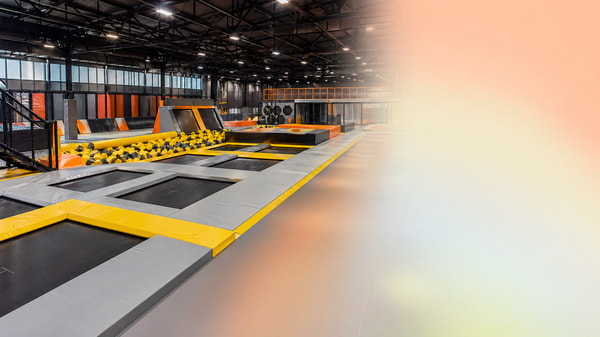
In 2026, buyers should pay attention to 4 technical groups: frame structure, jumping system, impact protection, and interface integration with surrounding attractions. For example, transitions between trampoline beds and climbing features or soft play boundaries must be handled carefully to reduce awkward user movement and edge-risk exposure.
Compliance review should remain practical and market-specific. Requirements differ by destination, operator policy, and project type. Buyers commonly request references to recognized safety frameworks, material information, and installation documentation. The most useful suppliers do not simply mention standards; they help organize documents so procurement, operations, and local project teams can review them in 1–2 rounds instead of repeated back-and-forth.
The following table summarizes key checkpoints that procurement and technical teams should include in supplier evaluation. It is not a substitute for local approval, but it helps structure due diligence and internal sign-off.
For buyers, the key lesson is simple: compliance is not just a certificate question. It is a process question. If a supplier cannot explain material choices, installation logic, and maintenance expectations clearly, the risk remains high even when the quotation looks attractive.
What technical details deserve extra attention?
Layout and fall-zone coordination
In multi-activity parks, spacing between activity elements matters as much as the elements themselves. Buyers should review circulation around high-energy zones, landing areas, staff supervision points, and entry-exit transitions. Small planning mistakes can create operational bottlenecks long after installation is complete.
Maintenance intervals and spare strategy
Ask suppliers which parts commonly need inspection every month, every quarter, and after heavy seasonal traffic. A good supplier should help define a spare parts list for the first 6–12 months, especially for pads, springs, connectors, or net components that may experience higher wear.
How do project type, venue size, and business model change supplier choice?
Not every trampoline park supplier is right for every operating model. A family entertainment center inside a mall has different needs from a destination park in a stand-alone building. Venue ceiling height, column positions, fire routes, visitor age mix, and expected daily traffic all influence the ideal equipment package and supplier profile.
For smaller projects, buyers often prioritize compact indoor playground design, modular installation, and faster lead times of around 4–6 weeks. For larger parks, the focus shifts toward engineering coordination, phased production, and stronger documentation. Distributors should also consider how easily a supplier can adapt product language, manuals, and packaging for regional resale.
Commercial value also changes by revenue strategy. Some operators need a straightforward jump arena with efficient turnover. Others require premium zones such as ninja challenges, interactive games, birthday rooms, or branded visual themes to increase dwell time and secondary spending. The supplier must align with the revenue model, not just the floor plan.
The table below shows how different project scenarios often lead to different sourcing priorities. This can help investors and procurement teams avoid choosing a supplier based on the wrong benchmark.
Scenario-based sourcing improves decision quality because it matches supplier strengths to business outcomes. It also helps internal teams explain why one quotation should win even when another appears cheaper on the surface.
A practical 4-step selection path
- Define the venue profile: area size, ceiling constraints, target age groups, and expected traffic pattern.
- Prioritize 3 commercial goals, such as fast opening, premium experience, or distributor repeatability.
- Shortlist 2–4 suppliers based on technical fit, not only initial pricing.
- Request detailed drawings, scope clarification, and spare-part planning before final award.
This process is especially useful for buyers handling cross-border projects where mistakes in quotation review can delay launch schedules by several weeks.
What mistakes do buyers make during procurement and rollout?
One of the biggest mistakes is approving a supplier before clarifying exact scope. In trampoline park procurement, “full set” can mean very different things. Some suppliers include only core trampoline park equipment, while others include wall pads, safety netting, staircase solutions, graphic elements, or maintenance kits. Ambiguity at the quotation stage often becomes a dispute during packing or installation.
Another common problem is underestimating coordination time. Even when manufacturing takes 4–8 weeks, buyers should still allow time for site measurement confirmation, drawing approval, local preparation, and installation sequencing. If there are imported parts, customs review and inland delivery can add another 1–3 weeks depending on destination and documentation readiness.
A third mistake is separating procurement from operations. The team comparing trampoline park cost may not be the same team performing daily inspections after opening. Yet maintenance reality should inform purchasing decisions from the beginning. Materials that look acceptable on paper may create higher replacement frequency or cleaning burden during heavy use periods.
Buyers also overlook channel strategy. For dealers and agents, the right trampoline park supplier is not only the one that can produce. It is the one that can support quotations, revisions, reseller communication, and scalable product adaptation over multiple projects in a year.
Risk reminders before placing an order
- Do not approve final payment terms before confirming packing lists, accessory scope, and replacement part recommendations.
- Do not rely only on conceptual renderings; request technical drawings and clear zone labeling.
- Do not compare suppliers without normalizing what is included in the quotation, delivery terms, and service support.
- Do not ignore future expansion plans if the park may add 1–2 activity zones after the initial opening.
FAQ for research teams and procurement managers
How long does a commercial trampoline park project usually take?
For a standard custom project, buyers often plan 1–2 weeks for layout confirmation and quotation refinement, 4–8 weeks for production, and additional time for shipping and installation. The exact schedule depends on project size, customization depth, destination, and site readiness.
What matters more: trampoline park price or technical durability?
For commercial operations, technical durability usually has a stronger long-term impact. Lower initial price may look attractive, but if wear parts need frequent replacement or installation details create service interruptions, the total operating cost can rise quickly within the first 12 months.
Can one supplier handle both trampoline zones and indoor playground design?
Some suppliers can support integrated concepts, but buyers should verify real experience in mixed-use layouts. Ask how they separate toddler, junior, and high-energy zones, and how they manage transitions between soft play and trampoline activity areas.
What documents should buyers request before final approval?
A practical package usually includes final layout drawings, itemized quotation, parts list, installation guidance, material descriptions, and any commonly requested compliance references. For larger projects, buyers should also request a basic spare-parts proposal for the first operating cycle.
Why work with GCT when evaluating trampoline park suppliers?
For B2B buyers in sports and entertainment, the challenge is rarely lack of options. It is lack of structured clarity. Global Commercial Trade helps convert scattered supplier claims into a sourcing framework that supports procurement judgment, technical comparison, and business-case review. This is especially useful when buyers must compare multiple factories, custom capabilities, and regional delivery conditions at the same time.
GCT’s value is strongest when the project requires more than a basic quote. If your team needs support reviewing trampoline park equipment scope, comparing indoor playground design approaches, checking likely lead-time windows, or clarifying sourcing risks for distributors and agents, a more structured evaluation process can save meaningful time before negotiation starts.
Whether you are planning a first venue, upgrading an existing park, or building a reseller portfolio for 2026, the next step should be specific. Share your floor plan, target market, project size, and preferred opening timeline. From there, it becomes easier to narrow down suitable suppliers, compare trampoline park cost with clearer assumptions, and identify what level of customization is commercially justified.
You can contact GCT for focused support on supplier screening, parameter confirmation, product selection, delivery cycle review, customization feasibility, documentation expectations, sample or material discussion, and quotation comparison. Clear inputs lead to better sourcing decisions, fewer revisions, and stronger commercial outcomes.
Search News
Hot Articles
Popular Tags
Need ExpertConsultation?
Connect with our specialized leisureengineering team for procurementstrategies.
Recommended News
 Apr 29, 2026Adventure Playground Safety Mistakes to Avoid Before InstallationAdventure playground safety mistakes can delay opening and raise liability. Learn the key pre-installation checks for materials, site planning, surfacing, and compliance.● Theme Park Strategist
 Apr 29, 2026Chinese Tennis Robot Demand Rises in Europe After Zheng Qinwen's Madrid RunChinese tennis robot demand surges in Europe after Zheng Qinwen's Madrid Open run—CE-certified AI training systems now sought by German & Spanish academies.● Theme Park Strategist
 Apr 29, 2026Vietnam Mandates Child Finger-Trap Sensors for Indoor Play EquipmentVietnam mandates child finger-trap sensors for indoor play equipment—key compliance update for exporters, suppliers & certifiers. Act now before Oct 1, 2026.● Theme Park Strategist
 Apr 29, 2026CBA Guangdong’s Loss Spurs Export Inquiries for Indoor Playground EquipmentCBA Guangdong’s playoff loss sparks urgent export inquiries for EN1176-compliant indoor playground equipment — basketball-themed, rapid-assembly modules for ASEAN family entertainment centers.● Theme Park Strategist
 Apr 28, 2026Vietnam Mandates Child Hand-Trap Sensors for Indoor Play EquipmentVietnam mandates VILAS-certified hand-trap sensors for indoor play equipment—key for exporters, manufacturers & certifiers. Act before Oct 2026!● Theme Park Strategist
 Apr 29, 2026What to Review Before Buying a Trampoline ParkCompare trampoline park price, trampoline park cost, and trampoline park equipment before choosing a trampoline park supplier. Get expert tips on safety, layout, and sourcing.● Theme Park Strategist
 Apr 29, 2026How Much Does a Trampoline Park CostTrampoline park cost explained: compare trampoline park price, equipment quality, and supplier value. Learn what drives ROI before choosing a trampoline park for sale.● Theme Park Strategist
 Apr 29, 2026Safe Trampoline Park Equipment BasicsSafe trampoline park equipment basics: compare trampoline park supplier options, indoor playground design, durability, compliance, and total trampoline park cost before you buy.● Theme Park Strategist
 Apr 29, 2026How to Audit an Indoor Playground FactoryIndoor playground manufacturer audit guide: learn how to assess an indoor playground supplier, indoor playground design strength, safety, capacity, and trampoline park equipment quality before you buy.● Theme Park Strategist
 Apr 29, 2026Indoor Playground Supplier Pricing GuideIndoor playground supplier pricing guide: compare indoor playground manufacturer quotes, indoor playground design value, trampoline park equipment cost, and hidden fees before you buy.● Theme Park Strategist
 Apr 29, 2026Trampoline Park Supplier Checklist 2026Trampoline park supplier checklist 2026: compare trampoline park price, cost, equipment, and indoor playground design to choose a safer, smarter supplier for profitable projects.● Theme Park Strategist
 Apr 29, 2026Trampoline Park Price vs Long Term ValueTrampoline park price is only the start. Compare trampoline park cost, equipment quality, and supplier reliability to find safer, higher-ROI solutions with lasting commercial value.● Theme Park Strategist
![]() Apr 29, 2026Indoor Playground Design Mistakes to AvoidIndoor playground design mistakes can raise trampoline park cost and hurt ROI. Learn how to choose the right indoor playground supplier, manufacturer, and equipment for safer, smarter growth.● Theme Park Strategist
Apr 29, 2026Indoor Playground Design Mistakes to AvoidIndoor playground design mistakes can raise trampoline park cost and hurt ROI. Learn how to choose the right indoor playground supplier, manufacturer, and equipment for safer, smarter growth.● Theme Park Strategist Apr 29, 2026Is a Trampoline Park for Sale Worth ItTrampoline park for sale: compare trampoline park price, cost, equipment quality, and supplier support to judge ROI. See what smart buyers check before investing.● Theme Park Strategist
 Apr 29, 2026Trampoline Park Cost Breakdown for BuyersTrampoline park cost explained: compare trampoline park price, equipment quality, and supplier support to find a profitable trampoline park for sale with smart design and safer ROI.● Theme Park Strategist
 Apr 29, 2026What to Check in Trampoline Park EquipmentTrampoline park equipment guide: learn what to check from safety, layout, and materials to trampoline park cost, supplier selection, and indoor playground manufacturer support.● Theme Park Strategist
 Apr 29, 2026Indoor Playground Manufacturer Red FlagsIndoor playground manufacturer red flags: learn how to assess an indoor playground supplier, indoor playground design quality, trampoline park equipment, and hidden trampoline park cost before you buy.● Theme Park Strategist
 Apr 29, 2026How to Pick an Indoor Playground SupplierIndoor playground supplier guide: compare safety, design, quality, and lead times to choose the right indoor playground manufacturer or trampoline park supplier with confidence.● Theme Park Strategist
 Apr 29, 2026How to Compare Trampoline Park SuppliersCompare every trampoline park supplier by safety, design, service, and trampoline park cost. Learn how to choose reliable trampoline park equipment and indoor playground supplier solutions.● Theme Park Strategist
 Apr 29, 2026What Affects Trampoline Park Price MostTrampoline park price depends most on equipment quality, compliance, customization, and supplier strength. Learn what drives trampoline park cost and compare quotes with confidence.● Theme Park Strategist
 Apr 27, 2026Vietnam Mandates Child Finger-Trap Sensors for Indoor Play EquipmentVietnam mandates child finger-trap sensors for indoor play equipment starting Aug 1, 2026 — comply now to avoid delays, penalties & market access risks.● Theme Park Strategist
 Apr 26, 2026Fan Zhendong Visits SF as MLTT Investor; Chinese AI Ping Pong Tech Draws Silicon Valley InterestAI ping pong tech from China grabs Silicon Valley’s attention as Fan Zhendong, MLTT investor and Olympic champ, demos smart table tennis systems in SF—key for sports hardware, AI analytics & FDA-regulated fitness devices.● Theme Park Strategist
 Apr 26, 2026Vietnam Enforces Child Finger-Trap Sensors for Indoor Playground EquipmentChild finger-trap sensors now mandatory for indoor playground equipment in Vietnam—comply with QCVN 17:2026/BKHCN before import or sale.● Theme Park Strategist
 Apr 25, 2026Vietnam Mandates Child Finger-Trap Sensors for Indoor Play EquipmentVietnam mandates child finger-trap sensors for indoor play equipment—TCVN-certified, ≤0.3s response. Critical for importers, OEMs & compliance teams ahead of July 1, 2026 deadline.● Theme Park Strategist