Is a Trampoline Park for Sale Worth It
If you are evaluating a trampoline park for sale, the real question is not just ownership, but whether the trampoline park cost, trampoline park price, equipment quality, and supplier reliability support long-term returns. For buyers, distributors, and project evaluators, understanding trampoline park equipment, choosing a trusted trampoline park supplier, and comparing options with an indoor playground supplier or indoor playground manufacturer are essential before making a smart investment.
In the sports and entertainment sector, a trampoline park can look attractive on paper because of strong family demand, repeat visits, and flexible event revenue. However, acquisition success depends on more than ticket sales. Commercial buyers need to assess layout efficiency, safety design, maintenance exposure, replacement cycles, staffing requirements, and the ability of the existing supplier network to support future growth.
For procurement teams, distributors, and commercial evaluators, the best decision framework combines financial review with technical due diligence. A park with a lower asking price may still become a higher-cost asset if trampoline park equipment is outdated, spare parts are hard to source, or the facility cannot meet current compliance and insurance expectations. That is why a structured sourcing perspective matters before any purchase decision is made.
What Makes a Trampoline Park for Sale Worth Buying
A trampoline park for sale is worth serious consideration when it offers a viable balance between acquisition cost, upgrade requirements, and revenue resilience. In most commercial evaluations, the first 3 factors to review are location demand, equipment condition, and the percentage of revenue coming from repeat customer segments such as birthday parties, school groups, and corporate events.
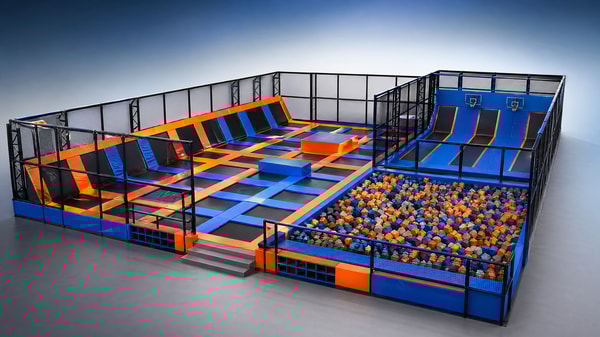
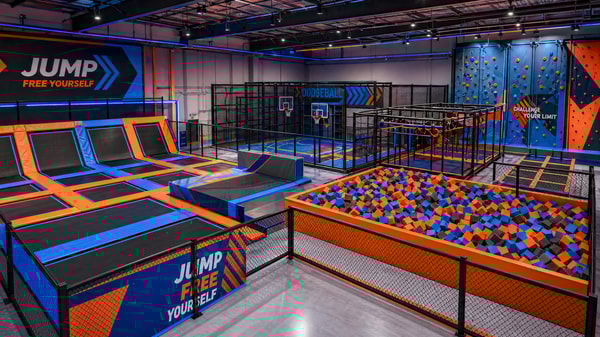
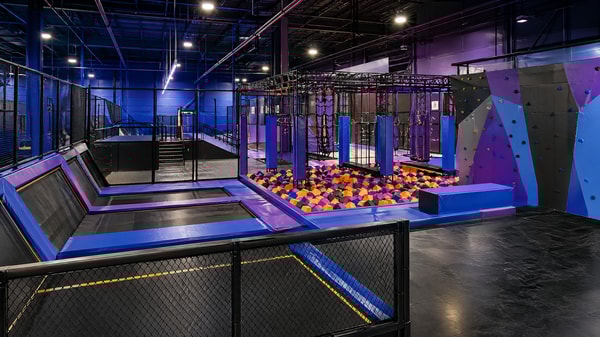
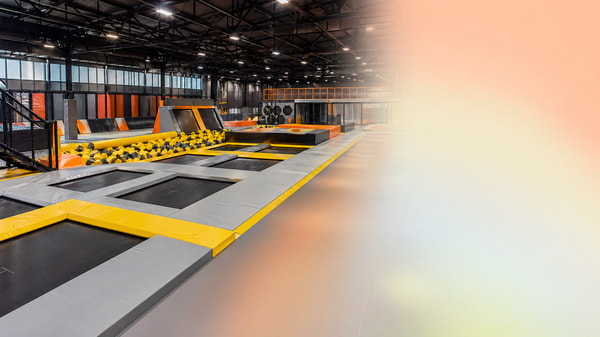
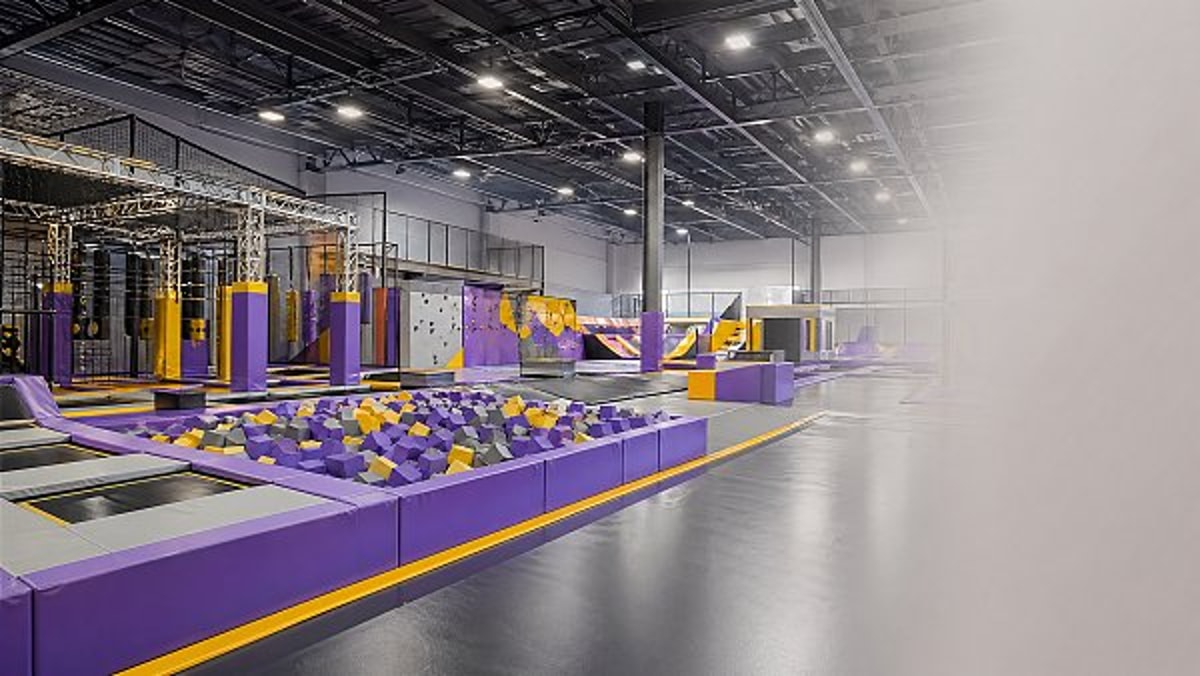
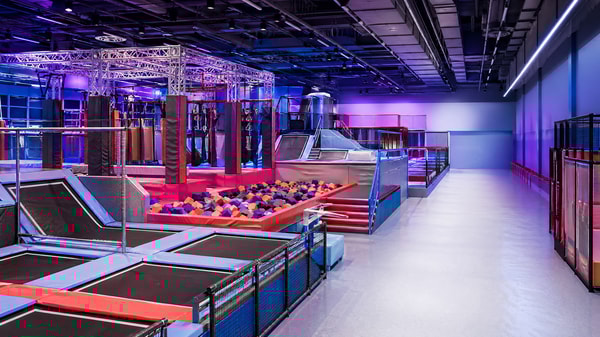
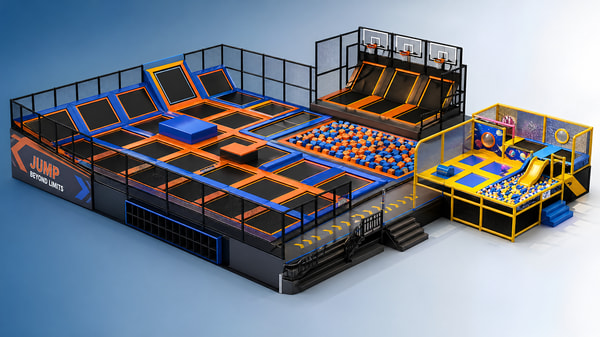
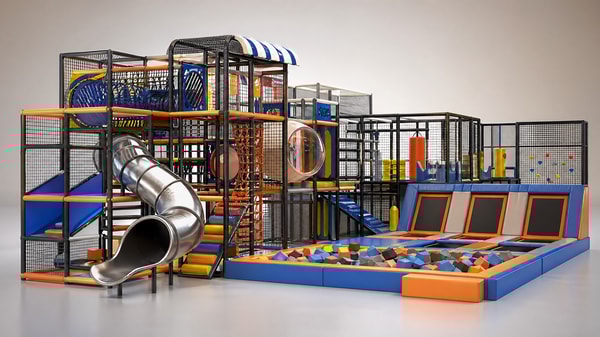
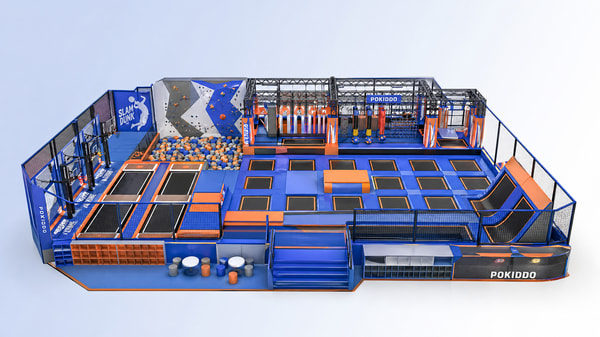
A typical indoor trampoline venue may include 8 to 15 activity zones, such as main jump courts, foam pits, dodgeball areas, ninja courses, climbing elements, toddler zones, and interactive digital attractions. The broader the attraction mix, the stronger the ability to widen age appeal and reduce overdependence on a single user group. This matters for both direct operators and distributors planning regional resale or partnership models.
Buyers should also separate cosmetic appeal from structural value. Fresh branding, painted walls, and social media visibility can improve first impressions, but the real asset quality lies in frame steel, spring systems, pads, netting, deck protection, anchor stability, and maintenance records. In many cases, replacing worn core zones within 12 to 24 months can materially change return expectations.
From a B2B standpoint, value increases when the site can be repositioned rather than rebuilt. If ceiling height, traffic flow, emergency exit planning, and zoning already support family entertainment operations, the new owner may reduce reopening time to 4 to 10 weeks instead of facing a full 4 to 6 month development cycle.
Key signals of commercial value
- Equipment age is within a manageable refurbishment window, often less than 5 to 7 years for major jump structures.
- Floor plan efficiency supports multiple revenue streams, not only open jumping but also events, memberships, and group bookings.
- Supplier documentation includes maintenance logs, replacement part history, and installation drawings.
- The park has enough ceiling clearance and safety spacing to support future upgrades without heavy reconstruction.
Basic acquisition review matrix
The table below helps procurement teams compare a sale opportunity beyond the listed trampoline park price. It highlights which variables can increase actual ownership cost during the first 12 months after acquisition.
The most important conclusion is that an attractive sale price does not automatically mean good value. A buyer should estimate both purchase cost and corrective capital expenditure before judging whether the site can deliver stable returns within 18 to 36 months.
How to Evaluate Trampoline Park Cost, Price, and Return Potential
When assessing a trampoline park for sale, buyers often confuse asking price with total project cost. In practice, there are at least 4 cost layers: acquisition price, equipment refurbishment, compliance or safety upgrades, and reopening or rebranding expenses. Depending on the park condition, post-purchase investment may add 10% to 35% to the original deal value.
The trampoline park cost structure also varies by business model. A park focused mainly on open jump sessions may run with lower staffing and simpler attractions, but it can be more vulnerable to price competition. By contrast, a venue designed for parties, schools, and team-building events may require stronger operational planning yet achieve higher average revenue per visitor over time.
Commercial evaluators should model at least 3 scenarios: conservative, expected, and upgrade-driven. A conservative scenario assumes moderate attendance and only essential repairs. An upgrade-driven scenario factors in new digital attractions, better visitor circulation, or cross-selling with indoor playground elements, which can raise the initial budget but improve market positioning in competitive urban regions.
Another practical issue is downtime. If the purchased site requires 6 to 8 weeks of refurbishment, cash flow starts later than many first-time buyers expect. For distributors or regional operators, the timing of reopening can be just as important as the price negotiation itself.
Common cost buckets to model
- Acquisition and legal transfer costs, including lease review and permit transfer.
- Equipment inspection, replacement pads, foam renewal, spring replacement, and deck repairs.
- Branding, signage, digital ticketing, POS updates, and relaunch marketing.
- Training, SOP updates, and pre-opening safety checks for frontline staff.
Illustrative ownership cost comparison
The following comparison is not a market quote but a practical framework for decision-makers who need to estimate whether a lower trampoline park price truly creates better value after refurbishment and relaunch.
For most B2B buyers, the goal is not to find the cheapest trampoline park for sale, but the asset with the most controllable cost curve. Predictable refurbishment needs, shorter reopening windows, and traceable supplier support usually produce better commercial outcomes than a discounted purchase with hidden liabilities.
Equipment Quality, Safety, and Supplier Reliability
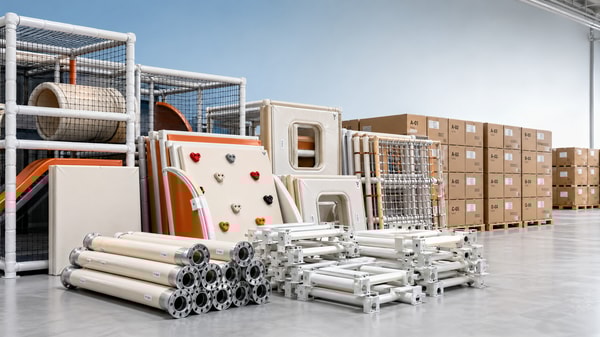
In commercial amusement projects, trampoline park equipment quality directly affects safety, maintenance frequency, insurance readiness, and long-term operating efficiency. Buyers should request a component-level review rather than relying on general statements that the park is in “good condition.” High-contact parts such as edge pads, jumping mats, springs, and foam elements wear faster and need closer inspection.
A reliable trampoline park supplier should be able to provide installation references, material details, maintenance guidance, and realistic lead times for replacement parts. If key parts require 8 to 12 weeks to source, that delay can hurt uptime during peak seasons. For distributors and agents, after-sales responsiveness can be just as important as original manufacturing quality.
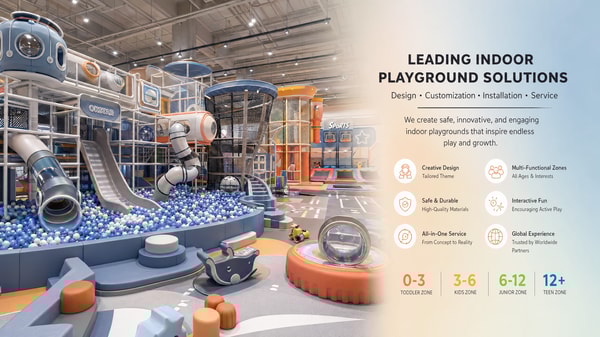
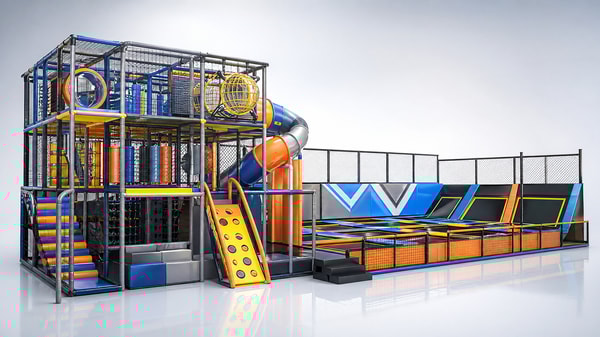
Commercial evaluators should also compare trampoline park equipment with adjacent family entertainment solutions. In some markets, combining trampoline zones with products sourced from an indoor playground supplier or indoor playground manufacturer creates stronger visitor retention. The reason is simple: mixed-age groups often include children who want soft play and adults or teenagers who prefer active challenge zones.
This hybrid approach can improve floor productivity, but it also requires disciplined supplier coordination. Materials, padding standards, anchoring methods, circulation paths, and maintenance schedules should be aligned across all attraction categories to avoid fragmented operations after the acquisition.
What to inspect before confirming equipment value
- Pad density and surface integrity in high-impact zones, especially around court edges and obstacle transitions.
- Spring fatigue, frame corrosion, bolt tightness, and visible structural deformation.
- Foam pit cleanliness, foam block condition, airbag surfaces if installed, and replacement schedule records.
- Netting, barrier systems, anti-slip access surfaces, and line-of-sight for staff supervision.
- Availability of spare parts, maintenance manuals, and service support within 48 to 72 hours for urgent issues.
Supplier comparison points for procurement teams
The table below can help procurement managers compare a trampoline park supplier against an indoor playground supplier when a mixed attraction strategy is under review.
The takeaway is that equipment quality should be judged by maintainability as much as by appearance. A park supported by responsive suppliers, documented parts replacement, and compatible upgrade options is easier to operate, resell, and expand in the future.
Procurement Checklist Before You Acquire or Reposition a Park
For buyers in the sports and entertainment industry, due diligence should follow a procurement sequence rather than a purely financial negotiation path. A structured review reduces the risk of discovering safety gaps, unrealistic refurbishment budgets, or supplier limitations after the agreement is signed.
In most projects, 5 stages are enough to clarify whether the trampoline park for sale fits your investment goals. This is especially useful for distributors, agents, and institutional purchasers who may need internal sign-off from finance, operations, legal, and technical teams before moving forward.
Where possible, the acquisition review should include both site inspection and document verification. Photos and seller statements are helpful, but they cannot replace a physical assessment of wear, layout logic, and visitor circulation. This is particularly important in parks that plan to combine trampolines with climbing zones, soft play, redemption, or food service.
A disciplined checklist also improves negotiation. If the buyer can quantify upgrade needs in 6 to 10 line items, it becomes easier to justify a revised offer, ask for spare parts inclusion, or request staged payment terms tied to equipment condition.
Five-step decision process
- Review the asking price against lease terms, catchment area demand, and local competition within a 10 to 20 minute drive radius.
- Inspect trampoline park equipment zone by zone, documenting wear level, missing parts, and areas needing immediate shutdown or repair.
- Confirm supplier continuity, including spare part lead times, technical support scope, and whether upgrades can integrate with existing structures.
- Build a 12-month relaunch budget covering repairs, staffing, insurance readiness, branding, and reopening promotion.
- Decide whether to retain the current concept, reposition as a mixed indoor entertainment site, or fully redevelop the layout.
Practical risks that buyers often underestimate
- Underestimating the cost of replacing consumable safety components such as pads and foam.
- Ignoring downtime losses during repair periods of 4 to 8 weeks.
- Assuming any indoor playground manufacturer can support trampoline-specific engineering needs.
- Buying a layout that looks large but has weak visibility, poor supervision lines, or inefficient party-room conversion.
For many commercial buyers, the strongest acquisition target is not the largest park but the one with the clearest path to profitable reopening. Reliable supplier access, manageable upgrade needs, and a floor plan suited to both active play and group bookings typically matter more than headline size alone.
Frequently Asked Questions for Buyers and Distributors
How do I know if a trampoline park price is realistic?
Compare the asking price with 3 variables: equipment age, upgrade burden, and the speed of relaunch. If the park needs major pad, spring, foam, or layout work within the first 12 months, a lower offer is usually justified. Price realism should always be tested against total ownership cost, not seller expectations alone.
Should I only work with a dedicated trampoline park supplier?
Not always. If your strategy is a hybrid venue, an indoor playground supplier or indoor playground manufacturer may add value in toddler play, family soft play, or modular obstacle zones. However, trampoline areas require specialized structural, impact, and maintenance understanding, so mixed projects should be coordinated carefully rather than sourced in isolation.
What refurbishment timeline is typical after buying a park?
For light refurbishment, 2 to 4 weeks may be enough. For moderate repairs and branding updates, 4 to 8 weeks is more realistic. If the park requires major layout changes, new supplier coordination, or mixed-attraction integration, the schedule can extend to 8 to 16 weeks depending on site conditions and parts lead times.
What metrics matter most for commercial decision-makers?
The most useful metrics are refurbishment ratio, expected downtime, usable zone count, supplier response time, and revenue mix by customer type. For example, a park with 30% or more revenue from parties and organized groups may have better resilience than one driven almost entirely by walk-in traffic.
A trampoline park for sale can be worth it when the numbers, equipment condition, and supplier ecosystem all support a credible operating plan. Smart buyers look beyond the initial trampoline park price and evaluate refurbishment needs, service continuity, layout potential, and whether a trampoline park supplier or indoor playground manufacturer can support future growth with practical, timely solutions.
For information researchers, procurement managers, business evaluators, and channel partners, the strongest investment decisions come from structured due diligence rather than headline pricing. If you need support comparing trampoline park equipment options, validating suppliers, or planning a repositioned indoor entertainment concept, contact us to get a tailored sourcing plan and learn more commercial solutions.
Search News
Hot Articles
Popular Tags
Need ExpertConsultation?
Connect with our specialized leisureengineering team for procurementstrategies.
Recommended News
 Apr 29, 2026Adventure Playground Safety Mistakes to Avoid Before InstallationAdventure playground safety mistakes can delay opening and raise liability. Learn the key pre-installation checks for materials, site planning, surfacing, and compliance.● Theme Park Strategist
 Apr 29, 2026Chinese Tennis Robot Demand Rises in Europe After Zheng Qinwen's Madrid RunChinese tennis robot demand surges in Europe after Zheng Qinwen's Madrid Open run—CE-certified AI training systems now sought by German & Spanish academies.● Theme Park Strategist
 Apr 29, 2026Vietnam Mandates Child Finger-Trap Sensors for Indoor Play EquipmentVietnam mandates child finger-trap sensors for indoor play equipment—key compliance update for exporters, suppliers & certifiers. Act now before Oct 1, 2026.● Theme Park Strategist
 Apr 29, 2026CBA Guangdong’s Loss Spurs Export Inquiries for Indoor Playground EquipmentCBA Guangdong’s playoff loss sparks urgent export inquiries for EN1176-compliant indoor playground equipment — basketball-themed, rapid-assembly modules for ASEAN family entertainment centers.● Theme Park Strategist
 Apr 28, 2026Vietnam Mandates Child Hand-Trap Sensors for Indoor Play EquipmentVietnam mandates VILAS-certified hand-trap sensors for indoor play equipment—key for exporters, manufacturers & certifiers. Act before Oct 2026!● Theme Park Strategist
 Apr 29, 2026What to Review Before Buying a Trampoline ParkCompare trampoline park price, trampoline park cost, and trampoline park equipment before choosing a trampoline park supplier. Get expert tips on safety, layout, and sourcing.● Theme Park Strategist
 Apr 29, 2026How Much Does a Trampoline Park CostTrampoline park cost explained: compare trampoline park price, equipment quality, and supplier value. Learn what drives ROI before choosing a trampoline park for sale.● Theme Park Strategist
 Apr 29, 2026Safe Trampoline Park Equipment BasicsSafe trampoline park equipment basics: compare trampoline park supplier options, indoor playground design, durability, compliance, and total trampoline park cost before you buy.● Theme Park Strategist
 Apr 29, 2026How to Audit an Indoor Playground FactoryIndoor playground manufacturer audit guide: learn how to assess an indoor playground supplier, indoor playground design strength, safety, capacity, and trampoline park equipment quality before you buy.● Theme Park Strategist
 Apr 29, 2026Indoor Playground Supplier Pricing GuideIndoor playground supplier pricing guide: compare indoor playground manufacturer quotes, indoor playground design value, trampoline park equipment cost, and hidden fees before you buy.● Theme Park Strategist
 Apr 29, 2026Trampoline Park Supplier Checklist 2026Trampoline park supplier checklist 2026: compare trampoline park price, cost, equipment, and indoor playground design to choose a safer, smarter supplier for profitable projects.● Theme Park Strategist
 Apr 29, 2026Trampoline Park Price vs Long Term ValueTrampoline park price is only the start. Compare trampoline park cost, equipment quality, and supplier reliability to find safer, higher-ROI solutions with lasting commercial value.● Theme Park Strategist
![]() Apr 29, 2026Indoor Playground Design Mistakes to AvoidIndoor playground design mistakes can raise trampoline park cost and hurt ROI. Learn how to choose the right indoor playground supplier, manufacturer, and equipment for safer, smarter growth.● Theme Park Strategist
Apr 29, 2026Indoor Playground Design Mistakes to AvoidIndoor playground design mistakes can raise trampoline park cost and hurt ROI. Learn how to choose the right indoor playground supplier, manufacturer, and equipment for safer, smarter growth.● Theme Park Strategist Apr 29, 2026Is a Trampoline Park for Sale Worth ItTrampoline park for sale: compare trampoline park price, cost, equipment quality, and supplier support to judge ROI. See what smart buyers check before investing.● Theme Park Strategist
 Apr 29, 2026Trampoline Park Cost Breakdown for BuyersTrampoline park cost explained: compare trampoline park price, equipment quality, and supplier support to find a profitable trampoline park for sale with smart design and safer ROI.● Theme Park Strategist
 Apr 29, 2026What to Check in Trampoline Park EquipmentTrampoline park equipment guide: learn what to check from safety, layout, and materials to trampoline park cost, supplier selection, and indoor playground manufacturer support.● Theme Park Strategist
 Apr 29, 2026Indoor Playground Manufacturer Red FlagsIndoor playground manufacturer red flags: learn how to assess an indoor playground supplier, indoor playground design quality, trampoline park equipment, and hidden trampoline park cost before you buy.● Theme Park Strategist
 Apr 29, 2026How to Pick an Indoor Playground SupplierIndoor playground supplier guide: compare safety, design, quality, and lead times to choose the right indoor playground manufacturer or trampoline park supplier with confidence.● Theme Park Strategist
 Apr 29, 2026How to Compare Trampoline Park SuppliersCompare every trampoline park supplier by safety, design, service, and trampoline park cost. Learn how to choose reliable trampoline park equipment and indoor playground supplier solutions.● Theme Park Strategist
 Apr 29, 2026What Affects Trampoline Park Price MostTrampoline park price depends most on equipment quality, compliance, customization, and supplier strength. Learn what drives trampoline park cost and compare quotes with confidence.● Theme Park Strategist
 Apr 27, 2026Vietnam Mandates Child Finger-Trap Sensors for Indoor Play EquipmentVietnam mandates child finger-trap sensors for indoor play equipment starting Aug 1, 2026 — comply now to avoid delays, penalties & market access risks.● Theme Park Strategist
 Apr 26, 2026Fan Zhendong Visits SF as MLTT Investor; Chinese AI Ping Pong Tech Draws Silicon Valley InterestAI ping pong tech from China grabs Silicon Valley’s attention as Fan Zhendong, MLTT investor and Olympic champ, demos smart table tennis systems in SF—key for sports hardware, AI analytics & FDA-regulated fitness devices.● Theme Park Strategist
 Apr 26, 2026Vietnam Enforces Child Finger-Trap Sensors for Indoor Playground EquipmentChild finger-trap sensors now mandatory for indoor playground equipment in Vietnam—comply with QCVN 17:2026/BKHCN before import or sale.● Theme Park Strategist
 Apr 25, 2026Vietnam Mandates Child Finger-Trap Sensors for Indoor Play EquipmentVietnam mandates child finger-trap sensors for indoor play equipment—TCVN-certified, ≤0.3s response. Critical for importers, OEMs & compliance teams ahead of July 1, 2026 deadline.● Theme Park Strategist