How to Source Musical Instruments for Schools
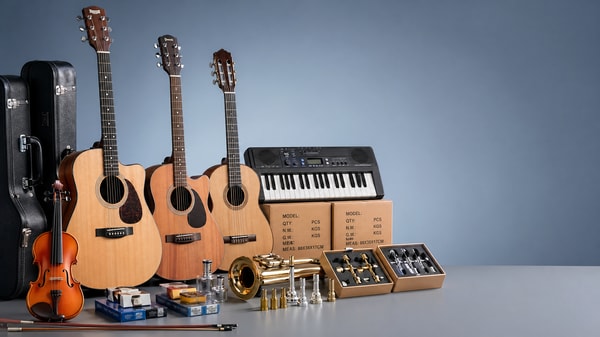
Sourcing musical instruments for schools requires balancing quality, safety, budget, and long-term supplier reliability. Whether buyers are comparing musical instruments wholesale options, evaluating a musical instruments manufacturer, or selecting durable musical instruments for bands, schools need a strategy that supports education goals and procurement standards. This guide outlines how institutional buyers can identify trusted sourcing partners and make smarter purchasing decisions.
What makes school musical instrument sourcing different from standard retail buying?
School procurement is not simply a scaled-up version of consumer shopping. A school music program often needs 15–80 instruments across multiple categories, with different durability needs for beginner students, ensemble use, storage constraints, and supervision levels. For procurement officers and evaluation teams, the main question is not only price, but total usability over 3–5 academic years.
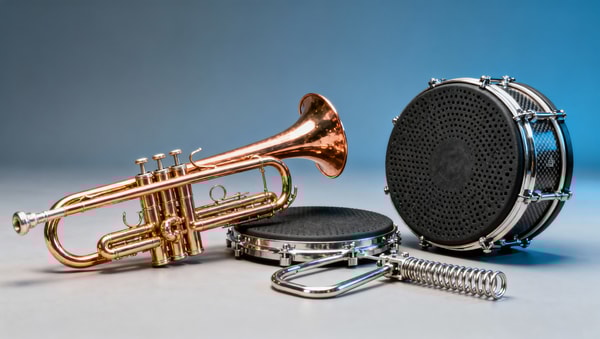
In the sports and entertainment sector, school music purchasing also sits close to performance management. Instruments may be used in class, after-school band practice, seasonal concerts, competitions, and community events. That means the sourcing decision must cover routine learning use as well as periodic high-intensity use, especially for percussion, brass, and marching-related equipment.
Buyers also need to compare local distributors, global suppliers, and a musical instruments manufacturer that can support institutional orders. A retail-grade product may look attractive in a short-term budget review, but it often lacks parts continuity, carton protection standards, after-sales documentation, or replacement planning. These gaps create hidden costs in month 6, not day 1.
This is where structured sourcing becomes essential. Global Commercial Trade supports institutional buyers with category-focused intelligence, supplier screening logic, and sourcing visibility across educational supplies and pro audio or musical instruments. For schools, that means better alignment between educational goals, compliance requirements, and supply chain reliability before a purchase order is issued.
Core decision factors schools should define first
- Program type: classroom general music, concert band, orchestra, marching band, choir accompaniment, or mixed performing arts use.
- User level: beginner, intermediate, or advanced student players, which directly affects material grade and tolerance for maintenance.
- Ownership model: school-owned inventory, rental-supported inventory, or hybrid replenishment every 1–2 semesters.
- Support needs: replacement parts, repair turnaround, packaging protection, documentation, and sample approval before bulk order.
How to evaluate musical instruments for bands, classrooms, and school performance programs
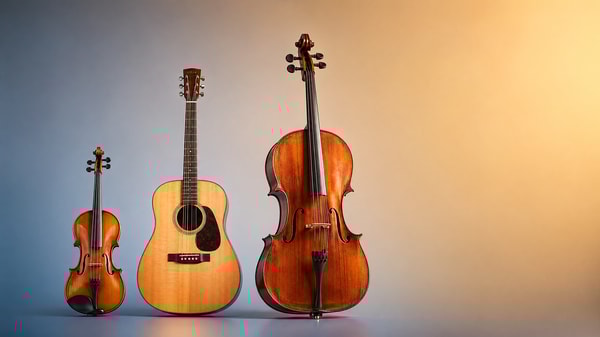
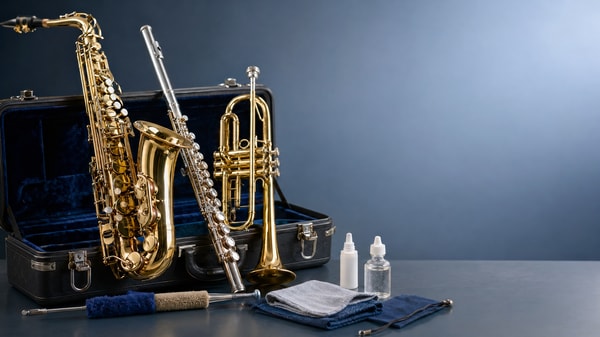
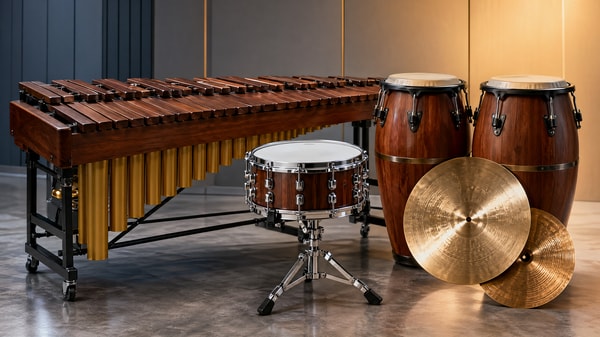
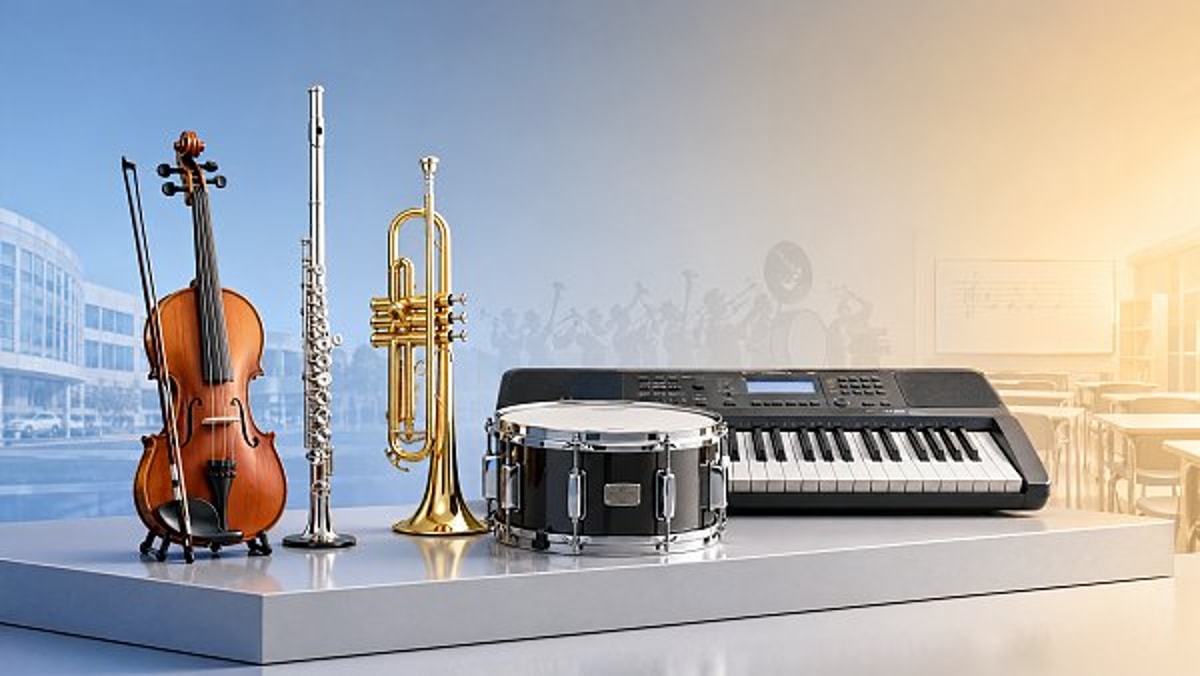
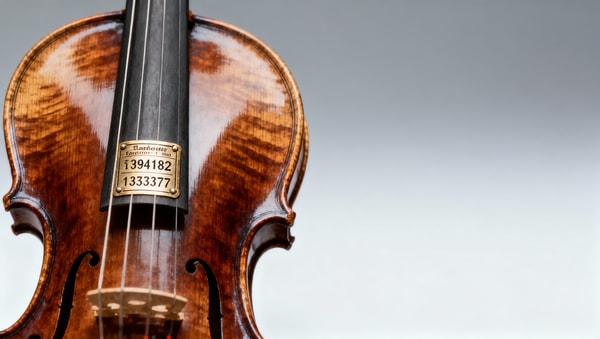
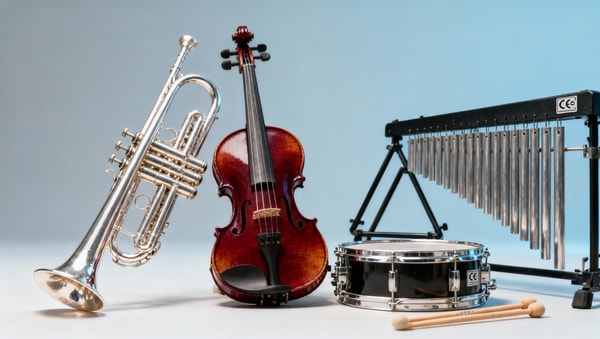
Not every instrument category should be sourced using the same criteria. Classroom keyboards, student violins, marching snare drums, and brass instruments each face different wear patterns. A school that uses the same supplier scorecard for all categories often overpays in some lines and under-specifies in others. A better approach is to segment the requirement into 3 groups: daily classroom use, ensemble use, and performance-intensive use.
For daily classroom use, the priority is stable tuning, easy handling, and simple maintenance. For ensemble and band programs, tonal consistency across units matters more because multiple instruments must blend in rehearsals. For performance-intensive use, hardware reliability, carrying protection, and replacement part availability become critical, especially when events are scheduled within 2–4 weeks.
Institutional buyers should ask suppliers for specification sheets, materials details, packaging descriptions, and service support boundaries. A capable musical instruments manufacturer or wholesale supplier should clearly explain body material, pad or key construction, finish type, case quality, and what spare parts can be reordered. If these answers remain vague, the supply risk is already visible.
The table below helps compare the most common school-use instrument groups by sourcing focus, maintenance pressure, and buyer risk. It is particularly useful for distributors, procurement teams, and commercial assessors preparing a multi-category bid review.
The comparison shows why buyers should not treat all musical instruments wholesale offers equally. Low-complexity classroom items can be sourced with stronger emphasis on unit economy, while band and performance instruments need deeper evaluation of construction and service continuity. This distinction improves both budget control and educational outcomes.
Questions to ask before approving any supplier shortlist
- Can the supplier maintain consistent quality across the full order quantity, not only the sample unit?
- What parts are available for reorder within a practical service window, such as 7–21 days?
- Does the supplier support category mixing in one shipment for schools buying 5–10 product lines at once?
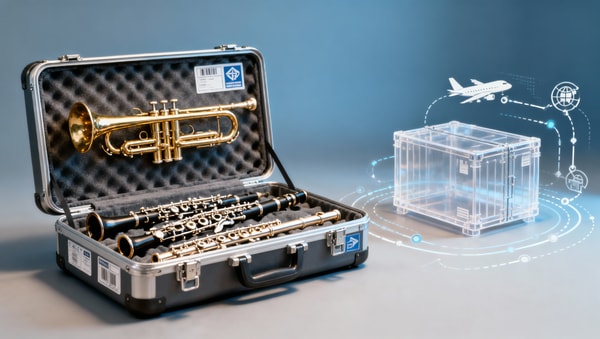
- Can packaging withstand institutional transport, storage turnover, and internal redistribution?
A practical view for distributors and agents
Distributors and agents serving schools should look beyond initial margin. The more valuable model is recurring supply through accessories, replacement items, and coordinated replenishment. A supplier that can support 3 levels of demand—small trial orders, semester replenishment, and annual framework purchasing—usually creates better long-term channel stability than a vendor focused only on one-off price competition.
Procurement checklist: what should buyers review before placing a school order?
A disciplined procurement process reduces failure rates in school music purchasing. In practice, most institutional buyers can simplify evaluation into 5 checkpoints: specification fit, safety and compliance, service support, commercial terms, and delivery execution. Missing any one of these can lead to mismatched instruments, delayed classes, or disputes over replacements after arrival.
For example, a supplier may offer attractive pricing but fail to provide uniform accessories, multilingual user instructions, or damage-response procedures. Another may have strong manufacturing capability but limited export packaging experience. Buyers comparing a musical instruments manufacturer with a trading or distribution source should map responsibilities clearly, especially if multiple campuses or departments are involved.
The following table works as a practical procurement guide for schools, dealers, and commercial assessment teams. It translates broad buying concerns into concrete review points that can be scored during supplier selection and bid comparison.
A useful practice is to score each supplier on a 1–5 scale across these 4 areas, then review the weighted result with the finance and user departments together. That creates a defensible decision path for public, private, and international school procurement. It also helps avoid selecting a vendor based only on the lowest visible unit price.
Recommended 4-step sourcing flow
- Define the bill of requirements by program type, quantity range, user age, and expected usage frequency per week.
- Request samples or a documented specification package from 2–4 qualified suppliers.
- Review commercial terms, compliance documentation, and service scope before final negotiation.
- Confirm pre-shipment inspection points, packing method, and spare-part support plan before dispatch.
Where GCT adds value in the sourcing process
GCT is positioned for buyers who need more than a supplier list. By focusing on commercial experience sectors, including Office & Educational Supplies and Pro Audio & Musical Instruments, GCT helps institutional teams compare sourcing routes, identify suitable supplier capabilities, and reduce friction between technical review and commercial execution. That is particularly valuable when a project includes mixed educational and performance-use equipment.
For distributors and procurement managers, this intelligence-led approach supports better vendor filtering, more informed RFQ preparation, and stronger discussion around lead time, OEM or ODM feasibility, and long-term supply continuity. In school music procurement, clarity at the evaluation stage often saves far more than last-minute price negotiation.
Budget, lead time, and supplier model: how should schools compare options?
Budget pressure is one of the biggest reasons schools compromise on musical instruments for bands and classrooms. Yet lower upfront pricing can produce higher lifecycle cost if the order requires frequent repairs, inconsistent tuning stability, or repeated replacement after one academic year. A sound evaluation should consider 3 cost layers: initial purchase, operating upkeep, and replacement exposure.
Lead time also matters. Typical institutional orders may move through sample review, confirmation, production, and shipping within 4–10 weeks depending on quantity, product complexity, and destination. If a school needs instruments before semester launch or before competition season, it may need to split orders into immediate-need lines and planned replenishment lines rather than source everything under one schedule.
Buyers commonly compare three supply models: local stocking distributors, direct musical instruments wholesale supply, and direct factory sourcing from a musical instruments manufacturer. Each has strengths. The correct choice depends on the urgency of delivery, the need for technical customization, and the internal capacity to manage documentation and quality follow-up.
The table below provides a practical comparison for schools, agents, and institutional sourcing teams deciding how to structure a purchase program.
This comparison shows that no single model is ideal for every school. A regional distributor may be best for fast-moving accessories, while direct factory supply may work better for annual bulk procurement. Many institutions eventually adopt a hybrid structure: local support for immediate needs and strategic sourcing for scheduled capital purchases.
Budget-saving tactics that do not damage program quality
- Prioritize robust student-grade instruments for shared use, while limiting advanced-spec purchases to specialized ensemble needs.
- Bundle cases, stands, cleaning kits, and basic spare parts into one negotiation instead of treating them as later add-ons.
- Use phased delivery over 2–3 batches if budget release and semester timing do not align.
- Ask for interchangeable accessories across models to simplify campus inventory and reduce maintenance complexity.
A note on total cost of ownership
Instruments used by students are touched, moved, stored, and transported far more frequently than many buyers first expect. For that reason, a seemingly modest cost difference at purchase can be justified if it reduces adjustment frequency, damage rates, or the need for early replacement. Procurement teams should review cost over at least 24–36 months rather than only the first invoice.
Which compliance, quality, and service issues are often overlooked?
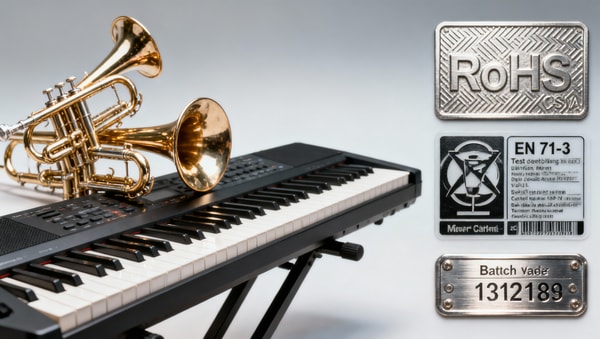
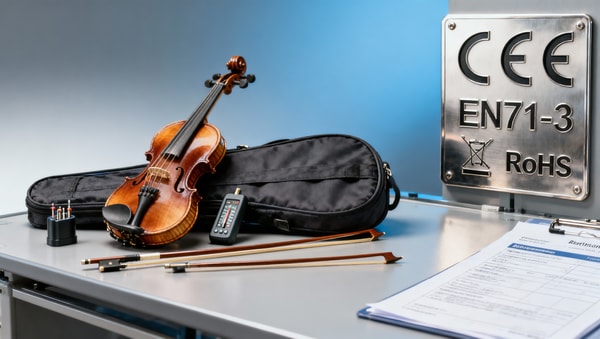
When schools import instruments or buy through cross-border sourcing channels, compliance review should not be treated as an afterthought. The exact requirements depend on the destination market and product type, but buyers should at minimum review material safety, labeling expectations, packaging condition, and suitability for student use. This is especially relevant for entry-level products used by younger students.
Commercial teams also need to distinguish product compliance from service readiness. A shipment may arrive with acceptable documents, yet still create operational problems if spare parts, setup guidance, or transit damage handling are unclear. Good suppliers explain not only what they make, but also how they support the product during the first 30–90 days after delivery.
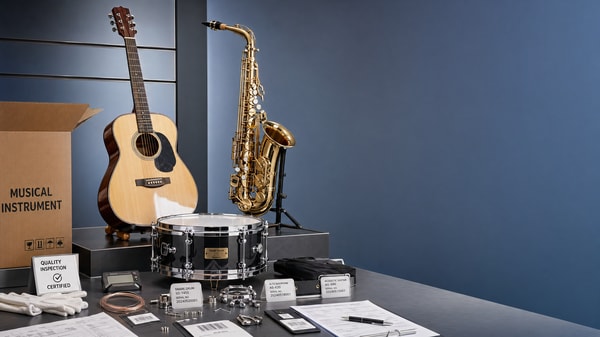
Another frequent oversight is inspection scope. Buyers often inspect appearance and quantity but forget functional checks. For school musical instruments, inspection should include at least 4 areas: visible finish, accessory completeness, basic playability or hardware movement, and case or packaging integrity. This is particularly important when one order includes several categories sourced together.
GCT’s sector-specific sourcing perspective is useful here because school buyers rarely purchase in isolation. Educational institutions may be managing furniture, classroom technology, performance audio, and instruments under one project cycle. Coordinated sourcing intelligence helps procurement teams set realistic expectations on compliance, logistics, and vendor accountability across interconnected categories.
Common mistakes in school instrument procurement
- Choosing solely by unit price without checking service parts or product consistency across the full batch.
- Approving samples that are not representative of the actual production level or packaging method.
- Ignoring storage and transport conditions, especially for instruments moving between classrooms, rehearsal rooms, and events.
- Failing to align the purchase with the academic calendar, which can create delays of one full term.
FAQ for buyers, assessors, and distributors
How do schools choose between beginner-grade and intermediate-grade instruments?
The decision should match the program objective. For introductory classroom use or broad student participation, beginner-grade instruments with stable construction and simple maintenance are usually more practical. For band programs, ensemble development, or repeated public performance, intermediate-grade units may deliver better consistency and longer service value over a 2–3 year cycle.
What is a reasonable lead time for school instrument sourcing?
There is no universal answer, but many projects should allow time for supplier review, sample confirmation, production, and shipping. For planned institutional purchases, buyers often work backward from the semester start and reserve several weeks for verification. If the order contains multiple categories or customization, extra time should be built in for packaging and inspection coordination.
What should distributors highlight when serving school buyers?
Distributors should emphasize clarity rather than only catalog breadth. Schools value product suitability, replenishment logic, service terms, and documentation support. A distributor that can explain which musical instruments for bands are appropriate for different age levels and usage intensity will usually outperform a seller that only competes on promotional pricing.
Can schools mix direct manufacturer orders with local service support?
Yes, and this is often a practical solution. Larger annual procurement can be sourced through a musical instruments manufacturer or wholesale partner for cost and specification control, while local distributors handle urgent replacements, consumables, or first-line repairs. This hybrid model balances commercial efficiency with operational responsiveness.
Why work with GCT when sourcing musical instruments for schools?
School purchasing teams, commercial evaluators, and channel partners rarely need generic product descriptions. They need actionable sourcing guidance: which supplier model fits the order, what technical points must be checked, how to compare quotations, and where risk may appear after delivery. GCT is built for that kind of decision support across educational, commercial, and performance-oriented categories.
Because GCT operates at the intersection of Office & Educational Supplies and Pro Audio & Musical Instruments, it is especially relevant for institutions building modern music rooms, band programs, or performance-linked school environments. Buyers can use this perspective to evaluate not only product sourcing, but also how instruments fit broader educational and experiential procurement goals.
If you are reviewing musical instruments wholesale options, comparing a musical instruments manufacturer, or planning durable musical instruments for bands, GCT can support your next step with category insight and sourcing structure. Typical consultation topics include 5 key areas: specification confirmation, supplier matching, delivery schedule planning, compliance review, and sample or quotation coordination.
Contact GCT to discuss your school instrument sourcing project in practical terms. You can request support for product selection by age group or program type, mixed-category procurement planning, lead time estimation, OEM or ODM considerations, packaging and spare-part requirements, and quote comparison for institutional purchasing. This helps turn a complex buying decision into a manageable, defensible procurement plan.
Search News
Hot Articles
Popular Tags
Need ExpertConsultation?
Connect with our specialized leisureengineering team for procurementstrategies.
Recommended News
 Apr 29, 2026String Instruments Compared: What Really Affects Tone and DurabilityString instruments compared for tone and durability: learn how materials, construction, hardware, and setup affect long-term performance for schools, venues, rentals, and sourcing teams.● Pro Audio Engineer
 Apr 29, 2026Wind Instruments Maintenance Tips That Prevent Costly RepairsWind instruments maintenance tips that help teams prevent leaks, corrosion, and pad failure. Learn practical care steps to reduce repair costs and keep instruments performance-ready.● Pro Audio Engineer
 Apr 29, 2026Percussion Instruments Buying Guide: Sound, Build, and ValuePercussion instruments buying guide for schools, venues, and studios—compare sound, build quality, durability, and total value to source smarter and avoid costly mistakes.● Pro Audio Engineer
 Apr 29, 2026How to Find Reliable Musical Instruments WholesaleMusical instruments wholesale made safer: learn how to vet a musical instruments manufacturer, compare suppliers, and source reliable musical instruments for schools and bands with confidence.● Pro Audio Engineer
 Apr 29, 2026Musical Instruments for Schools on BudgetMusical instruments for schools on a budget: compare musical instruments for bands, wholesale options, and how to choose a reliable musical instruments manufacturer for lasting value.● Pro Audio Engineer
 Apr 29, 2026OEM or ODM Musical Instruments ManufacturerFind the right musical instruments manufacturer for bands, schools, and wholesale buyers. Compare OEM vs ODM options, customization, quality control, and sourcing strategies.● Pro Audio Engineer
 Apr 29, 2026Which Musical Instruments Fit Small BandsMusical instruments for bands: explore smart lineups for schools, venues, and buyers comparing musical instruments wholesale and a trusted musical instruments manufacturer.● Pro Audio Engineer
 Apr 29, 2026Musical Instruments Wholesale Buying GuideMusical instruments wholesale guide for bands, schools, and distributors: compare musical instruments manufacturers, MOQ, quality, compliance, and sourcing strategies for smarter bulk buying.● Pro Audio Engineer
 Apr 29, 2026How to Source Musical Instruments for SchoolsMusical instruments for schools: learn how to compare musical instruments wholesale options, choose a trusted musical instruments manufacturer, and source durable musical instruments for bands with confidence.● Pro Audio Engineer
 Apr 29, 2026How to Choose a Musical Instruments ManufacturerFind the right musical instruments manufacturer for bands, schools, and wholesale buyers. Compare quality, OEM/ODM options, compliance, and lead times to source with confidence.● Pro Audio Engineer
 Apr 29, 2026How to Choose Musical Instruments for BandsMusical instruments for bands guide: compare musical instruments manufacturer options, wholesale terms, and musical instruments for schools to source durable, high-value solutions.● Pro Audio Engineer
 Apr 26, 2026Musical instruments manufacturer compliance: EU RoHS vs. US CPSIA documentation gapsMusical instruments manufacturer? Close EU RoHS vs. US CPSIA documentation gaps—critical for bands, schools & trampoline park suppliers. Avoid disqualification.● Pro Audio Engineer
 Apr 26, 2026High-quality musical instruments: why serial number verification matters for resale valueHigh-quality musical instruments for bands and schools rely on serial number verification to protect resale value, authenticity, and compliance—trusted by top suppliers worldwide.● Pro Audio Engineer
 Apr 26, 2026Musical instruments supplier lead times: why 8-week delivery now means ‘in stock’Musical instruments supplier lead times hit 8 weeks—now meaning 'in stock.' Compare trampoline park supplier, indoor playground manufacturer & more for assured readiness.● Pro Audio Engineer
 Apr 26, 2026Musical instruments for schools: what happens when warranty service requires shipping overseasMusical instruments for schools & bands: Avoid costly overseas warranty shipping. Discover high-quality, service-backed instruments from trusted manufacturers and suppliers.● Pro Audio Engineer
 Apr 26, 2026Musical instruments manufacturer transparency: where are your components really made?Discover how top musical instruments manufacturer & trampoline park supplier ensure component transparency—boost safety, compliance, and ROI for bands, schools, and indoor playground installations.● Pro Audio Engineer
 Apr 26, 2026Musical instruments for bands: why matching wood grain matters for live soundDiscover why matching wood grain in musical instruments for bands ensures superior live sound—key insight for schools, venues & suppliers seeking high quality musical instruments.● Pro Audio Engineer
 Apr 26, 2026Musical instruments supplier red flags—delayed shipping isn’t the worst signSpot red flags in musical instruments supplier, trampoline park supplier & indoor playground manufacturer—beyond delayed shipping. Ensure safety, compliance & quality.● Pro Audio Engineer
 Apr 26, 2026Musical instruments manufacturer vs. supplier: who handles warranty claims?Musical instruments manufacturer vs. supplier: who handles warranty claims? Discover how warranty authority impacts trampoline park safety, indoor playground installation & more.● Pro Audio Engineer
 Apr 26, 2026High-quality musical instruments: how to spot factory-refurbished units sold as newSpot high-quality musical instruments for bands & schools—avoid factory-refurbished units sold as new. Trusted insights on musical instruments manufacturer transparency, supplier accountability, and procurement safety.● Pro Audio Engineer
 Apr 26, 2026Musical instruments for schools—why budget models often cost more over timeMusical instruments for schools: Discover why budget models inflate long-term costs—durability, safety & TCO insights for bands, indoor playground suppliers, and trampoline park equipment buyers.● Pro Audio Engineer
 Apr 26, 2026Musical instruments for bands: why 'stage-ready' doesn’t always mean reliableDiscover why 'stage-ready' musical instruments for bands often fail commercially—and how top venues vet high quality musical instruments, trampoline park equipment, and indoor playground supplier reliability.● Pro Audio Engineer
 Apr 23, 2026Music Accessories Buyers Should Compare FirstMusic accessories buyers should compare quality, compatibility, and compliance first. Explore sourcing tips for hotel equipment, educational supplies, amusement equipment, and sensory playground projects.● Pro Audio Engineer
 Apr 23, 2026How to Source Reliable Music AccessoriesMusic accessories sourcing guide for buyers in commercial furniture, hotel equipment, educational supplies, and amusement equipment—learn how to verify quality, compliance, and reliable suppliers.● Pro Audio Engineer