Percussion Instruments Buying Guide: Sound, Build, and Value
Choosing percussion instruments for commercial venues, schools, studios, or entertainment projects requires more than comparing prices. Buyers must evaluate sound quality, material durability, craftsmanship, and long-term value to ensure reliable performance and audience appeal. This guide helps procurement professionals identify the key factors behind smart percussion instruments sourcing decisions in today’s competitive sports and entertainment market.
What do procurement teams need to understand first about percussion instruments?
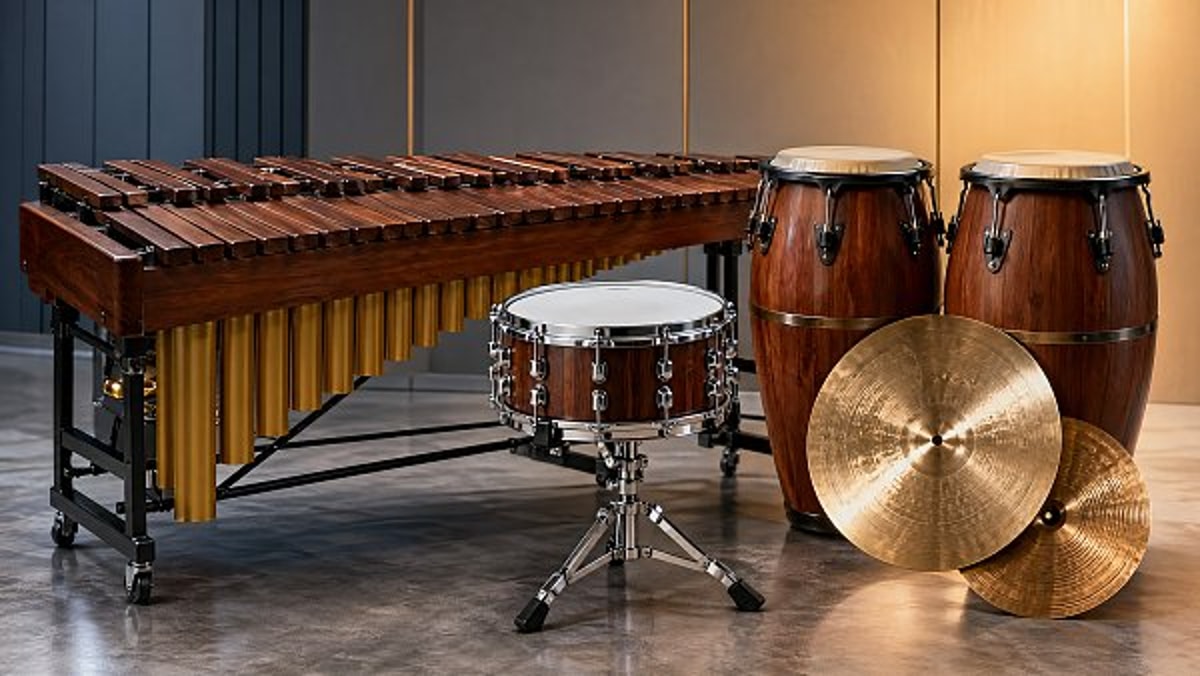
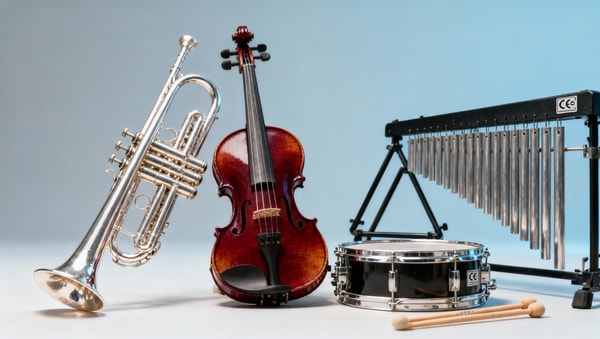
For commercial buyers, percussion instruments are not a single product category but a broad family that includes drums, cymbals, tambourines, marimbas, xylophones, cajóns, bongos, congas, hand percussion, and auxiliary rhythm accessories. In sports and entertainment settings, they may support live performance, venue activation, marching events, education programs, studio recording, or guest-facing interactive spaces. That means sourcing priorities can change significantly from one project to another.
A school music room may prioritize durability over subtle tonal complexity, while a performance venue may care deeply about projection, tonal balance, and consistent tuning across repeated use. A leisure park or entertainment complex may focus on impact resistance, easy maintenance, and safe operation for high-frequency public engagement. In many procurement cycles, the useful service window expected for percussion instruments ranges from 3 to 10 years, depending on traffic intensity, climate exposure, and user skill level.
This is why buyers should start by dividing percussion instruments into three decision layers: sound requirements, build requirements, and commercial value requirements. Sound determines audience experience. Build determines reliability and upkeep. Value determines whether the purchase performs well across installation, use, replacement parts, and operating budget. When these three layers are assessed together, sourcing decisions become more practical and less reactive.
How can percussion instruments be grouped for commercial sourcing?
A useful starting point is to separate percussion instruments into tuned percussion, untuned percussion, and hybrid or specialty instruments. Tuned models such as marimbas and xylophones require more attention to pitch consistency, bar material, and frame stability. Untuned models such as snare drums, bass drums, cymbals, and hand percussion are often judged more heavily on attack, response, dynamic range, and physical endurance.
- Educational settings often require 5 to 20 core units per room, depending on ensemble size and curriculum level.
- Entertainment venues may combine 3 to 8 performance-grade percussion instruments with auxiliary accessories for stage flexibility.
- Interactive public projects usually benefit from simplified, tamper-resistant percussion instruments with low maintenance demands.
For procurement personnel, this classification helps align product evaluation with use case rather than relying on generic catalog descriptions. A good supplier conversation should quickly clarify intended users, acoustic environment, storage conditions, and maintenance capability before product recommendations are finalized.
What is the first internal checklist to build?
Before requesting quotations, buyers should define user type, expected playing frequency, indoor or outdoor use, preferred finish level, and replacement cycle. Even a 15-minute internal briefing can reduce specification errors later. In projects involving multiple stakeholders such as venue managers, arts directors, and procurement officers, this early alignment often saves 2 to 4 weeks during supplier comparison and approval.
How should buyers judge sound quality when comparing percussion instruments?
Sound quality is one of the most misunderstood areas in percussion instruments sourcing because it is not only about loudness. Buyers should evaluate tonal clarity, attack, sustain, dynamic response, tuning stability, and consistency across units. For example, in a hospitality entertainment venue, percussion instruments that sound overly harsh in a small room may create listener fatigue, while in an outdoor leisure event they may be necessary for projection.
Material plays a major role. Wood shells often deliver warmer tone and broader resonance, while metal shells can produce sharper attack and stronger cut. Drumheads may vary in feel and durability, and cymbal alloys influence brightness, decay, and projection. On tuned percussion, bar material strongly affects timbre. Synthetic bars may support budget control and weather resistance, while higher-grade wood bars may offer richer musicality for trained performers.
For buyers who cannot test every item in person, supplier documentation becomes critical. Ask for detailed sound demos recorded in dry and live acoustic environments, close-up hardware images, and tuning or pitch consistency information where relevant. If the project value is high or the instruments will be used for recorded performance, sample review is often worth the added 7 to 21 days in the procurement timeline.
Which sound factors matter most in different applications?
The answer depends on where the percussion instruments will be used. A marching or sports-event environment values projection and durability. A school ensemble values balanced tone and forgiving response. A studio values low noise from hardware, controlled resonance, and repeatable tonal character. A themed entertainment venue may prioritize sound that feels lively without becoming difficult to manage in mixed-use spaces.
The table below helps procurement teams match sound criteria to common entertainment and institutional scenarios before narrowing product options.
This comparison shows why the best percussion instruments are not universal. A product that excels in one acoustic setting may underperform in another. Procurement teams that define sound expectations early usually receive more relevant quotations and avoid buying instruments that require immediate upgrades or extensive modifications.
How can non-musician buyers evaluate sound with confidence?
Non-specialist buyers can still make sound decisions by using a simple review framework: compare at least 3 similar products, listen at low and high dynamics, check for unwanted ringing or rattling, confirm whether replacement heads or parts affect tone, and ask whether the instrument is designed for beginner, intermediate, or professional use. This structured approach turns subjective listening into a more repeatable procurement method.
What build details reveal whether percussion instruments will last in commercial use?
In high-use environments, build quality often matters as much as sound. Percussion instruments in schools, event spaces, sports entertainment programs, and rental inventories may be moved, stacked, struck hard, or exposed to temperature swings. Hardware strength, fastening accuracy, finish durability, and frame stability directly affect service life. A lower initial price can quickly lose value if tuning lugs strip, stands wobble, or surfaces chip after one season.
Buyers should examine the contact points that fail first: tension rods, lugs, bearing edges, stand joints, pedal linkages, wheeled frames, rubber feet, and carry handles. On hand percussion, seam quality, shell thickness, and edge smoothness matter. On tuned percussion, frame rigidity, wheel locks, resonator mounting, and bar alignment are important. In moderate to heavy institutional use, weak hardware can become visible within 6 to 18 months.
Environmental conditions also matter. If percussion instruments will be used outdoors, near coastal humidity, or in facilities without strict climate control, corrosion resistance and material stability deserve extra attention. Protective coatings, treated woods, stainless or better-finished fittings, and moisture-tolerant synthetic components may reduce maintenance demands over time.
Which construction features should be checked by product type?
The inspection points differ by category, so buyers benefit from a structured checklist rather than a generic quality statement from suppliers.
- Drums: shell roundness, bearing edge finish, lug strength, head seating, hoop rigidity, and stable tuning after repeated strikes.
- Cymbals and metal percussion: alloy consistency, edge finishing, mounting hole reinforcement, and predictable sustain.
- Hand percussion: shell bonding, handle comfort, grip safety, impact resistance, and low risk of cracking.
- Tuned percussion: bar alignment, resonator fit, frame stability, caster quality, and secure height adjustment points.
The table below outlines practical build indicators that help buyers estimate how percussion instruments may perform under repeated commercial use.
A supplier that can explain these build details clearly is usually easier to work with during specification and after-sales support. For procurement teams, physical reliability is not only about avoiding defects. It also affects labor time, user satisfaction, storage handling, and replacement planning across the full ownership cycle.
Should buyers request samples or inspection support?
If the order includes performance-critical percussion instruments, custom finishes, or multi-site deployment, sample review is advisable. Even one verified sample can reveal differences in finish quality, tuning stability, packaging protection, and hardware alignment. For larger orders, buyers often combine sample approval with pre-shipment inspection to reduce surprises in transit and installation.
How can buyers compare cost, value, and total ownership instead of just unit price?
Unit price is only one part of percussion instruments procurement. Total value includes lifespan, maintenance frequency, replacement part access, packaging quality, delivery reliability, and expected user satisfaction. A product that costs 15% more upfront may still be the better commercial choice if it lasts 2 to 3 years longer or reduces service calls in a busy venue.
Buyers should calculate ownership in at least four dimensions: acquisition cost, logistics cost, upkeep cost, and replacement risk. Instruments used in education or public entertainment often experience wear from mixed skill levels, making spare parts support especially important. If replacement heads, straps, beaters, or hardware cannot be sourced easily, even a low-cost product may create operational disruption.
Lead time is also part of value. Standard percussion instruments may ship within 2 to 6 weeks depending on quantity and finish, while custom branding, special sizes, or matched sets may extend timelines to 6 to 12 weeks. Procurement teams should align these schedules with venue opening dates, event calendars, and training plans.
What does a practical value comparison look like?
The matrix below helps compare percussion instruments beyond price alone, especially when selecting between budget, mid-range, and performance-oriented options.
This comparison is especially useful for procurement teams that must balance finance pressure with venue quality expectations. Value-focused buying does not always mean selecting the most expensive percussion instruments. It means choosing the option that best fits performance demand, maintenance capability, and ownership horizon.
Which hidden costs are most often missed?
Commonly missed costs include protective cases, spare sticks or mallets, replacement heads, tuning labor, hardware upgrades, freight damage risk, and storage accessories. In multi-location projects, buyers should also factor in internal distribution and setup time. A sourcing plan that captures these items early is usually more accurate than one based only on the catalog price.
What mistakes do buyers make when sourcing percussion instruments for sports and entertainment projects?
One common mistake is buying percussion instruments that are technically good but unsuitable for the actual user group. For example, advanced performance models may be unnecessary for casual guest engagement zones, while entry-level products may disappoint in branded entertainment venues where sound quality shapes customer perception. Matching specification to use intensity is more important than chasing generic quality claims.
Another mistake is overlooking operational context. Instruments that sound excellent in a showroom may be difficult to manage in reverberant halls, outdoor installations, or venues with frequent transport. Procurement teams should ask how the product performs after repeated assembly and disassembly, during humidity changes, or when handled by multiple users in one day. In some event environments, setup and teardown may occur 2 to 5 times per week.
A third mistake is accepting incomplete specifications. When percussion instruments are ordered without confirming dimensions, included accessories, packaging method, spare part availability, or finish expectations, misunderstandings increase. This is especially risky in cross-border sourcing, where return cycles are slower and correction costs are higher.
What should buyers double-check before placing an order?
- Confirm the exact application: training, performance, rental, public interaction, or studio use.
- Request material and hardware details rather than relying only on appearance photos.
- Verify what is included: stands, mallets, covers, mounting hardware, or carrying bags.
- Ask about replacement parts and the expected support window, ideally at least 12 months or more where possible.
- Review packaging standards for export handling, especially for fragile tuned percussion or cymbals.
These checks are simple, but they reduce many of the most expensive sourcing errors. Strong percussion instruments procurement is usually built on precise questions, not just fast quotation turnaround.
Are compliance and safety part of the decision?
Yes, especially for institutional and public-use environments. Buyers should consider finish safety, structural stability, edge treatment, and packaging integrity. If the project has country-specific import, material, or labeling requirements, those should be confirmed before production. This is less about marketing and more about reducing delays, claims, and avoidable risk.
How should a procurement team move from shortlist to final supplier decision?
After narrowing the options, the final decision on percussion instruments should combine technical fit with supplier capability. Product quality alone is not enough if communication is slow, documentation is weak, or lead times are unstable. Commercial buyers benefit from evaluating suppliers on five areas: product understanding, customization support, packaging control, schedule reliability, and after-sales responsiveness.
For larger projects, it is useful to compare at least 2 to 4 suppliers using a weighted scorecard. One supplier may offer better sound and build, while another may provide stronger packaging, smoother export handling, or more flexible mixed-order support. In entertainment and institutional sourcing, the best decision is often the supplier that reduces project friction across the whole chain, not only at the product level.
Procurement teams should also prepare a final confirmation sheet before deposit or production approval. This sheet should include model list, finish details, accessories, quantity, packaging method, sample status, estimated shipment window, and post-delivery support terms. A one-page summary can prevent small errors from becoming large delays.
What are the most useful final questions to ask a supplier?
Ask questions that connect directly to execution, not just marketing promises. Useful examples include whether the supplier can recommend percussion instruments by use intensity, how they handle hardware consistency across batches, what spare parts can be supplied with the order, how long standard production takes, and how products are protected for long-distance transport. These questions reveal whether the supplier understands commercial deployment.
- Can you recommend a product tier based on weekly usage volume and user skill level?
- Which components are most likely to need replacement within the first 12 to 24 months?
- What packaging method do you use for fragile or tuned percussion instruments?
- Can mixed models be consolidated into one shipment with clear packing identification?
- What sample, inspection, or pre-shipment confirmation options are available?
When these answers are clear, buyers can move forward with greater confidence. Reliable percussion instruments sourcing depends on fit, durability, and supplier execution working together as one purchasing decision.
Why work with a specialized sourcing and intelligence partner?
For procurement teams managing sports and entertainment projects, a specialized partner can shorten comparison time, clarify specifications, and reduce mismatches between product promise and operational reality. Global Commercial Trade supports buyers who need structured guidance across product selection, supplier screening, commercial positioning, and sourcing communication in experience-driven sectors.
If you are evaluating percussion instruments for schools, performance venues, themed entertainment projects, hospitality programs, or multi-site commercial deployment, contact us to discuss the details that matter before purchase. We can help you confirm product parameters, compare suitable instrument tiers, review delivery timelines, discuss custom requirements, clarify compliance expectations, arrange sample support, and streamline quotation communication for your next sourcing decision.
Search News
Hot Articles
Popular Tags
Need ExpertConsultation?
Connect with our specialized leisureengineering team for procurementstrategies.
Recommended News
 Apr 29, 2026String Instruments Compared: What Really Affects Tone and DurabilityString instruments compared for tone and durability: learn how materials, construction, hardware, and setup affect long-term performance for schools, venues, rentals, and sourcing teams.● Pro Audio Engineer
 Apr 29, 2026Wind Instruments Maintenance Tips That Prevent Costly RepairsWind instruments maintenance tips that help teams prevent leaks, corrosion, and pad failure. Learn practical care steps to reduce repair costs and keep instruments performance-ready.● Pro Audio Engineer
 Apr 29, 2026Percussion Instruments Buying Guide: Sound, Build, and ValuePercussion instruments buying guide for schools, venues, and studios—compare sound, build quality, durability, and total value to source smarter and avoid costly mistakes.● Pro Audio Engineer
 Apr 29, 2026How to Find Reliable Musical Instruments WholesaleMusical instruments wholesale made safer: learn how to vet a musical instruments manufacturer, compare suppliers, and source reliable musical instruments for schools and bands with confidence.● Pro Audio Engineer
 Apr 29, 2026Musical Instruments for Schools on BudgetMusical instruments for schools on a budget: compare musical instruments for bands, wholesale options, and how to choose a reliable musical instruments manufacturer for lasting value.● Pro Audio Engineer
 Apr 29, 2026OEM or ODM Musical Instruments ManufacturerFind the right musical instruments manufacturer for bands, schools, and wholesale buyers. Compare OEM vs ODM options, customization, quality control, and sourcing strategies.● Pro Audio Engineer
 Apr 29, 2026Which Musical Instruments Fit Small BandsMusical instruments for bands: explore smart lineups for schools, venues, and buyers comparing musical instruments wholesale and a trusted musical instruments manufacturer.● Pro Audio Engineer
 Apr 29, 2026Musical Instruments Wholesale Buying GuideMusical instruments wholesale guide for bands, schools, and distributors: compare musical instruments manufacturers, MOQ, quality, compliance, and sourcing strategies for smarter bulk buying.● Pro Audio Engineer
 Apr 29, 2026How to Source Musical Instruments for SchoolsMusical instruments for schools: learn how to compare musical instruments wholesale options, choose a trusted musical instruments manufacturer, and source durable musical instruments for bands with confidence.● Pro Audio Engineer
 Apr 29, 2026How to Choose a Musical Instruments ManufacturerFind the right musical instruments manufacturer for bands, schools, and wholesale buyers. Compare quality, OEM/ODM options, compliance, and lead times to source with confidence.● Pro Audio Engineer
 Apr 29, 2026How to Choose Musical Instruments for BandsMusical instruments for bands guide: compare musical instruments manufacturer options, wholesale terms, and musical instruments for schools to source durable, high-value solutions.● Pro Audio Engineer
 Apr 26, 2026Musical instruments manufacturer compliance: EU RoHS vs. US CPSIA documentation gapsMusical instruments manufacturer? Close EU RoHS vs. US CPSIA documentation gaps—critical for bands, schools & trampoline park suppliers. Avoid disqualification.● Pro Audio Engineer
 Apr 26, 2026High-quality musical instruments: why serial number verification matters for resale valueHigh-quality musical instruments for bands and schools rely on serial number verification to protect resale value, authenticity, and compliance—trusted by top suppliers worldwide.● Pro Audio Engineer
 Apr 26, 2026Musical instruments supplier lead times: why 8-week delivery now means ‘in stock’Musical instruments supplier lead times hit 8 weeks—now meaning 'in stock.' Compare trampoline park supplier, indoor playground manufacturer & more for assured readiness.● Pro Audio Engineer
 Apr 26, 2026Musical instruments for schools: what happens when warranty service requires shipping overseasMusical instruments for schools & bands: Avoid costly overseas warranty shipping. Discover high-quality, service-backed instruments from trusted manufacturers and suppliers.● Pro Audio Engineer
 Apr 26, 2026Musical instruments manufacturer transparency: where are your components really made?Discover how top musical instruments manufacturer & trampoline park supplier ensure component transparency—boost safety, compliance, and ROI for bands, schools, and indoor playground installations.● Pro Audio Engineer
 Apr 26, 2026Musical instruments for bands: why matching wood grain matters for live soundDiscover why matching wood grain in musical instruments for bands ensures superior live sound—key insight for schools, venues & suppliers seeking high quality musical instruments.● Pro Audio Engineer
 Apr 26, 2026Musical instruments supplier red flags—delayed shipping isn’t the worst signSpot red flags in musical instruments supplier, trampoline park supplier & indoor playground manufacturer—beyond delayed shipping. Ensure safety, compliance & quality.● Pro Audio Engineer
 Apr 26, 2026Musical instruments manufacturer vs. supplier: who handles warranty claims?Musical instruments manufacturer vs. supplier: who handles warranty claims? Discover how warranty authority impacts trampoline park safety, indoor playground installation & more.● Pro Audio Engineer
 Apr 26, 2026High-quality musical instruments: how to spot factory-refurbished units sold as newSpot high-quality musical instruments for bands & schools—avoid factory-refurbished units sold as new. Trusted insights on musical instruments manufacturer transparency, supplier accountability, and procurement safety.● Pro Audio Engineer
 Apr 26, 2026Musical instruments for schools—why budget models often cost more over timeMusical instruments for schools: Discover why budget models inflate long-term costs—durability, safety & TCO insights for bands, indoor playground suppliers, and trampoline park equipment buyers.● Pro Audio Engineer
 Apr 26, 2026Musical instruments for bands: why 'stage-ready' doesn’t always mean reliableDiscover why 'stage-ready' musical instruments for bands often fail commercially—and how top venues vet high quality musical instruments, trampoline park equipment, and indoor playground supplier reliability.● Pro Audio Engineer
 Apr 23, 2026Music Accessories Buyers Should Compare FirstMusic accessories buyers should compare quality, compatibility, and compliance first. Explore sourcing tips for hotel equipment, educational supplies, amusement equipment, and sensory playground projects.● Pro Audio Engineer
 Apr 23, 2026How to Source Reliable Music AccessoriesMusic accessories sourcing guide for buyers in commercial furniture, hotel equipment, educational supplies, and amusement equipment—learn how to verify quality, compliance, and reliable suppliers.● Pro Audio Engineer