Musical Instruments for Schools on Budget
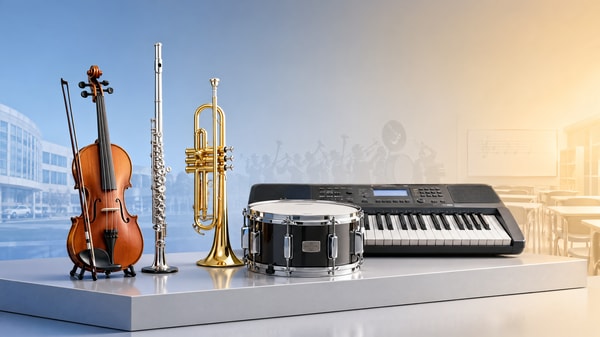
Finding musical instruments for schools on budget requires balancing sound quality, durability, and procurement efficiency. For buyers comparing musical instruments for schools, musical instruments for bands, and reliable musical instruments wholesale channels, this guide highlights practical sourcing priorities, cost-control strategies, and how to evaluate a trusted musical instruments manufacturer for long-term educational value.
Why budget school instrument buying is more complex than it looks
School music procurement is not simply about choosing the lowest unit price. In the sports and entertainment sector, educational music programs support marching bands, orchestras, rehearsal rooms, after-school clubs, and community performances. That means buyers must compare durability, repair frequency, classroom suitability, and replacement planning over a 3–5 year horizon rather than judging instruments only by the first invoice.
For procurement teams, the challenge usually falls into 4 areas: limited budget, mixed student skill levels, inconsistent supplier quality, and tight delivery schedules before a new term starts. A school may need 20–50 entry-level instruments for beginner classes, while also requiring a smaller number of better-spec models for concert band or advanced ensemble use. One purchasing rule rarely fits every department.
Information researchers and business evaluators also need more than a catalog. They need a sourcing structure that explains what is essential, what is optional, and what creates hidden cost later. A cheap drum set with weak hardware, for example, may require replacement parts within 6–12 months if used in daily practice rooms. A slightly higher purchase price can sometimes reduce total ownership cost over 2–3 academic years.
This is where a specialized B2B sourcing platform such as Global Commercial Trade becomes useful. GCT connects market intelligence, supplier screening logic, and commercial project thinking. For buyers in musical instruments for schools, that means better visibility into musical instruments wholesale options, OEM or ODM capability, supply continuity, and whether a musical instruments manufacturer can support institutional purchasing rather than only retail transactions.
What schools usually need to balance
- Entry-level affordability for large student groups and annual budget control.
- Sufficient tuning stability and structural strength for frequent handling.
- Reasonable lead times, often within 2–8 weeks before semester launch or event season.
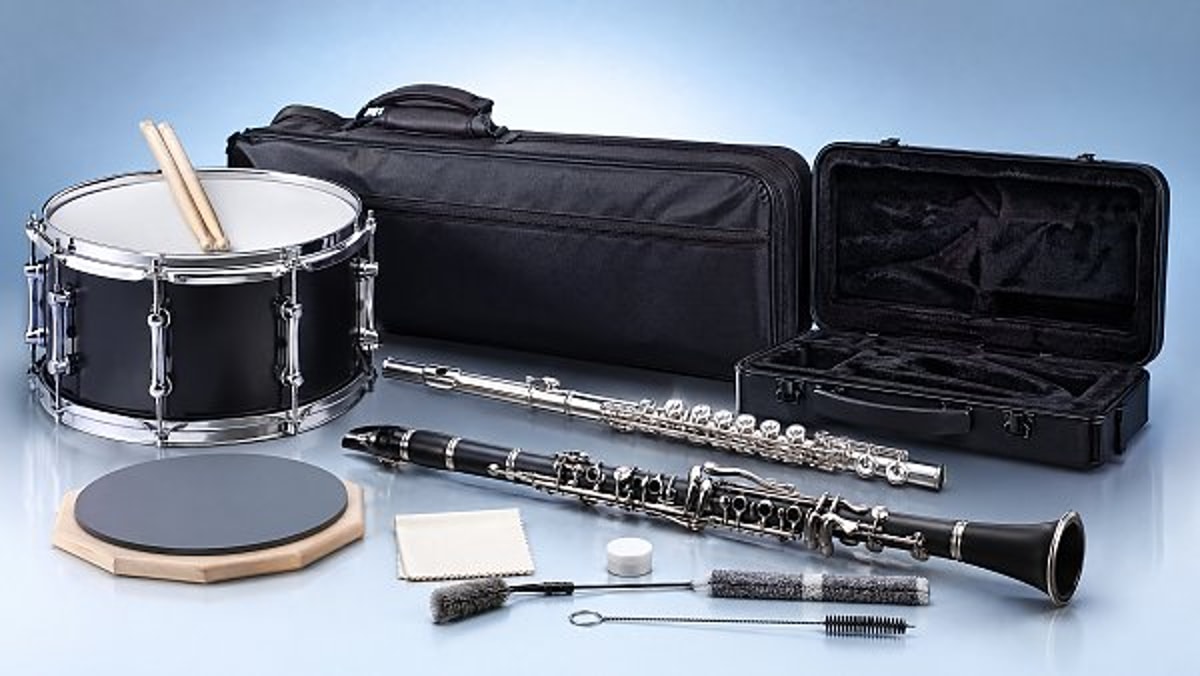
- Spare parts, cases, cleaning kits, and repair support that keep instruments usable through repeated student turnover.
How to choose musical instruments for schools by program type and usage intensity
Not all school environments use instruments in the same way. A primary classroom percussion set, a middle school band room, and a district-level marching ensemble place different demands on build quality and maintenance planning. Buyers who categorize requirements by usage intensity can avoid both overbuying and under-specification.
A practical starting point is to divide procurement into 3 usage bands: beginner classroom, regular ensemble, and performance-focused band. Beginner classroom instruments should emphasize resilience, simple operation, and easier maintenance. Ensemble instruments need more stable intonation and better component consistency. Performance-focused instruments may justify upgraded materials, improved resonance, and stronger accessories for transport and stage use.
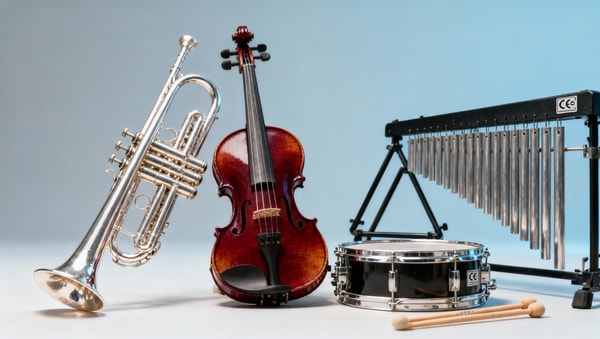
For schools purchasing musical instruments for bands, uniformity matters almost as much as individual quality. If 12 clarinets or 15 snare drums vary too much in response or hardware fit, the teaching process slows down. Consistent production from a reliable musical instruments manufacturer becomes especially important when schools need repeat orders in the next semester or next fiscal cycle.
The table below helps compare common school use cases and the sourcing priorities behind them. It is especially useful for procurement staff and distributors building bundled musical instruments wholesale proposals for educational buyers.
This comparison shows why “budget” should be interpreted as fit-for-use rather than cheapest available. In many school projects, the better decision is to combine 70–80% basic models with 20–30% upgraded instruments for section leaders, demonstration use, or public performance. That mixed strategy often improves educational value without pushing the whole project beyond budget.
A useful planning method for school buyers
Split the list into three procurement groups
Group A covers high-turnover essentials such as student percussion, recorders, stands, and starter wind instruments. Group B includes core ensemble instruments that need consistent playability. Group C includes special-use items such as marching hardware, transport cases, or demonstration-grade instruments for instructors.
When buyers structure their order this way, quotations become easier to compare and substitute. It also helps distributors and agents align different manufacturers to one school package without losing control over quality level, accessory matching, or delivery timing.
What to evaluate in a musical instruments manufacturer before placing a school order
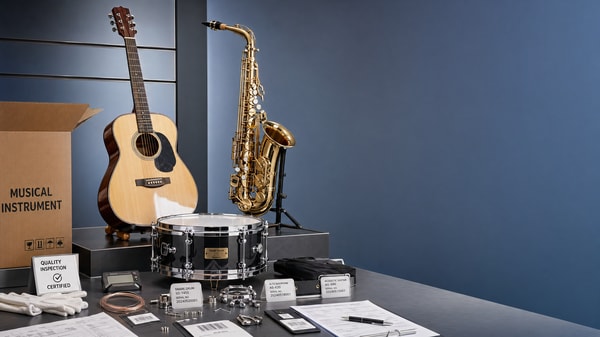
A school project should not rely on product appearance alone. Buyers should assess whether a musical instruments manufacturer understands educational use, can maintain batch consistency, and can supply the practical documents and accessories required for institutional procurement. A supplier that serves only casual retail buyers may struggle with packaging consistency, labeling, spare parts follow-up, or post-delivery issue resolution.
In most B2B evaluations, there are 5 core checkpoints: material suitability, assembly consistency, packaging protection, accessory completeness, and response speed for after-sales questions. For wind instruments, pad seating, key alignment, and tuning stability should be sampled. For percussion, buyers should check shell strength, hardware fastening, and whether replacement heads or sticks are easy to source in the same channel.
Lead time is another major factor. Musical instruments wholesale orders for schools often run on a 2-stage schedule: pre-term procurement and in-season replenishment. If a manufacturer can only support one-time production but not repeat supply within 30–60 days, districts may face mismatched instrument batches or delayed teaching plans later in the year.
Global Commercial Trade adds value by helping buyers compare suppliers beyond catalog language. Instead of looking only at unit pricing, GCT-style sourcing analysis examines factory coordination, commercial readiness, customization capacity, and whether the vendor can support institutional documentation, private labeling, or multi-market distribution if dealers and agents are involved.
Supplier assessment table for school music procurement
The following table can be used during RFQ review, internal approval meetings, or distributor qualification. It works well when comparing 3–5 candidate suppliers for musical instruments for schools or musical instruments for bands.
A supplier does not need to be the largest in the market to be suitable. What matters is whether the factory can support the project discipline schools require: stable batches, timely communication, sensible packaging, and follow-up support after delivery. That is often a stronger indicator than promotional language or a broad but shallow product list.
Questions buyers should ask before order approval
- Can the supplier provide the same specification again within the next 30–90 days if the school expands enrollment?
- Which accessories are included in the quoted price, and which are optional extras?
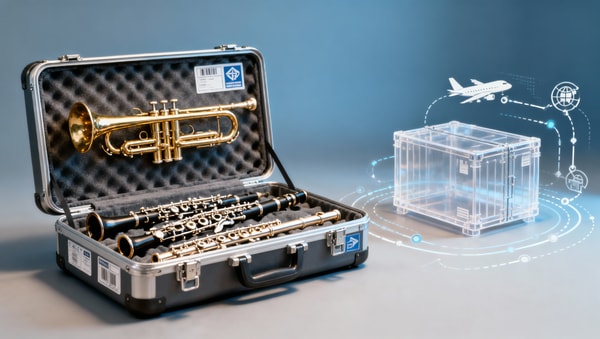
- Is packaging suitable for warehouse stacking, district redistribution, or export transit?
- What is the process if a small number of units arrive with alignment or hardware issues?
Cost control strategies: where to save and where not to cut
Budget control in school music purchasing works best when buyers separate visible cost from operational cost. A lower unit price may be attractive, but if tuning issues, weak cases, or fragile hardware create extra repair work, the true cost rises quickly. Schools and distributors should therefore review total cost across purchase, accessories, maintenance, and expected replacement intervals.
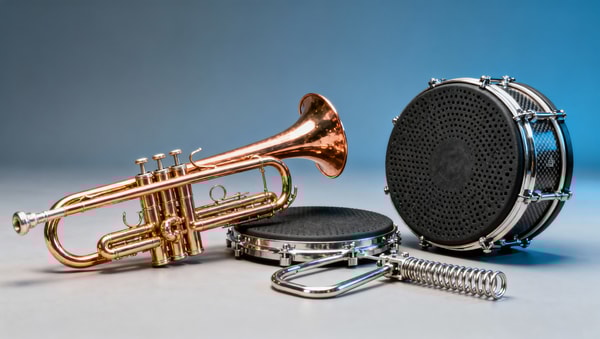
A common mistake is to overspend on cosmetic upgrades while underfunding the parts that affect daily use. For example, a durable stand, transport case, or practice pad can improve service life more than a decorative finish. Another mistake is ordering mixed low-volume SKUs from too many suppliers, which increases freight complexity, carton mismatch, and after-sales fragmentation.
For musical instruments wholesale planning, buyers can usually save more through packaging optimization, quantity bundling, and accessory standardization than through aggressive quality cuts. If a district needs 30 basic percussion kits and 12 wind instruments, combining consumables, cleaning tools, and carrying solutions into one coordinated order can reduce handling issues during the first 1–2 months of school use.
The comparison below outlines practical cost decisions that help schools stay within budget without weakening learning outcomes. It is particularly relevant for business evaluators comparing alternative bids from importers, manufacturers, and educational supply distributors.
The key lesson is simple: save on non-essential variation, not on the parts that determine service life. In many school projects, the strongest budget result comes from standardization, not from chasing the lowest base price on every line item.
Three practical cost-control moves
- Use a tiered product list with basic, mid, and performance-focused options so staff can approve substitutions quickly.
- Reserve 5–10% of the project budget for parts, setup items, and first-term replacements instead of spending the full amount on initial units only.
- Request landed-cost visibility early, including packaging and shipment assumptions, especially when comparing multiple musical instruments wholesale sources.
Compliance, delivery planning, and common mistakes in school sourcing
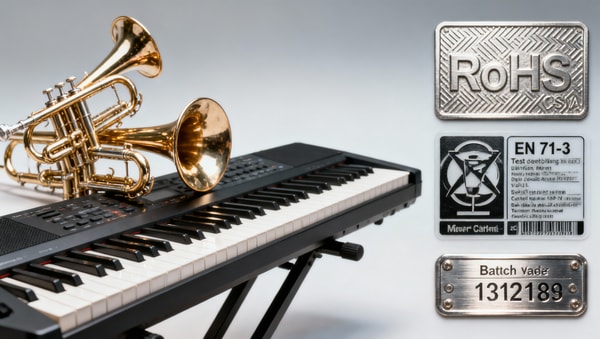
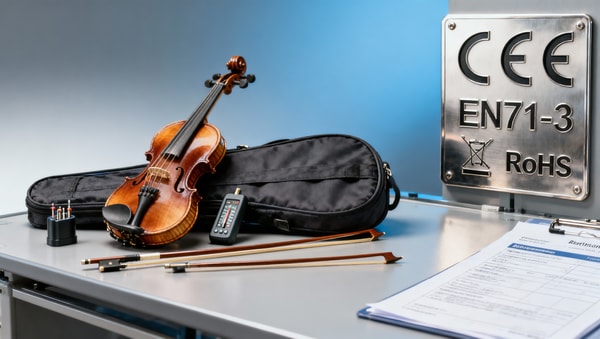
School procurement often involves more than product selection. Buyers may need to review material safety considerations, product labeling, age suitability, packaging marks, and import documentation depending on destination market and purchasing structure. While not every instrument category follows the same compliance path, institutional buyers should still ask for clear material and packaging information before shipment approval.
Delivery planning is equally important. A realistic school purchasing workflow usually has 4 stages: requirement confirmation, sample or specification review, production scheduling, and final delivery coordination. Depending on order size and product mix, the full cycle may take 3–8 weeks or longer during peak pre-semester periods. Leaving approval too late often forces rushed substitutions that reduce consistency across the school program.
One of the most common mistakes is ignoring storage and in-school distribution. Instruments may arrive in one central warehouse, then be split across multiple campuses within 7–14 days. If cartons are poorly labeled or accessories are not packed by classroom set, administrative time increases and missing-item claims become harder to verify. Good sourcing should therefore consider the last stage of delivery, not only factory dispatch.
Another frequent problem is buying too many specialized instruments before the program matures. Schools with limited budgets are usually better served by building a stable core inventory first, then expanding into niche or advanced items after usage patterns become clear over 1–2 academic cycles.
FAQ for school buyers, distributors, and evaluators
How do we choose between the cheapest option and the best long-term value?
Search News
Hot Articles
Popular Tags
Need ExpertConsultation?
Connect with our specialized leisureengineering team for procurementstrategies.
Recommended News
 Apr 29, 2026String Instruments Compared: What Really Affects Tone and DurabilityString instruments compared for tone and durability: learn how materials, construction, hardware, and setup affect long-term performance for schools, venues, rentals, and sourcing teams.● Pro Audio Engineer
 Apr 29, 2026Wind Instruments Maintenance Tips That Prevent Costly RepairsWind instruments maintenance tips that help teams prevent leaks, corrosion, and pad failure. Learn practical care steps to reduce repair costs and keep instruments performance-ready.● Pro Audio Engineer
 Apr 29, 2026Percussion Instruments Buying Guide: Sound, Build, and ValuePercussion instruments buying guide for schools, venues, and studios—compare sound, build quality, durability, and total value to source smarter and avoid costly mistakes.● Pro Audio Engineer
 Apr 29, 2026How to Find Reliable Musical Instruments WholesaleMusical instruments wholesale made safer: learn how to vet a musical instruments manufacturer, compare suppliers, and source reliable musical instruments for schools and bands with confidence.● Pro Audio Engineer
 Apr 29, 2026Musical Instruments for Schools on BudgetMusical instruments for schools on a budget: compare musical instruments for bands, wholesale options, and how to choose a reliable musical instruments manufacturer for lasting value.● Pro Audio Engineer
 Apr 29, 2026OEM or ODM Musical Instruments ManufacturerFind the right musical instruments manufacturer for bands, schools, and wholesale buyers. Compare OEM vs ODM options, customization, quality control, and sourcing strategies.● Pro Audio Engineer
 Apr 29, 2026Which Musical Instruments Fit Small BandsMusical instruments for bands: explore smart lineups for schools, venues, and buyers comparing musical instruments wholesale and a trusted musical instruments manufacturer.● Pro Audio Engineer
 Apr 29, 2026Musical Instruments Wholesale Buying GuideMusical instruments wholesale guide for bands, schools, and distributors: compare musical instruments manufacturers, MOQ, quality, compliance, and sourcing strategies for smarter bulk buying.● Pro Audio Engineer
 Apr 29, 2026How to Source Musical Instruments for SchoolsMusical instruments for schools: learn how to compare musical instruments wholesale options, choose a trusted musical instruments manufacturer, and source durable musical instruments for bands with confidence.● Pro Audio Engineer
 Apr 29, 2026How to Choose a Musical Instruments ManufacturerFind the right musical instruments manufacturer for bands, schools, and wholesale buyers. Compare quality, OEM/ODM options, compliance, and lead times to source with confidence.● Pro Audio Engineer
 Apr 29, 2026How to Choose Musical Instruments for BandsMusical instruments for bands guide: compare musical instruments manufacturer options, wholesale terms, and musical instruments for schools to source durable, high-value solutions.● Pro Audio Engineer
 Apr 26, 2026Musical instruments manufacturer compliance: EU RoHS vs. US CPSIA documentation gapsMusical instruments manufacturer? Close EU RoHS vs. US CPSIA documentation gaps—critical for bands, schools & trampoline park suppliers. Avoid disqualification.● Pro Audio Engineer
 Apr 26, 2026High-quality musical instruments: why serial number verification matters for resale valueHigh-quality musical instruments for bands and schools rely on serial number verification to protect resale value, authenticity, and compliance—trusted by top suppliers worldwide.● Pro Audio Engineer
 Apr 26, 2026Musical instruments supplier lead times: why 8-week delivery now means ‘in stock’Musical instruments supplier lead times hit 8 weeks—now meaning 'in stock.' Compare trampoline park supplier, indoor playground manufacturer & more for assured readiness.● Pro Audio Engineer
 Apr 26, 2026Musical instruments for schools: what happens when warranty service requires shipping overseasMusical instruments for schools & bands: Avoid costly overseas warranty shipping. Discover high-quality, service-backed instruments from trusted manufacturers and suppliers.● Pro Audio Engineer
 Apr 26, 2026Musical instruments manufacturer transparency: where are your components really made?Discover how top musical instruments manufacturer & trampoline park supplier ensure component transparency—boost safety, compliance, and ROI for bands, schools, and indoor playground installations.● Pro Audio Engineer
 Apr 26, 2026Musical instruments for bands: why matching wood grain matters for live soundDiscover why matching wood grain in musical instruments for bands ensures superior live sound—key insight for schools, venues & suppliers seeking high quality musical instruments.● Pro Audio Engineer
 Apr 26, 2026Musical instruments supplier red flags—delayed shipping isn’t the worst signSpot red flags in musical instruments supplier, trampoline park supplier & indoor playground manufacturer—beyond delayed shipping. Ensure safety, compliance & quality.● Pro Audio Engineer
 Apr 26, 2026Musical instruments manufacturer vs. supplier: who handles warranty claims?Musical instruments manufacturer vs. supplier: who handles warranty claims? Discover how warranty authority impacts trampoline park safety, indoor playground installation & more.● Pro Audio Engineer
 Apr 26, 2026High-quality musical instruments: how to spot factory-refurbished units sold as newSpot high-quality musical instruments for bands & schools—avoid factory-refurbished units sold as new. Trusted insights on musical instruments manufacturer transparency, supplier accountability, and procurement safety.● Pro Audio Engineer
 Apr 26, 2026Musical instruments for schools—why budget models often cost more over timeMusical instruments for schools: Discover why budget models inflate long-term costs—durability, safety & TCO insights for bands, indoor playground suppliers, and trampoline park equipment buyers.● Pro Audio Engineer
 Apr 26, 2026Musical instruments for bands: why 'stage-ready' doesn’t always mean reliableDiscover why 'stage-ready' musical instruments for bands often fail commercially—and how top venues vet high quality musical instruments, trampoline park equipment, and indoor playground supplier reliability.● Pro Audio Engineer
 Apr 23, 2026Music Accessories Buyers Should Compare FirstMusic accessories buyers should compare quality, compatibility, and compliance first. Explore sourcing tips for hotel equipment, educational supplies, amusement equipment, and sensory playground projects.● Pro Audio Engineer
 Apr 23, 2026How to Source Reliable Music AccessoriesMusic accessories sourcing guide for buyers in commercial furniture, hotel equipment, educational supplies, and amusement equipment—learn how to verify quality, compliance, and reliable suppliers.● Pro Audio Engineer