Luxury Accessories for Women That Sell
From luxury accessories for women to luxury accessories for men, today’s premium buyers expect more than style—they demand craftsmanship, brand value, and reliable sourcing. For procurement teams, distributors, and commercial evaluators, understanding how a custom jewelry manufacturer aligns with quality standards and market trends is essential to selecting products that truly sell in competitive global markets.
For commercial buyers, the key question behind luxury accessories for women that sell is not simply which products look attractive. It is which categories consistently convert in premium retail, travel retail, gifting, and hospitality environments—and which suppliers can deliver them at the right quality, margin, and speed. The short answer: women’s luxury accessories sell best when they combine recognizable design language, strong giftability, premium materials, and dependable replenishment. In practice, that means buyers should focus less on trend hype and more on product-market fit, supplier capability, and commercial repeatability.
What “Luxury Accessories for Women That Sell” Really Means for Commercial Buyers
Search intent around this topic is highly practical. Procurement managers, distributors, and sourcing teams are usually not looking for a fashion editorial list. They want to identify the luxury accessory categories with real market traction, understand why they perform, and evaluate whether a manufacturer or private-label partner can support profitable sales.
For B2B decision-makers, “that sell” typically means products that meet several commercial criteria at once:
- High perceived value relative to production cost
- Strong visual appeal both online and in-store
- Gift-ready positioning across seasons and demographics
- Low return risk compared with size-sensitive fashion categories
- Flexible branding potential for retailers, resorts, boutiques, and department stores
- Scalable manufacturing with consistent quality control
This is why accessories often outperform more trend-dependent apparel in premium channels. They are easier to merchandise, easier to gift, and often easier to source globally when supported by an experienced custom jewelry manufacturer or accessories OEM/ODM partner.
Which Women’s Luxury Accessories Consistently Perform Best in the Market?
Not every luxury product category moves at the same rate. The accessories that sell most reliably tend to sit at the intersection of fashion relevance, emotional appeal, and operational simplicity.
1. Fine-look fashion jewelry and demi-fine jewelry
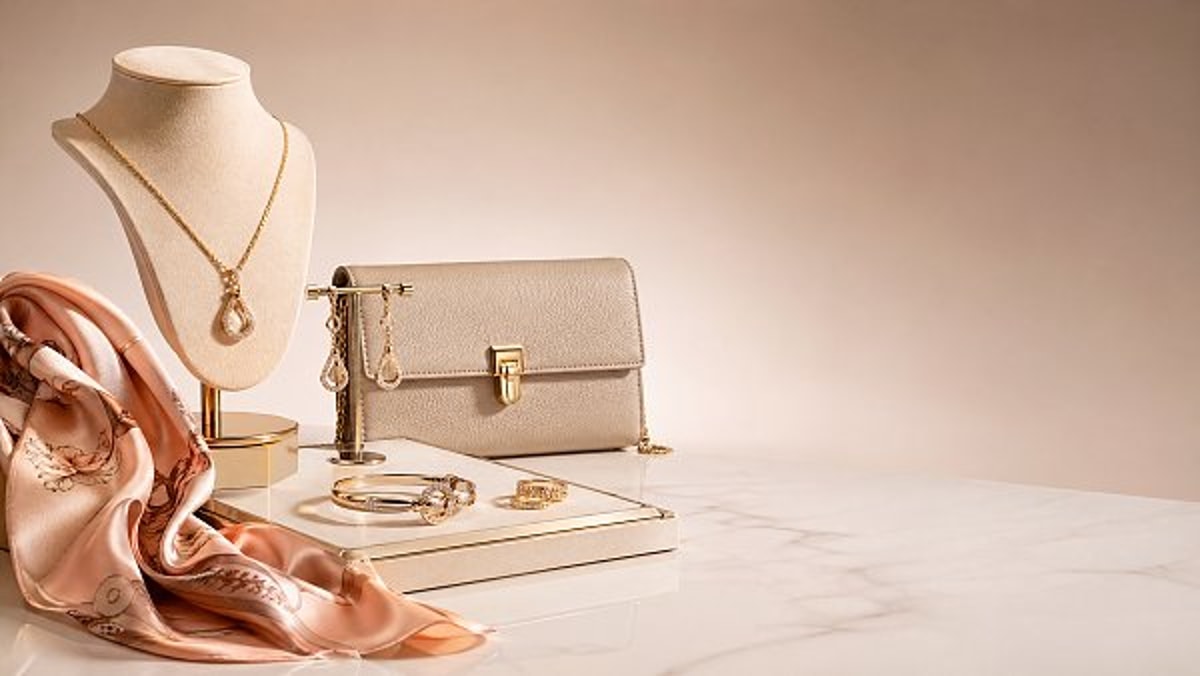
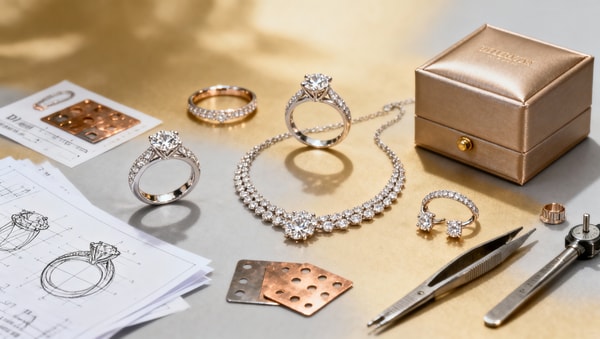
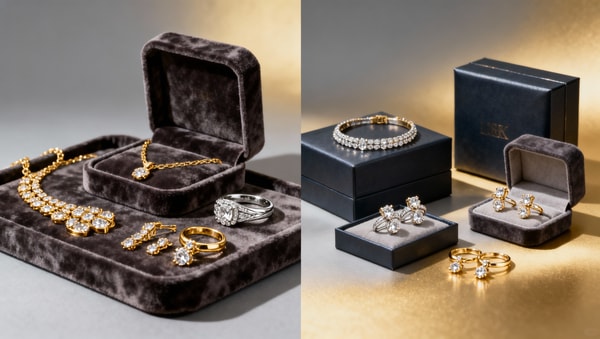
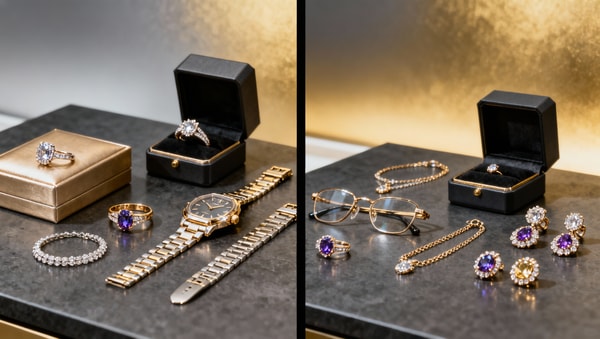
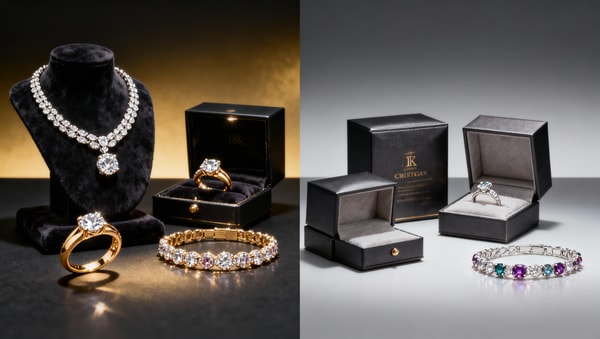
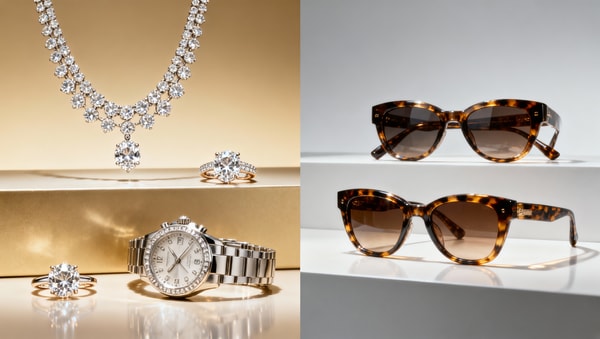
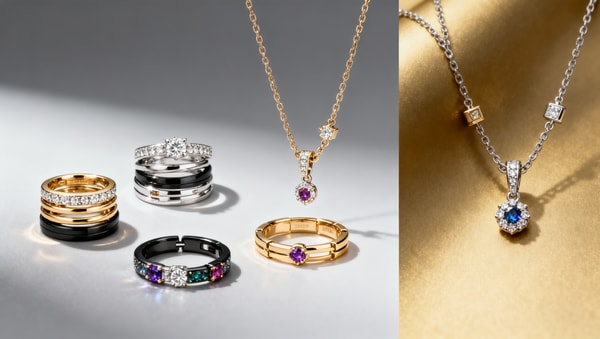
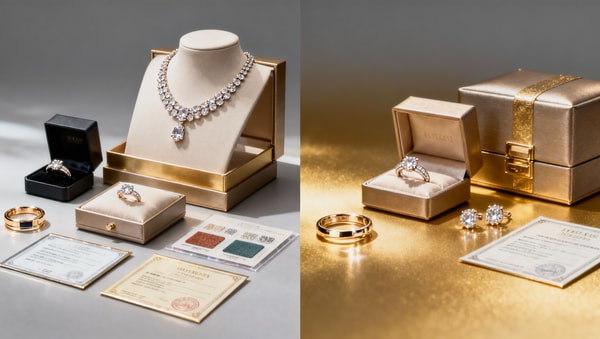
Earrings, layered necklaces, stackable rings, and bracelets remain among the strongest-performing categories because they offer broad styling appeal and excellent gifting potential. Buyers favor designs that create a premium appearance through plating quality, stone setting, finish consistency, and packaging presentation.
Commercially, these products work because they can be positioned across multiple price bands. A distributor can build entry luxury, accessible premium, or boutique-exclusive collections with the same manufacturing framework, provided the supplier has strong customization capabilities.
2. Designer-inspired handbags and small leather goods
Compact handbags, card holders, wallets, and cosmetic cases tend to perform well because they combine utility with status expression. For hospitality retail, airport retail, and upscale department stores, small leather goods are especially effective due to their travel-friendly format and impulse-to-premium conversion potential.
3. Silk scarves and elevated seasonal accessories
Scarves, wraps, and premium textile accessories sell when the design language feels collectible and giftable. These categories often perform best in museum retail, luxury gifting, hotel boutiques, and curated lifestyle stores where visual storytelling drives purchase decisions.
4. Sunglasses and branded eyewear accessories
Sunglasses remain highly attractive for resort, cruise, and travel retail channels. However, buyers must pay closer attention to compliance, material durability, and packaging protection. The best-selling programs often pair classic shapes with regionally adapted colorways.
5. Hair accessories with luxury positioning
Premium hair clips, barrettes, headbands, and embellished pieces have gained traction because they are highly giftable and photograph well in digital commerce. For buyers seeking lower minimum order value with strong aesthetic presentation, this is a category worth serious consideration.
Why Some Luxury Accessories Sell Faster Than Others
The difference between a product that gets admired and one that gets reordered usually comes down to commercial fundamentals rather than pure design originality.
Giftability drives volume
Women’s luxury accessories with elegant packaging, clear emotional appeal, and broad usability have a major advantage. Earrings, bracelets, scarves, and compact leather items often move faster because customers can purchase them without needing exact sizing or deep product knowledge.
Brand signaling matters
Luxury buyers are purchasing image as much as function. Even in private-label or white-label environments, products need a coherent luxury code: refined materials, balanced proportions, premium closures, polished finishing, and a strong unboxing experience.
Price architecture affects conversion
Accessories that sell best often sit in an “accessible luxury” zone. They feel premium enough to justify aspiration but remain within a gifting or self-reward budget. For distributors and retail buyers, this means that the most profitable product is not always the highest-priced one. It is often the one with the best margin-to-turnover balance.
Visual merchandising strength supports demand
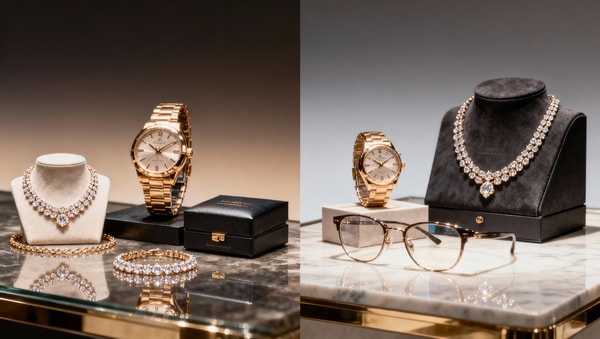
Some products perform better because they are easier to display in e-commerce thumbnails, counter displays, hotel boutiques, and glass cabinets. Jewelry, sunglasses, and compact leather goods generally have stronger immediate visual impact than more technical or niche luxury items.
How Procurement Teams Should Evaluate a Custom Jewelry Manufacturer or Luxury Accessories Supplier
For B2B buyers, supplier selection is where commercial success is won or lost. A product category may have strong demand, but poor execution in plating, packaging, logistics, or compliance can quickly erode brand trust and margin.
Assess material and finishing consistency
Luxury accessories are judged up close. Buyers should review samples for plating thickness, color uniformity, stone security, stitching quality, zipper performance, clasp durability, and surface finishing. Inconsistent finishing is one of the fastest ways to undermine premium positioning.
Verify customization and OEM/ODM capability
A strong supplier should be able to adapt designs to your sales channel, target region, and brand identity. Important questions include:
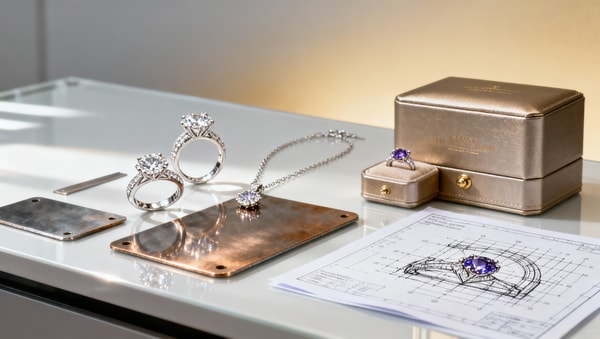
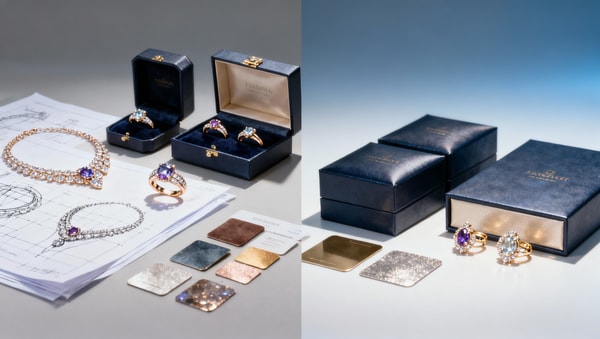
- Can they develop custom collections from sketches or concepts?
- Can they offer logo application without compromising design aesthetics?
- Can they support bespoke packaging for gifting and retail presentation?
- Can they handle small pilot runs before scale orders?
Check compliance and testing readiness
Depending on the market, luxury accessories may require testing related to metal content, coatings, textile safety, or packaging materials. Procurement teams should confirm whether the manufacturer understands destination market standards and can provide supporting documentation when needed.
Review production scalability and lead-time reliability
The accessories that sell well often require fast replenishment. Buyers should evaluate not only sample quality but also repeat-order capacity, raw material sourcing resilience, and quality assurance procedures across larger batches. A supplier that performs on initial sampling but fails on repeat consistency creates significant downstream cost.
Request category-specific case studies
Manufacturers serving luxury and specialty retail should be able to demonstrate prior work in relevant channels such as boutique retail, travel retail, high-end gifting, department stores, or hotel-branded collections. Real project examples are often more informative than generic catalogs.
What Distributors and Retail Buyers Should Prioritize When Building a Sellable Assortment
A winning assortment is rarely built by choosing only the most fashionable designs. It is built by balancing hero products, core repeat sellers, price diversity, and market suitability.
Start with proven core products
Anchor the assortment with categories that consistently sell across regions, such as earrings, necklaces, bracelets, compact wallets, and scarves. These create baseline volume and reduce dependence on short-lived trends.
Add a small number of trend-led items
Use fashion-forward shapes, colors, or materials selectively to create freshness. This gives the collection editorial energy without overexposing inventory to trend risk.
Build around customer use cases
Instead of grouping only by product type, think in commercial scenarios:
- Gift purchases
- Travel and resort purchases
- Self-reward luxury purchases
- Special occasion styling
- Corporate or VIP gifting
This approach is especially useful for buyers serving hotels, destination retail, and multi-channel distribution.
Use packaging as a sales tool
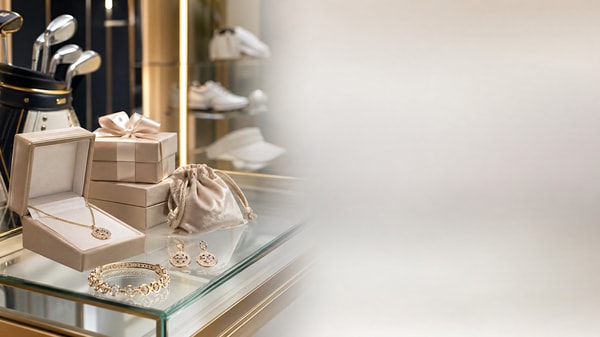
In luxury accessories, packaging is not an afterthought. It influences perceived value, gifting appeal, damage protection, and digital review quality. If two similar products exist, the one with stronger presentation often wins more repeat business.
Market Trends Shaping Women’s Luxury Accessories Sales
Commercial teams should also watch how buyer preferences are shifting. The best-selling products increasingly reflect not just style, but broader consumer values and channel behavior.
Premiumization with restraint
Consumers continue to spend on luxury accessories, but many prefer products that feel refined rather than overtly flashy. Understated elegance, clean hardware, and timeless silhouettes often outperform heavily embellished designs over the long term.
Personalization and exclusivity
Custom initials, limited-edition colorways, capsule collections, and destination-specific designs can increase conversion and reduce direct price comparison. This is particularly relevant for luxury boutiques, hotel gift shops, and regional distributors.
Sustainable and traceable sourcing
Buyers increasingly ask where materials come from, how products are made, and whether packaging aligns with sustainability expectations. Even when the end customer is primarily style-driven, B2B procurement teams are under more pressure to verify sourcing credibility.
Cross-gender purchasing behavior
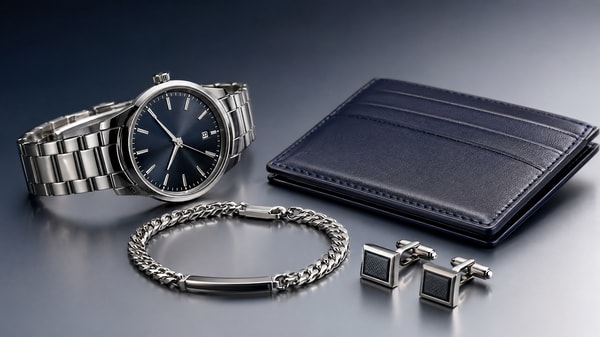
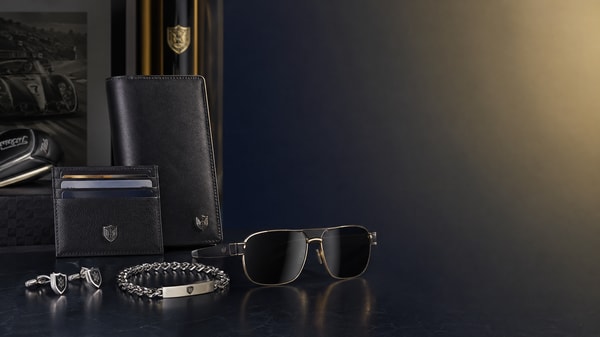
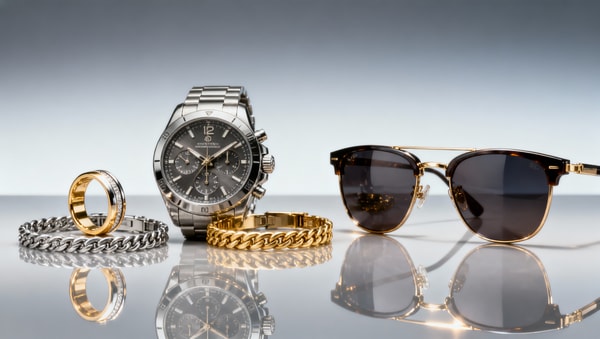
Although this article focuses on luxury accessories for women, many procurement teams compare adjacent demand with luxury accessories for men to build balanced category plans. This matters because gifting, couple purchasing, and brand merchandising often benefit from coordinated men’s and women’s accessory programs.
Common Sourcing Mistakes That Hurt Sales Performance
Many underperforming accessory programs fail for predictable reasons. Avoiding these errors is often more valuable than chasing the next trend.
- Overbuying fashion-risk SKUs without validating broad customer appeal
- Choosing suppliers based only on unit price instead of finish quality and reorder reliability
- Ignoring packaging standards in premium channels
- Failing to align product design with retail environment
- Neglecting compliance checks for export markets
- Launching too many SKUs without a clear hero-product strategy
For commercial buyers, the cost of a sourcing mistake is not limited to unsold inventory. It can also include markdowns, customer complaints, damaged brand perception, and strained distributor relationships.
How to Tell if a Luxury Accessory Program Will Actually Sell Before You Commit
Before placing a large order, commercial teams should validate sell-through potential using a structured review process.
- Benchmark against proven category winners in your target market.
- Review the product’s giftability and visual impact in both physical and digital merchandising.
- Test sample quality under real handling conditions, including clasp use, scratch resistance, and packaging durability.
- Assess margin after freight, duty, packaging, and promotional cost.
- Confirm replenishment feasibility if the item performs above forecast.
- Run a pilot assortment before committing to broad seasonal volume.
This disciplined approach helps buyers distinguish between products that are merely attractive and those that are commercially scalable.
Conclusion: The Best-Selling Luxury Accessories for Women Combine Desire, Quality, and Sourceability
The women’s luxury accessories that sell most consistently are not always the most extravagant. They are the ones that balance premium aesthetics, gifting potential, practical usability, and reliable production. For procurement teams, distributors, and commercial evaluators, success depends on selecting categories with proven demand and partnering with a custom jewelry manufacturer or luxury accessories supplier capable of maintaining quality at scale.
If your goal is to source luxury accessories for women that truly perform in global markets, prioritize commercial evidence over trend noise. Focus on core categories, test supplier capability rigorously, and build assortments around customer buying behavior. When design, positioning, and manufacturing discipline align, luxury accessories can become one of the strongest-performing segments in premium retail and specialty distribution.
Search News
Hot Articles
Popular Tags
Need ExpertConsultation?
Connect with our specialized leisureengineering team for procurementstrategies.
Recommended News
 Apr 29, 2026Luxury Accessories for Women That SellLuxury accessories for women that sell: learn how a custom jewelry manufacturer helps buyers source premium, giftable collections with quality, margin, and reliable supply.● Luxury Retail Analyst
 Apr 29, 2026How Men Choose Luxury Accessories TodayLuxury accessories for men are chosen for craftsmanship, trust, and value. See how a custom jewelry manufacturer helps brands meet modern demand and drive premium sales.● Luxury Retail Analyst
![]() Apr 29, 2026Custom Jewelry Manufacturer MOQ QuestionsCustom jewelry manufacturer MOQ questions answered: compare costs, flexibility, and sourcing risk for luxury accessories for men and luxury accessories for women.● Luxury Retail Analyst
Apr 29, 2026Custom Jewelry Manufacturer MOQ QuestionsCustom jewelry manufacturer MOQ questions answered: compare costs, flexibility, and sourcing risk for luxury accessories for men and luxury accessories for women.● Luxury Retail Analyst Apr 29, 2026Luxury Accessories for Women Worth StockingLuxury accessories for women worth stocking: learn how to choose a custom jewelry manufacturer, compare luxury accessories for men, and source profitable premium retail lines.● Luxury Retail Analyst
 Apr 29, 2026Best Luxury Accessories for Men in 2026Luxury accessories for men in 2026: explore premium trends, custom jewelry manufacturer insights, sourcing tips, and smart retail strategies for sports and entertainment buyers.● Luxury Retail Analyst
 Apr 29, 2026How to Vet a Custom Jewelry ManufacturerCustom jewelry manufacturer vetting guide for sports and entertainment buyers—compare MOQ, compliance, delivery, and quality for luxury accessories for men and women.● Luxury Retail Analyst
 Apr 25, 2026Luxury Jewelry B2B in 2026: What Changes?Luxury jewelry B2B in 2026: explore custom jewelry design, custom jewelry manufacturer trends, luxury jewelry wholesale shifts, and how custom luxury jewelry drives faster, safer growth.● Luxury Retail Analyst
 Apr 25, 2026How to Grow a Luxury Accessories Online StoreLearn how to grow a luxury accessories online store with custom jewelry design, a trusted custom jewelry manufacturer, luxury accessories wholesale strategy, and high-end luxury jewelry that converts.● Luxury Retail Analyst
 Apr 25, 2026Custom Jewelry for Corporate Gifts That LastCustom jewelry for corporate gifts from a trusted custom jewelry manufacturer—discover custom jewelry design, high-end luxury jewelry, and scalable luxury jewelry B2B solutions.● Luxury Retail Analyst
 Apr 25, 2026What a Good Luxury Accessories Catalog IncludesLuxury accessories catalog guide covering custom jewelry design, high-end luxury jewelry, luxury accessories for men and women, and trusted luxury jewelry B2B sourcing insights.● Luxury Retail Analyst
 Apr 27, 2026Custom Jewelry with Diamonds: Lab or Natural?Custom jewelry with diamonds: compare lab-grown and natural options for custom jewelry design, pricing, sourcing, and brand fit. A smart guide for luxury jewelry B2B buyers.● Luxury Retail Analyst
 Apr 27, 2026Luxury Accessories Wholesale: How to Start SmallLuxury accessories wholesale made simple: learn custom jewelry design, choose a reliable custom jewelry manufacturer, and build profitable luxury accessories for men and women with low-risk B2B sourcing.● Luxury Retail Analyst
 Apr 27, 2026Luxury Jewelry Manufacturer: Red Flags to KnowLuxury jewelry manufacturer warning signs every B2B buyer should know. Learn how to evaluate custom jewelry design, custom luxury jewelry, and luxury jewelry wholesale partners before costly mistakes.● Luxury Retail Analyst
 Apr 27, 2026Custom Jewelry for Weddings: Timeline GuideCustom jewelry for weddings made simple: learn timelines for custom jewelry design, choosing a custom jewelry manufacturer, and planning custom luxury jewelry with diamonds.● Luxury Retail Analyst
 Apr 27, 2026Luxury Jewelry Wholesale for New DistributorsLuxury jewelry wholesale guide for new distributors: compare custom jewelry manufacturer options, custom jewelry design support, and luxury jewelry B2B strategies to launch faster.● Luxury Retail Analyst
 Apr 27, 2026Custom Luxury Jewelry: OEM or Small Batch?Custom luxury jewelry sourcing guide: compare OEM vs small-batch with a custom jewelry manufacturer for custom jewelry design, cost control, quality, and scalable luxury jewelry B2B growth.● Luxury Retail Analyst
 Apr 27, 2026How to Price High-End Luxury Jewelry RightCustom jewelry design and high-end luxury jewelry pricing guide for B2B buyers—learn how a custom jewelry manufacturer sets value, margins, and wholesale strategy.● Luxury Retail Analyst
 Apr 27, 2026Luxury Accessories for Women by Price TierLuxury accessories for women by price tier: compare high-end luxury jewelry, luxury jewelry wholesale, and custom luxury jewelry from a trusted custom jewelry manufacturer for smarter B2B sourcing.● Luxury Retail Analyst
 Apr 27, 2026Luxury Accessories for Men: Classic or Trendy?Luxury accessories for men: classic or trendy? Explore custom jewelry design, high-end luxury jewelry, and how a luxury jewelry manufacturer helps buyers source smarter for growth.● Luxury Retail Analyst
 Apr 27, 2026How to Compare Custom Jewelry ManufacturersCompare every custom jewelry manufacturer with confidence. Learn how custom jewelry design, compliance, craftsmanship, MOQ, and luxury jewelry wholesale capabilities impact quality and growth.● Luxury Retail Analyst
 Apr 27, 20262026 Custom Jewelry Design Trends to WatchExplore 2026 custom jewelry design trends shaping B2B buying, from custom luxury jewelry and diamonds to luxury accessories for men and women with smarter sourcing insights.● Luxury Retail Analyst
 Apr 27, 2026Luxury Jewelry B2B: What Buyers Need FirstLuxury jewelry B2B starts with trust. Learn how a custom jewelry manufacturer supports custom jewelry design, luxury jewelry wholesale, and scalable high-end luxury jewelry sourcing.● Luxury Retail Analyst
 Apr 27, 2026How Luxury Brands Source Jewelry CollectionsCustom jewelry design and custom jewelry manufacturer insights for luxury brands: learn how high-end luxury jewelry, wholesale sourcing, and compliant supply chains drive profitable collections.● Luxury Retail Analyst
 Apr 27, 2026Luxury Accessories Online Store: What Converts?Luxury accessories online store insights for B2B buyers: explore custom jewelry design, luxury jewelry manufacturer strengths, wholesale strategy, and what truly drives high-end conversions.● Luxury Retail Analyst