Best Luxury Accessories for Men in 2026
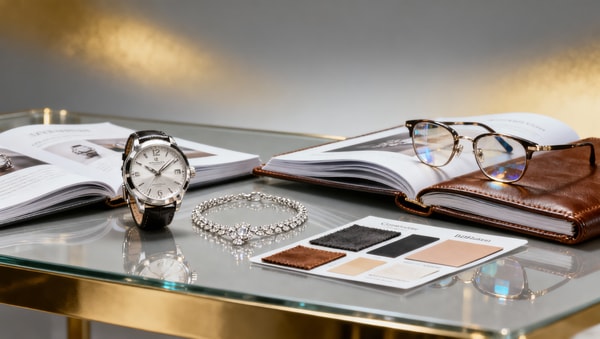
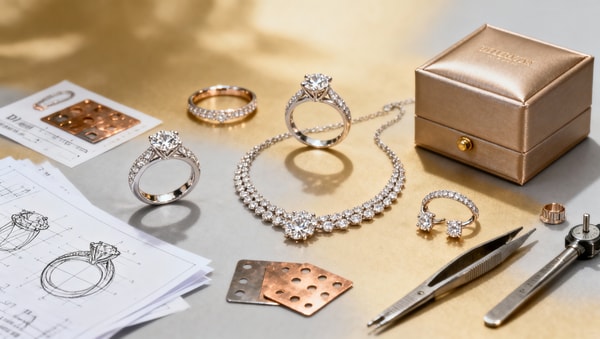
In 2026, luxury accessories for men are evolving from status symbols into strategic lifestyle and retail assets. For buyers, distributors, and market researchers comparing premium trends—from custom jewelry manufacturer capabilities to adjacent sourcing opportunities in luxury accessories for women and experiential sectors—understanding design, craftsmanship, and commercial value is essential. This guide explores the styles, sourcing insights, and market signals shaping smarter purchasing decisions.
For stakeholders in sports and entertainment, this shift matters far beyond personal style. Premium men’s accessories are increasingly embedded in VIP club retail, resort merchandising, music venue boutiques, golf pro shops, motorsport hospitality, cruise entertainment retail, and branded leisure destinations. The right product mix can support higher basket values, stronger brand perception, and more resilient margin structures across both physical and experiential sales environments.
From a B2B sourcing perspective, the conversation is no longer limited to aesthetics. Buyers now evaluate supplier flexibility, low-to-mid MOQ feasibility, material traceability, packaging readiness, lead-time stability, and cross-category merchandising potential. In 2026, the best luxury accessories for men are the products that combine design relevance with dependable commercial execution.
Why Men’s Luxury Accessories Matter in Sports and Entertainment Retail
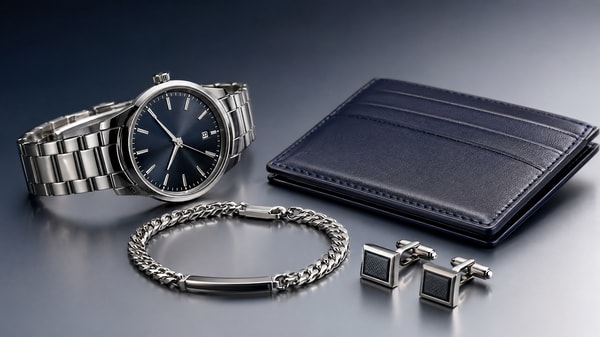
In premium sports and entertainment settings, accessories work as fast-moving prestige items that bridge gifting, self-purchase, and event-linked spending. A high-end bracelet, leather cardholder, mechanical-inspired cufflink set, or refined travel wallet can fit price bands from US$80 to US$800, allowing operators to serve multiple customer tiers without overextending inventory depth.
This is especially relevant in environments where dwell time is short and purchasing decisions are emotional. VIP lounges, stadium hospitality suites, casino retail corners, resort pop-ups, and music festival premium tents often need products that communicate exclusivity within 3 to 10 seconds of visual contact. Men’s luxury accessories perform well in these conditions because they are compact, giftable, and easy to display in curated collections of 12 to 40 SKUs.
Commercial drivers behind the category
Several forces are shaping demand. First, premiumization continues to influence leisure consumption, with consumers expecting better materials, stronger design stories, and more collectible products. Second, men’s buying behavior is broadening beyond watches and belts into rings, pendants, bags, sunglasses, travel accessories, and branded lifestyle pieces. Third, entertainment venues increasingly seek merchandise that feels elevated enough for corporate guests and high-spending tourists.
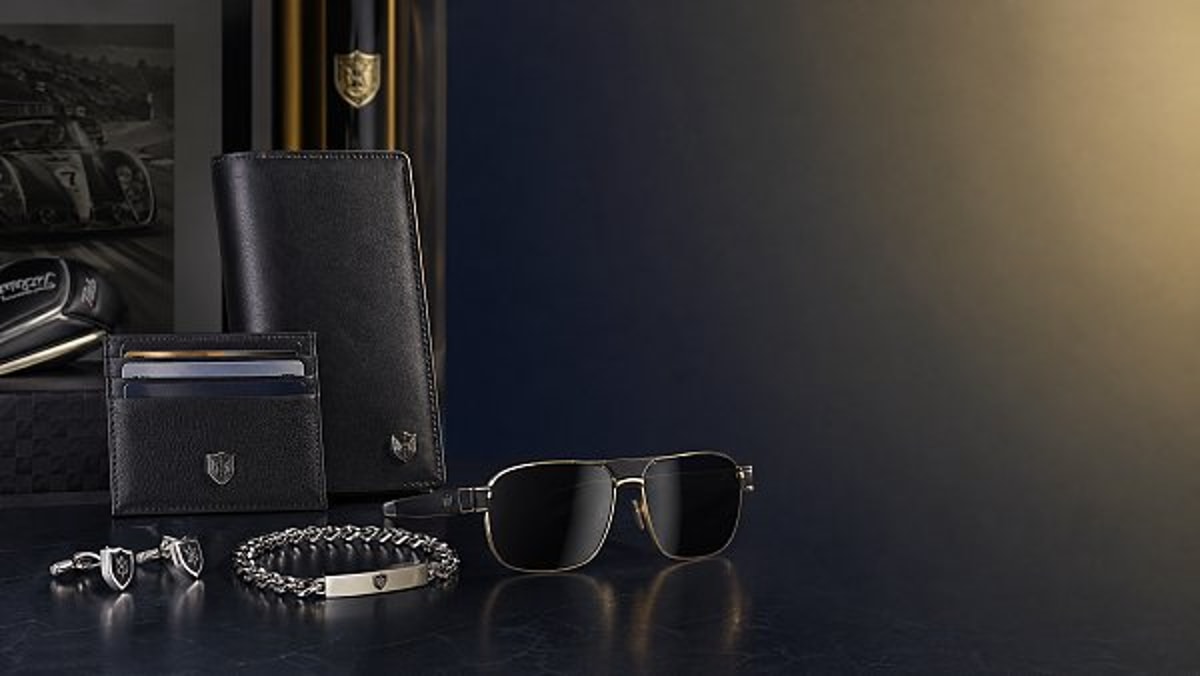
For distributors and procurement teams, the practical question is not whether to stock luxury accessories for men, but which formats align with venue type, turnover expectations, and replenishment cycles. A race circuit lounge may prefer carbon-fiber-inspired leather goods and cufflinks, while a golf resort may prioritize belts, caps with refined hardware, travel pouches, and premium bracelets.
Key buying objectives in 2026
- Increase average transaction value with compact premium items priced for impulse and occasion-based gifting.
- Build category flexibility through modular collections that can launch in 8 to 16 weeks.
- Reduce display footprint while maintaining a luxury visual standard suitable for hospitality and leisure venues.
- Support regional adaptation through color, material, and packaging customization for 3 to 5 target market profiles.
The table below outlines how different sports and entertainment formats typically use men’s luxury accessories as part of their merchandising strategy.
A clear pattern emerges: the best luxury accessories for men in 2026 are those that fit venue-specific emotions and commercial realities. Compactness, premium finishing, and merchandising flexibility matter as much as brand image. For B2B buyers, that makes category planning more precise and measurable.
Top Product Categories and Design Signals to Watch in 2026
The strongest categories in 2026 combine timeless forms with subtle innovation. Buyers should look for products that feel premium without becoming too trend-dependent, especially if inventory is expected to remain on shelves for 2 to 3 seasons. This balance is crucial for entertainment and leisure operators managing mixed tourist traffic, event-based demand, and gift-driven retail behavior.
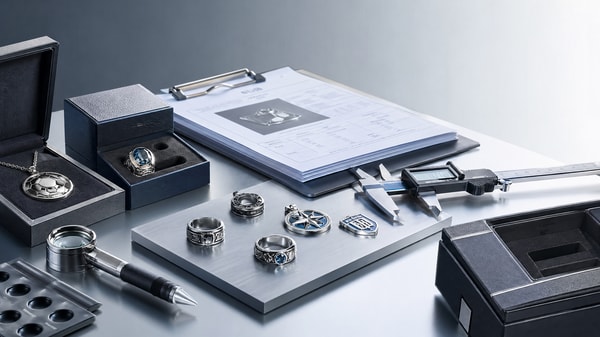
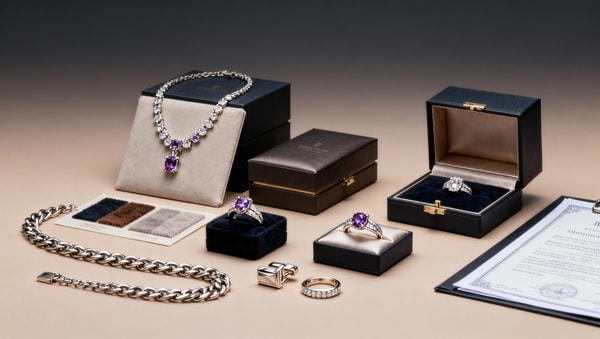
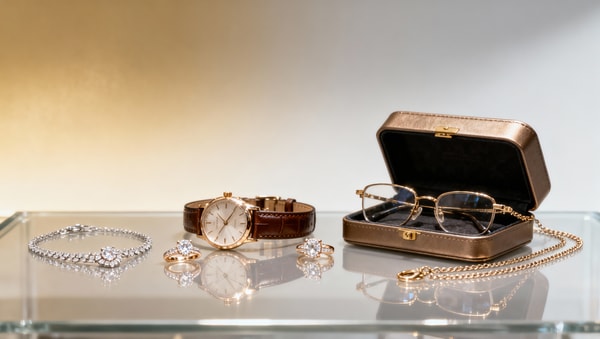
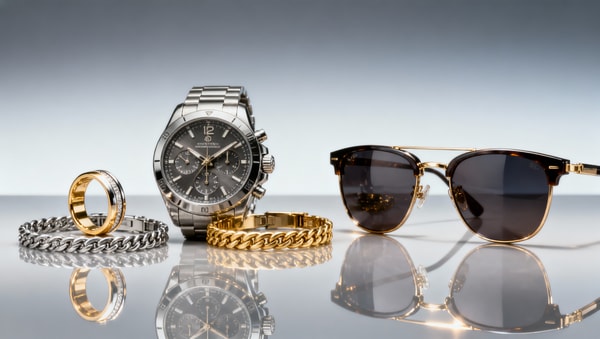
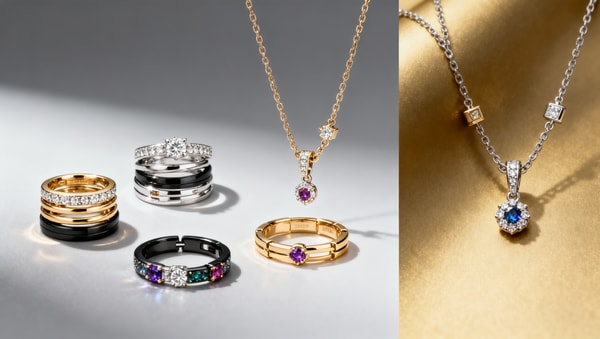
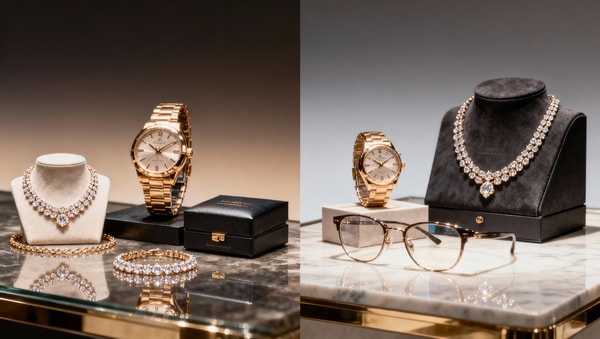
Jewelry remains a major focus, especially minimalist rings, signet-inspired pieces, chain bracelets, layered necklaces, and cufflinks with sports, music, or travel references. Materials are shifting toward sterling silver, gold vermeil, stainless steel with refined finishes, and hybrid combinations that incorporate leather, ceramic, or gemstone accents. These options help maintain premium aesthetics while supporting broader cost control than solid precious metals alone.
Best-performing luxury accessory groups
Beyond jewelry, leather accessories are expanding in importance. Slim wallets, passport holders, card sleeves, travel pouches, watch rolls, and mini crossbody bags appeal to modern male consumers who value function and portability. In active leisure contexts, these products also travel well between resort, airport, event venue, and city use, increasing perceived utility and lowering resistance to premium pricing.
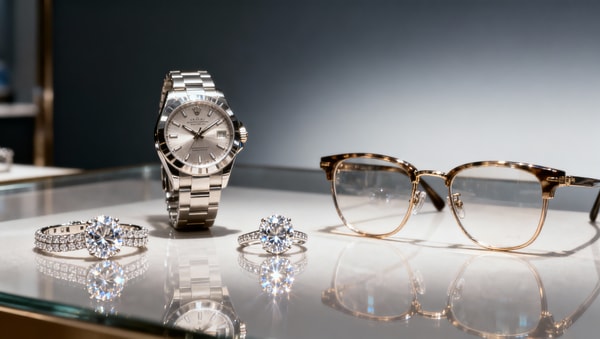
Eyewear, premium caps with elevated trims, luxury-tech accessories, and performance-inspired belts are also relevant in sports and entertainment environments. Especially for resort retail and motorsport hospitality, these items connect style with activity, making them easier to position in branded collections or collaborative capsules.
Design signals buyers should monitor
- Muted metallic finishes such as brushed silver, antique gold, and gunmetal rather than overly glossy plating.
- Modular personalization options including initials, venue emblems, tournament dates, or limited-edition event marks.
- Travel-compatible form factors under 25 cm for leather goods and under 120 g for jewelry gifting sets.
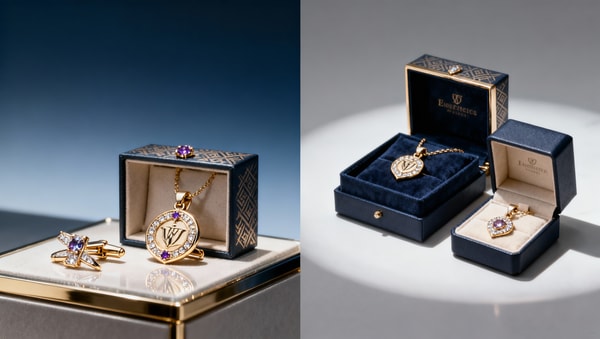
- Packaging that upgrades gifting perception without adding excessive bulk or freight inefficiency.
The following comparison helps buyers evaluate which accessory categories are most suitable for different B2B retail objectives.
The commercial lesson is straightforward: not every premium product works equally well in every venue. The best luxury accessories for men are those selected around use occasion, price architecture, and display efficiency. Buyers who classify assortments by venue mission generally achieve more coherent retail outcomes.
How to Evaluate Suppliers, Materials, and OEM or ODM Capability
For procurement professionals, product appeal must be matched by supplier discipline. In men’s luxury accessories, commercial risk often appears in finishing consistency, hardware durability, packaging mismatch, and unstable lead times. A capable supplier should demonstrate reliable development processes from sample approval to bulk production, especially when collections are linked to sports events, seasonal leisure openings, or hospitality launch deadlines.
In practical terms, buyers usually assess 4 core areas: materials, craftsmanship, customization capability, and delivery control. Materials should be clearly specified, whether full-grain leather, stainless steel, sterling silver, plated brass, microfiber lining, or gemstone accents. Craftsmanship should include stitch quality, edge finishing, clasp strength, polish consistency, and coating performance under repeated use.
What to request during supplier screening
For OEM or ODM projects, request a defined sampling path. A common sequence is concept brief, material confirmation, prototype, revised pre-production sample, packaging confirmation, and final bulk sign-off. This usually takes 3 to 6 weeks for standard accessories and 6 to 10 weeks for more intricate jewelry or combination-material items.
MOQ also deserves careful review. In premium accessory sourcing, typical MOQs may range from 50 to 300 pieces per SKU for simpler items and 200 to 800 pieces for more packaging-intensive or highly customized runs. Buyers in sports and entertainment should favor suppliers capable of controlled smaller-batch launches, especially when testing venue-exclusive merchandise or limited-edition collaborations.
Supplier evaluation checklist
- Confirm material transparency and whether substitutions require written approval.
- Review sample-to-bulk consistency standards, including plating, stitching, color tolerance, and logo placement.
- Check packaging adaptability for retail shelves, VIP gifting, and e-commerce fulfillment.
- Verify lead time planning, replenishment capacity, and communication response within 24 to 72 hours.
- Request defect handling procedures and realistic remake or replacement timelines.
The matrix below can help procurement teams compare potential manufacturing partners.
For GCT-aligned sourcing, supplier selection should support both brand elevation and operational confidence. The most commercially valuable manufacturers are not always the ones with the broadest catalog. They are the ones able to execute premium men’s accessories with repeatable quality, realistic timelines, and adaptable retail formats.
Procurement Strategy: Assortment Planning, Pricing, and Rollout for Leisure Venues
A smart buying plan for men’s luxury accessories starts with assortment architecture. Instead of ordering by product type alone, experienced teams build 3 levels: entry premium, core prestige, and statement limited edition. This structure helps sports and entertainment retailers serve casual buyers, destination travelers, and VIP customers without creating visual chaos or price confusion.
For example, a premium resort shop might carry 15 to 25 accessory SKUs at launch. Of these, 40% may sit in the accessible premium tier, 40% in the core prestige tier, and 20% in the higher statement tier. This type of allocation supports both volume turnover and margin enhancement while reducing dependence on a single hero product.
Assortment planning by venue profile
Golf and country club environments usually benefit from polished, practical products with understated branding. Music and nightlife venues often perform better with stronger visual identity, limited-edition drops, and jewelry with collectable appeal. Cruise and travel-led entertainment retail tend to favor compact accessories that are easy to pack, easy to gift, and resistant to trend fatigue over 6 to 12 months.
Rollout timing is equally important. If a collection is linked to a tournament, concert calendar, resort opening, or seasonal leisure peak, the development schedule should include at least 1 to 2 weeks of contingency beyond the stated production lead time. Packaging, barcode setup, retail display planning, and staff product knowledge also need to be built into the launch sequence.
Recommended rollout workflow
- Define venue audience, spend profile, and accessory category mix.
- Shortlist 8 to 12 SKUs for a pilot collection with 2 to 3 price bands.
- Approve materials, packaging, and merchandising format.
- Test a first run over 30 to 90 days and monitor sell-through by venue segment.
- Adjust replenishment, discontinue slow movers, and expand proven winners.
The table below offers a practical assortment planning model.
The best luxury accessories for men generate stronger results when they are treated as a strategic category rather than add-on merchandise. Assortment logic, event timing, and test-based replenishment help reduce procurement risk while improving conversion across leisure and entertainment channels.
Common Buying Risks, Maintenance Considerations, and FAQs
Even attractive collections can underperform when buyers overlook operational details. Common risks include over-customization that limits reusability, packaging that looks luxurious but increases freight cost disproportionately, and product mixes that ignore venue demographics. A bracelet collection designed for nightlife, for example, may not translate effectively into a family resort or tournament clubhouse.
Maintenance also influences repeat purchase and customer satisfaction. Jewelry finishes can fade faster in humid or high-salt environments if care guidance is absent. Leather goods in resort settings may require better linings, reinforced edge paint, and dust-bag packaging to preserve appearance during transport and storage. Buyers should request basic care inserts and retail staff guidance, particularly for items above the mid-premium band.
Practical risk reminders
- Avoid selecting more than 30% highly trend-driven SKUs in a first launch unless the venue relies on rapid drop culture.
- Check clasp strength, zipper action, and edge finishing on handling samples at least 10 to 20 times before approval.
- Plan replenishment windows around real event calendars, not only factory estimates.
- Use packaging sizes that support storage efficiency, especially in space-constrained lounge or cruise retail environments.
How should buyers choose men’s luxury accessories for sports and entertainment venues?
Start with venue identity, expected customer profile, and price tolerance. Then select 2 to 4 core categories that align with use occasion. Resorts often do well with leather goods and travel accessories, while music and nightlife spaces can support bolder jewelry and collectible designs. Keep the opening assortment focused rather than broad.
What is a realistic lead time for custom or private-label projects?
A practical range is 3 to 6 weeks for development and sampling, followed by 30 to 60 days for production, depending on complexity, materials, and packaging. For event-driven launches, adding a 7 to 14 day buffer is usually wise.
Which indicators matter most during supplier comparison?
Focus on 4 indicators: consistency between sample and bulk, MOQ flexibility, responsiveness, and packaging execution. If a supplier performs well in these areas, the probability of a smoother commercial rollout improves significantly.
How can distributors reduce slow-moving inventory risk?
Use smaller initial runs, test 8 to 12 key SKUs, and prioritize timeless styles over novelty-heavy selections. Limited editions should be controlled carefully unless strong event branding or pre-committed demand exists. This staged approach is especially effective in premium leisure retail with seasonal traffic swings.
In 2026, the best luxury accessories for men sit at the intersection of design relevance, sourcing discipline, and venue-specific merchandising logic. For buyers, distributors, and commercial evaluators in sports and entertainment, success depends on choosing accessories that not only look premium but also fit rollout timelines, display conditions, and customer purchase behavior.
Global Commercial Trade supports this decision process by connecting market intelligence with sourcing practicality across jewelry and luxury accessories, hospitality-driven retail, and experiential commercial spaces. If you are planning a premium assortment, evaluating OEM or ODM partners, or expanding cross-category retail programs, now is the time to refine your strategy. Contact us to discuss tailored sourcing options, request product guidance, or explore more solutions for luxury accessory procurement in sports and entertainment.
Search News
Hot Articles
Popular Tags
Need ExpertConsultation?
Connect with our specialized leisureengineering team for procurementstrategies.
Recommended News
 Apr 29, 2026Luxury Accessories for Women That SellLuxury accessories for women that sell: learn how a custom jewelry manufacturer helps buyers source premium, giftable collections with quality, margin, and reliable supply.● Luxury Retail Analyst
 Apr 29, 2026How Men Choose Luxury Accessories TodayLuxury accessories for men are chosen for craftsmanship, trust, and value. See how a custom jewelry manufacturer helps brands meet modern demand and drive premium sales.● Luxury Retail Analyst
![]() Apr 29, 2026Custom Jewelry Manufacturer MOQ QuestionsCustom jewelry manufacturer MOQ questions answered: compare costs, flexibility, and sourcing risk for luxury accessories for men and luxury accessories for women.● Luxury Retail Analyst
Apr 29, 2026Custom Jewelry Manufacturer MOQ QuestionsCustom jewelry manufacturer MOQ questions answered: compare costs, flexibility, and sourcing risk for luxury accessories for men and luxury accessories for women.● Luxury Retail Analyst Apr 29, 2026Luxury Accessories for Women Worth StockingLuxury accessories for women worth stocking: learn how to choose a custom jewelry manufacturer, compare luxury accessories for men, and source profitable premium retail lines.● Luxury Retail Analyst
 Apr 29, 2026Best Luxury Accessories for Men in 2026Luxury accessories for men in 2026: explore premium trends, custom jewelry manufacturer insights, sourcing tips, and smart retail strategies for sports and entertainment buyers.● Luxury Retail Analyst
 Apr 29, 2026How to Vet a Custom Jewelry ManufacturerCustom jewelry manufacturer vetting guide for sports and entertainment buyers—compare MOQ, compliance, delivery, and quality for luxury accessories for men and women.● Luxury Retail Analyst
 Apr 25, 2026Luxury Jewelry B2B in 2026: What Changes?Luxury jewelry B2B in 2026: explore custom jewelry design, custom jewelry manufacturer trends, luxury jewelry wholesale shifts, and how custom luxury jewelry drives faster, safer growth.● Luxury Retail Analyst
 Apr 25, 2026How to Grow a Luxury Accessories Online StoreLearn how to grow a luxury accessories online store with custom jewelry design, a trusted custom jewelry manufacturer, luxury accessories wholesale strategy, and high-end luxury jewelry that converts.● Luxury Retail Analyst
 Apr 25, 2026Custom Jewelry for Corporate Gifts That LastCustom jewelry for corporate gifts from a trusted custom jewelry manufacturer—discover custom jewelry design, high-end luxury jewelry, and scalable luxury jewelry B2B solutions.● Luxury Retail Analyst
 Apr 25, 2026What a Good Luxury Accessories Catalog IncludesLuxury accessories catalog guide covering custom jewelry design, high-end luxury jewelry, luxury accessories for men and women, and trusted luxury jewelry B2B sourcing insights.● Luxury Retail Analyst
 Apr 27, 2026Custom Jewelry with Diamonds: Lab or Natural?Custom jewelry with diamonds: compare lab-grown and natural options for custom jewelry design, pricing, sourcing, and brand fit. A smart guide for luxury jewelry B2B buyers.● Luxury Retail Analyst
 Apr 27, 2026Luxury Accessories Wholesale: How to Start SmallLuxury accessories wholesale made simple: learn custom jewelry design, choose a reliable custom jewelry manufacturer, and build profitable luxury accessories for men and women with low-risk B2B sourcing.● Luxury Retail Analyst
 Apr 27, 2026Luxury Jewelry Manufacturer: Red Flags to KnowLuxury jewelry manufacturer warning signs every B2B buyer should know. Learn how to evaluate custom jewelry design, custom luxury jewelry, and luxury jewelry wholesale partners before costly mistakes.● Luxury Retail Analyst
 Apr 27, 2026Custom Jewelry for Weddings: Timeline GuideCustom jewelry for weddings made simple: learn timelines for custom jewelry design, choosing a custom jewelry manufacturer, and planning custom luxury jewelry with diamonds.● Luxury Retail Analyst
 Apr 27, 2026Luxury Jewelry Wholesale for New DistributorsLuxury jewelry wholesale guide for new distributors: compare custom jewelry manufacturer options, custom jewelry design support, and luxury jewelry B2B strategies to launch faster.● Luxury Retail Analyst
 Apr 27, 2026Custom Luxury Jewelry: OEM or Small Batch?Custom luxury jewelry sourcing guide: compare OEM vs small-batch with a custom jewelry manufacturer for custom jewelry design, cost control, quality, and scalable luxury jewelry B2B growth.● Luxury Retail Analyst
 Apr 27, 2026How to Price High-End Luxury Jewelry RightCustom jewelry design and high-end luxury jewelry pricing guide for B2B buyers—learn how a custom jewelry manufacturer sets value, margins, and wholesale strategy.● Luxury Retail Analyst
 Apr 27, 2026Luxury Accessories for Women by Price TierLuxury accessories for women by price tier: compare high-end luxury jewelry, luxury jewelry wholesale, and custom luxury jewelry from a trusted custom jewelry manufacturer for smarter B2B sourcing.● Luxury Retail Analyst
 Apr 27, 2026Luxury Accessories for Men: Classic or Trendy?Luxury accessories for men: classic or trendy? Explore custom jewelry design, high-end luxury jewelry, and how a luxury jewelry manufacturer helps buyers source smarter for growth.● Luxury Retail Analyst
 Apr 27, 2026How to Compare Custom Jewelry ManufacturersCompare every custom jewelry manufacturer with confidence. Learn how custom jewelry design, compliance, craftsmanship, MOQ, and luxury jewelry wholesale capabilities impact quality and growth.● Luxury Retail Analyst
 Apr 27, 20262026 Custom Jewelry Design Trends to WatchExplore 2026 custom jewelry design trends shaping B2B buying, from custom luxury jewelry and diamonds to luxury accessories for men and women with smarter sourcing insights.● Luxury Retail Analyst
 Apr 27, 2026Luxury Jewelry B2B: What Buyers Need FirstLuxury jewelry B2B starts with trust. Learn how a custom jewelry manufacturer supports custom jewelry design, luxury jewelry wholesale, and scalable high-end luxury jewelry sourcing.● Luxury Retail Analyst
 Apr 27, 2026How Luxury Brands Source Jewelry CollectionsCustom jewelry design and custom jewelry manufacturer insights for luxury brands: learn how high-end luxury jewelry, wholesale sourcing, and compliant supply chains drive profitable collections.● Luxury Retail Analyst
 Apr 27, 2026Luxury Accessories Online Store: What Converts?Luxury accessories online store insights for B2B buyers: explore custom jewelry design, luxury jewelry manufacturer strengths, wholesale strategy, and what truly drives high-end conversions.● Luxury Retail Analyst