How to Grow a Luxury Accessories Online Store
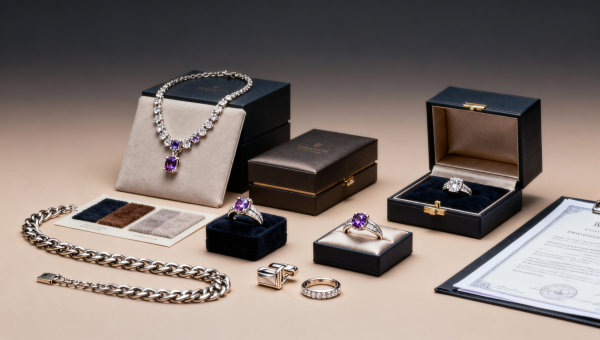
Growing a luxury accessories online store requires more than elegant visuals—it demands precise positioning, trusted sourcing, and a compelling product mix. From custom jewelry design and high-end luxury jewelry to luxury accessories for men and luxury accessories for women, success depends on aligning premium demand with reliable supply. This guide explores how brands, buyers, and distributors can build a competitive luxury accessories online store through smarter merchandising, B2B strategy, and conversion-focused growth.
For information researchers, procurement teams, commercial evaluators, and channel partners, the challenge is rarely limited to launching an attractive storefront. The real work lies in selecting the right assortment, validating supplier capability, controlling margin leakage, and building trust in categories where return risk, authenticity concerns, and presentation quality directly affect conversion.
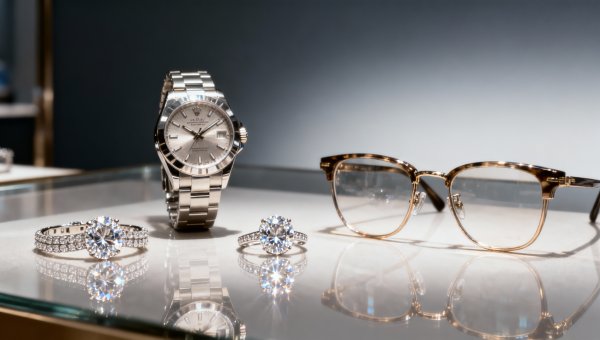
In watches, jewelry, and eyewear, the online luxury buyer expects a premium experience at every touchpoint. That means accurate product data, fast response time, polished imagery, transparent materials information, and dependable fulfillment. For B2B operators, it also means sourcing partners who can support low trial MOQs, repeatable quality, and regional distribution requirements.
Build a Clear Luxury Positioning Before Expanding SKU Count
A luxury accessories online store grows faster when it is known for a specific point of view rather than an uncontrolled catalog. In the jewelry and luxury accessories segment, broad selection alone does not create authority. Buyers usually respond better to a store with a focused identity, such as custom jewelry design, fine everyday pieces, statement eyewear, or collectible watches in the mid-to-high premium range.
A practical way to define positioning is to narrow the initial assortment into 3 product pillars and 2 target customer groups. For example, a store may prioritize high-end luxury jewelry, men’s accessories with watch-led bundles, and women’s eyewear with seasonal capsule collections. This structure simplifies merchandising, content planning, and paid acquisition while reducing stock complexity during the first 6–12 months.
Commercial buyers and distributors should also assess whether the store serves direct retail demand, gift-oriented demand, or project sourcing demand. A retailer selling premium eyewear frames needs different landing pages, warranties, and replenishment logic than a distributor sourcing luxury accessories for boutique hotels, airport retail, or concept stores. Each model changes margin expectations, packaging standards, and reorder frequency.
Positioning becomes stronger when materials, craftsmanship, and intended use are explained in commercial language. Instead of vague wording like “premium quality,” describe plating thickness ranges, gemstone grading approach, lens material types, movement categories, or frame construction details. Concrete details can reduce pre-sale friction by 15–30% in many online luxury categories because customers understand what they are paying for.
Core positioning questions to answer
- Will the store lead with jewelry, watches, eyewear, or a cross-category luxury accessories strategy?
- Is the target average order value closer to US$150–300, US$300–800, or above US$800?
- Will products be stocked, made to order, or split between 70% core inventory and 30% customized lines?
- Does the brand target end consumers, wholesale accounts, or a hybrid B2B2C distribution model?
The table below can help teams compare positioning paths before committing to product development and supplier contracts.
The strongest growth path usually comes from matching the store model to operational reality. If the sourcing network is better at repeatability than customization, a wholesale-ready premium catalog may outperform a bespoke promise. If design capability is the core asset, customization can justify higher margins even with lower monthly order volume.
Source for Trust, Repeatability, and Premium Margin Protection
In luxury accessories ecommerce, sourcing is not only a cost issue. It affects return rates, review quality, lead time reliability, and long-term brand credibility. A watch case with inconsistent finishing, a jewelry clasp failure, or poor lens coating on premium eyewear can damage both conversion and distributor confidence. This is why growth depends on supplier selection criteria that go beyond unit price.
For procurement teams, a useful framework is to evaluate suppliers across 4 dimensions: product consistency, customization capability, documentation readiness, and fulfillment discipline. In practical terms, that includes tolerances, plating or polishing stability, labeling compliance, packaging execution, sample response within 7–14 days, and bulk shipment accuracy over repeated orders.
B2B buyers in watches, jewelry, and eyewear should pay close attention to MOQ flexibility. A supplier offering an MOQ of 20–50 pieces per style can help an online luxury accessories store test new product pages without overcommitting cash. By contrast, MOQs above 300 pieces may make sense only when demand data, resale channels, and replenishment confidence are already established.
GCT’s business value is especially relevant here because commercial buyers need intelligence, not just listings. A sourcing decision for custom jewelry design or premium optical accessories often involves comparing OEM and ODM capabilities, evaluating lead times across multiple regions, and understanding where quality control risks are most likely to affect the final retail experience.
Key sourcing checks before onboarding a supplier
- Request 2–3 production samples from different batches, not only one showroom piece.
- Verify material disclosure for metals, stones, acetate, stainless steel, lenses, and packaging inserts.
- Confirm standard lead times for sampling, bulk production, and reorders, ideally in separate ranges.
- Review defect handling policy, remake terms, and replacement windows for transit or finishing issues.
- Assess whether packaging can support both DTC shipment and wholesale presentation requirements.
The comparison below highlights sourcing factors that most directly affect online store growth and channel expansion.
Suppliers that score well on these operational indicators usually contribute more to growth than factories that only win on unit price. In luxury retail, one failed product experience can cancel the profit from multiple successful orders, so repeatability is often the most valuable sourcing asset.
Design a Product Mix That Supports Both Conversion and Replenishment
A profitable luxury accessories online store needs more than beautiful hero items. It needs a product architecture that drives first purchase, increases average order value, and creates reorder logic for distributors or repeat buyers. In the watches, jewelry, and eyewear category, this usually means balancing halo products with commercially efficient core lines.
A common and effective structure is the 60-30-10 model. Around 60% of the assortment comes from repeatable core products such as signature rings, optical frames, watch straps, or classic chains. Around 30% is seasonal or trend-led merchandise that keeps the store fresh. The final 10% can be high-margin statement pieces or customization-led offers that strengthen the luxury image.
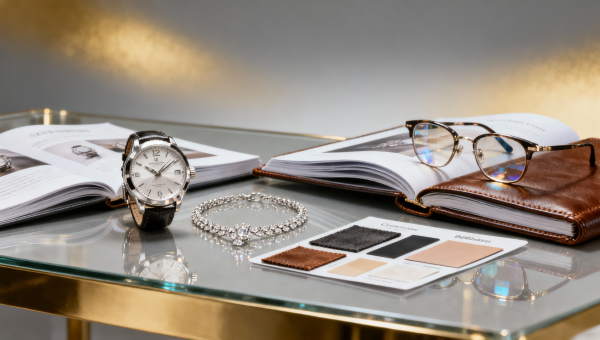
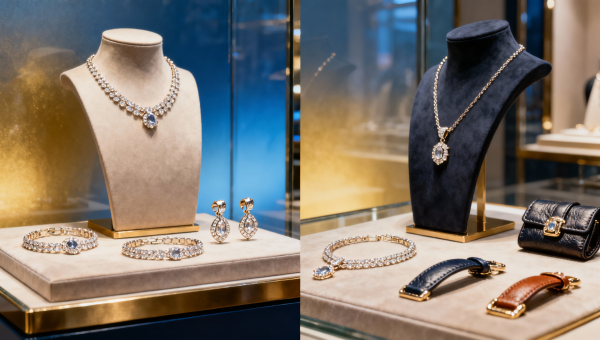
For luxury accessories for men, bundling can be particularly effective. Watches paired with leather straps, cuff accessories, or eyewear cases can improve basket size without weakening brand perception. For luxury accessories for women, coordinated product families such as earrings, necklace, bracelet, and sunglass styling sets can raise cross-sell rates when product pages clearly show visual pairing logic.
Custom jewelry design should not be treated as a broad open-ended service at launch. It works better when framed through 3–5 controlled templates, such as engraving, metal choice, stone selection, or size customization. This keeps production manageable and protects delivery promises, especially when lead times need to stay within a 2–6 week range.
Recommended assortment layers
1. Core revenue products
These are stable designs with proven repeat demand. Examples include minimalist gold-tone jewelry, acetate optical frames, stainless watch accessories, and premium sunglasses with standard colorways. They should account for most replenishment volume and have the shortest reorder cycles.
2. Story-driven collection pieces
These products create excitement and support higher engagement. Limited seasonal launches every 8–12 weeks can keep the store active without overwhelming operations. This category is ideal for design-forward earrings, statement eyewear, or premium watch gift sets.
3. Personalized premium offers
Controlled customization services work well for gifting, weddings, hospitality projects, and boutique distribution. Margin is often stronger here, but quote response time should stay under 48 hours and design approval should follow a simple 3-step process.
The following table shows how different product roles contribute to growth and operational balance.
This mix gives a luxury accessories online store room to grow across retail and B2B channels. It supports a cleaner inventory model, more predictable cash flow, and stronger merchandising discipline than a store built entirely on one-off trend items.
Optimize the Online Experience for High-Intent Luxury Buyers
In luxury ecommerce, conversion depends on confidence. Customers cannot physically handle the jewelry, try on the eyewear, or inspect the watch finish before buying. The store must therefore answer product questions before they become objections. Pages that only rely on glamour images often underperform pages that combine visual impact with precise specifications and reassurance content.
Each product page should include at least 6 core information blocks: material details, dimensions, finish or color notes, packaging description, shipping timeline, and care guidance. In premium eyewear, include frame material, lens type, size numbers, and fit profile. In jewelry, include metal composition, stone type, chain length, closure method, and care limits. In watches, include case size, strap material, water-resistance guidance if relevant, and movement category.
Trust signals also matter. Clear return terms, secure payment presentation, estimated delivery windows such as 3–7 business days for stocked items, and visible support response times within 24 hours can reduce hesitation. For B2B and distribution buyers, add wholesale inquiry paths, MOQ guidance, and downloadable line sheet options to shorten evaluation time.
Merchandising should guide the customer toward complementary products rather than generic upsells. A high-end luxury jewelry page should recommend matching pieces from the same design language. A premium eyewear product page should surface cases, cleaning kits, or alternative frame colors. A men’s luxury accessories page may connect watches, bracelets, and gifting components in one commercial story.
Practical conversion upgrades
- Use 5–8 product images per SKU, including macro detail and packaging views.
- Add size guidance and dimension visuals for rings, chains, frames, and watch cases.
- Separate “ready to ship” from “made to order” to avoid hidden expectation gaps.
- Show estimated dispatch windows at product level rather than only on a policy page.
- Create category filters for material, gender, gifting occasion, and price tier.
Common mistake to avoid
Many stores invest heavily in branding but underinvest in product data. This creates avoidable customer service load and weakens conversion quality. In luxury categories, insufficient detail can also attract the wrong audience, leading to more returns, more questions, and lower trust from serious buyers or resellers.
A stronger digital experience does not require hundreds of SKUs. It requires disciplined presentation, consistent terminology, and commercially useful information. That is often enough to help a smaller but focused assortment outperform a larger catalog with poor clarity.
Use B2B Channels, Distribution Logic, and Data Review to Scale Sustainably
Long-term growth for a luxury accessories online store usually comes from a blend of direct sales and structured B2B expansion. This is especially important for businesses operating in jewelry, watches, and eyewear, where selective wholesale relationships can improve demand visibility, stabilize reorder volume, and support brand presence in curated retail environments.
Distributors, agents, and procurement teams typically evaluate a supplier or online store on commercial readiness as much as aesthetics. They want line-sheet clarity, wholesale pricing logic, lead-time transparency, low-defect execution, and enough assortment depth to support regional selling. Even 20–40 well-managed SKUs can be commercially attractive if packaging, replenishment, and communication are reliable.
A practical scaling model is to review performance every 30, 60, and 90 days. At each checkpoint, assess top-selling SKUs, return drivers, inquiry themes, gross margin by category, and supplier response speed. If one jewelry collection gets traffic but low conversion, the issue may be pricing, trust messaging, or material explanation rather than product demand itself.
Commercial growth also improves when stores prepare for channel-specific needs. Boutique retailers may require branded display packaging and lower opening MOQs. Corporate gifting buyers may need customization, tighter delivery planning, and presentation boxes. Hospitality or specialty retail projects may prioritize consistent finish, durable construction, and repeatable supply over trend-sensitive design.
90-day growth review framework
- Days 1–30: Validate best-seller candidates, page engagement, and inquiry patterns.
- Days 31–60: Adjust pricing bands, remove weak SKUs, and refine cross-sell structure.
- Days 61–90: Expand top performers into wholesale-ready packs or distributor offers.
Where GCT fits in the growth process
For decision-makers exploring new suppliers or market entry strategies, GCT provides a more useful route than generic sourcing databases. Its value lies in combining industry intelligence, sourcing visibility, and commercial context for premium sectors. That helps buyers compare options more intelligently when evaluating OEM or ODM partners for luxury accessories, custom jewelry programs, or premium eyewear distribution.
A luxury store that scales well is rarely the one with the loudest image. It is the one with the clearest positioning, the best-controlled sourcing, the smartest product mix, and the most disciplined review cycle. These factors create trust for both consumers and trade buyers, which is what turns early traction into durable growth.
FAQ for Buyers, Evaluators, and Distribution Partners
How many products should a new luxury accessories online store launch with?
A focused launch often works best with 30–80 SKUs, depending on whether the assortment includes watches, jewelry, eyewear, or all three. This range is large enough to show brand depth but small enough to maintain quality control, content accuracy, and inventory discipline. Many operators overlaunch and create operational friction before product-market fit is clear.
What is a reasonable lead time for custom jewelry design?
For controlled customization, a common working range is 2–6 weeks after design confirmation, depending on complexity, material availability, and finishing requirements. Stores should separate design approval time from production time and communicate both clearly. Fast quoting within 24–48 hours improves confidence even when manufacturing takes longer.
What should distributors look for before adding a luxury accessories brand?
Look at 5 areas: assortment clarity, repeatable quality, MOQ flexibility, packaging suitability, and reorder speed. A beautiful product line with unclear lead times or weak defect handling can become commercially expensive. For many distributors, dependable replenishment within 2–5 weeks is more valuable than an oversized catalog.
How can a store reduce returns in premium eyewear and jewelry?
The most effective steps are better measurement guidance, more accurate color and finish descriptions, material transparency, and clear “made to order” labeling. Product pages that explain fit, scale, and usage conditions usually outperform image-led pages with minimal specifications. Better qualification before purchase often saves margin after delivery.
Growing a luxury accessories online store is a commercial discipline built on clear brand positioning, reliable sourcing, intelligent assortment planning, and a buying experience that creates confidence. For brands, buyers, and distributors in watches, jewelry, and eyewear, the winners are those that align premium presentation with operational control and channel-ready supply.
If you are evaluating suppliers, planning a premium assortment, or expanding into new commercial markets, now is the right time to refine your sourcing and merchandising strategy. Contact GCT to explore tailored solutions, compare qualified sourcing options, and get support for your next luxury accessories growth plan.
Search News
Hot Articles
- Pro Stage AudioFIFA Adopts Chinese Mini-LED Displays for 2026 World Cup VAR SystemApr 24, 2026
- Outdoor RidesChina FA Warns Nanjing City Over Fan Conduct; ISO 20785 Compliance AcceleratesApr 24, 2026
- Pro Stage AudioFan Zhendong Visits Silicon Valley as MLTT Investor, AI Ping-Pong Tech Draws US InterestApr 24, 2026
Popular Tags
Need ExpertConsultation?
Connect with our specialized leisureengineering team for procurementstrategies.
Recommended News
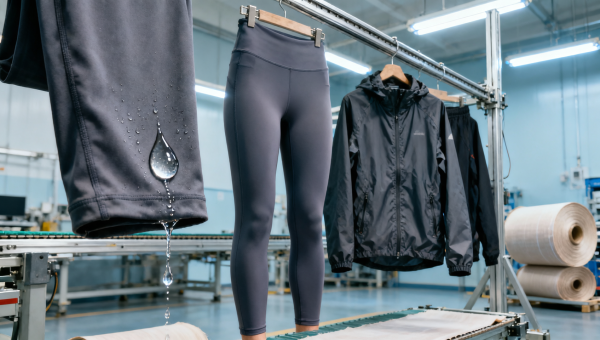
 Apr 23, 2026Texas Launches PFAS Probe Against Lululemon, Export Compliance Risks RisePFAS probe against Lululemon in Texas escalates export compliance risks for sportswear ODMs, testing labs & chemical suppliers — act now.● Luxury Retail Analyst
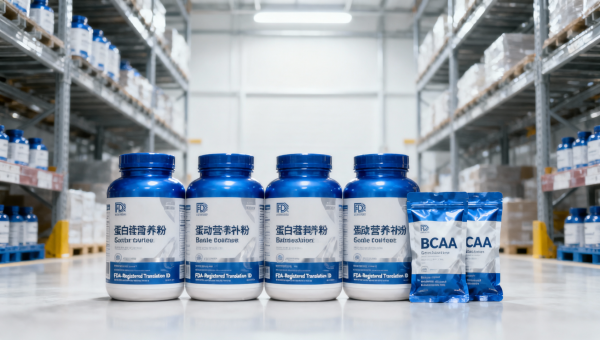
 Apr 21, 2026FDA Proposes Chinese Label Translation Requirement for Sports SupplementsFDA proposes Chinese label translation requirements for sports supplements—learn how protein powders, BCAAs & creatine brands can prepare for Q3 2026 compliance.● Luxury Retail Analyst
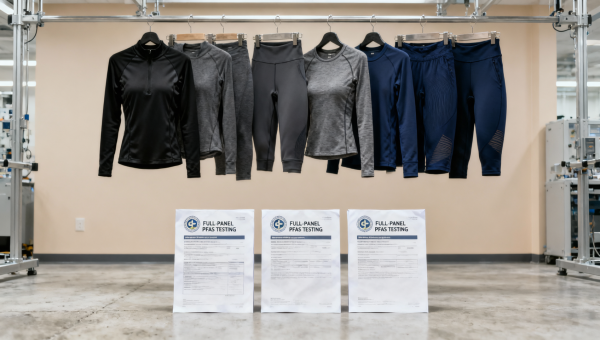
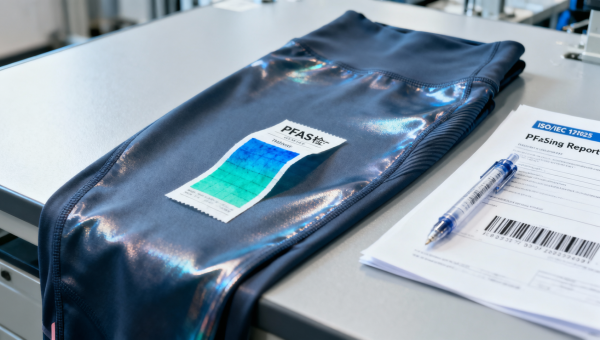
 Apr 21, 2026CPSC Urgent Alert: PFAS in Fitness Apparel Risks US Import DelaysPFAS in fitness apparel triggers CPSC alerts—avoid US import delays! Get CPSC-recognized PFAS testing, compliance tips & port detention prevention now.● Luxury Retail Analyst
 Apr 20, 2026US CPSC Alert: PFAS in Fitness Apparel May Delay US Import ClearancePFAS in fitness apparel may delay US import clearance—learn how the Texas AG probe & CPSC alert impact compliance, testing, and supply chains now.● Luxury Retail Analyst
 Apr 15, 2026FDA Updates Guidelines for Sports Nutrition Supplement Labels: Chinese Translations Must Be FDA-CertifiedFDA now requires Chinese translations on sports nutrition supplement labels to be FDA-certified. Learn how this impacts manufacturers, importers, and compliance timelines for US market access.● Luxury Retail Analyst
 Apr 14, 2026Japan Updates Jewelry Labeling Rules: Mandatory China Factory Codes from April 2026Japan's new jewelry labeling rules mandate 'Country of Origin + China Factory Code' (CN-FAC-XXXXX) from April 2026. Learn how this impacts Chinese exporters and Japanese importers in the $2.1B precious metals market.● Luxury Retail Analyst
 Apr 14, 2026RCEP Tariff Cuts Boost China's Optical Lens Exports to ASEANRCEP tariff cuts boost China's optical lens exports to ASEAN with 0% duties on CR-39 & polycarbonate lenses. Learn how this + faster logistics create new trade opportunities.● Luxury Retail Analyst
 Apr 14, 2026US CPSC Proposes Stricter Lead Limits in Children's Jewelry, Impacting Chinese ExportersUS CPSC proposes stricter lead limits (40ppm) in children's jewelry, impacting Chinese exporters with new compliance challenges. Learn how this 2026 regulation affects manufacturers & supply chains.● Luxury Retail Analyst
 Apr 14, 2026EU's Revised EN 14138:2026 Eyewear Nickel Standard Takes Effect, Impacting Chinese ExportersEU's EN 14138:2026 eyewear standard tightens nickel limits to 0.2μg/cm²/week, impacting Chinese exporters. Learn compliance strategies for EU market access.● Luxury Retail Analyst
 Apr 25, 2026Luxury Jewelry B2B in 2026: What Changes?Luxury jewelry B2B in 2026: explore custom jewelry design, custom jewelry manufacturer trends, luxury jewelry wholesale shifts, and how custom luxury jewelry drives faster, safer growth.● Luxury Retail Analyst
 Apr 25, 2026How to Grow a Luxury Accessories Online StoreLearn how to grow a luxury accessories online store with custom jewelry design, a trusted custom jewelry manufacturer, luxury accessories wholesale strategy, and high-end luxury jewelry that converts.● Luxury Retail Analyst
 Apr 25, 2026Custom Jewelry for Corporate Gifts That LastCustom jewelry for corporate gifts from a trusted custom jewelry manufacturer—discover custom jewelry design, high-end luxury jewelry, and scalable luxury jewelry B2B solutions.● Luxury Retail Analyst
 Apr 25, 2026What a Good Luxury Accessories Catalog IncludesLuxury accessories catalog guide covering custom jewelry design, high-end luxury jewelry, luxury accessories for men and women, and trusted luxury jewelry B2B sourcing insights.● Luxury Retail Analyst
 Apr 22, 2026Why Some Luxury Jewelry Collections Lose Value in DisplayLuxury jewelry in a trampoline park, indoor playground, arcade games or musical instruments venue can lose value fast. Discover smarter display strategies that protect premium appeal and buyer confidence.● Luxury Retail Analyst
 Apr 22, 2026Luxury Jewelry Trends in 2026 That Are Shaping Retail DemandLuxury jewelry trends in 2026 reveal how luxury jewelry, trampoline park, indoor playground, arcade games, office supplies, and musical instruments shape premium retail demand.● Luxury Retail Analyst
 Apr 25, 2026Luxury Accessories for Women That Hold Value Beyond TrendsLuxury accessories for women that hold value beyond trends—compare high-end luxury jewelry, custom luxury jewelry, and smart B2B sourcing insights for premium sport and entertainment retail.● Luxury Retail Analyst
 Apr 25, 2026Why Some Luxury Accessories for Women Feel Premium and Others Do NotLuxury accessories for women that feel truly premium rely on craftsmanship, materials, and supplier credibility. Explore custom luxury jewelry and high-end luxury jewelry sourcing insights for smarter B2B buying.● Luxury Retail Analyst
 Apr 25, 2026High-End Luxury Jewelry: What Actually Sets It Apart?High-end luxury jewelry buying guide: compare custom luxury jewelry, craftsmanship, compliance, and supplier reliability for premium retail and luxury accessories for women.● Luxury Retail Analyst
 Apr 25, 2026When High-End Luxury Jewelry Pricing Stops Making SenseHigh-end luxury jewelry pricing explained: learn when custom luxury jewelry delivers real value, how luxury accessories for women compare, and what buyers should ask before paying a premium.● Luxury Retail Analyst
 Apr 25, 2026Custom Luxury Jewelry: How Long Does True Customization Take?Custom luxury jewelry lead times explained: compare true customization, high-end luxury jewelry value, and luxury accessories for women to plan sourcing with confidence.● Luxury Retail Analyst
 Apr 25, 2026What Gets Lost When Custom Luxury Jewelry Is RushedCustom luxury jewelry rushed too fast can undermine craftsmanship, material trust, and brand value. Learn how high-end luxury jewelry buyers protect quality, margin, and sourcing success.● Luxury Retail Analyst
 Apr 25, 2026Why some luxury accessories for men lose value fastLuxury accessories for men lose value fast when hype, weak craftsmanship, and poor sourcing collide. Explore custom jewelry design insights and how a custom jewelry manufacturer can help buyers protect margins.● Luxury Retail Analyst
 Apr 25, 2026What a reliable custom jewelry manufacturer should confirm firstCustom jewelry manufacturer guide: learn what to confirm first in custom jewelry design, from materials and compliance to timelines, to source smarter and reduce risk.● Luxury Retail Analyst
 Apr 21, 2026Custom jewelry design mistakes that delay samplingCustom jewelry design mistakes that delay sampling: learn how to brief a custom jewelry manufacturer, avoid costly revisions, and keep sports & entertainment launches on schedule.● Luxury Retail Analyst