Why Some Luxury Accessories for Women Feel Premium and Others Do Not
In premium sourcing, the gap between ordinary and exceptional luxury accessories for women often comes down to craftsmanship, materials, brand positioning, and supply chain credibility. For buyers evaluating custom luxury jewelry or high-end luxury jewelry, understanding what truly creates a premium feel is essential for smarter commercial decisions, stronger retail appeal, and long-term market value.
What Makes Luxury Accessories for Women Feel Premium in Experience-Driven Retail?
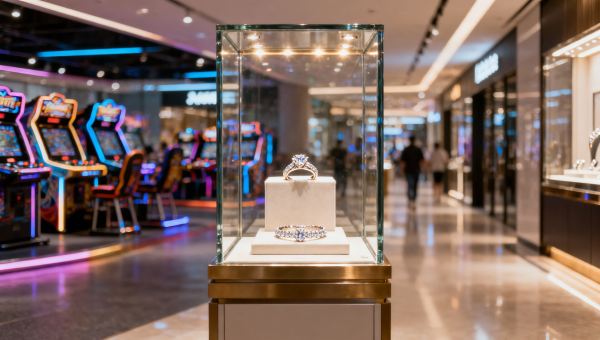
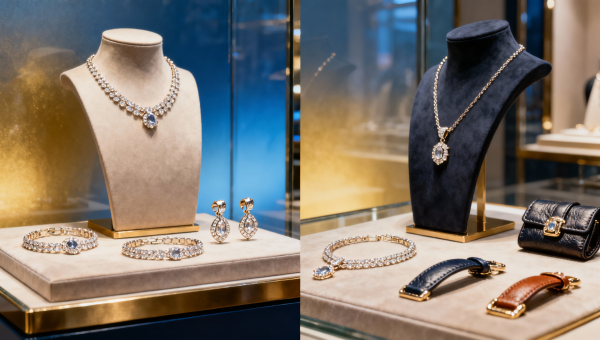
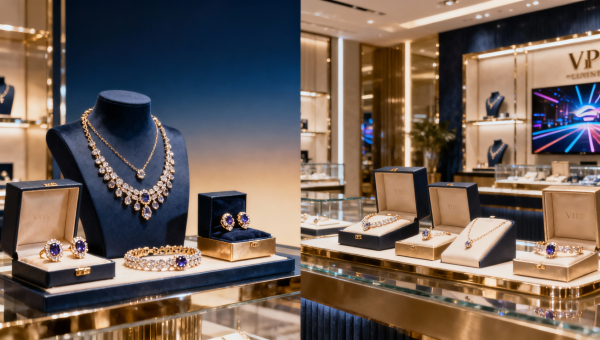
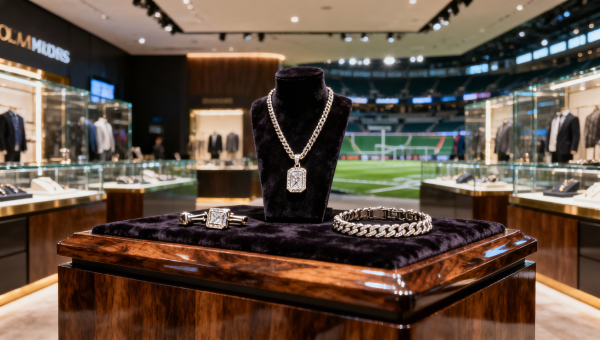
In sports and entertainment commerce, premium perception is rarely created by appearance alone. Luxury accessories for women often enter environments such as resort boutiques, casino retail zones, concert VIP lounges, cruise retail programs, themed destination stores, and premium leisure clubs. In these settings, the product must do more than look attractive in a display case. It must align with the atmosphere of aspiration, exclusivity, and high-spending customer behavior that defines experiential retail.
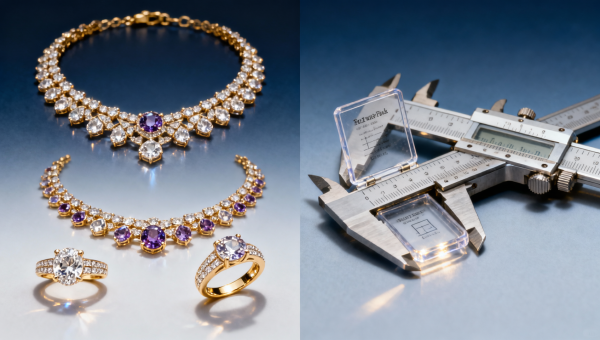
Buyers, distributors, and commercial evaluators usually assess premium feel through 4 linked dimensions: material authenticity, finishing precision, design coherence, and supplier reliability. A necklace with poor plating stability, inconsistent stone setting, or generic packaging may initially appear acceptable online, yet fail within 30–90 days of active retail exposure. That failure damages both sell-through and trust in the venue’s broader merchandise strategy.
For information researchers comparing custom luxury jewelry suppliers, the key question is not simply whether an item looks luxurious. The real question is whether the accessory can support premium pricing in a commercial environment. In many entertainment-led retail channels, the difference between a product that sells at standard markup and one that sustains a premium margin often lies in tactile quality, consistency across batches, and storytelling strength at point of sale.
This is where GCT adds value. Instead of treating sourcing as a one-step transaction, GCT frames luxury accessories for women within a broader commercial experience model. That means evaluating not only aesthetics, but also OEM or ODM flexibility, lead-time control, compliance readiness, and how well a product fits the premiumization strategies used by hospitality, leisure, and specialty retail operators across global markets.
The core signals buyers usually look for
- Material clarity: buyers expect transparent disclosure on base metals, plating thickness, stone type, leather grade, fabric composition, or surface treatment rather than vague “premium quality” claims.
- Finish consistency: polished edges, stable closures, secure stone settings, and uniform color tone across production lots are basic indicators of premium execution.
- Retail readiness: packaging, labeling, barcode integration, and display compatibility matter when accessories are sold in entertainment venues with fast visual merchandising cycles.
- Supply credibility: a supplier able to discuss sampling in 7–14 days, production windows in 30–60 days, and inspection checkpoints in 3 stages usually presents lower sourcing risk.
When these signals are weak, products may still look expensive in isolated product photography, but they do not feel premium in hand, in display, or in repeat orders. That distinction matters greatly for commercial buyers responsible for reputation, replenishment planning, and margin defense.
Why Do Some High-End Luxury Jewelry Lines Command Better Retail Confidence?
Not all high-end luxury jewelry is built for the same channel. A boutique collection designed for direct-to-consumer gifting may not perform well in a leisure destination store where impulse buying, visual impact, and multi-language sales support matter. Premium confidence comes from channel fit. If a collection is too delicate, too generic, or too operationally complex, it creates friction for venue operators and sales teams.
Commercial buyers in sports and entertainment settings often review products through 5 practical questions. Will the pieces hold up under repeated try-ons? Can staff explain the value in under 60 seconds? Does the collection complement the venue brand? Can replenishment happen in seasonal cycles of 6–12 weeks? Is customization possible without disrupting delivery? These questions influence purchasing more than abstract luxury language.
A premium line also tends to show stronger discipline in assortment planning. Instead of offering too many disconnected styles, better suppliers structure collections into clear groups such as signature pieces, entry premium items, event gifting products, and statement accessories. This helps distributors and retail buyers build pricing ladders and allocate display space more efficiently across different entertainment and leisure formats.
The table below compares common differences between accessories that only appear upscale and those that genuinely support premium retail performance.
For commercial decision-makers, the premium category is therefore operational as much as aesthetic. An accessory becomes commercially premium when it protects pricing power, reduces return risk, and strengthens the experience customers remember after visiting a venue, event, resort, or premium leisure property.
Where this matters most in sports and entertainment
Resort and destination retail
Customers in resort environments often purchase luxury accessories for women as part of memory-driven spending. They are not only buying an item; they are buying a symbol of the stay, event, or destination. Premium feel must therefore combine durability with emotional presentation. Packaging, color palette, and collection story are often as important as the item itself.
VIP entertainment spaces and event merchandising
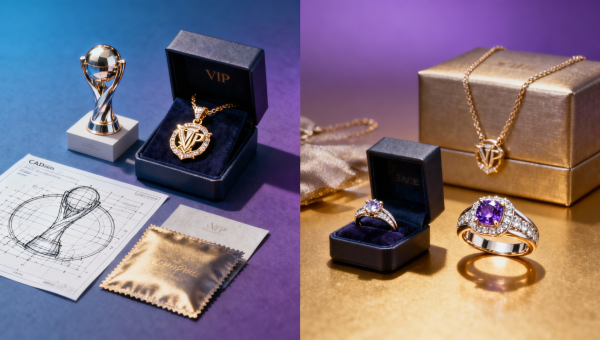
In concert halls, racing clubs, premium sports boxes, or members-only lounges, customers expect exclusivity. Small-batch collections, event-specific custom luxury jewelry, or limited-run accessories often perform better than broad generic assortments. Typical order planning may start with pilot quantities, then scale to mid-volume reorders if conversion and attachment rates are strong over the first 4–8 weeks.
How Should Buyers Evaluate Materials, Craftsmanship, and Supplier Stability?
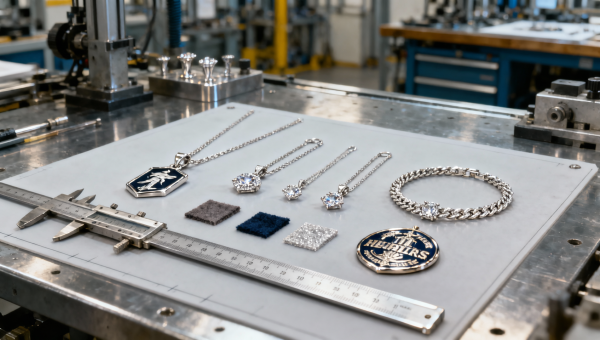
Procurement teams should separate visible beauty from production reliability. A premium accessory can fail commercially if plating fades too quickly, closures break after moderate use, or component consistency shifts between the approved sample and bulk production. For this reason, many buyers use a 3-stage review process: sample evaluation, pre-production confirmation, and final shipment inspection.
For custom luxury jewelry, materials should be reviewed in commercial terms, not only artistic terms. Ask what base metal is used, what finish process is applied, whether skin-contact components are suitable for the intended market, and whether the supplier can provide practical material documentation. In cross-border sourcing, clarity reduces disputes and shortens approval cycles, especially when multiple internal stakeholders are involved.
Craftsmanship should also be linked to usage context. A delicate fashion accessory may be acceptable for occasional gifting, but not for high-traffic retail counters where products are handled dozens of times per day. Buyers in leisure and hospitality environments often need accessories that maintain appearance through repeated fitting, display lighting exposure, and standard retail handling over several weeks.
The supplier itself is part of the premium equation. If the manufacturer cannot explain MOQ structure, sampling windows, packaging options, inspection methods, or defect-handling procedures, the sourcing risk rises immediately. GCT’s sourcing perspective is useful here because it focuses on linking design capability with commercial execution, not simply listing products without operational context.
A practical procurement checklist for luxury accessories for women
Before moving from concept to PO, buyers can use the following framework to evaluate whether a collection is suitable for premium sports and entertainment retail programs.
This checklist helps procurement teams compare suppliers beyond catalog imagery. It also supports internal alignment between sourcing, merchandising, and commercial management, especially when the end use includes destination retail, event gifting, or premium resale channels.
Five red flags that reduce premium credibility
- The supplier avoids specific material language and relies on broad terms such as “top grade” or “best finish” without documentation.
- The approved sample and later quotation differ in weight, dimensions, component source, or packaging format.
- Lead times sound unrealistically short for premium workmanship, especially when custom molds, stone setting, or branded packaging are involved.
- There is no defined defect response process for issues found during the final 5–10 days before shipment.
- The supplier cannot explain how the collection fits different price bands, sales channels, or replenishment rhythms.
A premium impression is fragile. Once customers encounter tarnish, rough finishing, weak closures, or poor presentation, it becomes difficult for a venue to justify luxury positioning. This is why upfront scrutiny is usually cheaper than reactive discounting later.
Which Compliance, Packaging, and Delivery Factors Influence B2B Buying Decisions?
For international buyers, premium sourcing is not only about design and craftsmanship. Commercial viability also depends on labeling, packaging durability, and destination-market compliance. Luxury accessories for women sold through hospitality, leisure, or entertainment channels may need item labeling, barcode support, care instructions, material declarations, and export-ready packing plans. These details influence customs handling, shelf readiness, and retail launch timing.
In many cases, buyers also review product safety and market suitability at a basic level. Requirements vary by country and product type, but prudent sourcing teams often ask about restricted substances, skin-contact considerations, packaging material suitability, and traceability of key components. Even when no complex certification is legally required, practical compliance discipline improves confidence for corporate procurement departments and distributor networks.
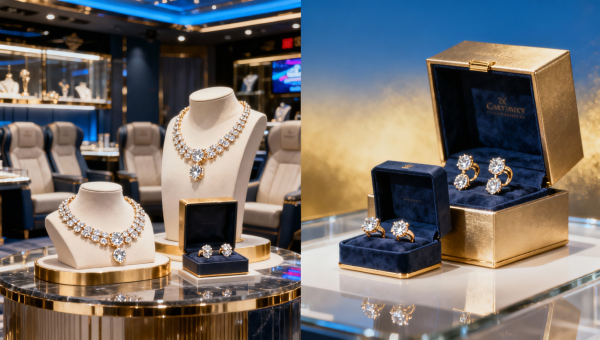
Packaging is especially important in sports and entertainment commerce because unboxing contributes directly to perceived value. A premium accessory in weak or inconsistent packaging often loses retail authority. Buyers should therefore review 3 packaging layers where relevant: unit packaging, retail presentation packaging, and export carton protection. The objective is to balance presentation quality with damage prevention and freight efficiency.
Delivery planning should also reflect seasonality. Event-led retail, holiday gifting, resort peaks, and themed campaigns can compress selling windows into 2–6 weeks. Missing the launch date often matters more than saving a small percentage on unit cost. That is why experienced commercial buyers prioritize realistic production calendars, milestone tracking, and buffer time for approvals over aggressive promises that cannot be sustained.
Key decision areas before confirming an order
- Confirm whether the target market requires any specific material, labeling, or packaging declarations for jewelry or accessory imports.
- Align packaging style with the venue’s brand level. A five-star resort store, a premium stadium suite shop, and a theme destination boutique may require different packaging expressions.
- Build a reverse timeline from the retail launch date. Include sampling, artwork approval, production, inspection, freight, and receiving time.
- Clarify replacement and defect procedures before shipment, not after arrival.
GCT’s advantage in this stage is commercial context. Instead of treating logistics and compliance as separate topics, the platform connects them to actual sourcing outcomes: on-time launch, stronger retail presentation, and lower risk for institutional buyers, distributors, and project developers serving premium experience-led environments.
How Can Buyers Balance Premium Positioning, Cost, and Customization?
One of the most common sourcing mistakes is assuming that a higher quoted price automatically delivers stronger premium perception. In reality, buyers need to identify where cost is creating visible and defensible value. For luxury accessories for women, the most meaningful cost drivers often include material upgrades, stone setting labor, plating process, packaging specification, design exclusivity, and order complexity. Some of these improve sellability; others simply increase cost without strengthening retail impact.
In sports and entertainment retail, product architecture matters. A well-structured assortment may include 3 commercial tiers: accessible premium items for impulse purchase, mid-range signature pieces for gifting, and high-end luxury jewelry for statement sales or VIP programs. This tiering helps buyers widen customer reach without weakening brand perception. It also allows distributors to serve multiple channels using one coherent collection story.
Customization can add strong value when used selectively. Venue logos, destination motifs, event dates, signature colors, or limited-edition packaging may support higher conversion in leisure environments. However, over-customization can lengthen development by 2–4 weeks, increase MOQ pressure, and reduce future inventory flexibility. Buyers should therefore customize the elements customers notice most, while standardizing hidden components where possible.
The table below shows how buyers often think about premium positioning versus operational practicality when selecting custom luxury jewelry programs.
For many B2B buyers, the optimal path is not maximum customization but controlled differentiation. A semi-custom range often delivers enough exclusivity for premium retail while preserving reorder flexibility, faster replenishment, and lower commercial risk. This is especially relevant when the target channel has seasonal turnover or event-driven demand swings.
A simple decision model for procurement teams
Choose standard premium when
You need speed, are testing a new market, or want to validate price acceptance before investing in custom development. This is often suitable for distributors entering new leisure or hospitality accounts.
Choose semi-custom when
You need clearer venue identity but still require manageable MOQs and a 30–45 day production target after approvals. This is a common route for premium event retail and destination-specific collections.
Choose full custom when
You are serving high-visibility launches, executive gifting, or a branded luxury environment where exclusivity directly supports pricing strategy. Here, detailed milestone control is essential.
FAQ: What Do Buyers Usually Ask Before Sourcing Premium Accessories?
How do I know if luxury accessories for women are truly premium or just visually attractive?
Start with a hands-on review whenever possible. Check weight balance, clasp smoothness, edge finishing, stone security, plating consistency, and packaging quality. Then ask about the production process, not just the design concept. If a supplier can clearly explain materials, sample lead time, inspection stages, and reorder capability, the collection is more likely to support premium retail performance.
What lead time should buyers expect for custom luxury jewelry?
A common commercial range is 7–21 days for sampling and 30–60 days for production after final approval, depending on tooling, component sourcing, and packaging customization. Complex projects may require additional development time. Buyers should always build in extra days for artwork confirmation, pre-production signoff, and final inspection before shipment.
Which channels in sports and entertainment are best suited for high-end luxury jewelry?
High-end luxury jewelry is usually best suited for premium hospitality boutiques, VIP event retail, destination resorts, cruise retail, casino luxury zones, and executive gifting programs connected to leisure brands. In these channels, storytelling, presentation, and exclusivity have direct commercial value. Broader mass-traffic outlets may perform better with a premium-accessible assortment instead of a fully high-end range.
What are the most common procurement mistakes?
The most frequent issues include approving products from photos only, ignoring packaging until the end of the project, failing to confirm MOQ by variation, and underestimating the time needed for custom approvals. Another common mistake is over-customizing too early, which can reduce flexibility if the first sales cycle does not perform as expected.
Why do distributors and agents benefit from a sourcing hub like GCT?
Because distribution decisions require more than product availability. Agents and channel partners need insight into supplier positioning, OEM or ODM suitability, lead-time realism, and commercial application fit. GCT helps narrow options by connecting product intelligence with the actual demands of hospitality, leisure, specialty retail, and premium commercial environments.
Why Choose GCT for Premium Sourcing Decisions?
When you are comparing luxury accessories for women for sports and entertainment retail, the challenge is rarely product shortage. The real challenge is choosing products and suppliers that match your commercial model, launch timing, quality expectations, and premium positioning goals. GCT is designed to support that decision process with sector-focused sourcing intelligence rather than generic product listings.
Our value is especially relevant for procurement teams, commercial evaluators, and distribution partners that need to compare options across multiple variables at once. These include custom luxury jewelry feasibility, high-end luxury jewelry assortment logic, packaging direction, supplier credibility, and the practical trade-offs between exclusivity, MOQ, and delivery windows. In premium experiential commerce, these variables determine whether a collection simply arrives or actually performs.
You can contact GCT to discuss concrete sourcing topics such as product selection for resort or event retail, sample planning, packaging alignment, estimated production cycles, customization scope, target price architecture, export-readiness questions, and supplier shortlisting. If you are building a new premium retail program or refining an existing assortment, those discussions can reduce trial-and-error and accelerate internal approvals.
For manufacturers and fabricators, GCT also creates a stronger route to qualified commercial buyers by placing design capability, production readiness, and market relevance into a professional B2B context. For buyers, that means more efficient comparison. For sellers, it means better alignment with real-world demand in hospitality, entertainment, leisure, and luxury-accessory sourcing.
What you can ask us about now
- Which luxury accessories for women fit your venue type, retail concept, and target customer spending profile.
- Whether a standard, semi-custom, or full custom luxury jewelry approach is the right commercial choice.
- What sampling, packaging, and delivery timeline is realistic for your next 30–90 day launch window.
- How to compare suppliers based on craftsmanship, compliance readiness, and replenishment support rather than catalog appearance alone.
- How to structure quotations, MOQ planning, and assortment tiers for distributors, agents, and institutional buyers.
If your next project involves premium retail, event merchandise, destination gifting, or branded high-end luxury jewelry programs, GCT can help you move from broad market scanning to a more precise sourcing decision with stronger commercial logic.
Search News
Hot Articles
- Pro Stage AudioFIFA Adopts Chinese Mini-LED Displays for 2026 World Cup VAR SystemApr 24, 2026
- Outdoor RidesChina FA Warns Nanjing City Over Fan Conduct; ISO 20785 Compliance AcceleratesApr 24, 2026
- Pro Stage AudioFan Zhendong Visits Silicon Valley as MLTT Investor, AI Ping-Pong Tech Draws US InterestApr 24, 2026
Popular Tags
Need ExpertConsultation?
Connect with our specialized leisureengineering team for procurementstrategies.
Recommended News
 Apr 23, 2026Texas Launches PFAS Probe Against Lululemon, Export Compliance Risks RisePFAS probe against Lululemon in Texas escalates export compliance risks for sportswear ODMs, testing labs & chemical suppliers — act now.● Luxury Retail Analyst
 Apr 21, 2026FDA Proposes Chinese Label Translation Requirement for Sports SupplementsFDA proposes Chinese label translation requirements for sports supplements—learn how protein powders, BCAAs & creatine brands can prepare for Q3 2026 compliance.● Luxury Retail Analyst
 Apr 21, 2026CPSC Urgent Alert: PFAS in Fitness Apparel Risks US Import DelaysPFAS in fitness apparel triggers CPSC alerts—avoid US import delays! Get CPSC-recognized PFAS testing, compliance tips & port detention prevention now.● Luxury Retail Analyst
 Apr 20, 2026US CPSC Alert: PFAS in Fitness Apparel May Delay US Import ClearancePFAS in fitness apparel may delay US import clearance—learn how the Texas AG probe & CPSC alert impact compliance, testing, and supply chains now.● Luxury Retail Analyst
 Apr 15, 2026FDA Updates Guidelines for Sports Nutrition Supplement Labels: Chinese Translations Must Be FDA-CertifiedFDA now requires Chinese translations on sports nutrition supplement labels to be FDA-certified. Learn how this impacts manufacturers, importers, and compliance timelines for US market access.● Luxury Retail Analyst
 Apr 14, 2026Japan Updates Jewelry Labeling Rules: Mandatory China Factory Codes from April 2026Japan's new jewelry labeling rules mandate 'Country of Origin + China Factory Code' (CN-FAC-XXXXX) from April 2026. Learn how this impacts Chinese exporters and Japanese importers in the $2.1B precious metals market.● Luxury Retail Analyst
 Apr 14, 2026RCEP Tariff Cuts Boost China's Optical Lens Exports to ASEANRCEP tariff cuts boost China's optical lens exports to ASEAN with 0% duties on CR-39 & polycarbonate lenses. Learn how this + faster logistics create new trade opportunities.● Luxury Retail Analyst
 Apr 14, 2026US CPSC Proposes Stricter Lead Limits in Children's Jewelry, Impacting Chinese ExportersUS CPSC proposes stricter lead limits (40ppm) in children's jewelry, impacting Chinese exporters with new compliance challenges. Learn how this 2026 regulation affects manufacturers & supply chains.● Luxury Retail Analyst
 Apr 14, 2026EU's Revised EN 14138:2026 Eyewear Nickel Standard Takes Effect, Impacting Chinese ExportersEU's EN 14138:2026 eyewear standard tightens nickel limits to 0.2μg/cm²/week, impacting Chinese exporters. Learn compliance strategies for EU market access.● Luxury Retail Analyst
 Apr 25, 2026Luxury Jewelry B2B in 2026: What Changes?Luxury jewelry B2B in 2026: explore custom jewelry design, custom jewelry manufacturer trends, luxury jewelry wholesale shifts, and how custom luxury jewelry drives faster, safer growth.● Luxury Retail Analyst
 Apr 25, 2026How to Grow a Luxury Accessories Online StoreLearn how to grow a luxury accessories online store with custom jewelry design, a trusted custom jewelry manufacturer, luxury accessories wholesale strategy, and high-end luxury jewelry that converts.● Luxury Retail Analyst
 Apr 25, 2026Custom Jewelry for Corporate Gifts That LastCustom jewelry for corporate gifts from a trusted custom jewelry manufacturer—discover custom jewelry design, high-end luxury jewelry, and scalable luxury jewelry B2B solutions.● Luxury Retail Analyst
 Apr 25, 2026What a Good Luxury Accessories Catalog IncludesLuxury accessories catalog guide covering custom jewelry design, high-end luxury jewelry, luxury accessories for men and women, and trusted luxury jewelry B2B sourcing insights.● Luxury Retail Analyst
 Apr 22, 2026Why Some Luxury Jewelry Collections Lose Value in DisplayLuxury jewelry in a trampoline park, indoor playground, arcade games or musical instruments venue can lose value fast. Discover smarter display strategies that protect premium appeal and buyer confidence.● Luxury Retail Analyst
 Apr 22, 2026Luxury Jewelry Trends in 2026 That Are Shaping Retail DemandLuxury jewelry trends in 2026 reveal how luxury jewelry, trampoline park, indoor playground, arcade games, office supplies, and musical instruments shape premium retail demand.● Luxury Retail Analyst
 Apr 25, 2026Luxury Accessories for Women That Hold Value Beyond TrendsLuxury accessories for women that hold value beyond trends—compare high-end luxury jewelry, custom luxury jewelry, and smart B2B sourcing insights for premium sport and entertainment retail.● Luxury Retail Analyst
 Apr 25, 2026Why Some Luxury Accessories for Women Feel Premium and Others Do NotLuxury accessories for women that feel truly premium rely on craftsmanship, materials, and supplier credibility. Explore custom luxury jewelry and high-end luxury jewelry sourcing insights for smarter B2B buying.● Luxury Retail Analyst
 Apr 25, 2026High-End Luxury Jewelry: What Actually Sets It Apart?High-end luxury jewelry buying guide: compare custom luxury jewelry, craftsmanship, compliance, and supplier reliability for premium retail and luxury accessories for women.● Luxury Retail Analyst
 Apr 25, 2026When High-End Luxury Jewelry Pricing Stops Making SenseHigh-end luxury jewelry pricing explained: learn when custom luxury jewelry delivers real value, how luxury accessories for women compare, and what buyers should ask before paying a premium.● Luxury Retail Analyst
 Apr 25, 2026Custom Luxury Jewelry: How Long Does True Customization Take?Custom luxury jewelry lead times explained: compare true customization, high-end luxury jewelry value, and luxury accessories for women to plan sourcing with confidence.● Luxury Retail Analyst
 Apr 25, 2026What Gets Lost When Custom Luxury Jewelry Is RushedCustom luxury jewelry rushed too fast can undermine craftsmanship, material trust, and brand value. Learn how high-end luxury jewelry buyers protect quality, margin, and sourcing success.● Luxury Retail Analyst
 Apr 25, 2026Why some luxury accessories for men lose value fastLuxury accessories for men lose value fast when hype, weak craftsmanship, and poor sourcing collide. Explore custom jewelry design insights and how a custom jewelry manufacturer can help buyers protect margins.● Luxury Retail Analyst
 Apr 25, 2026What a reliable custom jewelry manufacturer should confirm firstCustom jewelry manufacturer guide: learn what to confirm first in custom jewelry design, from materials and compliance to timelines, to source smarter and reduce risk.● Luxury Retail Analyst
 Apr 21, 2026Custom jewelry design mistakes that delay samplingCustom jewelry design mistakes that delay sampling: learn how to brief a custom jewelry manufacturer, avoid costly revisions, and keep sports & entertainment launches on schedule.● Luxury Retail Analyst