Why some luxury accessories for men lose value fast
In the world of luxury accessories for men, fast depreciation often reflects shifting demand, weak brand equity, and inconsistent craftsmanship rather than style alone. For procurement teams, distributors, and commercial buyers comparing premium categories such as custom jewelry design or working with a custom jewelry manufacturer, understanding what drives value loss is essential. This article explores the commercial signals, sourcing risks, and market dynamics behind why some men’s luxury pieces lose value far faster than expected.
Why do some men’s luxury accessories depreciate so quickly in commercial markets?
Not all luxury accessories hold value in the same way. In sports and entertainment-related premium retail, men’s pieces often move through faster trend cycles than classic investment categories. Items linked to celebrity moments, short-lived collaborations, or event-driven styling may perform strongly for 1 season, then weaken within 6–12 months once demand cools and secondary buyers shift attention elsewhere.
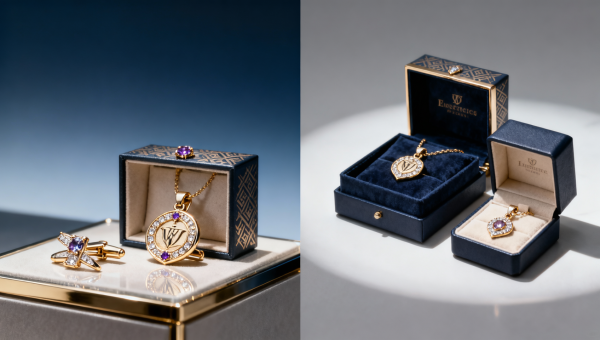
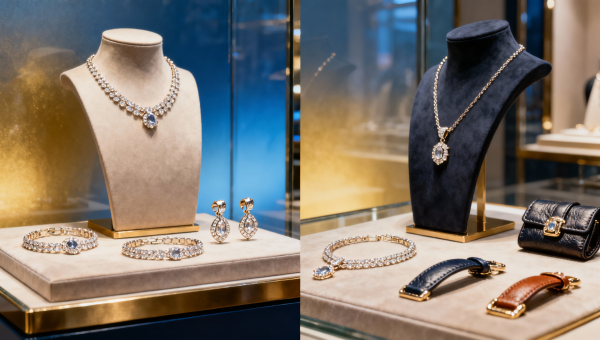
For B2B buyers, depreciation is not only a resale issue. It affects margin stability, inventory turnover, distributor confidence, and end-client perception. A bracelet, cufflink set, pendant, or limited-edition accessory can lose pricing power quickly when branding is inconsistent, precious material content is low relative to ticket price, or replacement demand is too narrow across regions and channels.
This matters even more in experience-led sectors such as leisure destinations, luxury hospitality retail corners, performance venues, and premium gifting programs. Buyers in these segments need accessories that support brand storytelling while still maintaining commercial resilience over 2–4 quarters, not just a launch-week sales spike.
The main commercial drivers behind fast value loss
- Overpricing relative to material value, especially when base metals, thin plating, or low-grade stones are packaged as premium luxury.
- Weak brand equity in international markets, where recognition does not transfer beyond one city, influencer, or short campaign period.
- Inconsistent production quality between batches, creating returns, repair requests, and reduced confidence among distributors and procurement reviewers.
- Limited aftermarket liquidity, meaning fewer dealers or collectors are willing to buy the piece later at acceptable trade values.
In practical sourcing terms, fast depreciation usually signals a mismatch between perceived luxury and durable market demand. GCT helps buyers read these signals earlier by comparing product positioning, sourcing structure, craftsmanship consistency, and channel suitability before orders are placed at small, medium, or rollout scale.
Which product characteristics are most likely to trigger rapid value erosion?
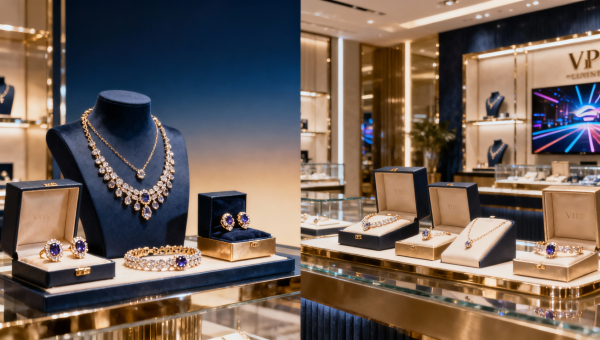
Luxury accessories for men lose value fastest when too much of the selling price depends on marketing atmosphere rather than lasting product fundamentals. In procurement review, the most common risk zones are plating thickness, attachment hardware durability, gemstone setting security, finish consistency, and packaging-to-product imbalance. If the box feels more premium than the item itself, depreciation often follows.
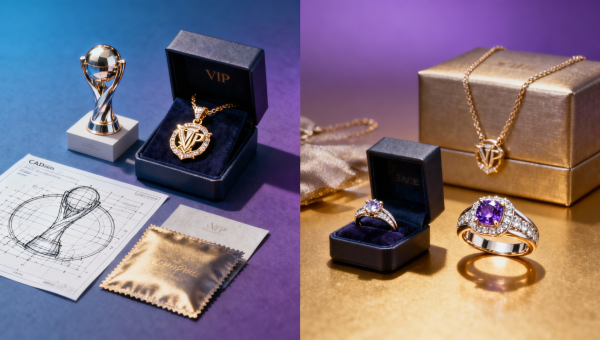
Custom jewelry design can reduce some of these risks, but only when the supplier has stable OEM or ODM capability. A custom jewelry manufacturer that controls prototyping, material sourcing, finishing, and inspection in one workflow is typically better positioned to protect repeatability over 3 production stages: sample confirmation, pilot batch, and bulk delivery.
Another trigger is excessive design novelty. Sports and entertainment channels often reward bold, expressive styling, yet pieces that are too trend-bound may quickly lose relevance. Accessories designed around one event, one athlete endorsement style, or one season’s fashion profile may sell fast initially but create markdown pressure within the next buying cycle.
The table below summarizes the product-level factors that most often influence whether men’s luxury accessories retain commercial value or face accelerated depreciation.
For buyers, the message is straightforward: a premium look is not enough. The better indicator of value retention is whether the accessory can survive repeated commercial scrutiny over 3 dimensions at once: product integrity, channel fit, and enduring buyer demand.
What procurement teams should test before approving a supplier
Core inspection checkpoints
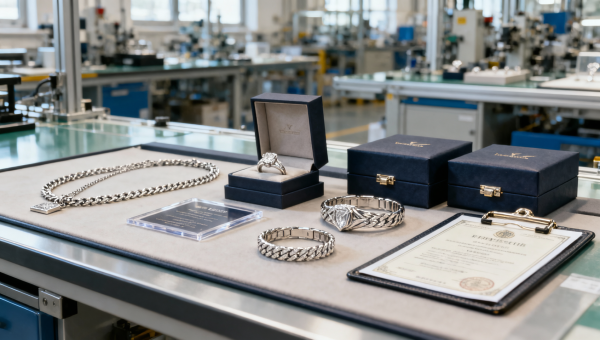
- Request material declarations and verify whether the sales narrative matches the actual precious content or engineered material specification.
- Review at least 2–3 production samples from separate batches, not just one showroom sample.
- Check hardware performance such as clasp security, hinge smoothness, edge finishing, and coating consistency after routine handling.
- Confirm post-sale support windows, repair handling process, and reorder consistency for distributors or project buyers.
How do sourcing models and supplier choices affect resale and margin stability?
A men’s luxury accessory can lose value quickly even when the design is attractive if the sourcing model is weak. Buyers often focus on unit price and overlook the structural impact of fragmented production. When casting, stone setting, plating, engraving, and packaging are managed by different subcontractors without tight coordination, quality drift becomes more likely within 30–90 days of delivery.
For distributors and commercial evaluation teams, supplier maturity matters as much as aesthetics. A capable custom jewelry manufacturer should be able to explain tolerances, finishing sequence, inspection points, and realistic lead times. In many B2B projects, a normal path may include 7–15 days for sample adjustment, 2–4 weeks for pilot production, and a further 3–6 weeks for volume delivery depending on complexity and material sourcing.
Poor supplier transparency speeds depreciation because the market notices inconsistency quickly. End customers compare weight, shine, comfort, closure strength, and wear marks. If two units of the same reference do not match, perceived luxury falls. Once that happens, markdowns spread through retail partners and secondary channels, reducing distributor appetite for replenishment.
The sourcing comparison below can help procurement teams decide which supply structure is more likely to protect value over time.
For commercial buyers in sports and entertainment ecosystems, the best sourcing choice is not always the cheapest or the most artisanal. It is the model that aligns quality control, launch timing, reorder reliability, and brand positioning without creating excess stock that must be discounted after one campaign cycle.
A practical 4-step supplier review process
- Define whether the item is meant for gifting, resale, collector positioning, or branded experience merchandise.
- Ask for sample history, batch photos, and process details covering metalwork, finish, and assembly sequence.
- Test the supplier on lead-time realism, minimum order quantities, and ability to support replenishment within agreed windows.
- Evaluate whether the supplier can maintain the same specification across regional or multi-channel deployment.
Which scenarios in sports and entertainment make depreciation risk even higher?
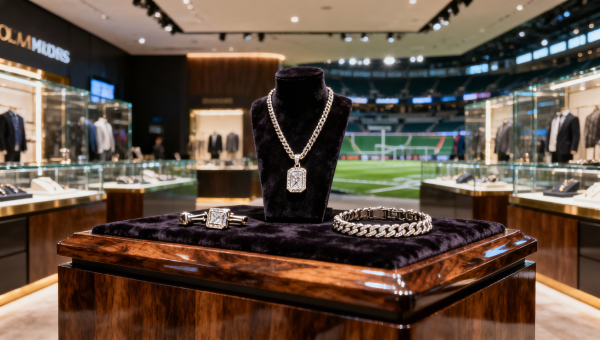
Depreciation risk rises when men’s luxury accessories are tied too tightly to temporary excitement. In sports and entertainment, many accessories are sold through VIP lounges, event retail points, branded hospitality programs, artist merchandise extensions, or premium membership gifts. These channels can generate fast visibility, but they also compress the decision window and can shorten the product’s commercial life to a few weeks or months.
For example, a championship-themed cufflink, backstage-inspired pendant, or limited bracelet launched around one tournament or performance season may perform well during the event period. Yet if the product lacks timeless styling, secondary interest weakens quickly after the event calendar ends. That creates a classic B2B problem: unsold inventory holding premium carrying cost without premium sell-through.
By contrast, accessories designed for broader luxury use cases tend to hold value better. Pieces that work in executive gifting, resort retail, collector display, or cross-season fashion programs have more stable demand. This is where market intelligence matters. GCT helps buyers map product categories to actual usage duration, reorder probability, and channel durability before they commit budget.
High-risk vs more resilient application scenarios
- High-risk scenario: event-specific accessories with branding that becomes outdated in less than 3 months.
- High-risk scenario: influencer-linked designs where demand depends on one personality’s current relevance.
- More resilient scenario: premium men’s accessories designed with subtle identity cues suitable for hospitality, entertainment, and executive gifting at the same time.
- More resilient scenario: custom jewelry design programs built around timeless forms, material transparency, and repeatable replenishment.
Procurement teams should also consider packaging and visual identity risk. Highly customized event packaging can amplify the short-term sales effect but can reduce off-event resale attractiveness. In many cases, a modular packaging strategy performs better: event sleeve outside, timeless core presentation inside. That supports both campaign storytelling and longer shelf relevance.
Three warning signs during commercial evaluation
First, the accessory only makes sense when explained through a campaign story. If the product loses desirability without the campaign narrative, value retention is fragile. Second, reorder strategy is unclear. If buyers cannot estimate whether the item belongs to a 1-off launch or a 2–3 cycle program, overstock risk increases. Third, the product has no broader channel fit beyond one venue or one audience segment.
What should buyers look at before selecting a custom jewelry manufacturer?
When value retention matters, supplier evaluation should move beyond appearance and price. Buyers need a decision framework that covers at least 5 checkpoints: material credibility, process capability, batch consistency, after-sales response, and channel suitability. This is especially important for distributors, agents, and commercial project teams that must justify both financial and brand risk to internal stakeholders.
A strong custom jewelry manufacturer should be able to clarify what is standardized and what is customizable. Buyers should know whether dimensions, plating finish, stone type, engraving depth, logo placement, or packaging elements can be adjusted without disrupting lead time or quality. Customization that looks flexible on paper but breaks the production schedule in practice often leads to rushed output and faster depreciation later.
Compliance and documentation also matter. For international projects, buyers may request common supporting documents related to material declaration, country-of-origin needs, packaging requirements, or specific market entry expectations. While requirements differ by destination, serious suppliers should at least show organized document handling, traceable specifications, and a clear non-conformance response process.
The selection matrix below is useful when comparing suppliers for premium men’s accessories intended for resale, branded gifting, or luxury entertainment environments.
A buyer who uses this type of evaluation is less likely to be trapped by attractive sampling and disappointing scale production. GCT supports this review process by connecting sourcing intelligence with practical commercial judgment, helping teams compare product proposals in a more disciplined way.
Useful procurement questions before final approval
- What portion of the selling price comes from material, craftsmanship, brand premium, and packaging?
- Can the supplier maintain the same finish and assembly quality across low-volume and larger-volume orders?
- Is the design likely to work for 12 months or only for one event quarter?
- What are the realistic reorder, replacement, and documentation support expectations?
Common misconceptions and practical answers for buyers
Many commercial buyers assume that scarcity automatically preserves value. In reality, limited quantity only helps when market demand, craftsmanship credibility, and brand narrative are all durable. A run of 200 pieces can still depreciate quickly if the design is too narrow, the quality is uneven, or there is no credible collector or resale audience.
Another misconception is that a higher launch price signals stronger future value. In men’s luxury accessories, inflated launch pricing without lasting product fundamentals often causes faster decline, not slower. Once distributors detect resistance from end buyers, discounting begins, and that discount history becomes difficult to reverse within the same product line.
A third misconception is that custom jewelry design is inherently riskier than standard catalog sourcing. In fact, well-managed customization can improve value retention by aligning design, material, audience, and channel more precisely. The real risk is poorly controlled customization, where supplier capability does not match the promised level of detail or repeatability.
FAQ
How can buyers tell if a men’s luxury accessory is overpriced?
Review 3 layers: material content, workmanship, and brand support. If the item relies heavily on surface marketing, uses unclear material descriptions, or lacks stable channel recognition, the premium may not hold. Comparing at least 3 supplier quotations with specification detail is usually more useful than comparing price alone.
Are limited editions always safer for distributors?
No. Limited editions work best when tied to a strong audience, documented quality, and a design language that remains desirable after the campaign ends. Without these factors, the item may become aged stock within one sales cycle, especially in event-led entertainment retail.
What lead time should commercial buyers expect?
For many projects, sample refinement can take 7–15 days, pilot production 2–4 weeks, and bulk delivery several additional weeks depending on complexity, finishing, and packaging requirements. Buyers should confirm these ranges early, especially when the accessory is tied to a launch date or venue activation schedule.
Does better packaging help value retention?
Packaging helps presentation, but it cannot compensate for weak product fundamentals. In fact, oversized luxury packaging around a mediocre accessory can signal imbalance to experienced buyers. The strongest programs keep packaging premium but proportionate, with the product itself carrying the core value.
Why work with GCT when evaluating luxury accessories for men?
For information researchers, procurement teams, business evaluators, and channel partners, the challenge is rarely finding suppliers. The real challenge is identifying which luxury accessories for men are commercially durable, which custom jewelry design concepts fit the target market, and which custom jewelry manufacturer can execute consistently across sampling, production, and delivery.
GCT supports this process through focused B2B intelligence built around commercial-use categories, premium sourcing requirements, and cross-market buying logic. Instead of treating luxury accessories as isolated style products, GCT frames them within demand durability, compliance awareness, design practicality, and supply chain reliability. That makes the analysis more useful for real purchasing decisions in hospitality, leisure, entertainment, and specialty retail environments.
If you are reviewing premium men’s accessories for resale, gifting, venue retail, or branded experience programs, GCT can help you compare suppliers, assess value retention risk, and refine a sourcing plan that fits your budget and delivery window. This is especially useful when your team must evaluate 3–5 supplier options under tight timelines and incomplete product transparency.
What you can discuss with GCT
- Parameter confirmation for materials, finishing, packaging, and customization scope.
- Product selection advice for event retail, hospitality gifting, collector positioning, or distributor channels.
- Lead-time planning for samples, pilot runs, repeat orders, and launch-critical delivery windows.
- Support on certification-related documentation expectations, specification review, and sourcing communication.
- Quotation comparison, sample support coordination, and custom jewelry manufacturer shortlisting.
If your objective is not just to buy a stylish item but to source a men’s luxury accessory program with stronger margin control and lower depreciation risk, reaching out early can prevent costly mistakes later. A better brief, a better supplier screen, and a better channel fit usually make the difference between a short-lived premium product and a commercially sustainable one.
Search News
Hot Articles
- Pro Stage AudioFIFA Adopts Chinese Mini-LED Displays for 2026 World Cup VAR SystemApr 24, 2026
- Outdoor RidesChina FA Warns Nanjing City Over Fan Conduct; ISO 20785 Compliance AcceleratesApr 24, 2026
- Pro Stage AudioFan Zhendong Visits Silicon Valley as MLTT Investor, AI Ping-Pong Tech Draws US InterestApr 24, 2026
Popular Tags
Need ExpertConsultation?
Connect with our specialized leisureengineering team for procurementstrategies.
Recommended News
 Apr 23, 2026Texas Launches PFAS Probe Against Lululemon, Export Compliance Risks RisePFAS probe against Lululemon in Texas escalates export compliance risks for sportswear ODMs, testing labs & chemical suppliers — act now.● Luxury Retail Analyst
 Apr 21, 2026FDA Proposes Chinese Label Translation Requirement for Sports SupplementsFDA proposes Chinese label translation requirements for sports supplements—learn how protein powders, BCAAs & creatine brands can prepare for Q3 2026 compliance.● Luxury Retail Analyst
 Apr 21, 2026CPSC Urgent Alert: PFAS in Fitness Apparel Risks US Import DelaysPFAS in fitness apparel triggers CPSC alerts—avoid US import delays! Get CPSC-recognized PFAS testing, compliance tips & port detention prevention now.● Luxury Retail Analyst
 Apr 20, 2026US CPSC Alert: PFAS in Fitness Apparel May Delay US Import ClearancePFAS in fitness apparel may delay US import clearance—learn how the Texas AG probe & CPSC alert impact compliance, testing, and supply chains now.● Luxury Retail Analyst
 Apr 15, 2026FDA Updates Guidelines for Sports Nutrition Supplement Labels: Chinese Translations Must Be FDA-CertifiedFDA now requires Chinese translations on sports nutrition supplement labels to be FDA-certified. Learn how this impacts manufacturers, importers, and compliance timelines for US market access.● Luxury Retail Analyst
 Apr 14, 2026Japan Updates Jewelry Labeling Rules: Mandatory China Factory Codes from April 2026Japan's new jewelry labeling rules mandate 'Country of Origin + China Factory Code' (CN-FAC-XXXXX) from April 2026. Learn how this impacts Chinese exporters and Japanese importers in the $2.1B precious metals market.● Luxury Retail Analyst
 Apr 14, 2026RCEP Tariff Cuts Boost China's Optical Lens Exports to ASEANRCEP tariff cuts boost China's optical lens exports to ASEAN with 0% duties on CR-39 & polycarbonate lenses. Learn how this + faster logistics create new trade opportunities.● Luxury Retail Analyst
 Apr 14, 2026US CPSC Proposes Stricter Lead Limits in Children's Jewelry, Impacting Chinese ExportersUS CPSC proposes stricter lead limits (40ppm) in children's jewelry, impacting Chinese exporters with new compliance challenges. Learn how this 2026 regulation affects manufacturers & supply chains.● Luxury Retail Analyst
 Apr 14, 2026EU's Revised EN 14138:2026 Eyewear Nickel Standard Takes Effect, Impacting Chinese ExportersEU's EN 14138:2026 eyewear standard tightens nickel limits to 0.2μg/cm²/week, impacting Chinese exporters. Learn compliance strategies for EU market access.● Luxury Retail Analyst
 Apr 25, 2026Custom Jewelry for Corporate Gifts That LastCustom jewelry for corporate gifts from a trusted custom jewelry manufacturer—discover custom jewelry design, high-end luxury jewelry, and scalable luxury jewelry B2B solutions.● Luxury Retail Analyst
 Apr 25, 2026What a Good Luxury Accessories Catalog IncludesLuxury accessories catalog guide covering custom jewelry design, high-end luxury jewelry, luxury accessories for men and women, and trusted luxury jewelry B2B sourcing insights.● Luxury Retail Analyst
 Apr 22, 2026Why Some Luxury Jewelry Collections Lose Value in DisplayLuxury jewelry in a trampoline park, indoor playground, arcade games or musical instruments venue can lose value fast. Discover smarter display strategies that protect premium appeal and buyer confidence.● Luxury Retail Analyst
 Apr 22, 2026Luxury Jewelry Trends in 2026 That Are Shaping Retail DemandLuxury jewelry trends in 2026 reveal how luxury jewelry, trampoline park, indoor playground, arcade games, office supplies, and musical instruments shape premium retail demand.● Luxury Retail Analyst
 Apr 25, 2026Luxury Accessories for Women That Hold Value Beyond TrendsLuxury accessories for women that hold value beyond trends—compare high-end luxury jewelry, custom luxury jewelry, and smart B2B sourcing insights for premium sport and entertainment retail.● Luxury Retail Analyst
 Apr 25, 2026Why Some Luxury Accessories for Women Feel Premium and Others Do NotLuxury accessories for women that feel truly premium rely on craftsmanship, materials, and supplier credibility. Explore custom luxury jewelry and high-end luxury jewelry sourcing insights for smarter B2B buying.● Luxury Retail Analyst
 Apr 25, 2026High-End Luxury Jewelry: What Actually Sets It Apart?High-end luxury jewelry buying guide: compare custom luxury jewelry, craftsmanship, compliance, and supplier reliability for premium retail and luxury accessories for women.● Luxury Retail Analyst
 Apr 25, 2026When High-End Luxury Jewelry Pricing Stops Making SenseHigh-end luxury jewelry pricing explained: learn when custom luxury jewelry delivers real value, how luxury accessories for women compare, and what buyers should ask before paying a premium.● Luxury Retail Analyst
 Apr 25, 2026Custom Luxury Jewelry: How Long Does True Customization Take?Custom luxury jewelry lead times explained: compare true customization, high-end luxury jewelry value, and luxury accessories for women to plan sourcing with confidence.● Luxury Retail Analyst
 Apr 25, 2026What Gets Lost When Custom Luxury Jewelry Is RushedCustom luxury jewelry rushed too fast can undermine craftsmanship, material trust, and brand value. Learn how high-end luxury jewelry buyers protect quality, margin, and sourcing success.● Luxury Retail Analyst
 Apr 25, 2026Why some luxury accessories for men lose value fastLuxury accessories for men lose value fast when hype, weak craftsmanship, and poor sourcing collide. Explore custom jewelry design insights and how a custom jewelry manufacturer can help buyers protect margins.● Luxury Retail Analyst
 Apr 25, 2026What a reliable custom jewelry manufacturer should confirm firstCustom jewelry manufacturer guide: learn what to confirm first in custom jewelry design, from materials and compliance to timelines, to source smarter and reduce risk.● Luxury Retail Analyst
 Apr 21, 2026Custom jewelry design mistakes that delay samplingCustom jewelry design mistakes that delay sampling: learn how to brief a custom jewelry manufacturer, avoid costly revisions, and keep sports & entertainment launches on schedule.● Luxury Retail Analyst
 Apr 22, 2026Luxury accessories for men that still feel relevant in 2026Luxury accessories for men in 2026: discover how custom jewelry design and the right custom jewelry manufacturer help sports and entertainment buyers boost premium retail, gifting, and venue profits.● Luxury Retail Analyst
 Apr 22, 2026Custom jewelry manufacturer red flags before mass productionCustom jewelry manufacturer red flags before mass production: learn how to assess custom jewelry design quality, protect luxury accessories for men, and avoid costly sourcing mistakes.● Luxury Retail Analyst