Custom Jewelry for Corporate Gifts That Last
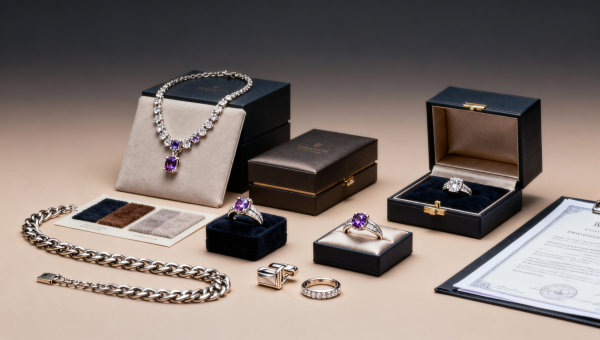
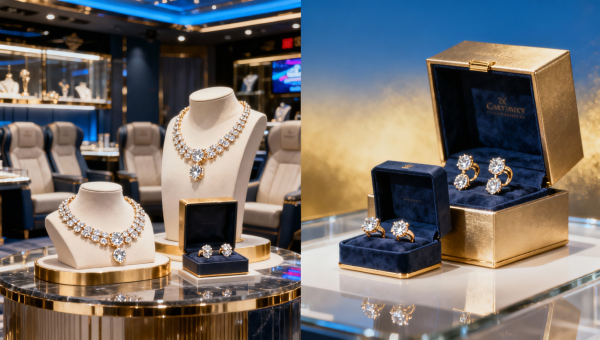
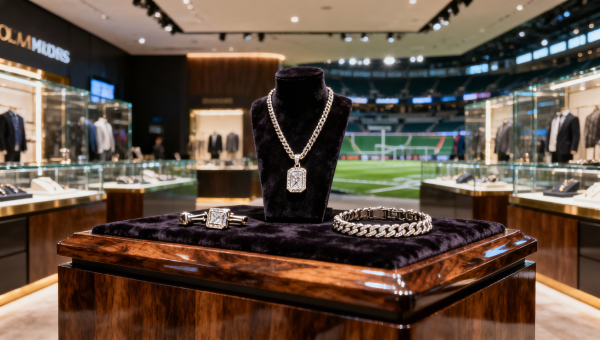
Custom jewelry for corporate gifts offers a lasting way to express brand value, strengthen partnerships, and elevate premium business experiences. For buyers comparing a custom jewelry manufacturer or exploring custom jewelry design, the right solution blends craftsmanship, brand alignment, and sourcing reliability. In the world of high-end luxury jewelry, corporate gifting is no longer optional—it is a strategic investment in memorable, long-term commercial relationships.
Why custom jewelry has become a serious corporate gifting strategy
In the jewelry and luxury accessories sector, corporate gifts are no longer judged only by packaging or unit cost. Buyers now evaluate whether the gift reflects executive value, brand positioning, and long-term recall. Custom jewelry stands out because it is wearable, collectible, and emotionally durable. Compared with seasonal gift baskets or standard promotional items, a well-designed piece can remain relevant for 3–10 years or longer in daily or ceremonial use.
For procurement teams, this shift changes the decision model. The question is not simply, “What can we buy quickly?” but rather, “What can reinforce client retention, distributor loyalty, or leadership recognition across multiple markets?” In premium hospitality, luxury retail, and institutional partnership programs, custom jewelry for corporate gifts often supports milestone events, VIP onboarding, annual recognition, and limited-edition brand collaborations in batches ranging from 50 to 5,000 pieces.
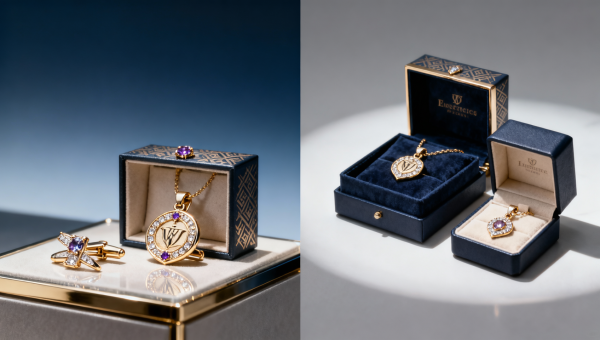
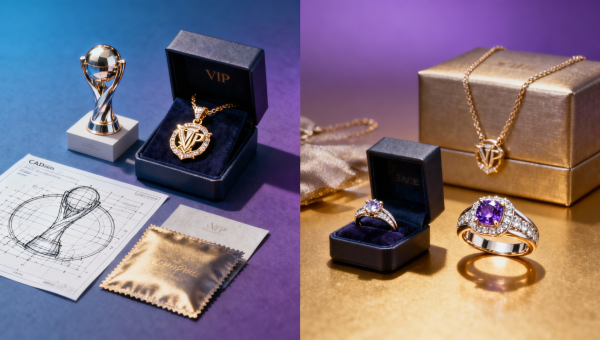
This is especially relevant when the audience includes high-value distributors, regional agents, investment partners, or senior management. A custom jewelry design can integrate a company monogram, anniversary motif, gemstone color linked to brand identity, or a discreet symbolic element. These details matter because they turn the gift from a generic object into a branded asset with emotional and commercial weight.
Global Commercial Trade supports this buying process by connecting commercial decision-makers with sourcing intelligence that goes beyond catalog comparison. In practice, buyers need to balance aesthetics, OEM or ODM capability, cross-border production reliability, and compliance expectations. That is where a specialized sourcing hub becomes useful: it shortens evaluation cycles, clarifies supplier capability, and helps buyers avoid expensive mismatches between concept and production reality.
What makes jewelry more effective than many standard corporate gifts?
- It delivers a stronger perceived value-to-size ratio, which matters for executive gifting and international shipping.
- It supports brand storytelling through engraving, metal selection, gemstone accents, and presentation packaging.
- It works across sectors such as hotels, luxury retail, education leadership awards, and premium channel partner programs.
- It can be developed in 3 common scales: small-run bespoke gifts, mid-volume event programs, and large-volume branded recognition projects.
Which corporate scenarios are best suited for custom jewelry gifts?
Not every business situation requires high-end luxury jewelry, but several B2B scenarios strongly justify it. Procurement teams typically see the best return where the recipient group influences revenue, reputation, or strategic cooperation. In these cases, custom jewelry for corporate gifts functions less like a giveaway and more like a prestige tool attached to a business objective.
Hospitality groups often use custom pins, cufflinks, brooches, pendants, or commemorative bracelets for VIP opening ceremonies, owner relations, and loyalty recognition. Luxury retailers may create limited-edition jewelry gifts to reward top distributors or celebrate regional launch events. Educational and institutional buyers can also use jewelry-style recognition pieces for board members, donor circles, and heritage anniversaries where a higher symbolic value is expected.
The choice of item depends on wearability, cultural appropriateness, and recipient profile. For example, cufflinks may work well in formal executive settings, while unisex lapel pins or pendants fit broader international programs. For projects with 2–4 target recipient groups, many buyers split the program into tiered gift levels rather than forcing one design to serve every role.
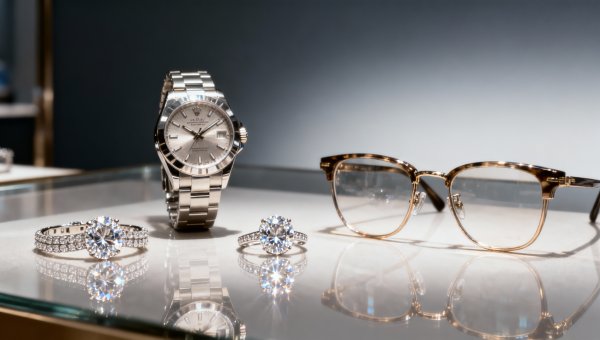
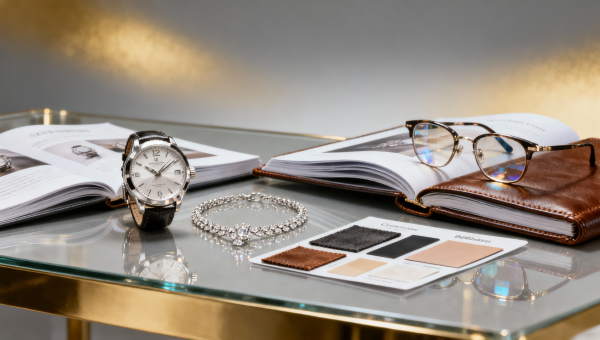
A practical sourcing review should also consider how jewelry compares with watches and premium eyewear accessories in adjacent luxury categories. Watches often carry higher unit costs and more service implications. Eyewear-related gifts can be stylish but may face fit or personal preference issues. Jewelry usually offers the broadest range of customization without creating sizing complexity at scale.
Typical application scenarios by business objective
The table below helps buyers compare where custom jewelry design is most commercially appropriate, how large the project usually becomes, and what type of product works best for each use case.
The strongest pattern is clear: the more strategic the recipient, the more buyers prioritize design integrity and finishing quality over low unit price. For larger programs, repeatability, plating consistency, and packaging efficiency become equally important. This is where a capable custom jewelry manufacturer must prove that prototype quality can actually scale into production.
How to match product type to recipient profile
- Choose unisex pin or medallion formats when the recipient list spans multiple countries and dress codes.
- Use cufflinks or formal accessories for senior management groups with clear business attire norms.
- Select compact jewelry formats under straightforward packaging dimensions when air shipment timing is critical.
- Reserve gemstone-intensive items for smaller VIP batches where visual differentiation justifies longer production windows.
How should buyers evaluate a custom jewelry manufacturer?
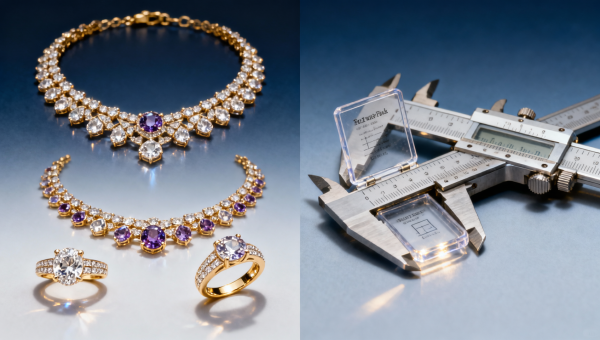
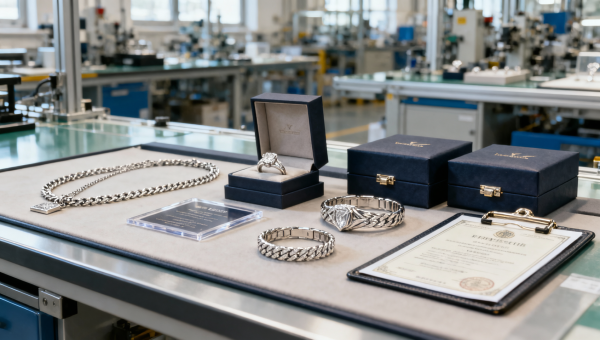
A custom jewelry manufacturer should be assessed through three lenses: design translation, production control, and commercial reliability. Many sourcing failures happen because buyers focus too much on rendering quality and too little on process evidence. A polished 3D concept is useful, but it does not confirm whether the supplier can maintain metal finish, stone setting stability, and engraving clarity across 300 or 3,000 pieces.
For most B2B projects, the evaluation process should include at least 5 checks: material proposal, prototype review, finish consistency, packaging specification, and delivery planning. If the project includes multiple destinations, buyers should also ask about carton labeling, batch traceability, and support for split shipment schedules over 2–3 dispatch waves.
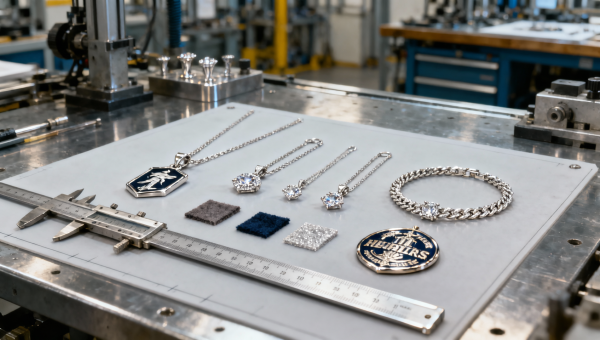
Design capability matters because custom jewelry design is rarely linear. Buyers often begin with a logo idea, then discover that line thickness, clasp type, plating tone, or stone size must change for comfort, cost, or visual balance. Manufacturers with commercial experience can guide these adjustments early, reducing revision loops that might otherwise add 7–14 days to development.
GCT adds value here by helping buyers compare suppliers within a commercial context rather than a purely artistic one. For procurement and business assessment teams, the key question is whether the supplier understands luxury positioning while still operating with measurable sourcing discipline. That combination is more important than dramatic sales language or excessive catalog breadth.
Key evaluation criteria for sourcing teams
The table below summarizes the practical criteria most relevant when selecting a custom jewelry manufacturer for corporate gifting programs.
For business evaluators, the most useful signal is consistency across these dimensions. A supplier that scores well in only one area, such as creative design, may still be unsuitable if lead times are unstable or quotation details are unclear. In corporate gifting, reliability often determines whether a premium concept becomes a successful program.
A practical 4-step procurement workflow
- Define recipient tiers, target quantity, price band, and desired presentation level before requesting design concepts.
- Request a technical proposal covering materials, plating, dimensions, packaging, and estimated lead time in one document.
- Approve a pre-production sample and confirm any branding details, especially engraving depth, color, and insert cards.
- Set inspection and dispatch checkpoints, particularly if the order will ship to more than one destination or event site.
What should procurement teams know about materials, cost, and compliance?
Cost in custom jewelry is driven by more than metal price. The total sourcing picture usually includes mold or tooling, plating or polishing complexity, stone setting, engraving, packaging, and quality control. For corporate gifting, buyers often need to optimize visual impact within a target budget rather than simply aiming for the lowest-cost base material.
Common material routes include brass, sterling silver, stainless steel, or other commercial jewelry alloys, with plating or surface treatment selected according to the intended price point and visual requirement. For higher-end luxury jewelry presentation, buyers may prefer silver-based or premium-finish options for smaller runs. For larger recognition programs, well-executed brass or steel solutions may provide a more balanced cost-to-appearance ratio.
Lead time also affects cost. A standard program may require 2–4 weeks for design and sample confirmation, followed by 3–6 weeks for production depending on complexity and quantity. Tight event deadlines can increase freight cost or reduce room for iterative sampling. For this reason, corporate buyers should align internal approvals early, especially when multiple departments must review branding, budget, and compliance.
Compliance expectations vary by destination market and item category. While requirements depend on material composition and market entry route, buyers commonly ask suppliers to support documentation related to material declarations, plating content communication, labeling, and general product safety expectations. Clear communication is essential, especially for gifts distributed in the EU, North America, or institutional settings with stricter procurement controls.
Cost and material trade-offs in corporate jewelry sourcing
The table below gives a decision-oriented view of common options used in custom jewelry for corporate gifts. It is intended to help buyers compare practical sourcing routes rather than make a one-size-fits-all recommendation.
In many projects, the best answer is not the most expensive material. It is the configuration that aligns appearance, brand status, delivery schedule, and recipient expectations. Experienced sourcing teams often test 2–3 material and packaging combinations before approving one route for final production.
Common compliance and quality checkpoints
- Confirm material composition disclosure and plating information before mass production begins.
- Check mechanical details such as pin backs, clasps, chain links, or stone settings during sample review.
- Review packaging language, country-of-origin statements, and barcode or label needs for each market.
- Use a pre-shipment review covering finish consistency, count accuracy, accessory completeness, and carton marking.
What mistakes do buyers make, and how can they avoid them?
One common mistake is treating custom jewelry like a standard promotional product. In reality, jewelry is highly sensitive to proportion, finish, and presentation. Small changes in thickness, plating tone, or stone size can dramatically alter the final impression. If buyers approve only digital artwork and skip a meaningful sample review, they increase the chance of dissatisfaction at delivery.
Another mistake is over-branding the product. A large logo may satisfy internal stakeholders but reduce wearability for recipients. The best custom jewelry design usually signals the brand subtly through shape language, engraving, or packaging rather than turning the piece into visible advertising. This is especially important when gifting senior clients or international partners who value elegance over overt promotion.
Procurement teams also underestimate approval timing. A project with 3 internal stakeholders, 2 sample revisions, and international shipping can quickly stretch beyond a nominal 4-week expectation. Corporate gifting programs tied to openings, annual meetings, or holiday schedules should ideally begin 8–12 weeks ahead when the product is bespoke and presentation-sensitive.
Finally, some buyers compare quotations without normalizing scope. One proposal may include gift box, insert card, and individual polybag; another may cover only the jewelry itself. Without a line-by-line comparison, a cheaper quote may produce higher final cost or a weaker recipient experience. Decision-makers should always compare specification depth, not just headline price.
FAQ for corporate buyers and sourcing teams
How long does a custom jewelry corporate gift project usually take?
A typical timeline includes 1–2 weeks for design discussion, 1–2 weeks for sample development, and 3–6 weeks for production, depending on complexity and quantity. If the project includes premium packaging, multiple delivery points, or several approval layers, buyers should plan for a broader 6–10 week window to stay safe.
What minimum order quantity should buyers expect?
MOQ depends on process, material, and packaging setup. Many corporate gift programs are feasible at small to medium runs, but the cost structure changes significantly between 50 pieces and 500 pieces. Buyers should ask for pricing at 3 quantity levels so they can compare budget impact before internal approval.
Is high-end luxury jewelry always necessary for executive gifting?
Not always. The better question is whether the item feels premium in context. A carefully finished mid-tier piece with elegant packaging and tasteful personalization may outperform a higher-cost item with poor branding balance. Executive gifting succeeds when the product, story, and delivery experience feel coherent.
What should distributors or agents look for if they plan to resell or co-brand?
They should confirm design ownership boundaries, branding permissions, repeat-order consistency, packaging adaptability, and support for regional variations. A manufacturer that can hold aesthetic consistency across batches is valuable when distributors need a long-running branded gift or incentive line rather than a one-time event piece.
Why work with a specialized sourcing partner for custom jewelry programs?
For information researchers and procurement professionals, the difficulty is not finding suppliers. The difficulty is filtering which suppliers can actually support premium commercial outcomes. In jewelry and luxury accessories, that means understanding design intent, production readiness, compliance expectations, and international business communication at the same time.
Global Commercial Trade is built for this type of decision environment. Instead of presenting generic supplier noise, GCT focuses on commercial sourcing intelligence for buyers operating in premium experiential sectors. That matters when your project is tied to a hotel opening, executive recognition event, regional distributor program, or luxury brand partnership where mistakes are visible and timelines are fixed.
If you are evaluating a custom jewelry manufacturer, refining a custom jewelry design, or comparing options in high-end luxury jewelry for corporate gifts, a structured sourcing discussion can save both time and budget. The most productive conversations usually start with 6 practical items: target quantity, budget range, recipient profile, desired material level, packaging expectation, and required delivery date.
Contact us to discuss sample support, product selection, material and finish recommendations, packaging configuration, lead time planning, compliance documentation needs, and quotation comparison. Whether you need a small VIP gifting series or a multi-market corporate jewelry program, a focused sourcing review can help you move from idea to commercially reliable execution with fewer revisions and better purchasing confidence.
Search News
Hot Articles
- Pro Stage AudioFIFA Adopts Chinese Mini-LED Displays for 2026 World Cup VAR SystemApr 24, 2026
- Outdoor RidesChina FA Warns Nanjing City Over Fan Conduct; ISO 20785 Compliance AcceleratesApr 24, 2026
- Pro Stage AudioFan Zhendong Visits Silicon Valley as MLTT Investor, AI Ping-Pong Tech Draws US InterestApr 24, 2026
Popular Tags
Need ExpertConsultation?
Connect with our specialized leisureengineering team for procurementstrategies.
Recommended News
 Apr 23, 2026Texas Launches PFAS Probe Against Lululemon, Export Compliance Risks RisePFAS probe against Lululemon in Texas escalates export compliance risks for sportswear ODMs, testing labs & chemical suppliers — act now.● Luxury Retail Analyst
 Apr 21, 2026FDA Proposes Chinese Label Translation Requirement for Sports SupplementsFDA proposes Chinese label translation requirements for sports supplements—learn how protein powders, BCAAs & creatine brands can prepare for Q3 2026 compliance.● Luxury Retail Analyst
 Apr 21, 2026CPSC Urgent Alert: PFAS in Fitness Apparel Risks US Import DelaysPFAS in fitness apparel triggers CPSC alerts—avoid US import delays! Get CPSC-recognized PFAS testing, compliance tips & port detention prevention now.● Luxury Retail Analyst
 Apr 20, 2026US CPSC Alert: PFAS in Fitness Apparel May Delay US Import ClearancePFAS in fitness apparel may delay US import clearance—learn how the Texas AG probe & CPSC alert impact compliance, testing, and supply chains now.● Luxury Retail Analyst
 Apr 15, 2026FDA Updates Guidelines for Sports Nutrition Supplement Labels: Chinese Translations Must Be FDA-CertifiedFDA now requires Chinese translations on sports nutrition supplement labels to be FDA-certified. Learn how this impacts manufacturers, importers, and compliance timelines for US market access.● Luxury Retail Analyst
 Apr 14, 2026Japan Updates Jewelry Labeling Rules: Mandatory China Factory Codes from April 2026Japan's new jewelry labeling rules mandate 'Country of Origin + China Factory Code' (CN-FAC-XXXXX) from April 2026. Learn how this impacts Chinese exporters and Japanese importers in the $2.1B precious metals market.● Luxury Retail Analyst
 Apr 14, 2026RCEP Tariff Cuts Boost China's Optical Lens Exports to ASEANRCEP tariff cuts boost China's optical lens exports to ASEAN with 0% duties on CR-39 & polycarbonate lenses. Learn how this + faster logistics create new trade opportunities.● Luxury Retail Analyst
 Apr 14, 2026US CPSC Proposes Stricter Lead Limits in Children's Jewelry, Impacting Chinese ExportersUS CPSC proposes stricter lead limits (40ppm) in children's jewelry, impacting Chinese exporters with new compliance challenges. Learn how this 2026 regulation affects manufacturers & supply chains.● Luxury Retail Analyst
 Apr 14, 2026EU's Revised EN 14138:2026 Eyewear Nickel Standard Takes Effect, Impacting Chinese ExportersEU's EN 14138:2026 eyewear standard tightens nickel limits to 0.2μg/cm²/week, impacting Chinese exporters. Learn compliance strategies for EU market access.● Luxury Retail Analyst
 Apr 25, 2026Luxury Jewelry B2B in 2026: What Changes?Luxury jewelry B2B in 2026: explore custom jewelry design, custom jewelry manufacturer trends, luxury jewelry wholesale shifts, and how custom luxury jewelry drives faster, safer growth.● Luxury Retail Analyst
 Apr 25, 2026How to Grow a Luxury Accessories Online StoreLearn how to grow a luxury accessories online store with custom jewelry design, a trusted custom jewelry manufacturer, luxury accessories wholesale strategy, and high-end luxury jewelry that converts.● Luxury Retail Analyst
 Apr 25, 2026Custom Jewelry for Corporate Gifts That LastCustom jewelry for corporate gifts from a trusted custom jewelry manufacturer—discover custom jewelry design, high-end luxury jewelry, and scalable luxury jewelry B2B solutions.● Luxury Retail Analyst
 Apr 25, 2026What a Good Luxury Accessories Catalog IncludesLuxury accessories catalog guide covering custom jewelry design, high-end luxury jewelry, luxury accessories for men and women, and trusted luxury jewelry B2B sourcing insights.● Luxury Retail Analyst
 Apr 22, 2026Why Some Luxury Jewelry Collections Lose Value in DisplayLuxury jewelry in a trampoline park, indoor playground, arcade games or musical instruments venue can lose value fast. Discover smarter display strategies that protect premium appeal and buyer confidence.● Luxury Retail Analyst
 Apr 22, 2026Luxury Jewelry Trends in 2026 That Are Shaping Retail DemandLuxury jewelry trends in 2026 reveal how luxury jewelry, trampoline park, indoor playground, arcade games, office supplies, and musical instruments shape premium retail demand.● Luxury Retail Analyst
 Apr 25, 2026Luxury Accessories for Women That Hold Value Beyond TrendsLuxury accessories for women that hold value beyond trends—compare high-end luxury jewelry, custom luxury jewelry, and smart B2B sourcing insights for premium sport and entertainment retail.● Luxury Retail Analyst
 Apr 25, 2026Why Some Luxury Accessories for Women Feel Premium and Others Do NotLuxury accessories for women that feel truly premium rely on craftsmanship, materials, and supplier credibility. Explore custom luxury jewelry and high-end luxury jewelry sourcing insights for smarter B2B buying.● Luxury Retail Analyst
 Apr 25, 2026High-End Luxury Jewelry: What Actually Sets It Apart?High-end luxury jewelry buying guide: compare custom luxury jewelry, craftsmanship, compliance, and supplier reliability for premium retail and luxury accessories for women.● Luxury Retail Analyst
 Apr 25, 2026When High-End Luxury Jewelry Pricing Stops Making SenseHigh-end luxury jewelry pricing explained: learn when custom luxury jewelry delivers real value, how luxury accessories for women compare, and what buyers should ask before paying a premium.● Luxury Retail Analyst
 Apr 25, 2026Custom Luxury Jewelry: How Long Does True Customization Take?Custom luxury jewelry lead times explained: compare true customization, high-end luxury jewelry value, and luxury accessories for women to plan sourcing with confidence.● Luxury Retail Analyst
 Apr 25, 2026What Gets Lost When Custom Luxury Jewelry Is RushedCustom luxury jewelry rushed too fast can undermine craftsmanship, material trust, and brand value. Learn how high-end luxury jewelry buyers protect quality, margin, and sourcing success.● Luxury Retail Analyst
 Apr 25, 2026Why some luxury accessories for men lose value fastLuxury accessories for men lose value fast when hype, weak craftsmanship, and poor sourcing collide. Explore custom jewelry design insights and how a custom jewelry manufacturer can help buyers protect margins.● Luxury Retail Analyst
 Apr 25, 2026What a reliable custom jewelry manufacturer should confirm firstCustom jewelry manufacturer guide: learn what to confirm first in custom jewelry design, from materials and compliance to timelines, to source smarter and reduce risk.● Luxury Retail Analyst
 Apr 21, 2026Custom jewelry design mistakes that delay samplingCustom jewelry design mistakes that delay sampling: learn how to brief a custom jewelry manufacturer, avoid costly revisions, and keep sports & entertainment launches on schedule.● Luxury Retail Analyst