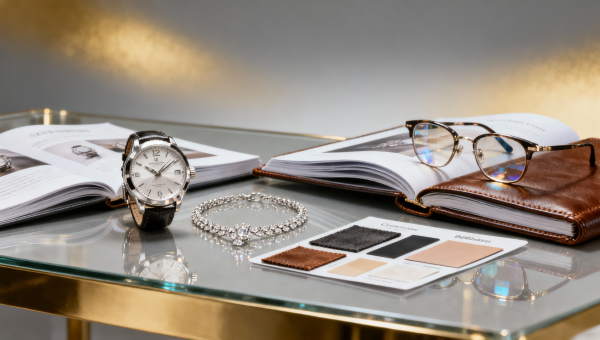
What a Good Luxury Accessories Catalog Includes
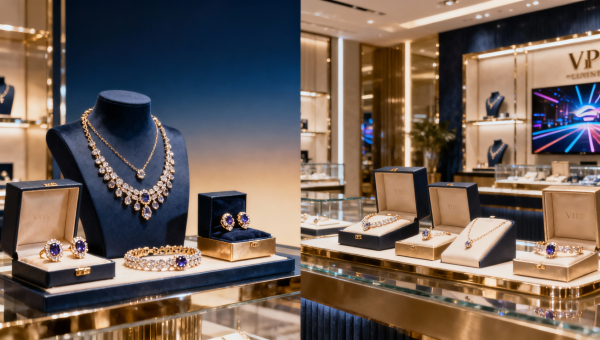
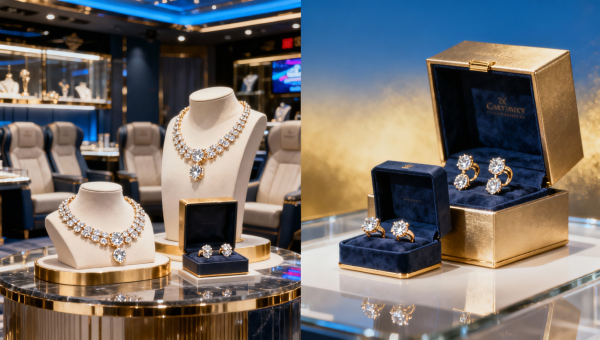
A good luxury accessories catalog does more than showcase products—it helps buyers compare quality, design, customization, and sourcing reliability at a glance. For procurement teams, distributors, and brand evaluators, the best luxury accessories catalog should clearly present custom jewelry design options, high-end luxury jewelry collections, luxury accessories for men and women, and trusted luxury jewelry B2B or wholesale capabilities.
In the watches, jewelry, and eyewear sector, a catalog is often the first serious screening tool in a sourcing process that may involve 3 to 6 decision-makers, sample approvals, price benchmarking, and regional compliance checks. If the document lacks structure, procurement teams lose time comparing SKUs, distributors miss margin signals, and brand evaluators struggle to judge whether a supplier can support premium positioning.
For global buyers working with specialty retail, hospitality boutiques, airport duty-free channels, luxury gifting programs, or branded merchandise collections, the right catalog should function as both a product portfolio and a commercial briefing. It should explain what is available, what can be customized, how fast orders can be delivered, and what level of quality control can be expected.
This is especially relevant for B2B sourcing platforms such as Global Commercial Trade, where buyers are not only looking for attractive pieces but also for manufacturers and trading partners who can deliver consistency across multiple collections, seasonal launches, and wholesale replenishment cycles. A strong luxury accessories catalog reduces uncertainty and helps qualified buyers move faster from inquiry to shortlist.
Core Product Information Every Luxury Accessories Catalog Should Include
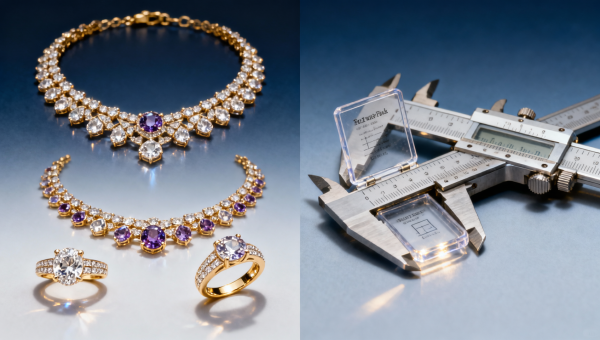
The foundation of a good luxury accessories catalog is product clarity. In premium watches, jewelry, and eyewear, buyers need more than polished photography. They need material data, construction details, size references, finish options, and collection positioning. A catalog that only uses lifestyle images may look elegant, but it is difficult to evaluate for wholesale or procurement use.
At minimum, each item page should include 6 key data points: product category, main material, dimensions, finish or plating, target market, and order basis. For example, a jewelry buyer may need to distinguish between sterling silver, brass with gold plating, stainless steel, or solid gold construction. An eyewear distributor may want frame material, lens category, hinge type, and packaging specification in one view.
For luxury watches, the catalog should state movement type, case material, water resistance range, strap options, and whether the line is fashion-driven, gifting-oriented, or suitable for long-term retail programs. Even a simple specification range such as 3 ATM to 10 ATM water resistance immediately helps a buyer sort products by intended use and pricing strategy.
The same logic applies to jewelry and eyewear collections. A ring catalog without size ranges, stone type descriptions, or setting methods creates unnecessary back-and-forth. Eyewear pages without lens width, bridge width, temple length, or acetate versus metal frame distinctions are incomplete for commercial evaluation.
What Buyers Expect on Each Product Entry
Procurement teams usually compare multiple suppliers within 7 to 21 days. During that period, they need standardized product entries that support fast filtering. A luxury accessories catalog should therefore maintain a consistent layout instead of mixing editorial language with incomplete spec sheets.
- Unique SKU or reference number for quotation and reordering
- Material breakdown such as 925 silver, titanium, stainless steel, acetate, TR90, or plated brass
- Dimensions including watch case diameter, chain length, frame measurements, or pendant size
- Colorways and finish options, such as rose gold, rhodium, matte black, or tortoiseshell
- Packaging details, especially if the goods will be used for gifting, retail display, or hotel boutique placement
When these details are missing, buyers cannot calculate landed cost, retail fit, or shelf presentation. In practical B2B terms, an incomplete catalog slows down sample requests and weakens supplier credibility.
The table below shows how product information should differ by category within a luxury accessories catalog.
A well-structured product page turns a catalog into a working commercial tool. Buyers can shortlist faster, sales teams can quote more accurately, and distributors can determine where each collection fits across premium retail, concept stores, travel retail, or private-label programs.
Customization, OEM, and Private Label Details That Support Real Sourcing Decisions
In the luxury accessories business, many commercial buyers are not looking for off-the-shelf products alone. They may need custom jewelry design, branded watch sets, private-label eyewear, or exclusive capsule collections for a retail chain or hospitality group. A catalog that ignores customization limits its value in serious sourcing conversations.
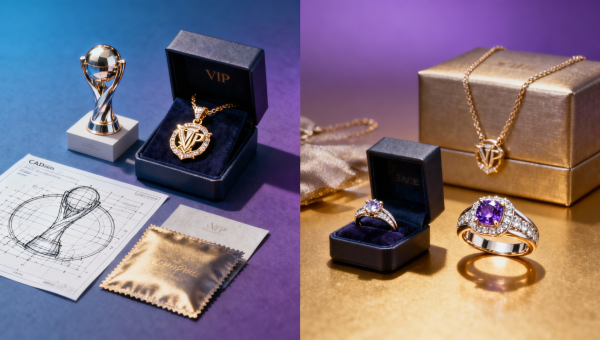
The best luxury accessories catalog should clearly separate standard collections from OEM and ODM capabilities. Buyers need to know whether the supplier can modify 1 detail, such as logo engraving, or support a full development path including sketches, material sampling, prototype review, packaging adaptation, and production rollout. The difference can affect budget, timeline, and supplier selection.
Typical commercial buyers will ask about MOQ, development lead time, sampling charges, and revision rounds. If a catalog states that custom jewelry samples take 10 to 20 business days and production follows in 30 to 60 days depending on complexity, the buyer can immediately assess project fit. Without this, the sourcing process becomes vague and slower.
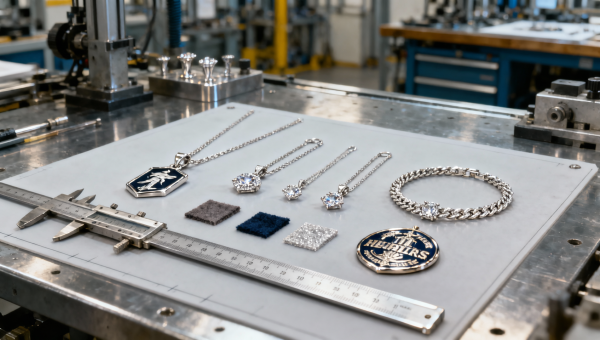
For watches and eyewear, customization can involve dial artwork, buckle branding, frame color matching, lens tint options, temple engraving, or premium packaging. For jewelry, the variables often include plating tone, stone selection, chain length, logo tag, clasp style, and gift box design. These options should be presented in a clean matrix rather than hidden in sales conversations.
How Custom Capabilities Should Be Presented
A reliable catalog does not simply say “customization available.” It explains the operational scope. That helps procurement managers compare suppliers with fewer follow-up emails and prevents misunderstandings during quoting.
Recommended customization fields
- Branding positions: dial, clasp, caseback, pendant tag, temple arm, lens cloth, or box lid
- Material choices: metal grade, acetate color, strap leather, gemstone class, anti-scratch lens option
- Design development stages: artwork approval, prototype, pre-production sample, mass production
- Commercial terms: MOQ range, sampling time, production cycle, packaging surcharge, and revision limits
This level of detail is especially useful for distributors and agents who may present a supplier to downstream clients. They need catalog-ready information they can reuse in line reviews and buyer presentations.
The following table shows a practical way to present customization capabilities inside a luxury accessories catalog.
When a catalog includes these operational details, it becomes easier for commercial buyers to assess not only design appeal but also production fit. That is crucial in luxury jewelry B2B and wholesale environments, where late launches or unclear MOQs can undermine margin and inventory planning.
Quality, Compliance, and Sourcing Reliability Signals Buyers Look For
A luxury accessories catalog should also help buyers judge supplier reliability. Premium appearance alone is not enough. In watches, jewelry, and eyewear, commercial buyers need confidence that finishes are stable, components are consistent, and packaging arrives as specified. A catalog that includes quality checkpoints and sourcing policies has far more decision value than one focused only on aesthetics.
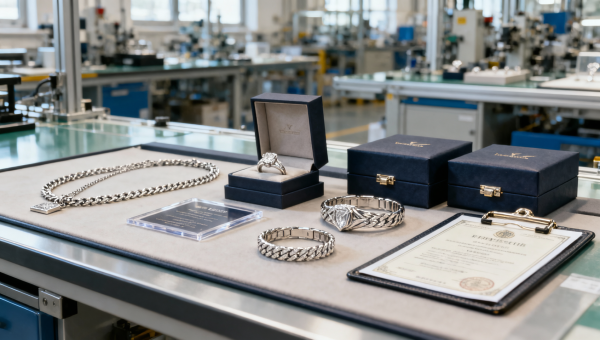
This section should explain inspection methods, material traceability where relevant, packaging standards, and post-order support. For example, in plated jewelry, the catalog can mention that color consistency, surface defects, clasp function, and stone setting security are checked before packing. For eyewear, fit alignment, hinge tension, lens cleanliness, and logo placement are practical quality points buyers want to see.
For watches, sourcing reliability often depends on component consistency and packaging protection. Buyers may ask whether each batch undergoes time-setting checks, strap attachment inspection, and protective packing suitable for long-distance export. Even listing 4 to 6 inspection points in the catalog gives evaluators a clearer basis for trust.
Another important factor is communication rhythm. A good B2B catalog should mention whether the supplier supports sample confirmation, pre-production approval, and final shipment review. These 3 checkpoints reduce disputes and matter particularly for distributors handling multiple territories or accounts.
Practical reliability markers to include
- Inspection stages such as incoming material check, in-line review, and final random inspection
- Tolerance or consistency guidance, such as size variation control or finish matching across one production batch
- Packaging specification, including pouch, hard box, lens cloth, barcode label, and export carton arrangement
- Service response timing, for example quotation replies within 24 to 72 hours and production updates every 7 to 14 days
These details are not decorative. They directly influence whether a supplier is suitable for luxury retail, duty-free, premium gifting, or specialty wholesale channels.
The table below outlines the reliability areas most often reviewed by procurement and business evaluation teams.
A catalog with visible reliability signals helps buyers identify serious suppliers earlier. It also supports internal approval, because procurement teams can attach the document to sourcing reviews and explain not just product appeal but also delivery discipline and risk control.
Commercial Readiness: Pricing Logic, Wholesale Terms, and Collection Structure
A luxury accessories catalog should not disclose every negotiated price in all cases, but it should still provide enough commercial context for buyers to estimate fit. In B2B sourcing, uncertainty around price architecture, pack options, and reorder terms is one of the top reasons promising suppliers fail to advance to quotation stage.
For jewelry and eyewear distributors, a useful catalog often groups products into opening price, core premium, and elevated statement tiers. This 3-level structure helps agents map products to different store types, from boutique fashion retail to luxury counters and curated lifestyle channels. For watches, the same approach can distinguish gifting lines, fashion assortments, and signature collections.
It is also helpful when catalogs indicate whether products are available by single SKU, assorted set, or display collection. Some buyers want to test 12 to 24 pieces in one location before scaling. Others need 200-piece replenishment runs across several markets. If the catalog only shows products without pack logic, buyers must guess how the range can be commercialized.
The commercial section should further explain standard wholesale terms such as MOQ by style, mixed-order possibility, seasonal development windows, and whether packaging can be upgraded for VIP gifting or premium retail. These are not secondary details. They directly affect gross margin, inventory turnover, and market launch speed.
Useful commercial information to show in the catalog
- Indicative price bands or quote-on-request labels by collection level
- MOQ by SKU and whether mixed materials or mixed colors are allowed in one order
- Recommended retail segment, such as premium gifting, fashion luxury, or travel retail
- Display and packaging options that influence in-store presentation and unboxing experience
For procurement teams, these details help estimate the full commercial model rather than just unit aesthetics. For distributors, they also make it easier to build a sell-in strategy for dealers and retail partners.
Common mistakes in weak catalogs
- Mixing fashion imagery with no SKU reference, making quotation nearly impossible
- Showing luxurious packaging visuals without clarifying whether packaging is standard or optional
- Listing broad wholesale claims without MOQ, lead time, or collection segmentation
A good luxury accessories catalog should help the reader answer 4 commercial questions in under 10 minutes: What can I buy, how can I customize it, what operational terms apply, and is this supplier suitable for my channel strategy? If those answers are visible, the catalog is doing its job.
How Buyers, Distributors, and Evaluators Can Use a Catalog to Shortlist Suppliers
A catalog becomes most valuable when used as part of a structured evaluation process. Whether the buyer is sourcing high-end luxury jewelry collections, luxury accessories for men and women, premium eyewear, or branded watch programs, the document should support comparison, not just presentation. That means using the catalog to create a shortlist based on product fit, customization ability, and sourcing reliability.
Many commercial teams use a 5-step review approach over 2 to 4 weeks. First, they screen for category fit and visual direction. Second, they compare technical details and customization scope. Third, they assess MOQ and lead time. Fourth, they request samples or development clarification. Fifth, they validate communication quality and after-sales responsiveness. A catalog that covers these points reduces sourcing friction from the start.
For distributors and agents, the catalog should also answer channel-specific questions. Are the products suitable for mono-brand positioning or multi-brand retail? Do they support seasonal drops? Can packaging be adapted to local market expectations? Are product descriptions clear enough for resale presentations? These questions affect sales conversion downstream.
For business evaluation teams, a strong catalog is often an early trust document. It reveals whether the supplier understands B2B communication. Clear structure, stable terminology, and realistic lead time ranges usually indicate stronger internal processes than a visually attractive but commercially vague brochure.
A practical catalog review checklist
Before requesting pricing or samples, buyers can use the checklist below to evaluate whether a catalog is decision-ready.
If a catalog scores well across these three areas, it is usually worth moving to the next step. If not, buyers may spend extra time clarifying basics that should have been visible from the beginning.
FAQ for catalog-based sourcing
How many products should a strong luxury accessories catalog show?
There is no fixed number, but for B2B use, a focused range of 20 to 80 well-documented SKUs is often more useful than 300 lightly described items. Buyers prefer depth of information over volume without structure.
Should a catalog include exact pricing?
Not always. Many suppliers use price bands or quote-on-request formats because material costs and packaging upgrades can vary. However, the catalog should still provide enough context to show the collection’s price level and target channel.
What lead times should buyers expect for custom programs?
For many watch, jewelry, and eyewear projects, sample development may take 10 to 20 business days, while production often requires 30 to 60 days after approval. Complex finishes, new molds, or premium packaging can extend the cycle.
A good luxury accessories catalog should make premium sourcing simpler, not more confusing. In watches, jewelry, and eyewear, the most effective catalogs combine product detail, customization visibility, operational reliability, and commercial structure in one clear document. That gives information researchers, procurement teams, business evaluators, and distributors a practical basis for comparison and faster decision-making.
For companies sourcing through Global Commercial Trade, this level of clarity is especially important because premium commercial buying depends on more than visual appeal. It depends on whether the supplier can support design intent, wholesale execution, and dependable delivery across real business scenarios. If you want to evaluate luxury accessories suppliers more efficiently, request a tailored sourcing consultation, discuss your category requirements, or explore more solution-driven catalog standards today.
Search News
Hot Articles
- Pro Stage AudioFIFA Adopts Chinese Mini-LED Displays for 2026 World Cup VAR SystemApr 24, 2026
- Outdoor RidesChina FA Warns Nanjing City Over Fan Conduct; ISO 20785 Compliance AcceleratesApr 24, 2026
- Pro Stage AudioFan Zhendong Visits Silicon Valley as MLTT Investor, AI Ping-Pong Tech Draws US InterestApr 24, 2026
Popular Tags
Need ExpertConsultation?
Connect with our specialized leisureengineering team for procurementstrategies.
Recommended News
 Apr 23, 2026Texas Launches PFAS Probe Against Lululemon, Export Compliance Risks RisePFAS probe against Lululemon in Texas escalates export compliance risks for sportswear ODMs, testing labs & chemical suppliers — act now.● Luxury Retail Analyst
 Apr 21, 2026FDA Proposes Chinese Label Translation Requirement for Sports SupplementsFDA proposes Chinese label translation requirements for sports supplements—learn how protein powders, BCAAs & creatine brands can prepare for Q3 2026 compliance.● Luxury Retail Analyst
 Apr 21, 2026CPSC Urgent Alert: PFAS in Fitness Apparel Risks US Import DelaysPFAS in fitness apparel triggers CPSC alerts—avoid US import delays! Get CPSC-recognized PFAS testing, compliance tips & port detention prevention now.● Luxury Retail Analyst
 Apr 20, 2026US CPSC Alert: PFAS in Fitness Apparel May Delay US Import ClearancePFAS in fitness apparel may delay US import clearance—learn how the Texas AG probe & CPSC alert impact compliance, testing, and supply chains now.● Luxury Retail Analyst
 Apr 15, 2026FDA Updates Guidelines for Sports Nutrition Supplement Labels: Chinese Translations Must Be FDA-CertifiedFDA now requires Chinese translations on sports nutrition supplement labels to be FDA-certified. Learn how this impacts manufacturers, importers, and compliance timelines for US market access.● Luxury Retail Analyst
 Apr 14, 2026Japan Updates Jewelry Labeling Rules: Mandatory China Factory Codes from April 2026Japan's new jewelry labeling rules mandate 'Country of Origin + China Factory Code' (CN-FAC-XXXXX) from April 2026. Learn how this impacts Chinese exporters and Japanese importers in the $2.1B precious metals market.● Luxury Retail Analyst
 Apr 14, 2026RCEP Tariff Cuts Boost China's Optical Lens Exports to ASEANRCEP tariff cuts boost China's optical lens exports to ASEAN with 0% duties on CR-39 & polycarbonate lenses. Learn how this + faster logistics create new trade opportunities.● Luxury Retail Analyst
 Apr 14, 2026US CPSC Proposes Stricter Lead Limits in Children's Jewelry, Impacting Chinese ExportersUS CPSC proposes stricter lead limits (40ppm) in children's jewelry, impacting Chinese exporters with new compliance challenges. Learn how this 2026 regulation affects manufacturers & supply chains.● Luxury Retail Analyst
 Apr 14, 2026EU's Revised EN 14138:2026 Eyewear Nickel Standard Takes Effect, Impacting Chinese ExportersEU's EN 14138:2026 eyewear standard tightens nickel limits to 0.2μg/cm²/week, impacting Chinese exporters. Learn compliance strategies for EU market access.● Luxury Retail Analyst
 Apr 25, 2026Custom Jewelry for Corporate Gifts That LastCustom jewelry for corporate gifts from a trusted custom jewelry manufacturer—discover custom jewelry design, high-end luxury jewelry, and scalable luxury jewelry B2B solutions.● Luxury Retail Analyst
 Apr 25, 2026What a Good Luxury Accessories Catalog IncludesLuxury accessories catalog guide covering custom jewelry design, high-end luxury jewelry, luxury accessories for men and women, and trusted luxury jewelry B2B sourcing insights.● Luxury Retail Analyst
 Apr 22, 2026Why Some Luxury Jewelry Collections Lose Value in DisplayLuxury jewelry in a trampoline park, indoor playground, arcade games or musical instruments venue can lose value fast. Discover smarter display strategies that protect premium appeal and buyer confidence.● Luxury Retail Analyst
 Apr 22, 2026Luxury Jewelry Trends in 2026 That Are Shaping Retail DemandLuxury jewelry trends in 2026 reveal how luxury jewelry, trampoline park, indoor playground, arcade games, office supplies, and musical instruments shape premium retail demand.● Luxury Retail Analyst
 Apr 25, 2026Luxury Accessories for Women That Hold Value Beyond TrendsLuxury accessories for women that hold value beyond trends—compare high-end luxury jewelry, custom luxury jewelry, and smart B2B sourcing insights for premium sport and entertainment retail.● Luxury Retail Analyst
 Apr 25, 2026Why Some Luxury Accessories for Women Feel Premium and Others Do NotLuxury accessories for women that feel truly premium rely on craftsmanship, materials, and supplier credibility. Explore custom luxury jewelry and high-end luxury jewelry sourcing insights for smarter B2B buying.● Luxury Retail Analyst
 Apr 25, 2026High-End Luxury Jewelry: What Actually Sets It Apart?High-end luxury jewelry buying guide: compare custom luxury jewelry, craftsmanship, compliance, and supplier reliability for premium retail and luxury accessories for women.● Luxury Retail Analyst
 Apr 25, 2026When High-End Luxury Jewelry Pricing Stops Making SenseHigh-end luxury jewelry pricing explained: learn when custom luxury jewelry delivers real value, how luxury accessories for women compare, and what buyers should ask before paying a premium.● Luxury Retail Analyst
 Apr 25, 2026Custom Luxury Jewelry: How Long Does True Customization Take?Custom luxury jewelry lead times explained: compare true customization, high-end luxury jewelry value, and luxury accessories for women to plan sourcing with confidence.● Luxury Retail Analyst
 Apr 25, 2026What Gets Lost When Custom Luxury Jewelry Is RushedCustom luxury jewelry rushed too fast can undermine craftsmanship, material trust, and brand value. Learn how high-end luxury jewelry buyers protect quality, margin, and sourcing success.● Luxury Retail Analyst
 Apr 25, 2026Why some luxury accessories for men lose value fastLuxury accessories for men lose value fast when hype, weak craftsmanship, and poor sourcing collide. Explore custom jewelry design insights and how a custom jewelry manufacturer can help buyers protect margins.● Luxury Retail Analyst
 Apr 25, 2026What a reliable custom jewelry manufacturer should confirm firstCustom jewelry manufacturer guide: learn what to confirm first in custom jewelry design, from materials and compliance to timelines, to source smarter and reduce risk.● Luxury Retail Analyst
 Apr 21, 2026Custom jewelry design mistakes that delay samplingCustom jewelry design mistakes that delay sampling: learn how to brief a custom jewelry manufacturer, avoid costly revisions, and keep sports & entertainment launches on schedule.● Luxury Retail Analyst
 Apr 22, 2026Luxury accessories for men that still feel relevant in 2026Luxury accessories for men in 2026: discover how custom jewelry design and the right custom jewelry manufacturer help sports and entertainment buyers boost premium retail, gifting, and venue profits.● Luxury Retail Analyst
 Apr 22, 2026Custom jewelry manufacturer red flags before mass productionCustom jewelry manufacturer red flags before mass production: learn how to assess custom jewelry design quality, protect luxury accessories for men, and avoid costly sourcing mistakes.● Luxury Retail Analyst