Custom Luxury Jewelry: How Long Does True Customization Take?
For buyers evaluating custom luxury jewelry, timing is as critical as design. True customization in high-end luxury jewelry involves concept development, material sourcing, craftsmanship, prototyping, and quality control—far beyond standard luxury accessories for women. Whether you are a distributor, procurement team, or commercial sourcing specialist, understanding how long custom luxury jewelry takes helps you assess supplier capability, project risk, and long-term value before making a strategic purchasing decision.
How long does custom luxury jewelry really take in commercial sourcing?
In B2B sourcing, the answer is rarely a simple number. A true custom luxury jewelry project usually moves through 4 to 6 stages, and the total lead time often falls between 6 and 16 weeks depending on complexity, gemstone availability, sampling requirements, and order volume. For sports and entertainment buyers, this matters because launch windows, event schedules, VIP gifting programs, and retail activations are often fixed long before production starts.
A custom pendant for a premium arena membership program may be completed faster than a fully bespoke jewelry collection for a leisure resort boutique. The first may need a single approved design and limited metal options. The second may involve multiple SKUs, branding alignment, packaging coordination, and repeatable quality standards across distribution markets. The difference can easily shift the timeline from 5–8 weeks to 12–20 weeks.
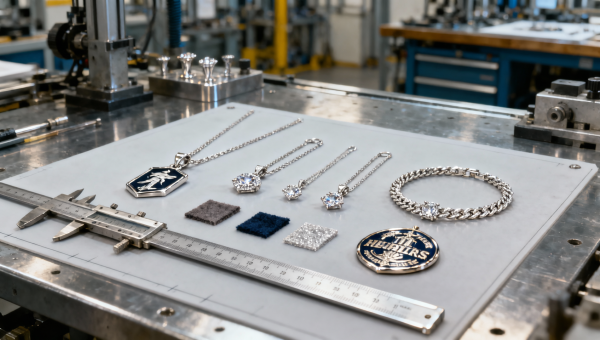
Many procurement teams underestimate the front-end work. Concept validation alone can take 7–14 days when several stakeholders need to approve design language, logo usage, target price, and gemstone grade. If samples are requested for buyer review, add another 2–4 weeks. If rare stones or matching sets are involved, material sourcing may become the critical path rather than factory capacity.
For distributors and sourcing managers, the practical question is not just “How long?” but “Which stage controls delivery risk?” That is where experienced intelligence-led sourcing becomes valuable. GCT supports commercial buyers by helping them compare supplier process depth, OEM/ODM readiness, and realistic production windows across jewelry and luxury accessories linked to premium commercial experiences.
Typical timeline by project type
The table below gives a commercial view of common custom luxury jewelry timelines. These are typical industry ranges rather than fixed promises, and they should be adjusted for holiday shutdowns, multi-country approvals, or complex stone matching requirements.
This comparison shows why timelines cannot be judged by factory claims alone. A supplier offering 3-week delivery for “custom luxury jewelry” may actually be quoting modified stock designs, not true customization. For commercial buyers in sports and entertainment, that distinction directly affects exclusivity, brand fit, and resale value.
What happens during each stage of true customization?
The production calendar becomes clearer when the process is broken into stages. In most high-end jewelry sourcing projects, the workflow follows 5 operational steps: brief definition, design development, material confirmation, sample/prototype approval, and bulk production with inspection. Each stage has different risks, and delays usually happen when decisions are pushed downstream instead of solved early.
For example, if a resort operator wants custom luxury jewelry for a premium guest loyalty program, the initial brief should define at least 6 points: target user, preferred metal, stone type, expected retail positioning, packaging format, and launch date. Without these basics, design iterations multiply. One unclear brief can add 1–3 extra rounds of revision and extend the project by 10–21 days.
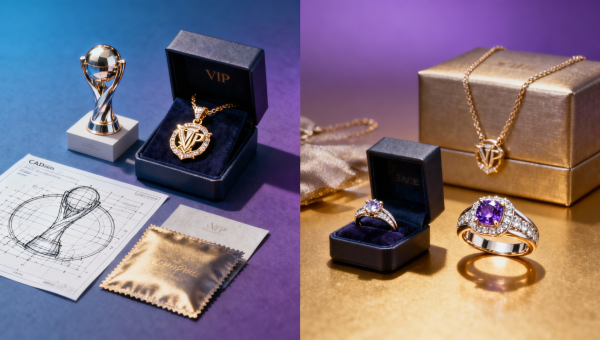
In the sports and entertainment sector, designs often carry symbolic meaning. A VIP pass necklace, championship commemorative pin, artist collaboration ring, or branded collectible charm must connect with venue identity, event storytelling, and premium merchandising strategy. That makes concept work more strategic than a simple decorative exercise, especially when jewelry doubles as a status item or limited-edition collectible.
From a sourcing perspective, this is also where supplier depth becomes visible. A capable custom luxury jewelry manufacturer should explain what is feasible in CAD, which features increase casting risk, how stone setting affects cycle time, and where hand-finishing creates variability. Buyers should expect process transparency, not only visual renderings.
Service flow and review points
The following service flow table helps procurement teams evaluate whether a supplier’s timeline is realistic and whether internal approvals are aligned with production milestones.
This stage-based view is useful because it reveals where time can be compressed and where it should not be. CAD adjustments may move quickly. Stone matching, hand setting, surface finishing, and final quality checks should not be rushed if the jewelry is intended for luxury retail, executive gifting, or branded experience programs.
Three points where delays most often occur
- Design approval is split between marketing, merchandising, and procurement, causing 5–10 days of internal lag before the supplier can move to prototype.
- Material substitution happens after quotation because the original stone, plating finish, or clasp component is not available in the required batch consistency.
- Packaging is treated as a separate task even though premium presentation boxes, inserts, and brand cards may require 2–3 additional weeks and separate approval cycles.
Buyers that manage these three points early usually reduce avoidable delay more effectively than buyers who pressure final production alone. In luxury sourcing, late corrections are the most expensive form of speed.
Which factors extend or shorten custom luxury jewelry lead time?
Not all custom luxury jewelry projects move at the same speed, even with the same factory. Lead time changes according to at least 5 variables: design complexity, material rarity, prototype count, order quantity, and compliance or destination-market requirements. Procurement teams should compare suppliers on these variables before treating quoted lead times as comparable.
Complexity is the first variable. A plain metal pendant with engraving and one plating finish is easier to produce than a ring with micro-pavé stones, articulated parts, and mirror-polished surfaces. Every additional mechanism, stone size variation, or hand-applied finish adds labor and inspection time. In practical terms, a complex piece can require 30%–80% more production effort than a simpler piece with the same weight.
Material sourcing is the second variable. Standard precious metal workflows are often more predictable than rare-color stones or tight color-matching requests. If a buyer needs a coordinated series for stadium VIP boutiques, cruise entertainment retail, or branded theme-park gift lines, consistency matters more than single-piece beauty. Matching dozens or hundreds of units can take longer than making one showpiece sample.
The third variable is order structure. A 100-piece run of one approved style may flow faster than a 30-piece mixed assortment across 8 SKUs. Small mixed orders often create planning inefficiency, because tooling, polishing, plating, and packaging all need partial setups. Distributors and agents should factor SKU spread into delivery negotiations, not only total volume.
Lead-time drivers buyers should evaluate before approval
- If the design requires new molds, new CAD files, and multiple stone settings, expect a longer pre-production phase than for existing-platform customization.
- If the order needs premium branded boxes, certificates, and retail-ready inserts, include packaging lead time in the critical path rather than as a post-production add-on.
- If the goods are meant for cross-border commercial sale, allow time for metal declaration, labeling review, and destination-specific documentation where required.
- If the supplier is handling both jewelry and presentation packaging, ask whether these are parallel processes or sequential processes, because the difference can affect delivery by 1–2 weeks.
One more factor often missed in entertainment procurement is seasonality. Projects tied to holiday gifting, tournament finals, festival retail, or year-end VIP rewards compete for the same production slots. Booking development 8–12 weeks in advance is often safer than expecting premium factories to absorb late demand without quality loss.
How should buyers compare standard luxury accessories and true custom jewelry?
Commercial buyers often face a practical trade-off: move faster with standard luxury accessories for women and light branding, or invest more time in fully custom luxury jewelry. The right answer depends on business purpose. If the goal is rapid merchandising for a short event cycle, semi-custom may be enough. If the goal is brand differentiation, collector appeal, or premium guest experience, full customization usually creates stronger commercial value.
This comparison matters in sports and entertainment because the product often functions as more than adornment. It can be a fan collectible, a hospitality loyalty item, an executive partnership gift, a membership token, or an in-venue prestige product. The more the piece needs to express exclusivity or identity, the less suitable simple stock adaptation becomes.
From a sourcing angle, standard accessories reduce development time but limit originality. True custom luxury jewelry takes longer, yet it can support stronger margin logic, clearer channel differentiation, and better alignment with luxury positioning. Buyers should compare not only cost per unit, but also timeline risk, exclusivity level, and resale or gifting impact.
GCT helps buyers make this comparison with a commercial lens. Instead of treating all suppliers as equal, buyers can assess where a factory sits on the spectrum from fast private-label adaptation to full bespoke development with controlled sourcing, technical consultation, and packaging coordination.
Comparison table for procurement decisions
The table below is useful when evaluating whether to launch with a fast commercial line or commit to a true custom luxury jewelry program.
The commercial lesson is simple: shorter lead time is not automatically better. In many premium programs, speed without exclusivity weakens the offer. Buyers should match the sourcing model to the business goal rather than forcing all projects into the fastest possible production path.
What should procurement teams check before placing a custom jewelry order?
A careful procurement checklist protects both timeline and budget. Before confirming a custom luxury jewelry supplier, buyers should review at least 5 areas: design control, material clarity, sample policy, quality checkpoints, and delivery coordination. These checks are especially important when the jewelry is being sourced for hospitality-linked entertainment spaces, high-value gifting, or distributor resale programs.
Design control means more than receiving a beautiful rendering. Buyers should ask whether the supplier provides CAD confirmation, dimensional tolerances, clasp or fastening specification, plating details, and clear revision limits. Without these, sample approval may not translate into consistent mass production. A polished sample can still hide future batch instability if the process is underdefined.
Material clarity is equally important. The quotation should distinguish between metal type, finish thickness where relevant, natural or lab-created stone use if applicable, and packaging materials. For procurement managers handling multiple countries or channels, consistency in these declarations helps reduce disputes and supports smoother import documentation or commercial review.
Quality checkpoints should be written into the order flow. For luxury accessories tied to branded experiences, visual flaws that might be tolerated in lower-tier retail can damage perceived value quickly. It is better to define inspection points before bulk production than to negotiate quality after shipment is ready.
A practical buyer checklist
- Confirm whether the project is stock modification, semi-custom development, or full bespoke luxury jewelry, because these are different delivery models.
- Request a milestone calendar that separates design, sample approval, bulk production, packaging, and shipment booking instead of a single total lead time.
- Define 4–6 acceptance criteria such as plating appearance, stone security, engraving clarity, logo placement, packaging finish, and carton labeling.
- Clarify sample charges, revision count, and whether sample approval locks production specifications for future repeat orders.
- Ask how the supplier manages peak-season capacity, because late-stage overload can impact polishing quality and promised dispatch dates.
These checks help buyers compare suppliers on operational maturity rather than sales language. For distributors and commercial evaluators, that is the difference between a workable sourcing relationship and a timeline that slips under pressure.
FAQ: common timing questions in custom luxury jewelry sourcing
The questions below reflect common search intent from information researchers, procurement teams, and channel partners assessing whether custom luxury jewelry fits their delivery schedule and commercial model.
Can custom luxury jewelry be completed in under 30 days?
Sometimes, but usually only when the project is closer to semi-customization than full bespoke development. If the supplier uses an existing base design, limited finish options, and standard packaging, a 3–4 week turnaround may be possible. For new CAD work, new molds, unique stone selection, or hand-finished premium pieces, under 30 days is generally too aggressive for reliable luxury-level execution.
What is the biggest mistake buyers make when estimating lead time?
The most common mistake is treating approval time as if it belongs to the factory only. In reality, internal sign-off from brand, merchandising, legal, procurement, and regional teams can consume 7–21 days. When buyers ignore this, the supplier gets blamed for delays that actually started before production authorization was released.
How many samples should a commercial buyer request?
For many B2B projects, 1–2 structured sample rounds are enough if the brief is clear. More rounds may be needed for multi-SKU collections, collector editions, or premium venue retail concepts where visual identity is highly sensitive. If a project reaches a third or fourth sample round, buyers should review the original brief and decision chain because the issue is often process alignment, not factory speed.
Does packaging affect jewelry lead time?
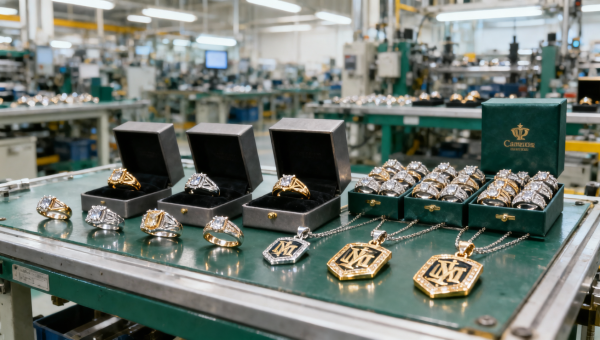
Yes, often significantly. Luxury jewelry packaging can add 1–3 weeks depending on box material, logo method, inserts, and printed cards. In sports and entertainment channels, presentation matters because packaging supports unboxing, gifting, and collectible value. Buyers should not approve jewelry alone and assume packaging can be finished later without timeline impact.
When should distributors or agents start inquiry planning?
For seasonal or event-driven programs, starting 10–16 weeks before launch is often a safer planning window. This allows time for supplier comparison, sample review, commercial negotiation, and freight planning. If the project includes multiple markets or retailer-specific packaging, even earlier preparation may be justified.
Why work with a sourcing partner that understands commercial luxury programs?
Custom luxury jewelry is not only a product category. In sports and entertainment, it is part of a broader premium experience strategy. It may support VIP hospitality, destination retail, brand collaborations, tournament memorabilia, leisure resort gifting, or premium fan engagement. That means the right sourcing decision must balance aesthetics, timeline, manufacturability, packaging, and commercial rollout.
GCT helps buyers move beyond surface-level supplier comparison. Through a B2B intelligence-led approach, commercial teams can evaluate OEM/ODM capability, process maturity, sourcing depth, and category fit across jewelry and luxury accessories. This is especially valuable when buyers need to compare several suppliers, validate realistic lead times, or align jewelry development with wider hospitality and entertainment procurement strategies.
If you are assessing custom luxury jewelry for venue retail, executive gifting, resort boutiques, limited-edition entertainment merchandise, or premium distributor programs, a structured inquiry can save weeks. Clear early decisions on materials, design route, sample scope, and packaging requirements usually protect both delivery and brand value.
Contact GCT to discuss specific questions such as product selection, lead time validation, custom development pathways, sample planning, packaging integration, compliance considerations, and quotation benchmarking. If your project has a fixed launch date, share the target schedule, quantity range, and customization level early so the sourcing path can be matched to a realistic commercial timeline.
Search News
Hot Articles
- Pro Stage AudioFIFA Adopts Chinese Mini-LED Displays for 2026 World Cup VAR SystemApr 24, 2026
- Outdoor RidesChina FA Warns Nanjing City Over Fan Conduct; ISO 20785 Compliance AcceleratesApr 24, 2026
- Pro Stage AudioFan Zhendong Visits Silicon Valley as MLTT Investor, AI Ping-Pong Tech Draws US InterestApr 24, 2026
Popular Tags
Need ExpertConsultation?
Connect with our specialized leisureengineering team for procurementstrategies.
Recommended News
 Apr 23, 2026Texas Launches PFAS Probe Against Lululemon, Export Compliance Risks RisePFAS probe against Lululemon in Texas escalates export compliance risks for sportswear ODMs, testing labs & chemical suppliers — act now.● Luxury Retail Analyst
 Apr 21, 2026FDA Proposes Chinese Label Translation Requirement for Sports SupplementsFDA proposes Chinese label translation requirements for sports supplements—learn how protein powders, BCAAs & creatine brands can prepare for Q3 2026 compliance.● Luxury Retail Analyst
 Apr 21, 2026CPSC Urgent Alert: PFAS in Fitness Apparel Risks US Import DelaysPFAS in fitness apparel triggers CPSC alerts—avoid US import delays! Get CPSC-recognized PFAS testing, compliance tips & port detention prevention now.● Luxury Retail Analyst
 Apr 20, 2026US CPSC Alert: PFAS in Fitness Apparel May Delay US Import ClearancePFAS in fitness apparel may delay US import clearance—learn how the Texas AG probe & CPSC alert impact compliance, testing, and supply chains now.● Luxury Retail Analyst
 Apr 15, 2026FDA Updates Guidelines for Sports Nutrition Supplement Labels: Chinese Translations Must Be FDA-CertifiedFDA now requires Chinese translations on sports nutrition supplement labels to be FDA-certified. Learn how this impacts manufacturers, importers, and compliance timelines for US market access.● Luxury Retail Analyst
 Apr 14, 2026Japan Updates Jewelry Labeling Rules: Mandatory China Factory Codes from April 2026Japan's new jewelry labeling rules mandate 'Country of Origin + China Factory Code' (CN-FAC-XXXXX) from April 2026. Learn how this impacts Chinese exporters and Japanese importers in the $2.1B precious metals market.● Luxury Retail Analyst
 Apr 14, 2026RCEP Tariff Cuts Boost China's Optical Lens Exports to ASEANRCEP tariff cuts boost China's optical lens exports to ASEAN with 0% duties on CR-39 & polycarbonate lenses. Learn how this + faster logistics create new trade opportunities.● Luxury Retail Analyst
 Apr 14, 2026US CPSC Proposes Stricter Lead Limits in Children's Jewelry, Impacting Chinese ExportersUS CPSC proposes stricter lead limits (40ppm) in children's jewelry, impacting Chinese exporters with new compliance challenges. Learn how this 2026 regulation affects manufacturers & supply chains.● Luxury Retail Analyst
 Apr 14, 2026EU's Revised EN 14138:2026 Eyewear Nickel Standard Takes Effect, Impacting Chinese ExportersEU's EN 14138:2026 eyewear standard tightens nickel limits to 0.2μg/cm²/week, impacting Chinese exporters. Learn compliance strategies for EU market access.● Luxury Retail Analyst
 Apr 25, 2026Custom Jewelry for Corporate Gifts That LastCustom jewelry for corporate gifts from a trusted custom jewelry manufacturer—discover custom jewelry design, high-end luxury jewelry, and scalable luxury jewelry B2B solutions.● Luxury Retail Analyst
 Apr 25, 2026What a Good Luxury Accessories Catalog IncludesLuxury accessories catalog guide covering custom jewelry design, high-end luxury jewelry, luxury accessories for men and women, and trusted luxury jewelry B2B sourcing insights.● Luxury Retail Analyst
 Apr 22, 2026Why Some Luxury Jewelry Collections Lose Value in DisplayLuxury jewelry in a trampoline park, indoor playground, arcade games or musical instruments venue can lose value fast. Discover smarter display strategies that protect premium appeal and buyer confidence.● Luxury Retail Analyst
 Apr 22, 2026Luxury Jewelry Trends in 2026 That Are Shaping Retail DemandLuxury jewelry trends in 2026 reveal how luxury jewelry, trampoline park, indoor playground, arcade games, office supplies, and musical instruments shape premium retail demand.● Luxury Retail Analyst
 Apr 25, 2026Luxury Accessories for Women That Hold Value Beyond TrendsLuxury accessories for women that hold value beyond trends—compare high-end luxury jewelry, custom luxury jewelry, and smart B2B sourcing insights for premium sport and entertainment retail.● Luxury Retail Analyst
 Apr 25, 2026Why Some Luxury Accessories for Women Feel Premium and Others Do NotLuxury accessories for women that feel truly premium rely on craftsmanship, materials, and supplier credibility. Explore custom luxury jewelry and high-end luxury jewelry sourcing insights for smarter B2B buying.● Luxury Retail Analyst
 Apr 25, 2026High-End Luxury Jewelry: What Actually Sets It Apart?High-end luxury jewelry buying guide: compare custom luxury jewelry, craftsmanship, compliance, and supplier reliability for premium retail and luxury accessories for women.● Luxury Retail Analyst
 Apr 25, 2026When High-End Luxury Jewelry Pricing Stops Making SenseHigh-end luxury jewelry pricing explained: learn when custom luxury jewelry delivers real value, how luxury accessories for women compare, and what buyers should ask before paying a premium.● Luxury Retail Analyst
 Apr 25, 2026Custom Luxury Jewelry: How Long Does True Customization Take?Custom luxury jewelry lead times explained: compare true customization, high-end luxury jewelry value, and luxury accessories for women to plan sourcing with confidence.● Luxury Retail Analyst
 Apr 25, 2026What Gets Lost When Custom Luxury Jewelry Is RushedCustom luxury jewelry rushed too fast can undermine craftsmanship, material trust, and brand value. Learn how high-end luxury jewelry buyers protect quality, margin, and sourcing success.● Luxury Retail Analyst
 Apr 25, 2026Why some luxury accessories for men lose value fastLuxury accessories for men lose value fast when hype, weak craftsmanship, and poor sourcing collide. Explore custom jewelry design insights and how a custom jewelry manufacturer can help buyers protect margins.● Luxury Retail Analyst
 Apr 25, 2026What a reliable custom jewelry manufacturer should confirm firstCustom jewelry manufacturer guide: learn what to confirm first in custom jewelry design, from materials and compliance to timelines, to source smarter and reduce risk.● Luxury Retail Analyst
 Apr 21, 2026Custom jewelry design mistakes that delay samplingCustom jewelry design mistakes that delay sampling: learn how to brief a custom jewelry manufacturer, avoid costly revisions, and keep sports & entertainment launches on schedule.● Luxury Retail Analyst
 Apr 22, 2026Luxury accessories for men that still feel relevant in 2026Luxury accessories for men in 2026: discover how custom jewelry design and the right custom jewelry manufacturer help sports and entertainment buyers boost premium retail, gifting, and venue profits.● Luxury Retail Analyst
 Apr 22, 2026Custom jewelry manufacturer red flags before mass productionCustom jewelry manufacturer red flags before mass production: learn how to assess custom jewelry design quality, protect luxury accessories for men, and avoid costly sourcing mistakes.● Luxury Retail Analyst