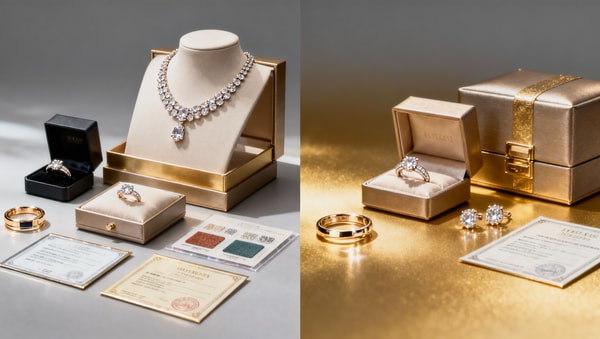
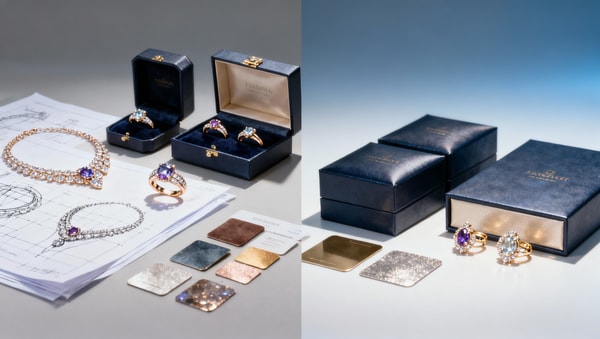
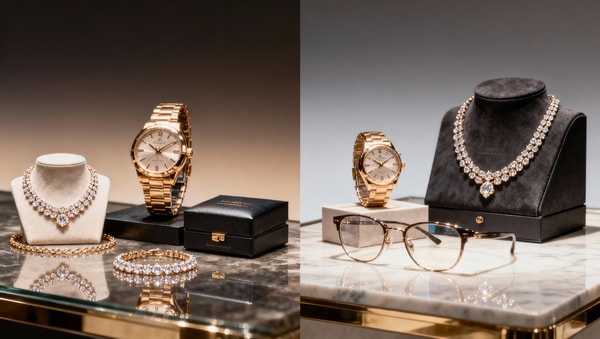
How Men Choose Luxury Accessories Today
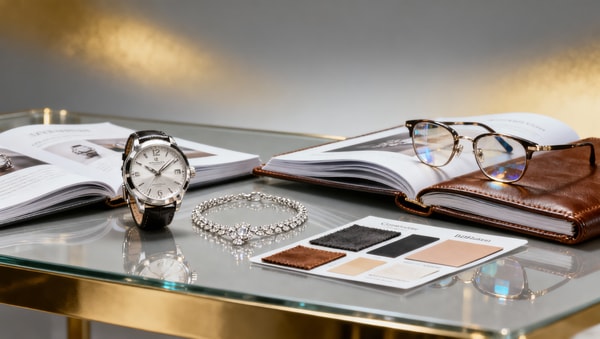
Today’s buyers of men’s luxury accessories are no longer choosing purely for logo value. Across premium jewelry, watches, leather goods, and small statement pieces, selection is increasingly driven by craftsmanship, material integrity, brand credibility, resale logic, and sourcing transparency. For procurement teams, distributors, and commercial evaluators, this shift matters because it changes what products move, how premium collections should be positioned, and which suppliers are best suited for long-term growth.
In practical terms, men now choose luxury accessories through a mix of identity, utility, and informed comparison. They want items that feel personal, last longer, justify premium pricing, and align with modern expectations around design and origin. For B2B buyers, that means success depends less on chasing broad “luxury” labels and more on understanding what signals trust and value in today’s market.
What is driving men’s luxury accessory choices today?
The biggest change is that luxury has become more selective and more rational. Men still buy accessories for status, gifting, and self-expression, but purchasing decisions are increasingly shaped by five filters:
- Craftsmanship: Buyers want visible quality, not just branding. Finishing, stitching, metalwork, stone setting, clasp durability, and weight all influence perceived value.
- Material authenticity: Precious metals, responsibly sourced stones, premium leather, and documented material grades matter more than generic product claims.
- Versatility: Men increasingly prefer pieces that work across business, travel, social, and formal settings.
- Brand trust: Heritage still matters, but so do transparency, service, and consistency.
- Personal relevance: Customization, understated elegance, and lifestyle fit are often stronger conversion drivers than overt logo display.
For commercial buyers, this means assortments should reflect a more informed consumer. The modern male customer is less likely to respond to broad luxury messaging alone and more likely to compare products based on finishing, durability, exclusivity, and backstory.
Which men’s luxury accessories are seeing the strongest demand?
While preferences vary by region and retail channel, several categories are consistently performing well in premium and upper-premium segments:
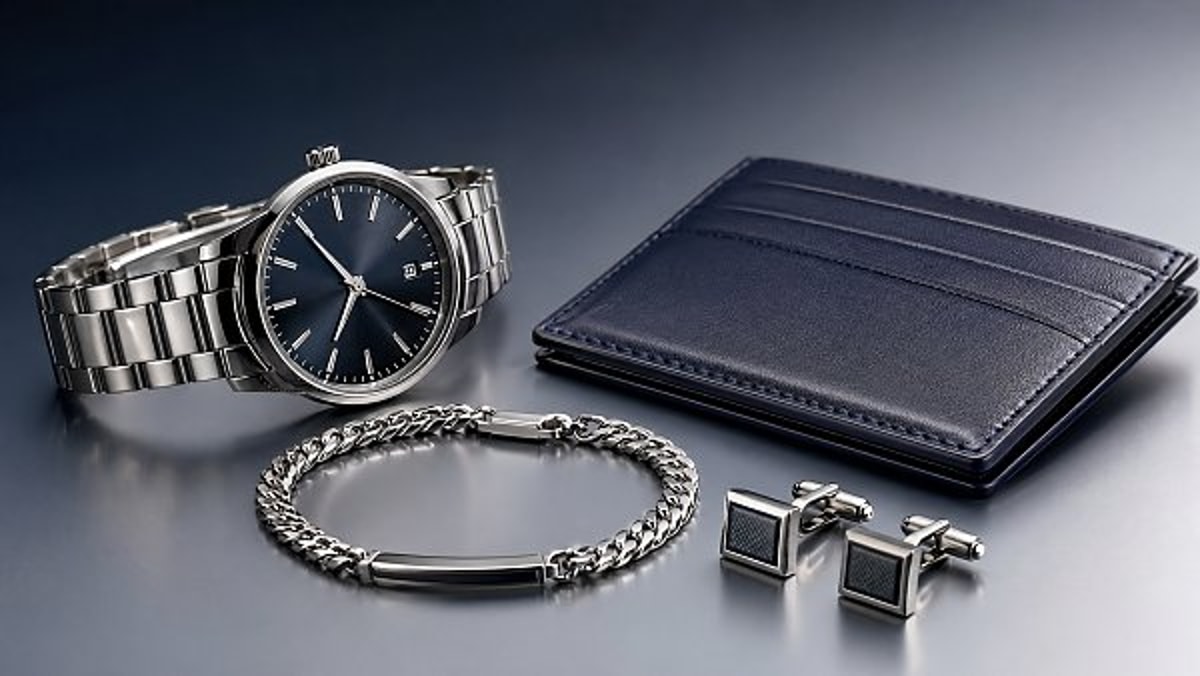
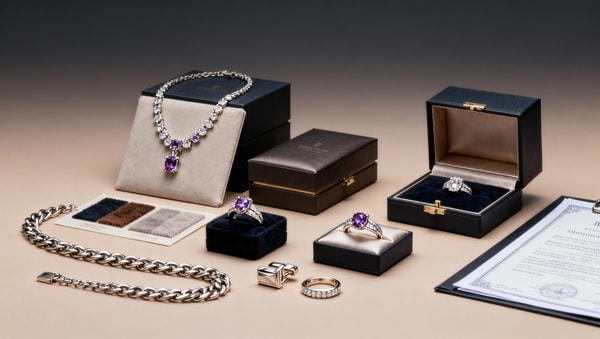
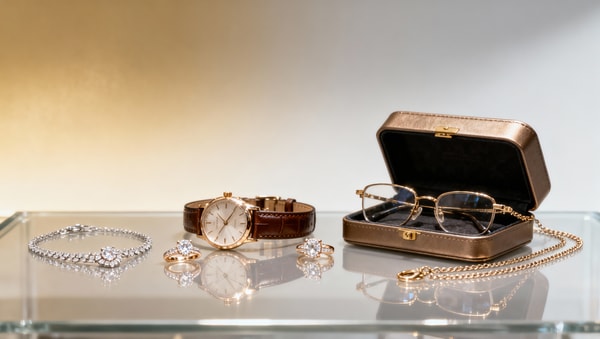
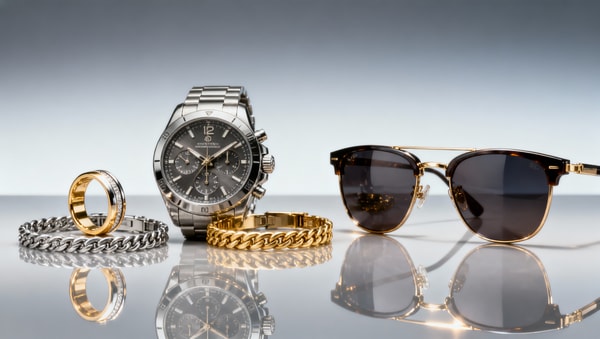
- Minimalist jewelry: Signet rings, chain bracelets, cuff bracelets, pendants, and refined necklaces with clean design language.
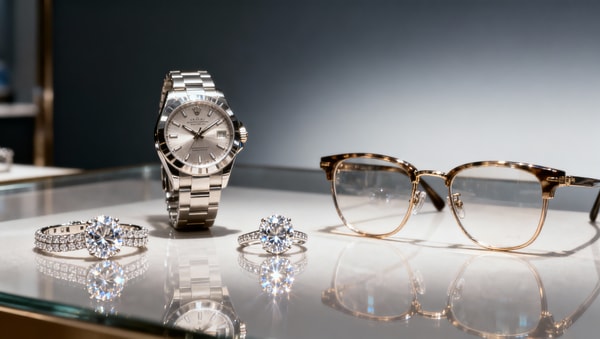
- Luxury watches and watch accessories: Timepieces remain central, but premium straps, storage cases, and servicing ecosystems also add value.
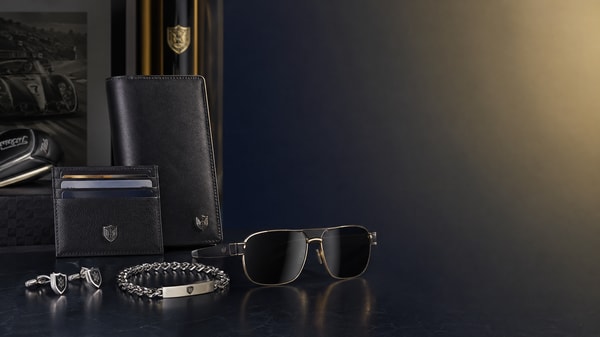
- Leather accessories: Wallets, cardholders, belts, and travel organizers with discreet branding and durable construction.
- Cufflinks and formal accents: Particularly relevant in gifting, hospitality retail, and occasion-based merchandising.
- Eyewear and lifestyle accessories: High-end sunglasses, pens, small tech-luxury hybrids, and collectible accessories with design credibility.
What stands out is that understated luxury is outperforming overly decorative product in many male-focused segments. Products that communicate taste, quality, and permanence tend to have stronger long-term commercial viability than trend-led pieces with short shelf lives.
How do men evaluate whether a luxury accessory is worth the premium?
For many buyers, “luxury” is no longer accepted at face value. Men increasingly test premium value through a set of practical questions:
- Does it feel distinct from mass-premium alternatives?
- Are the materials and construction visibly superior?
- Will it age well with use?
- Is the design timeless enough to justify the investment?
- Does the brand or seller provide confidence in authenticity and service?
For procurement and brand assessment teams, this is an important framework. If a product cannot communicate quality quickly—through finishing, packaging, certification, fit, and product story—it will struggle even if the nominal positioning is “luxury.” Commercial value now depends on proof, not just presentation.
Why craftsmanship and sourcing transparency matter more than before
Luxury accessory demand is increasingly linked to trust. Buyers want to know not only what a product looks like, but how it was made, where materials came from, and whether the quality claim is supported by process.
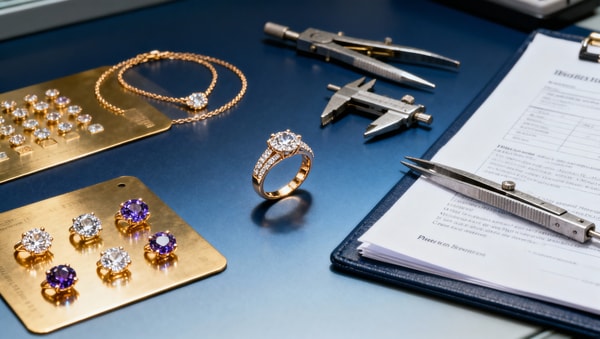
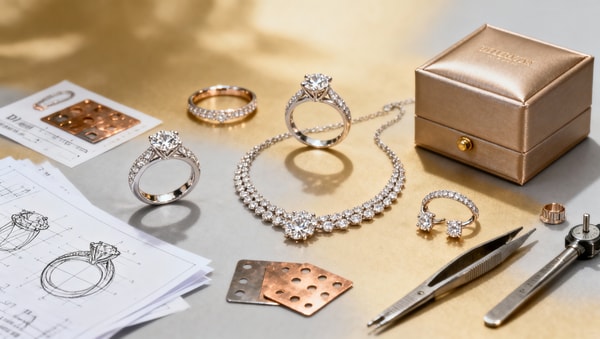
This is especially relevant in jewelry and high-end accessories, where commercial buyers often evaluate a custom jewelry manufacturer or premium OEM/ODM partner before committing to inventory, private label programs, or retail partnerships. The strongest suppliers can demonstrate:
- Material traceability and consistent sourcing standards
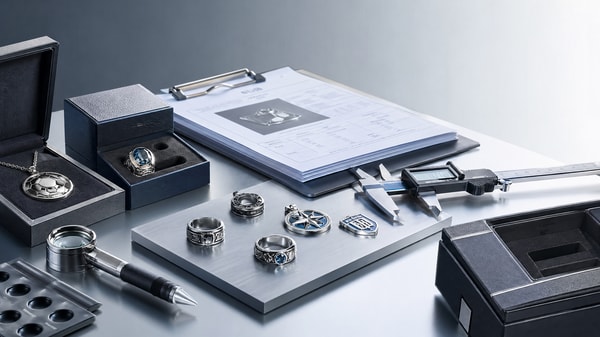
- Precision finishing and quality-control systems
- Customization capability without compromising lead times
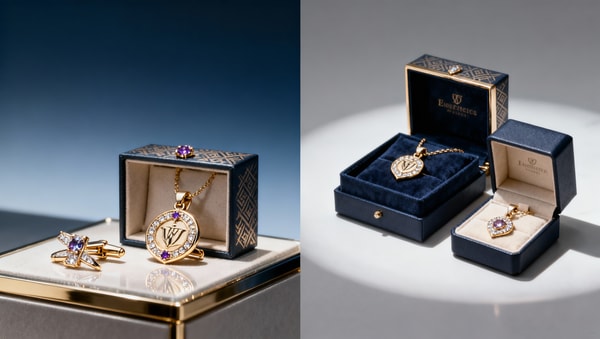
- Packaging quality suitable for premium retail environments
- Compliance readiness for international markets
In today’s market, transparency is not just an ethical differentiator. It is a sales enabler. Retailers, distributors, and commercial specifiers are more likely to back collections that reduce authenticity concerns and support premium storytelling at point of sale.
What should procurement teams and distributors look for in a supplier?
When evaluating men’s luxury accessories commercially, buyers should move beyond style preference and use a practical sourcing checklist. The right supplier should support both product appeal and operational reliability.
Key evaluation points include:
- Manufacturing consistency: Can the supplier reproduce quality across batches?
- Customization depth: Can they support engraving, material variation, stone selection, branded packaging, or collection adaptation?
- MOQ flexibility: Is the production model suitable for testing new markets or premium capsule launches?
- Lead-time stability: Can timelines support seasonal campaigns, gifting periods, and hospitality retail planning?
- Documentation and compliance: Are material declarations, certifications, and export requirements clearly managed?
- Brand positioning fit: Does the design language match the intended retail, corporate gifting, or experiential environment?
For distributors and agents, the best partners are often those that combine high perceived value with clear backend competence. A visually attractive product is not enough if replenishment is inconsistent or margin structure is weak.
How does men’s demand connect with broader luxury accessory trends?
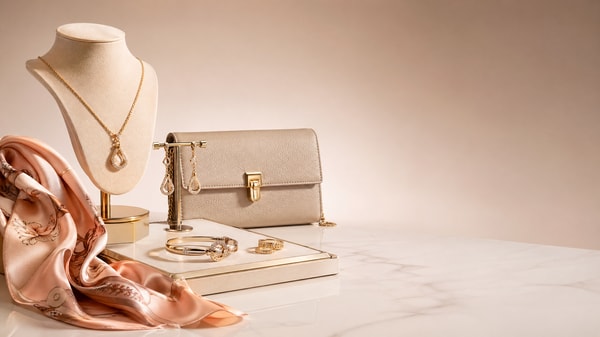
Men’s luxury buying does not exist in isolation. It is influenced by wider shifts in retail premiumization, gifting culture, and cross-category design preferences. This is why many buyers also track adjacent opportunities such as luxury accessories for women, because movement in one segment often signals merchandising opportunities in another.
Several broader trends are shaping both markets:
- Personalization: Buyers across genders are seeking pieces with emotional or identity value.
- Quiet luxury: Refined design with lower logo visibility continues to gain ground.
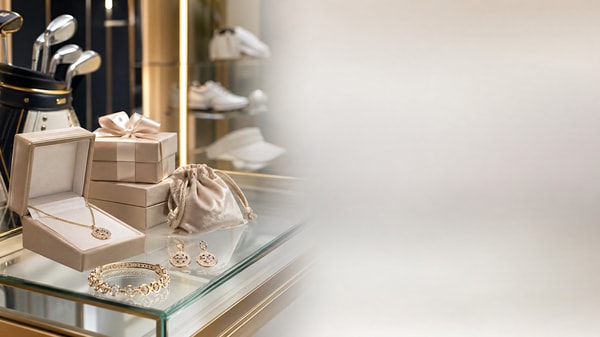
- Experience-led retail: Packaging, storytelling, and service are increasingly part of the product’s perceived worth.
- Giftable premium items: Accessories that sit below major jewelry or watch price points remain commercially attractive.
- Cross-collection buying: Retailers benefit when men’s and women’s accessory lines share materials, themes, or presentation standards.
For sourcing teams, this means category planning should not be siloed. A strong luxury accessory strategy often comes from seeing how men’s preferences intersect with gifting, travel retail, boutique hospitality, and premium lifestyle merchandising.
What makes a men’s luxury accessory commercially successful in today’s market?
Commercial success usually comes from balancing aspiration with practicality. The products that perform best tend to share several traits:
- They are easy to understand visually and emotionally
- They show quality without requiring excessive explanation
- They fit multiple use scenarios
- They support strong margins relative to perceived value
- They are backed by a reliable supply chain and premium presentation
For B2B buyers, this translates into a simple principle: source products that help end customers justify the premium quickly. Men are choosing luxury accessories more carefully than before, but they are still willing to spend when the item signals durability, relevance, and authenticity.
How should businesses respond to the way men choose luxury accessories today?
Businesses that want to compete effectively should align product strategy with how modern buyers actually decide. That means:
- Prioritizing craftsmanship and tactile quality over superficial luxury cues
- Building supplier relationships with transparent, customization-ready manufacturers
- Selecting assortments that favor timelessness and wearability
- Supporting premium products with credible origin, material, and quality narratives
- Using men’s accessory demand as part of a broader premium retail and sourcing strategy
In hospitality retail, specialty distribution, and branded commercial environments, luxury accessories are no longer just decorative add-ons. They are strategic products that can reinforce brand identity, improve gifting offers, and capture consumers seeking smaller but meaningful premium purchases.
Men choose luxury accessories today with more scrutiny, more product knowledge, and higher expectations than in the past. For procurement professionals, distributors, and commercial evaluators, the opportunity lies in recognizing that modern luxury demand is grounded in craftsmanship, transparency, usability, and brand trust. The suppliers and collections that answer those needs—whether through a capable custom jewelry manufacturer, stronger assortment planning, or premium cross-category positioning—are the ones most likely to win in a market defined by selective spending and elevated standards.
Search News
Hot Articles
Popular Tags
Need ExpertConsultation?
Connect with our specialized leisureengineering team for procurementstrategies.
Recommended News
 Apr 29, 2026Luxury Accessories for Women That SellLuxury accessories for women that sell: learn how a custom jewelry manufacturer helps buyers source premium, giftable collections with quality, margin, and reliable supply.● Luxury Retail Analyst
 Apr 29, 2026How Men Choose Luxury Accessories TodayLuxury accessories for men are chosen for craftsmanship, trust, and value. See how a custom jewelry manufacturer helps brands meet modern demand and drive premium sales.● Luxury Retail Analyst
![]() Apr 29, 2026Custom Jewelry Manufacturer MOQ QuestionsCustom jewelry manufacturer MOQ questions answered: compare costs, flexibility, and sourcing risk for luxury accessories for men and luxury accessories for women.● Luxury Retail Analyst
Apr 29, 2026Custom Jewelry Manufacturer MOQ QuestionsCustom jewelry manufacturer MOQ questions answered: compare costs, flexibility, and sourcing risk for luxury accessories for men and luxury accessories for women.● Luxury Retail Analyst Apr 29, 2026Luxury Accessories for Women Worth StockingLuxury accessories for women worth stocking: learn how to choose a custom jewelry manufacturer, compare luxury accessories for men, and source profitable premium retail lines.● Luxury Retail Analyst
 Apr 29, 2026Best Luxury Accessories for Men in 2026Luxury accessories for men in 2026: explore premium trends, custom jewelry manufacturer insights, sourcing tips, and smart retail strategies for sports and entertainment buyers.● Luxury Retail Analyst
 Apr 29, 2026How to Vet a Custom Jewelry ManufacturerCustom jewelry manufacturer vetting guide for sports and entertainment buyers—compare MOQ, compliance, delivery, and quality for luxury accessories for men and women.● Luxury Retail Analyst
 Apr 25, 2026Luxury Jewelry B2B in 2026: What Changes?Luxury jewelry B2B in 2026: explore custom jewelry design, custom jewelry manufacturer trends, luxury jewelry wholesale shifts, and how custom luxury jewelry drives faster, safer growth.● Luxury Retail Analyst
 Apr 25, 2026How to Grow a Luxury Accessories Online StoreLearn how to grow a luxury accessories online store with custom jewelry design, a trusted custom jewelry manufacturer, luxury accessories wholesale strategy, and high-end luxury jewelry that converts.● Luxury Retail Analyst
 Apr 25, 2026Custom Jewelry for Corporate Gifts That LastCustom jewelry for corporate gifts from a trusted custom jewelry manufacturer—discover custom jewelry design, high-end luxury jewelry, and scalable luxury jewelry B2B solutions.● Luxury Retail Analyst
 Apr 25, 2026What a Good Luxury Accessories Catalog IncludesLuxury accessories catalog guide covering custom jewelry design, high-end luxury jewelry, luxury accessories for men and women, and trusted luxury jewelry B2B sourcing insights.● Luxury Retail Analyst
 Apr 27, 2026Custom Jewelry with Diamonds: Lab or Natural?Custom jewelry with diamonds: compare lab-grown and natural options for custom jewelry design, pricing, sourcing, and brand fit. A smart guide for luxury jewelry B2B buyers.● Luxury Retail Analyst
 Apr 27, 2026Luxury Accessories Wholesale: How to Start SmallLuxury accessories wholesale made simple: learn custom jewelry design, choose a reliable custom jewelry manufacturer, and build profitable luxury accessories for men and women with low-risk B2B sourcing.● Luxury Retail Analyst
 Apr 27, 2026Luxury Jewelry Manufacturer: Red Flags to KnowLuxury jewelry manufacturer warning signs every B2B buyer should know. Learn how to evaluate custom jewelry design, custom luxury jewelry, and luxury jewelry wholesale partners before costly mistakes.● Luxury Retail Analyst
 Apr 27, 2026Custom Jewelry for Weddings: Timeline GuideCustom jewelry for weddings made simple: learn timelines for custom jewelry design, choosing a custom jewelry manufacturer, and planning custom luxury jewelry with diamonds.● Luxury Retail Analyst
 Apr 27, 2026Luxury Jewelry Wholesale for New DistributorsLuxury jewelry wholesale guide for new distributors: compare custom jewelry manufacturer options, custom jewelry design support, and luxury jewelry B2B strategies to launch faster.● Luxury Retail Analyst
 Apr 27, 2026Custom Luxury Jewelry: OEM or Small Batch?Custom luxury jewelry sourcing guide: compare OEM vs small-batch with a custom jewelry manufacturer for custom jewelry design, cost control, quality, and scalable luxury jewelry B2B growth.● Luxury Retail Analyst
 Apr 27, 2026How to Price High-End Luxury Jewelry RightCustom jewelry design and high-end luxury jewelry pricing guide for B2B buyers—learn how a custom jewelry manufacturer sets value, margins, and wholesale strategy.● Luxury Retail Analyst
 Apr 27, 2026Luxury Accessories for Women by Price TierLuxury accessories for women by price tier: compare high-end luxury jewelry, luxury jewelry wholesale, and custom luxury jewelry from a trusted custom jewelry manufacturer for smarter B2B sourcing.● Luxury Retail Analyst
 Apr 27, 2026Luxury Accessories for Men: Classic or Trendy?Luxury accessories for men: classic or trendy? Explore custom jewelry design, high-end luxury jewelry, and how a luxury jewelry manufacturer helps buyers source smarter for growth.● Luxury Retail Analyst
 Apr 27, 2026How to Compare Custom Jewelry ManufacturersCompare every custom jewelry manufacturer with confidence. Learn how custom jewelry design, compliance, craftsmanship, MOQ, and luxury jewelry wholesale capabilities impact quality and growth.● Luxury Retail Analyst
 Apr 27, 20262026 Custom Jewelry Design Trends to WatchExplore 2026 custom jewelry design trends shaping B2B buying, from custom luxury jewelry and diamonds to luxury accessories for men and women with smarter sourcing insights.● Luxury Retail Analyst
 Apr 27, 2026Luxury Jewelry B2B: What Buyers Need FirstLuxury jewelry B2B starts with trust. Learn how a custom jewelry manufacturer supports custom jewelry design, luxury jewelry wholesale, and scalable high-end luxury jewelry sourcing.● Luxury Retail Analyst
 Apr 27, 2026How Luxury Brands Source Jewelry CollectionsCustom jewelry design and custom jewelry manufacturer insights for luxury brands: learn how high-end luxury jewelry, wholesale sourcing, and compliant supply chains drive profitable collections.● Luxury Retail Analyst
 Apr 27, 2026Luxury Accessories Online Store: What Converts?Luxury accessories online store insights for B2B buyers: explore custom jewelry design, luxury jewelry manufacturer strengths, wholesale strategy, and what truly drives high-end conversions.● Luxury Retail Analyst