Luxury Accessories for Men: Classic or Trendy?
In the world of luxury accessories for men, the debate between classic elegance and trend-driven style is shaping new buying decisions across retail and commercial markets. From high-end luxury jewelry to custom jewelry design, today’s buyers seek pieces that balance timeless appeal, brand identity, and market value. This guide explores how luxury jewelry manufacturer capabilities and sourcing trends influence smart procurement for modern businesses.
For procurement teams, distributors, and commercial evaluators, the question is not simply whether classic or trendy is better. The real issue is how each direction performs across sell-through, brand positioning, replenishment cycles, customization feasibility, and long-term margin control. In men’s watches, jewelry, and premium eyewear, the right mix can influence inventory turnover within 30–90 days and strengthen category resilience over multiple seasons.
Within B2B sourcing, luxury accessories for men are increasingly assessed through a wider lens: materials, OEM/ODM flexibility, packaging consistency, regional style preferences, and after-sales support. Businesses that source only for visual appeal often face mismatched assortments, while those that align product design with channel strategy tend to secure better repeat orders and stronger dealer confidence.
Understanding the Market: What Classic and Trendy Really Mean in Men’s Luxury Accessories
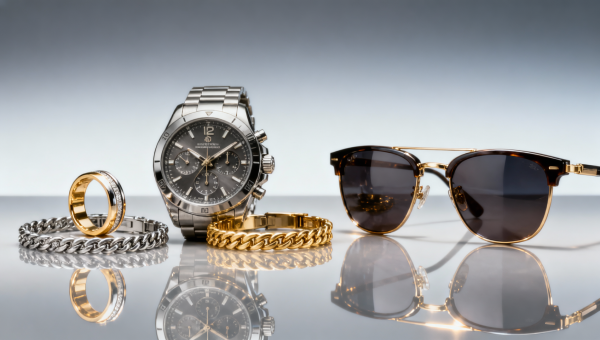
In the watch, jewelry, and eyewear sectors, classic does not mean outdated, and trendy does not always mean short-lived. Classic luxury accessories for men usually rely on stable design codes: clean watch dials, signet rings, cuff bracelets, understated necklaces, rimless or tortoiseshell eyewear, and neutral metal finishes such as steel, gold-tone, or platinum-tone. These products often remain commercially relevant for 2–5 years with only minor updates.
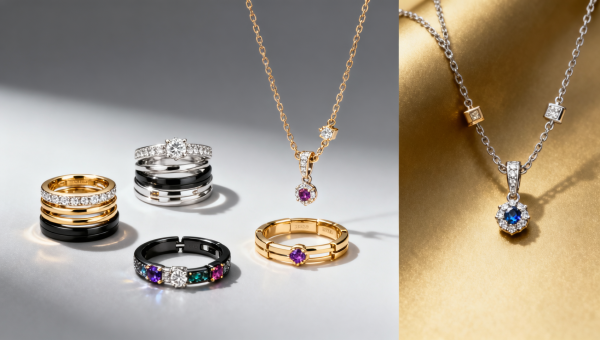
Trendy accessories are defined by faster visual refresh cycles. In men’s jewelry, that can mean bolder chain links, mixed materials, textured surfaces, blackened metals, colored stones, or oversized pendants. In eyewear, trend-led demand often follows frame geometry, lens tint, temple detailing, and celebrity-led styling. In watches, it may show up through dial colors, integrated bracelet looks, vintage-inspired cases, or sport-luxury proportions in the 38mm–42mm range.
For B2B buyers, the distinction matters because each category performs differently under commercial pressure. Classic lines usually offer lower demand volatility, easier cross-market acceptance, and fewer markdown risks. Trend-led collections may generate higher short-term attention, support premium storytelling, and help retailers differentiate. However, they can also create overstock risk if the sourcing window, product launch timing, and channel profile are not aligned.
How product categories behave differently
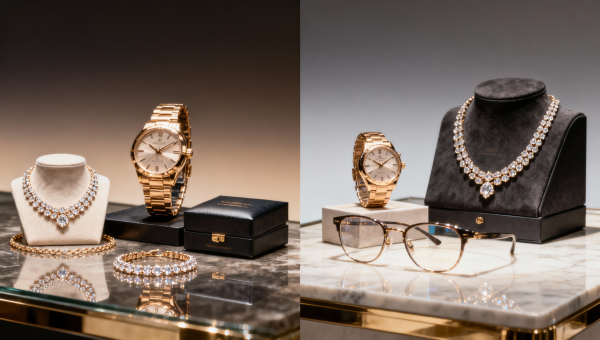
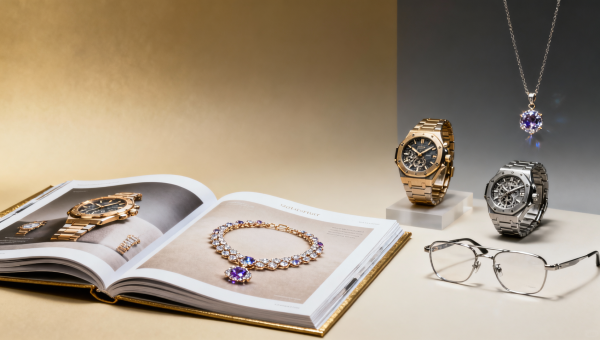
The same style strategy does not apply equally to all three sectors. Men’s watches often lean more heavily toward classic value because buyers expect durability, giftability, and longer replacement cycles. Jewelry allows greater experimentation, especially in branded capsule collections or custom jewelry design programs. Premium eyewear sits between the two: classic frames support core volume, while trend-forward shapes help create visual excitement at retail.
A sourcing team that manages these categories together should evaluate the balance by channel. For example, hospitality boutiques, airport retail, and luxury department stores may each require a different ratio between evergreen and seasonal stock. A common planning model is 60%–70% classic core, 20%–30% updated essentials, and 10%–15% trend-driven statement pieces, though the right split depends on the target customer and replenishment speed.
The table below shows how classic and trendy positioning typically differs across commercial decision points in watches, jewelry, and eyewear.
The commercial takeaway is clear: classic styles deliver baseline stability, while trend-led products drive discovery and visual differentiation. Buyers who reduce the decision to personal taste often overlook sales velocity, reorder feasibility, and channel-specific behavior. A more effective method is to define each accessory line by function in the assortment rather than by fashion preference alone.
Procurement Priorities: How Buyers Should Evaluate Watches, Jewelry, and Eyewear
Commercial sourcing decisions in luxury accessories for men should begin with evaluation criteria, not with trend boards. Whether the buyer is building a private label program, selecting an OEM partner, or expanding a dealer portfolio, the most important questions are consistency, manufacturability, compliance, packaging quality, and margin durability. A visually attractive piece loses value quickly if finish quality, fit, or delivery timing is unstable.
For watches, buyers should examine case finishing, strap integration, clasp performance, movement sourcing transparency, water resistance claims, and packaging presentation. For jewelry, the focus should include metal purity declarations, stone setting consistency, plating durability, solder quality, edge finishing, and custom jewelry design capability. For eyewear, critical checks include hinge stability, frame alignment, lens consistency, surface finish, and comfort during repeated wear.
Five core commercial checkpoints
- MOQ structure: many suppliers offer opening quantities from 50–300 pieces per style, but custom developments may require higher thresholds depending on mold, stone setting, or packaging complexity.
- Lead time planning: standard production often falls within 30–60 days, while customized men’s jewelry or branded eyewear developments may require 60–120 days including sample approval.
- Quality tolerance: frame alignment, clasp closure, plating consistency, and engraving accuracy should be specified before production, especially for multi-country distribution.
- Material communication: steel grades, acetate composition, leather origin, and plating thickness should be documented clearly to support distributor confidence and reduce returns.
- After-sales readiness: spare parts, repair handling, replacement policy, and packaging continuity are essential in premium channels where presentation matters as much as the product.
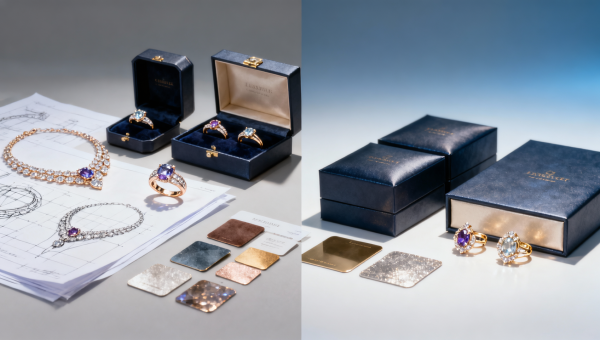
A common procurement mistake is treating luxury accessories as a purely design-led purchase. In practice, B2B success depends on how reliably the supplier converts creative intent into repeatable production. This is why experienced buyers often request 2–3 rounds of samples, finish swatches, and packaging mockups before placing full orders. The sampling stage reveals whether the supplier can reproduce details at scale rather than just present a strong prototype.
Recommended evaluation grid
The following table helps procurement teams compare suppliers across decision points that matter in men’s watches, jewelry, and eyewear.
Using a structured scorecard prevents overreliance on price comparisons alone. In premium men’s accessories, a product that is 8% cheaper but causes slower sell-through, higher defect handling, or inconsistent branding may become more expensive over a 12-month cycle. Procurement teams should therefore measure landed value, not just unit cost.
This is where a sourcing platform with sector-specific intelligence becomes useful. GCT’s focus on commercial-grade sourcing helps buyers compare suppliers not only by appearance, but also by execution capability, procurement relevance, and suitability for international luxury retail, hospitality, and specialty distribution environments.
Classic Wins on Stability, Trendy Wins on Attention: Building the Right Product Mix
A profitable assortment rarely sits at one extreme. In most B2B environments, the strongest performance comes from combining classic anchor products with carefully selected trend-led items. Classic men’s watches and understated jewelry often serve as dependable volume drivers. Trend-sensitive designs in eyewear or statement jewelry help attract first-time buyers, seasonal shoppers, or fashion-led retail partners.
For distributors and agents, this mix is especially important because channel partners often want both safety and novelty. A dealer may request 10 core SKUs that can remain on display for 2–3 seasons, plus 3–5 newer items that refresh the presentation and support social merchandising. If the assortment is too classic, it may look static. If it is too trend-heavy, reorder confidence usually declines.
Assortment planning by commercial objective
Buyers should define the role of each product group before placing orders. Watches can provide brand credibility and gift value. Jewelry can deliver emotional differentiation and customization opportunities. Eyewear can shape visual identity at first glance, especially in luxury lifestyle retail. When those roles are mapped clearly, sourcing becomes more disciplined and easier to scale across regions.
- Core volume products: timeless metal bracelets, classic dial watches, rectangular or round acetate eyewear, minimal rings and cufflinks.
- Seasonal update products: revised dial colors, new frame finishes, textured chains, gemstone accents, or refreshed case-and-box combinations.
- Statement products: bold links, tinted lenses, mixed materials, sculptural rings, or limited-run collaborations for events and premium retail drops.
This tiered model also improves forecasting. Core products can be reordered in smaller but more frequent cycles, often every 45–60 days. Statement products should usually be bought in tighter quantities with stronger launch planning. Seasonal update products sit in the middle and work well for account-specific promotions or curated capsule displays.
Sample allocation model for buyers
The table below offers a practical planning framework for men’s luxury accessories across watches, jewelry, and eyewear.
The key insight is not that one style direction defeats the other. Instead, classic and trendy serve different commercial functions. Businesses that articulate these functions clearly can negotiate better with suppliers, brief distributors more effectively, and protect margins without sacrificing visual relevance.
OEM, ODM, and Custom Jewelry Design: Why Manufacturer Capability Decides Outcomes
In premium men’s accessories, supplier capability matters as much as design direction. A strong luxury jewelry manufacturer or accessories factory should be able to support more than production alone. Buyers increasingly expect integrated development that covers prototyping, material suggestions, finishing consistency, packaging coordination, and commercial advice on MOQ and reorder strategy. This applies not only to jewelry, but also to premium watches and branded eyewear collections.
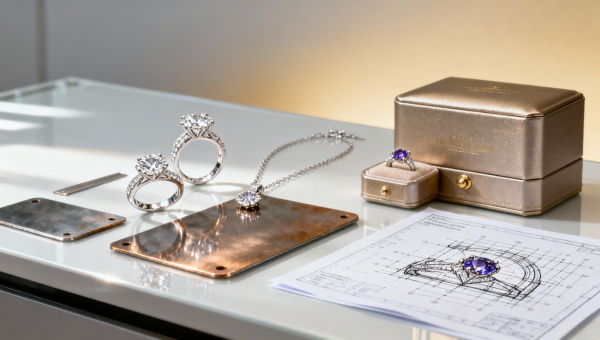
Custom jewelry design has become especially important because many brands want exclusive details without building fully independent manufacturing systems. Common requests include proprietary clasp shapes, engraved logos, custom stone arrangements, signature metal finishes, and branded packaging inserts. In eyewear, customization may involve frame colors, temple branding, lens tint selection, or special display sets. In watches, customization usually focuses on dial details, caseback engraving, strap materials, and gift-box presentation.
Questions buyers should ask before committing
- Can the supplier handle low-to-mid volume customization, such as 100–500 units per design, without compromising finishing quality?
- How many development stages are included: technical drawing review, sample build, revision, packaging test, and final pre-production confirmation?
- What is the typical timeline for standard versus custom orders, and where are the main delay risks?
- Can the supplier support matching collections across watches, jewelry, and eyewear for a unified men’s luxury line?
- What documentation is provided for materials, care instructions, and export packaging specifications?
An experienced sourcing process usually follows 4 stages: concept alignment, sample development, production validation, and delivery coordination. Depending on complexity, sample development may take 2–6 weeks, while full production may require another 4–8 weeks. Projects with customized molds, complex stone setting, or multi-component eyewear hardware often need longer approval time. Buyers should build this into launch calendars early rather than assume factory speed can solve late planning.
Risk points in custom development
Customization creates brand value, but it also increases failure points if specifications are vague. The most common issues include plating color mismatch, logo placement inconsistency, closure weakness, lens shade deviation, or packaging that does not reflect product positioning. These problems are easier to prevent than correct, which is why specification sheets and signed sample approvals are essential.
For procurement professionals using GCT as a sourcing intelligence partner, the advantage lies in filtering suppliers through a commercial lens. Rather than browsing generic manufacturer claims, buyers can prioritize those with credible OEM/ODM capability, category specialization, and the operational maturity needed for premium men’s accessories in global trade environments.
Risk Control, Delivery Planning, and Long-Term Value in Luxury Accessory Sourcing
The final decision between classic and trendy often depends on risk tolerance. If the business model depends on fast seasonal turnover, trend-led pieces may justify tighter launch windows and smaller order batches. If the goal is reliable replenishment across multiple markets, classic accessories generally offer better predictability. In both cases, the commercial result depends on how well the sourcing process controls lead time, quality variance, and presentation consistency.
Delivery planning should include more than production days. Buyers need to factor in sampling, revision rounds, packaging approval, export preparation, freight mode, and arrival buffer. A practical planning horizon for premium men’s jewelry or eyewear is often 75–120 days from concept sign-off to shelf readiness. For repeat classic styles, the cycle may be shorter, especially when materials and packaging are already standardized.
Key risk controls for commercial buyers
- Lock detailed specifications before mass production, including dimensions, finish references, hardware color, lens tone, and packaging inserts.
- Use pre-production samples and in-line checks for collections with complex metalwork, stone setting, or multi-part hinges.
- Separate core and trend inventory plans so slow-moving fashion items do not distort replenishment of stable classics.
- Confirm spare-part or replacement handling for premium channels where product presentation and after-sales service influence repeat business.
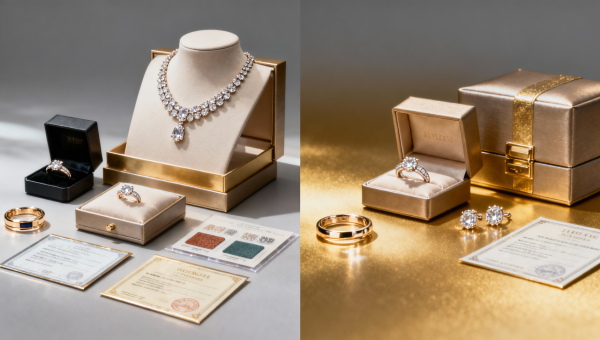
Another overlooked factor is display compatibility. Watches, jewelry, and eyewear are often sold as visual categories. If tray systems, boxes, stands, or point-of-sale materials are inconsistent, even a well-made product can underperform. Commercial buyers should therefore review not only unit products, but also the full presentation system. In many premium channels, packaging and display alignment can improve perceived value without changing the base product specification.
FAQ for buyers and distributors
How should a distributor choose between classic and trendy men’s luxury accessories?
Start with channel profile and reorder speed. If accounts prioritize giftability, broad appeal, and lower markdown exposure, lead with classic watches, jewelry, and eyewear. If accounts rely on visual novelty and social merchandising, allocate 10%–20% of the assortment to trend-forward pieces while protecting volume with core classics.
What lead time is typical for custom jewelry design or branded eyewear?
For standard customizations, 30–60 days is common after sample approval. More advanced projects involving new molds, detailed engraving, or coordinated packaging can reach 60–120 days. The most reliable schedules are built around clear approvals and realistic freight planning rather than optimistic factory estimates.
What matters most when evaluating a luxury jewelry manufacturer?
Beyond appearance, assess sample accuracy, finishing consistency, material disclosure, packaging coordination, and responsiveness during revisions. A supplier that communicates clearly during the first 2–3 development stages is usually better equipped for long-term B2B programs than one that only performs well at quotation stage.
Luxury accessories for men are no longer sourced on style instinct alone. The most resilient commercial strategy is to combine classic stability with selective trend energy, then support that mix with disciplined supplier evaluation, realistic lead-time planning, and strong customization control. For buyers across watches, jewelry, and eyewear, that approach strengthens both sell-through potential and brand credibility.
Global Commercial Trade helps businesses navigate that decision with sourcing intelligence tailored to premium commercial environments. If you are planning a men’s luxury accessory range, evaluating a luxury jewelry manufacturer, or building a cross-category sourcing strategy for watches, jewelry, and eyewear, contact GCT to get a more tailored solution, review supplier options, and explore product details aligned with your market goals.
Search News
Hot Articles
- Stage Lighting & Truss2026 FIBA Women's World Cup Draw Sets LED Timing Screen RequirementsApr 27, 2026
- Hotel Room AmenitiesIranian Delegation’s Ritual Gesture at Sanya ASG Sparks Mideast Hospitality Procurement ShiftApr 27, 2026
- Arcade & VR MachinesSnooker World Championship 'China Derby' Drives VR Viewing DemandApr 27, 2026
Popular Tags
Need ExpertConsultation?
Connect with our specialized leisureengineering team for procurementstrategies.
Recommended News
 Apr 25, 2026Luxury Jewelry B2B in 2026: What Changes?Luxury jewelry B2B in 2026: explore custom jewelry design, custom jewelry manufacturer trends, luxury jewelry wholesale shifts, and how custom luxury jewelry drives faster, safer growth.● Luxury Retail Analyst
 Apr 25, 2026How to Grow a Luxury Accessories Online StoreLearn how to grow a luxury accessories online store with custom jewelry design, a trusted custom jewelry manufacturer, luxury accessories wholesale strategy, and high-end luxury jewelry that converts.● Luxury Retail Analyst
 Apr 25, 2026Custom Jewelry for Corporate Gifts That LastCustom jewelry for corporate gifts from a trusted custom jewelry manufacturer—discover custom jewelry design, high-end luxury jewelry, and scalable luxury jewelry B2B solutions.● Luxury Retail Analyst
 Apr 25, 2026What a Good Luxury Accessories Catalog IncludesLuxury accessories catalog guide covering custom jewelry design, high-end luxury jewelry, luxury accessories for men and women, and trusted luxury jewelry B2B sourcing insights.● Luxury Retail Analyst
 Apr 27, 2026Custom Jewelry with Diamonds: Lab or Natural?Custom jewelry with diamonds: compare lab-grown and natural options for custom jewelry design, pricing, sourcing, and brand fit. A smart guide for luxury jewelry B2B buyers.● Luxury Retail Analyst
 Apr 27, 2026Luxury Accessories Wholesale: How to Start SmallLuxury accessories wholesale made simple: learn custom jewelry design, choose a reliable custom jewelry manufacturer, and build profitable luxury accessories for men and women with low-risk B2B sourcing.● Luxury Retail Analyst
 Apr 27, 2026Luxury Jewelry Manufacturer: Red Flags to KnowLuxury jewelry manufacturer warning signs every B2B buyer should know. Learn how to evaluate custom jewelry design, custom luxury jewelry, and luxury jewelry wholesale partners before costly mistakes.● Luxury Retail Analyst
 Apr 27, 2026Custom Jewelry for Weddings: Timeline GuideCustom jewelry for weddings made simple: learn timelines for custom jewelry design, choosing a custom jewelry manufacturer, and planning custom luxury jewelry with diamonds.● Luxury Retail Analyst
 Apr 27, 2026Luxury Jewelry Wholesale for New DistributorsLuxury jewelry wholesale guide for new distributors: compare custom jewelry manufacturer options, custom jewelry design support, and luxury jewelry B2B strategies to launch faster.● Luxury Retail Analyst
 Apr 27, 2026Custom Luxury Jewelry: OEM or Small Batch?Custom luxury jewelry sourcing guide: compare OEM vs small-batch with a custom jewelry manufacturer for custom jewelry design, cost control, quality, and scalable luxury jewelry B2B growth.● Luxury Retail Analyst
 Apr 27, 2026How to Price High-End Luxury Jewelry RightCustom jewelry design and high-end luxury jewelry pricing guide for B2B buyers—learn how a custom jewelry manufacturer sets value, margins, and wholesale strategy.● Luxury Retail Analyst
 Apr 27, 2026Luxury Accessories for Women by Price TierLuxury accessories for women by price tier: compare high-end luxury jewelry, luxury jewelry wholesale, and custom luxury jewelry from a trusted custom jewelry manufacturer for smarter B2B sourcing.● Luxury Retail Analyst
 Apr 27, 2026Luxury Accessories for Men: Classic or Trendy?Luxury accessories for men: classic or trendy? Explore custom jewelry design, high-end luxury jewelry, and how a luxury jewelry manufacturer helps buyers source smarter for growth.● Luxury Retail Analyst
 Apr 27, 2026How to Compare Custom Jewelry ManufacturersCompare every custom jewelry manufacturer with confidence. Learn how custom jewelry design, compliance, craftsmanship, MOQ, and luxury jewelry wholesale capabilities impact quality and growth.● Luxury Retail Analyst
 Apr 27, 20262026 Custom Jewelry Design Trends to WatchExplore 2026 custom jewelry design trends shaping B2B buying, from custom luxury jewelry and diamonds to luxury accessories for men and women with smarter sourcing insights.● Luxury Retail Analyst
 Apr 27, 2026Luxury Jewelry B2B: What Buyers Need FirstLuxury jewelry B2B starts with trust. Learn how a custom jewelry manufacturer supports custom jewelry design, luxury jewelry wholesale, and scalable high-end luxury jewelry sourcing.● Luxury Retail Analyst
 Apr 27, 2026How Luxury Brands Source Jewelry CollectionsCustom jewelry design and custom jewelry manufacturer insights for luxury brands: learn how high-end luxury jewelry, wholesale sourcing, and compliant supply chains drive profitable collections.● Luxury Retail Analyst
 Apr 27, 2026Luxury Accessories Online Store: What Converts?Luxury accessories online store insights for B2B buyers: explore custom jewelry design, luxury jewelry manufacturer strengths, wholesale strategy, and what truly drives high-end conversions.● Luxury Retail Analyst
 Apr 27, 2026Custom Jewelry for Corporate Gifts: Good Fit?Custom jewelry for corporate gifts: learn when custom jewelry design and a trusted custom jewelry manufacturer create high-end luxury jewelry that elevates VIP gifting and luxury jewelry B2B value.● Luxury Retail Analyst
 Apr 27, 2026How to Build a Luxury Accessories CatalogLuxury accessories catalog guide covering custom jewelry design, custom jewelry manufacturer insights, high-end luxury jewelry sourcing, and luxury accessories wholesale strategies for B2B buyers.● Luxury Retail Analyst
 Apr 27, 2026Custom Jewelry with Diamonds: Key Quality ChecksCustom jewelry with diamonds: learn the key quality checks in custom jewelry design, from grading and metal purity to craftsmanship and supplier review for confident B2B sourcing.● Luxury Retail Analyst
 Apr 27, 2026Luxury Accessories Wholesale: Common Buying RisksLuxury accessories wholesale guide: avoid common sourcing risks, verify a custom jewelry manufacturer, and secure high-end luxury jewelry quality, compliance, and reliable B2B supply.● Luxury Retail Analyst
 Apr 27, 2026How to Vet a Luxury Jewelry ManufacturerCustom jewelry manufacturer vetting guide: learn how to assess custom jewelry design, high-end luxury jewelry quality, lead times, and luxury jewelry B2B fit before you buy.● Luxury Retail Analyst
 Apr 26, 2026Custom Jewelry for Weddings: Where to Start?Custom jewelry for weddings starts with strategy. Explore custom jewelry design, choosing a custom jewelry manufacturer, and sourcing high-end luxury jewelry that balances quality, scalability, and profit.● Luxury Retail Analyst