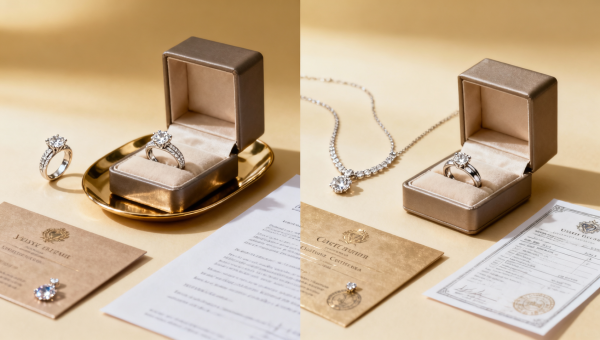
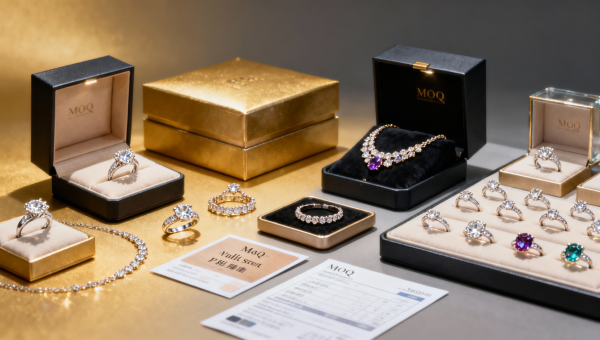
Custom Jewelry for Weddings: Where to Start?
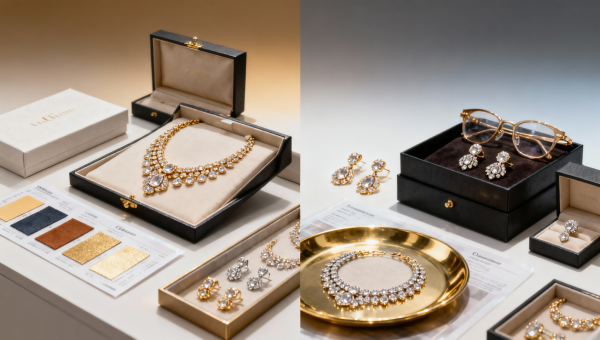
Planning custom jewelry for weddings can feel overwhelming, especially when balancing design, quality, and sourcing. Whether you are exploring custom jewelry design for bridal collections, comparing a custom jewelry manufacturer, or evaluating custom luxury jewelry for B2B projects, knowing where to start is essential. This guide outlines the key steps to source high-end luxury jewelry with confidence, from concept development to supplier selection and commercial feasibility.
For most professional buyers, the real starting point is not sketching a ring or choosing gemstones. It is defining the commercial objective behind the project. A wedding jewelry line can serve very different goals: elevating a bridal retail assortment, supporting a private-label launch, fulfilling a hospitality gifting concept, or building an exclusive distribution offer. The clearer the objective, the easier it becomes to make smart decisions on design direction, target price, manufacturing method, and supplier fit.
What Should You Define Before Contacting a Custom Jewelry Manufacturer?
If you start supplier discussions too early, you may receive quotations that look inconsistent or impossible to compare. Before requesting samples or pricing, align on five core points internally:
- Product category: bridal sets, engagement rings, wedding bands, bridesmaid jewelry, ceremony gifts, or complete bridal collections
- Target market: luxury retail, premium mid-market, destination wedding businesses, resort boutiques, or distributor channels
- Price architecture: target wholesale cost, expected retail range, and margin expectations
- Material standards: gold karat, platinum, sterling silver, lab-grown or natural diamonds, gemstone grades, plating requirements
- Order model: made-to-order, small-batch OEM, ODM collection adaptation, or scalable repeat production
For procurement teams and commercial evaluators, this stage matters because custom luxury jewelry is not just a design exercise. It is a sourcing and risk-management decision. Without a clear framework, even a visually attractive concept can become commercially unviable due to lead times, stone availability, compliance issues, or unstable unit economics.
How Do You Turn a Wedding Jewelry Idea Into a Manufacturable Product?
One of the most common mistakes in custom jewelry design is assuming that an attractive concept is automatically suitable for production. In reality, wedding jewelry must meet aesthetic, structural, and commercial requirements at the same time.
A practical development path usually follows this order:
- Concept definition: establish the collection theme, customer profile, and style references
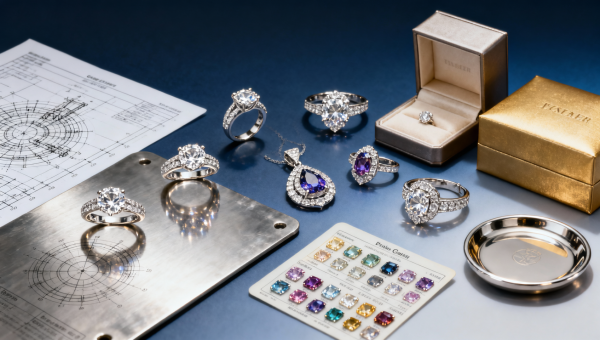
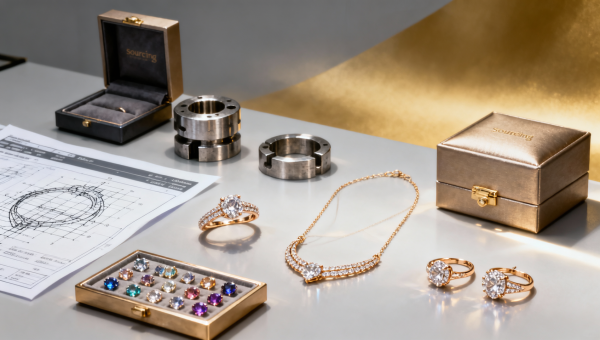
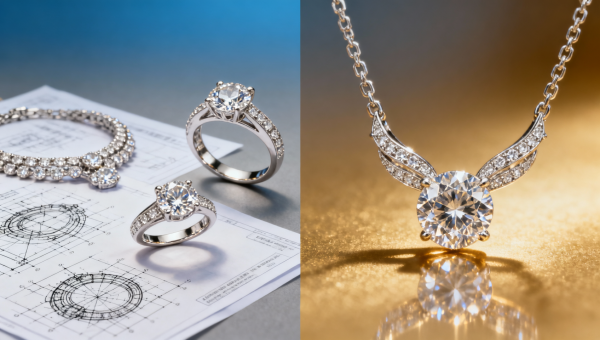
- Technical design: convert mood boards or sketches into CAD files and measurable specifications
- Material selection: confirm metal, stone type, setting style, finish, and durability standards
- Prototype review: evaluate physical or digital samples for comfort, scale, finishing, and wearability
- Cost engineering: optimize weight, stone usage, labor complexity, and packaging cost
- Pre-production approval: lock final specifications before batch manufacturing
For wedding-related products, special attention should be given to daily wear performance. Bridal jewelry often carries emotional significance and is expected to last. That means prong security, stone setting tolerance, clasp reliability, polish consistency, and plating durability all deserve more attention than in purely fashion-driven categories.
If you are sourcing for a dealer network or a branded project, request a supplier that can support both design refinement and engineering feedback. A capable custom jewelry manufacturer should tell you not only what can be made, but also what should be adjusted to improve wearability, repeatability, and cost control.
Which Materials Make Sense for Custom Wedding Jewelry?
Material selection directly affects brand positioning, compliance, durability, and total project cost. For B2B buyers, the best material is rarely the most expensive one. It is the one that best matches the intended market and sales model.
Gold remains the standard for fine wedding jewelry, especially in 14K and 18K formats. It offers strong perceived value and suits premium or luxury bridal positioning.
Platinum appeals to the high-end segment due to its prestige, weight, and durability, but it usually comes with higher material and processing costs.
Sterling silver can work for entry premium bridal accessories or ceremonial gifting programs, though it may be less suitable for core engagement products if long-term wear is a key selling point.
Natural diamonds support traditional luxury positioning and higher-ticket retail strategies.
Lab-grown diamonds are increasingly relevant for brands seeking larger stone appearance, value flexibility, or sustainability-driven messaging.
Colored gemstones can help create distinctive bridal collections and improve assortment differentiation, especially for distributors looking to avoid direct price comparison on standard diamond styles.
When comparing options, ask suppliers to provide documentation on material authenticity, stone grading practices, metal assay standards, and any relevant origin or sustainability claims. In commercial sourcing, unsupported claims create reputational risk.
How Can You Evaluate Whether a Supplier Is Right for a Wedding Jewelry Project?
Not every jewelry factory is suitable for bridal or high-end luxury jewelry production. Wedding jewelry places greater pressure on consistency, finishing quality, emotional presentation, and repeat-order reliability.
When evaluating a custom jewelry manufacturer, focus on the following areas:
- Category experience: do they regularly produce engagement rings, wedding bands, or fine bridal collections?
- OEM/ODM capability: can they work from your concept, or do they only offer catalog modifications?
- CAD and prototyping support: can they help refine design for manufacturing?
- Stone sourcing network: do they have stable access to certified diamonds and matching stones?
- Quality control system: how do they inspect setting security, finish quality, size accuracy, and metal purity?
- Production flexibility: can they handle low MOQ launches as well as scale-up orders?
- Documentation and compliance: can they support declarations, testing needs, and market-specific labeling requirements?
- Packaging and branding: can they support private label presentation suitable for wedding and luxury positioning?
Professional buyers should also review communication quality. Slow or vague communication early in a project often signals future execution problems. A reliable partner should be able to explain lead times, sampling logic, revision cycles, and costing structure clearly.
What Commercial Risks Should Buyers Watch for in Custom Luxury Jewelry?
In wedding jewelry sourcing, the biggest risks usually appear in the gap between prototype approval and production reality. Buyers often focus on design first and discover sourcing issues too late.
Key risks include:
- Unstable gemstone supply leading to color mismatch or delayed delivery
- Inconsistent finishing across batch production, especially in polished or plated surfaces
- Hidden cost escalation from metal price fluctuations, stone upgrades, or complex hand-setting labor
- Over-customization that results in poor scalability or high rejection rates
- Weak IP protection for proprietary bridal designs
- Insufficient certification support for target markets or luxury channel requirements
To reduce these risks, buyers should request a structured quotation and approval process. This should include detailed specifications, confirmed material grades, sample sign-off records, production tolerances, packing standards, and terms for remake or defect handling. For higher-value programs, it is often wise to implement pilot production before full launch.
How Do You Balance Design Appeal With Margin and Scalability?
For distributors, agents, and procurement teams, a beautiful custom wedding jewelry concept is only useful if it can perform commercially. The strongest bridal programs are usually those that balance emotional design with operational discipline.
Here are practical ways to protect margin without losing perceived value:
- Use a hero-piece strategy, where a few standout designs anchor the collection while simpler pieces support profitability
- Standardize key components such as shank structures, settings, backs, or clasps across multiple SKUs
- Offer material variations on one proven design, such as 14K, 18K, or lab-grown versions
- Limit excessive one-off customization unless supported by strong end-customer pricing
- Align packaging investment with channel expectations rather than overbuilding presentation for every tier
This is especially important when sourcing high-end luxury jewelry for international markets. Different regions have different expectations around stone size, purity, design language, and certification. A commercially smart collection often combines a recognizable brand signature with controlled manufacturing complexity.
What Questions Should You Ask Before Placing the First Order?
Before final approval, buyers should make sure the supplier can answer a practical checklist, not just present attractive samples. The following questions are highly relevant for business evaluation:
- What is the exact lead time for sample development and mass production?
- What are the minimum order quantities by design and material?
- How are price changes handled when metal or stone costs fluctuate?
- What quality checkpoints are used before shipment?
- Can the supplier provide CAD ownership terms and confidentiality protection?
- What packaging, logo application, and labeling options are available?
- How are repairs, remakes, or defective units managed?
- Can the supplier support repeat orders with consistent stone matching and finish standards?
These questions help move the conversation from inspiration to execution. For a wedding jewelry project, the supplier must be able to deliver both emotional value and technical consistency. If either side is weak, the project may struggle in market.
Where Should You Actually Start?
If you are at the earliest stage, start by defining the business case, not the ornament. Clarify who the collection is for, what price point it must hit, what quality level the market expects, and whether the supplier model should support boutique exclusivity, private label expansion, or broad commercial distribution.
From there, build a short sourcing brief covering design direction, materials, target cost, expected quantities, and launch timing. This document will help you compare custom jewelry manufacturers more accurately and shorten development cycles. It also helps internal stakeholders align faster, especially when procurement, merchandising, and brand teams are all involved.
In practical terms, the best starting point for custom jewelry for weddings is a combination of three things: a clear commercial objective, a realistic product specification, and a supplier with proven bridal manufacturing capability. When these are aligned early, the project becomes easier to cost, easier to scale, and far less risky to launch.
Custom wedding jewelry can create strong differentiation, premium positioning, and long-term buyer loyalty, but only when sourcing decisions are made with both design and business performance in mind. For B2B buyers, the path forward is not to chase unlimited customization. It is to build a bridal jewelry program that is manufacturable, profitable, consistent, and trusted by the market. Start with strategy, validate with samples, and choose partners who can support quality as reliably as they support creativity.
Search News
Hot Articles
- Pro Stage AudioFIFA Adopts Chinese Mini-LED Displays for 2026 World Cup VAR SystemApr 24, 2026
- Outdoor RidesChina FA Warns Nanjing City Over Fan Conduct; ISO 20785 Compliance AcceleratesApr 24, 2026
- Pro Stage AudioFan Zhendong Visits Silicon Valley as MLTT Investor, AI Ping-Pong Tech Draws US InterestApr 24, 2026
Popular Tags
Need ExpertConsultation?
Connect with our specialized leisureengineering team for procurementstrategies.
Recommended News
 Apr 23, 2026Texas Launches PFAS Probe Against Lululemon, Export Compliance Risks RisePFAS probe against Lululemon in Texas escalates export compliance risks for sportswear ODMs, testing labs & chemical suppliers — act now.● Luxury Retail Analyst
 Apr 21, 2026FDA Proposes Chinese Label Translation Requirement for Sports SupplementsFDA proposes Chinese label translation requirements for sports supplements—learn how protein powders, BCAAs & creatine brands can prepare for Q3 2026 compliance.● Luxury Retail Analyst
 Apr 21, 2026CPSC Urgent Alert: PFAS in Fitness Apparel Risks US Import DelaysPFAS in fitness apparel triggers CPSC alerts—avoid US import delays! Get CPSC-recognized PFAS testing, compliance tips & port detention prevention now.● Luxury Retail Analyst
 Apr 20, 2026US CPSC Alert: PFAS in Fitness Apparel May Delay US Import ClearancePFAS in fitness apparel may delay US import clearance—learn how the Texas AG probe & CPSC alert impact compliance, testing, and supply chains now.● Luxury Retail Analyst
 Apr 15, 2026FDA Updates Guidelines for Sports Nutrition Supplement Labels: Chinese Translations Must Be FDA-CertifiedFDA now requires Chinese translations on sports nutrition supplement labels to be FDA-certified. Learn how this impacts manufacturers, importers, and compliance timelines for US market access.● Luxury Retail Analyst
 Apr 14, 2026Japan Updates Jewelry Labeling Rules: Mandatory China Factory Codes from April 2026Japan's new jewelry labeling rules mandate 'Country of Origin + China Factory Code' (CN-FAC-XXXXX) from April 2026. Learn how this impacts Chinese exporters and Japanese importers in the $2.1B precious metals market.● Luxury Retail Analyst
 Apr 14, 2026RCEP Tariff Cuts Boost China's Optical Lens Exports to ASEANRCEP tariff cuts boost China's optical lens exports to ASEAN with 0% duties on CR-39 & polycarbonate lenses. Learn how this + faster logistics create new trade opportunities.● Luxury Retail Analyst
 Apr 14, 2026US CPSC Proposes Stricter Lead Limits in Children's Jewelry, Impacting Chinese ExportersUS CPSC proposes stricter lead limits (40ppm) in children's jewelry, impacting Chinese exporters with new compliance challenges. Learn how this 2026 regulation affects manufacturers & supply chains.● Luxury Retail Analyst
 Apr 14, 2026EU's Revised EN 14138:2026 Eyewear Nickel Standard Takes Effect, Impacting Chinese ExportersEU's EN 14138:2026 eyewear standard tightens nickel limits to 0.2μg/cm²/week, impacting Chinese exporters. Learn compliance strategies for EU market access.● Luxury Retail Analyst
 Apr 25, 2026Luxury Jewelry B2B in 2026: What Changes?Luxury jewelry B2B in 2026: explore custom jewelry design, custom jewelry manufacturer trends, luxury jewelry wholesale shifts, and how custom luxury jewelry drives faster, safer growth.● Luxury Retail Analyst
 Apr 25, 2026How to Grow a Luxury Accessories Online StoreLearn how to grow a luxury accessories online store with custom jewelry design, a trusted custom jewelry manufacturer, luxury accessories wholesale strategy, and high-end luxury jewelry that converts.● Luxury Retail Analyst
 Apr 25, 2026Custom Jewelry for Corporate Gifts That LastCustom jewelry for corporate gifts from a trusted custom jewelry manufacturer—discover custom jewelry design, high-end luxury jewelry, and scalable luxury jewelry B2B solutions.● Luxury Retail Analyst
 Apr 25, 2026What a Good Luxury Accessories Catalog IncludesLuxury accessories catalog guide covering custom jewelry design, high-end luxury jewelry, luxury accessories for men and women, and trusted luxury jewelry B2B sourcing insights.● Luxury Retail Analyst
 Apr 26, 2026Custom Jewelry for Weddings: Where to Start?Custom jewelry for weddings starts with strategy. Explore custom jewelry design, choosing a custom jewelry manufacturer, and sourcing high-end luxury jewelry that balances quality, scalability, and profit.● Luxury Retail Analyst
 Apr 26, 2026Luxury Jewelry Wholesale: MOQ, Margin, Lead TimeLuxury jewelry wholesale guide: compare MOQ, margin, and lead time for custom jewelry design, custom jewelry manufacturer selection, and profitable luxury jewelry B2B sourcing.● Luxury Retail Analyst
 Apr 26, 2026What Buyers Miss in Custom Luxury Jewelry OrdersCustom luxury jewelry buyers often overlook sourcing, compliance, and production risks. Learn how a custom jewelry manufacturer secures quality, repeatability, and B2B value.● Luxury Retail Analyst
 Apr 26, 2026High-End Luxury Jewelry: Is It Worth the Price?High-end luxury jewelry explained: compare custom jewelry design, luxury jewelry wholesale, and the right custom jewelry manufacturer to judge ROI, quality, and B2B sourcing value.● Luxury Retail Analyst
 Apr 26, 2026How to Source Luxury Accessories for WomenSource luxury accessories for women with confidence. Compare custom jewelry manufacturers, luxury jewelry wholesale options, and high-end luxury jewelry strategies for scalable B2B growth.● Luxury Retail Analyst
 Apr 26, 2026Which Luxury Accessories for Men Sell Best?Luxury accessories for men sell best in watches, eyewear, and custom jewelry design. Explore luxury jewelry wholesale trends, top B2B sourcing tips, and winning premium categories.● Luxury Retail Analyst
 Apr 26, 2026Custom Jewelry Manufacturer vs Trading CompanyCompare a custom jewelry manufacturer vs trading company for custom jewelry design, custom luxury jewelry, and luxury jewelry B2B sourcing—improve quality, pricing, and lead times.● Luxury Retail Analyst
 Apr 26, 2026What Makes a Reliable Custom Jewelry Manufacturer?Custom jewelry manufacturer guide: learn how custom jewelry design, quality control, lead times, and compliance shape reliable custom luxury jewelry sourcing for B2B buyers.● Luxury Retail Analyst
 Apr 26, 2026Custom Jewelry Design: What Impacts Cost Most?Custom jewelry design cost depends most on materials, craftsmanship, and MOQ. Compare custom jewelry manufacturer options for custom luxury jewelry and smarter luxury jewelry B2B sourcing.● Luxury Retail Analyst
 Apr 26, 2026How to Choose a Custom Jewelry Design PartnerCustom jewelry design starts with the right partner. Learn how to choose a custom jewelry manufacturer for high-end luxury jewelry, B2B sourcing, weddings, and corporate gifts.● Luxury Retail Analyst
 Apr 22, 2026Why Some Luxury Jewelry Collections Lose Value in DisplayLuxury jewelry in a trampoline park, indoor playground, arcade games or musical instruments venue can lose value fast. Discover smarter display strategies that protect premium appeal and buyer confidence.● Luxury Retail Analyst