Which Luxury Accessories for Men Sell Best?
From cufflinks and watches to bespoke eyewear and high-end luxury jewelry, the market for luxury accessories for men is evolving fast. For buyers, distributors, and brand evaluators, understanding which products drive demand—and which suppliers deliver reliable custom jewelry design, luxury jewelry wholesale, and luxury accessories wholesale solutions—is essential to making smarter sourcing decisions in a premium global market.
In the watches, jewelry, and eyewear sectors, men’s luxury accessories are no longer limited to gift purchases or niche fashion statements. They now sit at the intersection of personal identity, brand storytelling, collectible value, and retail margin. For B2B sourcing teams, the real question is not simply what looks premium, but which categories move consistently across regions, channels, and price bands.
This matters even more for distributors, agents, and procurement professionals serving specialty retail, luxury counters, airport boutiques, hotel retail, and high-end concept stores. A strong assortment requires dependable suppliers, stable quality, flexible MOQ structures, and clear OEM or ODM capability for custom projects.
Within that context, Global Commercial Trade (GCT) focuses on practical sourcing intelligence for commercial buyers who need more than trend commentary. The most successful purchasing decisions usually balance 4 factors at once: demand velocity, craftsmanship consistency, delivery reliability, and brand-position fit. The sections below break down which men’s luxury accessories sell best and how professional buyers can evaluate them more effectively.
Best-Selling Men’s Luxury Accessories by Category
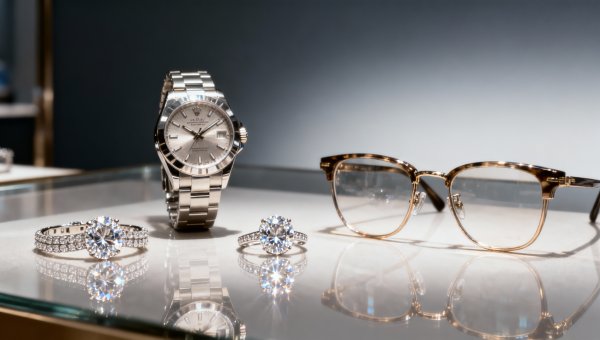
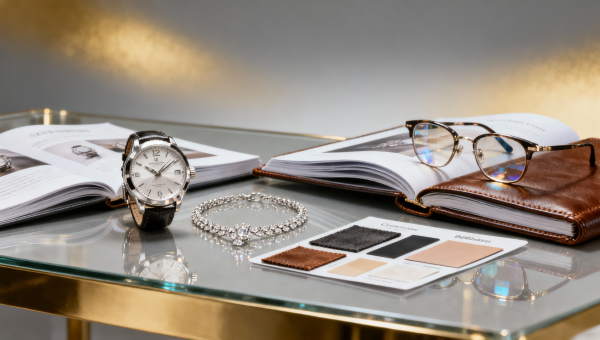
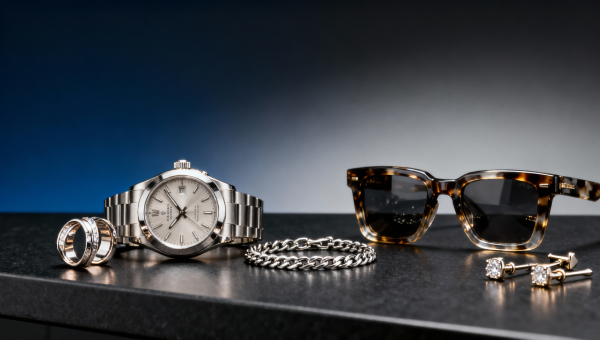
Across premium retail and wholesale channels, a small group of men’s luxury accessories consistently outperforms the rest. Watches remain the most commercially stable category because they combine functionality, status appeal, gifting relevance, and strong average transaction value. In many markets, men’s watches sell across 3 core bands: entry luxury, mid-luxury, and collector-grade premium.
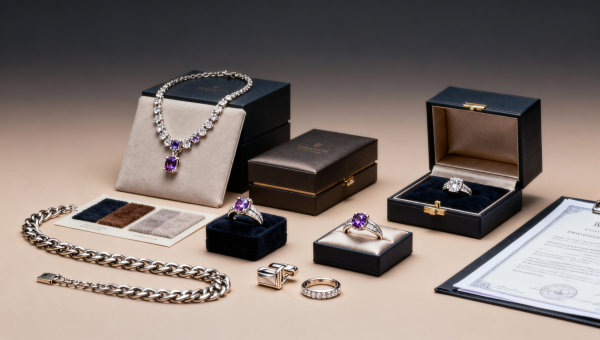
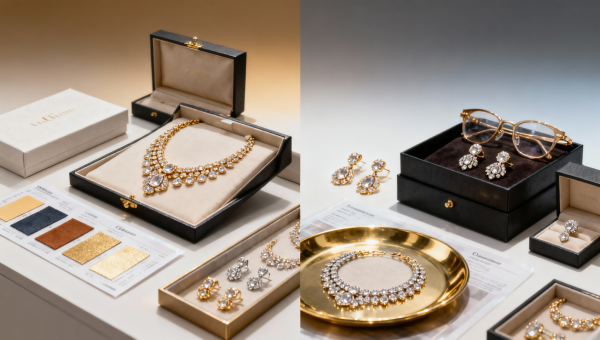
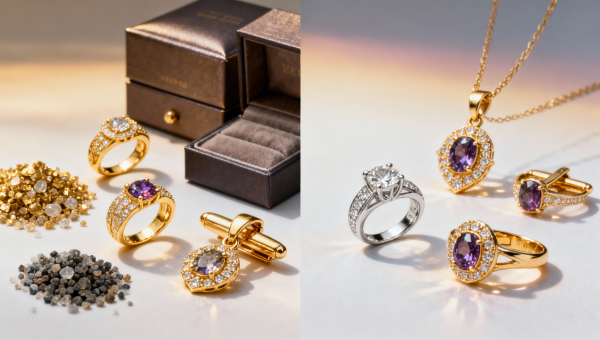
Jewelry is also gaining momentum, especially signet rings, bracelets, chains, and cufflinks with understated finishes. Rather than highly ornate styles, today’s demand leans toward wearable luxury: 18K gold accents, sterling silver, black ceramic combinations, and diamond details used in restrained proportions. Products that bridge formal and casual wear typically convert better than occasion-only pieces.
Luxury eyewear is another high-performing segment, especially sunglasses and optical frames with strong design identity. Men increasingly treat eyewear as an everyday premium accessory, not just a functional purchase. Commercial buyers often see faster turnover in classic silhouettes such as square acetate frames, rimless metal styles, and limited-edition tinted sunglasses.
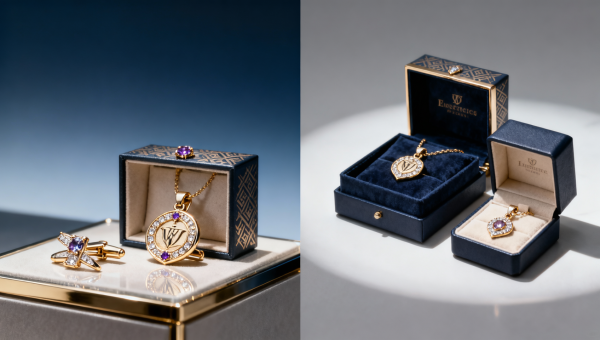
Smaller accessories still matter. Premium cufflinks, tie bars, leather-and-metal bracelets, and jewelry-adjacent gift items can support high margin in lower-ticket inventory planning. These products often work well in capsule retail programs, seasonal gifting, and corporate hospitality channels where unit volume may be 50–300 pieces per order.
What tends to sell repeatedly
- Watches with classic case sizes between 38 mm and 42 mm, suitable for daily wear and broad customer fit.
- Men’s jewelry with minimalist styling, especially chain bracelets, signet rings, and cufflinks in silver, gold-tone, or black finishes.
- Luxury eyewear in timeless shapes that can remain on display for 2–4 seasons without looking dated.
- Custom jewelry design collections for private label buyers seeking regional exclusivity or hospitality gifting programs.
The table below summarizes the commercial performance logic behind the most commonly sourced categories in luxury accessories wholesale.
The strongest pattern is clear: best-selling men’s luxury accessories are those that combine timeless design with manageable sourcing risk. Products tied too closely to short-lived fashion cycles may generate spikes, but they rarely provide the same repeat-order stability as classic watches, refined jewelry, and wearable luxury eyewear.
Why Watches, Jewelry, and Eyewear Dominate Premium Men’s Demand
These three categories dominate because they serve different purchase motivations while fitting the same luxury positioning. Watches often represent achievement and long-term ownership. Jewelry reflects personal style and social signaling. Eyewear blends design with everyday practicality. For retailers and distributors, this creates a balanced portfolio with different buying triggers rather than relying on one trend-led category.
A watch usually carries the highest average unit value, making it attractive for prestige-driven display and higher gross revenue per transaction. Men’s jewelry can offer stronger assortment depth, because a buyer can carry 12–40 SKUs with relatively lower display space. Eyewear, meanwhile, supports faster try-on conversion and often performs well in travel retail, urban luxury boutiques, and resort environments.
Another reason these accessories sell well is gifting behavior. Many commercial buyers plan around 3 major demand windows: year-end gifting, wedding and formal event periods, and travel-heavy vacation seasons. In these cycles, products that look premium, fit most customers, and require limited sizing complexity typically outperform highly specialized items.
Distribution economics also favor these categories. Compared with large leather goods or apparel, watches, jewelry, and eyewear are easier to ship, merchandise, and replenish. They can be stocked in smaller footprints, and they often fit mixed sales models that include in-store display, online pre-order, and curated wholesale allocation.
Commercial drivers behind repeat demand
1. Strong gifting value
Accessories priced in premium but accessible ranges are easier to gift than larger luxury purchases. This supports broader customer acquisition, especially for men’s bracelets, cufflinks, sunglasses, and entry luxury watches.
2. Lower display footprint
A compact luxury accessory assortment can fit in 1–3 display cases, making it commercially efficient for stores with limited floor area or multi-brand environments.
3. Better private label potential
Custom jewelry design and exclusive eyewear capsules are easier to develop than many buyers assume, especially when suppliers offer CAD development, sample revision in 2–3 rounds, and manageable MOQs.
For procurement teams, the practical takeaway is that premium men’s accessories work best when the category mix reflects different purchase missions: one hero category for prestige, one for frequent turnover, and one for gift-oriented seasonal demand.
How B2B Buyers Should Evaluate Suppliers and Product Quality
In luxury accessories wholesale, product appeal alone is not enough. The supplier’s ability to deliver consistent finishing, accurate specifications, and repeatable production quality matters just as much as design. For business evaluators, at least 5 checkpoints should be reviewed before placing any significant order: materials, workmanship, packaging, lead time control, and after-sales handling.
For watches, quality review usually begins with movement type, case finishing, crystal material, clasp construction, and stated water-resistance level. Even when buyers are not sourcing ultra-high horology, they should still verify tolerances, crown action, hand alignment, and scratch resistance expectations. A premium presentation can be undermined quickly by inconsistent assembly.
For jewelry, the focus should be on metal composition, plating thickness, solder quality, edge finishing, clasp reliability, and stone security. In custom jewelry design projects, sampling is essential. Most serious buyers should request at least 1 pre-production sample and, for larger runs above 200 units, a confirmed production sample from the actual batch process.
For eyewear, buyers need to check frame balance, hinge durability, lens consistency, nose bridge comfort, and packaging protection. Products may look excellent in images but fail in real-world handling if the temple alignment, acetate polishing, or hinge tension is weak. These details directly affect return rates and distributor confidence.
Supplier evaluation matrix for men’s luxury accessories
The following table helps compare suppliers across the criteria most relevant to watches, jewelry, and eyewear procurement.
A supplier that scores well in all four areas is usually a stronger long-term partner than one offering a lower price but weak revision control or inconsistent finishing. In premium categories, a defect rate difference of even 2%–3% can materially affect brand perception and resale momentum.
Procurement checklist before order confirmation
- Confirm material declarations for cases, metals, stones, frames, and lenses.
- Review packaging format, barcode requirements, and branding placement.
- Align on MOQ, sample charges, tooling cost if any, and replenishment terms.
- Set inspection timing: pre-production, inline, and pre-shipment if volume justifies it.
- Clarify warranty coverage, spare parts support, and replacement procedure within 7–30 days of receipt.
Custom Jewelry Design, Private Label, and Wholesale Strategy
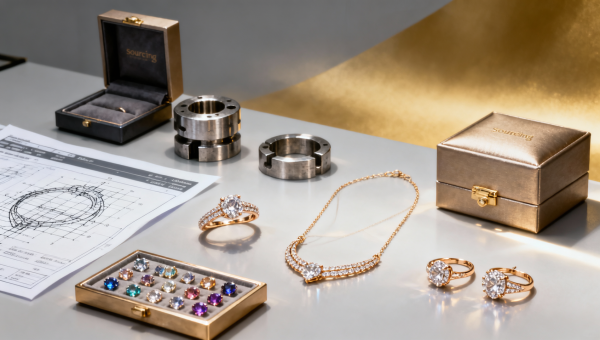
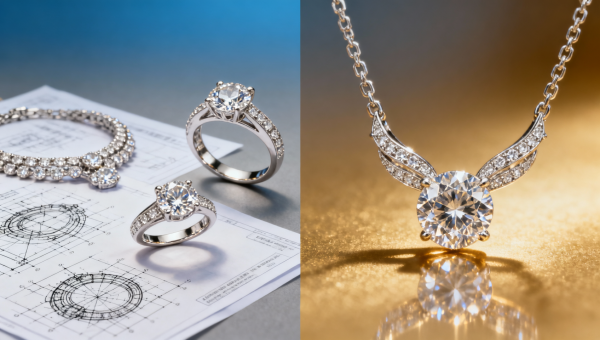
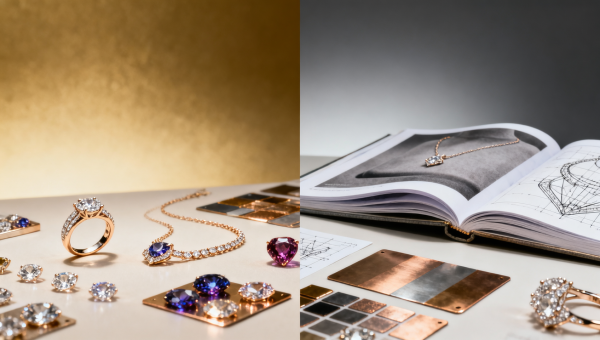
For many distributors and commercial buyers, the most profitable path is not only buying finished stock but building a differentiated assortment through private label or semi-custom development. This is especially true in men’s jewelry, where subtle adjustments in finish, engraving, stone use, or packaging can create a more exclusive offer without requiring a completely new production system.
Custom jewelry design works best when the concept is commercially disciplined. Instead of launching 20 untested designs, experienced buyers often start with 5–8 core SKUs built around strong carryover demand: a bracelet, a ring, a chain, cufflinks, and one statement piece. This reduces inventory risk while making the assortment look cohesive to retail partners.
In luxury jewelry wholesale, the practical advantage of semi-customization is speed. Modifying an existing mold, adjusting plating tone, or adding a signature clasp may shorten development compared with a full from-scratch project. That can reduce total project time from 12–16 weeks to roughly 6–10 weeks, depending on sample rounds and packaging complexity.
Private label luxury eyewear and watch accessories also follow similar logic. Buyers do not always need completely new architecture. Exclusive colorways, branded cases, limited production batches, and region-specific gift sets can create differentiation while keeping tooling and production risk under control.
When custom development makes commercial sense
- When a distributor needs channel exclusivity for 6–12 months in a local market.
- When a hotel retail group, airport boutique, or luxury department store requires branded presentation.
- When existing open-stock luxury accessories wholesale options lack a clear regional identity.
- When margin goals depend on reducing direct comparability with widely available branded SKUs.
Typical customization workflow
Most successful projects move through 4 stages: concept brief, sample development, pre-production approval, and batch manufacturing. If the design is technically straightforward, the first sample may be ready in 2–4 weeks. More intricate stone setting, specialized watch cases, or premium acetate eyewear can push development longer.
Buyers should also plan for packaging development at the same time, not after product approval. In men’s luxury accessories, the unboxing experience can strongly influence perceived value, especially in gifting channels. A well-made rigid box, pouch, cleaning cloth, or authenticity card often supports better retail presentation at a relatively moderate unit cost increase.
Pricing, MOQ, Delivery, and Risk Control in Luxury Accessories Wholesale
The best-selling men’s luxury accessories are not always the easiest to source profitably. Commercial success depends on aligning price architecture with MOQ, lead time, inventory turnover, and channel positioning. Buyers often make costly mistakes by choosing a supplier with attractive sample pricing but weak batch consistency or unrealistic replenishment promises.
MOQ varies significantly by category. For men’s jewelry, a supplier may accept 30–100 pieces per design if the style is based on an existing production line. Custom watch projects can require higher commitment because of case, dial, strap, and packaging coordination. Eyewear often falls in the middle, with color or logo customization affecting minimums.
Delivery planning should also reflect the complexity of premium finishing. Gold-tone plating, gemstone setting, multi-part watch assembly, or custom acetate lamination may all add 1–3 weeks. Buyers sourcing for peak retail periods should ideally lock specifications 60–120 days before planned shelf date, especially for first-time projects.
Risk control is equally important. In watches, one weak component such as a clasp or crown can trigger service issues. In jewelry, plating inconsistency or loose settings can damage reputation quickly. In eyewear, poor hinge performance can increase returns. These are manageable risks, but only when the sourcing process includes clear checkpoints.
Typical procurement ranges by category
The table below provides realistic planning ranges used by many commercial buyers when comparing suppliers in watches, jewelry, and eyewear.
These ranges are not fixed rules, but they help buyers benchmark supplier proposals. A quotation that looks unusually fast or unusually low should trigger deeper review of material standards, finishing steps, or hidden packaging compromises.
Risk-control actions buyers should apply
- Approve a golden sample before batch production starts.
- Request finish and color confirmation under consistent lighting conditions.
- Define acceptable tolerance for minor cosmetic variation before shipment.
- Use staged inspection for orders above 500 units or multi-SKU launches.
- Align replenishment policy to avoid stock gaps during the first 90 days of market introduction.
Buying Trends, Common Mistakes, and Practical FAQ for Commercial Sourcing
Current demand in men’s luxury accessories shows a clear preference for quiet luxury rather than overstatement. That means cleaner lines, stronger materials, neutral colors, and fewer decorative elements used more deliberately. In watches, versatile dial colors and wearable case sizes keep performing. In jewelry, mixed materials and refined surfaces are replacing heavier logo-driven styling. In eyewear, comfort and silhouette longevity matter as much as visual identity.
One common sourcing mistake is overbuying statement pieces while underbuying daily-wear essentials. Another is evaluating samples only for appearance, without checking wear resistance, packaging protection, or post-sale service logistics. For premium categories, merchandising success depends on the full chain: product quality, display readiness, replacement policy, and speed of restock.
Commercial buyers should also avoid treating all luxury accessories wholesale suppliers as interchangeable. Some are strong in custom jewelry design but weak in eyewear finishing. Others may assemble watches reliably but lack premium packaging capability. Category-specific strength matters, especially when sourcing for high-visibility retail environments.
For distributors and agents, the strongest long-term portfolios usually mix 60%–70% timeless carryover products with 30%–40% seasonal or exclusive items. That ratio protects margin while still giving the sales team newness to present to retailers and project buyers.
How should buyers choose between branded stock and custom development?
Choose branded stock when speed to market and recognized label value are the priority. Choose custom or semi-custom development when margin control, exclusivity, or channel differentiation matters more. Many buyers combine both: a stable branded core plus a small private label collection developed in 6–10 weeks.
What are the most important indicators when evaluating men’s jewelry suppliers?
Focus on material disclosure, plating consistency, clasp durability, stone security, and sampling accuracy. Ask how many revision rounds are standard, whether batch color variation is monitored, and what after-sales process applies if defects are identified within the first 7–30 days after delivery.
How long does a typical custom luxury accessory project take?
A straightforward custom jewelry or eyewear project may take 6–10 weeks from confirmed artwork to shipment. A custom watch program can take 8–16 weeks depending on components, packaging, and approval cycles. Buyers should build extra time for holiday congestion, final packaging, and freight booking.
Which products are safest for first-time wholesale testing?
Classic watches, cufflinks, signet rings, chain bracelets, and timeless sunglasses are usually the safest. They are easier to merchandise, less trend-fragile, and more compatible with gift buying. For first launches, keeping the assortment to 5–10 strong SKUs often works better than broad but shallow style experimentation.
For businesses operating in premium sourcing environments, the best-selling men’s luxury accessories are those that balance desirability with operational discipline. Watches deliver prestige and value concentration, jewelry supports repeat purchase and customization, and eyewear offers everyday relevance with strong display appeal. Together, they form a resilient commercial mix for distributors, retailers, and project-based buyers.
GCT supports that decision-making process by focusing on sourcing intelligence that helps buyers compare suppliers, assess wholesale options, and develop commercially viable premium assortments. If you are evaluating custom jewelry design, luxury jewelry wholesale, or broader luxury accessories wholesale programs, now is the right time to refine your category strategy and supplier shortlist. Contact us to discuss your sourcing goals, request a tailored product roadmap, or explore more solutions for watches, jewelry, and eyewear procurement.
Search News
Hot Articles
- Pro Stage AudioFIFA Adopts Chinese Mini-LED Displays for 2026 World Cup VAR SystemApr 24, 2026
- Outdoor RidesChina FA Warns Nanjing City Over Fan Conduct; ISO 20785 Compliance AcceleratesApr 24, 2026
- Pro Stage AudioFan Zhendong Visits Silicon Valley as MLTT Investor, AI Ping-Pong Tech Draws US InterestApr 24, 2026
Popular Tags
Need ExpertConsultation?
Connect with our specialized leisureengineering team for procurementstrategies.
Recommended News
 Apr 23, 2026Texas Launches PFAS Probe Against Lululemon, Export Compliance Risks RisePFAS probe against Lululemon in Texas escalates export compliance risks for sportswear ODMs, testing labs & chemical suppliers — act now.● Luxury Retail Analyst
 Apr 21, 2026FDA Proposes Chinese Label Translation Requirement for Sports SupplementsFDA proposes Chinese label translation requirements for sports supplements—learn how protein powders, BCAAs & creatine brands can prepare for Q3 2026 compliance.● Luxury Retail Analyst
 Apr 21, 2026CPSC Urgent Alert: PFAS in Fitness Apparel Risks US Import DelaysPFAS in fitness apparel triggers CPSC alerts—avoid US import delays! Get CPSC-recognized PFAS testing, compliance tips & port detention prevention now.● Luxury Retail Analyst
 Apr 20, 2026US CPSC Alert: PFAS in Fitness Apparel May Delay US Import ClearancePFAS in fitness apparel may delay US import clearance—learn how the Texas AG probe & CPSC alert impact compliance, testing, and supply chains now.● Luxury Retail Analyst
 Apr 15, 2026FDA Updates Guidelines for Sports Nutrition Supplement Labels: Chinese Translations Must Be FDA-CertifiedFDA now requires Chinese translations on sports nutrition supplement labels to be FDA-certified. Learn how this impacts manufacturers, importers, and compliance timelines for US market access.● Luxury Retail Analyst
 Apr 14, 2026Japan Updates Jewelry Labeling Rules: Mandatory China Factory Codes from April 2026Japan's new jewelry labeling rules mandate 'Country of Origin + China Factory Code' (CN-FAC-XXXXX) from April 2026. Learn how this impacts Chinese exporters and Japanese importers in the $2.1B precious metals market.● Luxury Retail Analyst
 Apr 14, 2026RCEP Tariff Cuts Boost China's Optical Lens Exports to ASEANRCEP tariff cuts boost China's optical lens exports to ASEAN with 0% duties on CR-39 & polycarbonate lenses. Learn how this + faster logistics create new trade opportunities.● Luxury Retail Analyst
 Apr 14, 2026US CPSC Proposes Stricter Lead Limits in Children's Jewelry, Impacting Chinese ExportersUS CPSC proposes stricter lead limits (40ppm) in children's jewelry, impacting Chinese exporters with new compliance challenges. Learn how this 2026 regulation affects manufacturers & supply chains.● Luxury Retail Analyst
 Apr 14, 2026EU's Revised EN 14138:2026 Eyewear Nickel Standard Takes Effect, Impacting Chinese ExportersEU's EN 14138:2026 eyewear standard tightens nickel limits to 0.2μg/cm²/week, impacting Chinese exporters. Learn compliance strategies for EU market access.● Luxury Retail Analyst
 Apr 25, 2026Luxury Jewelry B2B in 2026: What Changes?Luxury jewelry B2B in 2026: explore custom jewelry design, custom jewelry manufacturer trends, luxury jewelry wholesale shifts, and how custom luxury jewelry drives faster, safer growth.● Luxury Retail Analyst
 Apr 25, 2026How to Grow a Luxury Accessories Online StoreLearn how to grow a luxury accessories online store with custom jewelry design, a trusted custom jewelry manufacturer, luxury accessories wholesale strategy, and high-end luxury jewelry that converts.● Luxury Retail Analyst
 Apr 25, 2026Custom Jewelry for Corporate Gifts That LastCustom jewelry for corporate gifts from a trusted custom jewelry manufacturer—discover custom jewelry design, high-end luxury jewelry, and scalable luxury jewelry B2B solutions.● Luxury Retail Analyst
 Apr 25, 2026What a Good Luxury Accessories Catalog IncludesLuxury accessories catalog guide covering custom jewelry design, high-end luxury jewelry, luxury accessories for men and women, and trusted luxury jewelry B2B sourcing insights.● Luxury Retail Analyst
 Apr 26, 2026Custom Jewelry for Weddings: Where to Start?Custom jewelry for weddings starts with strategy. Explore custom jewelry design, choosing a custom jewelry manufacturer, and sourcing high-end luxury jewelry that balances quality, scalability, and profit.● Luxury Retail Analyst
 Apr 26, 2026Luxury Jewelry Wholesale: MOQ, Margin, Lead TimeLuxury jewelry wholesale guide: compare MOQ, margin, and lead time for custom jewelry design, custom jewelry manufacturer selection, and profitable luxury jewelry B2B sourcing.● Luxury Retail Analyst
 Apr 26, 2026What Buyers Miss in Custom Luxury Jewelry OrdersCustom luxury jewelry buyers often overlook sourcing, compliance, and production risks. Learn how a custom jewelry manufacturer secures quality, repeatability, and B2B value.● Luxury Retail Analyst
 Apr 26, 2026High-End Luxury Jewelry: Is It Worth the Price?High-end luxury jewelry explained: compare custom jewelry design, luxury jewelry wholesale, and the right custom jewelry manufacturer to judge ROI, quality, and B2B sourcing value.● Luxury Retail Analyst
 Apr 26, 2026How to Source Luxury Accessories for WomenSource luxury accessories for women with confidence. Compare custom jewelry manufacturers, luxury jewelry wholesale options, and high-end luxury jewelry strategies for scalable B2B growth.● Luxury Retail Analyst
 Apr 26, 2026Which Luxury Accessories for Men Sell Best?Luxury accessories for men sell best in watches, eyewear, and custom jewelry design. Explore luxury jewelry wholesale trends, top B2B sourcing tips, and winning premium categories.● Luxury Retail Analyst
 Apr 26, 2026Custom Jewelry Manufacturer vs Trading CompanyCompare a custom jewelry manufacturer vs trading company for custom jewelry design, custom luxury jewelry, and luxury jewelry B2B sourcing—improve quality, pricing, and lead times.● Luxury Retail Analyst
 Apr 26, 2026What Makes a Reliable Custom Jewelry Manufacturer?Custom jewelry manufacturer guide: learn how custom jewelry design, quality control, lead times, and compliance shape reliable custom luxury jewelry sourcing for B2B buyers.● Luxury Retail Analyst
 Apr 26, 2026Custom Jewelry Design: What Impacts Cost Most?Custom jewelry design cost depends most on materials, craftsmanship, and MOQ. Compare custom jewelry manufacturer options for custom luxury jewelry and smarter luxury jewelry B2B sourcing.● Luxury Retail Analyst
 Apr 26, 2026How to Choose a Custom Jewelry Design PartnerCustom jewelry design starts with the right partner. Learn how to choose a custom jewelry manufacturer for high-end luxury jewelry, B2B sourcing, weddings, and corporate gifts.● Luxury Retail Analyst
 Apr 22, 2026Why Some Luxury Jewelry Collections Lose Value in DisplayLuxury jewelry in a trampoline park, indoor playground, arcade games or musical instruments venue can lose value fast. Discover smarter display strategies that protect premium appeal and buyer confidence.● Luxury Retail Analyst